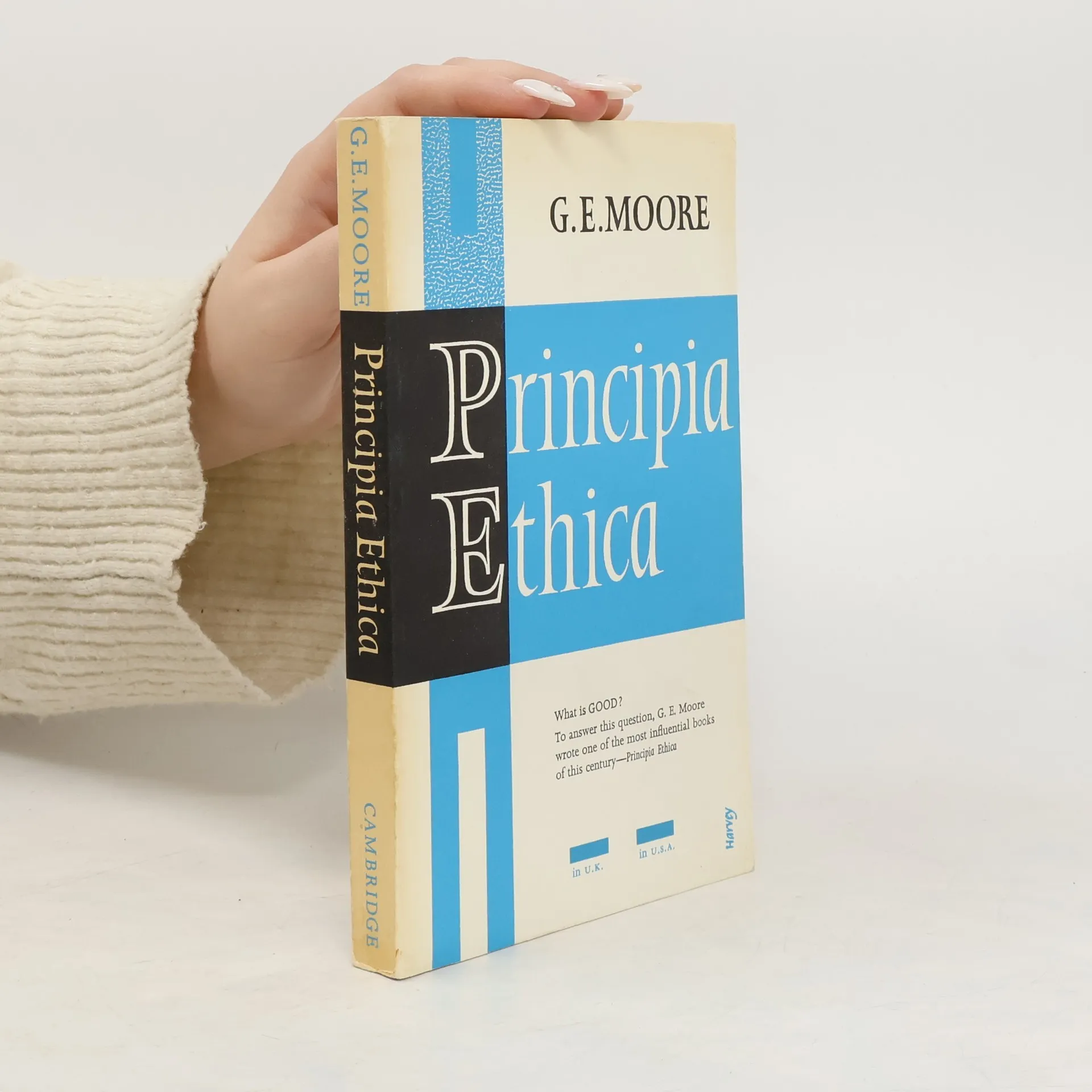
First published in 1903, this volume revolutionized philosophy and forever altered the direction of ethical studies. It clarifies some of moral philosophy's most common confusions and redefines the science's terminology. 6 chapters explore: the subject matter of ethics, naturalistic ethics, hedonism, metaphysical ethics, ethics in relation to conduct, and the ideal.
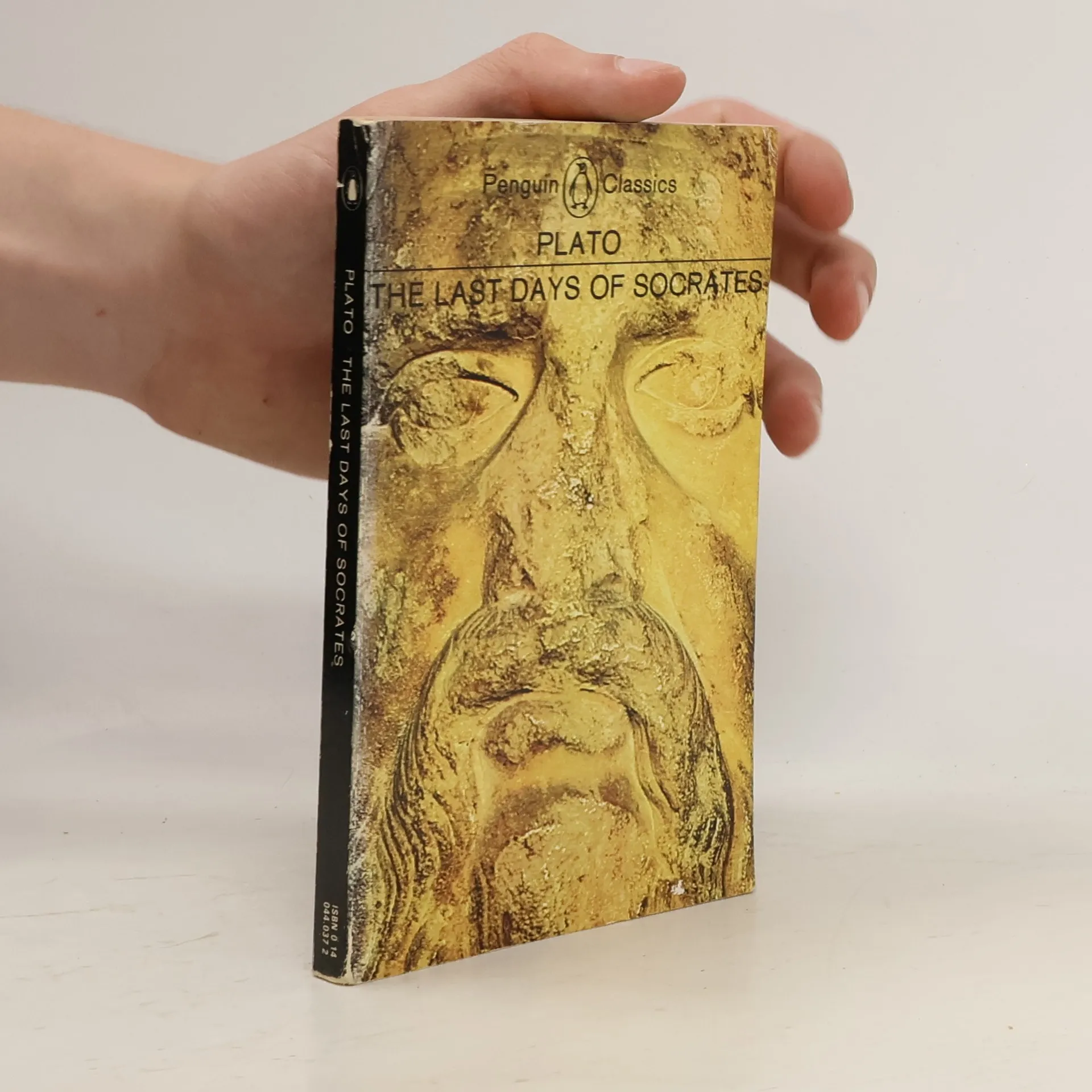
Toward the end of The Apology, Socrates makes a statement that resonates even with those who have never read Plato: "I tell you that ... examining both myself and others is really the very best thing that a man can do, and that life without this sort of examination is not worth living" (p. 63). The Apology, Euthyphro, Crito, and Phaedo, which depict Socrates' activities just prior to his trial until his death, hold a central place among the works of Plato. They sum up the philosophical career of Socrates, protagonist of most of the Platonic dialogues. But this summing up does not imply the end of the examinations Socrates pursued. On the contrary, during his last days, Socrates rigorously continued the kind of inquiries he had pursued all his life, even at the risk of execution, and he enjoined his companions to continue them when he was gone. -- Publisher description
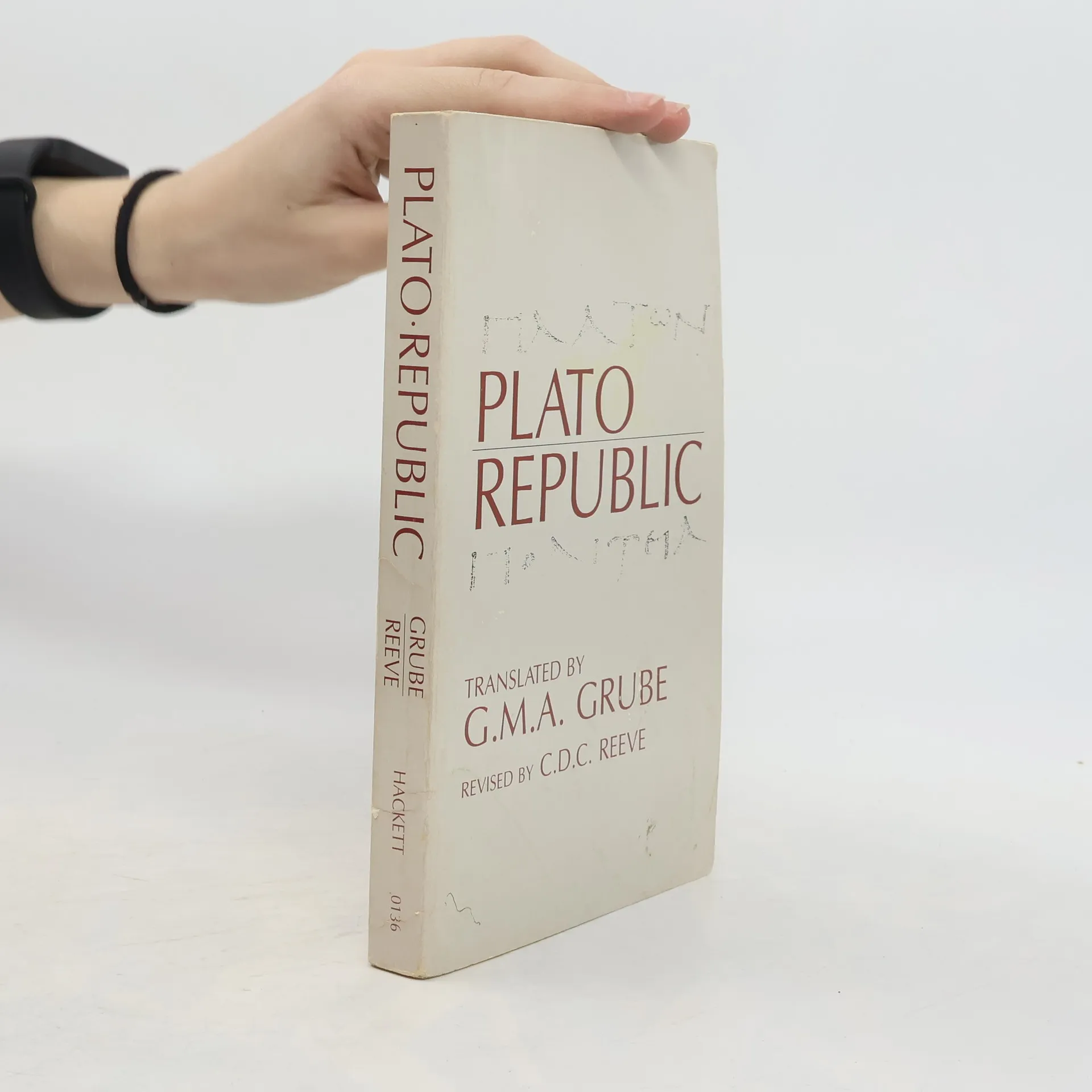
Since its publication in 1974, scholars throughout the humanities have adopted G M A Grube's masterful translation of the Republic as the edition of choice for their study and teaching of Plato's most influential work. In this brilliant revision, C D C Reeve furthers Grube's success both in preserving the subtlety of Plato's philosophical argument and in rendering the dialogue in lively, fluent English, that remains faithful to the original Greek. This revision includes a new introduction, index, and bibliography by Reeve.