

Alice Echols Book order (chronological)
Alice Echols is a distinguished cultural critic and historian. Her work primarily focuses on the vibrant landscape of the 1960s, offering deep insights into the era's cultural currents. As a professor at the University of Southern California, she brings her expertise to the fields of English, Gender Studies, and History.
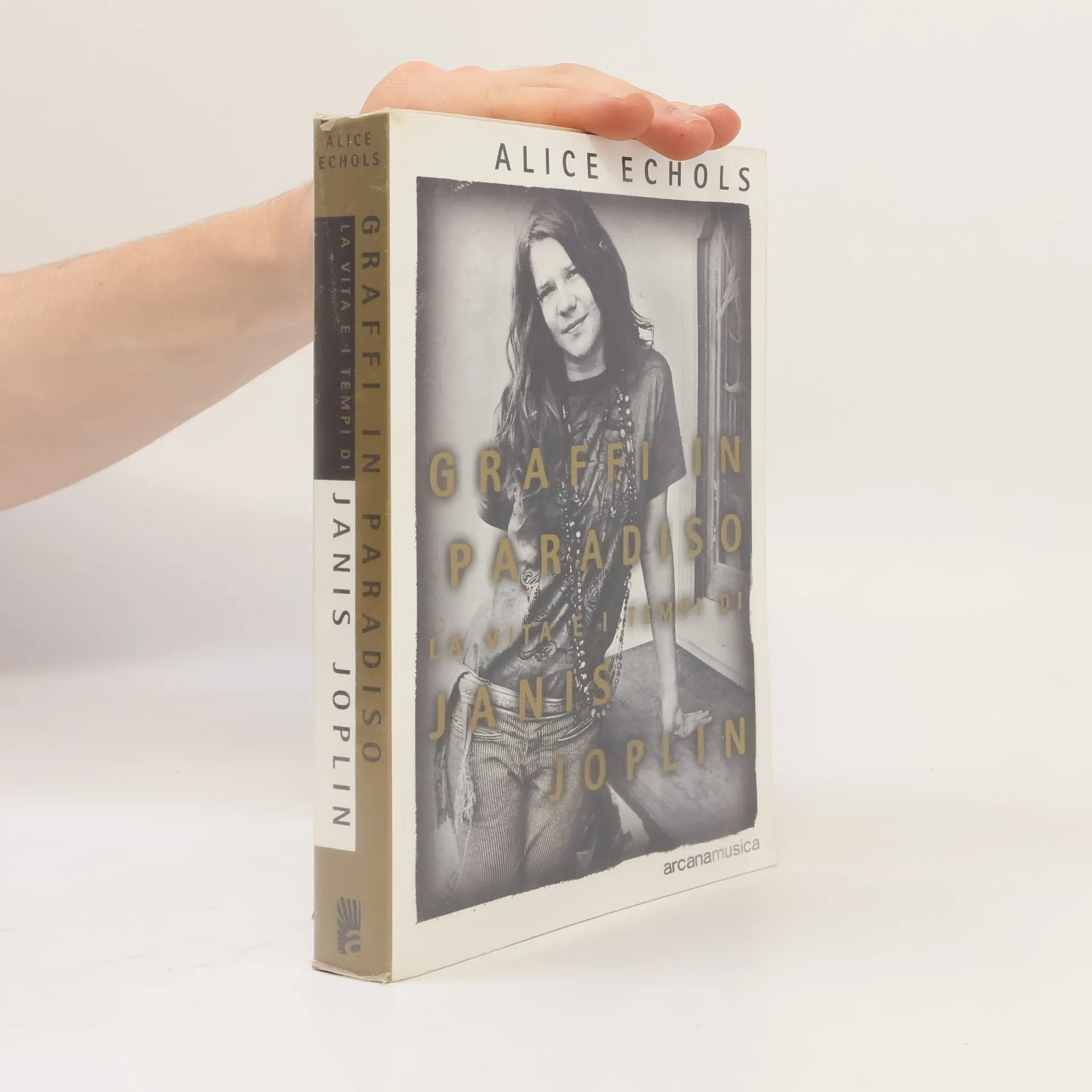
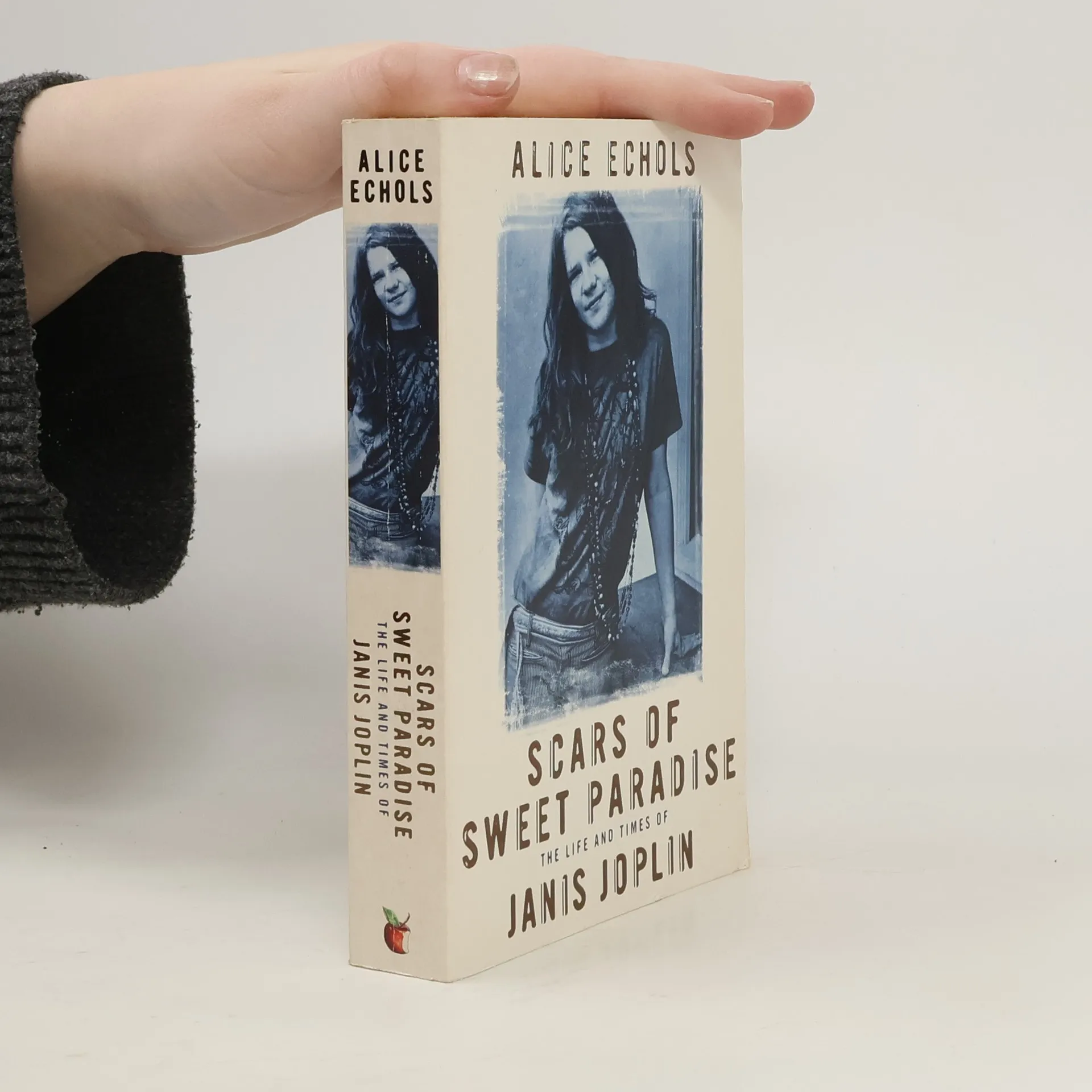
Scars of Sweet Paradise. The Life and Times of Janis Joplin.
- 432 pages
- 16 hours of reading
To call Janis Joplin the Judy Garland of the Woodstock set is in some sense a fair characterisation. The brassy, carnal, extravagant and ultimately pitiable queen of psychedelic rock is indeed a cultural icon. And while Joplin revelled in her own ballsy, boozy legend, its needy, inebriated, real-life equivalent was a shadow that darkened her short life and, in the decades since her 1970 drug-induced death, has come to eclipse the party-girl persona. To her great credit, author Alice Echols reconciles the two faces of Joplin in this ambitious, thoroughly readable biography. She does so by tracing Joplin from her youth as a natural-born libertine in dreary Port Arthur, Texas, to her emergence as the sole female rock superstar of her era--a period when beneath-the-surface sexism hampered Joplin's progress even while women's liberation was being widely touted. The author does not shy away from sordid sex-and-drugs episodes and there's plenty of raw material---the singer was promiscuous, bisexual and, at various times, an alcoholic, a speed freak and a junkie. Echols, however, elevates this biography above run-of-the-mill rock profiles by painting her subject against an elaborate and ever-changing cultural backdrop. Here is Joplin the aspiring folk-singer, the white-picket-fence wannabe, the wayward daughter, the hit-and-miss recording artist and, finally, the ill-starred spirit with nothing left to lose. --Steven Stolder
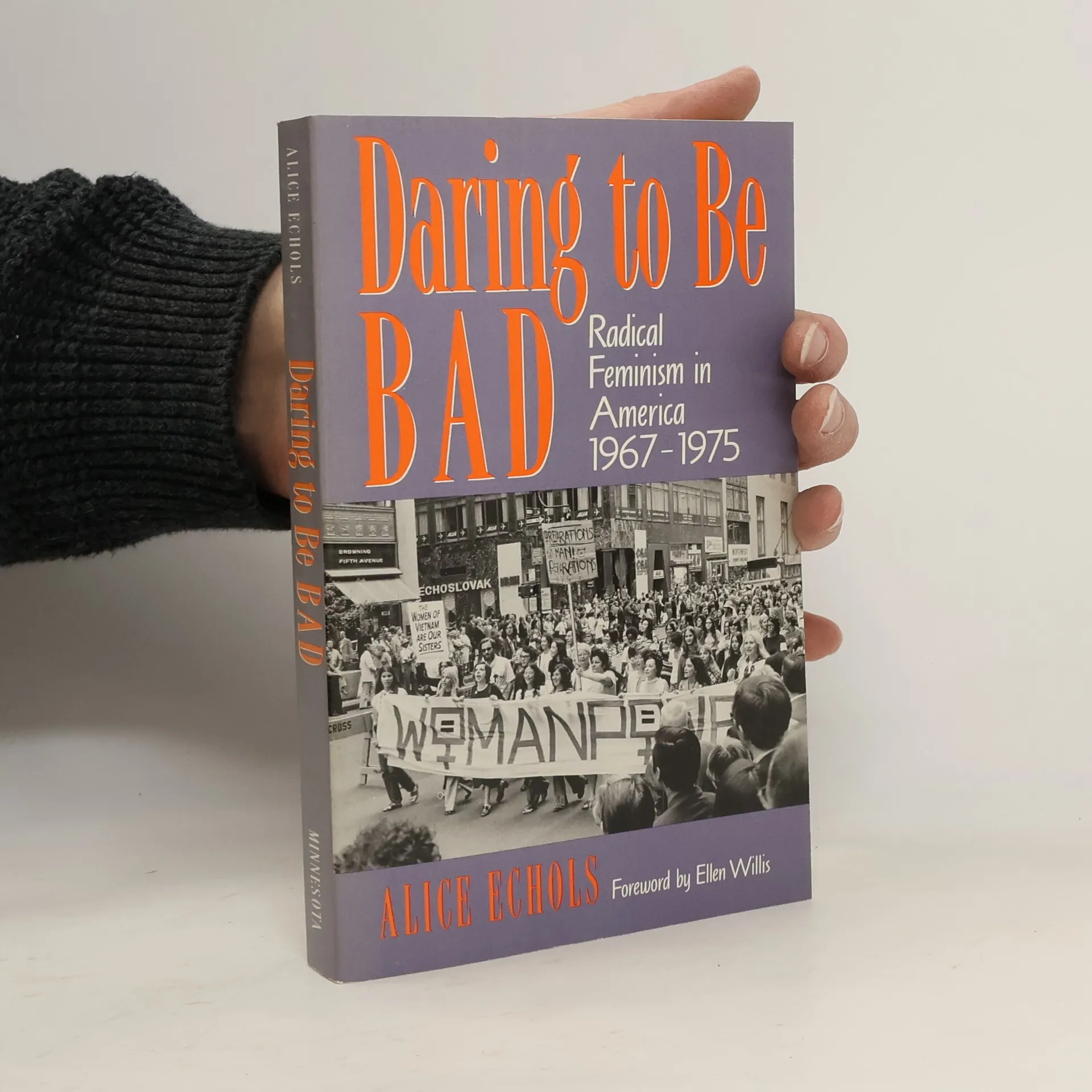
Daring To Be Bad
- 416 pages
- 15 hours of reading
Combines intellectual and social history with collective biography to provide a history and theoretical analysis of the radical feminist movement in the USA.