Sharon Bertsch McGrayne authors highly-praised books that illuminate scientific discoveries and the minds behind them. Her work delves into the cutting-edge intersections of social issues and scientific progress. McGrayne is driven by a desire to make complex science accessible and engaging for a broad audience.
Wie der englische Pastor Thomas Bayes eine Regel entdeckte, die nach 150 Jahren voller Kontroversen heute aus Wissenschaft, Technik und Gesellschaft nicht mehr wegzudenken ist
383 pages
14 hours of reading
Suchmaschinen und Qualitätsmanagement, Versicherungen und Erdbebenvorhersagen, Verkehrsflüsse, Geheimcodes und medizinische Prognosen – die sogenannte Bayes’sche Regel ist geradezu allgegenwärtig und dennoch nur wenigen vertraut.
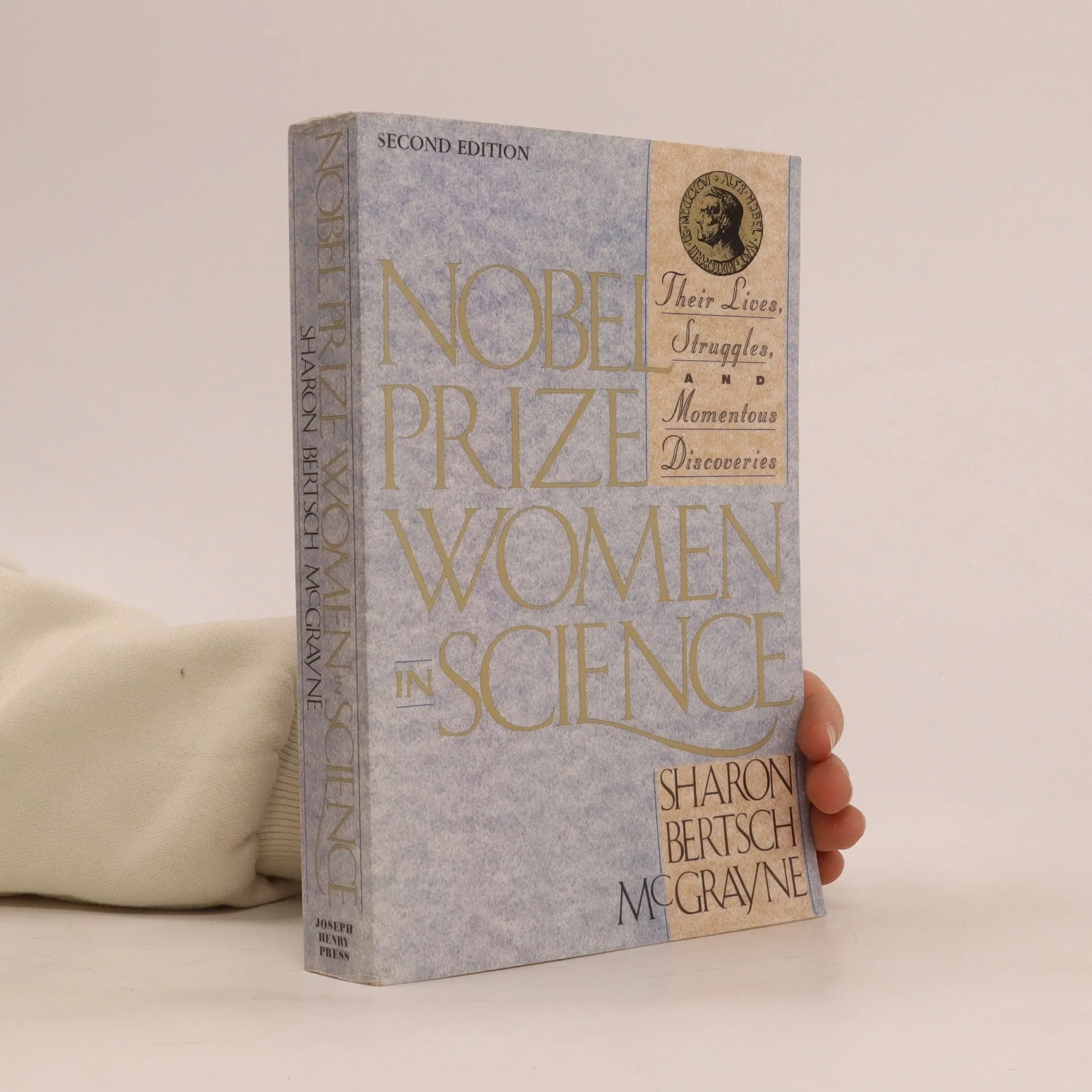
Since 1901 there have been over three hundred recipients of the Nobel Prize in the sciences. Only ten of them?about 3 percent?have been women. Why? In this updated version of Nobel Prize Women in Science , Sharon Bertsch McGrayne explores the reasons for this astonishing disparity by examining the lives and achievements of fifteen women scientists who either won a Nobel Prize or played a crucial role in a Nobel Prize - winning project. The book reveals the relentless discrimination these women faced both as students and as researchers. Their success was due to the fact that they were passionately in love with science. The book begins with Marie Curie, the first woman to win the Nobel Prize in physics. Readers are then introduced to Christiane Nusslein-Volhard, Emmy Noether, Lise Meitner, Barbara McClintock, Chien-Shiung Wu, and Rosalind Franklin. These and other remarkable women portrayed here struggled against gender discrimination, raised families, and became political and religious leaders. They were mountain climbers, musicians, seamstresses, and gourmet cooks. Above all, they were strong, joyful women in love with discovery. Nobel Prize Women in Science is a startling and revealing look into the history of science and the critical and inspiring role that women have played in the drama of scientific progress.
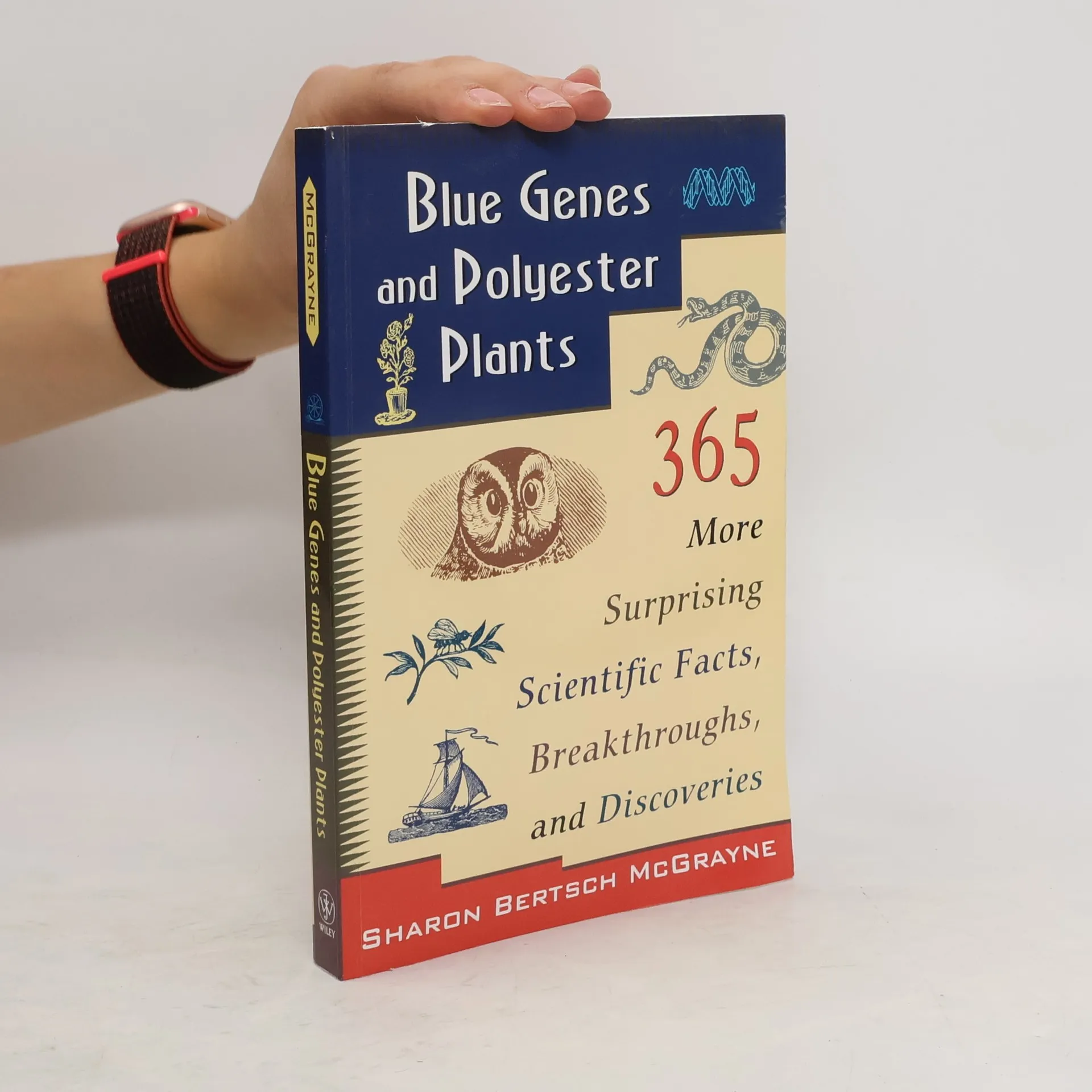
365 More Suprising Scientific Facts, Breakthroughs, and Discoveries
260 pages
10 hours of reading
Contains 365 facts of recent developments in a variety of fields including biology, medicine, engineering, technology, zoology, chemistry, and astronomy, arranged in question and answer format.