Explore the latest books of this year!
Bookbot

Lewis Mumford

    October 19, 1895 – January 26, 1990

    Lewis Mumford was an American historian and philosopher, renowned for his profound studies of cities and urban architecture. His wide-ranging career also encompassed a significant period as an influential literary critic, reflecting his broad intellectual interests. Mumford explored the intricate relationship between humanity, technology, and the built environment, leaving a lasting impact on the understanding of urban development and its cultural implications.

    The Transformations of Man
    The Highway and the City
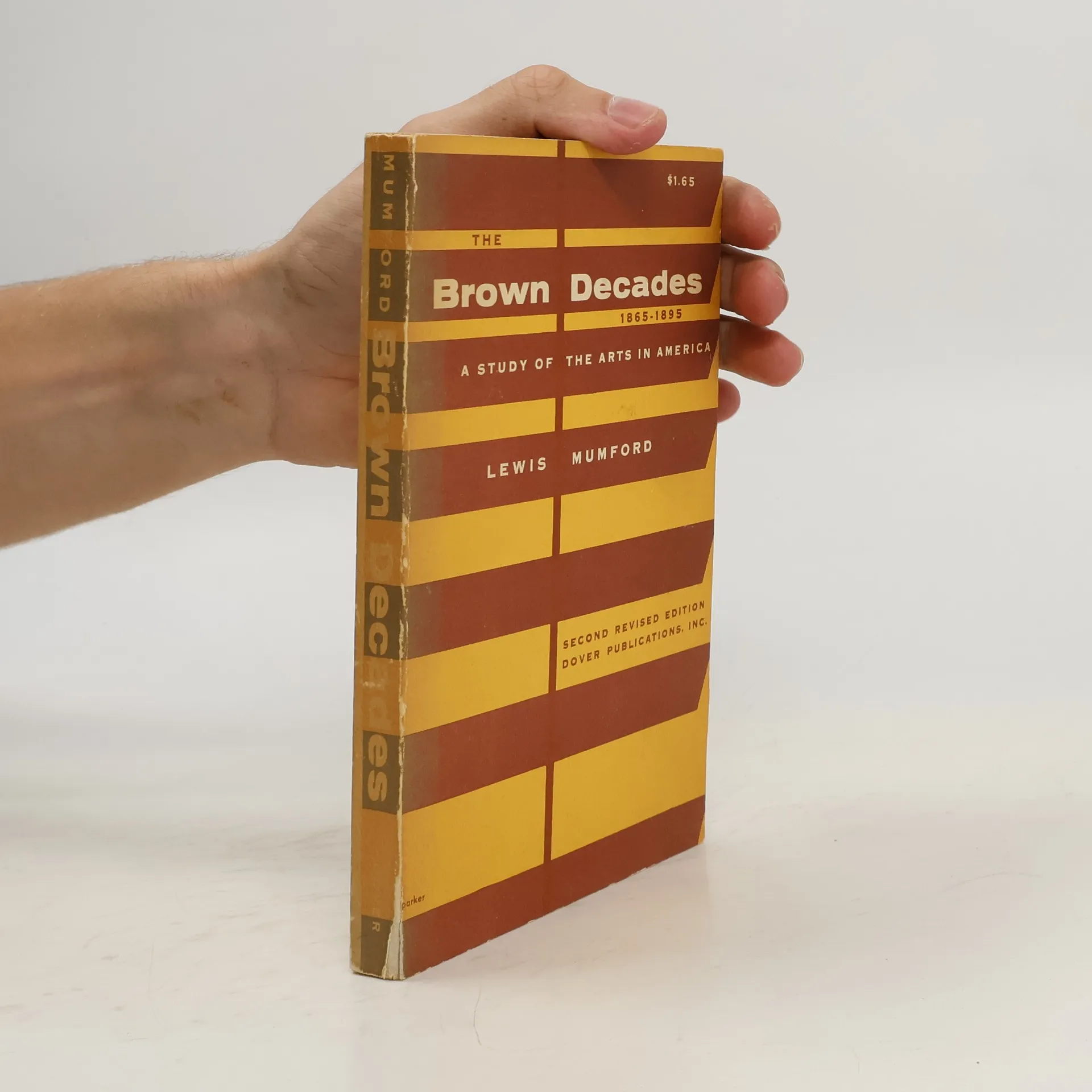
    Brown Decades
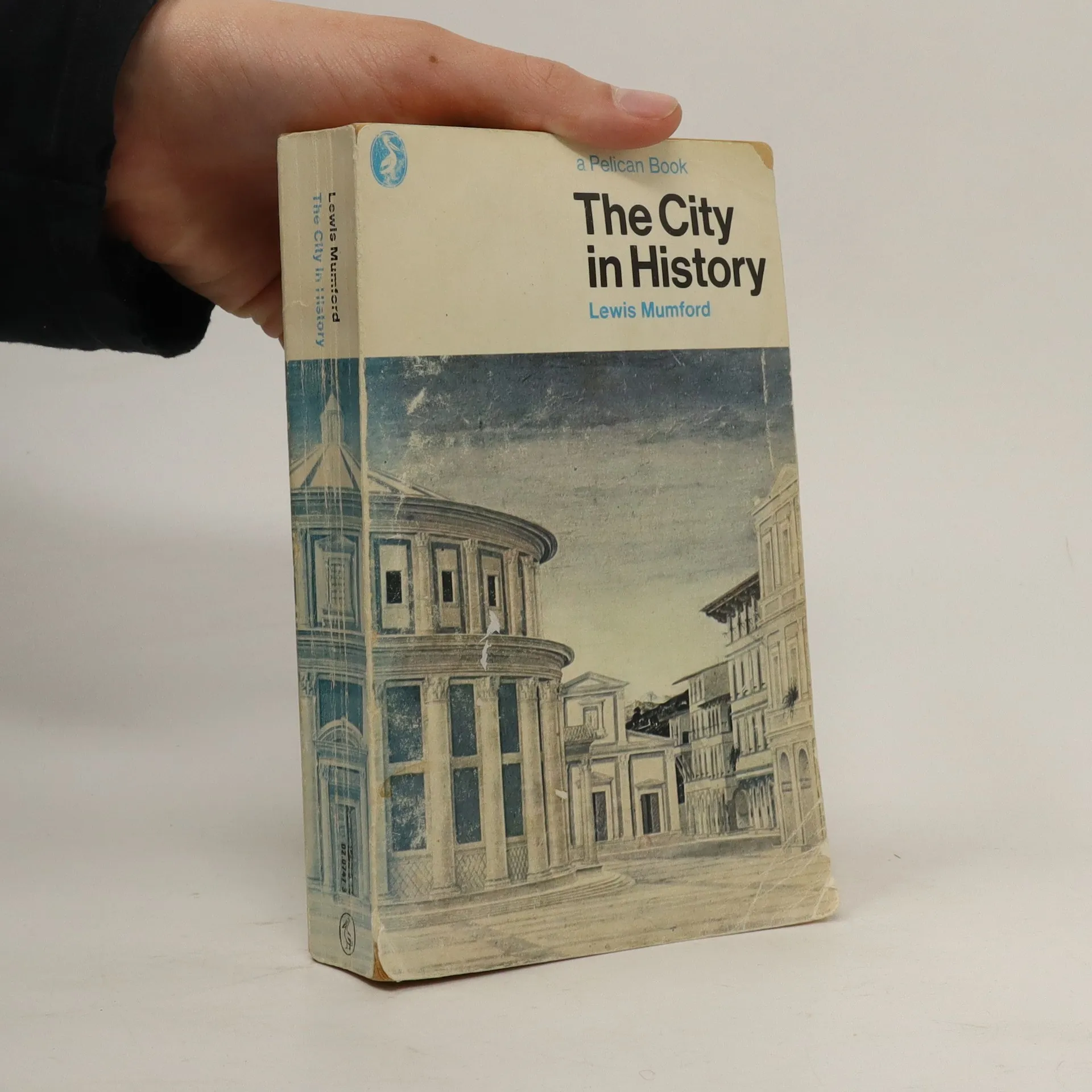
    The City in History
    The Story of Utopias
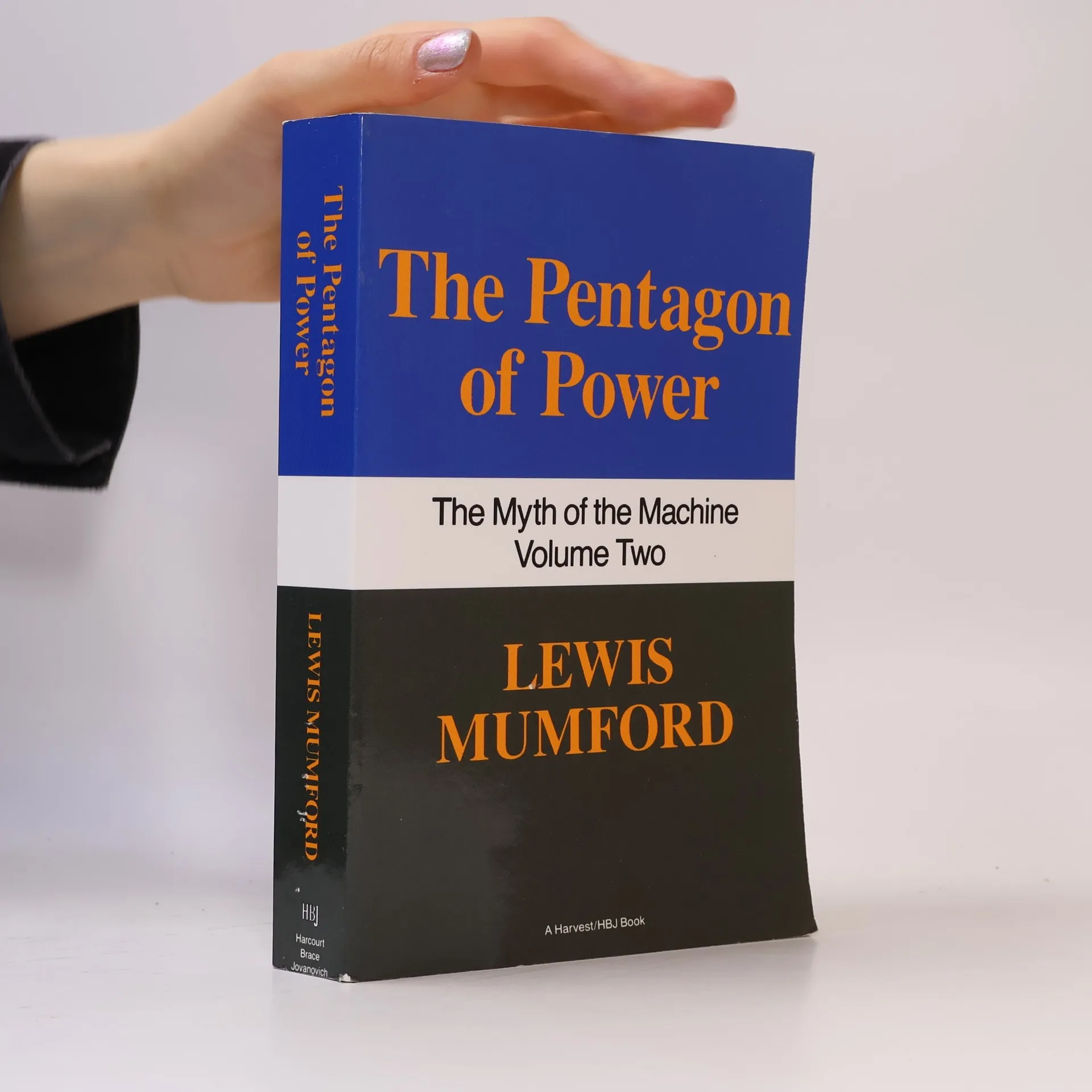
    The Myth of the Machine - 2: The Pentagon of Power
    • In this concluding volume of The Myth of the Machine, Mumford brings to a head his radical revisions of the stale popular conceptions of human and technological progress. Far from being an attack on science and technics, The Pentagon of Power seeks to establish a more organic social order based on technological resources. Index; photographs.
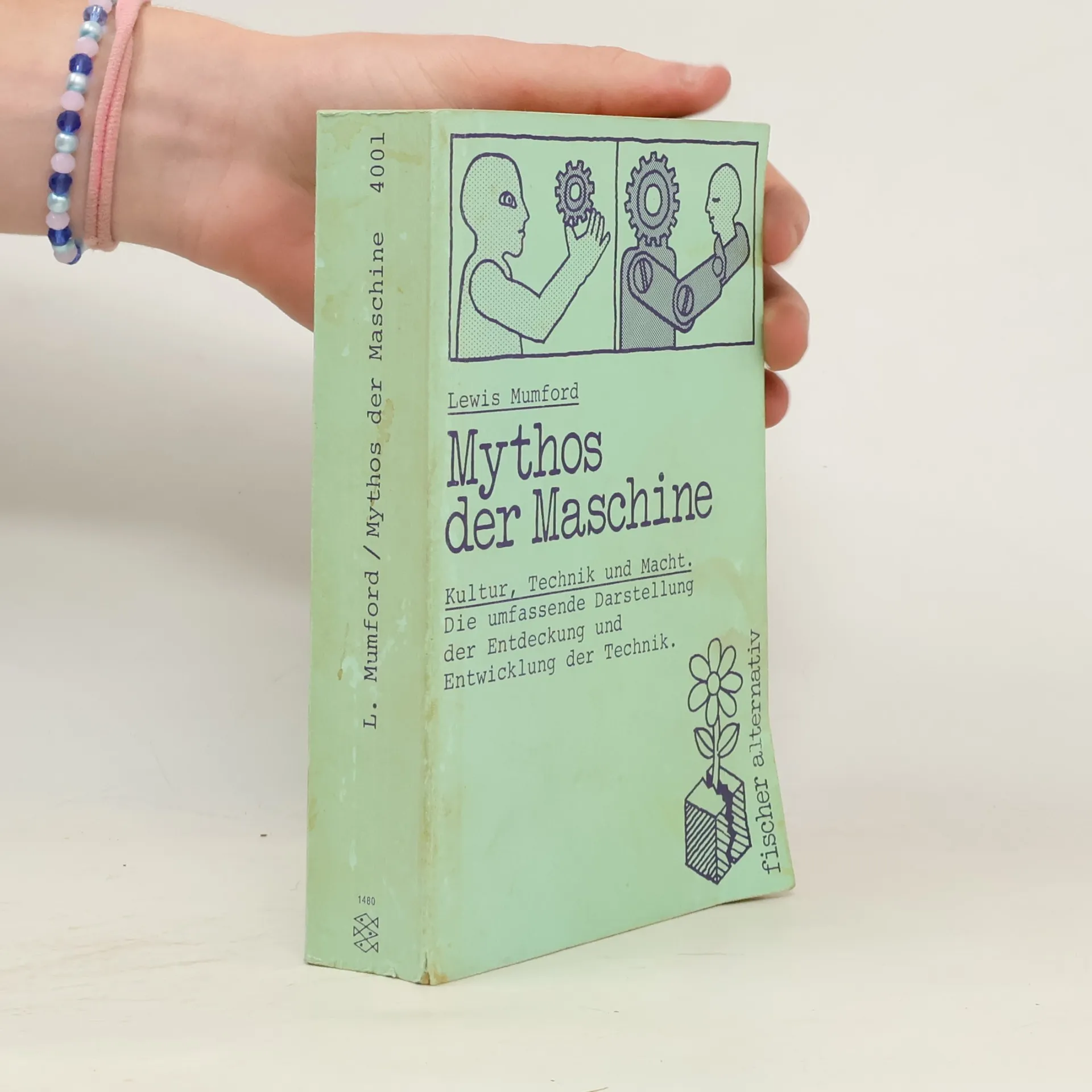
      The Myth of the Machine - 2: The Pentagon of Power
      4.4
    • The Story of Utopias

      100th Anniversary Edition

      • 324 pages
      • 12 hours of reading

      Focusing on utopias of reconstruction, Lewis Mumford explores influential ideas from Plato to the twentieth century, analyzing how they propose to reshape society. He examines notable works, including More's Utopia and H.G. Wells's fiction, and presents a checklist to evaluate societal alignment with utopian ideals, covering aspects like governance, living standards, and the arts. This foundational text not only reflects Mumford's innovative scholarship but also addresses enduring issues such as social equity and the interplay of science and creativity, relevant to contemporary challenges.

      The Story of Utopias
      4.5
    • The city’s development from ancient times to the modern age. Winner of the National Book Award. “One of the major works of scholarship of the twentieth century” (Christian Science Monitor). Index; illustrations.

      The City in History
      4.1
    • The Transformations of Man

      • 190 pages
      • 7 hours of reading

      The book draws parallels between the profound changes in 20th-century human life and the revolutionary shift that led early humans into civilization. It explores how modern advancements and societal developments echo the transformative experiences of our ancestors, providing insight into the evolution of human communities and the impact of progress on society.

      The Transformations of Man
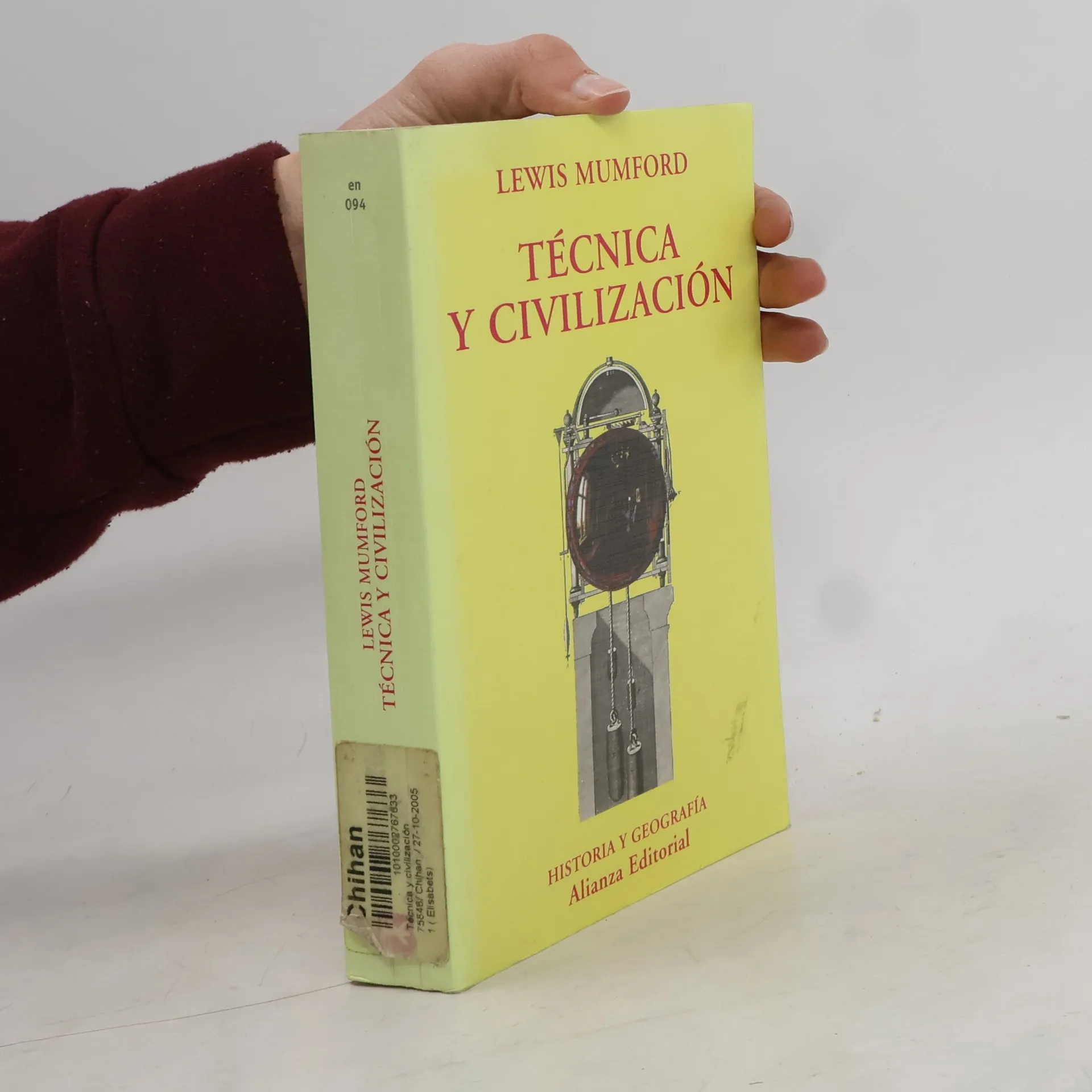
    • Técnica y civilización

      • 528 pages
      • 19 hours of reading

      La publicación de Técnica y civilización constituyó un hito en los estudios sobre la historia de la máquina en el mundo occidental y sobre sus complejas interrelaciones con el medio social y cultural, desafiando las concepciones del momento, que olvidaban los desarrollos anteriores a la Revolución Industrial. Este libro, además, no es sólo un inventario de descubrimientos y una sociología de la técnica: contiene también una aguda reflexión sobre las posibilidades de que las máquinas se pongan al servicio de la felicidad y progreso de la humanidad, en vez de constituir un amenazador arsenal para su destrucción.

      Técnica y civilización
      4.0