

Explore the latest books of this year!
Bookbot

Stanley Corngold

    June 11, 1934

    Stanley Corngold is an esteemed professor emeritus of German and comparative literature. His acclaimed translations delve deeply into the original works, offering readers nuanced interpretations. Corngold's scholarly approach emphasizes critical analysis, shedding new light on classic literary texts and enriching the understanding of German literary traditions. His work serves as a vital bridge for appreciating the complexities of these enduring narratives.

    Walter Kaufmann
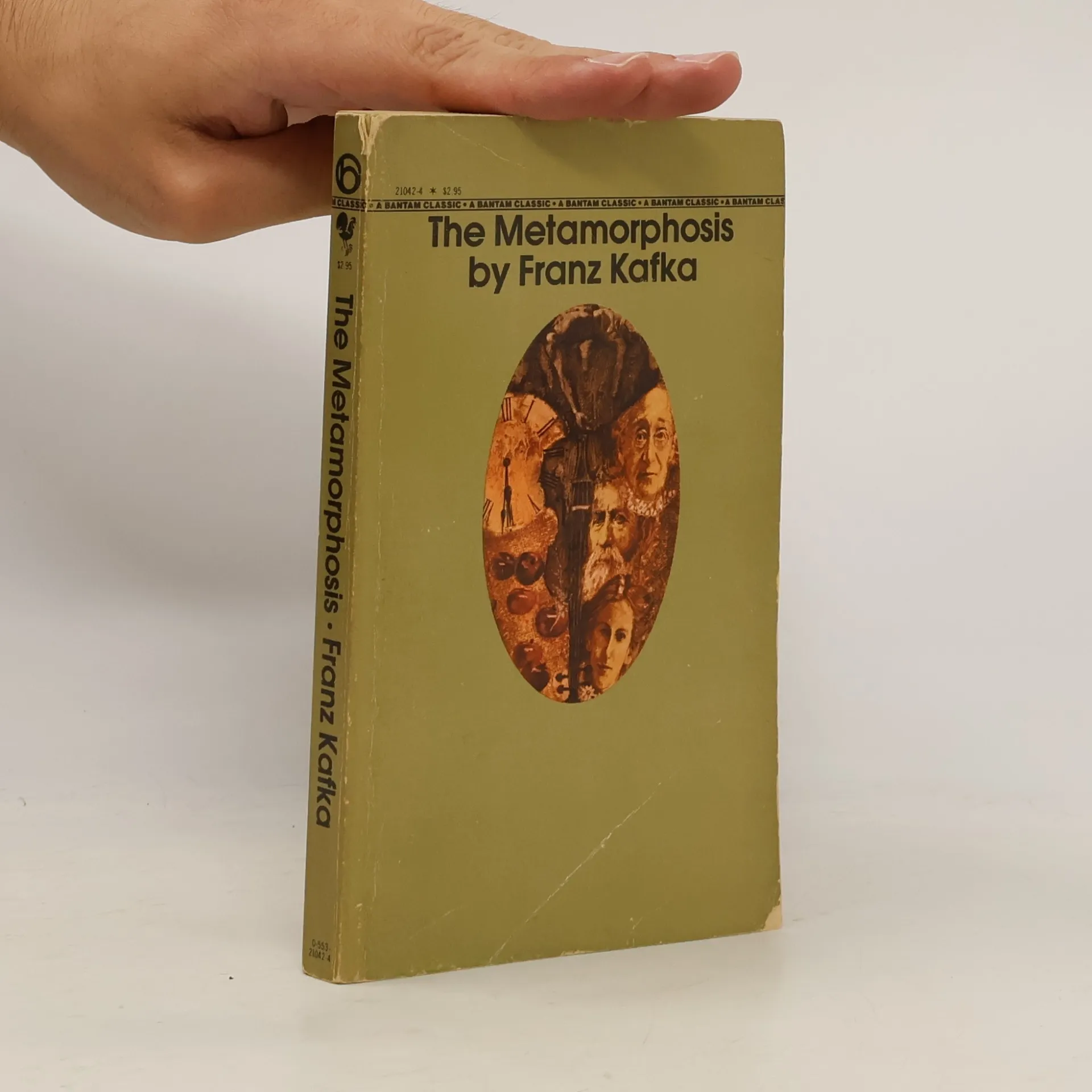
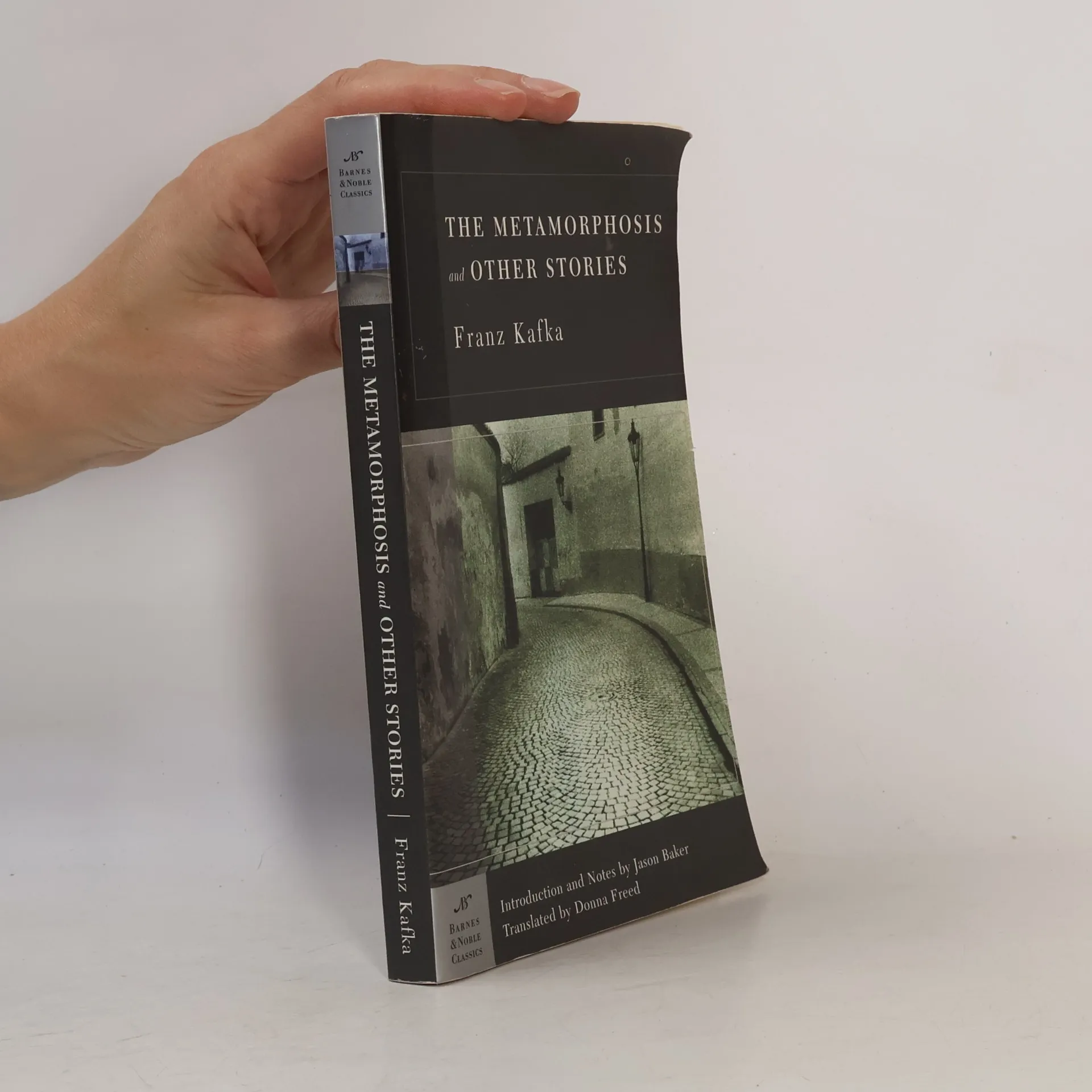
    The Metamorphosis
    The Mind in Exile
    • The Mind in Exile

      • 280 pages
      • 10 hours of reading

      Between 1938 and 1941, Princeton became a hub for a remarkable group of émigré intellectuals, notably including Thomas Mann, Hermann Broch, Albert Einstein, and Eric Kahler, a lesser-known yet influential professor at the Institute for Advanced Study. This narrative explores their collaborative artistic, political, and intellectual endeavors during Mann's tenure as a Professor of Humanities. Frequently gathering at Kahler's or Mann's home, this collective was dubbed the "Kahler-Circle" by young poet Charles Greenleaf Bell. During this period, Mann completed his "Goethe-novel" Lotte in Weimar, crafted the surrealistic novella The Transposed Heads, and continued his epic tetralogy Joseph and His Brothers, sharing drafts with Kahler and Broch. Kahler provided critical feedback on Mann's fiction while discussing his own political essays. Although Einstein shared political views with Mann, he preferred the company of Kahler and Broch, whom he supported financially. Kahler was writing his notable work, Man the Measure, for which Einstein contributed a foreword. Corngold aims to illuminate the intertwined lives and thoughts of these four thinkers during a politically and culturally tumultuous time, utilizing rich sources like Mann's diaries and correspondence among the group, filling a gap in the understanding of their vibrant intellectual life.

      The Mind in Exile2022
      3.6
    • Walter Kaufmann

      • 760 pages
      • 27 hours of reading

      This account explores the ideas and writings of a significant figure in twentieth-century intellectual life, Walter Kaufmann (1921-1980). A charismatic philosopher, critic, translator, and poet, Kaufmann fled Nazi Germany at eighteen and became a prolific writer until his untimely death at fifty-nine, producing around a dozen major works characterized by erudition and a provocative style. He played a crucial role in rehabilitating Nietzsche's reputation post-World War II and introduced American readers to existentialism. Until now, no comprehensive study has examined Kaufmann's intellectual legacy. Stanley Corngold offers the first in-depth analysis of Kaufmann's thought, addressing his major works and their relevance to contemporary issues such as the value of philosophy, the impact of religion, the nature of tragedy, and the humanities' crisis in a technological age. Kaufmann's interests spanned philosophy, literature, intellectual history, comparative religion, psychology, photography, art, and architecture. Corngold presents a heartfelt portrait of a man who transformed his personal experiences into his writings. This original study is both appreciative and critical, serving as the definitive intellectual biography of one of the twentieth century's most engaging yet overlooked thinkers, introducing Kaufmann to a new generation while honoring his profound thirst for knowledge.

      Walter Kaufmann2020
    • The Metamorphosis

      • 100 pages
      • 4 hours of reading

      This collection of new translations brings together the small proportion of Kafka's works that he himself thought worthy of publication. It includes Metamorphosis, his most famous work, an exploration of horrific transformation and alienation; Meditation, a collection of his earlier studies; The Judgement, written in a single night of frenzied creativity; The Stoker, the first chapter of a novel set in America and a fascinating occasional piece, and The Aeroplanes at Brescia, Kafka's eyewitness account of an air display in 1909. Together, these stories reveal the breadth of Kafka's literary vision and the extraordinary imaginative depth of his thought.

      The Metamorphosis1986
      3.9