The Boy Who Was Raised as a Dog, 3rd Edition
- 417 pages
- 15 hours of reading
Fascinating and upbeat... Dr. Perry is both a world-class creative scientist and a compassionate therapist.-Mary Pipher, Ph.D., author of Letters to a Young Therapist





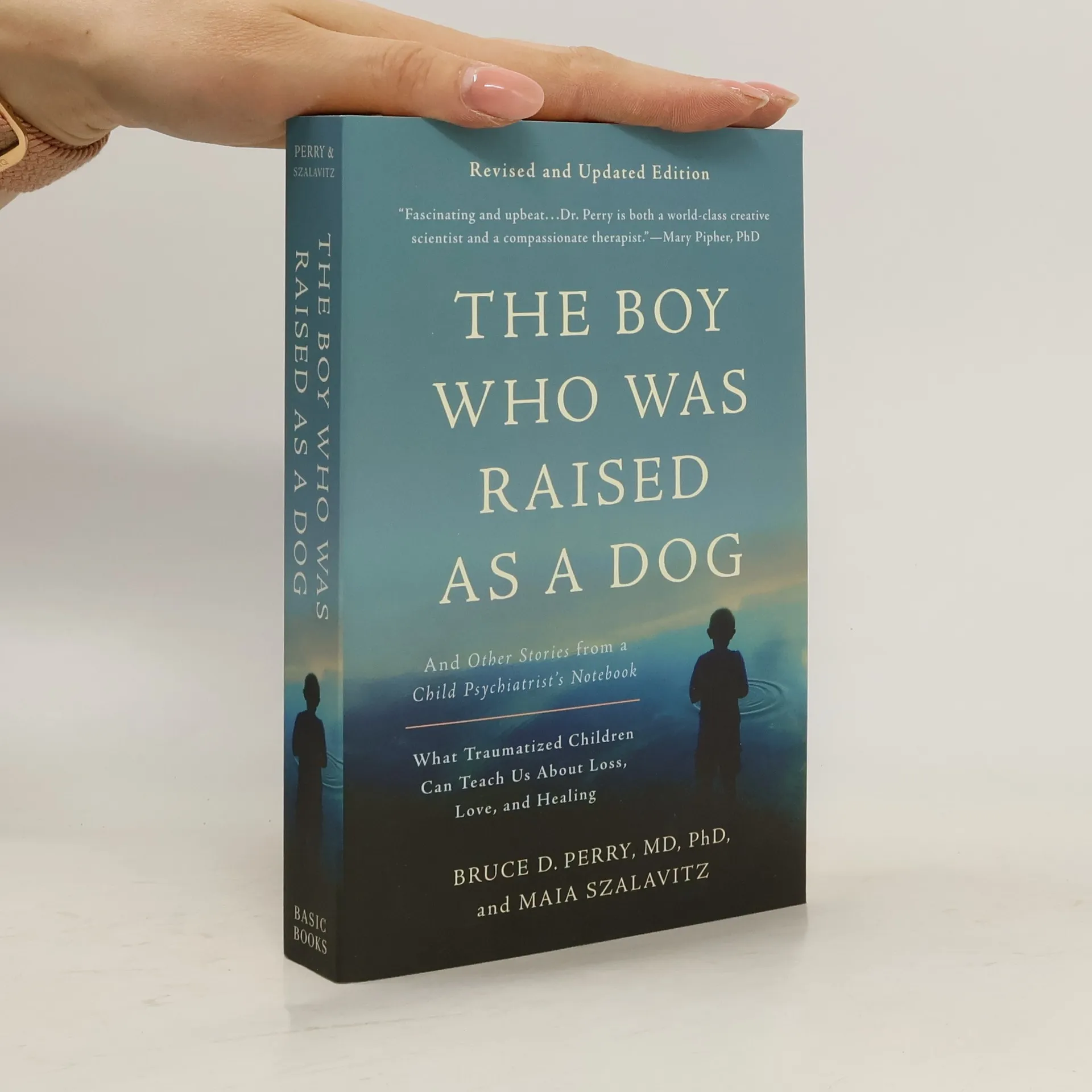
Fascinating and upbeat... Dr. Perry is both a world-class creative scientist and a compassionate therapist.-Mary Pipher, Ph.D., author of Letters to a Young Therapist
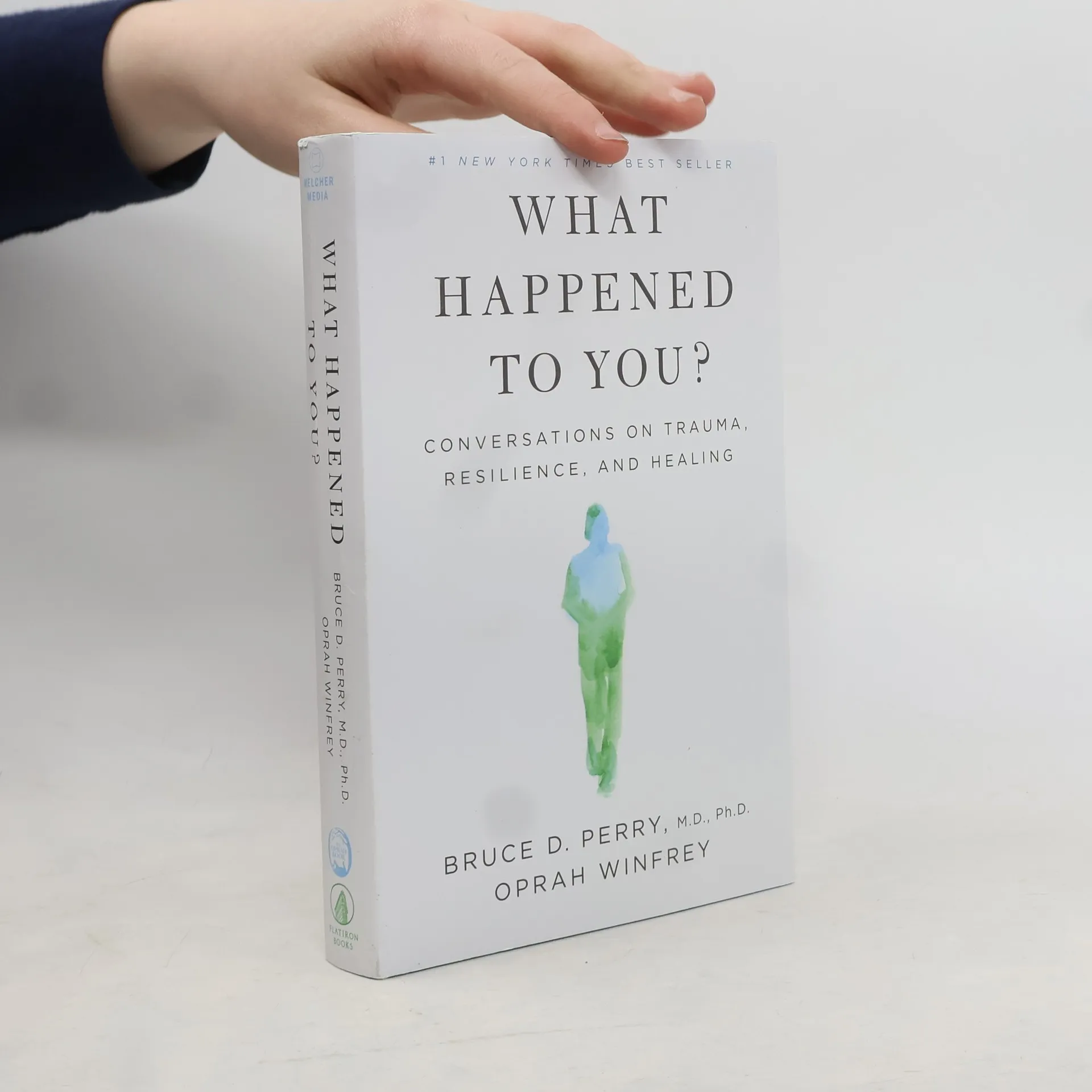
Oprah Winfrey and Dr. Bruce Perry, a leading expert on brain development and trauma, explore the profound effects of trauma and adversity in our lives. They advocate for a crucial shift in perspective from "What's wrong with you?" to "What happened to you?" Through personal narratives, Winfrey shares her own experiences with childhood trauma, highlighting how early adversity shapes our identities and influences our physical and emotional health. Their conversations reveal that childhood experiences are significant predictors of future health issues and behavioral patterns, offering scientific insights that help decode complex behaviors. By combining storytelling with clinical expertise, Winfrey and Dr. Perry provide a deeper understanding of trauma's impact, not only on individuals but also on our interactions with others. This approach encourages us to examine our pasts, fostering resilience and healing. The dialogue emphasizes that recognizing and addressing the roots of trauma can pave the way for a healthier future, ultimately transforming our understanding of ourselves and those around us. This subtle yet powerful shift in perspective opens doors to healing and resilience, allowing us to move forward with greater awareness and compassion.
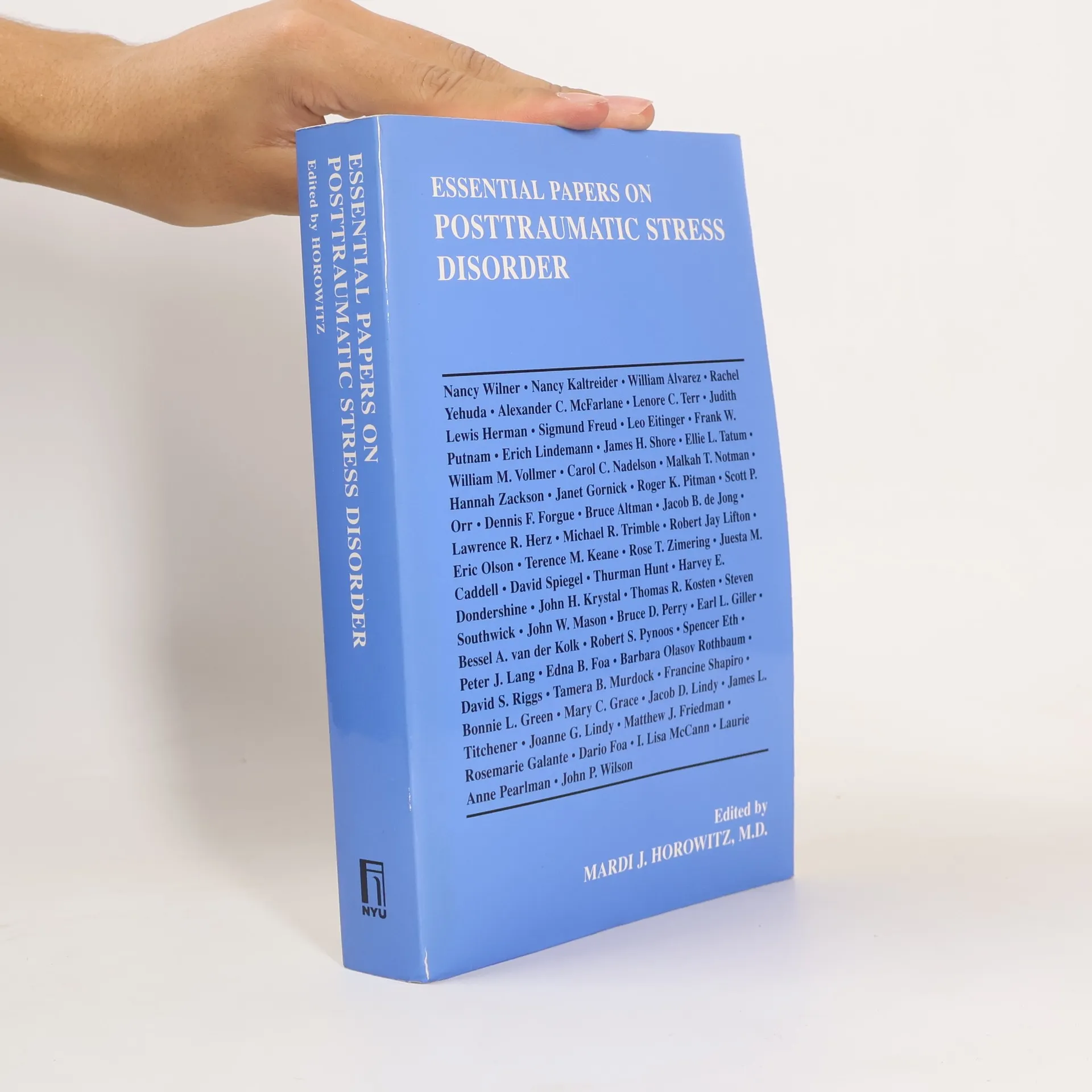
This collection presents key writings on understanding and treating Post Traumatic Stress Disorder (PTSD). Editor Mardi J. Horowitz introduces the evolution of our comprehension of PTSD, establishing the necessary conceptual framework and terminology. The essays that follow offer a comprehensive exploration of the disorder's complexities, addressing individual and cultural responses, as well as pre- and post-traumatic causative factors and the evolving nature of diagnostic categories. Organized into sections on diagnosis, etiology, and treatment, the collection features both classic and more controversial essays. Notable contributors include Freud, Lindemann, Eitinger, Nadelson, Notman, Zackson, Gornick, Green, Grace, Lindy, Titchener, Lindy, Terr, Galante, Foa, Rothbaum, Riggs, Murdock, Shore, Tatum, Vollmer, Pittman, Orr, Forgue, Altman, de Jong, Herz, Herman, Yehuda, McFarlane, Putnam, Lifton, Olson, Wilner, Kaltrider, Alvarez, Trimble, Epstein, Keane, Zinering, Caddell, Krystal, Kosten, Southwick, Mason, Perry, Giller, Spiegel, Hunt, Dondershire, van der Kolk, Lang, Pynoos, Eth, Friedman, Shapiro, Wilson, Lindy, McCann, and Pearlman. This anthology serves as an essential resource for those seeking to deepen their understanding of PTSD and its treatment.
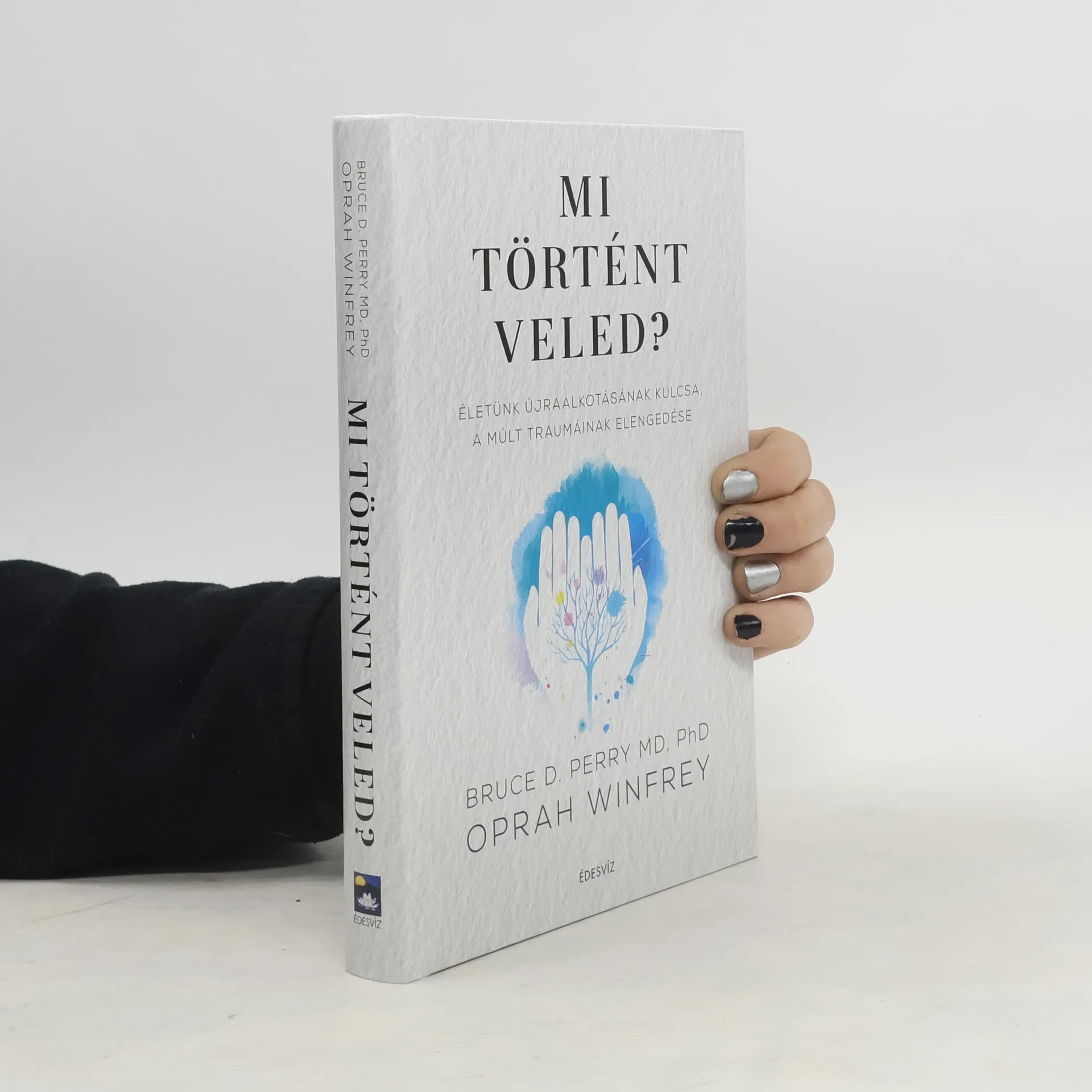
Poprzez głęboko osobiste rozmowy Oprah Winfrey i dr Bruce Perry badają, jak to, czego doświadczamy we wczesnym dzieciństwie, wpływa na to, jakimi ludźmi się stajemy. Zachęcają nas, byśmy przestali skupiać się na: „Co jest z tobą nie tak?” albo „Dlaczego zachowujesz się w ten sposób”, na rzecz pytania: „Co ci się przydarzyło?”. Wielu z nas doświadcza nieszczęść, które mają trwały wpływ na nasze zdrowie fizyczne i emocjonalne. To, co przydarza się nam w dzieciństwie, prognozuje ryzyko wystąpienia w dorosłym życiu problemów zdrowotnych, ale też daje naukowy wgląd we wzorce zachowań, które wielu z nas usilnie próbuje zrozumieć. W tej książce Winfrey dzieli się historiami z własnej wstrząsającej przeszłości i podejmuje próbę zrozumienia wrażliwości wynikającej z konieczności stawienia w młodym wieku czoła traumie. Łącząc siły z dr. Perrym, jednym z czołowych światowych ekspertów w dziedzinie dziecięcej traumy, Winfrey splata moc opowiadania historii z nauką i doświadczeniem klinicznym, aby lepiej zrozumieć i przezwyciężyć skutki traumy. Koncentrują się nie tylko na poznaniu na nowo ludzkich zachowań, ale także na wpływie traumy na nasze życie. To subtelna, ale głęboka zmiana w podejściu do traumy, która każdemu z nas pozwala zrozumieć przeszłość, tak abyśmy mogli oczyścić drogę ku przyszłości – otwierając drzwi do odporności i uzdrowienia w sprawdzony, skuteczny sposób.
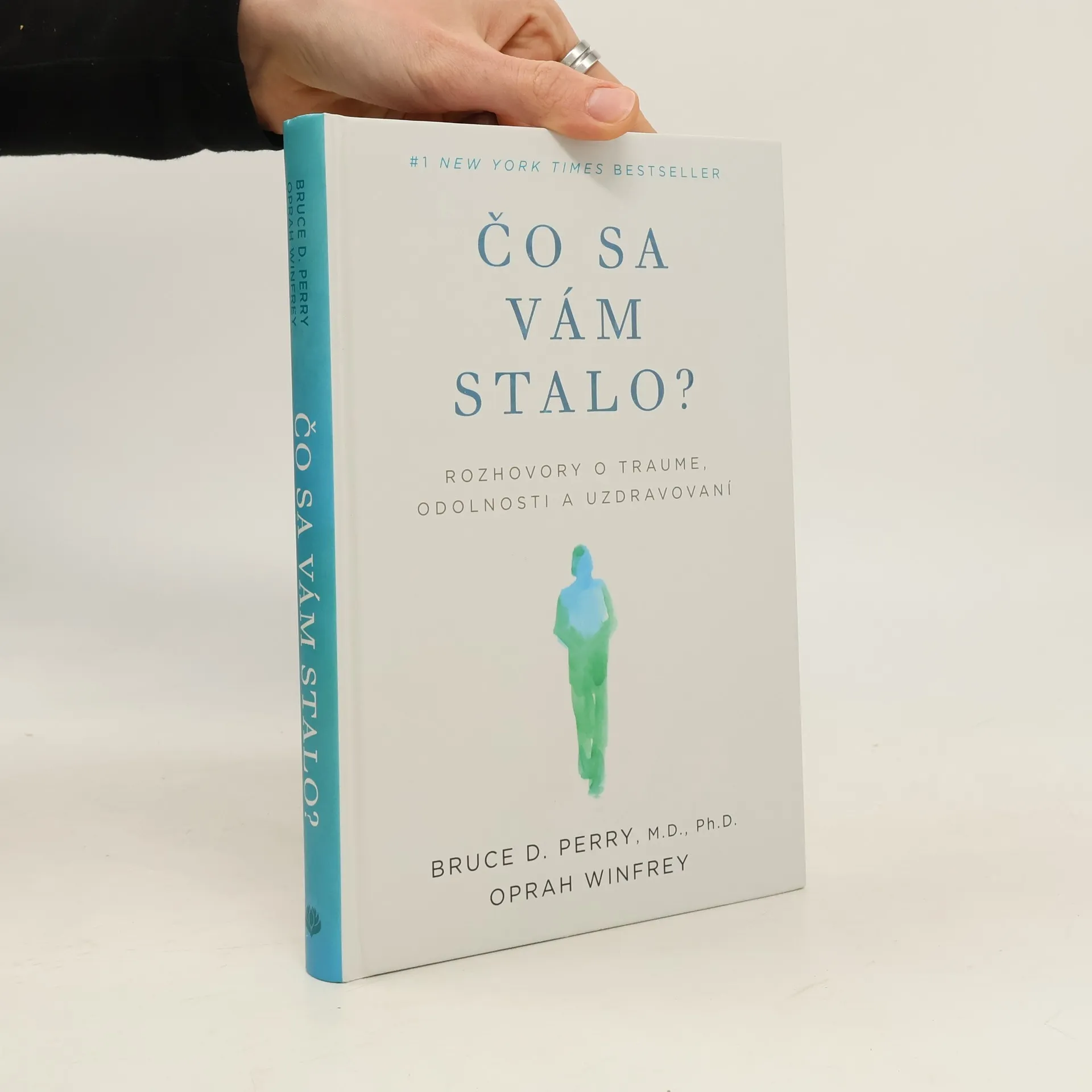
Opýtali ste sa niekedy samých seba: „Prečo som to urobil?“ Alebo: „Prečo jednoducho nedokážem ovládnuť svoje správanie?“ Možno ste sa zamysleli nad niekým iným: „Čo to je s ním? Prečo je taký?“Pri skúmaní vlastných emócií je ľahké skĺznuť do obviňovania samého seba a mať na seba aj na svoje okolie príliš vysoké požiadavky. Je však načase, aby sme si položili inú otázku. V hlboko osobných rozhovoroch ponúkajú Oprah Winfrey a psychiater a uznávaný odborník na psychologické traumy z detstva Dr. Bruce Perry prelomovú a dôležitú zmenu pohľadu – posun od otázky „Čo vám je?“ na „Čo sa vám stalo?“.Známa moderátorka sa v knihe podelí o príbehy zo svojej minulosti, pričom na vlastnej skúsenosti ilustruje zdravotné i psychické problémy, ktoré pramenia zo stretnutia s traumou a nepriaznivými podmienkami v mladom veku. V rozhovoroch sa s doktorom Perrym zameriavajú na pochopenie ľudí, ich správania a samých seba. Ide tu o jemný, ale významný posun v našom vnímaní traumy, ktorý nám pomôže porozumieť vlastnej minulosti a vyčistiť si cestu do budúcnosti, pretože nám umožní otvoriť dvere pre uzdravenie a postupné vybudovanie si duševnej odolnosti.