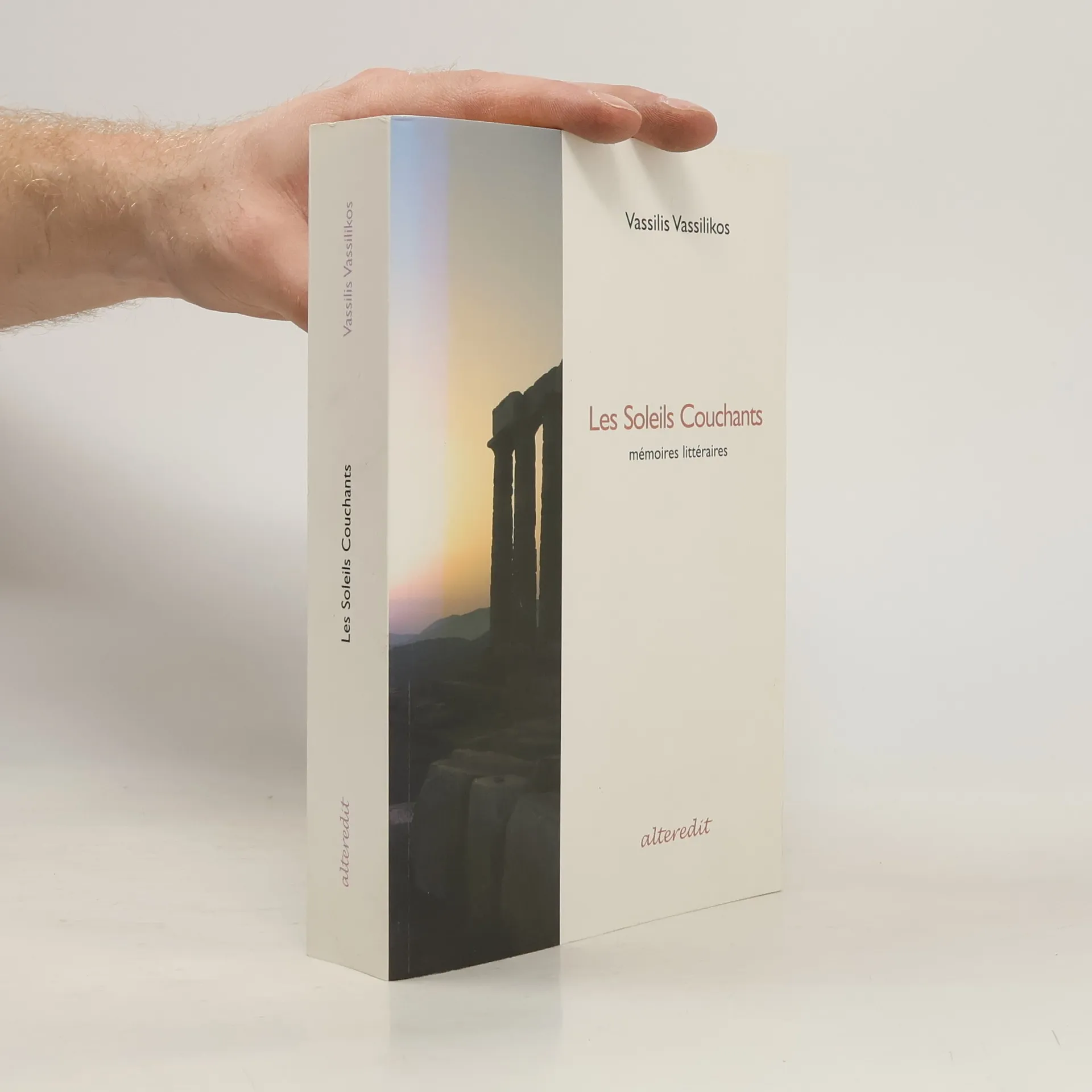
Vassilis Vassilikos est le romancier des succès mémorables, comme le mythique Z. Ses mémoires littéraires sont le roman d'une vie riche en rencontres - W.H.Auden,Yves Montand, Simone Signoret, Jean-Paul Sartre, Marguerite Duras, Leonardo Sciascia, Italo Calvino... -, en amitiés célèbres - Costa Gavras, Théodorakis... -, en voyages - Italie, France... Ses mémoires littéraires mêlent l'histoire d'une vie de découvertes, parfois vagabonde, parfois d'exil, à celle du monde, de la Grèce aux Etats-Unis, en passant par un pays imaginaire d'Amérique Latine où rôde la figure tutélaire du Che. Ses mémoires littéraires servent de modèle de vie à tout écrivain en devenir tant elles sont généreuses, envoûtantes et passionnantes.
Vassilis Vassilikos Book order (chronological)
Vassilis Vassilikos was a prolific Greek writer whose works often drew upon his experiences as a diplomat and his engagement with political realities. His writing is characterized by a sharp insight into social and political issues, analyzing the human condition when confronted with adversity. Through his novels and poetry, he explored themes of justice, exile, and identity, while maintaining a distinctive style and voice.





Greece's most acclaimed living novelist gives us a magical realist portrait of contemporary Europe and contemporary Europeans. Here are seven tales that explore the themes of materialism, post Cold War politics, love, religious faith, and the power of imagination. In the tradition of Gabriel García Márquez and Luigi Pirandello, Vassilikos writes of the fantasies within reality, the spirit in existence, and the art within life.
Sogni diurni
- 272 pages
- 10 hours of reading
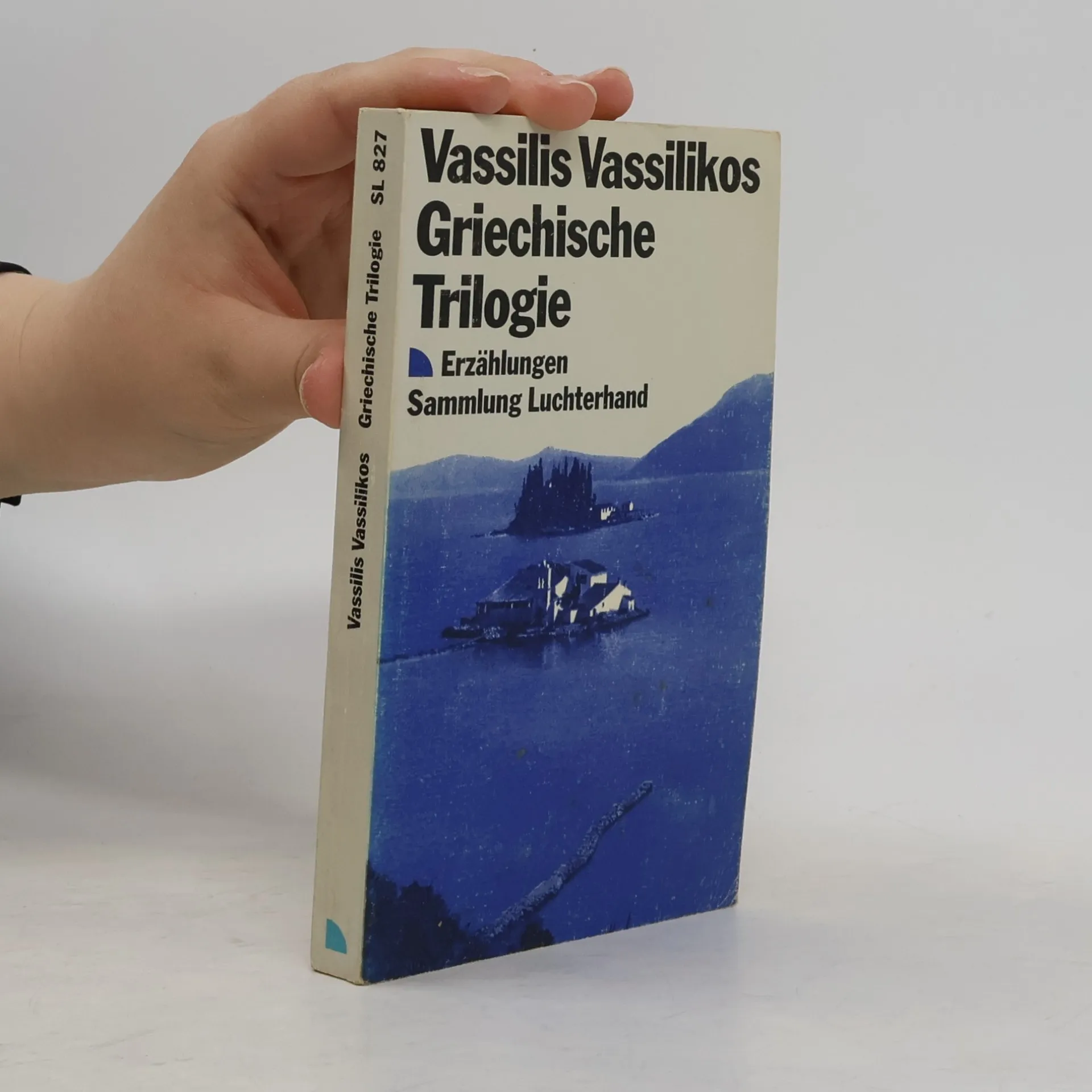
Ο Βασίλης Βασιλικός έδωσε το 1961 το πιο ώριμο έργο του, μια τριλογία ("Το φύλλο, το πηγάδι, τ' αγγέλιασμα"), που αποτελεί ένα φτάσιμο, αλλά μαζί και όριο για ολόκληρη τη μεταπολεμική πεζογραφία μας. Ο Βασιλικός ακολουθεί εδώ καινούρια εκφραστικά μέσα: τα τρία βιβλία της τριλογίας είναι οι τρεις φάσεις του ίδιου κεντρικού θέματος, ο μύθος και τα πρόσωπα, σε κάθε βιβλίο διαφορετικά, συγκλίνουν όμως στον ίδιο, φανερό αλλά και όχι τόσο εύκολα αποκρυπτογραφούμενο συμβολισμό. Το φύλλο, που θεριεύει υπερφυσικά μέσα στο μπετόν της πολυκατοικίας, καταστρέφει την ομαλή λειτουργία της και τσακίζεται από τους επαναστατημένους ενοίκους· το πηγάδι, γύρω από το οποίο συζητούν ένας νέος μορφωμένος και μια υπηρέτρια για το πώς θα αντλήσουν το νερό, και που βρίσκεται στο τέλος στερεμένο, με όλα τα παραπληρωματικά υπερφυσικά και απίθανα που πυκνώνουν τη ζοφερή ατμόσφαιρα του αδιέξοδου· η κωμική τέλος αυτή Σ.Ε.Α.Ο. (Σχολή Εφέδρων Αγγέλων Ουρανού), που περιγράφεται με κέφι και μαύρο χιούμορ στο τελευταίο βιβλίο - αποτελούν βέβαια σύμβολα, είναι όμως αυτά σύμβολα για το ίδιο πάντοτε πράγμα, για τις διαφορετικές απόψεις του ίδιου, ή για πράγματα κάθε φορά διαφορετικά; Ο Βασιλικός εξέφρασε με καινούρια, μοντέρνα γλώσσα, μια γλώσσα πυκνή και πολυσήμαντη, τη διάλυση, τη σύγχυση, την απογοήτευση, τη διαμαρτυρία, τη φυγή - ό,τι χαρακτηρίζει και ό,τι αποτελεί την τέταρτη διάσταση της αινιγματικής εποχής του.
Die Fotografien
- 245 pages
- 9 hours of reading
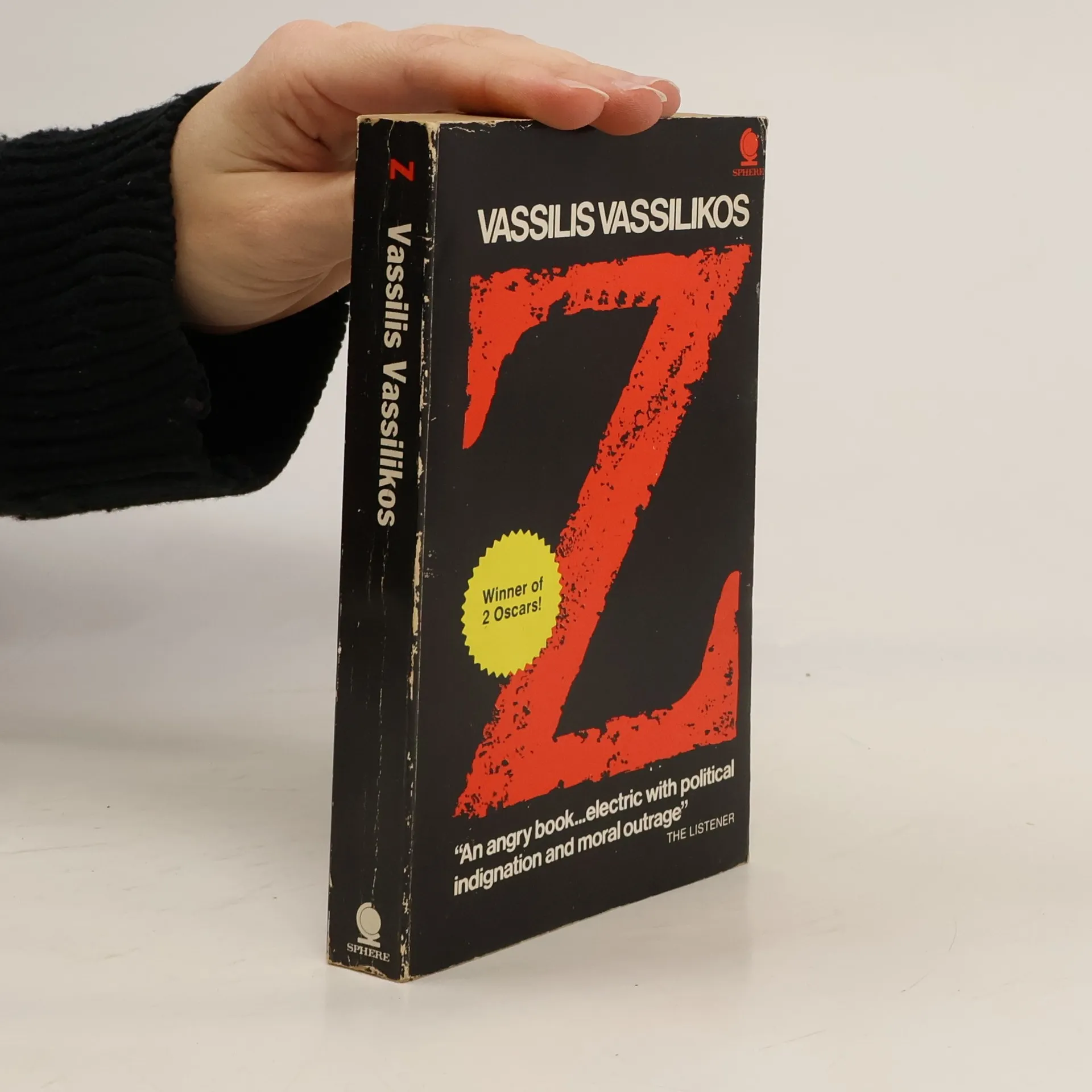
In the novel "Z," Vassilis Vassilikos depicts the assassination of Grigorios Lambrakis, a young, progressive, and popular socialist MP who was a vocal critic of the government. Not a professional politician, Lambrakis was a physician and a professor at the University of Athens, a beloved figure and former champion of the Balkan Games. In 1963, he was murdered in Thessaloniki as part of a government-organized conspiracy, igniting a nationwide surge of anti-government resistance. While the government eliminated a political opponent, they inadvertently created a national hero. His funeral was attended by around half a million people, and the letter "Z" (meaning "lives") appeared throughout the country. This movement continued until the fall of the government and the rise of the military junta that ruled for seven years. Vassilikos skillfully utilized his knowledge of Thessaloniki and available documents to create a gripping literary work that embodies the essence of ancient tragedy. The book was banned in Greece, yet it spread worldwide, akin to a mythical phoenix, translated into numerous languages.