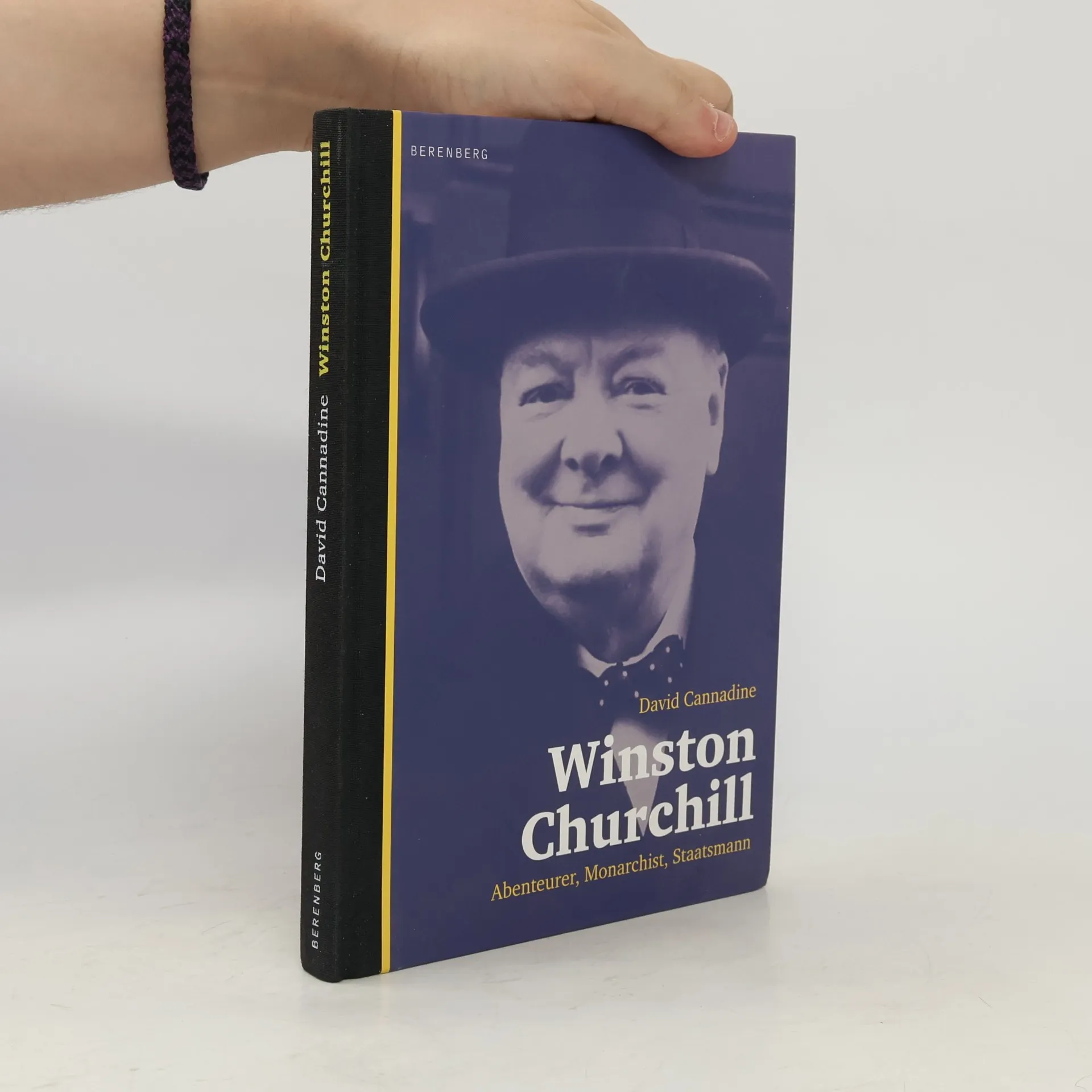
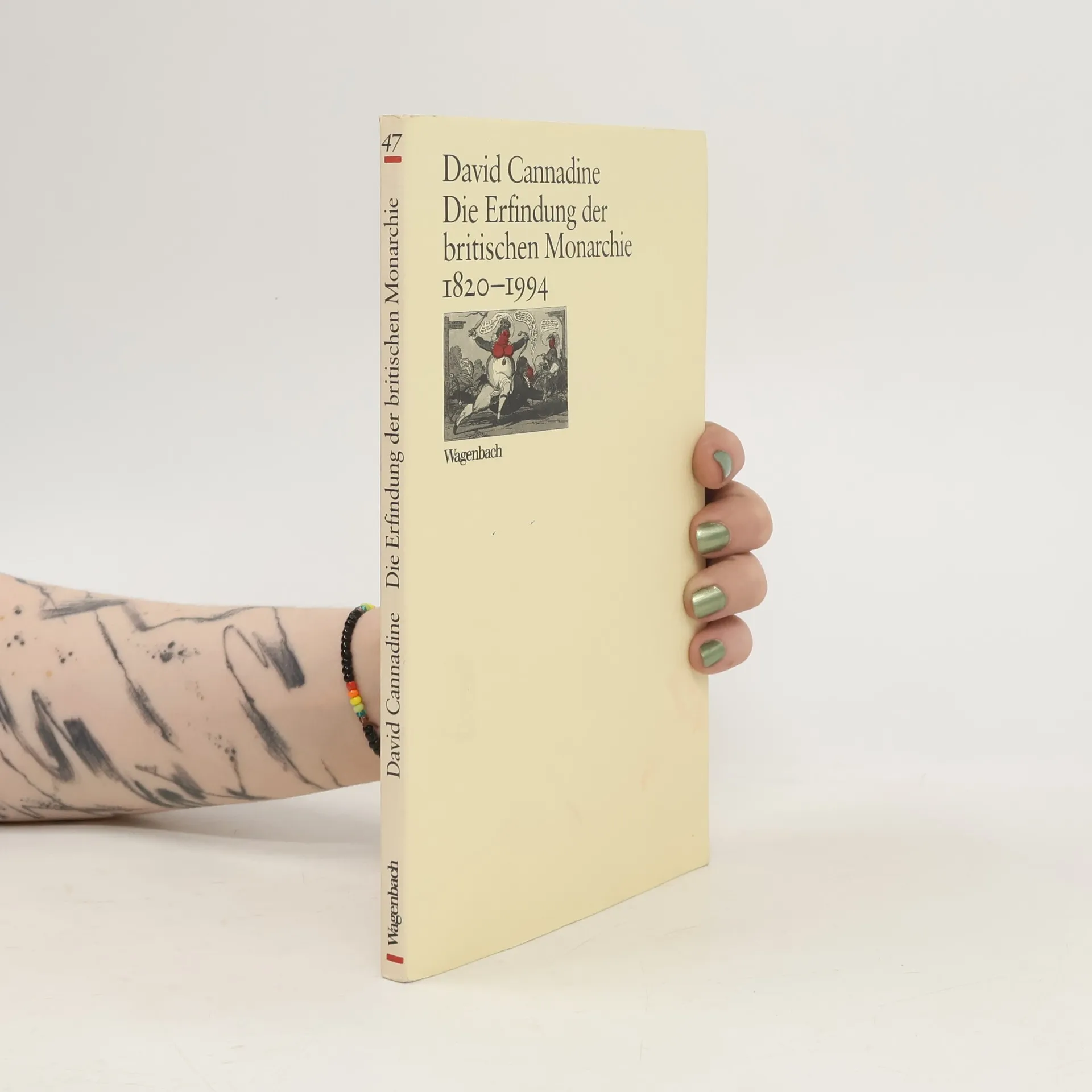
This British author and historian specializes in modern history and the history of business and philanthropy. Their work delves deeply into pivotal aspects of society and culture. Focusing on analysis, their writings illuminate the complexities of the past and their impact on the present. Their distinct writing style and research depth offer readers an enriching perspective on historical subjects.
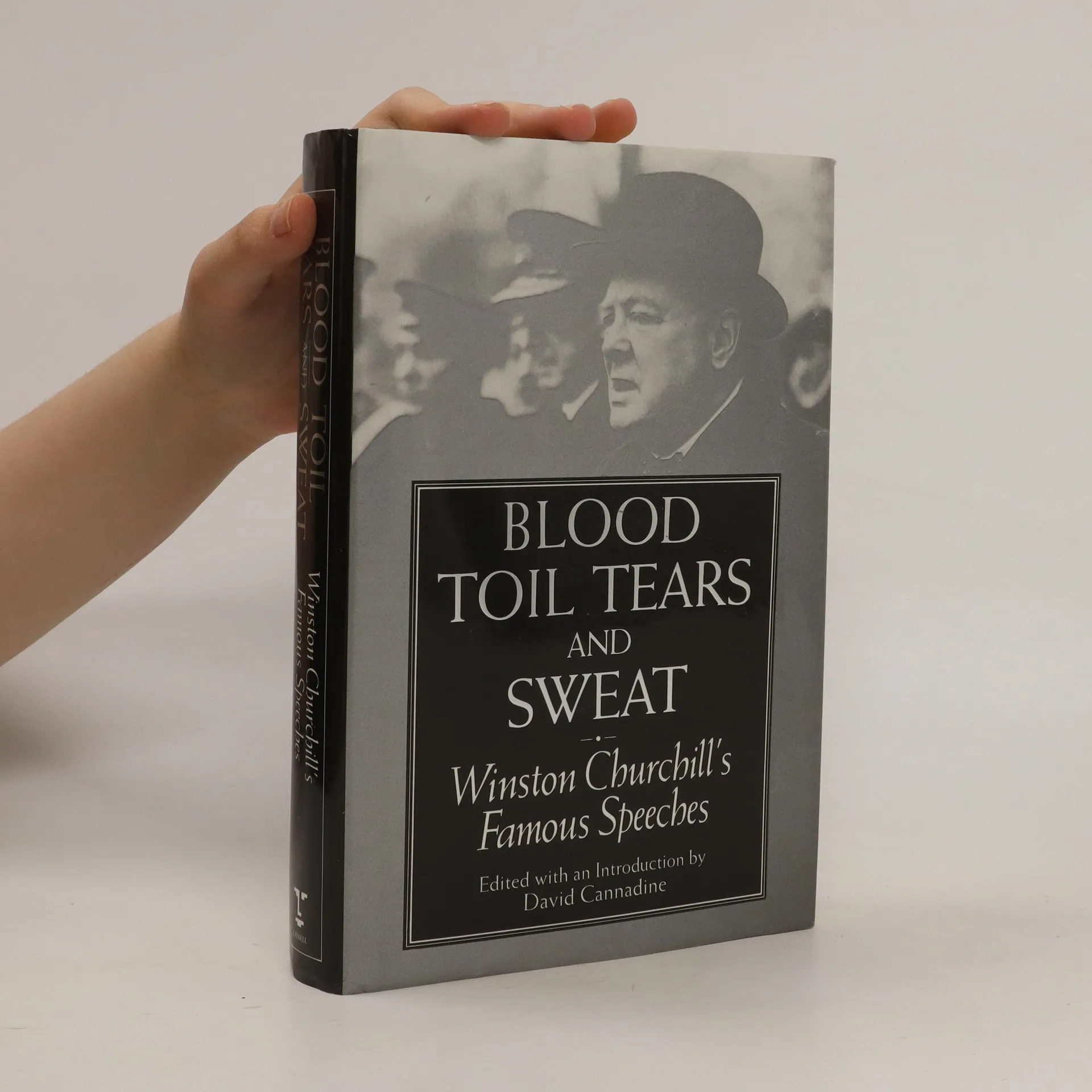
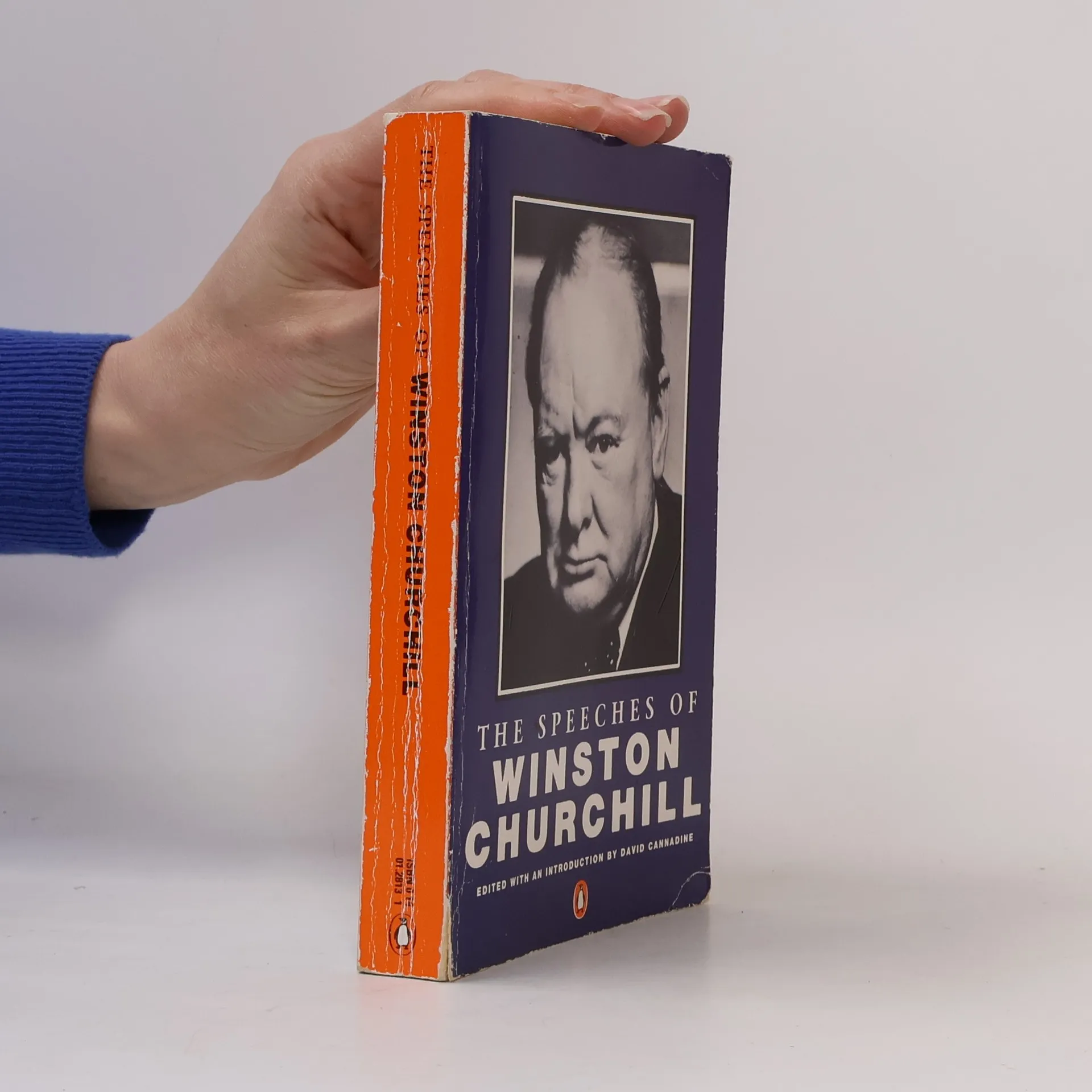
With a superb series of specially selected illustrations, & a pithy introduction to each speech by Cannadine, this collection gives an unforgettably vivid picture of Churchill the orator in action. His voice may be silenced, but his words still speak.
The acclaimed Penguin Monarchs series: short, fresh, expert accounts of England's rulers - now in paperback For a man with such conventional tastes and views, George V had a revolutionary impact. Almost despite himself he marked a decisive break with his flamboyant predecessor Edward VII, inventing the modern monarchy, with its emphasis on frequent public appearances, family values and duty. George V was an effective war-leader and inventor of 'the House of Windsor'. In an era of ever greater media coverage - frequently filmed and initiating the British Empire Christmas broadcast - George became for 25 years a universally recognised figure. He was also the only British monarch to take his role as Emperor of India seriously. While his great rivals (Tsar Nicolas and Kaiser Wilhelm) ended their reigns in catastrophe, he plodded on. David Cannadine's sparkling account of his reign could not be more enjoyable, a masterclass in how to write about Monarchy, that central - if peculiar - pillar of British life.
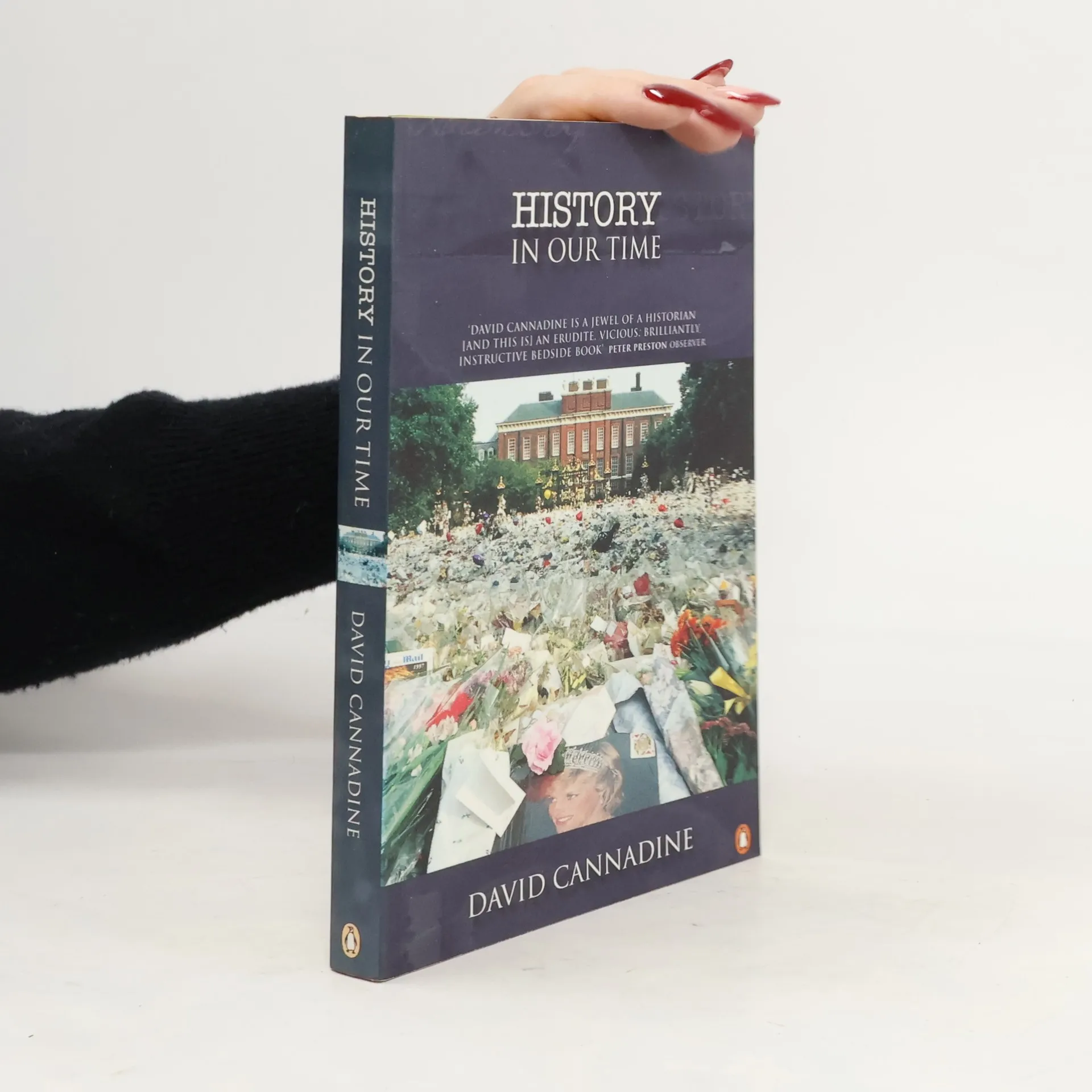
Why did the royal family become dysfunctional? How did the House of Windsor amass so much wealth? In this entertaining and thought-provoking collection David Cannadine answers these questions and more, offering dazzling brief overviews of topics ranging from class to divorce, privacy to patriotism, the rise and fall of Empire, and the absurd cult of Victorian Values. Brilliantly dissecting the continuing crises of the British monarchy, he reveals how even the most exceptional figures-Churchill and Mosely, Thatcher and Princess Diana-can only be understood in their full historical context. Cannadine skillfully brings the past to life, using it to illuminate the present.
"A brilliant, multifaceted chronicle of economic and social change." --The New York Times At the outset of the 1870s, the British aristocracy could rightly consider themselves the most fortunate people on earth: they held the lion's share of land, wealth, and power in the world's greatest empire. By the end of the 1930s they had lost not only a generation of sons in the First World War, but also much of their prosperity, prestige, and political significance. Deftly orchestrating an enormous array of documents and letters, facts, and statistics, David Cannadine shows how this shift came about--and how it was reinforced in the aftermath of the Second World War. Astonishingly learned, lucidly written, and sparkling with wit, The Decline and Fall of the British Aristocracy is a landmark study that dramatically changes our understanding of British social history.
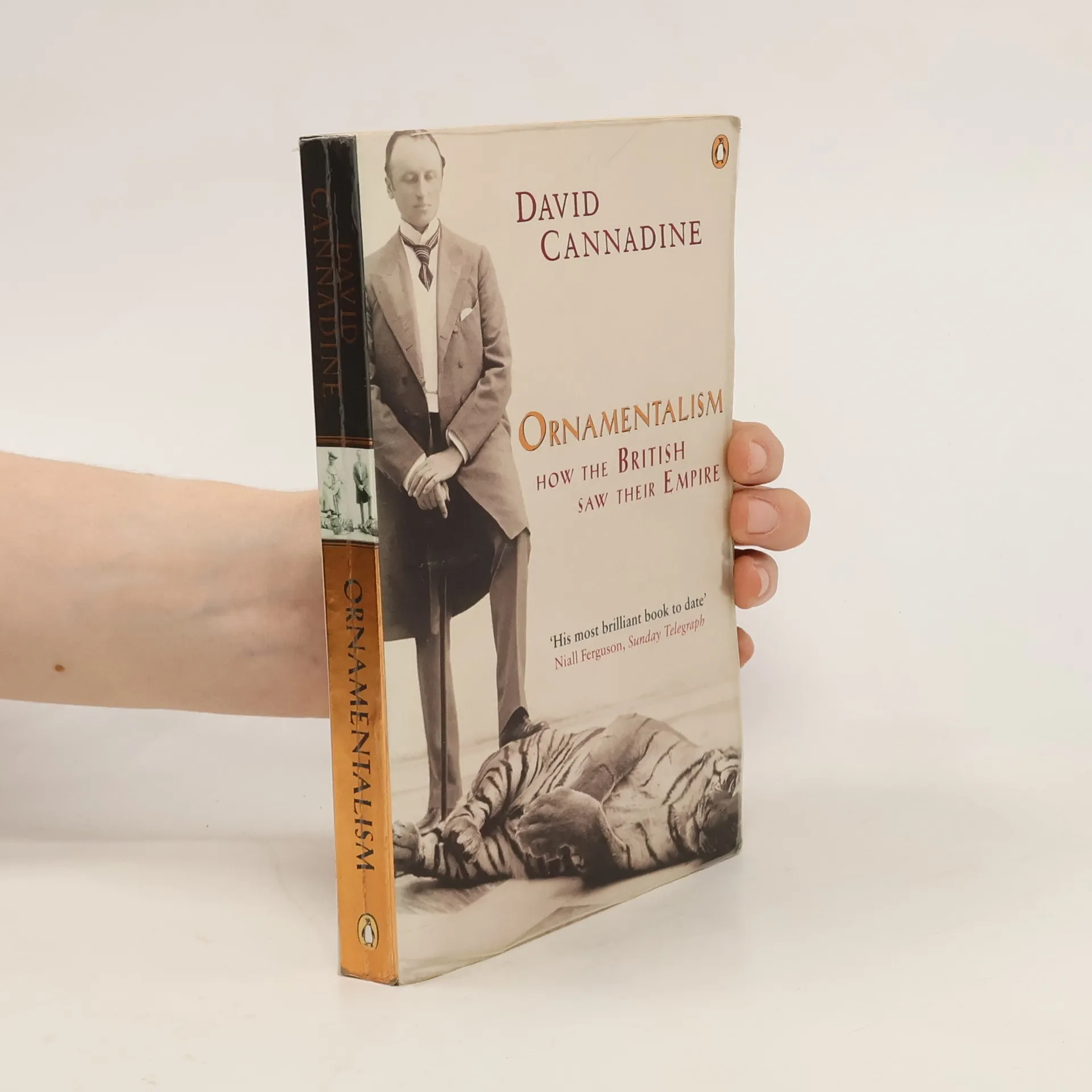
The British Empire has generally been seen as a racist empire (most influentially in Edward Said's "Ornamentalism"). While not wholly denying this, Cannadine, in this funny, often horrifying book, suggests a different dynamic. The British rulers were motivated not by race but by class - they loathed Indians or Africans no more or less than they loathed the great majority of Englishmen, dreaming of an empire based on deference and feudalism. The often farcical gap between these views and reality make "Ornamentalism" both highly enjoyable and extremely provocative for anyone wishing to understand how the British Empire really worked.
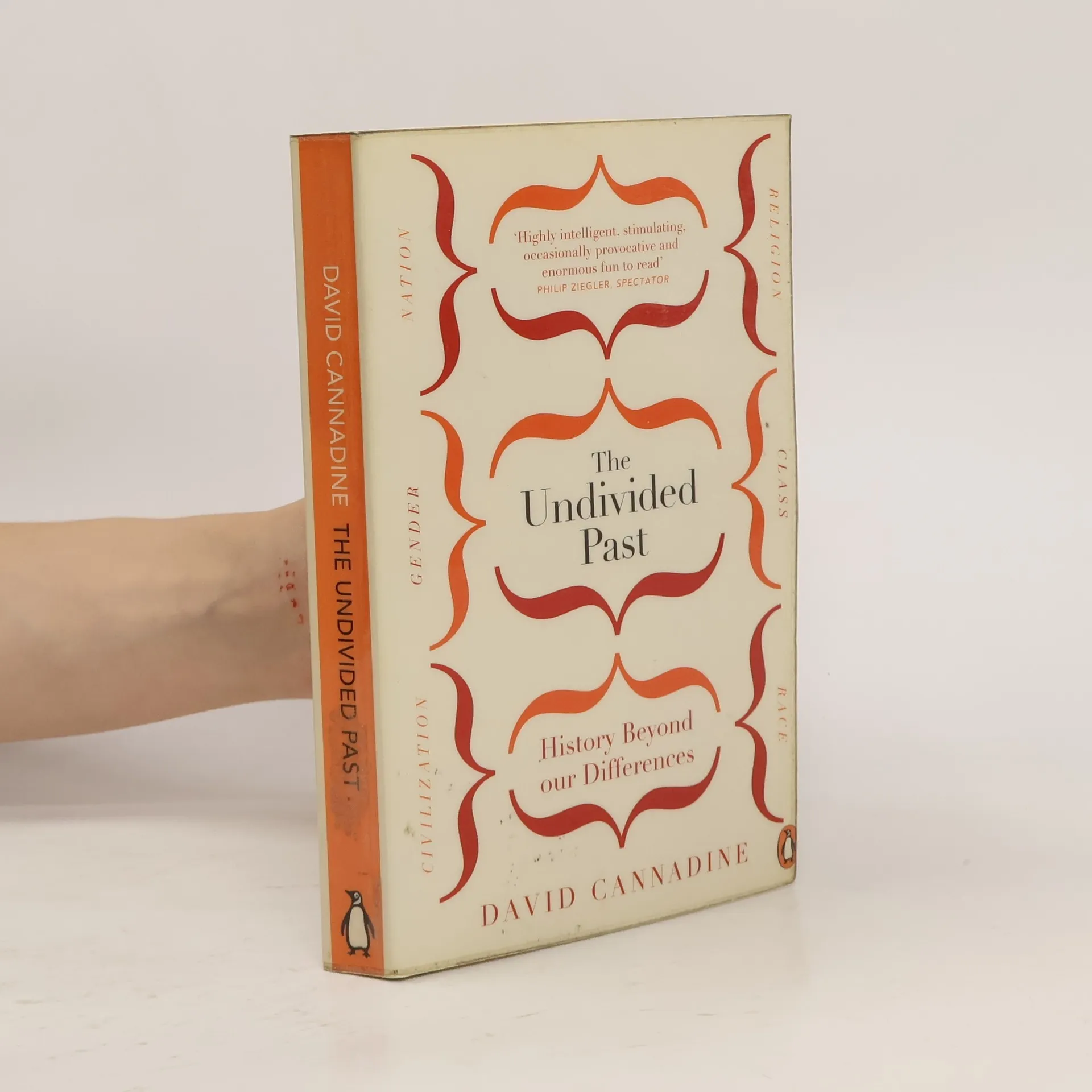
David Cannadine's impassioned, controversial plea for us to recognise the importance of both equality and historyGreat works of history have so often had at their heart a wish to sift people in ways that have been profoundly damaging and provided intellectual justification for terrible political decisions. Again and again, categories have been found--religion, nation, class, gender, race, 'civilization'--that have sought to explain world events by fabricating some malevolent or helpless 'other'. The Undivided Past is an agonised attempt to understand how so much of the writing of history has been driven by a fatal desire to dramatize differences - to create an 'us versus them'. Is is above all an appeal to common humanity.
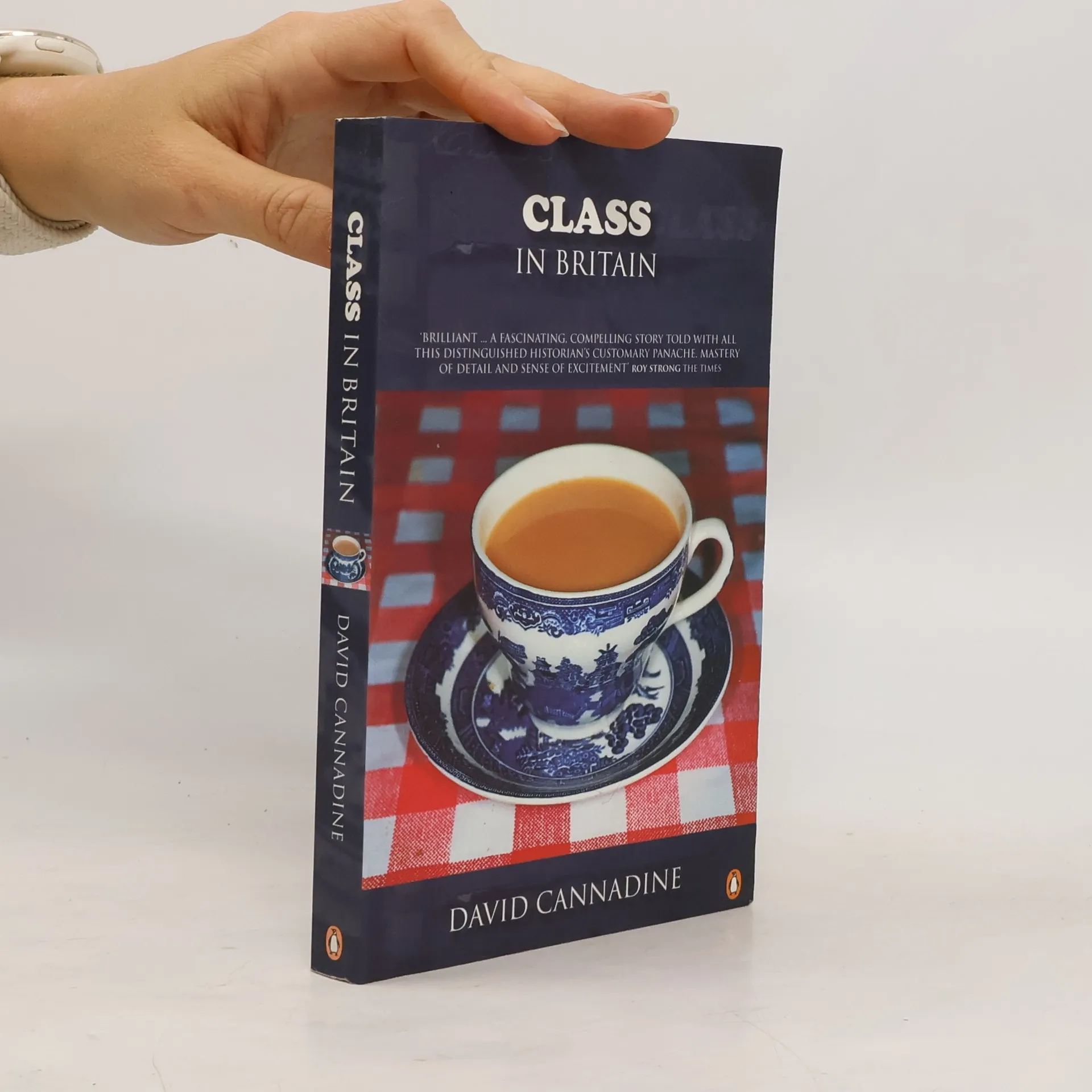
Examines British preoccupation with class and different ways the British have
thought about their own society. From the eighteenth through the twentieth
century, this book traces the different ways British society has been viewed,
unveiling the different purposes each model has served. schovat popis
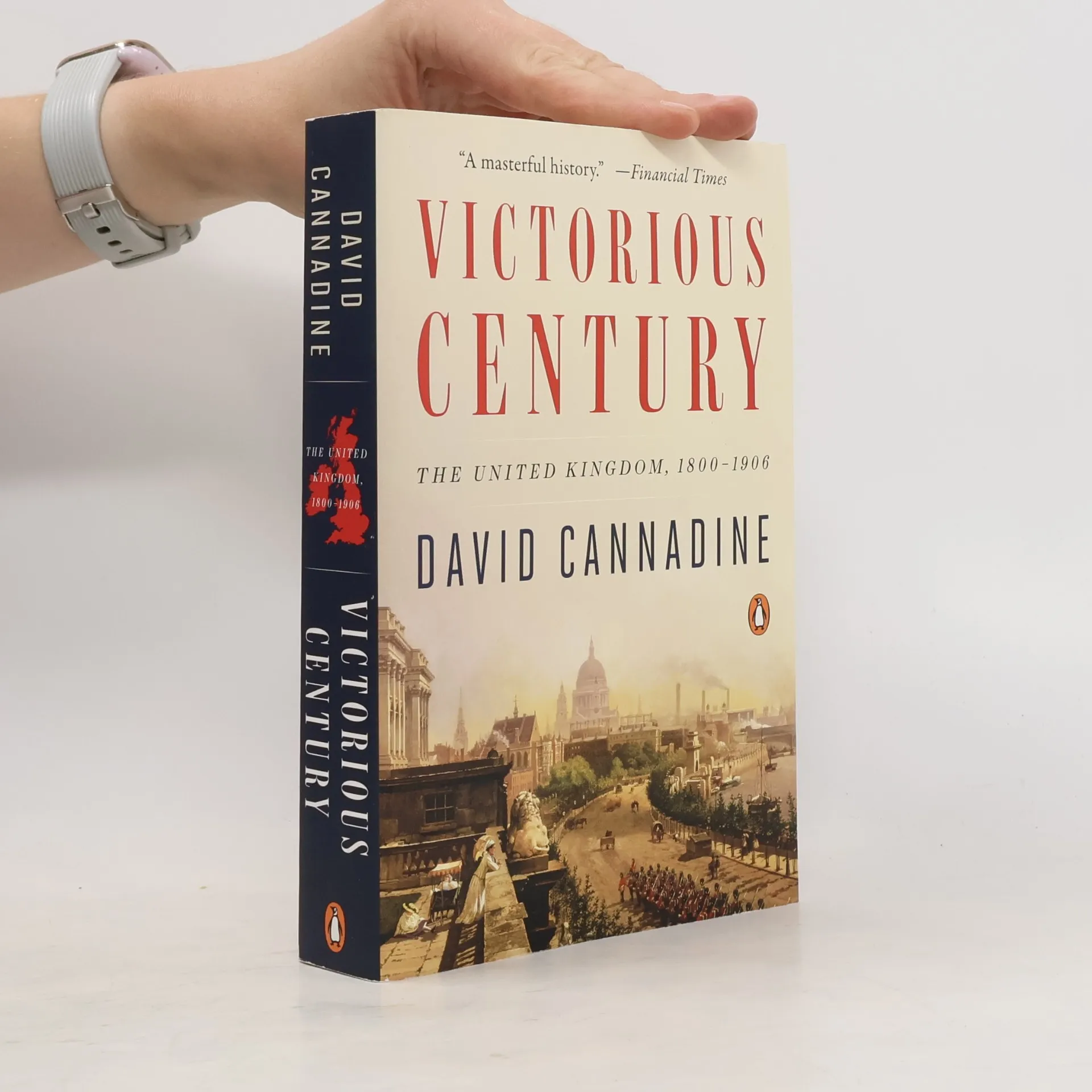
This comprehensive account explores the transformative events and societal changes in nineteenth-century Britain, highlighting key historical figures and movements. The narrative delves into the political, economic, and cultural shifts that shaped the era, providing readers with a deep understanding of the complexities and dynamics of British history during this pivotal time. The author's expertise brings clarity to the intricate connections between historical developments and their lasting impact on modern society.
From the time of his election to the House of Parliament until his last weeks as Prime Minster in 1955, Winston Churchill was never at a loss for words. In this volume are all the well-known phrases - blood, toil, tears and sweat - their finest hour and the iron curtain.
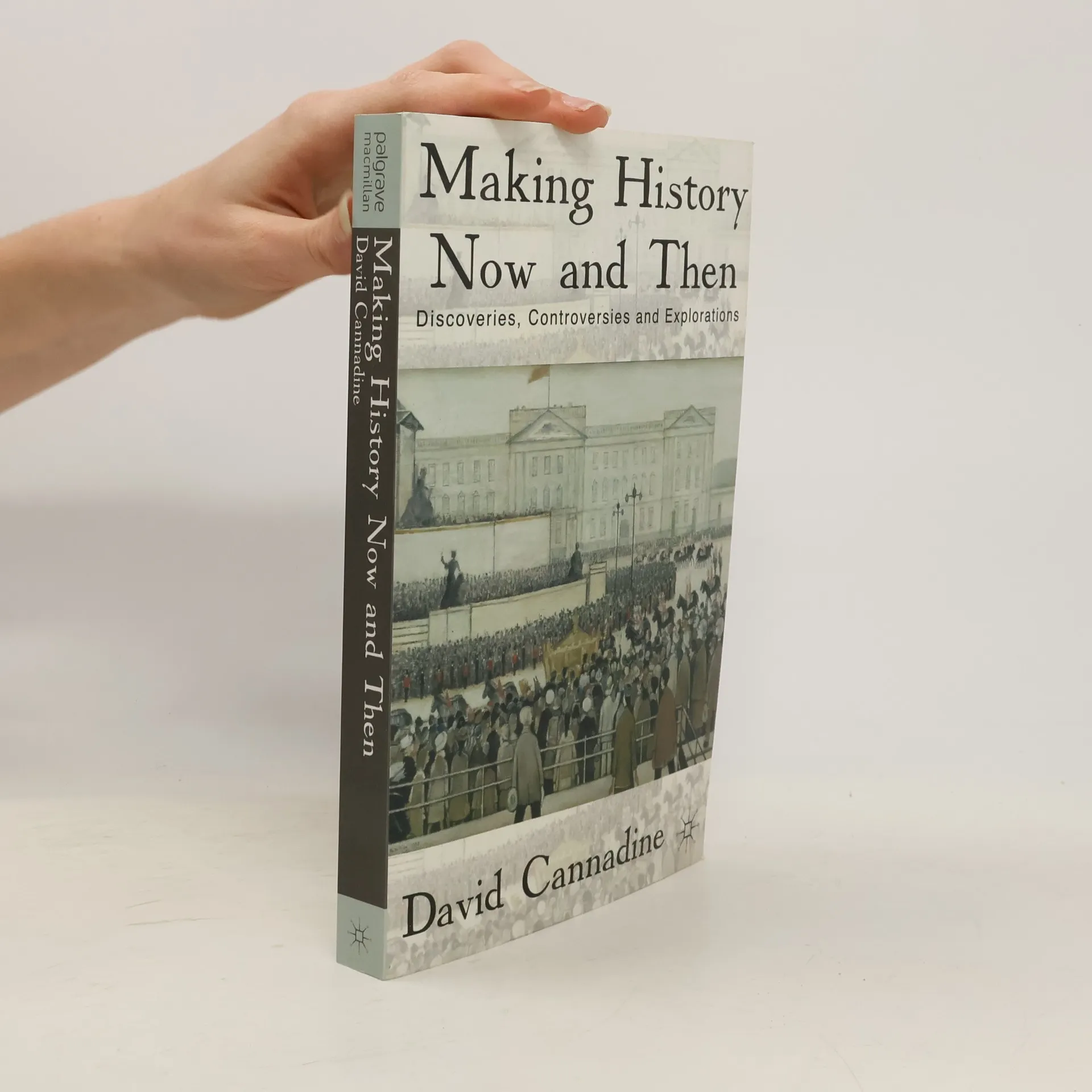
'History makes plain the complexity and contingency of human affairs and the range and variety of human experience; it enjoins suspicion of simplistic analysis, simplistic explanation, and simplistic prescription; it teaches proportion, perspective, reflectiveness, breadth of view, tolerance of differing opinions, and thus a greater sense of self-knowledge.'—David Cannadine This book brings together David Cannadine's most important reflections on how history has been written and made in Britain in the twentieth century. Empire, monarchy, parliament, the economy, culture, heritage and tradition: Cannadine casts his eye over some of the central topics of our age and their treatment by historians down the years, delivering rich insights into the nature and profession of history itself. Most of the essays included here were produced during his decade-long association with the Institute of Historical Research in London and they are framed by his inaugural and valedictory lectures there. The result is a remarkably coherent collection, which demonstrates yet again why Cannadine is one of the most thoughtful, original, incisive and readable historians of our time.