
The Bridge on the Drina
- 314 pages
- 11 hours of reading
"A great stone bridge built three centuries ago in the heart of the Balkans ... stands witness to the countless lives played out upon it" and to the sufferings of the people of Bosnia.--Cover.
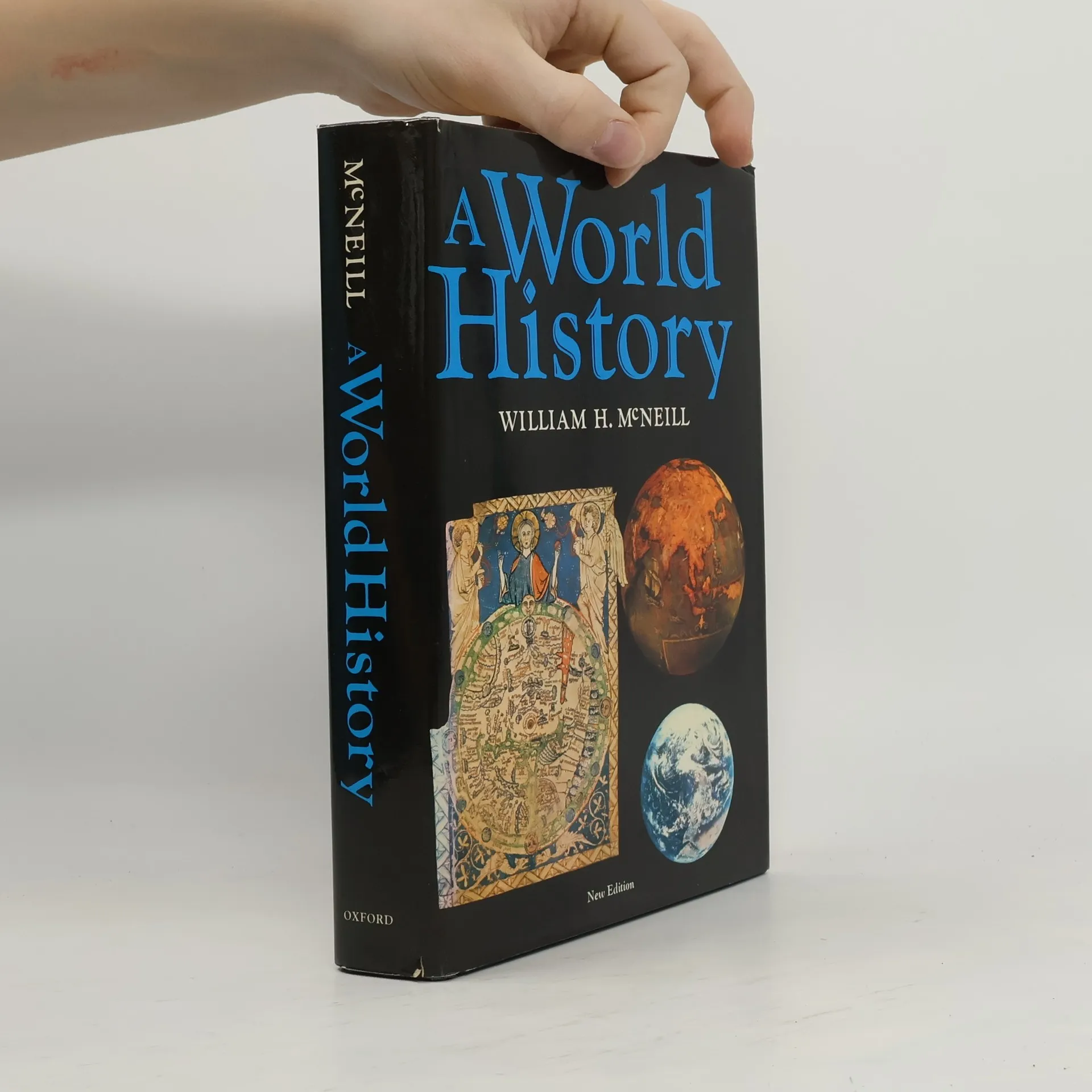
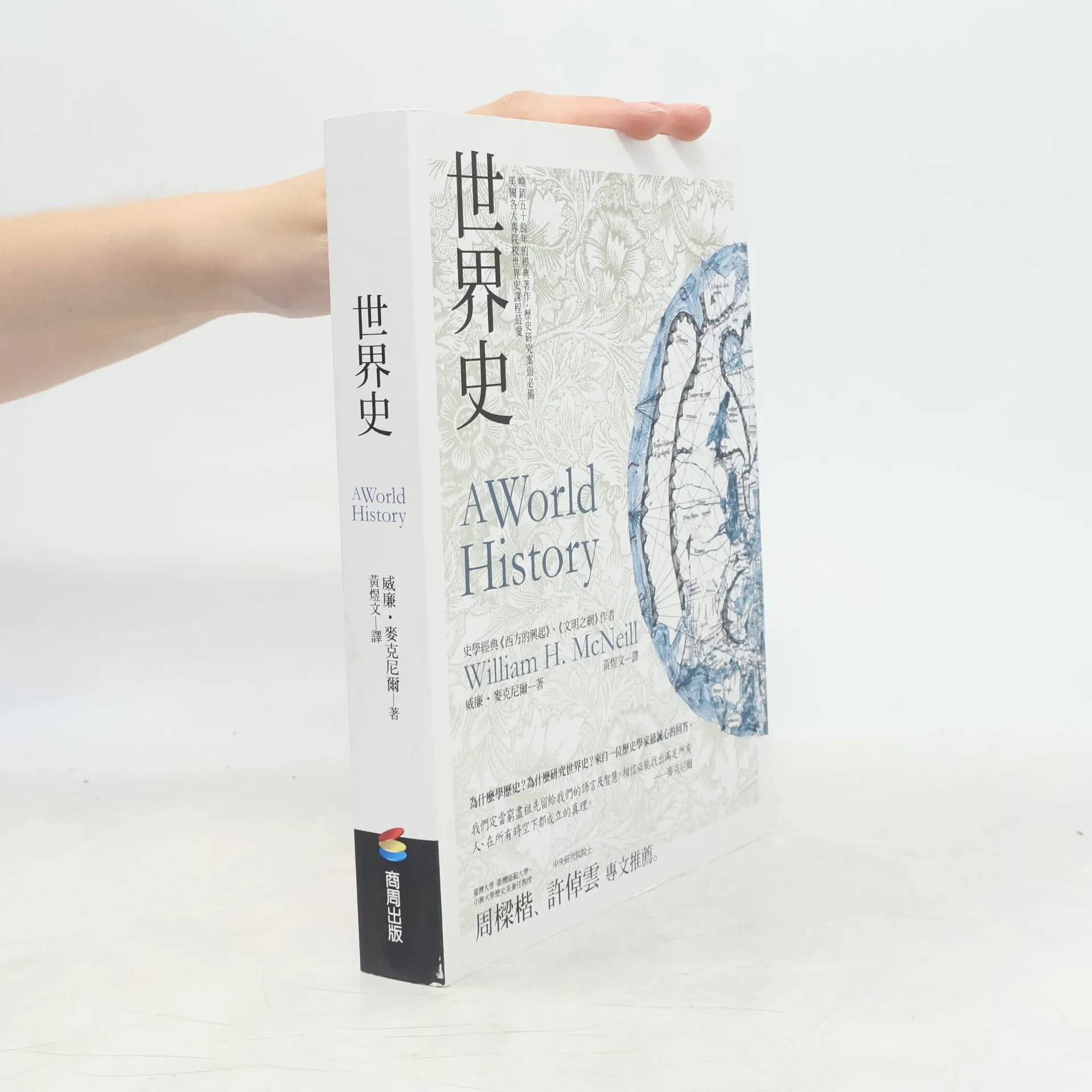
This historian's work champions the idea that contact and exchange among civilizations are the driving forces of human history. His writings explore long-term trends and the reciprocal influences between cultures across millennia. He analyzes how civilizations evolve and enrich one another through interaction, offering a comprehensive perspective on world history. His approach emphasizes global interconnectedness and the dynamics of civilizational progress.


"A great stone bridge built three centuries ago in the heart of the Balkans ... stands witness to the countless lives played out upon it" and to the sufferings of the people of Bosnia.--Cover.
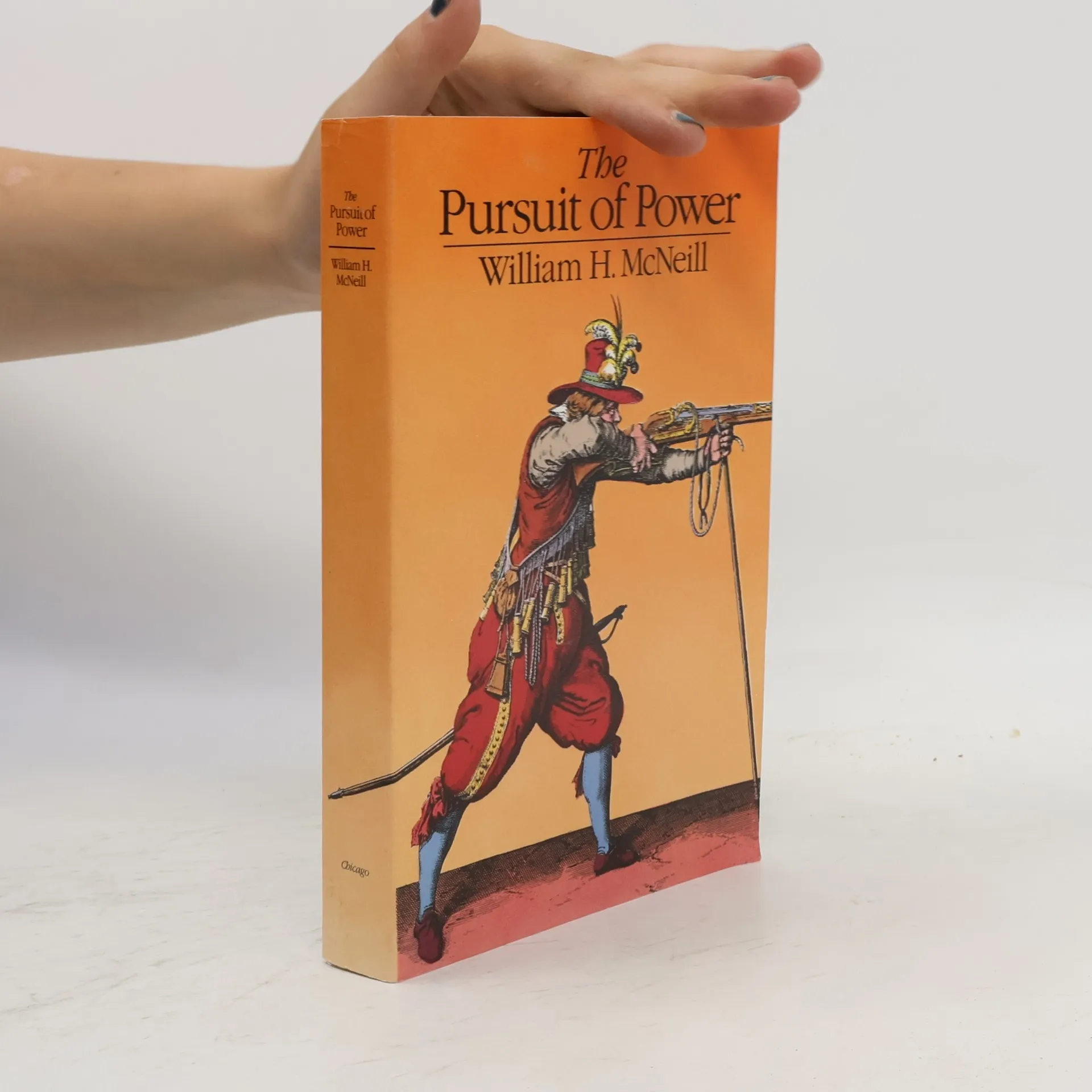
s/t: Technology, armed force, and society since A.D. 1000 In this magnificent synthesis of military, technological, and social history, William H. McNeill explores a whole millennium of human upheaval and traces the path by which we have arrived at the frightening dilemmas that now confront us. McNeill moves with equal mastery from the crossbow—banned by the Church in 1139 as too lethal for Christians to use against one another—to the nuclear missile, from the sociological consequences of drill in the seventeenth century to the emergence of the military-industrial complex in the twentieth. His central argument is that a commercial transformation of world society in the eleventh century caused military activity to respond increasingly to market forces as well as to the commands of rulers. Only in our own time, suggests McNeill, are command economies replacing the market control of large-scale human effort. The Pursuit of Power does not solve the problems of the present, but its discoveries, hypotheses, and sheer breadth of learning do offer a perspective on our current fears and, as McNeill hopes, "a ground for wiser action." "No summary can do justice to McNeill's intricate, encyclopedic treatment. . . . McNeill's erudition is stunning, as he moves easily from European to Chinese and Islamic cultures and from military and technological to socio-economic and political developments. The result is a grand synthesis of sweeping proportions and interdisciplinary character that tells us almost as much about the history of butter as the history of guns. . . . McNeill's larger accomplishment is to remind us that all humankind has a shared past and, particularly with regard to its choice of weapons and warfare, a shared stake in the future."—Stuart Rochester, Washington Post Book World "Mr. McNeill's comprehensiveness and sensitivity do for the reader what Henry James said that Turgenev's conversation did for him: they suggest 'all sorts of valuable things.' This narrative of rationality applied to irrational purposes and of ingenuity cannibalizing itself is a work of clarity, which delineates mysteries. The greatest of them, to my mind, is why human beings have never learned to cherish their own species."—Naomi Bliven, The New Yorker
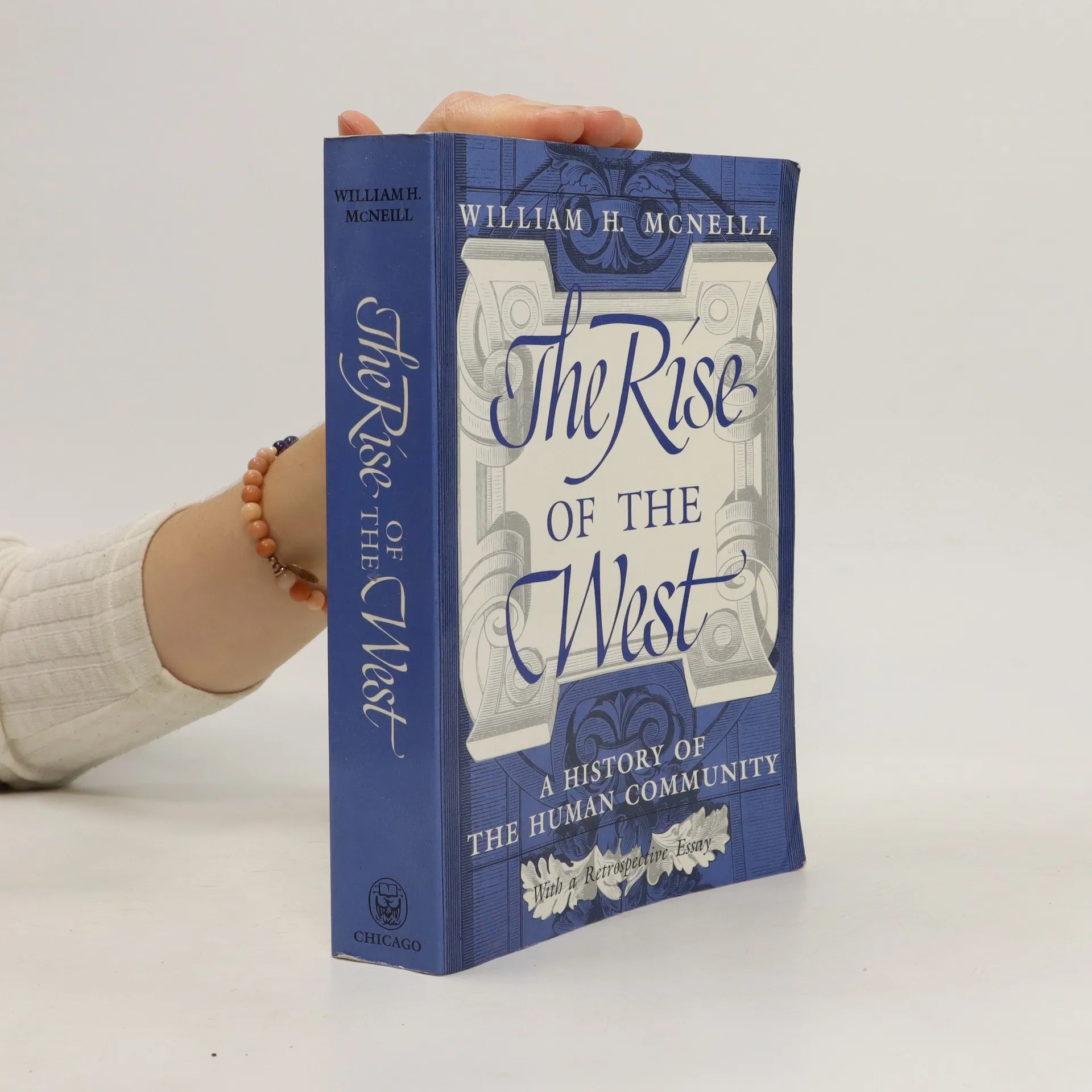
The Rise of the West, winner of the National Book Award for history in 1964, is famous for its ambitious scope and intellectual rigor. In it, McNeill challenges the Spengler-Toynbee view that a number of separate civilizations pursued essentially independent careers, and argues instead that human cultures interacted at every stage of their history. The author suggests that from the Neolithic beginnings of grain agriculture to the present major social changes in all parts of the world were triggered by new or newly important foreign stimuli, and he presents a persuasive narrative of world history to support this claim. In a retrospective essay titled "The Rise of the West after Twenty-five Years," McNeill shows how his book was shaped by the time and place in which it was written (1954-63). He discusses how historiography subsequently developed and suggests how his portrait of the world's past in The Rise of the West should be revised to reflect these changes. "This is not only the most learned and the most intelligent, it is also the most stimulating and fascinating book that has ever set out to recount and explain the whole history of mankind. . . . To read it is a great experience. It leaves echoes to reverberate, and seeds to germinate in the mind."—H. R. Trevor-Roper, New York Times Book Review
Shows the interrelatedness of technical, military, political, and economic history and examines the changes introduced by the industrialization of war
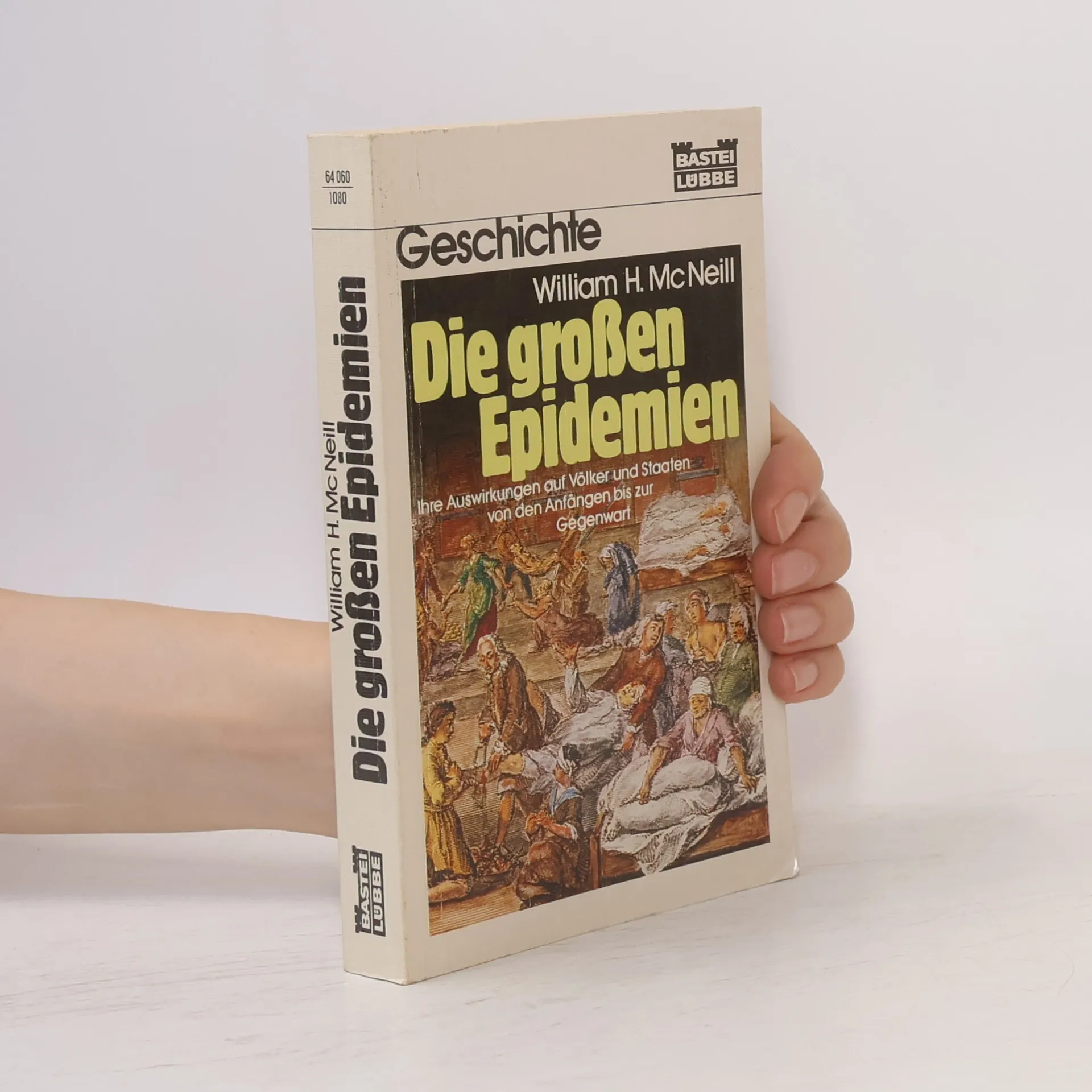
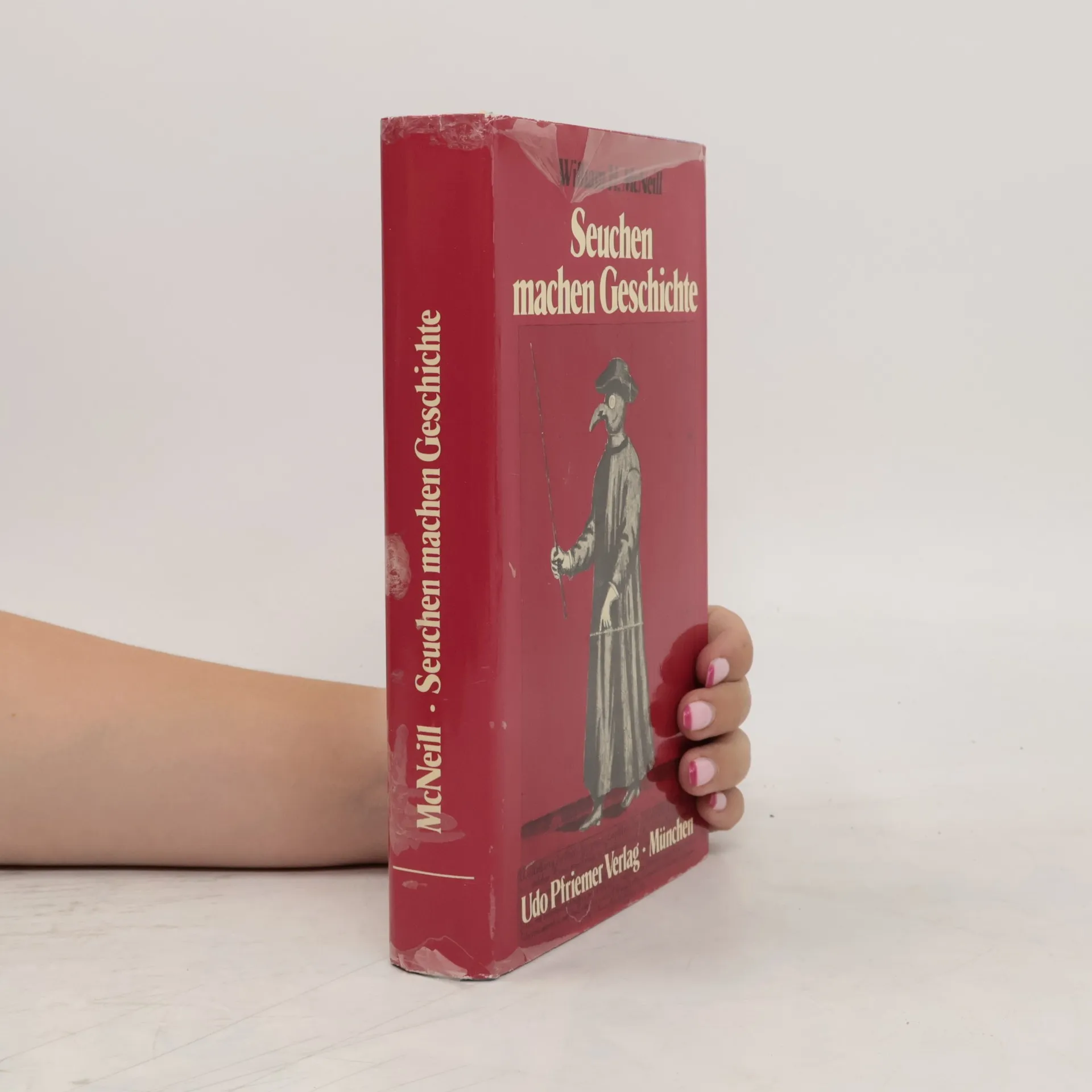
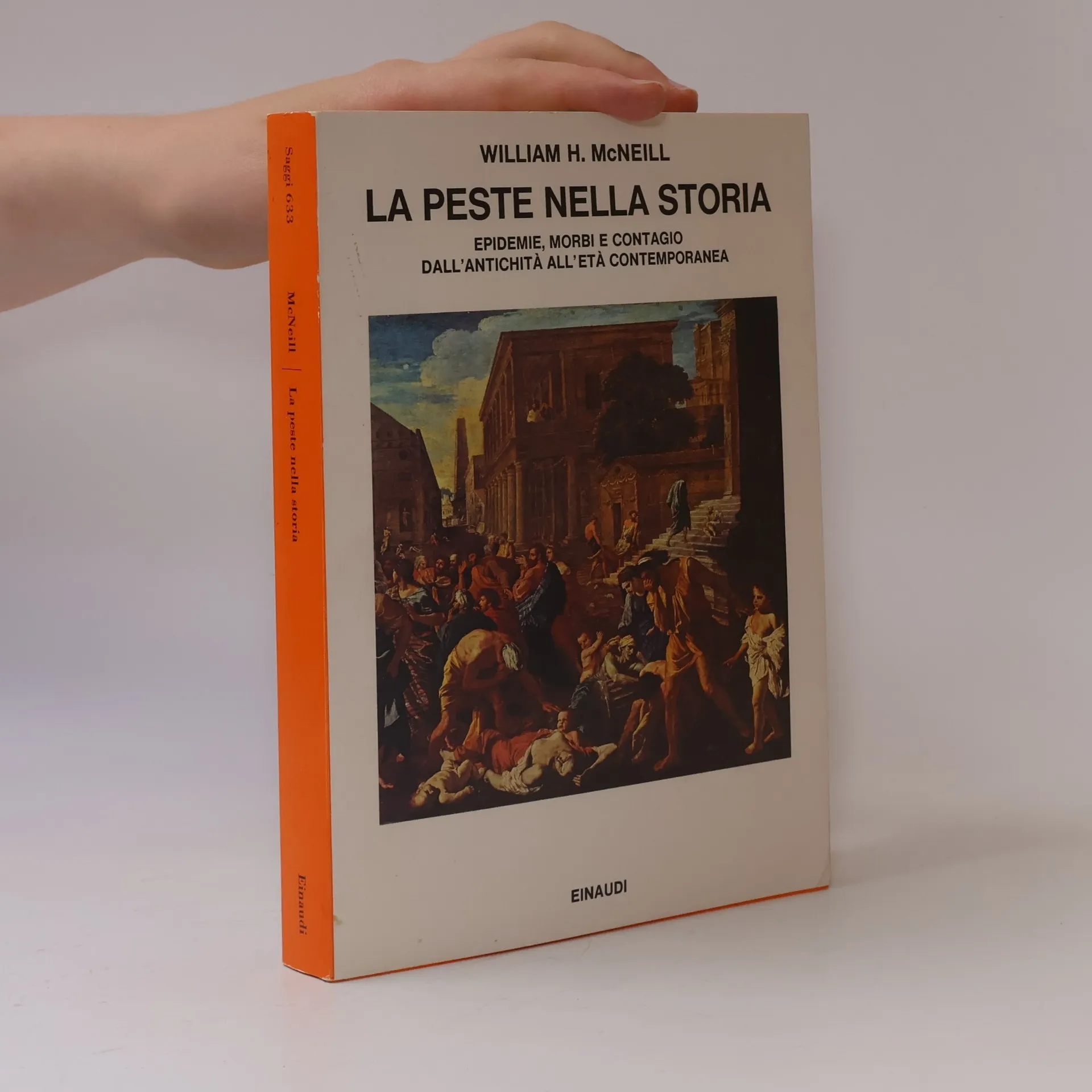
Upon its original publication, Plagues and Peoples was an immediate critical and popular success, offering a radically new interpretation of world history as seen through the extraordinary impact--political, demographic, ecological, and psychological--of disease on cultures. From the conquest of Mexico by smallpox as much as by the Spanish, to the bubonic plague in China, to the typhoid epidemic in Europe, the history of disease is the history of humankind. With the identification of AIDS in the early 1980s, another chapter has been added to this chronicle of events, which William McNeill explores in his new introduction to this updated editon.Thought-provoking, well-researched, and compulsively readable, Plagues and Peoples is that rare book that is as fascinating as it is scholarly, as intriguing as it is enlightening. "A brilliantly conceptualized and challenging achievement" (Kirkus Reviews), it is essential reading, offering a new perspective on human history.
Renowned historian William H. McNeil provides a brilliant narrative chronology of the development of Western civilization, representing its socio-political as well as cultural aspects. This sixth edition includes new material for the twentieth-century period and completely revised bibliographies. An invaluable tool for the study of Western civilization, the Handbook is an essential complement to readings in primary and secondary sources such as those in the nine-volume University of Chicago Readings in Western Civilization.
Steve Riley is a realtor who sells his friend and client a large tract of land in coastal South Carolina for a pricey condo project. The old Gullah graveyard there is specifically not to be disturbed but during initial grading, it accidentally happens. The land explodes, forming a large crater, coughing out hideous, angry skeletons killing all the workers and pulling them into the doomed abyss-a fiery pit of no escape! Shocking mayhem has now come to the once peaceful sea island! Unconcerned by the frightening supernatural event and events to come, Johnny is only upset about his ruined property and threatens Steve to get his money back. The two men become bitter enemies! Ironically, Steve's twin daughters disappear. Filled with vengeance, Irish- tempered Steve believes Johnny kidnapped them! But did he? Out of desperation, Steve resorts to black magic in his quest to save his girls. After receiving amazing voodoo powers by an anomaly from the invisible world, will Steve find them? Can he deal with Johnny? And will the spirits rest again, under their Gullah Gravestones?
The Address, Twelve Early Responses, Six Later Reflections
When Aleksandr Solzhenitsyn gave the commencement address at Harvard University in 1978, many Americans expected to hear their country praised by this celebrated refugee from a totalitarian state. Instead they heard some sharply critical views of their legal system, their press, their popular culture, and even their national will. The forthright and controversial speech makes up Part One of this book. A sampling of the avalanche of comment that followed it is included in Part Two. In Part Three, six thoughtful scholars reflect on the ideas and judgments expressed by the great Russian writer.