


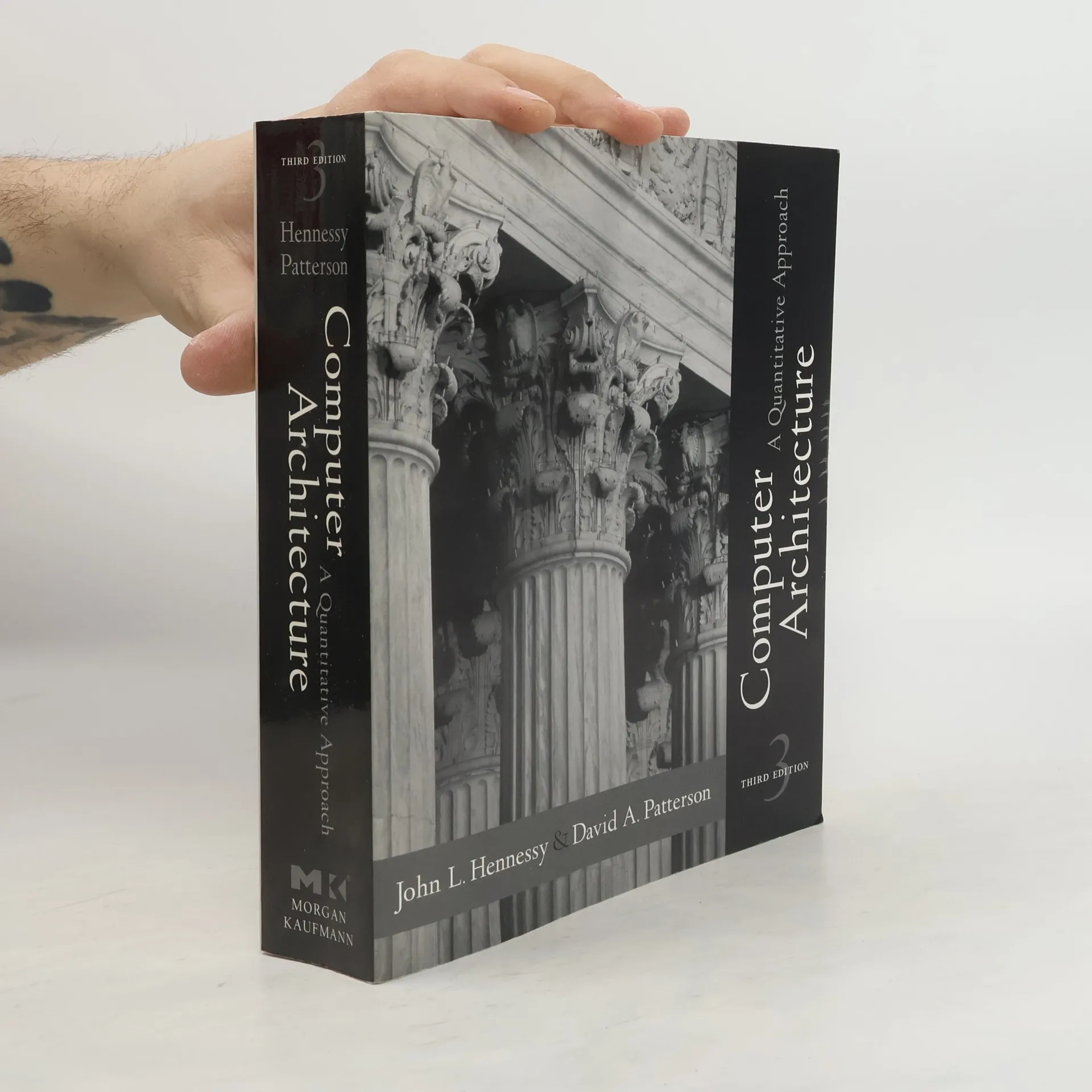
Computer Architecture
A Quantitative Approach
A new edition of the best-selling title, considered for over a decade to be essential reading for every serious student and practitioner of computer design Computer Architecture has been updated throughout to address the most important trends facing computer designers today. In this edition, the authors bring their trademark method of quantitative analysis not only to high performance desktop machine design, but also to the design of embedded and server systems. They have illustrated their principles with designs from all three of these domains, including examples from consumer electronics, multimedia and web technologies, and high performance computing. Presents state-of-the-art design examples Updates all the examples and figures with the most recent benchmarks, such as SPEC 2000. Expands coverage of instruction sets to include descriptions of digital signal processors, media processors, and multimedia extensions to desktop processors The book retains its highly rated features: Fallacies and Pitfalls, Historical Perspectives, Putting it all Together, Worked Examples and Cross-Cutting Issues A new feature, Another View, presents brief design examples in one of the three domains