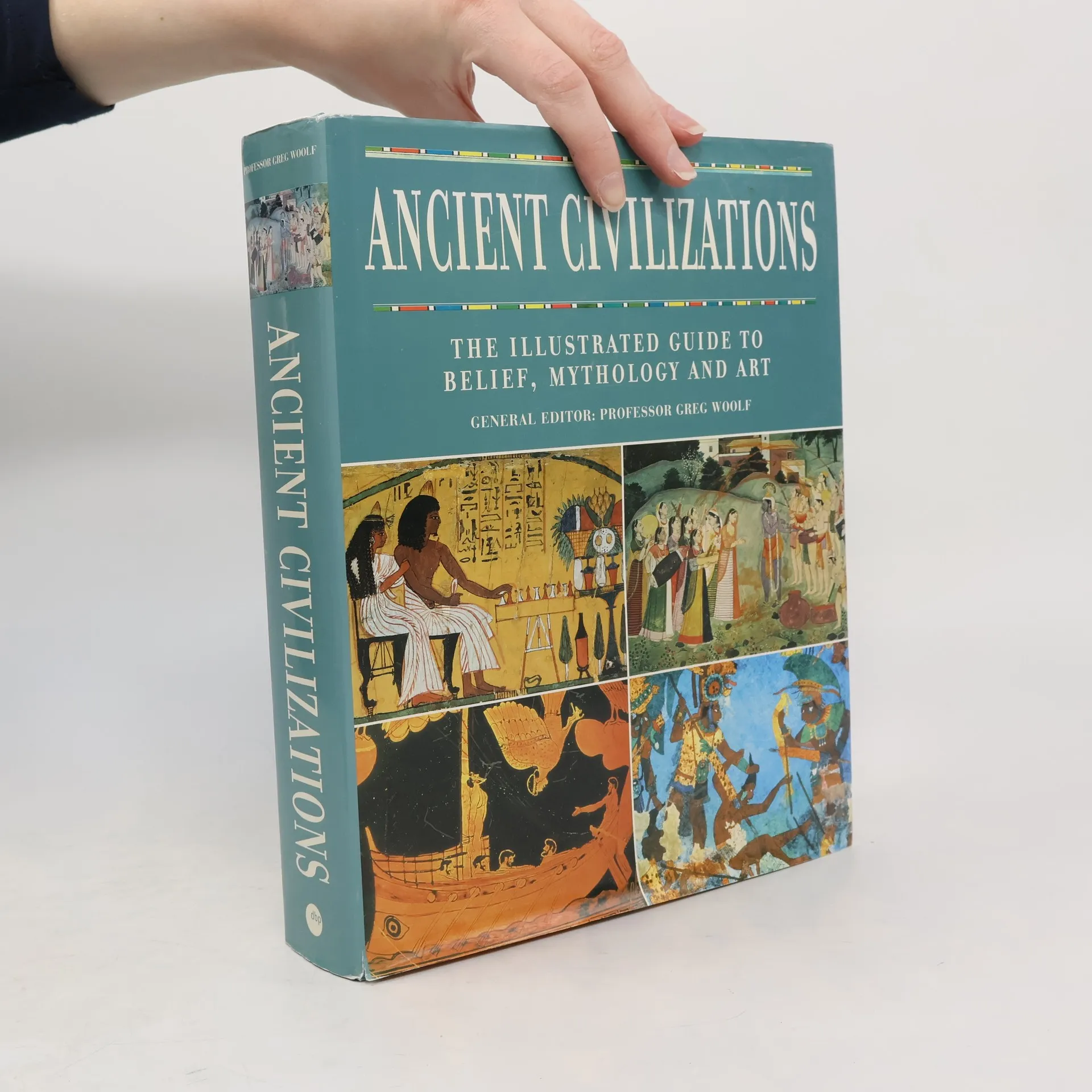
Roll back the mists of time to reveal the history, myths, beliefs and arts of our greatest ancestors.
Greg Woolf Books
December 3, 1961

The story of ancient cities from the end of the Bronze Age to the beginning of the Middle Ages: a tale of war and politics, pestilence and famine, triumph and tragedy, by turns both fabulous and squalid.
The story of the Roman empire, from the beginnings to the crisis of the Middle Ages: why it was so large, why it was so durable, and why it was different from any other empire before or since.
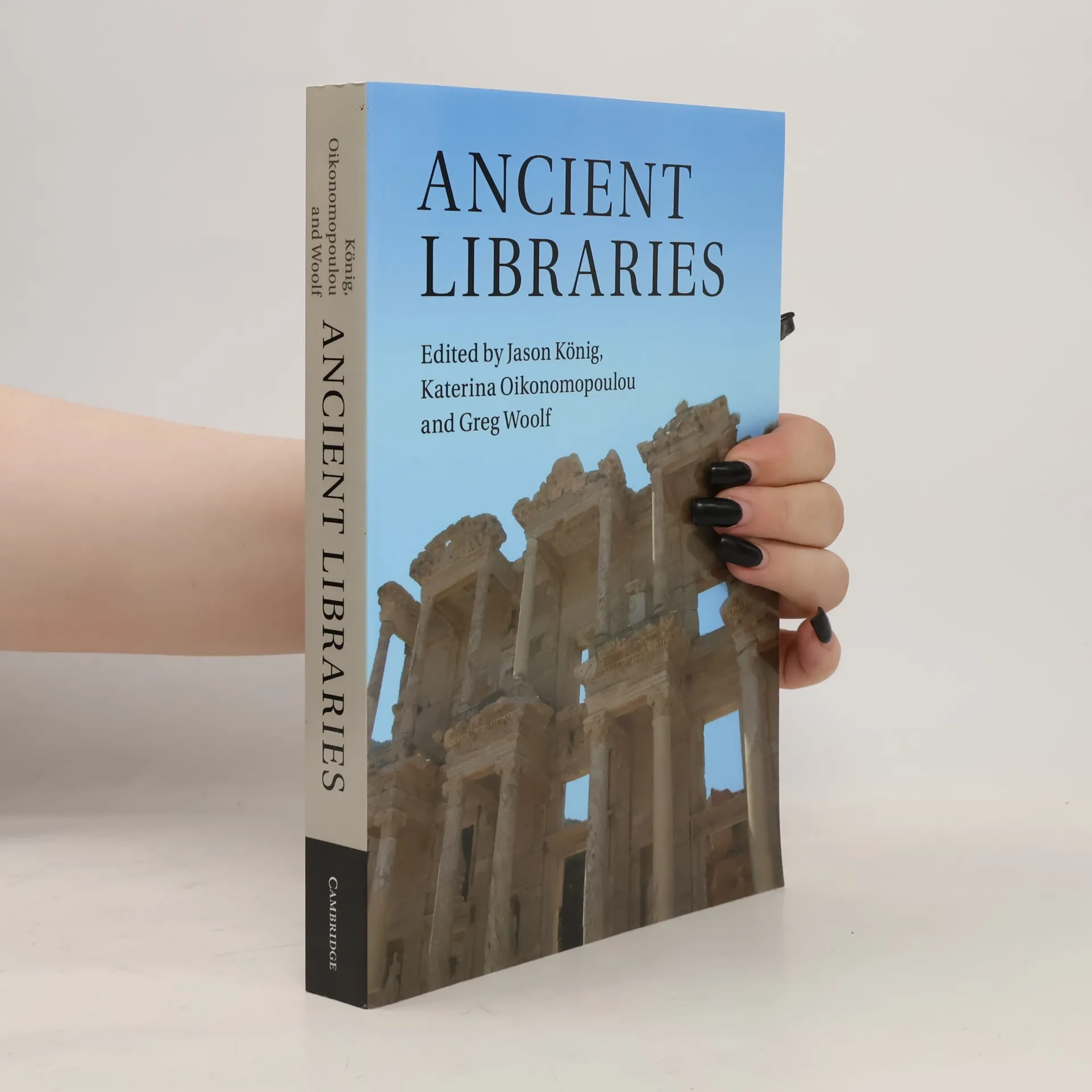
Ancient Libraries
- 500 pages
- 18 hours of reading
The circulation of books was the motor of classical civilization. But books were both expensive and rare, and so libraries - private and public, royal and civic - played key roles in articulating intellectual life. This collection, written by an international team of scholars, presents a fundamental reassessment of how ancient libraries came into being, how they were organized and how they were used. Drawing on papyrology and archaeology, and on accounts written by those who read and wrote in them, it presents new research on reading cultures, on book collecting and on the origins of monumental library buildings. Many of the traditional stories told about ancient libraries are challenged. Few were really enormous, none were designed as research centres, and occasional conflagrations do not explain the loss of most ancient texts. But the central place of libraries in Greco-Roman culture emerges more clearly than ever.
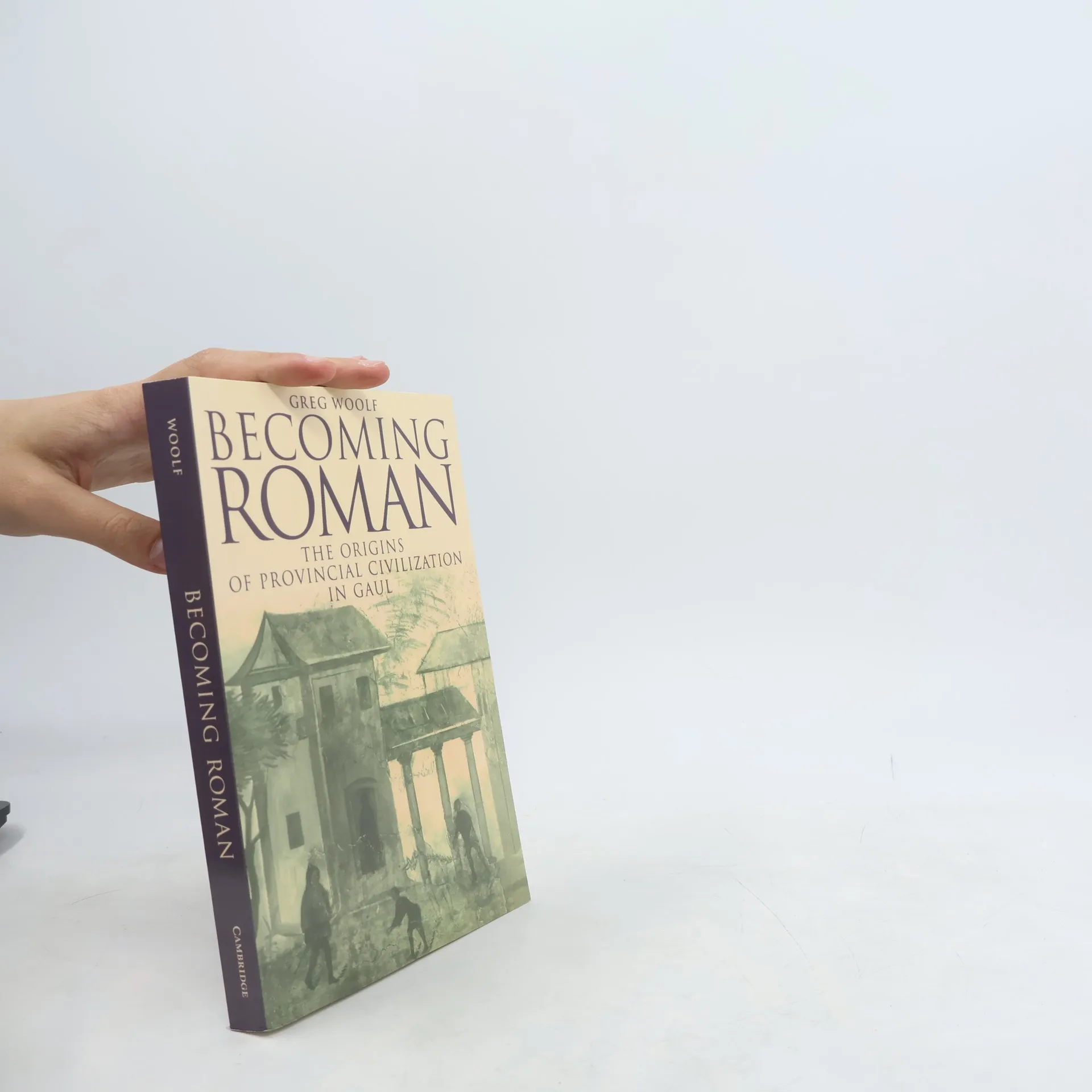
Becoming Roman
The Origins of Provincial Civilization in Gaul
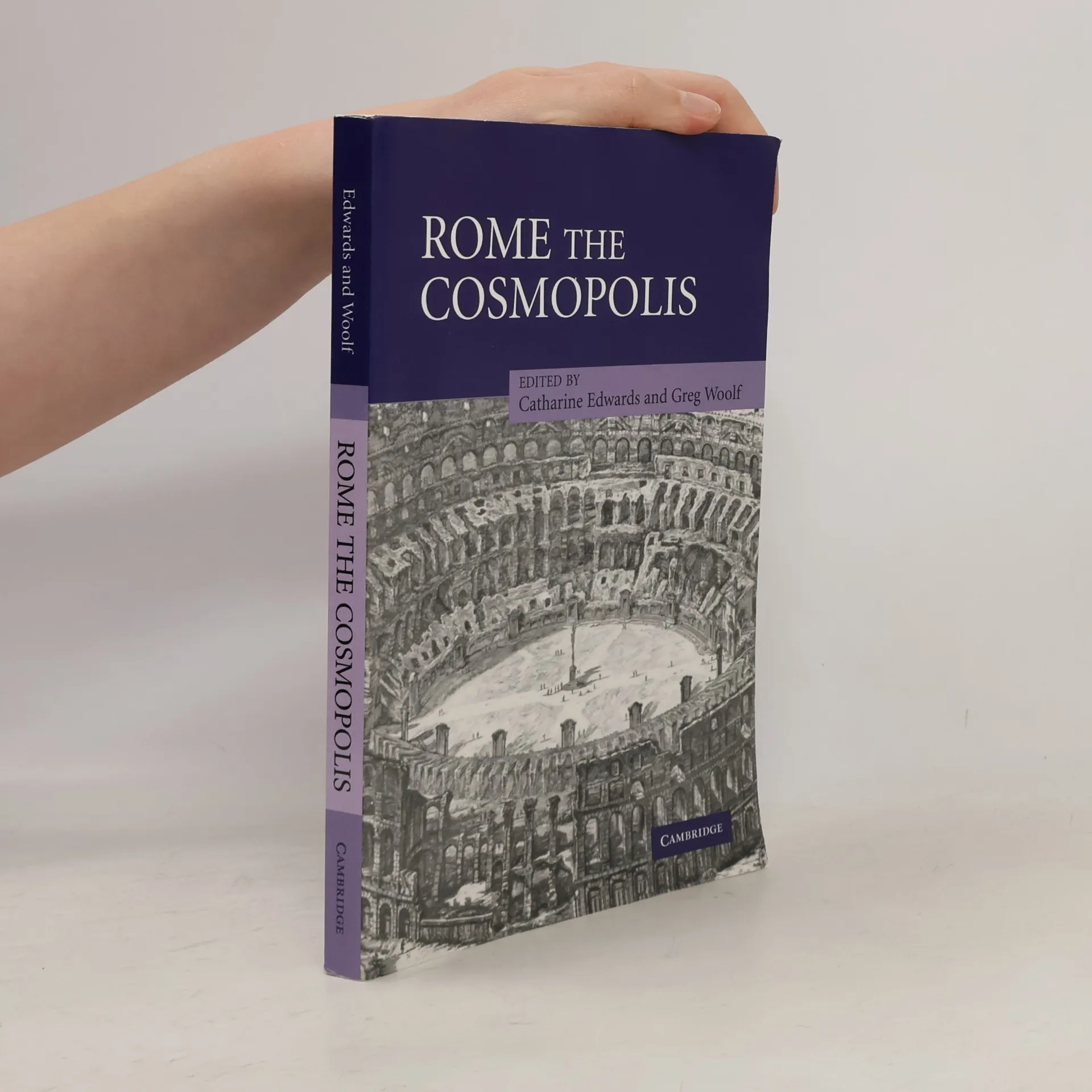
Rome the Cosmopolis
- 268 pages
- 10 hours of reading
Ancient Rome was a vast and varied metropolis. By coercion and seduction it attracted a population from every province of its empire, as well as foodstuffs, building materials and entertainment from all over the world. What impact did the possession of empire have on the city itself? How did its inhabitants, visitors and subjects comprehend its unique role? How did Rome stay Roman when it encompassed the world? This collection of essays seeks to explore key aspects of the relationship between Rome and its empire.
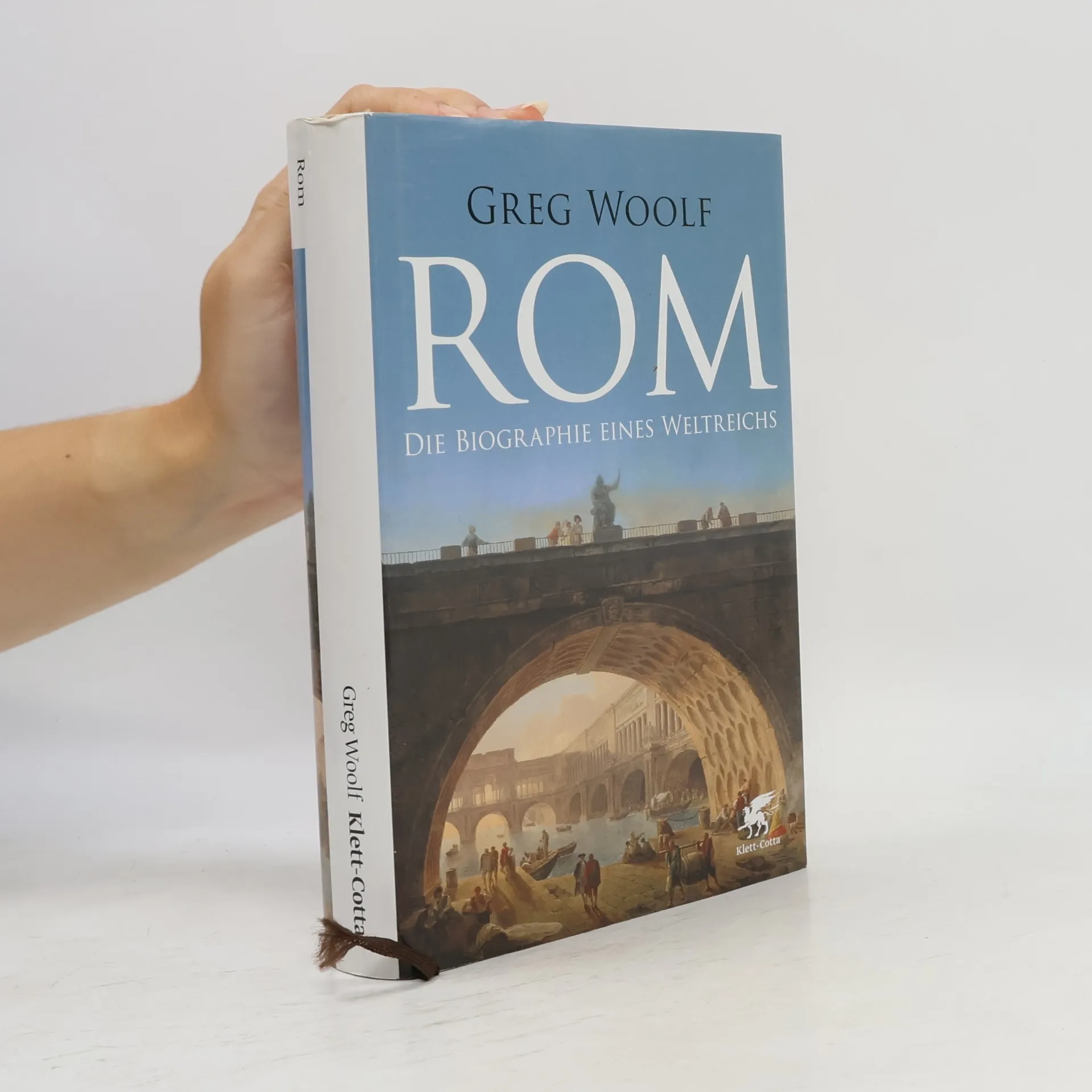
Rom
- 495 pages
- 18 hours of reading
Triumph und Leistungen einer Weltmacht: Greg Woolf, einer der international renommiertesten Historiker für das antike Rom, betrachtet die Geschichte der römischen Republik und Kaiserzeit als Einheit. Dadurch lässt er ganz Europa und die Mittelmeerwelt vor unseren Augen lebendig werden. Alle wichtigen Facetten der römischen Zivilisation kommen zur Sprache. Der Autor zeigt, wie das Römische Reich funktionierte, und stellt es in den Zusammenhang anderer Reiche von China bis Peru. Allerneueste archäologische und historische Erkenntnisse lassen den weltgeschichtlich einzigartigen Erfolg Roms in einem neuen Licht erscheinen. Nicht zuletzt geht es um die alles bedeutende Frage: Warum konnte gerade Rom unter allen uns bekannten Imperien so lange überdauern und eine derart unvergleichliche Wirkung ausüben – bis zum heutigen Tag?