

Kriminalroman.
G. R. de Bruin Book order (chronological)
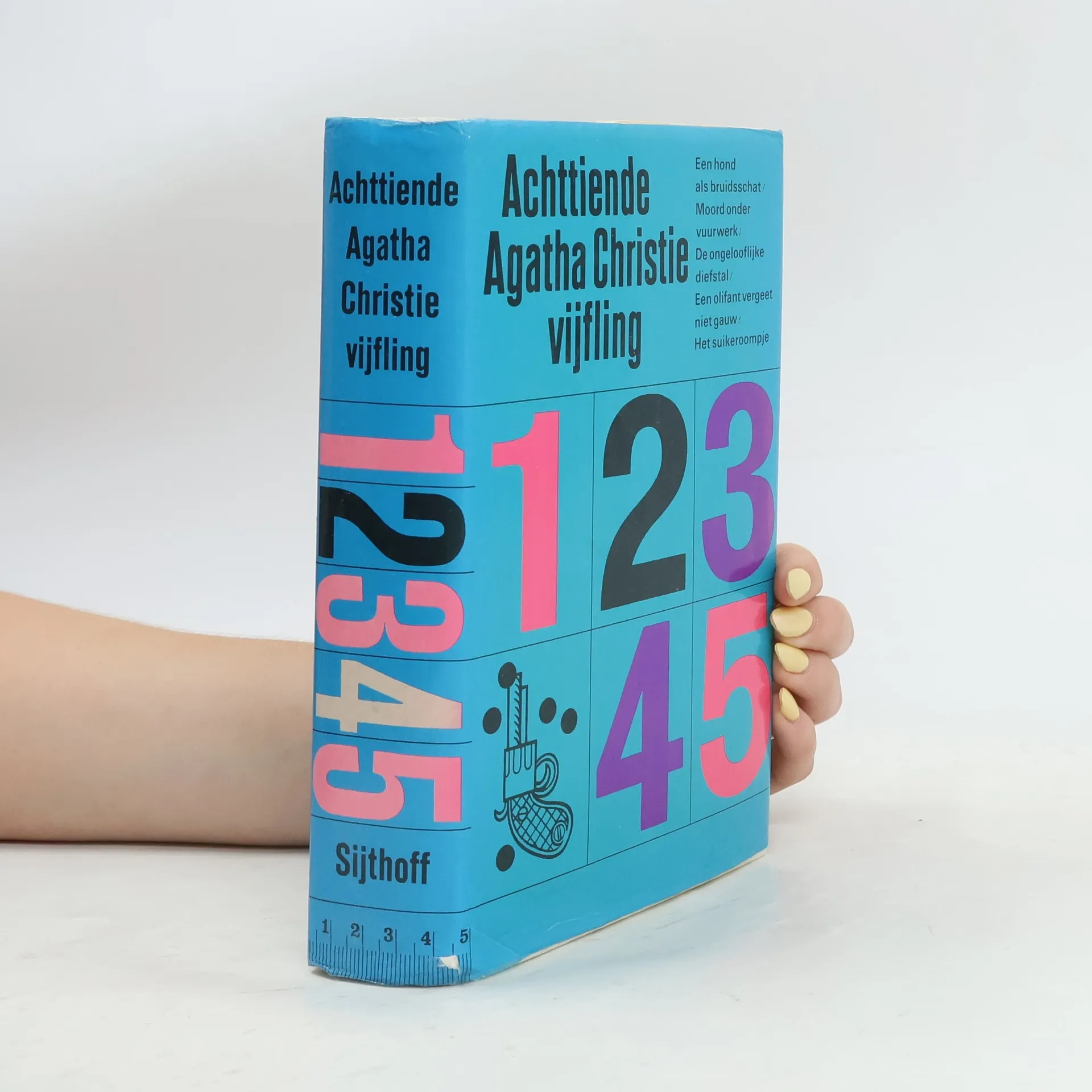

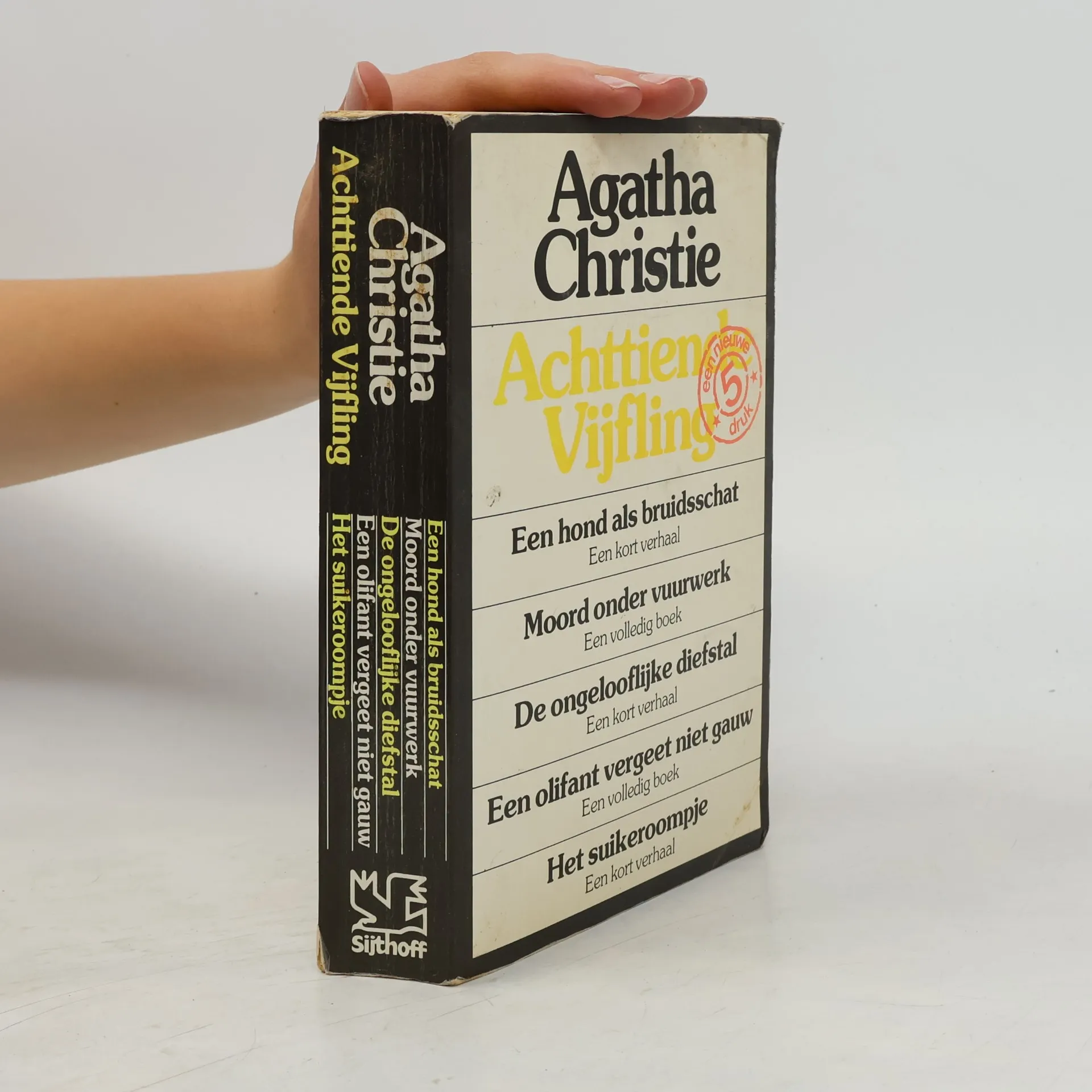

Achttiende vijfling - een nieuwe 5 druk
- 448 pages
- 16 hours of reading
Een hond als bruidsschat Moord onder vuurwerk De ongelooflijke diefstal Een olifant vergeet niet gauw Het suikeroompje
Zeventiende vijfling
- 421 pages
- 15 hours of reading
Bevat: Een exotische remedie (Problem at Pollensa Bay) Drama in drie bedrijven (Three-act tragedy) In naam der liefde (The love detectives) De wraakgodin (Nemesis) Het regatta-mysterie (The regatta mystery)
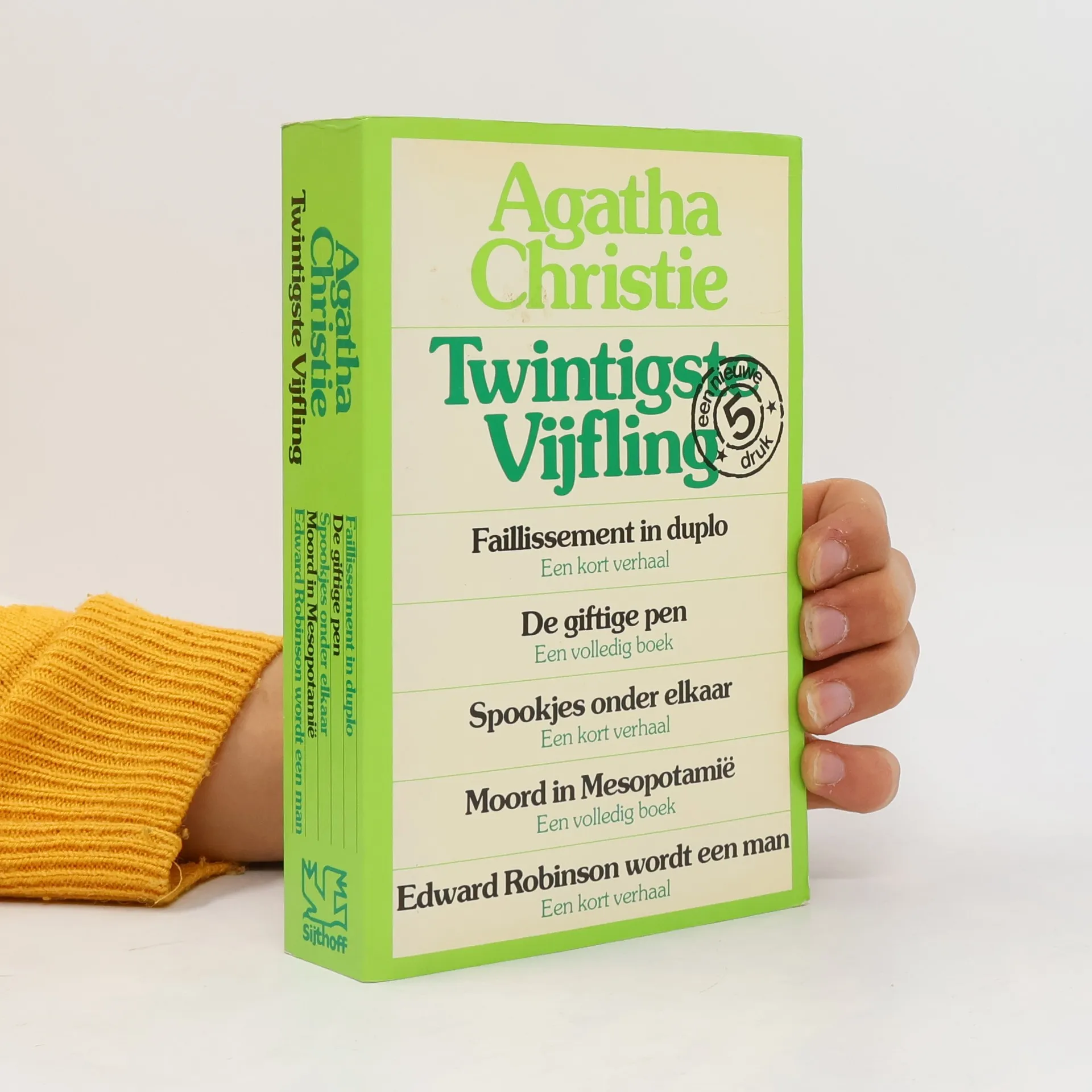
Twintigste vijfling - een nieuwe 5 druk
- 448 pages
- 16 hours of reading
Bevat de verhalen:- Faillissement in duplo- Spookjes onder elkaar- Edward Robinson wordt een manBovendien ook nog de volledige romans:- De giftige pen- Moord in Mesopotamië
Achttiende Agatha Christie vijfling
Een hond als bruidsschat, Moord onder vuurwerk, De ongelooflijke diefstal, Een olifant vergeet niet gauw, Het suikerroompje
- 448 pages
- 16 hours of reading
G
- 336 pages
- 12 hours of reading
This novel centres on G, who seems impervious to everything around him. His interests are purely sexual, his crowning ideal fulfilment. Yet, in the end this is enough for the politics of desire to expose the criminal politics of oppression. John Berger is the author of To The Wedding.