"Telluria is set in the future, when a devastating holy war between Europe and Islam has succeeded in returning the world to the torpor and disorganization of the Middle Ages. Europe, China, and Russia have all broken up. The people of the world now live in an array of little nations like puzzle pieces, each cultivating its own ideology or identity, a neo-feudal world of fads and feuds, in which no one power dominates. What does, however, travel everywhere is the appetite for the special substance tellurium. A spike of tellurium, driven into the brain by an expert hand, offers a transforming experience of bliss; incorrectly administered, it means death. The fifty chapters of Telluria map out this brave new world from fifty different angles, as Sorokin, always a virtuoso of the word, introduces us, among many other figures, to partisans and princes, peasants and party leaders, a new Knights Templar, a harem of phalluses, and a dog-headed poet and philosopher who feasts on carrion from the battlefield. The book is a immense and sumptuous tapestry of the word, carnivalesuqe and cruel, and Max Lawton, Sorokin's gifted translator, has captured it in an English that carries the charge of Cormac McCarthy and William Gibson"-- Provided by publisher
Wladimir Georgijewitsch Sorokin Books
Vladimir Sorokin is a significant contemporary Russian author, emerging as a central figure of the 1980s Moscow underground scene. His work, often provocative and banned in the Soviet Union, explores themes of identity, power, and societal taboos through innovative language and post-classical literary forms. Sorokin consistently challenges established norms, with a style that blurs the lines between genres, encompassing novels, plays, and screenplays. His writing offers a distinctive lens on Russian society and its history, maintaining a powerful and unique authorial voice.


Their Four Hearts
- 204 pages
- 8 hours of reading
The novel that reportedly caused a walkout upon publication, this grotesque, absurdist work by Russia's de Sade follows four individuals set upon a common goal of destruction and violence.
A scandalous and sensational novel, "Blue Lard" has earned Vladimir Sorokin the status of a "living classic" in contemporary nonconformist prose. It presents a striking phantasmagoria of images, intertwining a criminal mystery of love and death, all crafted in a stunning "newspeak" of the dystopian computer age. This novel has the power to both outrage and captivate readers.
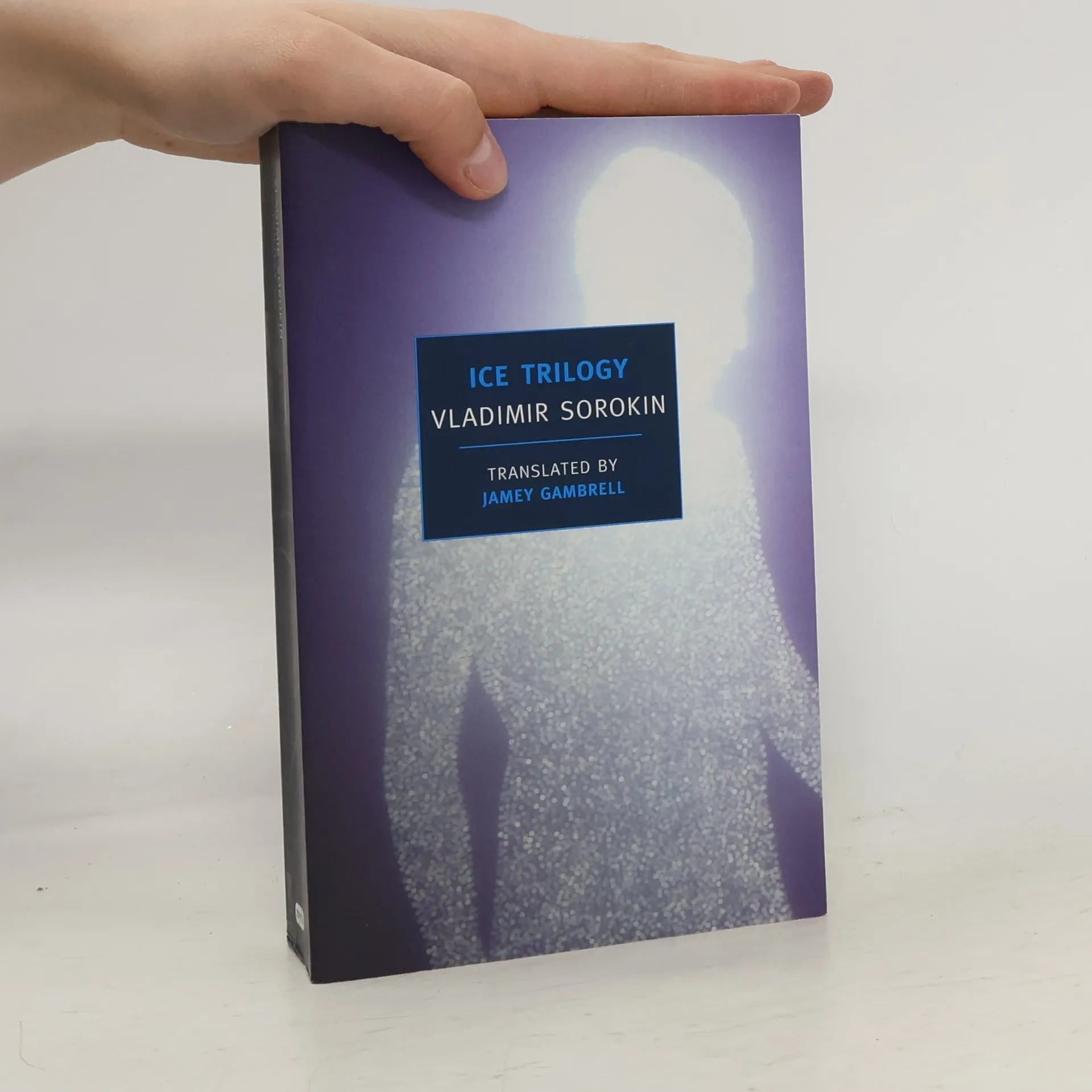
A New York Review Books Original In 1908, deep in Siberia, it fell to earth. THEIR ICE. A young man on a scientific expedition found it. It spoke to his heart, and his heart named him Bro. Bro felt the Ice. Bro knew its purpose. To bring together the 23,000 blond, blue-eyed Brothers and Sisters of the Light who were scattered on earth. To wake their sleeping hearts. To return to the Light. To destroy this world. And secretly, throughout the twentieth century and up to our own day, the Children of the Light have pursued their beloved goal. Pulp fiction, science fiction, New Ageism, pornography, video-game mayhem, old-time Communist propaganda, and rampant commercial hype all collide, splinter, and splatter in Vladimir Sorokin’s virtuosic Ice Trilogy, a crazed joyride through modern times with the promise of a truly spectacular crash at the end. And the reader, as eager for the redemptive fix of a good story as the Children are for the Primordial Light, has no choice except to go along, caught up in a brilliant illusion from which only illusion escapes intact.
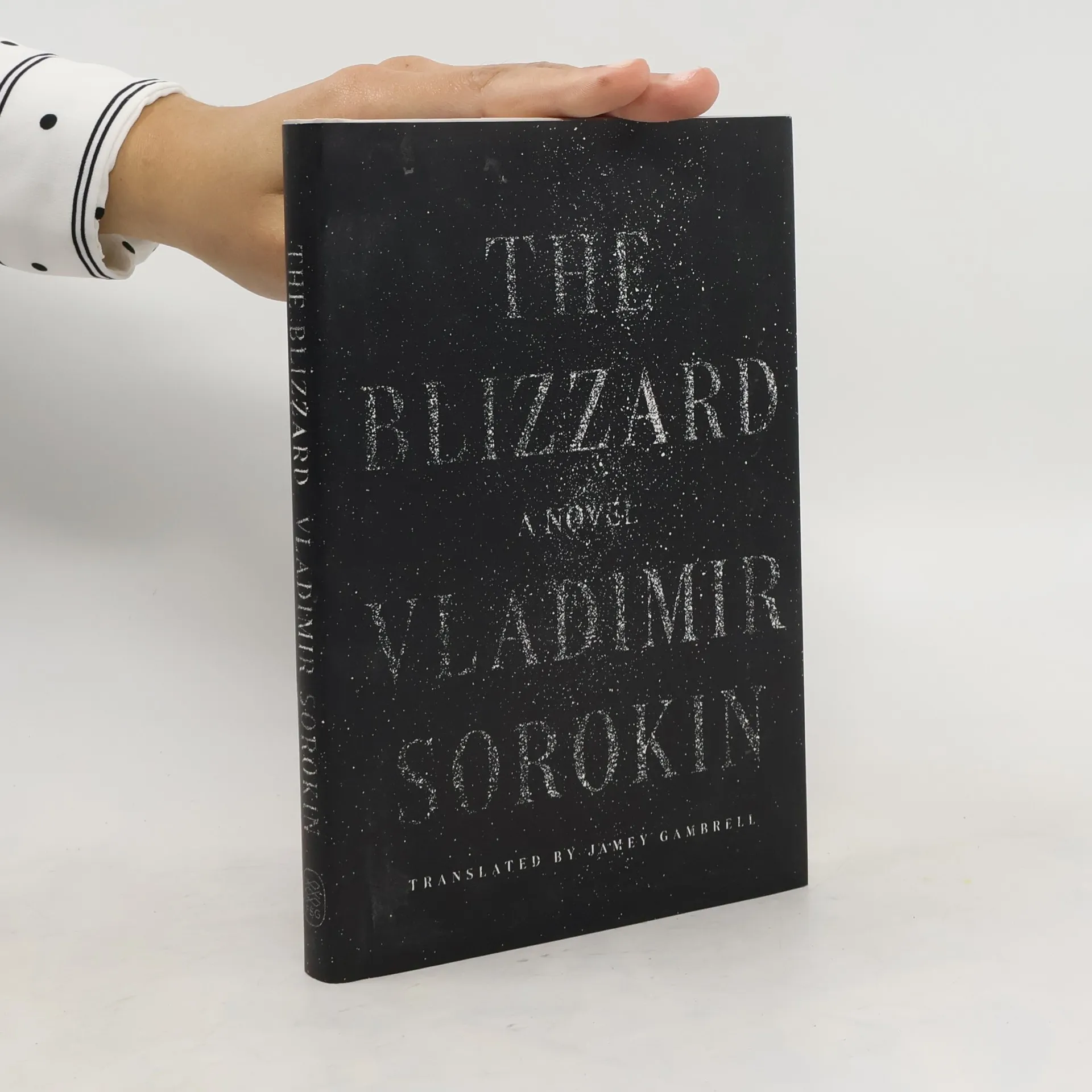
The Blizzard
- 181 pages
- 7 hours of reading
"In this short, surreal twist on the classic Russian novel, a doctor travels to a distant village to save its citizens from an epidemic, but a metaphysical snowstorm gets in his way"--
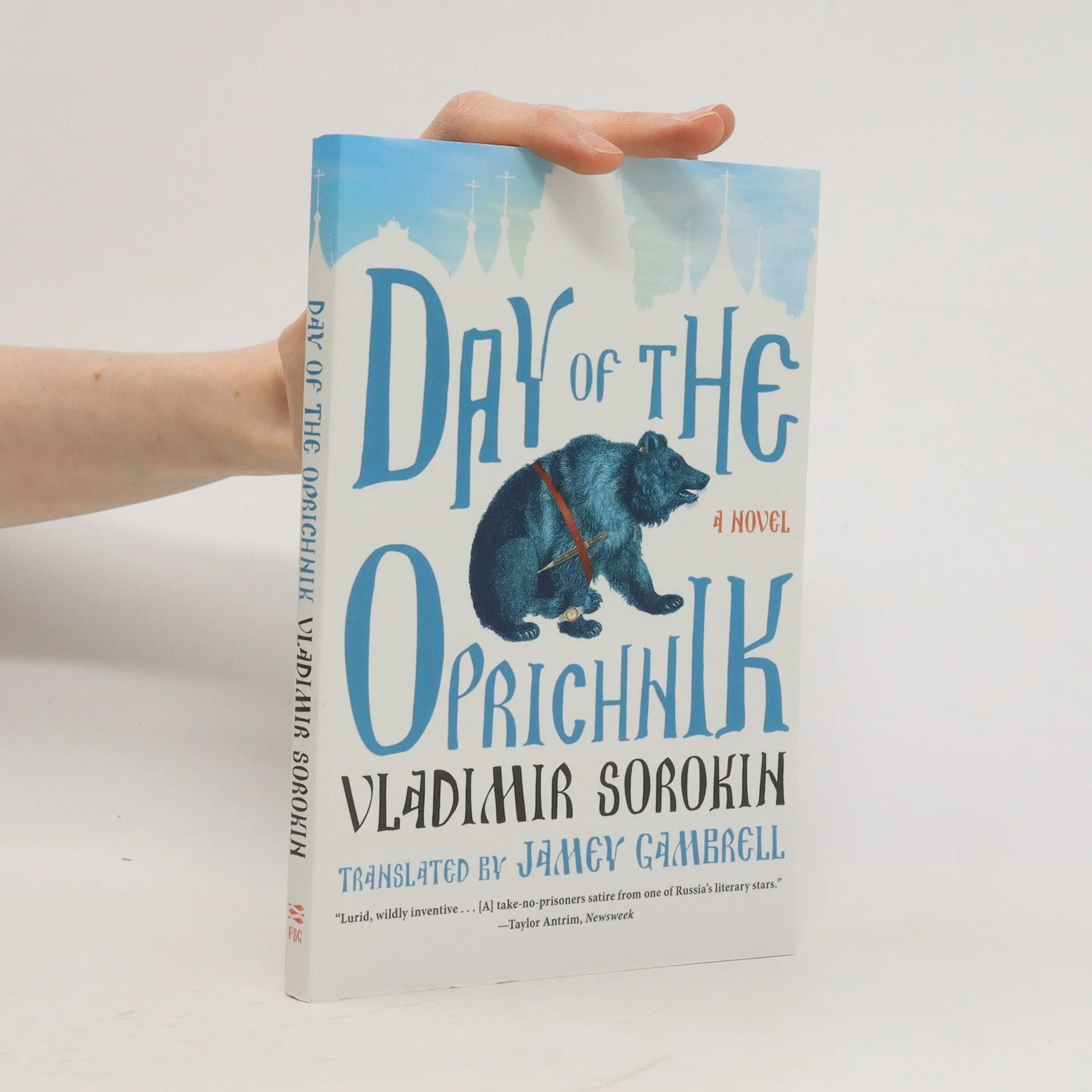
Day of the Oprichnik
- 208 pages
- 8 hours of reading
One of The Telegraph's Best Fiction Books 2011 Moscow, 2028. A scream, a moan, and a death rattle slowly pull Andrei Danilovich Komiaga out of his drunken stupor. But wait--that's just his ring tone. So begins another day in the life of an oprichnik, one of the czar's most trusted courtiers--and one of the country's most feared men. In this new New Russia, where futuristic technology and the draconian codes of Ivan the Terrible are in perfect synergy, Komiaga will attend extravagant parties, partake in brutal executions, and consume an arsenal of drugs. He will rape and pillage, and he will be moved to tears by the sweetly sung songs of his homeland. Vladimir Sorokin has imagined a near future both too disturbing to contemplate and too realistic to dismiss. But like all of his best work, Sorokin's new novel explodes with invention and dark humor. A startling, relentless portrait of a troubled and troubling empire, Day of the Oprichnik is at once a richly imagined vision of the future and a razor-sharp diagnosis of a country in crisis.
Ice
- 321 pages
- 12 hours of reading
Ice is at the center of Vladimir Sorokin's epic Ice Trilogy, which is also published by NYRB Classics.Moscow has been hit by a wave of brutal murders. The victims are of both sexes, from different backgrounds, and of all ages, but invariably blond and blue-eyed. They are found with their breastbones smashed in, their hearts crushed. There is no sign of any motive. Drugs, sex, and violence are the currency of daily life in Moscow. Criminal gangs and unscrupulous financial operators run the show. But in the midst of so much squalor one mysterious group is pursuing a long-meditated plan. Blond and blue-eyed, with a strange shared attraction to a chunk of interstellar ice, they are looking for their brothers and sisters, precisely 23,000 of them. Lost among the common herd of humanity, they must be awakened and set free. How? With a crude hammer fashioned out of the cosmic ice. Humans, meat machines, die under its blows. The hearts of the chosen answer by uttering their true names. For the first time they know the ecstasy of true life. For the awakened, the future, like the past, is simple. It is ice.
Dispatches from the District Committee
- 180 pages
- 7 hours of reading
Exploring the absurdities of Soviet life, this collection presents a subversive and darkly humorous critique of political and cultural oppression. Celebrated for its literary irreverence, the stories reveal a grotesque yet genius portrayal of reality beyond state propaganda. Originally part of Sorokin's 1992 collection, these tales resonate with contemporary themes, making them increasingly relevant in today's post-truth era. Translated by Max Lawton, the work showcases the author's acclaimed political satire and incisive commentary.
Москва
- 431 pages
- 16 hours of reading
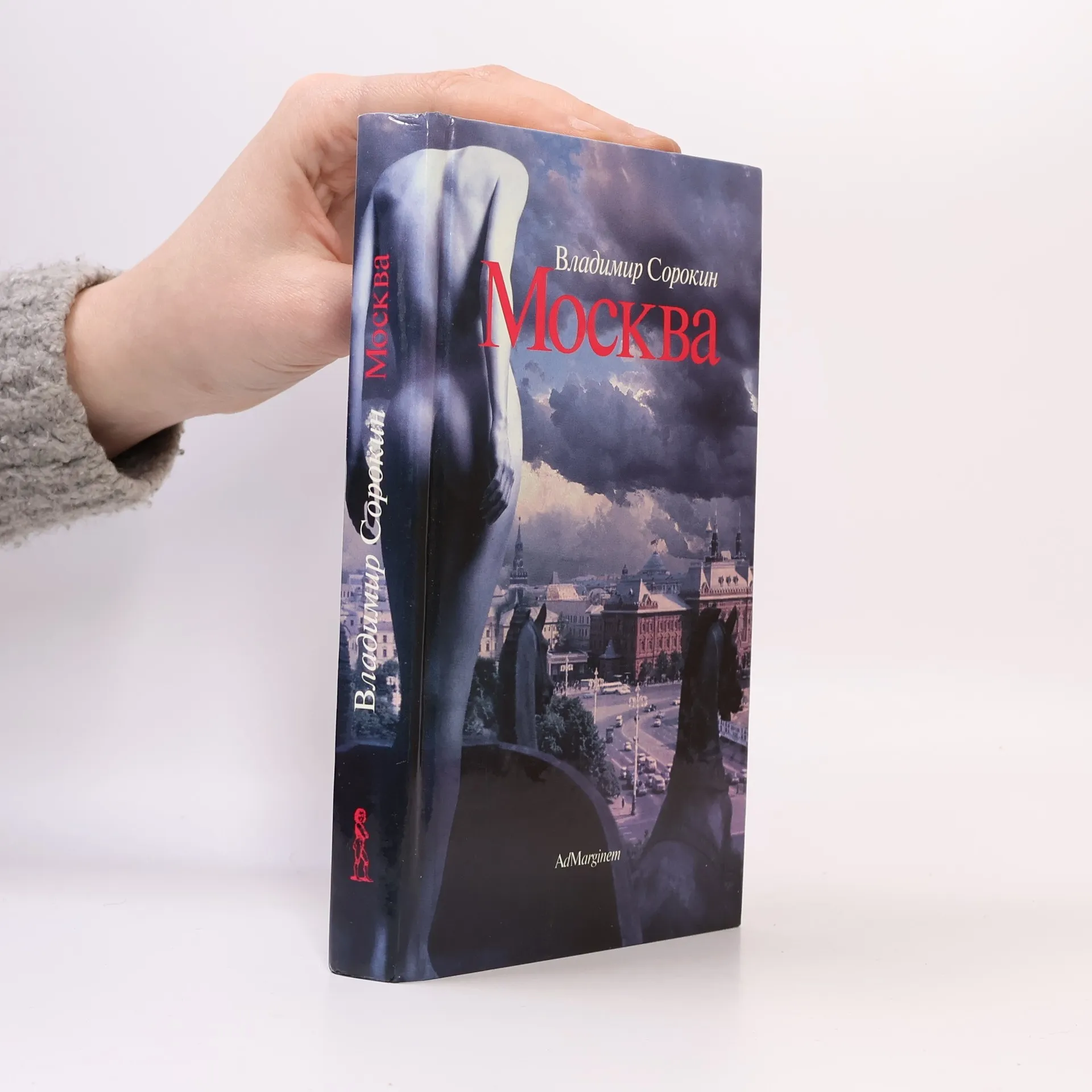
knigu voshli povesti Eros Moskvy, Tridtsataya lyubov' Mariny V knigu voshli povesti Eros Moskvy, Tridtsataya lyubov' Mariny i kinostsenariy Moskva.i kinostsenariy Moskva. schovat popis
Русский рассказ XX века
- 554 pages
- 20 hours of reading
V XX veke russkaya literatura voplotilas' - v nej poyavilos' chelovecheskoe telo, otsutstvuyuschee kak takovoe ranee.Ostroe i uskol'zayuschee chuvstvo telesnogo samoprikosnoveniya nashej velikoj literatury i popytalsya sokhranit' Vladimir Sorokin, sostavl
Nastja
- 124 pages
- 5 hours of reading
Vladimir Sorokin reflektiert über den Beginn des 20. Jahrhunderts, der nicht nur Revolution, sondern auch eine neue Moral versprach. Er sieht in Nastja nicht nur eine individuelle Figur, sondern ein Symbol für die russische Intelligenzija vor dem Jahrhundert der ersehnten Freiheit.
23000
- 256 pages
- 9 hours of reading
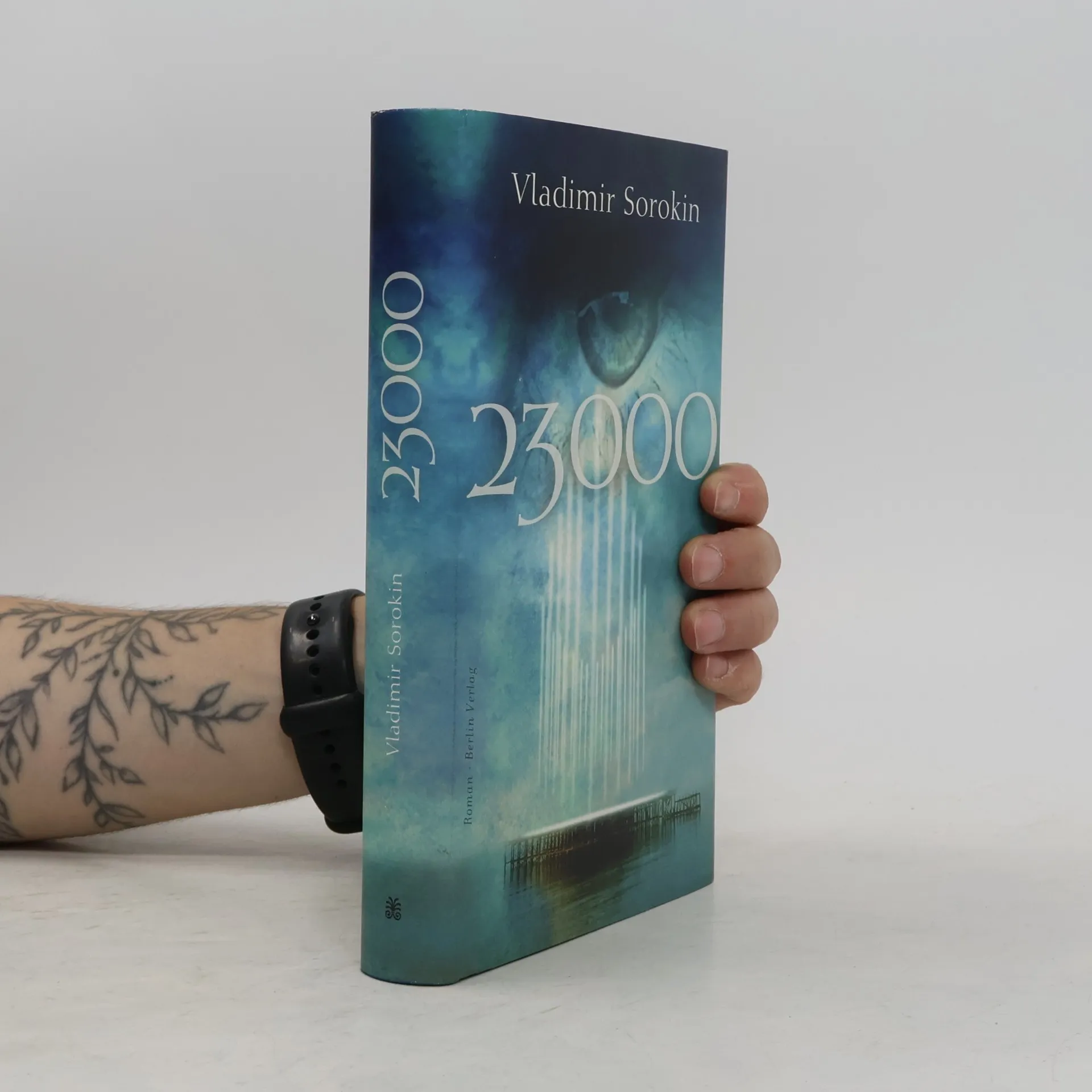
Die Auserwählten der Bruderschaft wissen: Die Erde ist allein im Universum, sie ist ein Unikum. Und der Homo sapiens ist ein Unikum hoch zwei oder drei. Wenn dem aber so ist, muss man die Erde als Störfall ansehen, als Schandfleck am Leib des Universums. Als Erweckte des Lichts sind sie fast am Ziel, diesen missratenen Himmelskörper, diese von Sex und Gewalt verdorbene Erde, für alle Zeit auszulöschen - um selbst als 23 000 Strahlen in die körperlose Ewigkeit einzugehen. Dabei sprechen ihre erweckten Herzen von Liebe und meinen doch nur rohe Gewalt, Mord und die Vernichtung allen Lebens. Wer sich ihnen in den Weg stellt, endet im automatisierten Albtraum kapitalistischer Verwertungsketten. Auch im letzten Band der viel diskutierten LJOD-Trilogie schwingt Sorokin den Eishammer. In einer Welt der Reproduktion und des Konsums lässt er Heilversprechen, Erweckungsphantasien und den Wahn kommerzialisierter Glückssuche ungebremst aufeinanderkrachen. Mal Thriller, mal Gangsterroman, mal lyrisch-pathetischer Hymnus - Sorokin zieht erneut alle Register seines enormen sprachlichen Repertoires. Er spielt in seinem schon legendär gewordenen Mimikry-Stil mit Sprache und Genres und beweist einmal mehr sprachliche Gewandtheit, erzählerische Bravour und einen ausgeprägten Sinn für das Absurde.
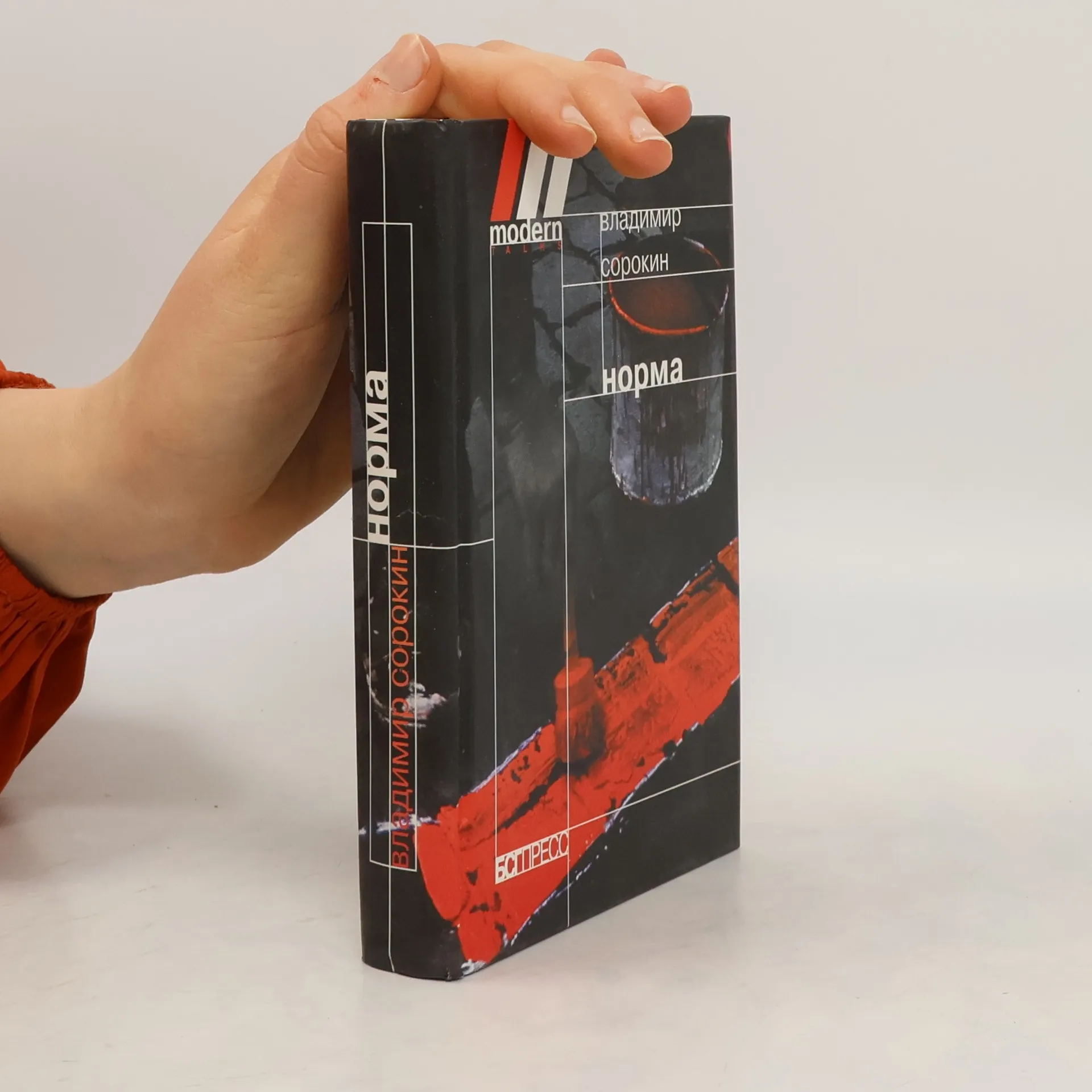
Норма — пятый роман Владимира Сорокина. Сорокин стал самым скандальным российским романистом посткоммунистической эпохи. Норма следует в основном сатирическому паттерну романов Сорокина, хотя по сравнению с Голубым салом лирические и ностальгические элементы значительно усилились.
Monoklon
- 314 pages
- 11 hours of reading
Бывший старший лейтенант госбезопасности Виктор Николаевич, высунувшись из окна, наблюдает за радостной толпой на Ленинском проспекте, скандирующей праздничные лозунги в честь Дня Космонавтики, а пять минут спустя отдает кровавый долг прошлому. Разведенная, одинокая Тамара Семеновна, увидев во сне Шестикрылого Серафима, проснувшись, переживает по-настоящему кафкианскую трансформацию. Директор магазина Сотникова Екатерина Станиславовна вынуждена смириться со своей новой унизительной ролью, чтобы замять порочащее ее имя дело, а тем временем маленький хомячок Тимка ждет спрятанной в приемник-програваватель "Ригонда" просфорки. Десятилетняя девочка Даша субботним июньским днем видит в белом глазу лошади Красное Горло. В сборник короткой прозы Владимира Сорокина "Моноклон" вошли двенадцать рассказов, то эпатажных и шокирующих, то неожиданно трогательных и лиричных, но всегда по-настоящему глубоких и заставляющих задуматься.
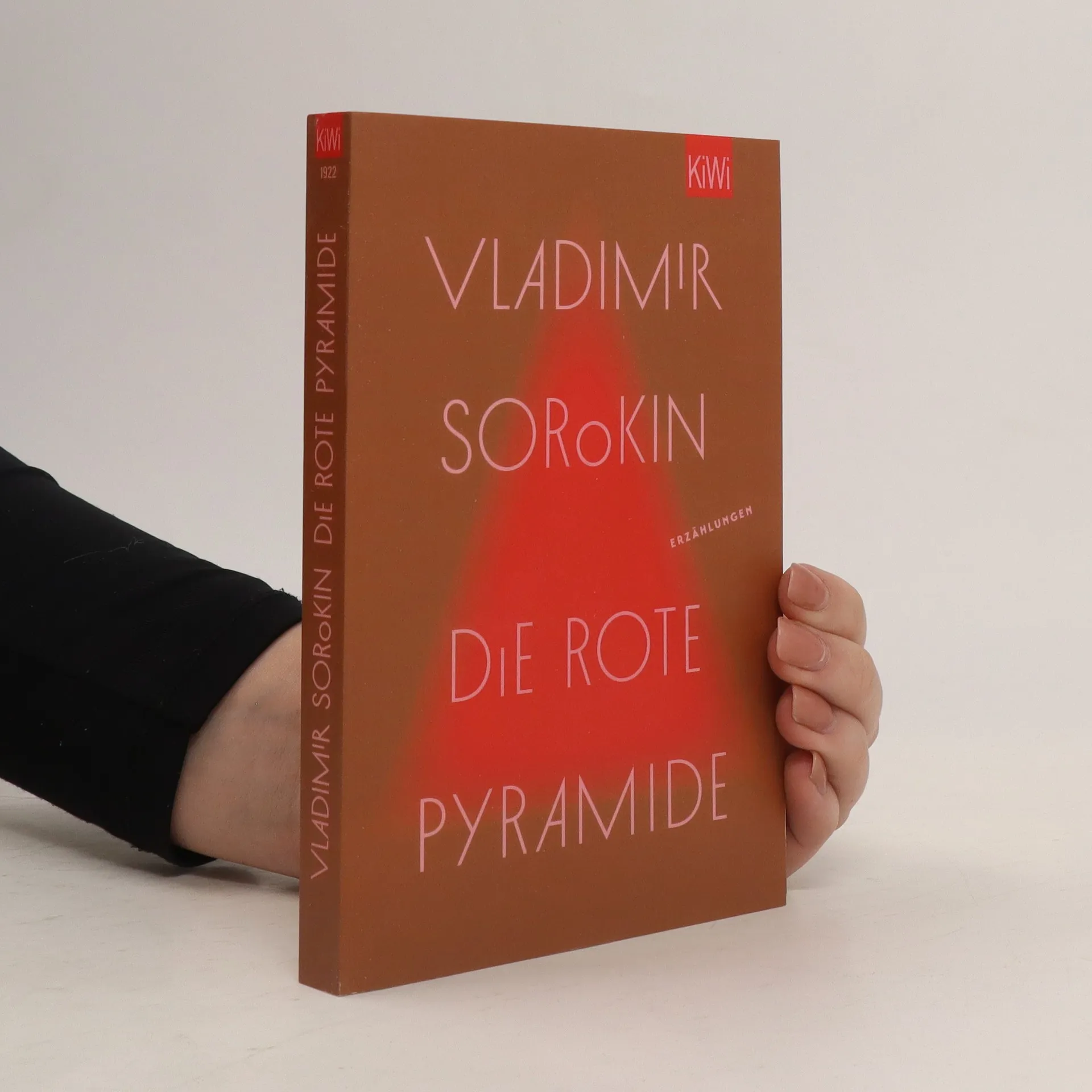
Die rote Pyramide
- 192 pages
- 7 hours of reading
In den neun Erzählungen, die Vladimir Sorokin für diesen Band zusammengestellt hat, geht es immer um eine durch den Verfall der Sowjetunion deformierte Gesellschaft und um die Auswirkungen dieses Verfalls, die weit in unsere Zeit hineinreichen. Das zeigt sich beim Einzelnen, im Politischen, aber auch im Zusammenspiel der Menschen, ihrer gesellschaftlichen Interaktion. Vladimir Sorokin gelingt in diesem Erzählungsband das Kunststück, aus scheinbar unabhängigen Einzelgeschichten ein Ganzes zu schaffen, und er eröffnet seinen Leser: innen einen ganz besonderen Blick auf Russlands Gegenwart und Vergangenheit, die so vergangen eben doch nicht ist. »Ein gnadenlos böses Buch voller dramaturgischer und sprachlicher Feuerwerke.« WDR3 Lesestoff
"Еда, как и любовь, дает нам полноту бытия". "Еда, как и эрос, чиста в своем естестве". Вот главные идеи "Пира". Едой, равно как и ее потребителями, по мысли Сорокина, может стать все. Растения, животные, рыбы, птицы, люди, вещи, слова, буквы, речи, события, лозунги, молитвы, чувства, жуткие продукты генной инженерии в обществе будущего, экскременты и даже пустота. Этакий всеобщий круговорот еды в природе. Вот только некоторые кулинарные рецепты, приведенные в книге: "Дипломы о высшем образовании в кисло-сладком соусе"; "Суп-пюре из магнитофона"; "Пельмени с венским стулом"; "Икра из книги М.Булгакова "Мастер и Маргарита"; "Мороженое из презервативов".
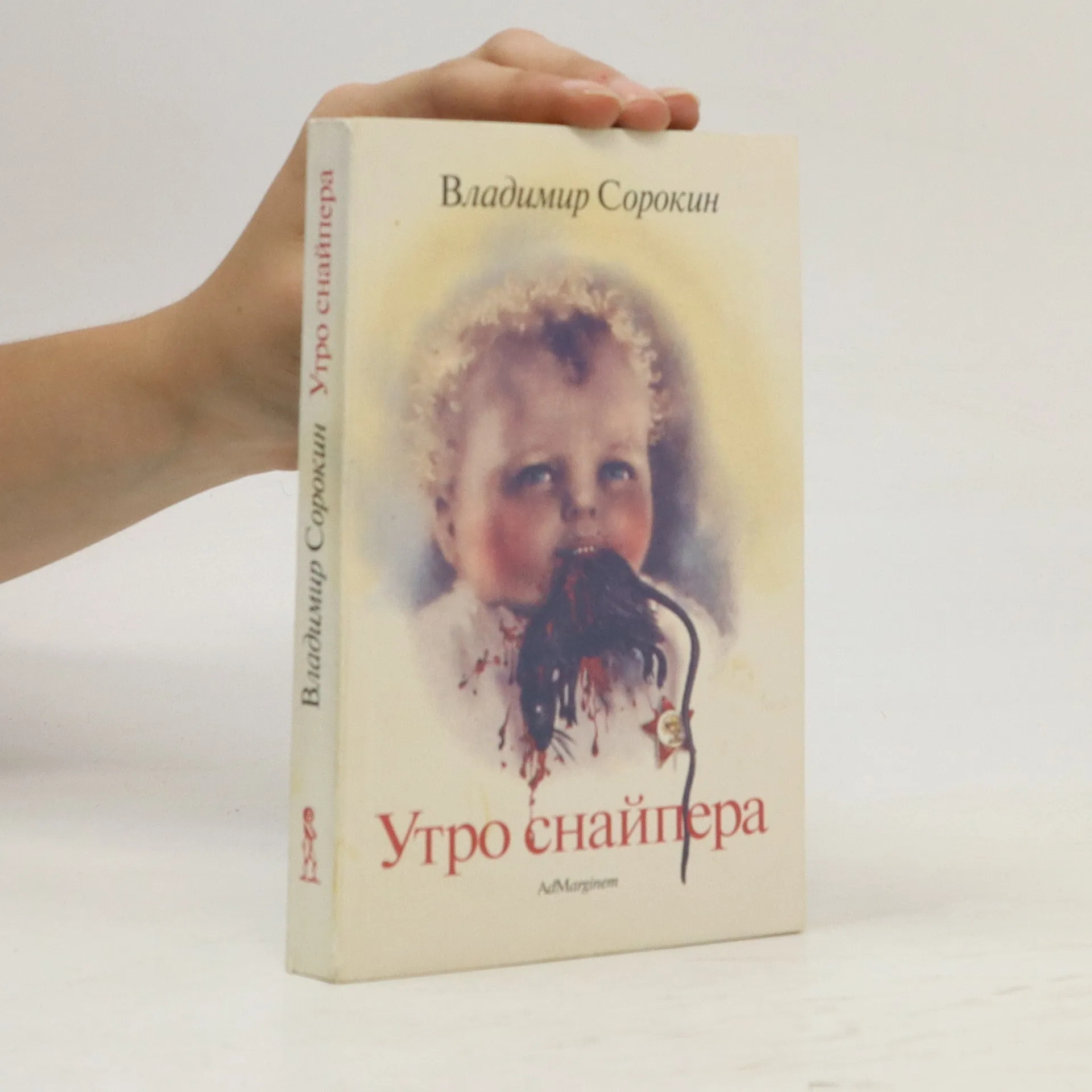
Утро снайпера (Utro snaypera)
- 360 pages
- 13 hours of reading
В рассказах, включенных в сборник, Сорокин демифологизирует привычные читательские представления о советской литературе, превращая печальные примеры социалистического реализма и "духовной" прозы в духе Пришвина во что-то совершенно иное - и предназначенное исключительно для взрослой аудитории. Неприятный миф о развитом социализме встречается с гипертрофированной жестокостью, гротеском и абсурдом, а читатель сталкивается с блестящим стилистическим мастерством Владимира Сорокина.
Тридцатая любовь Марины. Очередь
- 639 pages
- 23 hours of reading
Тридцатая любовь Марины — это текст, který je plný pro měšťácké prostředí zcela nepřijatelných, jehož každá druhá stránka je vlastně jakýmsi ‚políčkem veřejnému mínění‘. Příběh je výčtem devětadvaceti nejrůznějších milostných avantýr učitelky hudby Mariny Alexejevové, jejích lesbických lásek i občasných sexuálních hrátek s muži, které se při zpětném líčení jeví jako ubíjející a trýznivé tápání. Od každého milostného příběhu hrdinka čeká naplnění svých milostných tužeb, ale teprve třicátý poměr, kdy se Marina setká s předsedou stranického výboru komunistické strany z velkého moskevského strojírenského závodu, vše změní. Román tak lze číst jako grandiózní parodii budovatelské romány, ale stejně tak jej můžeme vnímat jako existenciální román.
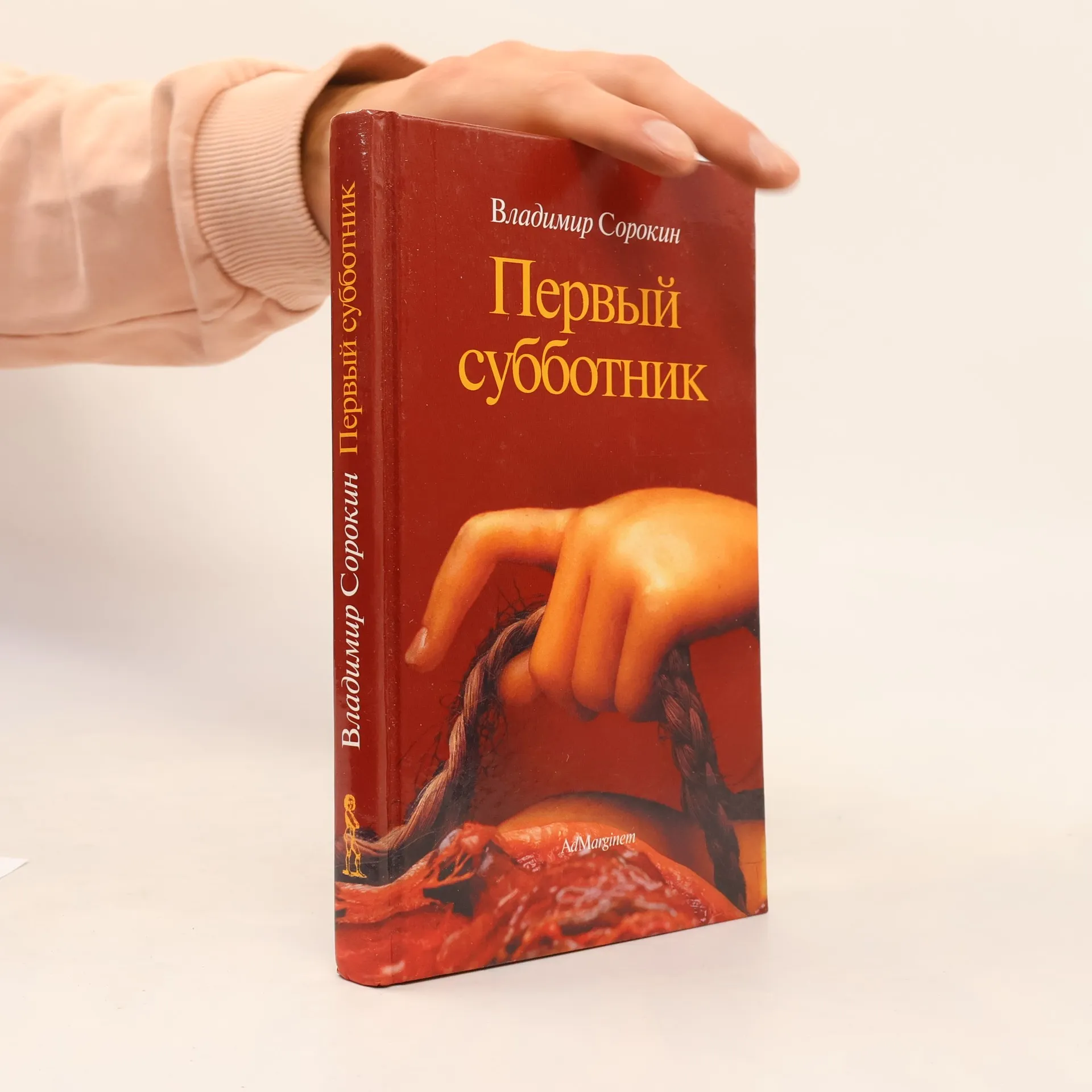
Содерж.: Поездка за город ; Соревнование ; Геологи ; Желудевая Падь ; Заседание завкома ; Прощание ; Первый субботник ; В Доме офицеров ; Санькина любовь ; Разговор по душам, и др. произведения
POINTS: La voie de Bro
- 360 pages
- 13 hours of reading
Le 30 juin 1908 la météorite de la Toungouska tombe en Sibérie. Au même moment, naît Bro. Son enfance dorée est vite écourtée : la guerre, la désorganisation de la société, la révolution, provoquent la fuite puis l’anéantissement des siens. Le jeune garçon se retrouve seul à errer à travers la Russie durant quatre ans. Mais dans le chaos général, il bénéficie d’une mystérieuse protection et devient grand maître de la Confrérie de la lumière originelle.
La coda
- 192 pages
- 7 hours of reading
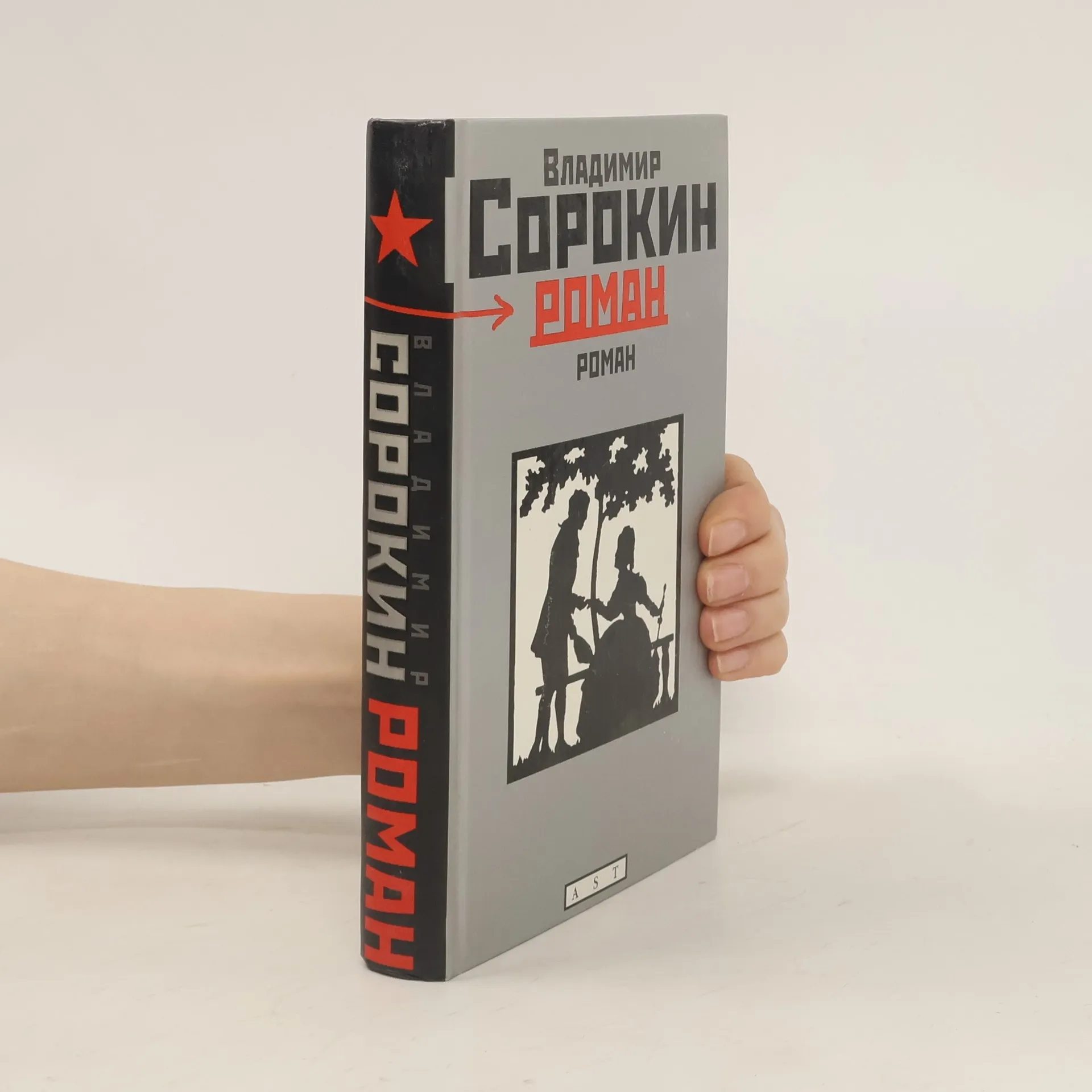
Роман
- 541 pages
- 19 hours of reading
"...Сосновый бор. Он всегда поражал Романа единством и монолитностью. Как сильно разнится он с простым смешанным лесом, высылающим навстречу путнику сначала кустарники с подростом, потом подлески и одиночные деревья, а потом уж наползающим стихийно, где дубом, где березами, где осинником вразброд, подобно пестрому войску наших предков. Не таков сосновый бор. Нет перед ним ни подлесков, ни бурьяна. Он наступает широким фронтом, сразу обрушивая на путника всю свою вековую мощь и разя его в самое сердце. Роман замер, пораженный величием и красотой..." Подробнее на livelib.
Сахарный Кремль
- 352 pages
- 13 hours of reading
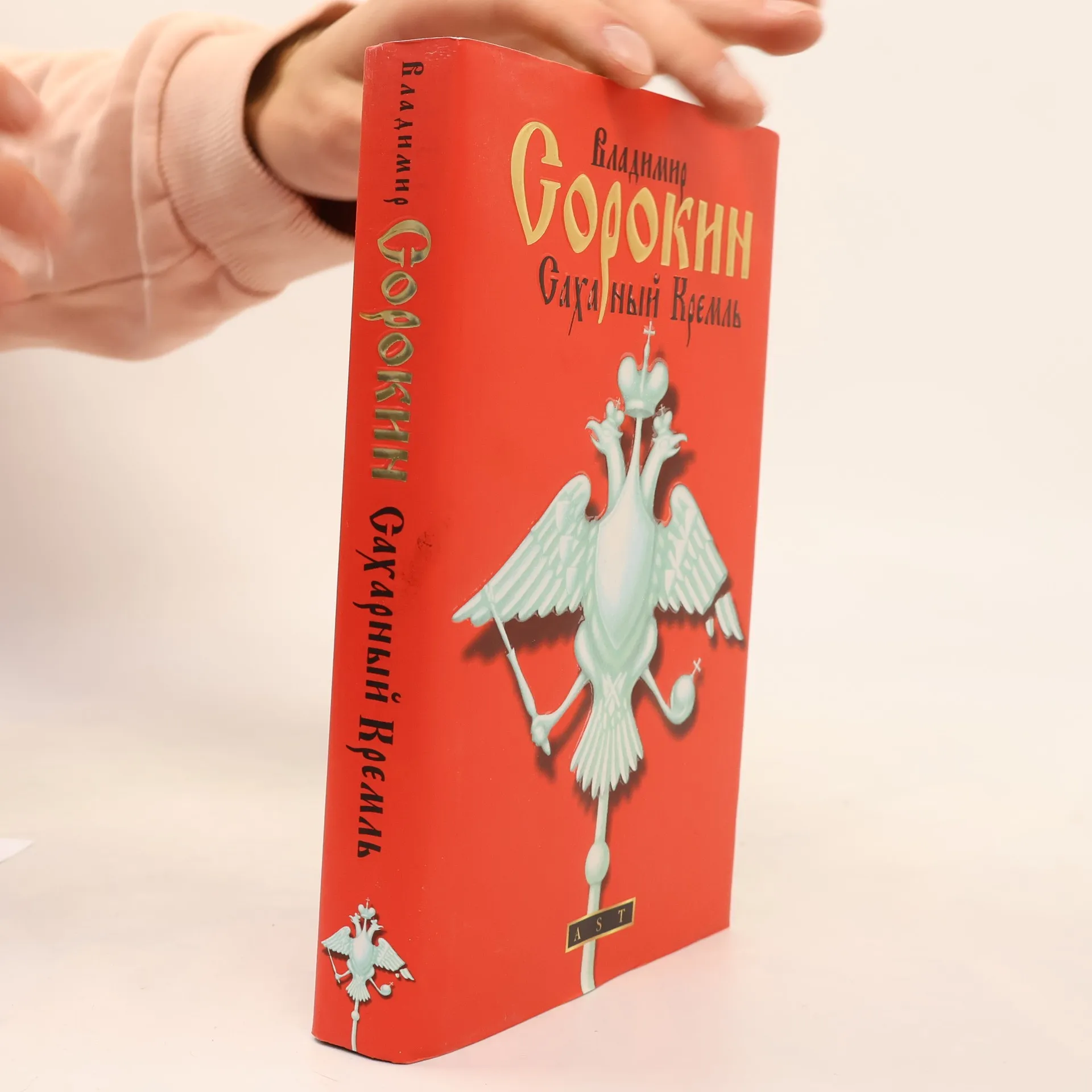
"Государыня идет по Кремлю, обозревая его и трогая себя. Сердце ее бьется радостно и оглушительно. Ей так хорошо, что она постанывает от радости при каждом шаге. Стоны становятся все громче, государыня начинает издавать резкие, восторженные звуки. Отразившись от ослепительно белых кремлевских стен, вскрики возвращаются к ней в виде причудливого эха. Она вскрикивает и взвизгивает все сильнее. И вдруг обнаруживает в себе удивительную новую возможность, чудесный дар, проснувшийся в теле: ее помолодевшее, подтянувшееся горло может петь. Да и как петь! Не просто, как все поют, а мощно, высоко, чисто, беря любые ноты. Государыня пробует свое обновленное горло, заставляя его издавать самые причудливые звуки. Горло повинуется ей. Голос ее звенит в Кремле".
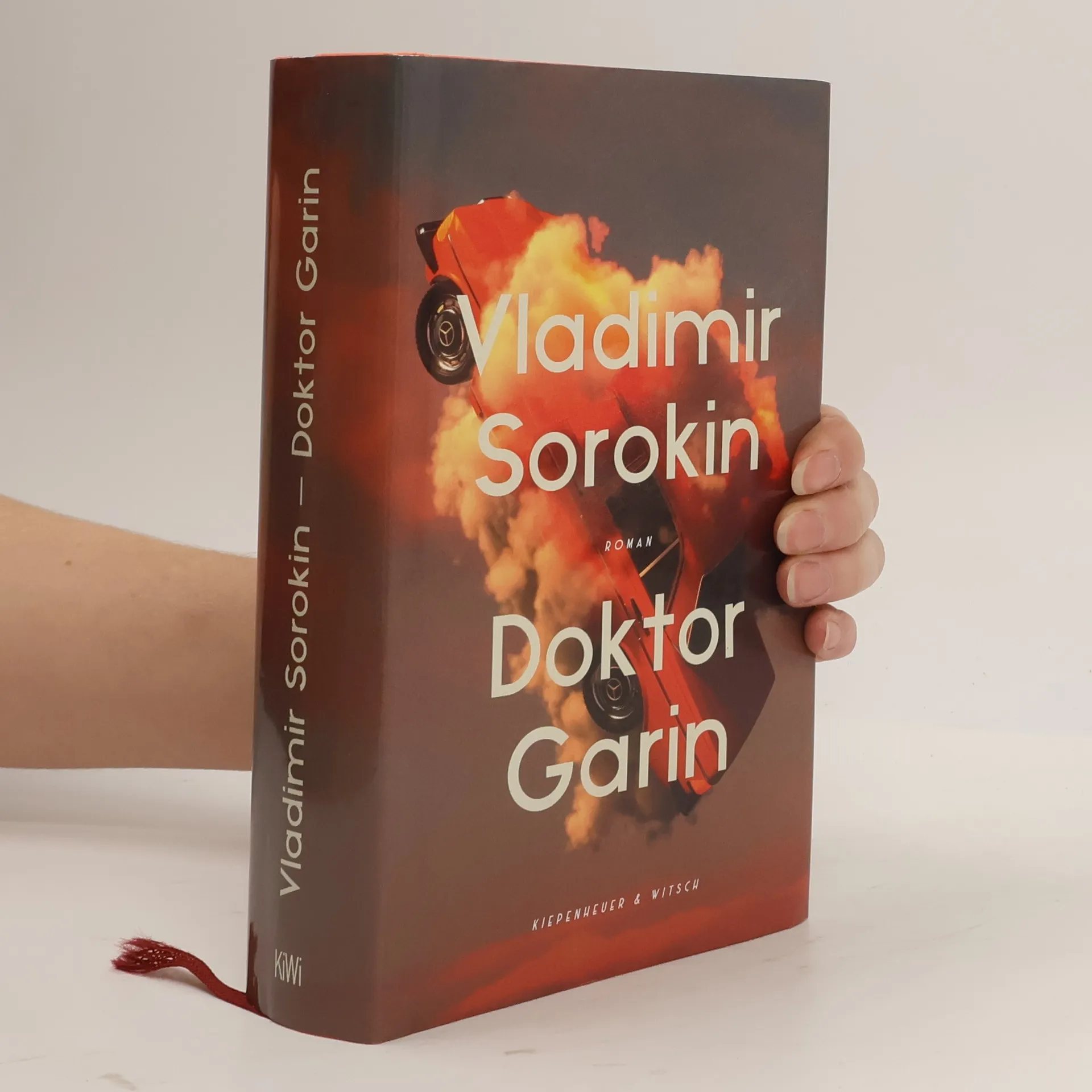
Ein groteskkomischer Roadtrip durch eine posthumane Welt des Chaos und des Krieges, in der es einen einzigen Gewinner gibt: die Liebe. Doktor Garin hat den »Schneesturm« überlebt und ist zehn Jahre später Chefarzt auf Titanfüßen von einer psychiatrischen Klinik im Altaigebirge. Hier residieren die sogenannten political beings – Donald, Wladimir, Emmanuel und Angela, Silvio, Shinzo, Boris und Justin – in Luxussuiten. Was sie alle verbindet: Sie essen, hüpfen, denken und sprechen mit dem Hinterteil. Und sind geplagt von komplexen Neurosen. Doktor Garin gelingt es, sie mit seiner speziellen Schocktherapie zu beruhigen. Er will die Menschheit heilen, ihre Zombifizierung verhindern in einer posthumanen Welt, in der es von künstlichen Wesen mit invalidem Körper und Geist nur so wimmelt. Dabei steht ihm seine Assistentin und Geliebte Mascha fest zur Seite. Bis erneut eine Atombombe fällt, das Sanatorium ausradiert wird und der Doktor und sein Team gigantische Bioroboter aktivieren müssen, um auf ihren Rücken zu fliehen. Eine Odyssee durch eine absurde Welt beginnt, die Garin und Mascha voneinander trennt … Ein dystopischer Abenteuerroman à la Sorokin – verstörend und unfassbar unterhaltsam.
Kremlunul de Zahär
- 208 pages
- 8 hours of reading
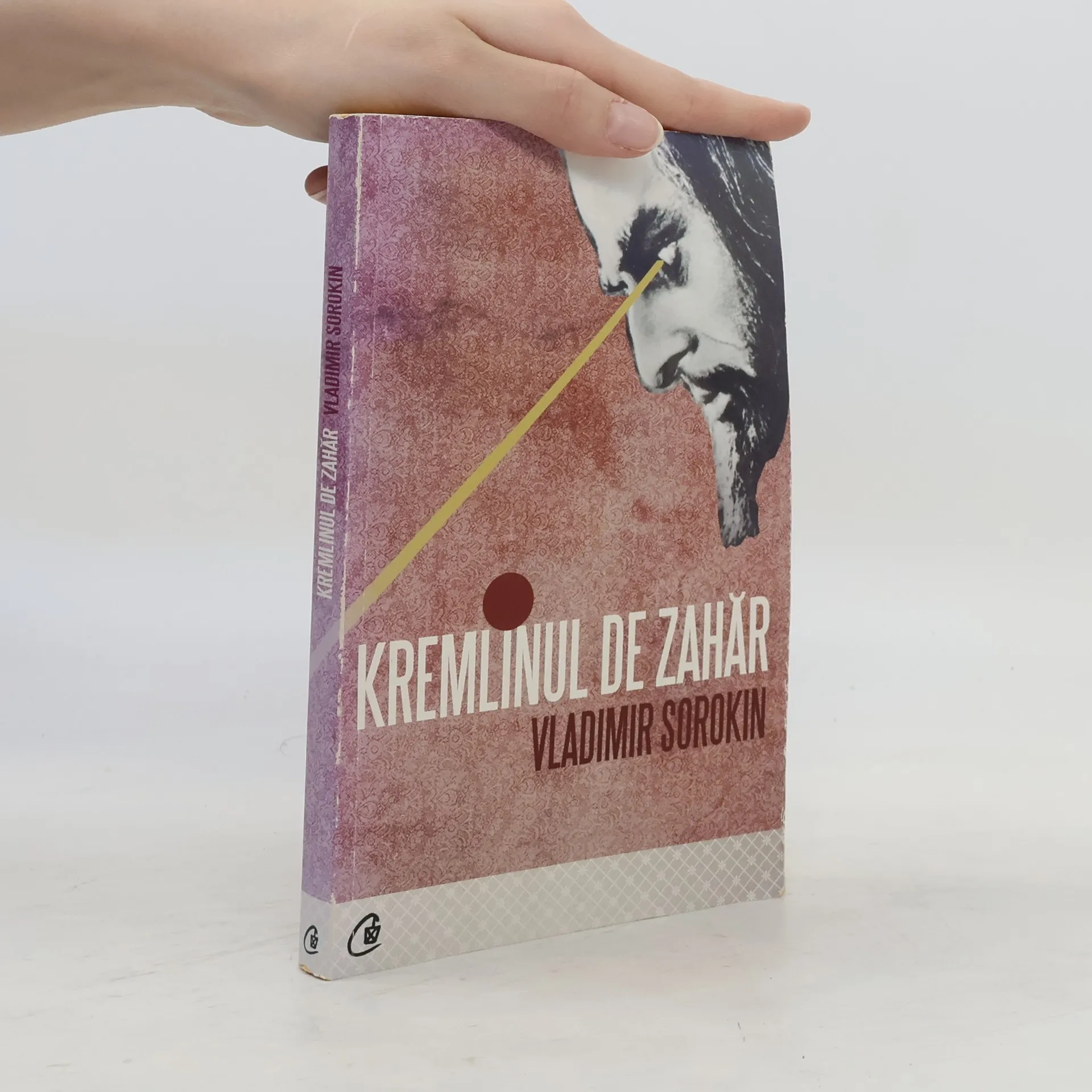
EROI este romanul care spune povestea adolescenţei, la persoana I, cu o autenticitate extraordinară, dar ţinându-se departe de căile deja bătătorite ale naraţiunilor de acest tip. Mizând pe o onestitate luminoasă şi pe o ironie care se păstrează într-o zonă caldă şi mai degrabă tandră, nu trece pragul spre cinismul şi durităţile altor scrieri cu subiecte asemănătoare şi nici nu apelează la artificii menite să şocheze facil. Ray Loriga îşi spune povestea într-un stil original, a cărui tensiune îl plasează la frontiera cu poezia. Romanul se compune din fragmente scurte, episoade ale căror intensitate şi expresivitate servesc cum nu se poate mai bine psihologiei protagonistului, prins între visul de a-şi urma eroii — Lou Reed sau David Bowie sau, în orice caz, vreun star rock cu statut de semizeu — şi realităţile cu accente infracţionale ale cartierului în care trăieşte. Confesiunea tânărului erou — felul în care Loriga o construieşte, cu străfulgerări de luciditate şi profunzimi psihologice — împreună cu povestea în sine, fragmentată şi acaparantă totodată, fac din această carte o experienţă de lectură cu totul neobişnuită.
Die rote Pyramide : Erzählungen
- 192 pages
- 7 hours of reading
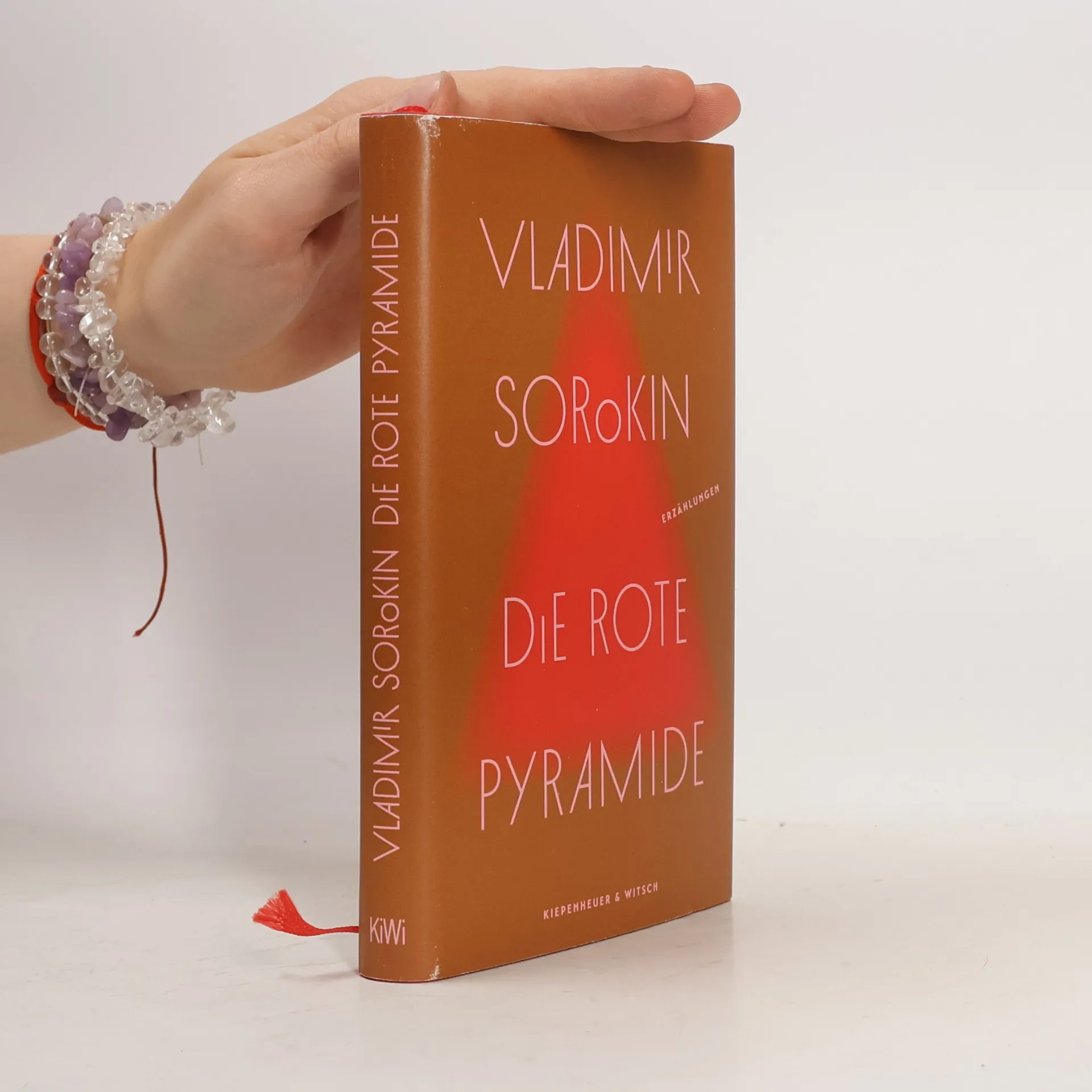
In »Die rote Pyramide« versammelt Vladimir Sorokin, einer der bedeutendsten zeitgenössischen russischen Schriftsteller, neun Erzählungen, die auf unnachahmliche Weise das Leben im postkommunistischen Russland beleuchten. Diese Geschichten reflektieren eine durch den Verfall der Sowjetunion deformierte Gesellschaft. In der Titelgeschichte erlebt der junge Jura eine prägende Vision, die ihn lebenslang begleitet. Politische Themen werden in »Lila Schwäne« behandelt, wo russische Atomsprengköpfe in Zuckerhüte verwandelt werden und ein wundertätiger Religionsgelehrter um Hilfe gebeten wird. Auch die zwischenmenschlichen Beziehungen stehen im Fokus, wie in »Der Fingernagel«, wo ein Abendessen unter Freunden aufgrund von Toilettenpapiermangel chaotisch verläuft. Sorokin gelingt es, aus diesen scheinbar unabhängigen Geschichten ein harmonisches Ganzes zu schaffen. Die Komposition ist strukturiert und ausgewogen, was seine Meisterschaft in der kleinen Form und in verschiedenen stilistischen Mitteln unterstreicht. Er bietet den Leser*innen einen eindringlichen Blick auf Russlands Gegenwart und Vergangenheit, die untrennbar miteinander verbunden sind.
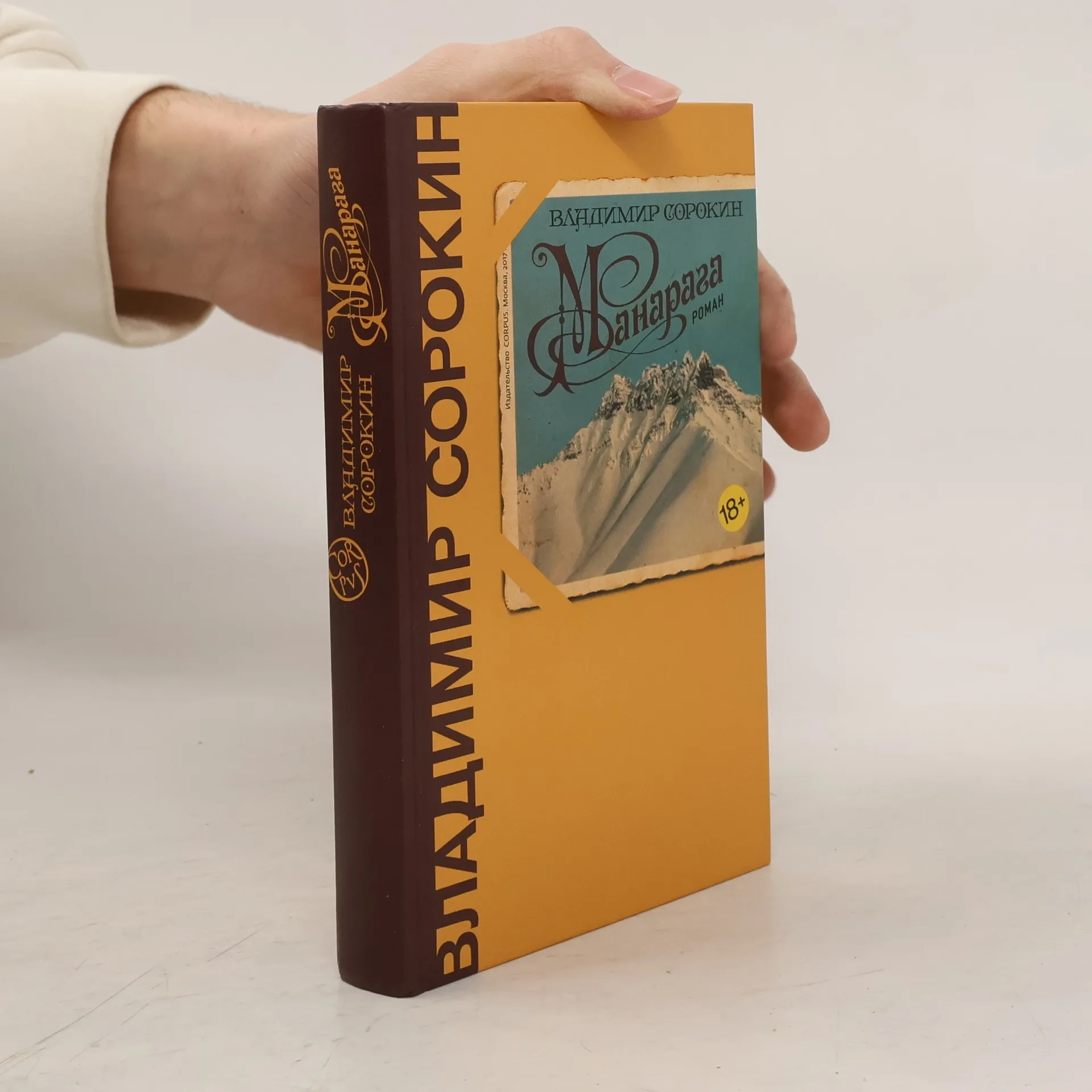
Manaraga
- 246 pages
- 9 hours of reading
razmyshlenijam ob otnoshenijah chelovechestva s pechatnym slovom. Neobychnaja professija glavnogo geroja - podpol'shhika, romantika, professionala svoego dela, - zastavljaet nas po-novomu vzgljanut' na knigu. Roman Sorokina mozhno prochest' kak jepitafiju bumazhnoj literature - i kak gimn ee vechnoj zhizni.
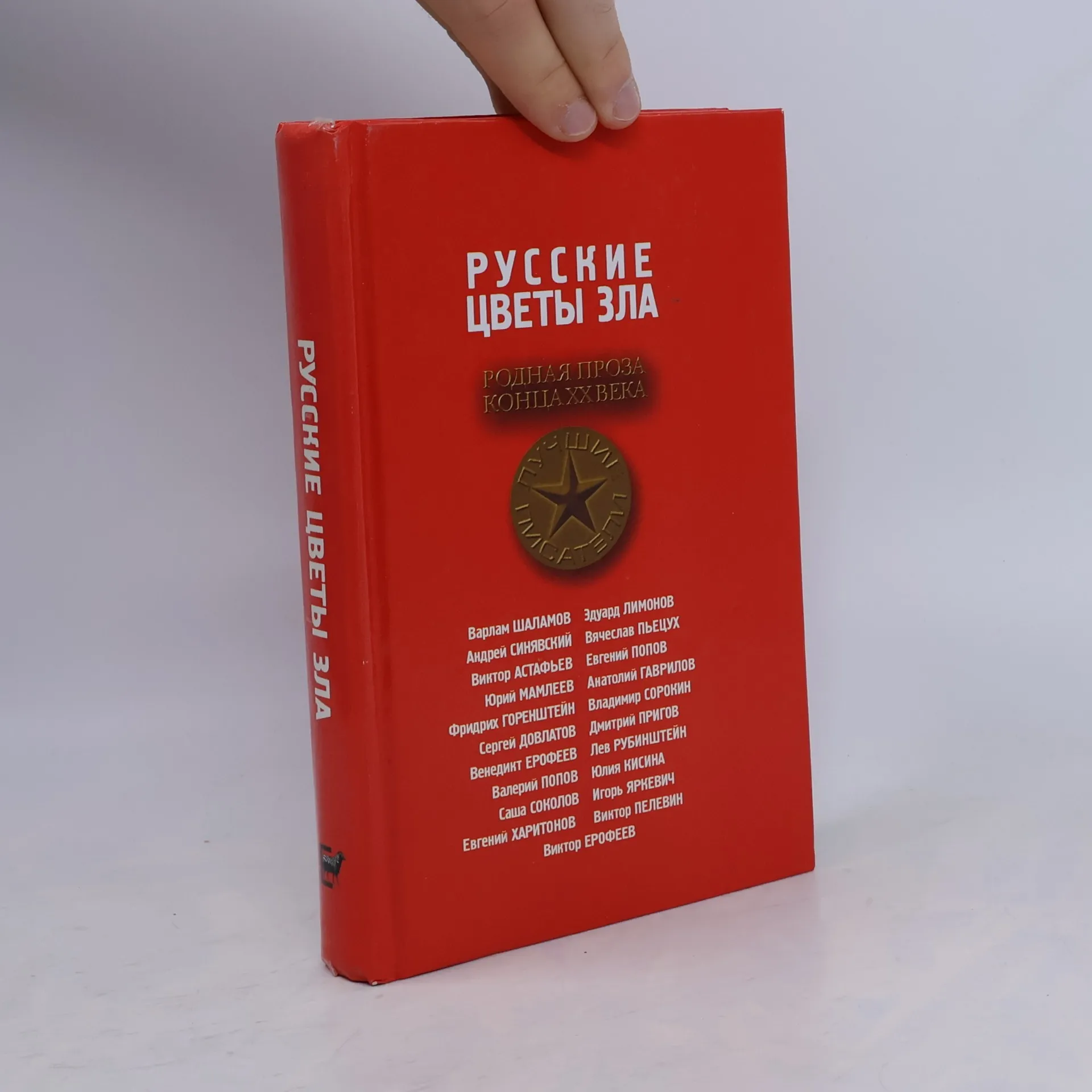
Русские цветы зла
- 541 pages
- 19 hours of reading
Последняя четверть XX века в русской литературе определялась властью зла. Современная литературная Россия собрала целый букет Цветов зла. Сквозь непохожие и порой враждебные друг другу тексты проступает особая тема. Она не просто дает представление о том, что делается сейчас в русской литературе. Важнее, что сумма текстов складывается в роман о странствиях русской души. Поскольку русская душа крутилась в последнее время немало, её опыт превращается в авантюрный и дерзкий сюжет.
Vladimir Sorokin beschreibt in seinem letzten Text die Auswirkungen einer Epidemie, die die Menschen in Isolation zwingt und die Zeit stillstehen lässt. Er vergleicht den Ausnahmezustand mit einem unaufhörlichen Schneewehen, das die Menschen an ihre Grenzen treibt.
Die Konkreten
- 100 pages
- 4 hours of reading
Coole, versnobte Jugendliche suchen nach dem Glückskick. Dabei scheinen sie aus einer fast unwirklichen Zukunft zu kommen. Reiche Plastik-Figuren, deren Sexualorgane teilweise bereits künstlich verbessert wurden. Zugleich wirken sie mit ihrer skurrilen Kunstsprache, einem Kauderwelsch aus chinesisch, englisch und deutsch, auch wie Szene-Jugendliche von heute. Als wahre Vergnügungsfresser schlingen sie mit großer Gier alles in sich hinein: von Drogen über Alkohol bis zum Sex. Und wenn sie sich bei einem Clubspiel in verschiedenste Szenen aus berühmten Büchern beamen lassen, dann verleiben sie sich damit nicht nur die Literatur buchstäblich ein, sondern sie scheinen sich ganz real in die Figuren hinein zu fressen.
»Herzlich willkommen zur Sendung »Das weiße Quadrat«. Heute steht bei uns das Thema Russland auf dem Programm. Unser großes, fantastisches und in mancher Hinsicht auch unberechenbares Land. Um die Staatsform geht es hier natürlich nicht. Jedes Kind weiß, dass Russland ein föderativer, demokratischer Staat ist, inklusive Präsident und Parlament. Aber was für eine Vorstellung ruft unser Land hervor? Womit kann man es vergleichen? Welche Assoziationen weckt es? Jeder hat da wohl sein eigenes Bild.« Diesen ersten Zeilen des neuen Werks von Vladimir Sorokin bleibt nur noch hinzuzufügen, dass es dem unter Hausarrest stehenden Regisseur Kirill Serebrennikow gewidmet ist.
Тридцатая любовь Марины
- 350 pages
- 13 hours of reading
«Тридцатая любовь Марины» – история обретения настоящей любви главной героиней. Марина всю жизнь коллекционировала девушек, но истинная ее любовь будет совсем другой. Это, конечно, только самый верхний пласт романа, а под ним… Под ним изящная литературная игра под названием постмодернизм.
Белый квадрат
- 224 pages
- 8 hours of reading
В новый сборник короткой прозы Владимира Сорокина вошли тексты последних лет – большинство из них публикуется впервые. Фирменный прием писателя – когда посреди чинного застолья с оливье и хрусталем "что-то пошло не так" – получает новое развитие. Если раньше застывшая языковая, жанровая или поведенческая модель, которую ломает вырвавшееся наружу подсознание героев, относилась скорее к прошлому, то теперь автор препарирует настоящее, в котором модели прошлого актуализируются, слом традиции и возвращение к ней меняются местами, а обломки перемешиваются в психоделической мозаике, детально отображающей реальность. Юноша узнает, что в центре Москвы работает невидимая красная пирамида, которая испускает загадочный красный рев. Девушка пытается справиться с неприятным и позорным недугом – она скрипит во время ходьбы. Молодой человек решает покорить сердце возлюбленной при помощи поэзии, не подозревая, какое шокирующее открытие вскоре сделает. Пересказывать сюжет этих рассказов – дело неблагодарное. Сорокин постоянно меняет фабулу, стилистику и даже сам жанр, поэтому никогда не знаешь, что ожидает тебя на следующей странице. Едкий, сатиричный, точный и, как всегда у Сорокина, стилистически безупречный взгляд на современность, где высокое соседствует с низким, смешное с трагическим, а миф так тесно переплетается с реальностью, что их уже не различить.
Pferdesuppe
- 156 pages
- 6 hours of reading
Nach dem Urlaub am Schwarzen Meer mit Freunden, fährt Olja zurück nach Moskau. Im Zugrestaurant lernt sie einen Mann kennen, den fasziniert, wie sie isst. Noch bevor die Fahrt zu Ende ist, schließen die beiden einen Deal ab und Merkwürdiges geschieht. In der Novelle schaut Vladimir Sorokin mit der ihm eigenen Art auf die letzten Tage der Sowjetunion. Der Grafiker Yaroslav Schwarzstein hat eine besondere Beziehung zum Schaffen des Literaten; Voraussetzung dafür, dass Bild und Text in »Pferdesuppe« eine Symbiose bilden.
Четыре
- 218 pages
- 8 hours of reading
Fortællinger, drejebøger og libettoer med barske situationer og ram satire