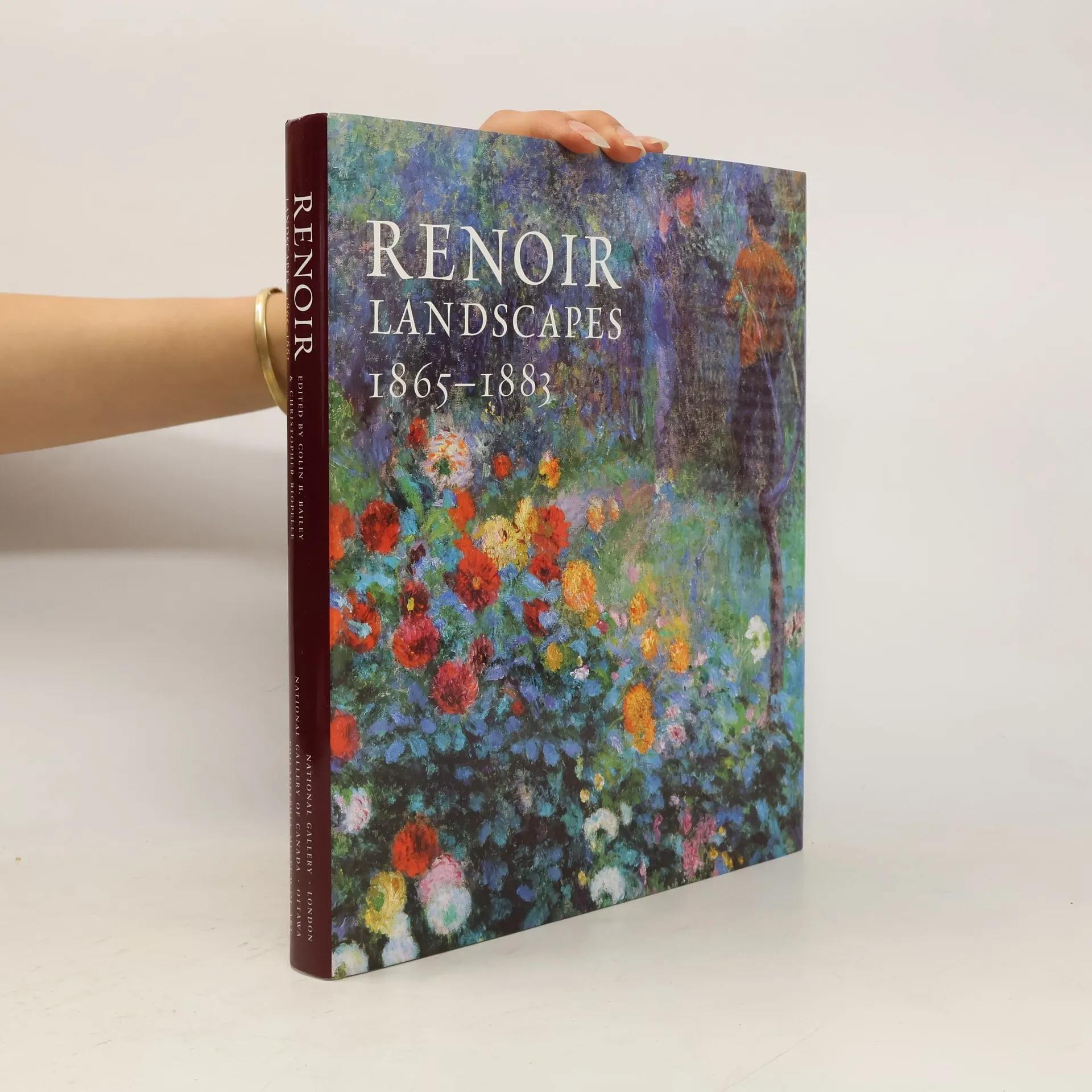
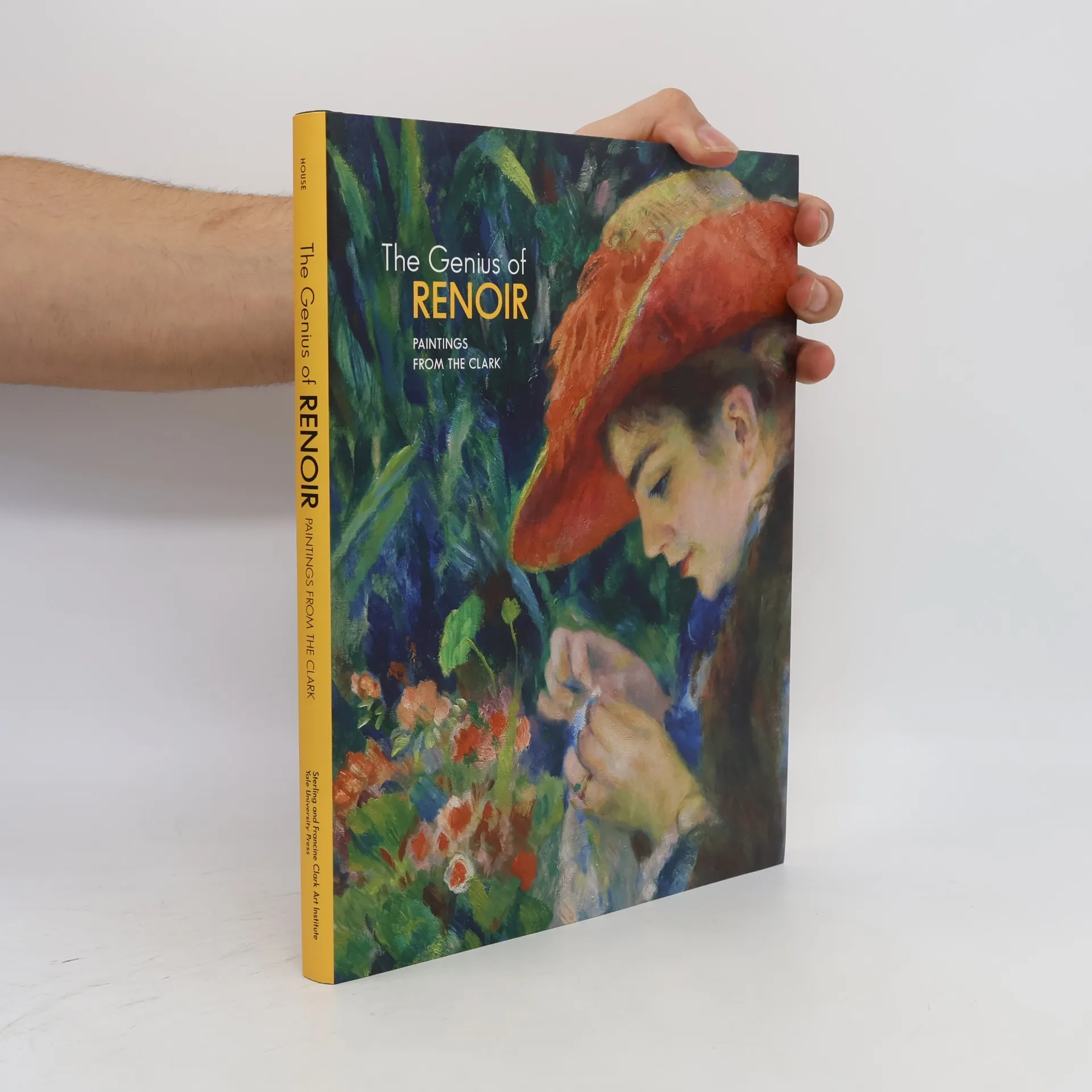
John House was the doyen of historians of impressionism. Far from being lightweight or ingratiating, the impressionists were revealed in House's writings as sharp observers of social change. Instead of being a self-contained movement, they were shown to be clever negotiators of artistic conventions and institutions. House played an essential role in transforming the academic study of this period and presided over the development of its public appreciation through the spectacular exhibitions that he curated.
This stunning book, published to accompany a major touring exhibition, examines Renoir's landscape art in depth, demonstrating that he was one of the most audacious and original landscape artists of his age.
Highlighting the first-ever exhibition of Paul Czanne's complete collection at The Courtauld Gallery, this catalogue celebrates the 75th anniversary of The Courtauld Institute of Arts. It features an exceptional array of seminal paintings, alongside rarely seen drawings and watercolors, showcasing the breadth of Czanne's artistic evolution throughout his career. The collection's significance is underscored by its quality and diversity, offering a comprehensive insight into one of the most influential artists in art history.
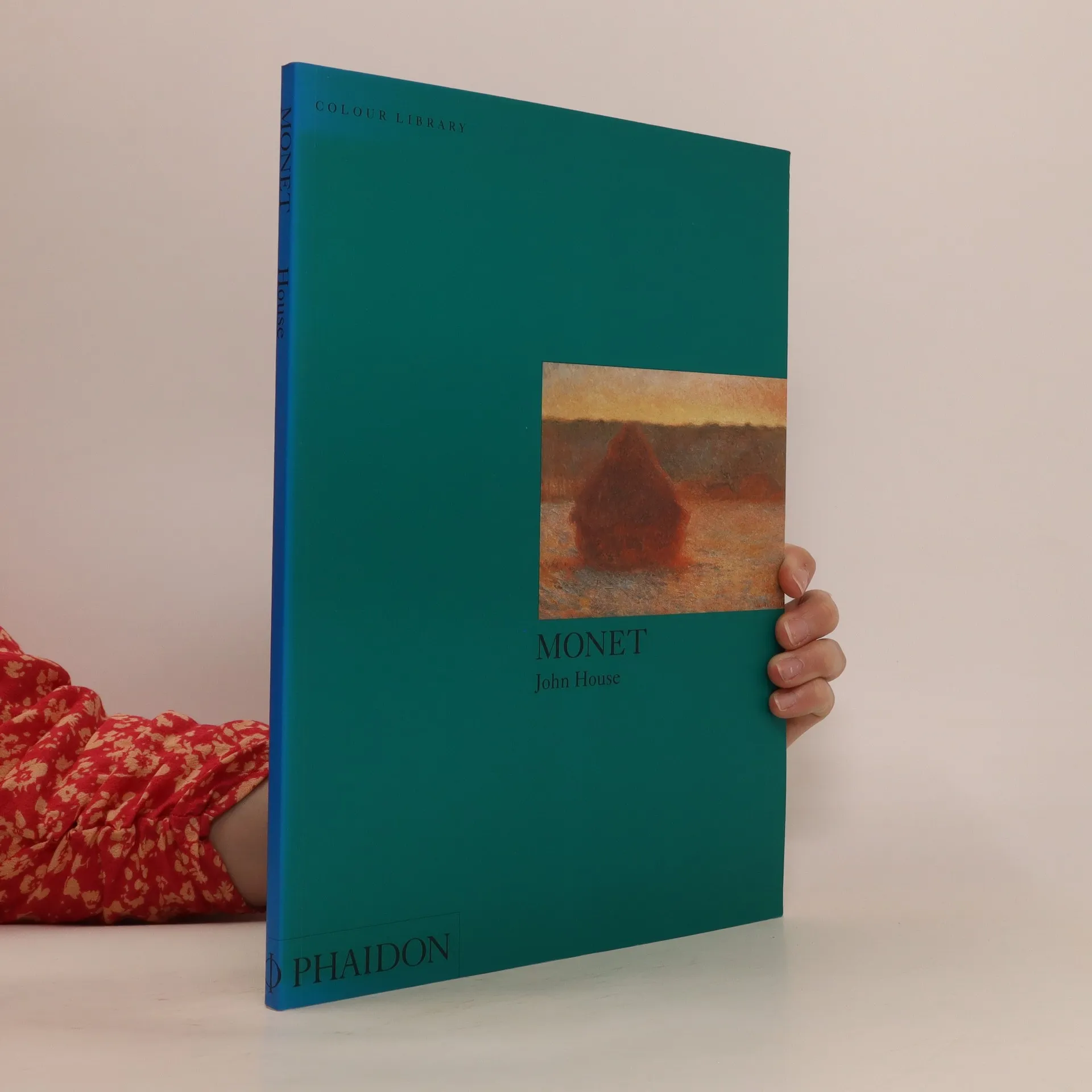
This series acts as an introduction to key artists and movements in art history. Each title contains 48 full-page colour plates, accompanied by extensive notes, and numerous comparative illustrations in colour or black and white, a concise introduction, select bibliography and detailed source information for the images. Monographs on individual artists also feature a brief chronology.
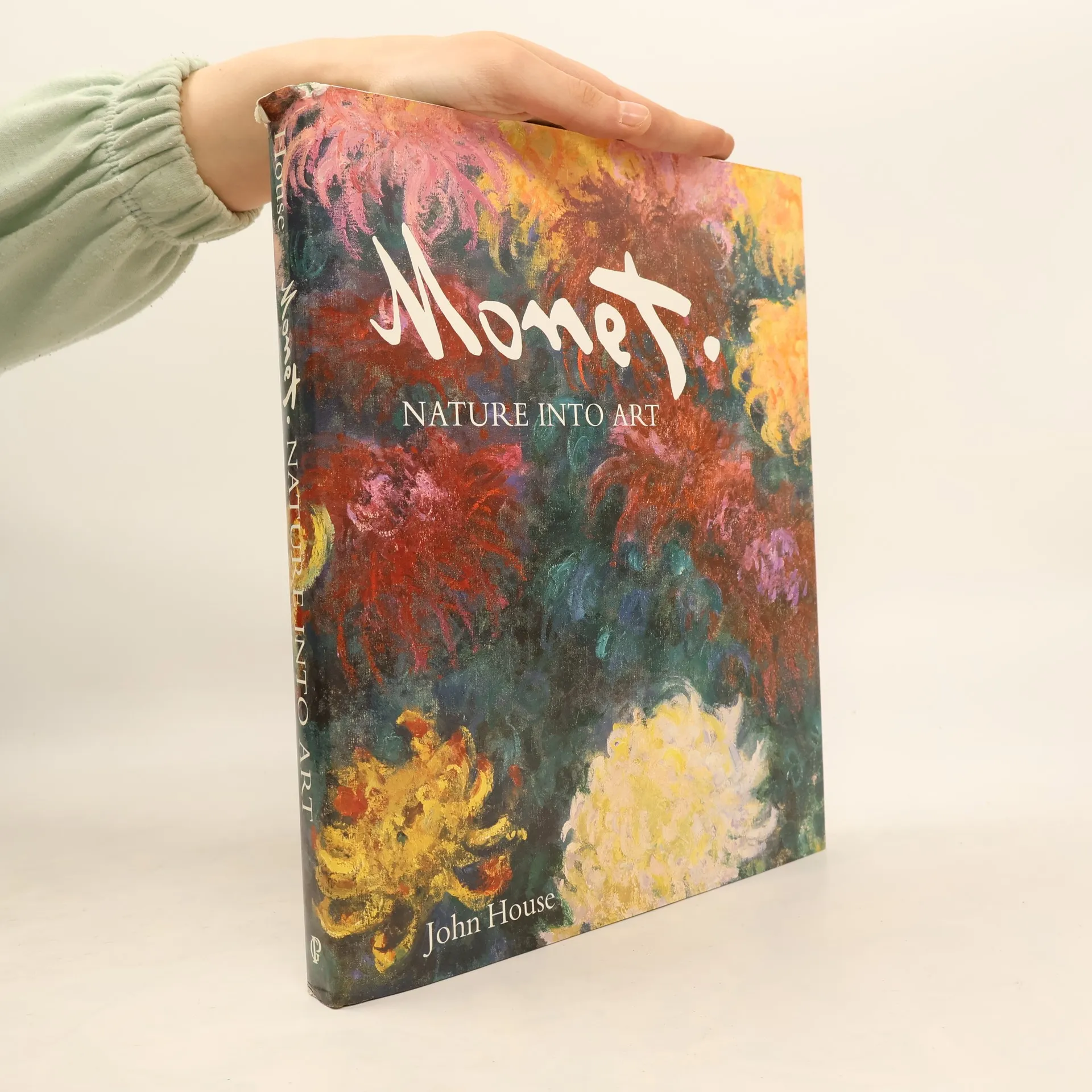
Analyzes the career of the artist responsible for the public image of Impressionism, focusing on the evolution in Monet's painting technique and execution and relating it to his ideas, experiences, and the contexts in which he worked
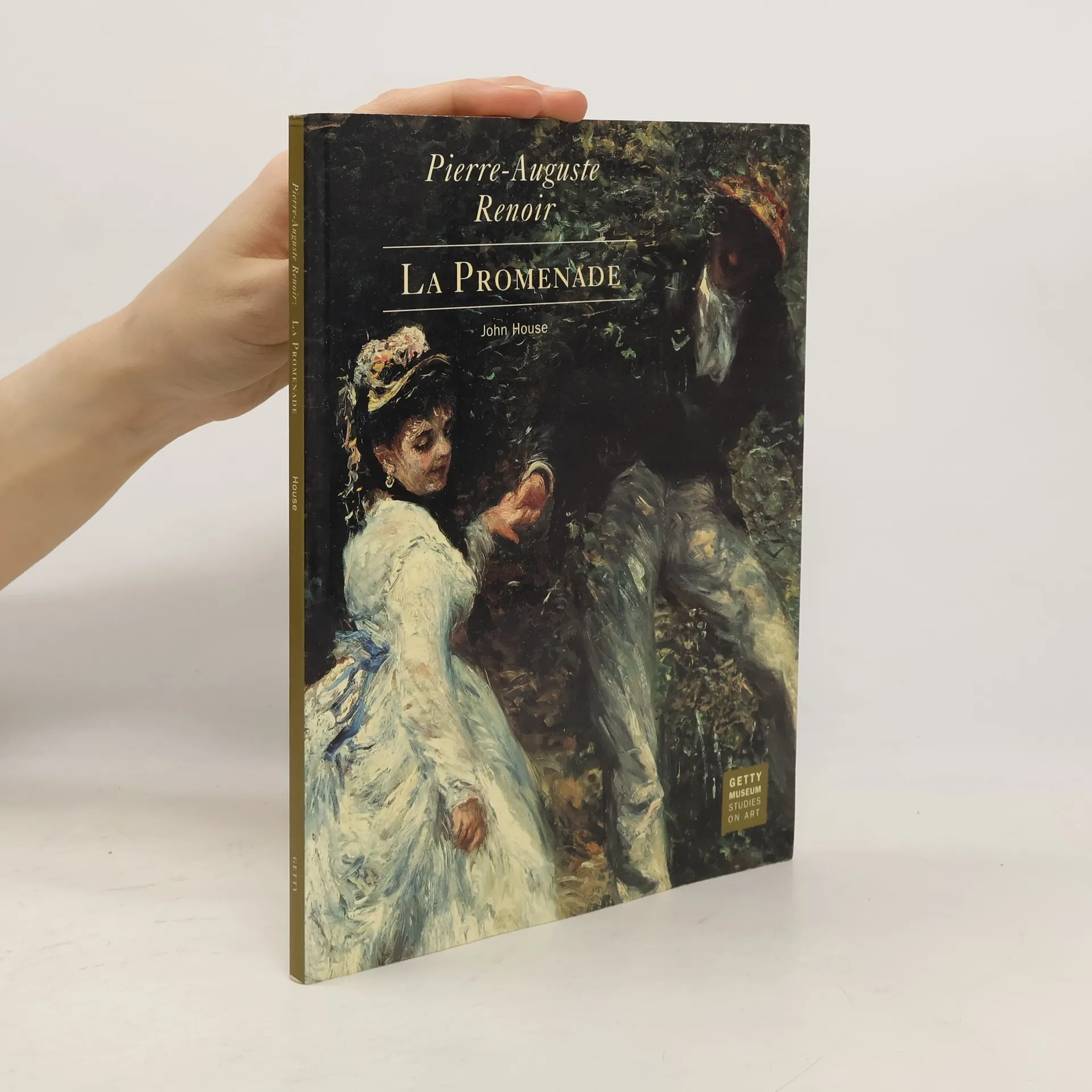
John House examines the many facets of the work and what it reveals about Renoir as a man and artist. He asks, "What did it mean to paint a picture like La Promenade in France in 1870, in the final months of Napoleon III's Second Empire?" The reader is invited to look at the canvas - and Impressionism - as a rejection of the idealist world of academic art and as a challenge to contemporary social norms.
With a consuming enthusiasm for the paintings of Pierre-Auguste Renoir (1841-1919), art collector Sterling Clark assembled one of the greatest private collections of Renoir's work during the first half of the 20th century. Today the masterpieces he so admired form a vital part of the Impressionist holdings of the Sterling and Francine Clark Art Institute. The Genius of Renoir: Paintings from the Clark offers a fascinating, fresh look at the thirty-two Renoir paintings in the Clark collection, featuring beautiful digital color reproductions created especially for this volume. The book brings to light new and often revelatory scholarship concerning the importance of each work, both within Renoir's oeuvre and within the Clark collection. Among the richly varied paintings, encompassing portraits, landscapes, and still lifes, are such key works as Marie-Thérèse Durand-Ruel Sewing, A Box at the Theater (At the Concert), Onions, and Venice, the Doge's Palace. John House, a leading authority on Renoir, offers an in-depth analysis of each of the works in the collection, and curator-author James A. Ganz draws on extensive archival research on Sterling Clark's pursuits as an art collector and museum founder to illuminate this visionary and often enigmatic man.