Cesare L. Musatti Books
Cesare Musatti was an Italian thinker whose work is deeply rooted in philosophical epistemology and psychology. His writing is marked by a strong emphasis on scientific rigor and the examination of global perceptual characteristics. Musatti's intellectual journey was shaped by a fascination with mathematics and philosophy, which later intertwined with a profound interest in psychological theories and research. He developed an innovative perspective on consciousness and reality through his engagement with both general theoretical frameworks and specific experimental methodologies.


Civilization and Its Discontents
- 144 pages
- 6 hours of reading
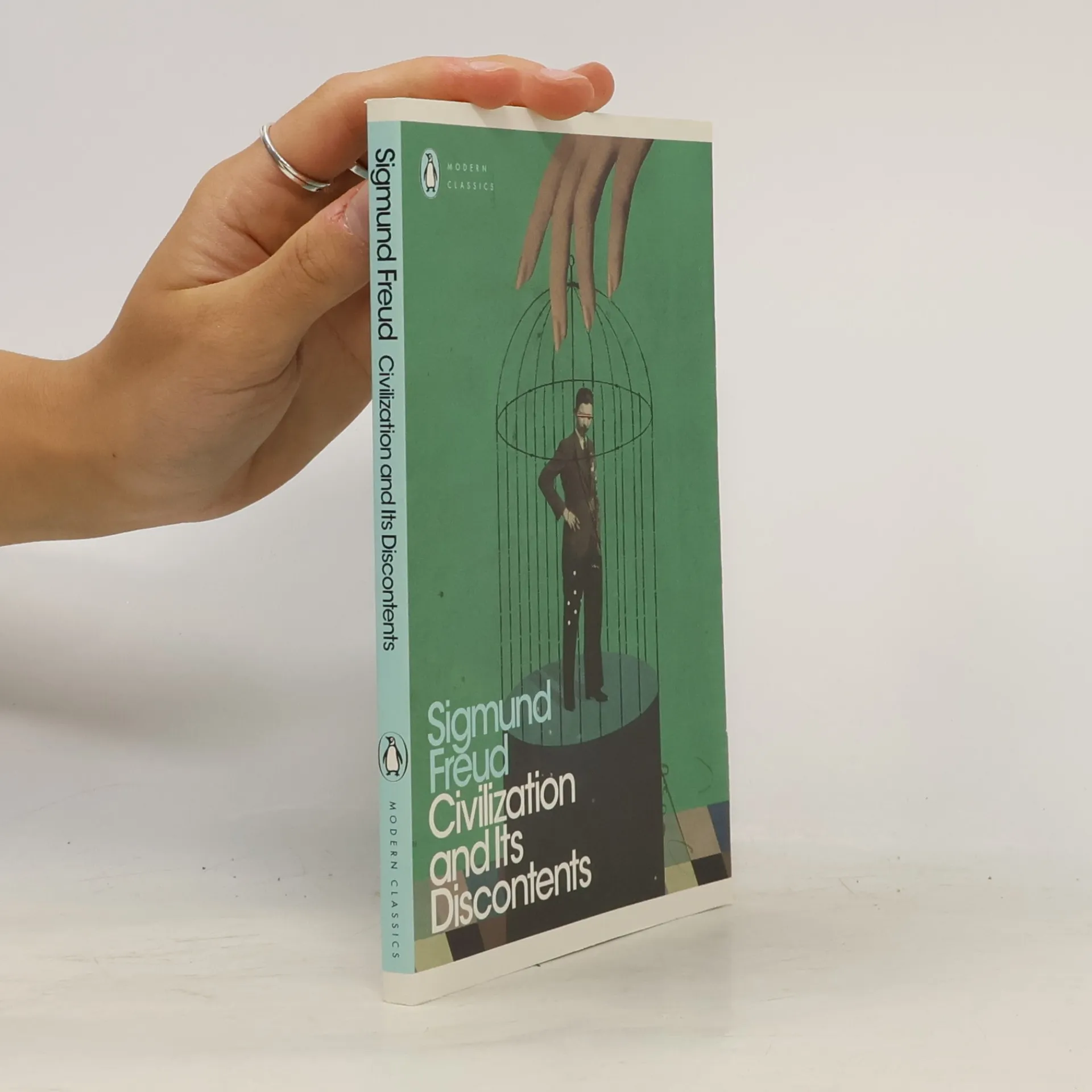
"In his final years, Freud devoted most of his energies to a series of highly ambitious works on the broadest issues of religion and society. As early as 1908, he produced a powerful paper on the repressive hypocrisy of 'civilized sexual morality', and its role in 'modern nervous illness'. Deepening this analysis in Civilization and Its Discontents, he argues that civilized values - and the impossible ideals of Christianity - inevitably distort our natural aggression and impose a terrible burden of guilt. It is also here that Freud developed his last great theoretical innovation: the strange and haunting notion of an innate death drive, locked in a constant struggle with the forces of Eros."--Publisher website
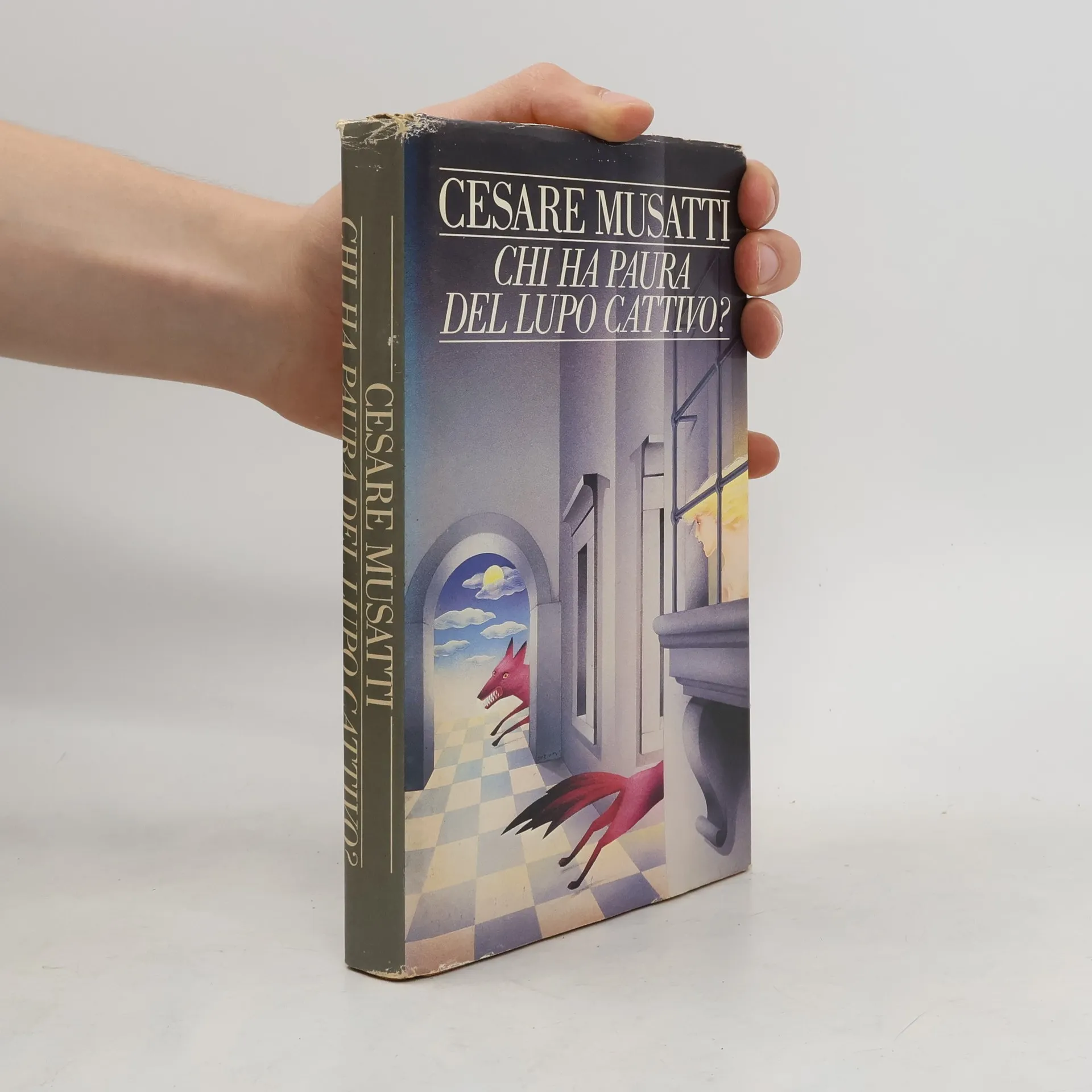
I Cirri - 3: Chi ha paura del lupo cattivo?
- 276 pages
- 10 hours of reading
Italian
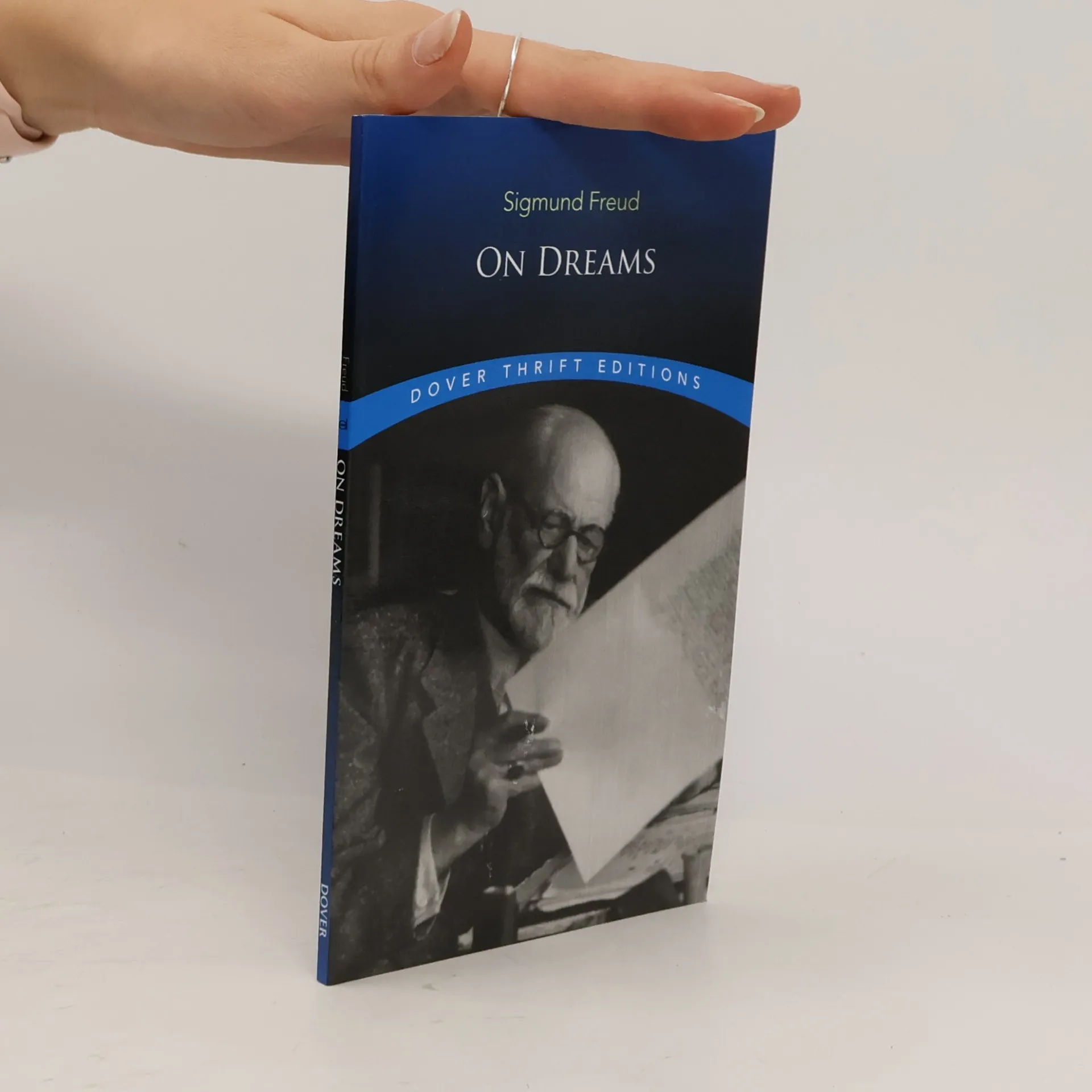
Among the first of Sigmund Freud's many contributions to psychology and psychoanalysis was The Interpretation of Dreams, published in 1900, and considered his greatest work — even by Freud himself. Aware, however, that it was a long and difficult book, he resolved to compile a more concise and accessible version of his ideas on the interpretation of dreams. That shorter work is reprinted here. Since its publication, generations of readers and students have turned to this volume for an authoritative and coherent account of Freud's theory of dreams as distorted wish fulfillment.After contrasting the scientific and popular views of dreams, Freud illustrates the ways in which dreams can be shown to have been influenced by the activities or thoughts of the preceding day. He considers the effect on dreams of such mental mechanisms as condensation, dramatization, displacement, and regard for intelligibility. In addition, the author offers perceptive insights into repression, the three classes of dreams, and censorship within the dream.Students and psychologists will welcome this inexpensive edition of an always-relevant work by the father of modern psychoanalysis. This volume will also appeal to anyone interested in dreams of the workings of the unconscious mind.
Filosofia: La mia vita e la psicoanalisi
- 160 pages
- 6 hours of reading
Milano, Mursia, 1963, 16mo brossura con copertina illustrata, pp. 233, rare sottolineature a matita nel testo e a margine (Il cammino, 1).
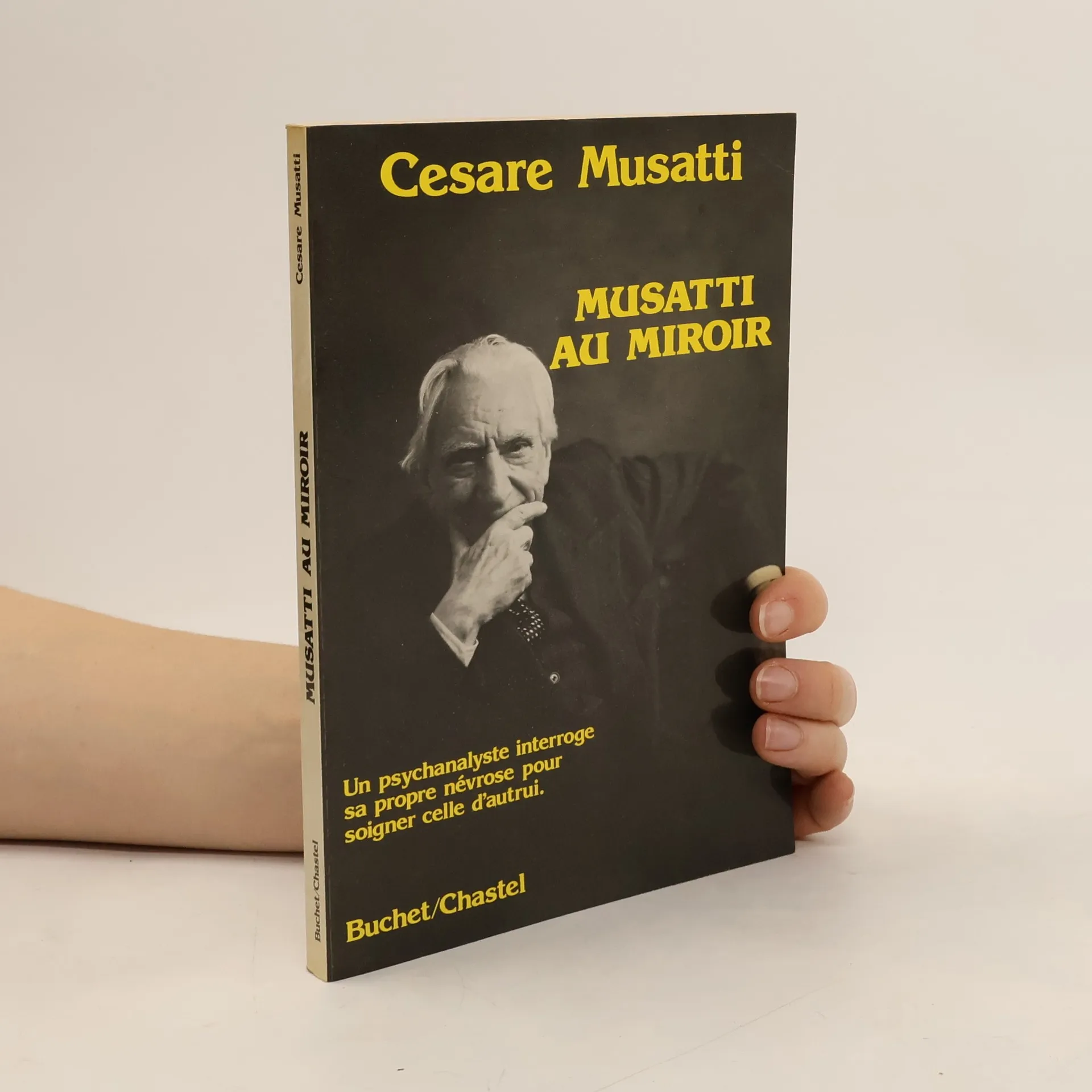
Musatti au miroir
Un psychanalyste interroge sa propre névrose pour soigner celles d'autrui
- 21 pages
- 1 hour of reading
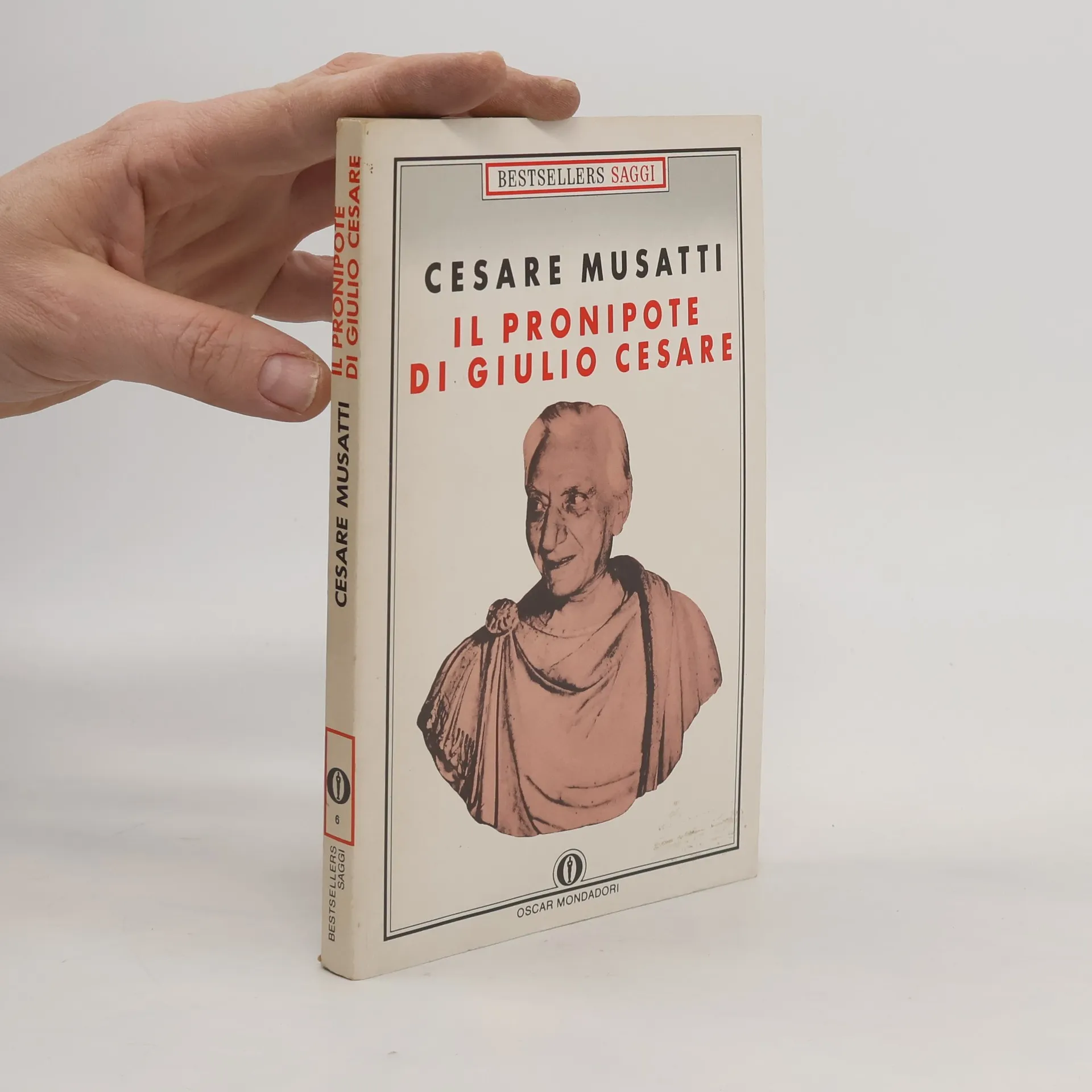
Oscar bestsellers saggi - 6: Il pronipote di Giulio Cesare
- 259 pages
- 10 hours of reading
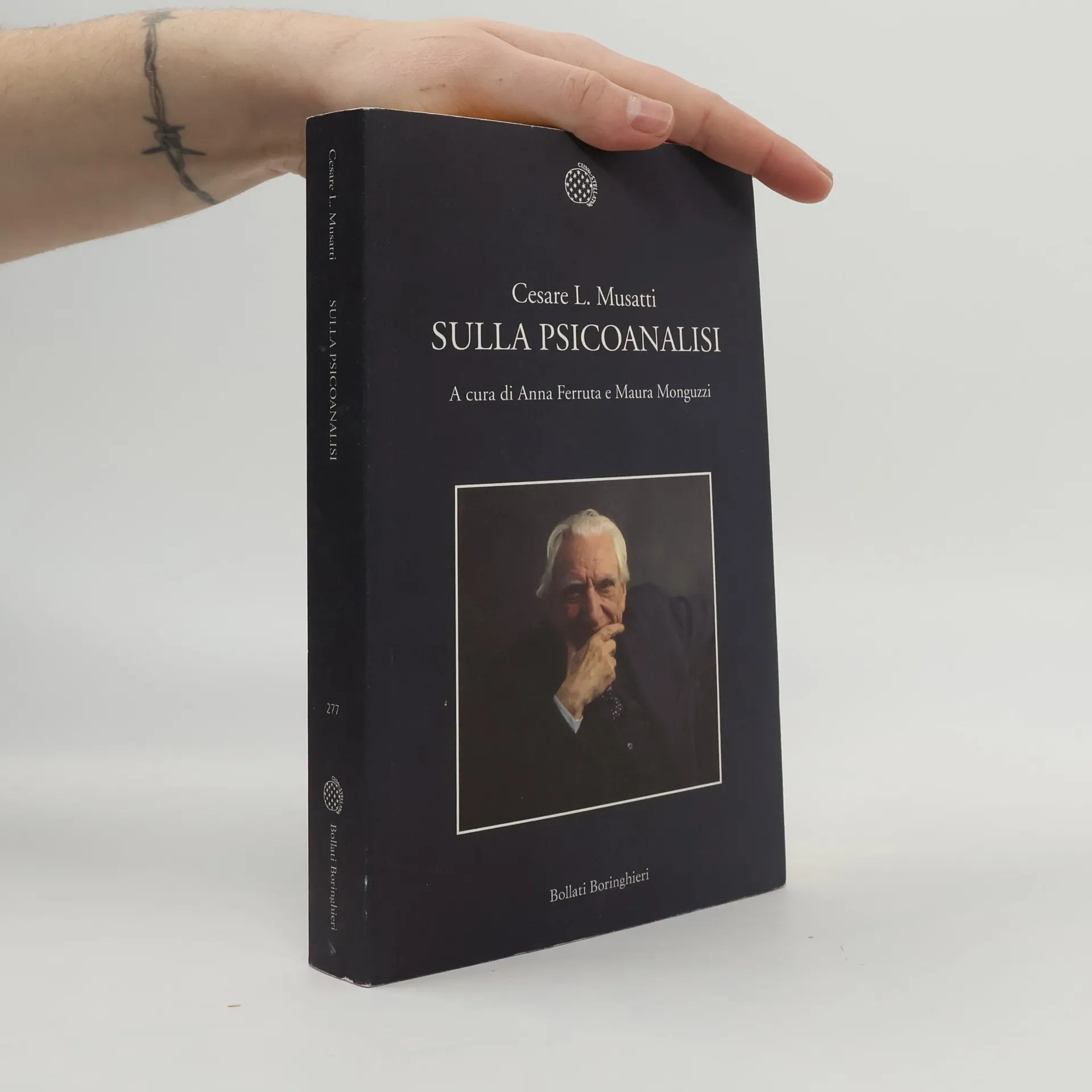
Sulla psicoanalisi
- 342 pages
- 12 hours of reading
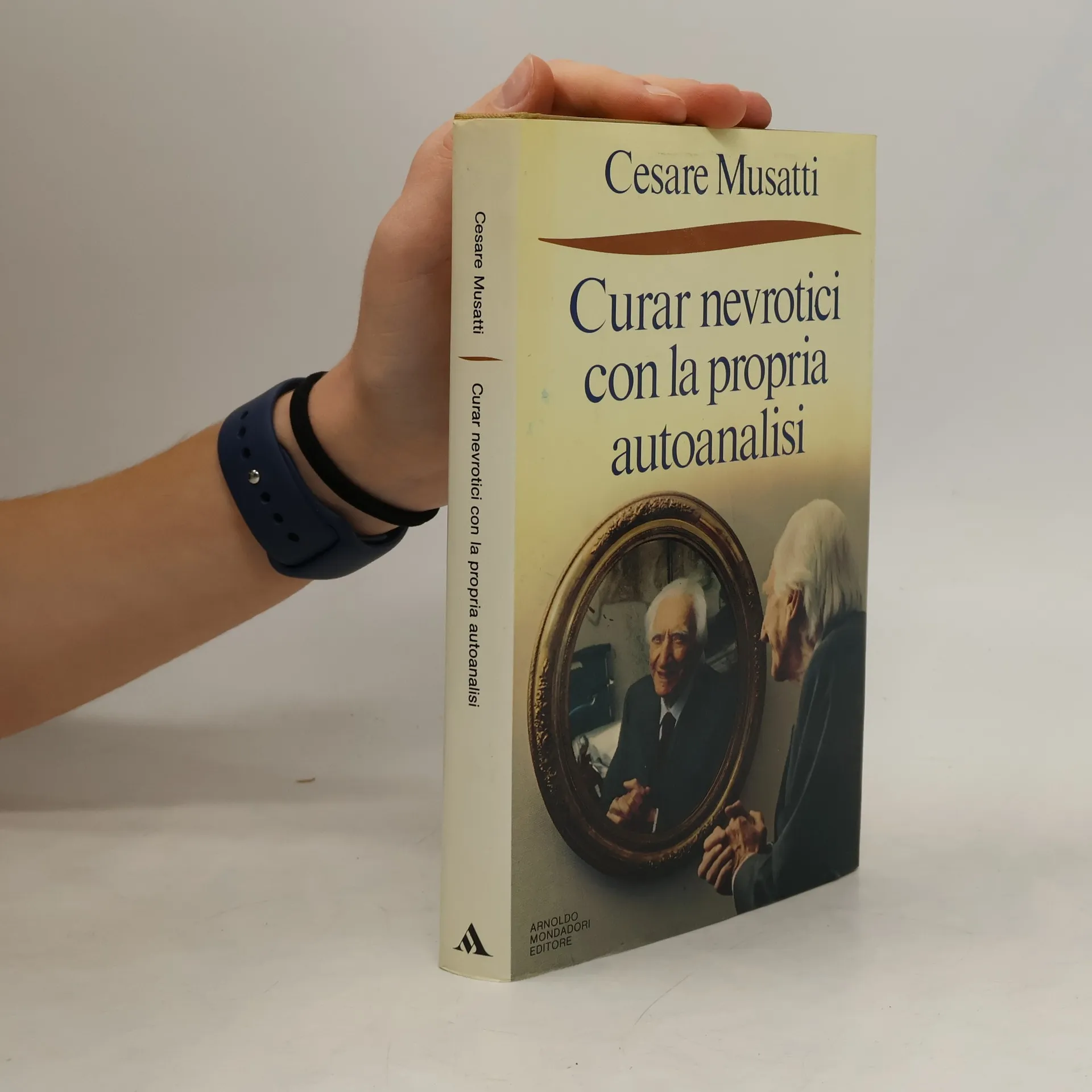
Con la sua personalissima intonazione arguta, Cesare L. Musatti era solito ricordare come lui e la psicoanalisi fossero gemelli. Il 20 settembre 1897 Sigmund Freud passò in treno davanti alla casa di Dolo, sulla riviera del Brenta, in cui stava per venire al mondo il suo più eminente seguace italiano. Sarebbe nato il giorno successivo, quando Freud, di ritorno a Vienna, scriveva all'amico Wilhelm Fliess la lettera poi ritenuta l'atto inaugurale di una conoscenza sovvertitrice, pronta a sfidare i filisteismi annidati nella scienza dell'epoca. Il settimino gracile che non sembrava in grado di sopravvivere e l'inaudito scandaglio della psiche, allora sogguardato dai più con sospetto, erano destinati entrambi a una lunga esistenza. Della gemellarità ideale Musatti fece una fratellanza di pensiero e di vita. E affratellato a lui si sentirà anche il lettore di questa raccolta di scritti dispersi o introvabili, che si dispongono con naturalezza centripeta nel libro rappresentativo di un intero percorso. Chi voglia incontrare il teorico, il clinico, l'interprete del proprio tempo, qui sarà colpito dall'affabilità di un vero Maestro che, senza montare mai in cattedra, dà lezione di misura innanzi tutto nel parlare di sé e dei pazienti, dal momento che ogni analisi è insieme autoanalisi.