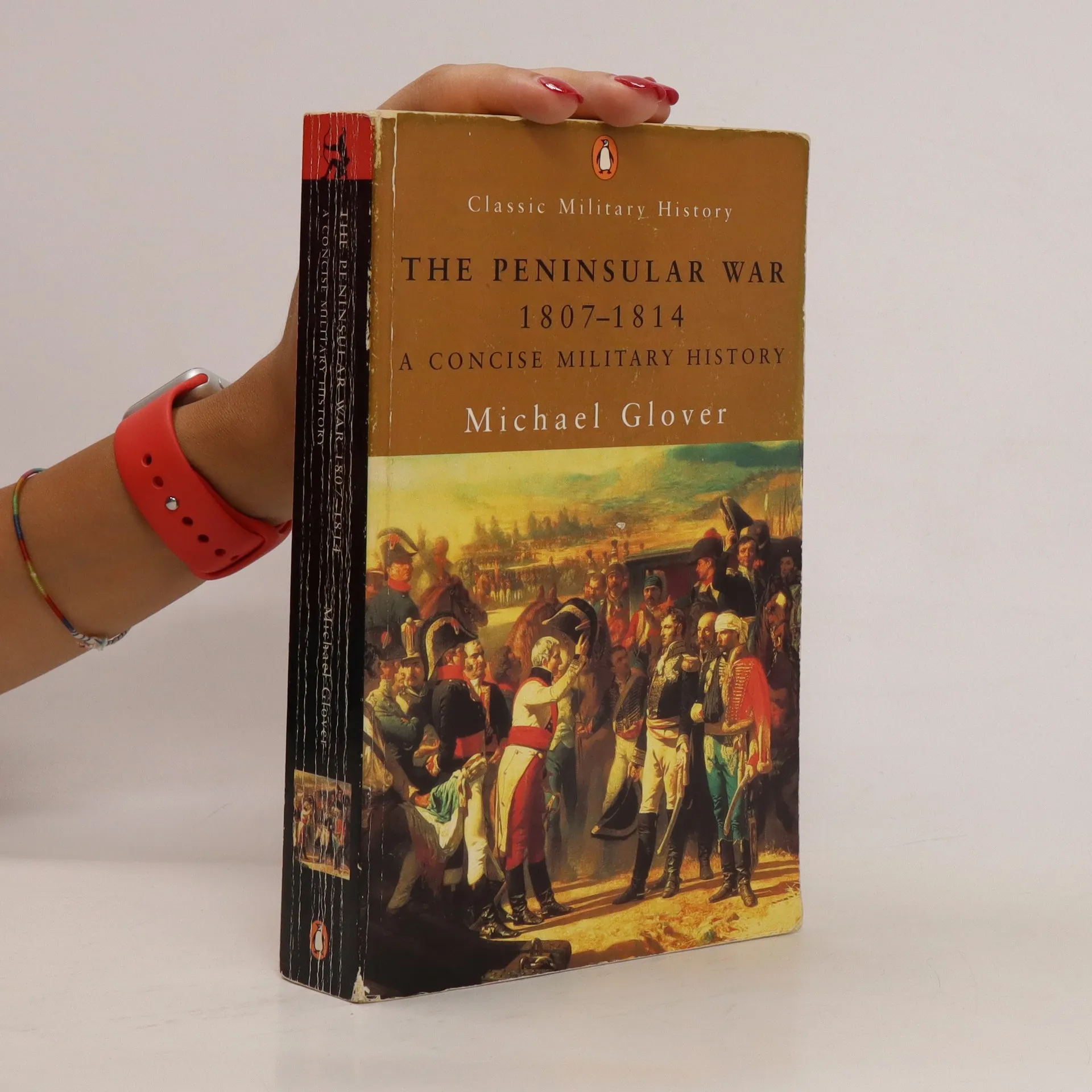
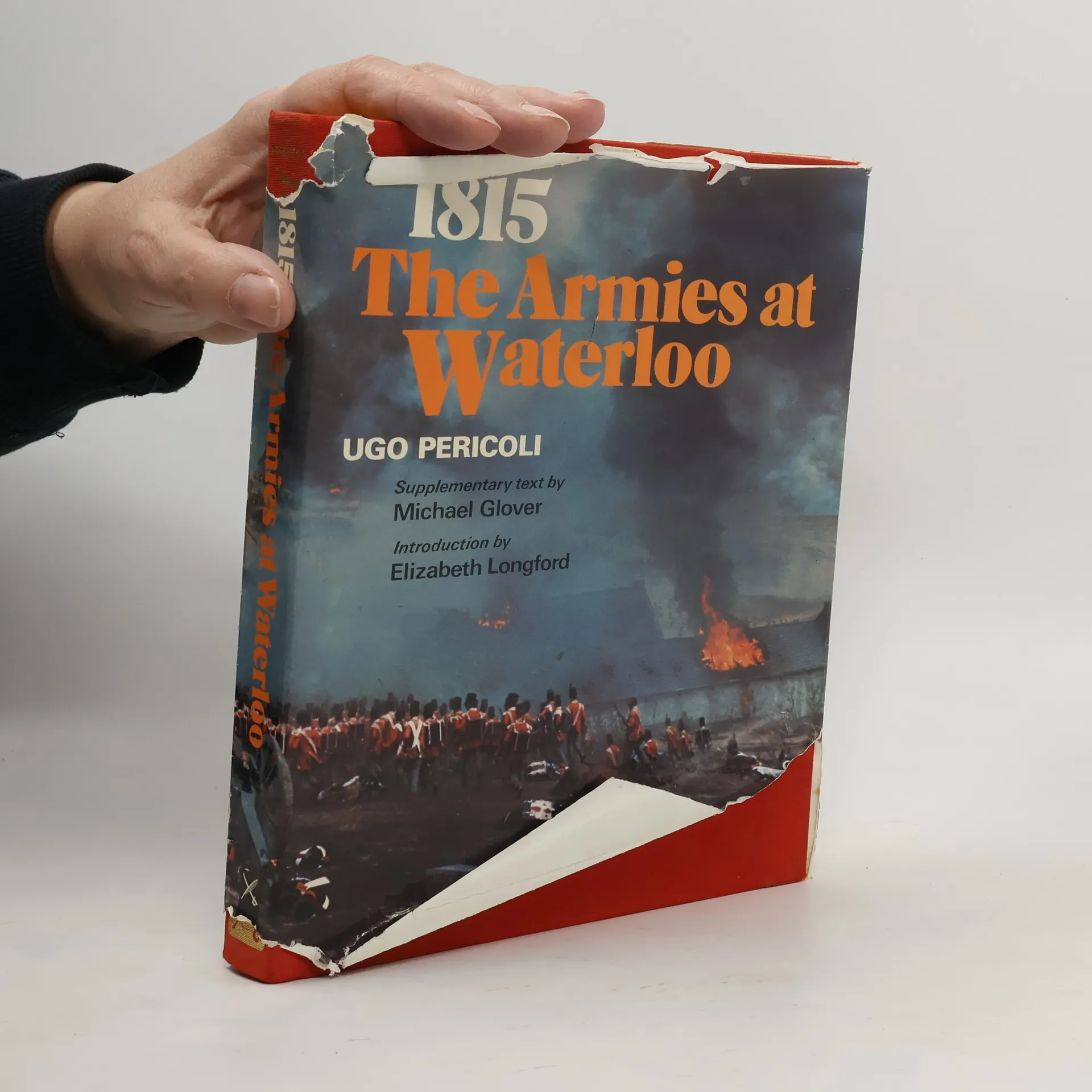
Michael Glover was a British author whose work delved into the military history of the Napoleonic and Victorian eras. He offered insightful analyses of warfare during these significant periods. Glover's background included service in the British army during the Second World War and subsequent engagement with the British Council, shaping his literary career.
The poem explores the complexities of memory and relationships through the speaker's reflections on an absent partner. With a mix of whimsy and passion, it delves into shared experiences, raising unanswerable questions about their past. The tone oscillates between nostalgia and mockery, leaving readers to ponder whether the speaker seeks to revive a lost love or confront an old grudge. Glover's work captures the essence of longing and the elusive nature of human connections.
Exploring the profound connection between poetry and the human experience, Michael Glover pays tribute to Van Gogh's artistic brilliance through a collection of poems. Each piece reflects the transformative power of poetry as a means of consolation and healing, echoing Van Gogh's belief in its ability to resonate with our innermost selves. This homage captures the essence of both the artist and the emotional depth of his work.
Exploring the nature of poetry, this book delves into how it transports readers to unforeseen realms. It questions whether the journey is driven by the poet's unique style or the reader's personal interpretation and imagination. This thought-provoking examination invites readers to reflect on their own experiences with poetry and the interplay between the creator and the audience.
Sheffield is yet to be discovered. Were you aware that football's first professional rule book was written in Sheffield, and that it is home to the oldest ground in professional use? Did you know that climbers the world over come to Stanage Edge for the challenges offered by one of the world's most fearsome millstone grit escarpments? Did you know that the Arctic Monkeys grew up in Sheffield, and that you can see the room at Yellow Arch Studios where they rehearsed as schoolboys and cut their first album? Did you know that the steepest hill in the entire 2012 Tour de France is in Sheffield? Did you know that Sheffield's craft breweries produce some of the finest beers in the world? Did you know that you can walk out of the centre of Sheffield, through parkland, and directly into open countryside? You need this book fast then, don't you, you soft 'aporth!
This volume provides a fascinating insight into what it was like to march and fight, to eat and be wounded, to command and be commanded at the start of the 19th century. Stress is laid on the technological limitations of warfare at that time.
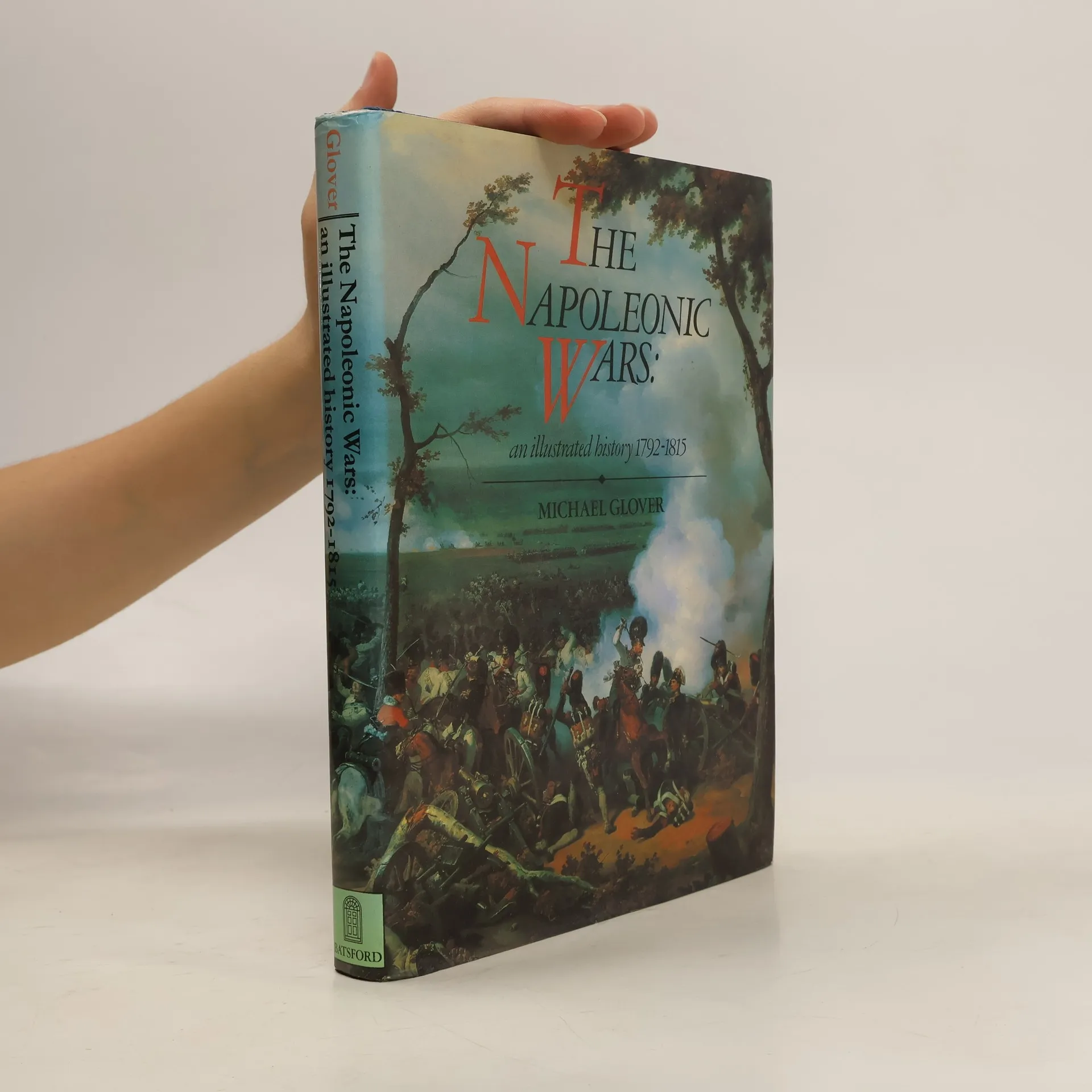
On April 20, 1792, revolutionary France declared war on Austria and began a struggle that, with only two short breaks, was to last until after Waterloo, more than twenty years later. Except for tiny Montenegro, every country in Europe was involved at one time or another, many countries fighting now on France's side, then against her. There were naval actions in every ocean of the world, while on land the fighting ranged from Java in the east to Buenos Aires in the west; from Finland in the north to Cape Town in the south. While Napoleon was the predominant figure, there was also a plethora of distinguished if lesser figures. Among the generals were the Archduke Charles, Kutusov, Massena and Wellington. The admirales included Howe, Villaret-Joyeuse and Nelson--and there was that remarkable trio of statesmen: Castlereagh, Metternich and Talleyrand. In this book Michael Glover, author of eleven other military historical books, and an authority on the period, weaves together the four strande--military, naval, economic and diplomatic--which went to make p the greatest war that history has known, and which included such classic battles as the Nile, Marengo, Trafalgar, Austerlitz, Jena, Friedland, Wagram, Salamanca, Borodino, Leipzig and Waterloo.