

Explore the latest books of this year!
Bookbot

Bin Li

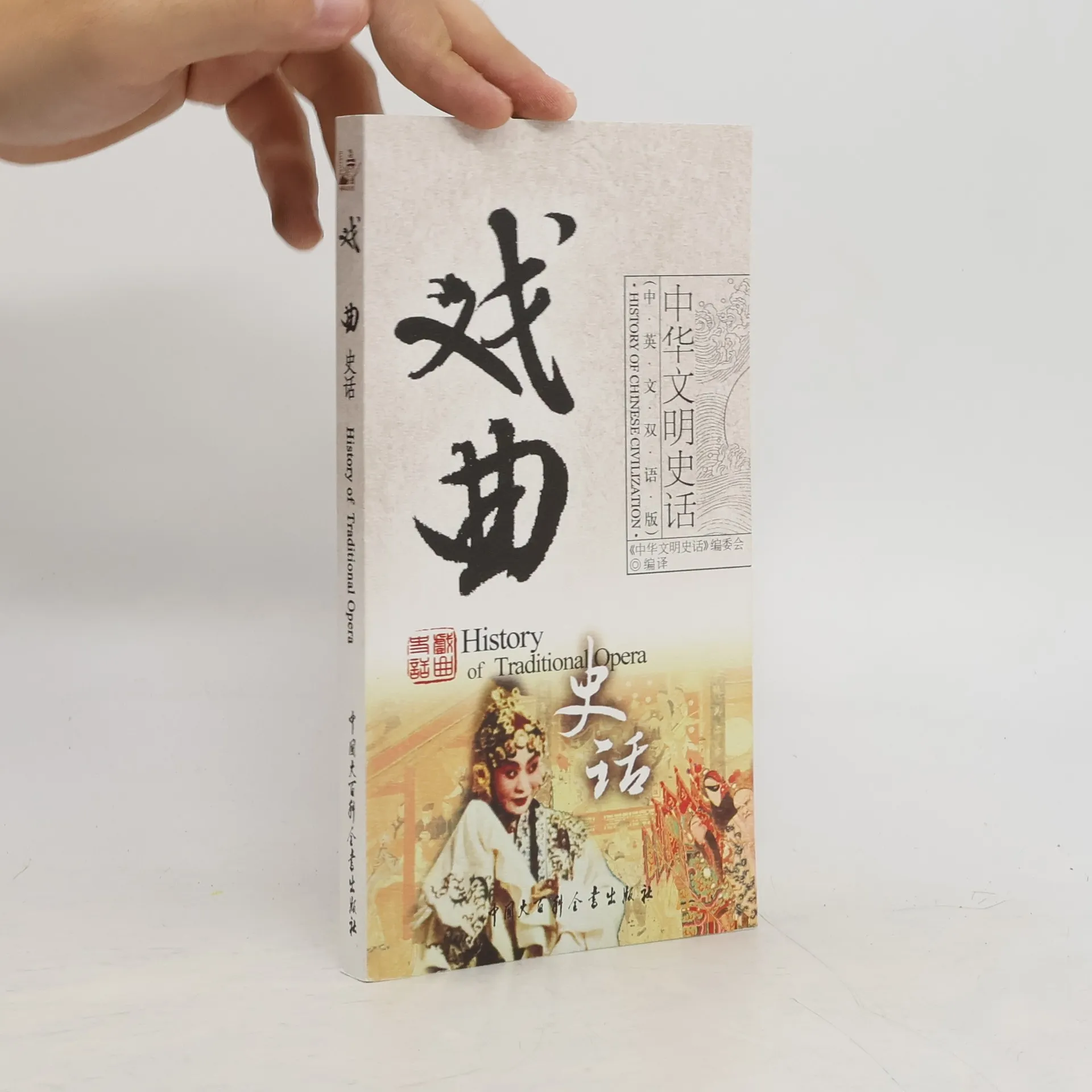
    History of chinese civilization. History of traditional opera
    Digital Technology and Justice
    Resilient Governance of Urban Redevelopment
    Communication, Civilization and China
    Statistical Methods for Mediation, Confounding and Moderation Analysis Using R and SAS
    • This book introduces general definitions of third-variable effects that are adaptable to all different types of response (categorical or continuous), exposure, or third-variables. Readers of all disciplines familiar with introductory statistics will find this a valuable resource for analysis. Inhaltsverzeichnis 1 Introduction 2 A Review of Third-Variable Effect Inferences 3 Advanced Statistical Modeling and Machine Learning Methods Used in the Book 4 The General Third-Variable Effect Analysis Method 5 The Implementation of General Third-Variable Effect Analysis Method 6 Assumptions for the General Third-Variable Analysis 7 Multiple Exposures and Multivariate Responses 8 Regularized Third-Variable Effect Analysis for High-Dimensional Dataset 9 Interaction/Moderation Analysis with Third-Variable Effects 10 Third-Variable Effect Analysis with Multilevel Additive Models 11 Bayesian Third-Variable Effect Analysis 12 Other Issues

      Statistical Methods for Mediation, Confounding and Moderation Analysis Using R and SAS
    • Communication, Civilization and China

      Discovering the Tang Dynasty (618907)

      • 424 pages
      • 15 hours of reading

      The book delves into the Tang Dynasty's remarkable civilization, highlighting its prosperity and cultural significance. It examines the era's communication methods, including the postal system and early newspapers, alongside military communication strategies. The exploration extends to literature, poetry, public spaces, and the influence of folk culture, while also addressing the intellectual climate and discussions on freedom of speech. By integrating ancient and modern scholarly perspectives, it positions the Tang Dynasty as a pivotal transition from classical to modern society.

      Communication, Civilization and China
    • Resilient Governance of Urban Redevelopment

      State, Market and Communities in China Since 1990

      • 88 pages
      • 4 hours of reading

      Focusing on resilient governance with Chinese characteristics, this book analyzes Guangzhou from 1990 to 2015. It reveals an authoritarian, land-oriented pro-growth regime and identifies three distinct governance phases: Primitive Market, Pure Government, and Multiple Players. The study demonstrates how redevelopment can exemplify resilient governance by adapting to dynamic environments to enhance economic growth, emphasizing that the authoritarian regime is crucial for supporting this model. The research employs participant observation, interviews, and secondary data analysis for its findings.

      Resilient Governance of Urban Redevelopment
    • This book considers the emergence, role and scope of justice apps - mobile and web-based programs that can assist individuals with legal tasks.

      Digital Technology and Justice