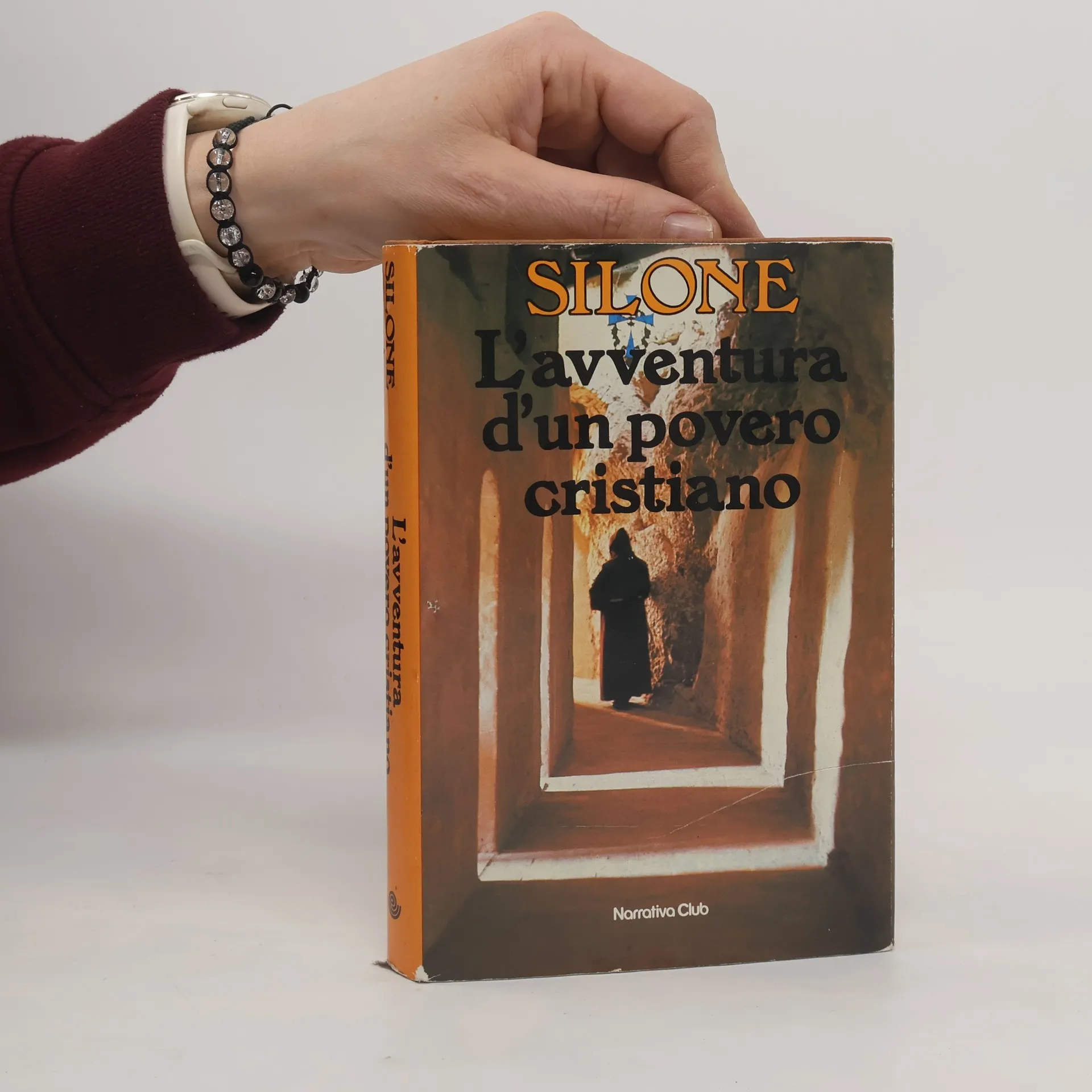
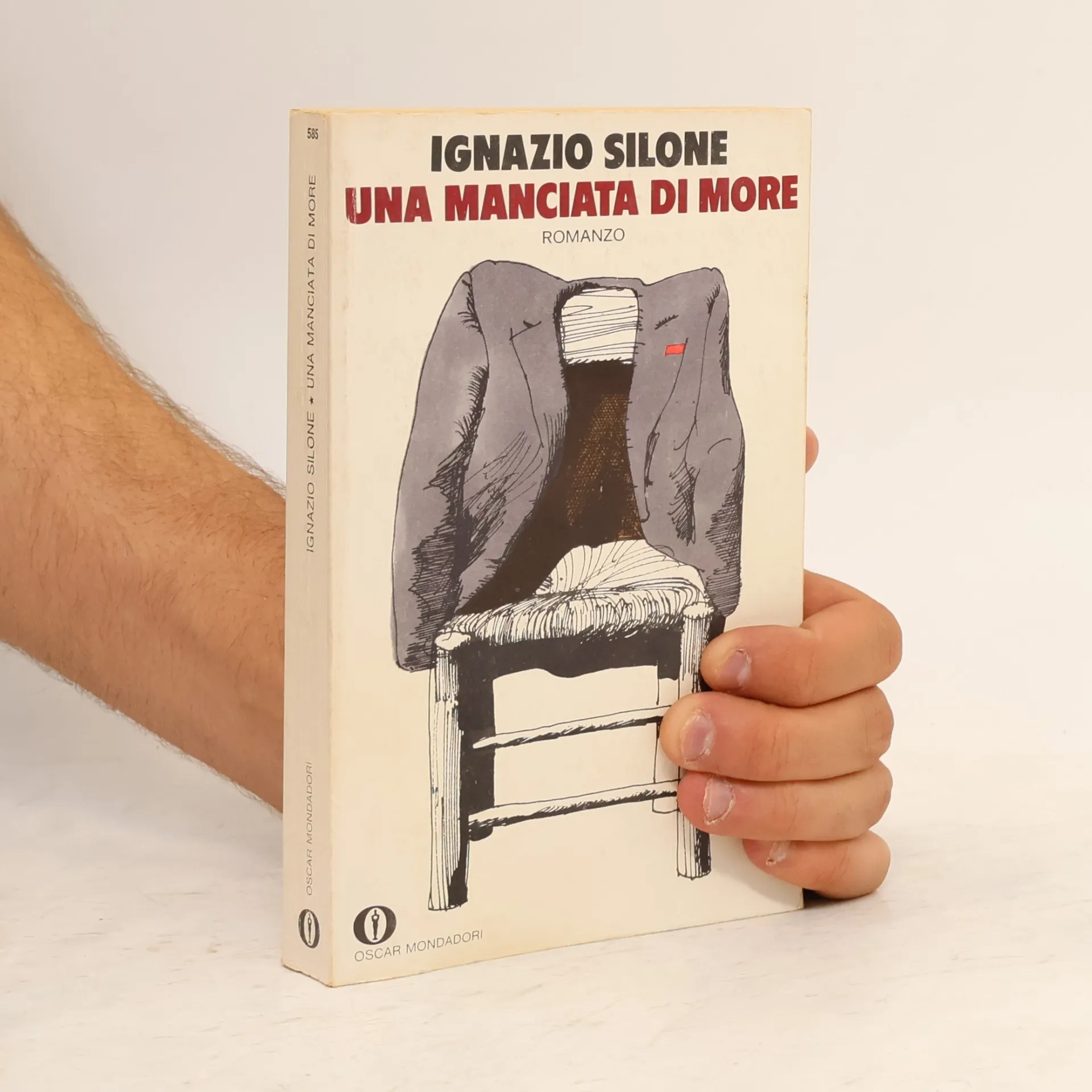
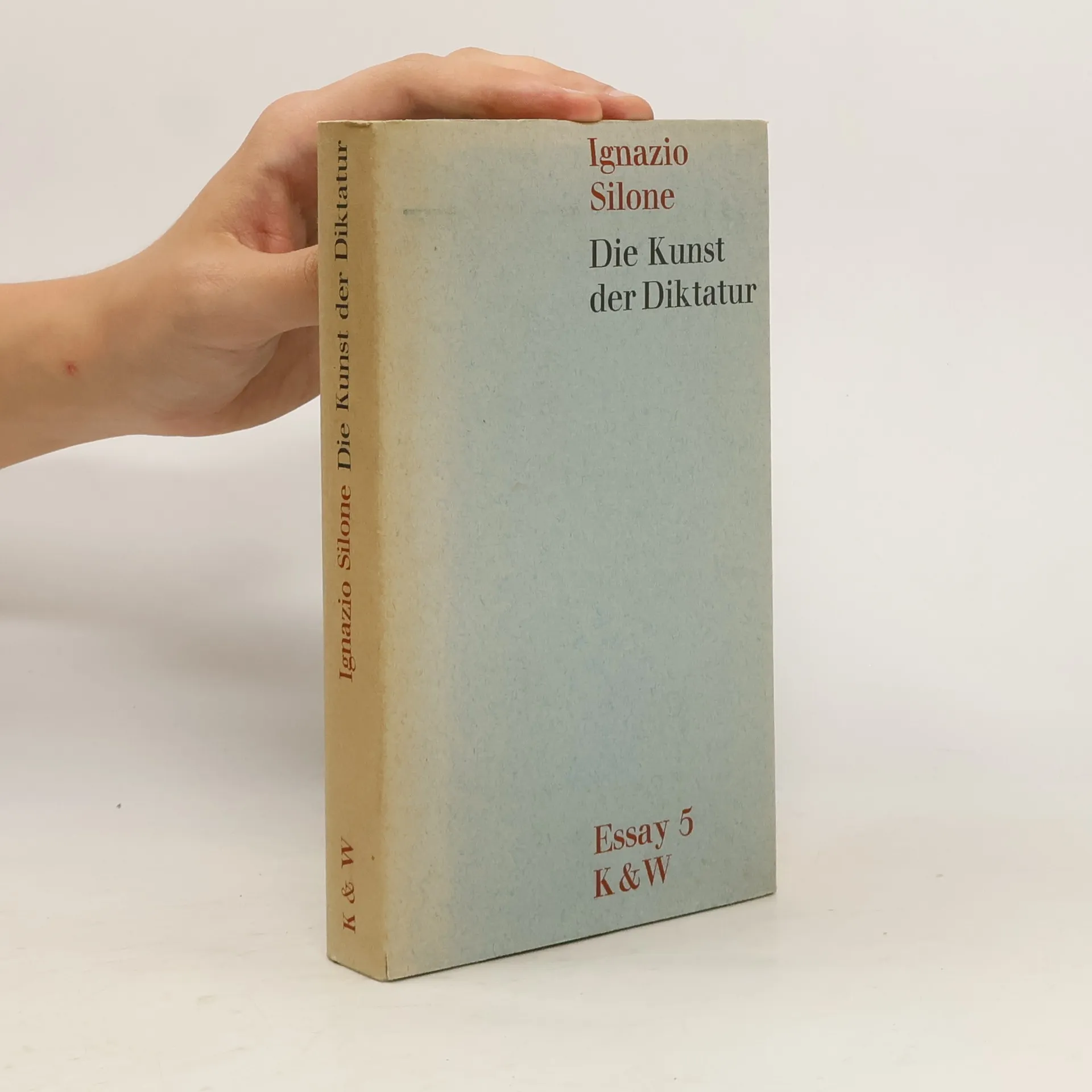
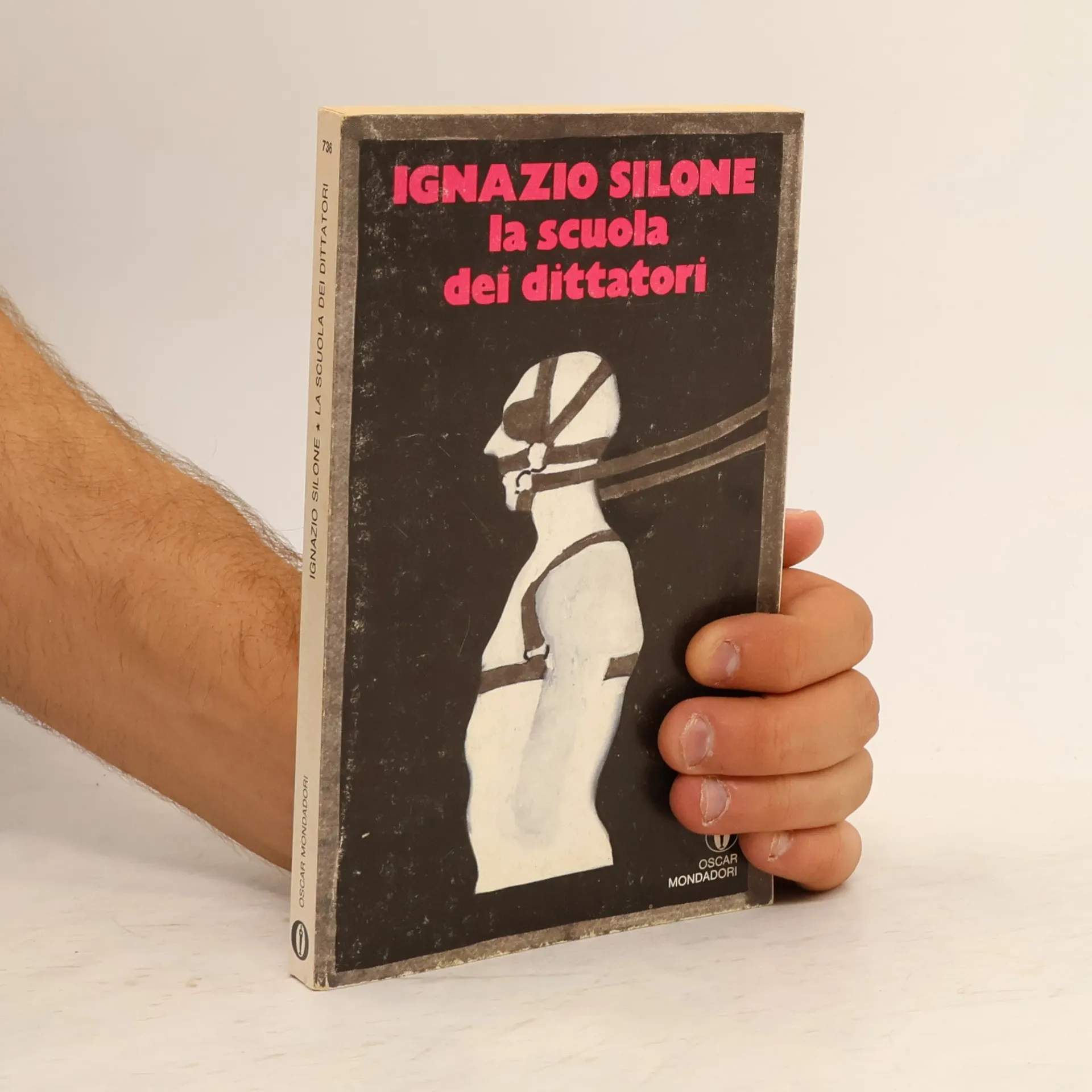
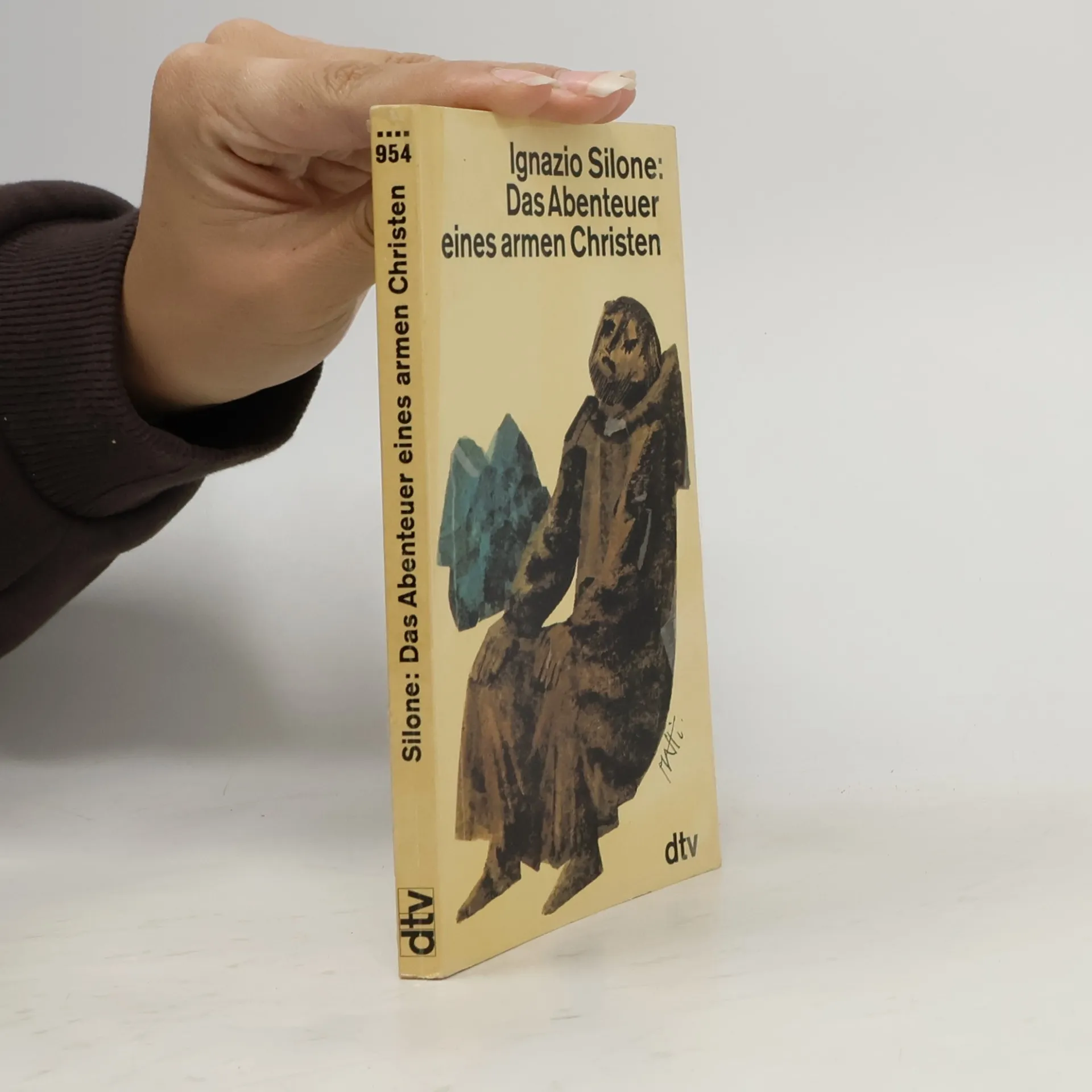
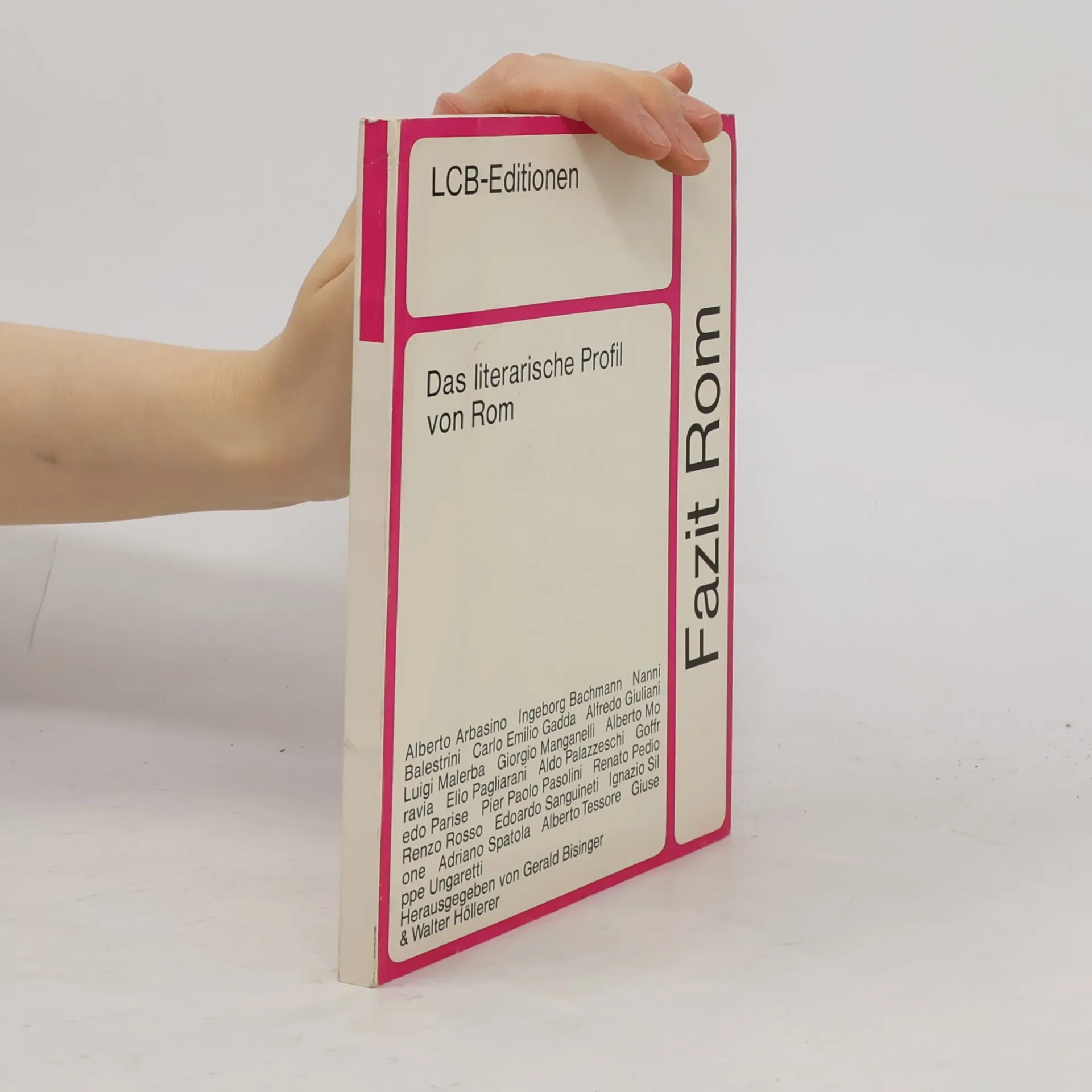
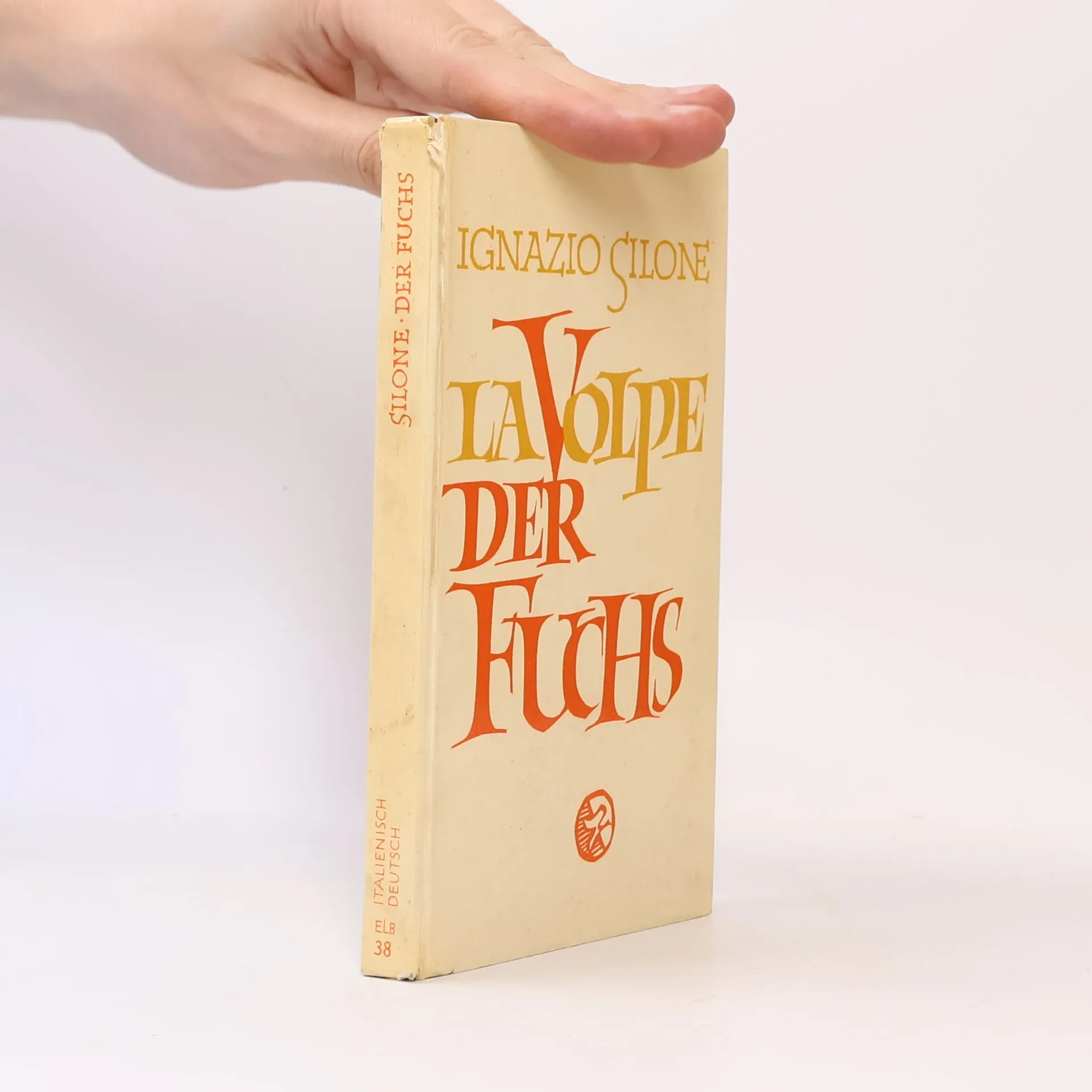
This author gained renown for novels that offer a penetrating examination of southern Italy and its peasant populace. His work, often infused with personal experiences of politics and exile, captures the region's complex life and culture with both empathy and realism. Through a distinctive narrative style, he sheds light on social injustices and the struggle for the rights of the oppressed. His literary impact ranges from socially critical novels to philosophical essays, establishing him as a significant voice in European literature.
Set against the backdrop of Italy's fascist regime, the narrative follows Pietro Spina's return from exile to rally the peasants of Abruzzi into a revolutionary force. The book powerfully critiques the use of violence and deception by totalitarian states, emphasizing the enduring relevance of its themes. Through Spina's journey, it highlights the struggle for truth and justice in oppressive environments, serving as a poignant reminder of the dangers posed by authoritarianism.
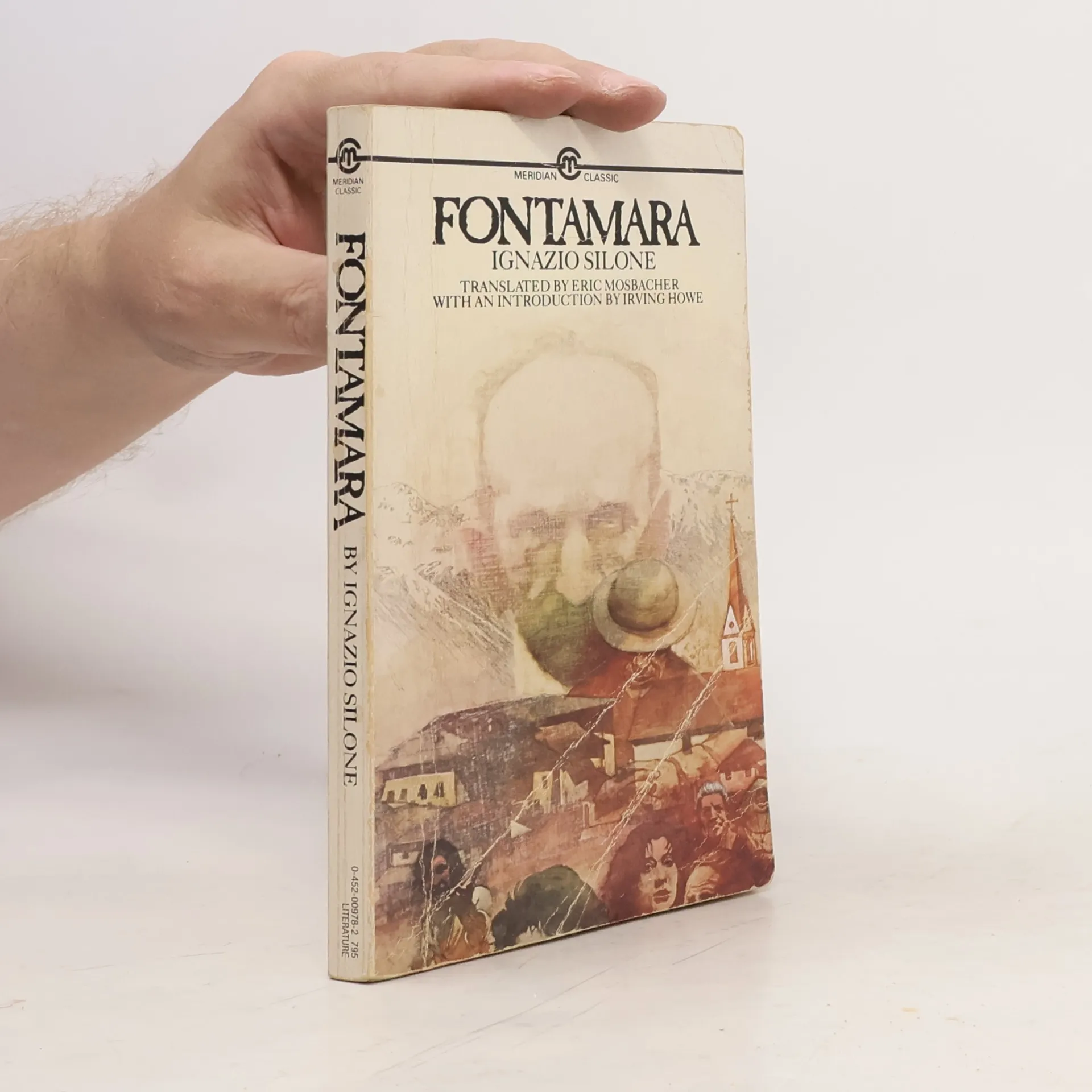
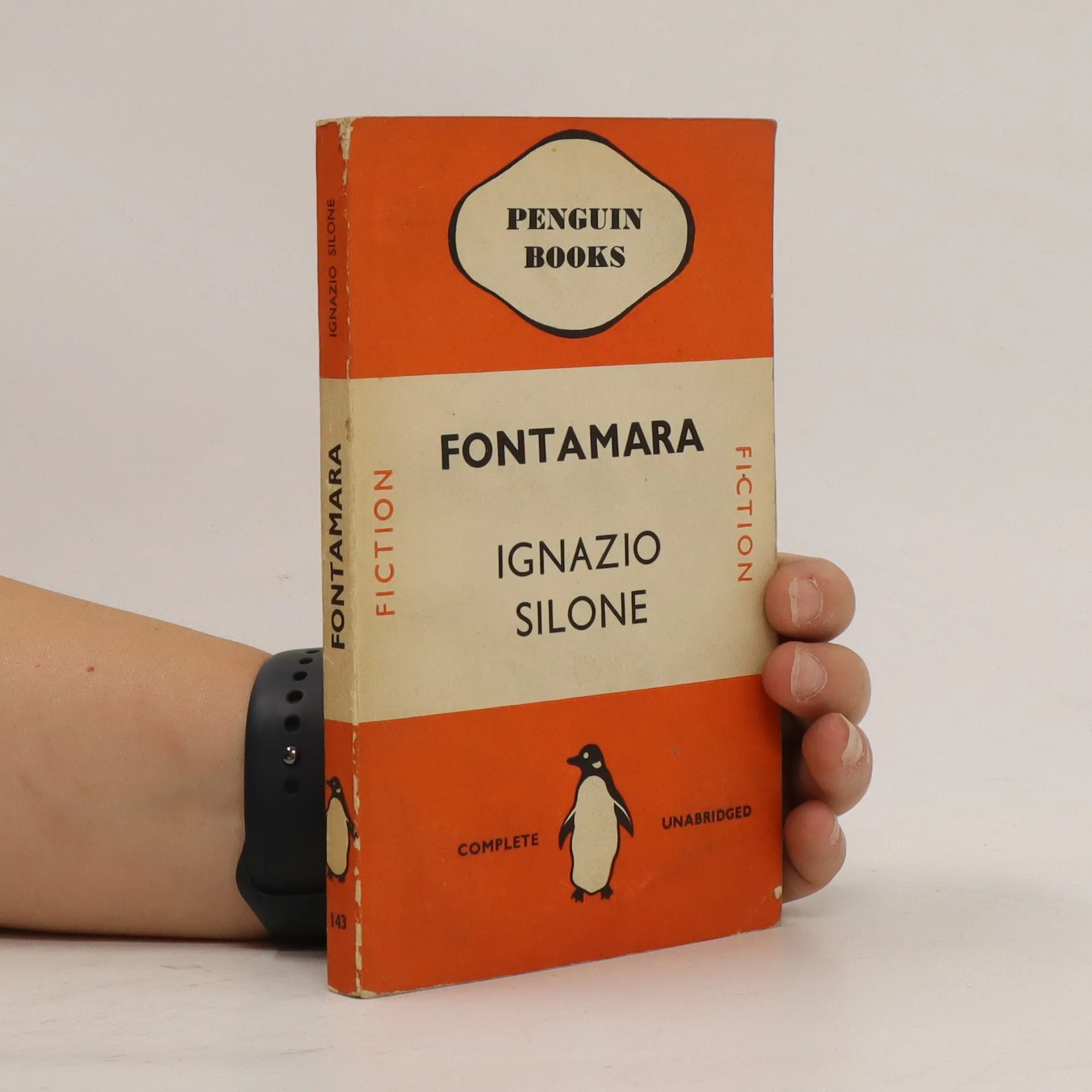
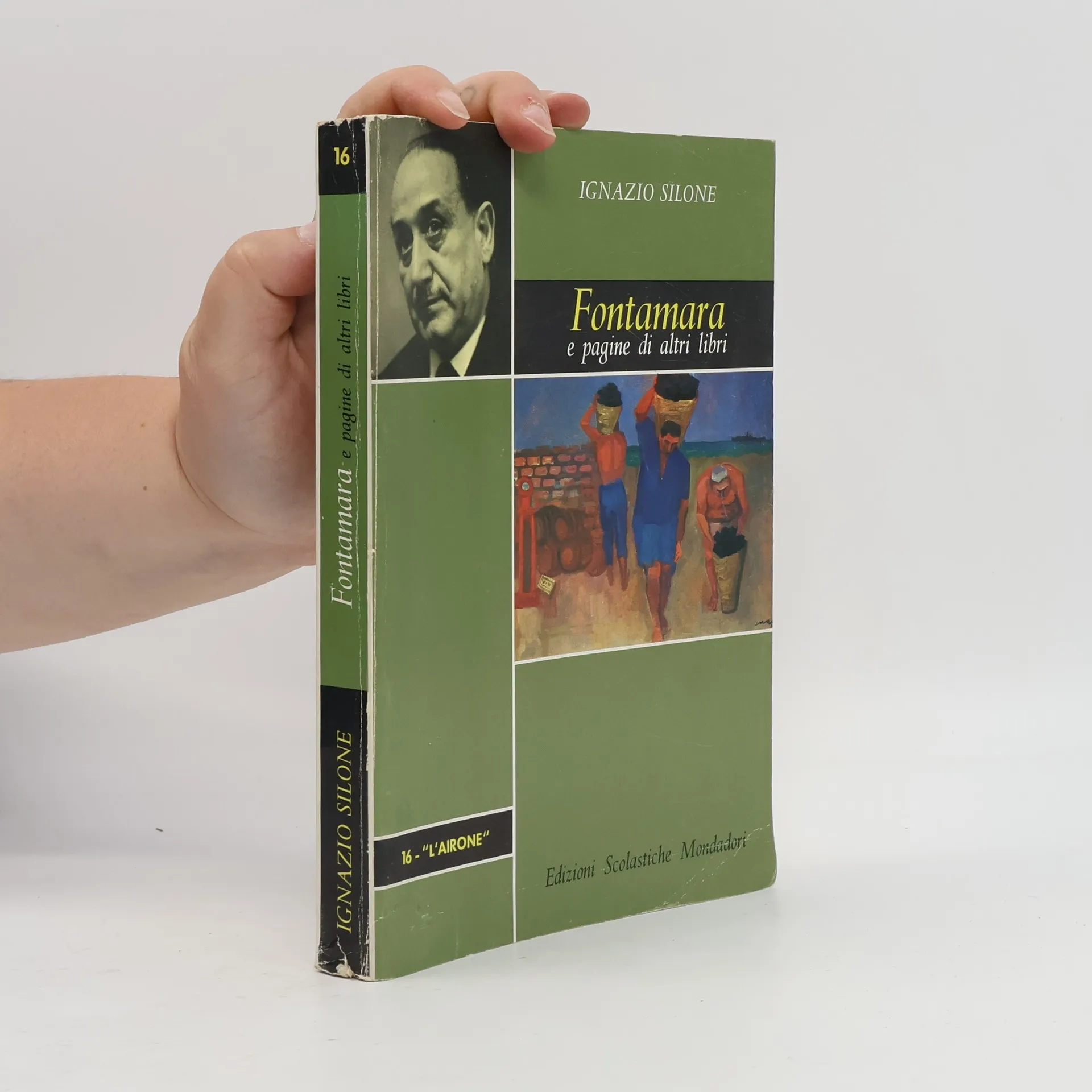
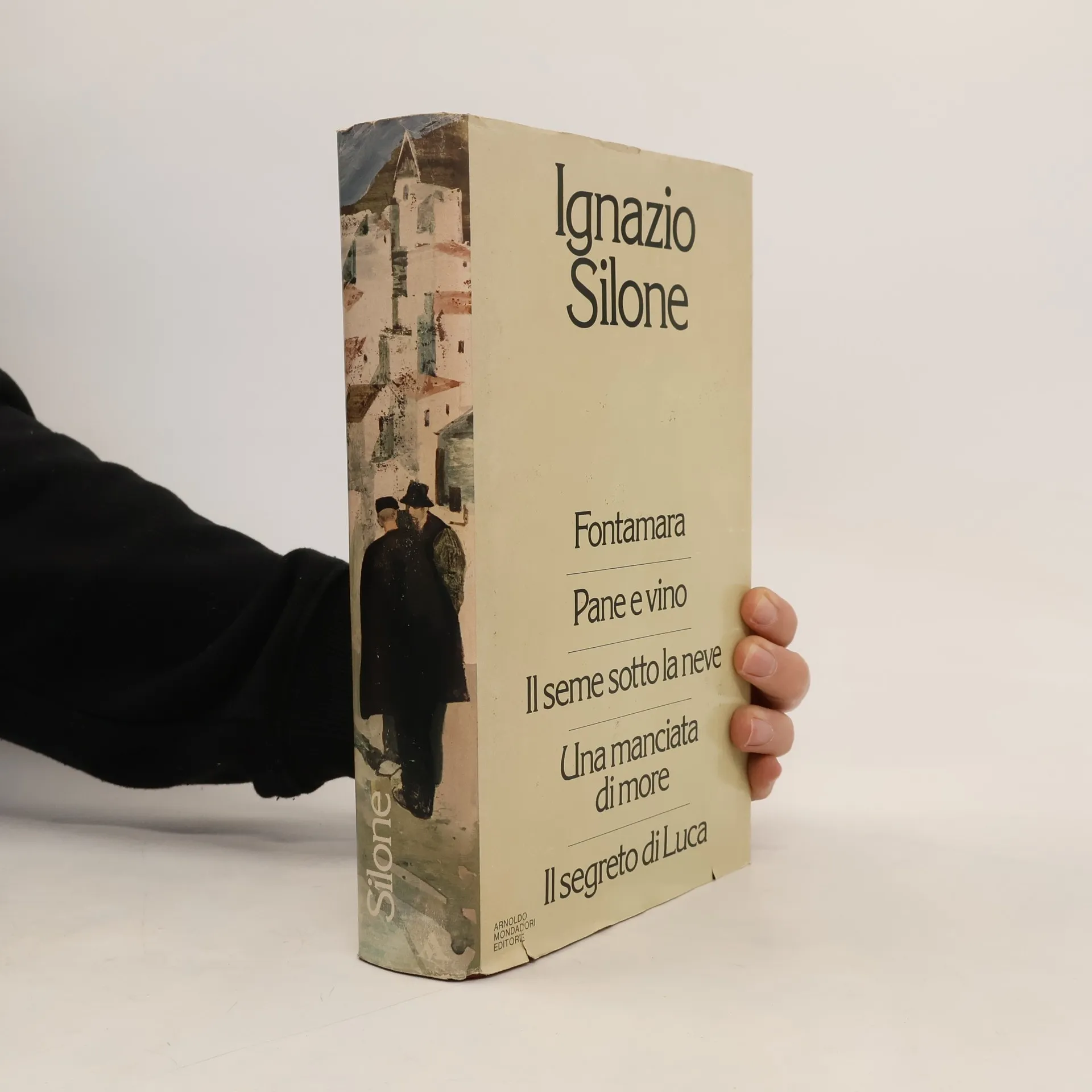
"Fontamara," published in 1933, is set in a small village in Abruzzo and explores the eternal conflict between the rural poor and the urban elite, intensified by the rise of fascism. The peasants and laborers, resigned and almost numb to the catastrophes and abuses they endure, find the strength to rebel when they realize they have been subjected to yet another betrayal, coinciding with the emergence of the fascist regime. The central figure of the novel, Berardo Viola, embodies the need to reclaim a life of silence and passivity, a necessity that becomes essential for the other villagers as well. Through their struggle, Silone highlights themes of social injustice, resilience, and the quest for dignity in the face of oppression.
Silone's first novel, published in German in 1933 and in English in 1934, garnered worldwide acclaim, selling over a million and a half copies in twenty-seven languages. Set against the backdrop of the impending Spanish Civil War and shortly after Hitler's rise to power, the narrative had a profound impact on public opinion, becoming a symbol of resistance and a significant anti-Fascist document in the late 1930s. The story unfolds in the fictional rural village of Fontamara, located in the Abruzzo region, where the impoverished inhabitants, the Fontamaresi, are largely unaware of global events, including the rise of Fascism. They live in stark contrast to the wealthy Impresario, who represents the power and immorality of the Fascist regime. The Fontamaresi, disconnected from modernity and technology, struggle for survival through agriculture and emigration, while remaining vulnerable to exploitation. Their ignorance leads to tragic consequences, including violence against women by Fascist squads. Berardo Viola emerges as a key figure, sacrificing himself to disseminate socialist ideas and incite rebellion. Ultimately, the government's brutal actions result in the deaths of many villagers, highlighting the dire consequences of their naivety and the oppressive political climate.
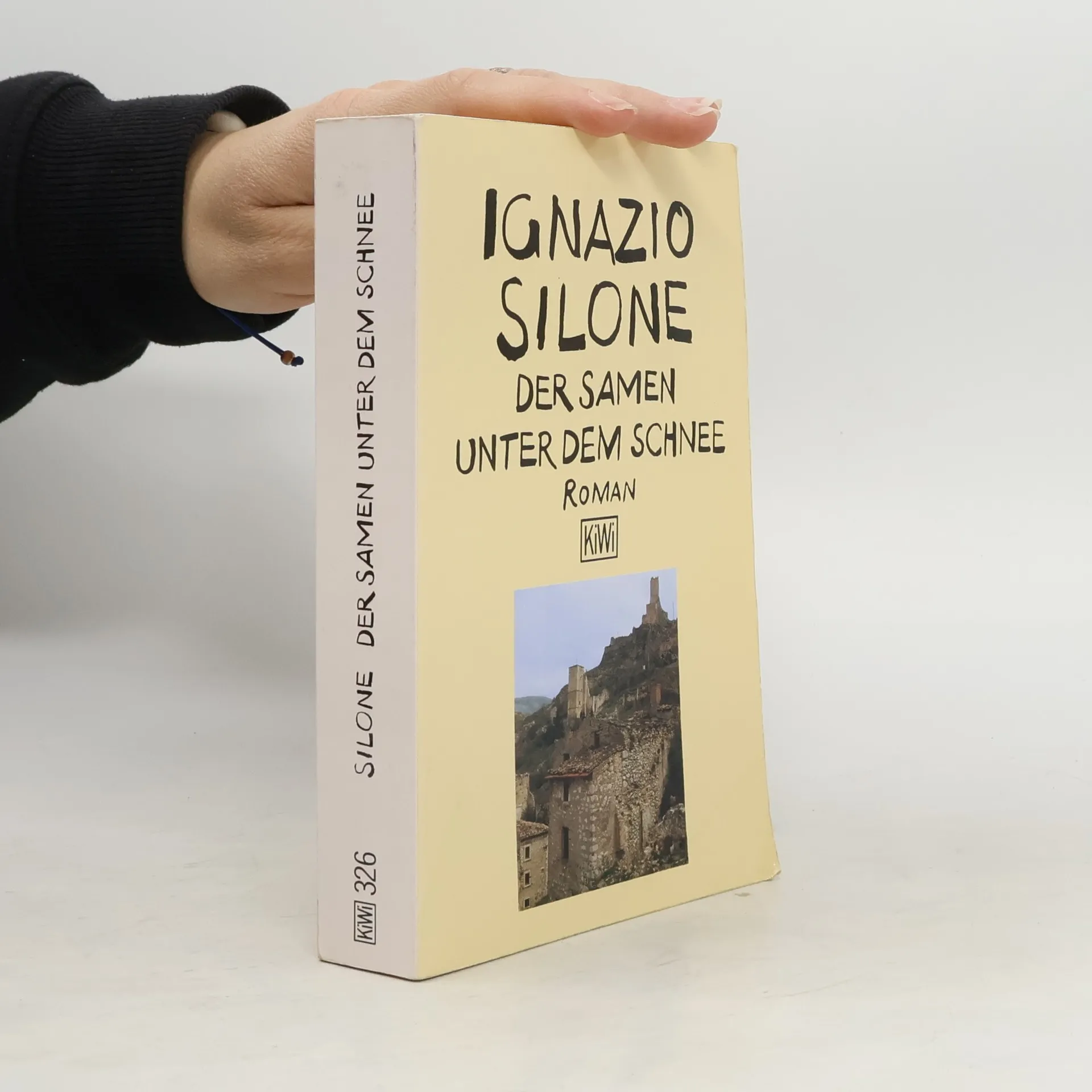
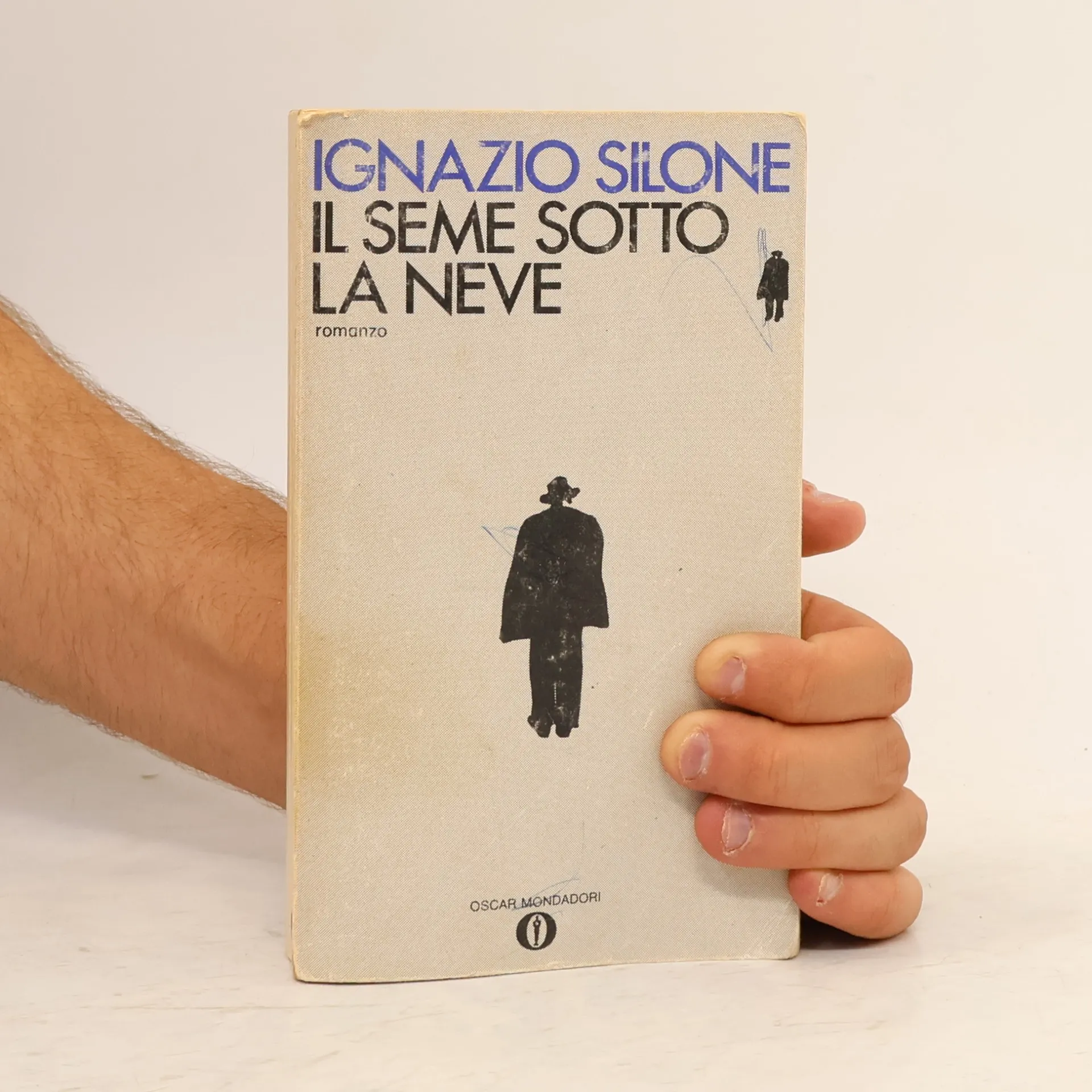
Pietros Geschichte geht in "Der Samen unter dem Schnee" weiter, Silones persönlichem Favoriten der Trilogie. Pietro Spina flieht erneut und wird, während die Polizei ihm dicht auf den Fersen ist, von seiner Großmutter Donna Maria Vincenza aufgenommen. Obwohl sie sich bequem in der italienischen Bürgerschaft eingerichtet hat, gefährdet sie ihr eigenes Leben, um ihn zu schützen.
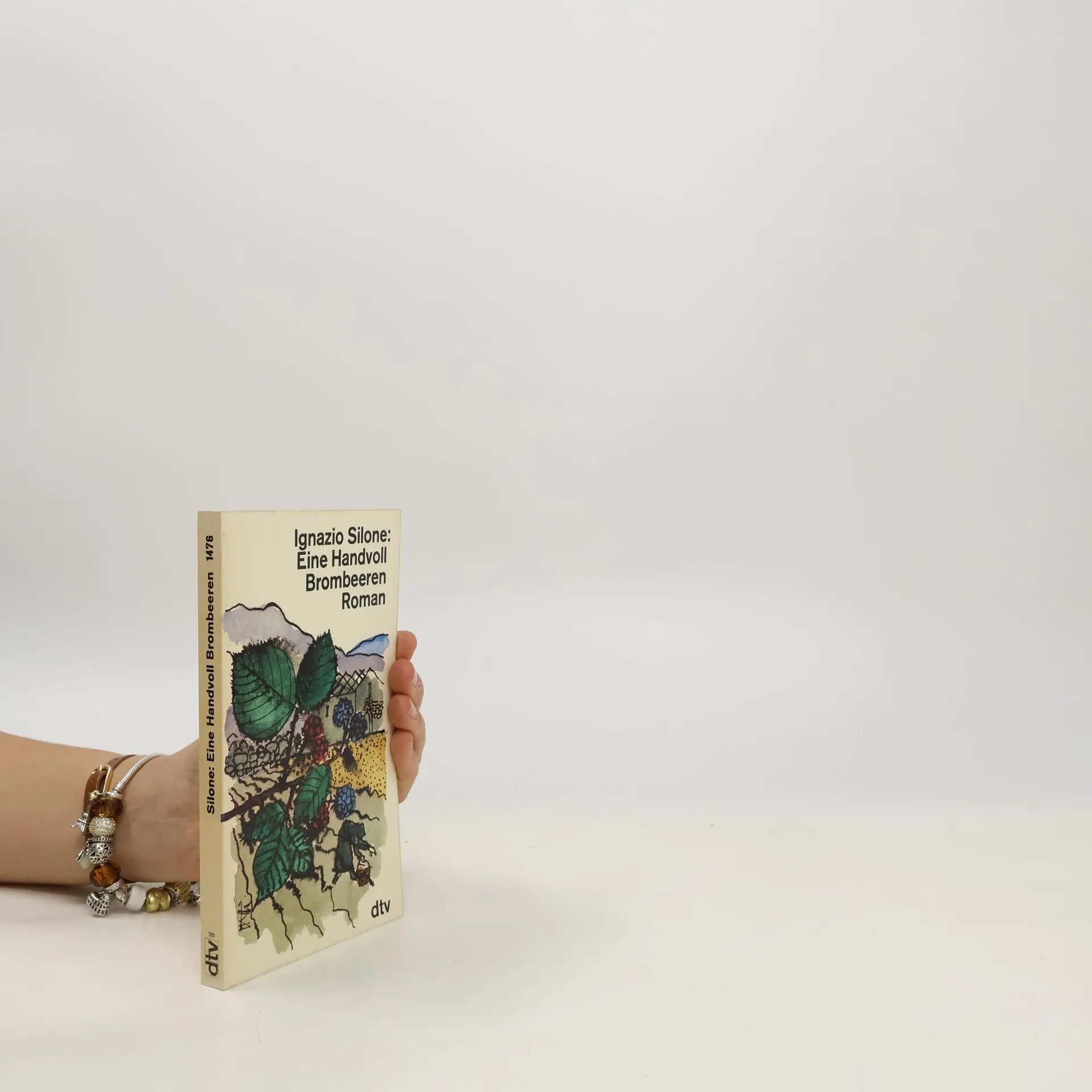
»Eine Hand voll Brombeeren« ist der erste Roman von Silone nach seiner Rückkehr aus dem Exil, der das große Thema des Dichters in die Zeit nach dem Faschismus verlegt. In seiner charakteristischen realistisch-poetischen Erzählweise, die Lyrik, Epik, Gesellschaftskritik und Humoreske vereint, porträtiert Silone Figuren einer beinahe anarchischen Welt. Dieser bedeutende italienische Roman könnte als Biographie eines politischen Glaubens und seiner Enttäuschung verstanden werden. Silone trennt auf stille und sensationslose Weise menschliche Wahrheit von politischer Lüge und führt den Leser in dichte, farbige Szenen des Lebens italienischer Bergbauern. Diese unverwechselbaren Gestalten zeichnen sich durch ihre Kraft, ihren Humor und ihre Menschlichkeit aus – die Menschen, für deren Rechte die totalitären Parteien angeblich kämpfen. Silone ist der einzige zeitgenössische Schriftsteller, auf den der Begriff des „sozialistischen Realismus“ mit Recht zutrifft. Von Fontamara bis zum Geheimnis des Luca ist das Thema soziale Gerechtigkeit im Alltag der bäuerlichen Gemeinschaft zentral. Silones Sozialismus ist religiös, während sein Realismus tief ironisch ist. Diese Verbindung von Glauben und Ironie prägt seine Kunst. Seine Romane thematisieren moralische Wahrheit, nicht politische Ideologien, und schildern die Lebensformen der Bauern als kläglich und grotesk, im Bewusstsein, dass sie bald von der städtischen Zivilisation verdrängt werde
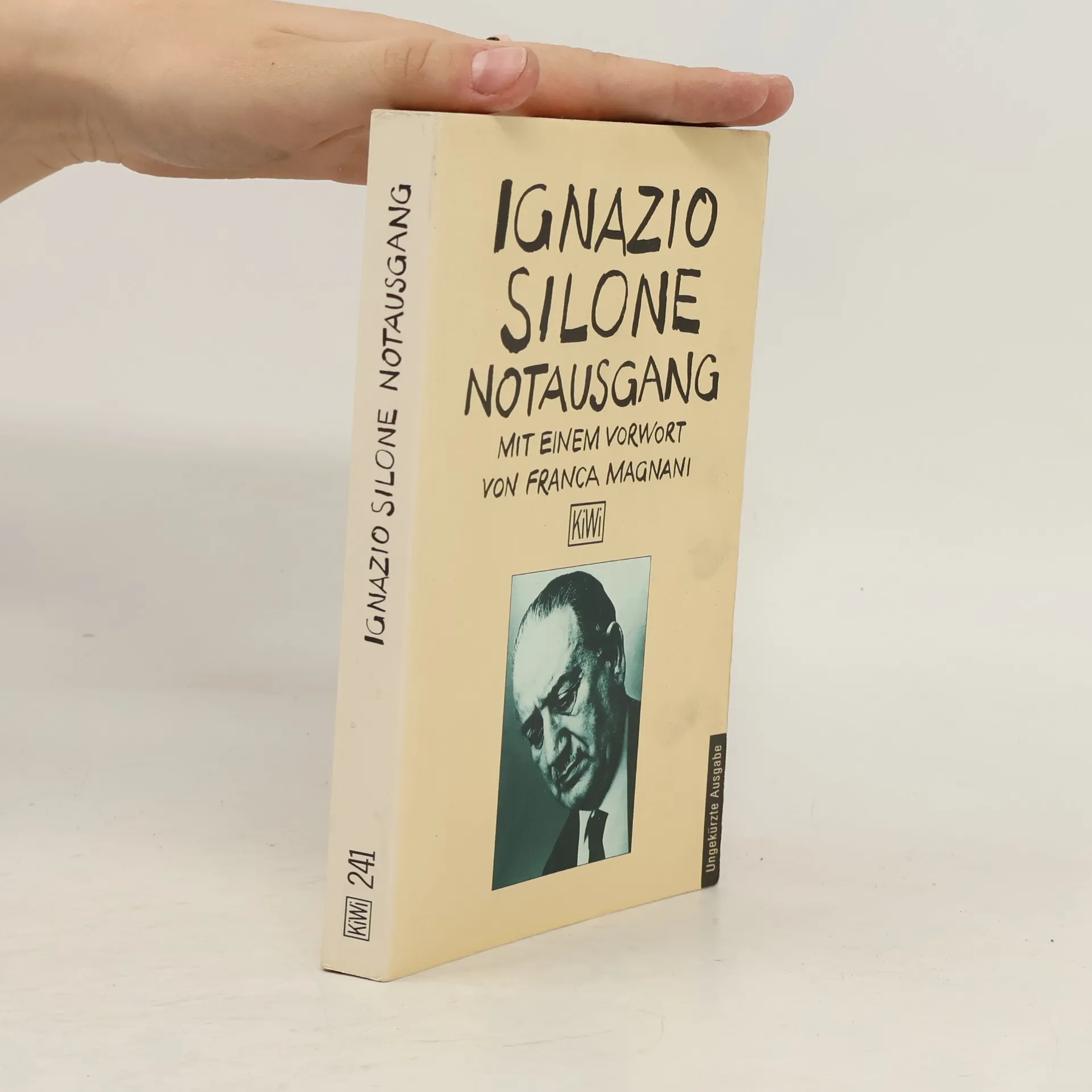
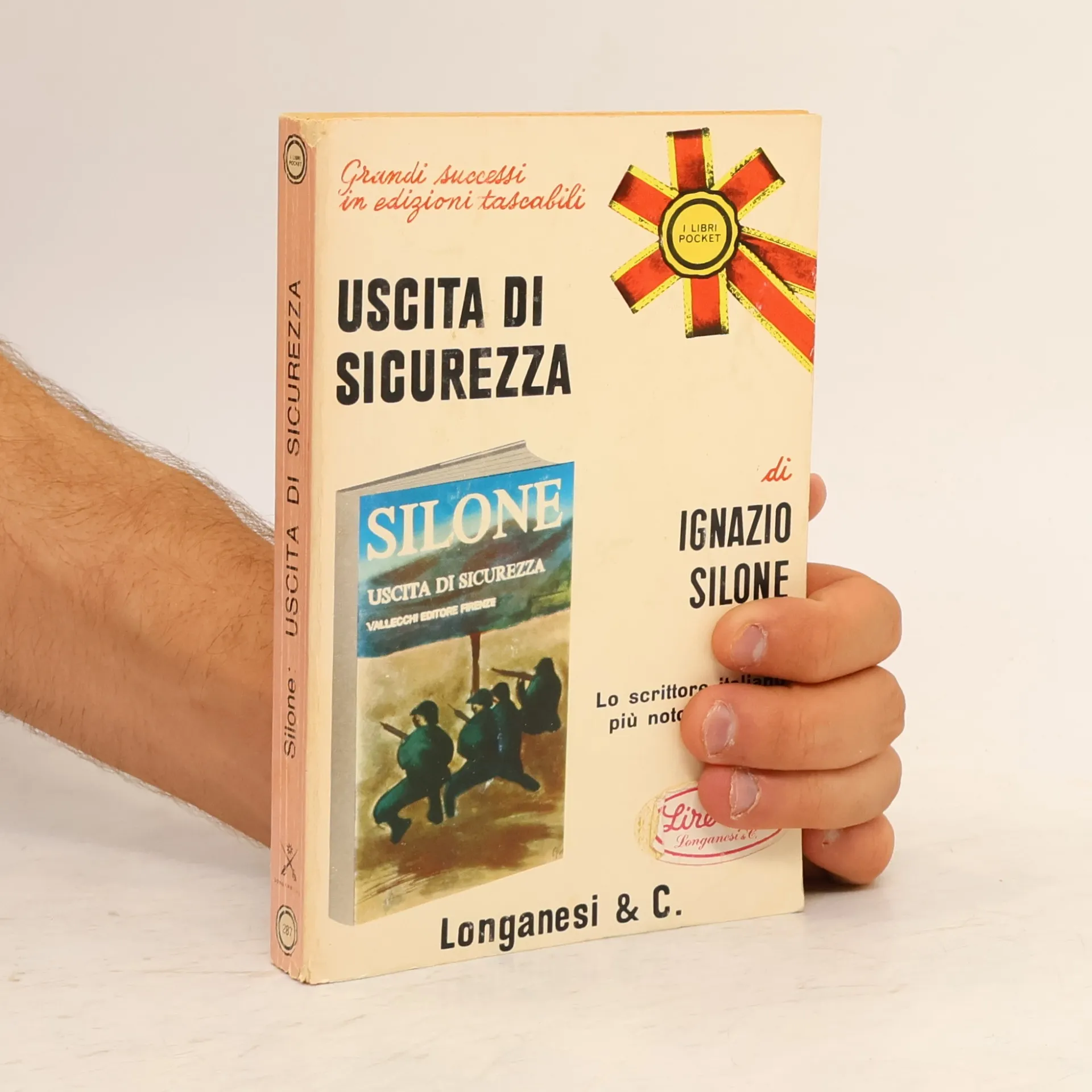
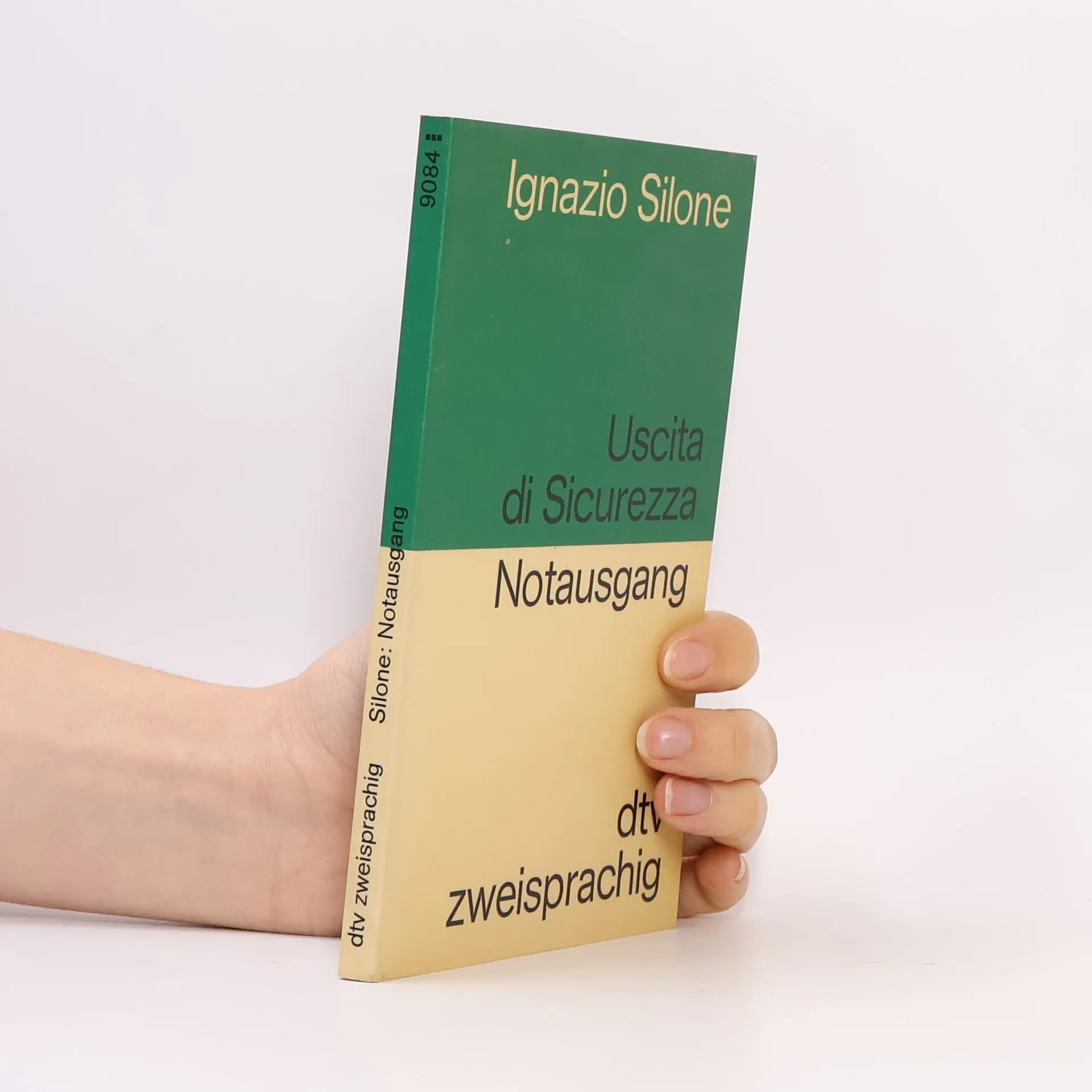
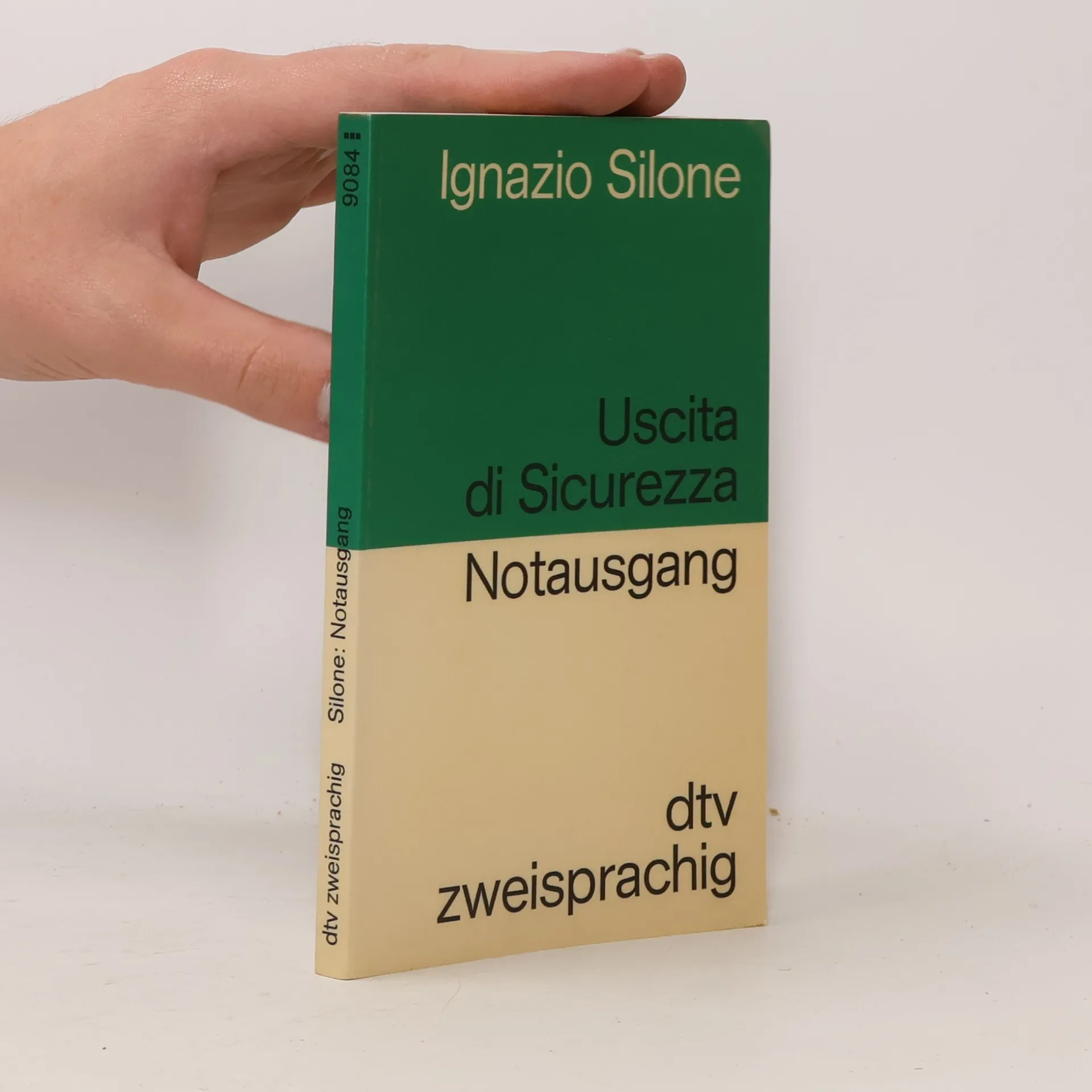
"Notausgang" ist ein kleines Buch von Ignazio Silone, dem italienischen Politiker und Autor der Romane "Brot und Wein" und "Die Schule der Diktatoren". Das Buch lässt sich in zwei Teile gliedern: Der erste Teil besteht aus fünf Kurzgeschichten, die zu den schönsten erzählerischen Werken Silones zählen. Diese Kurzgeschichten spielen, wie auch seine anderen Werke, in der ländlichen Umgebung Italiens zur Mitte des 20. Jahrhunderts. Der andere Teil des Buches, der die Hälfte der Seiten einnimmt und dem auch der Titel entnommen ist, ist eine Mischung aus persönlichen und politischen Erinnerungen sowie Silones Überlegungen zur Macht. Silone war während der turbulenten Zeit der Stalinregierung Mitglied des Führungsgremiums der Kommunistischen Partei in Italien, und seine Berichte aus dieser Zeit gelten als wichtige historische Dokumente. In "Notausgang" schildert er detailliert seinen historischen Werdegang in der Kommunistischen Partei Italiens und seinen Austritt aus ihr.
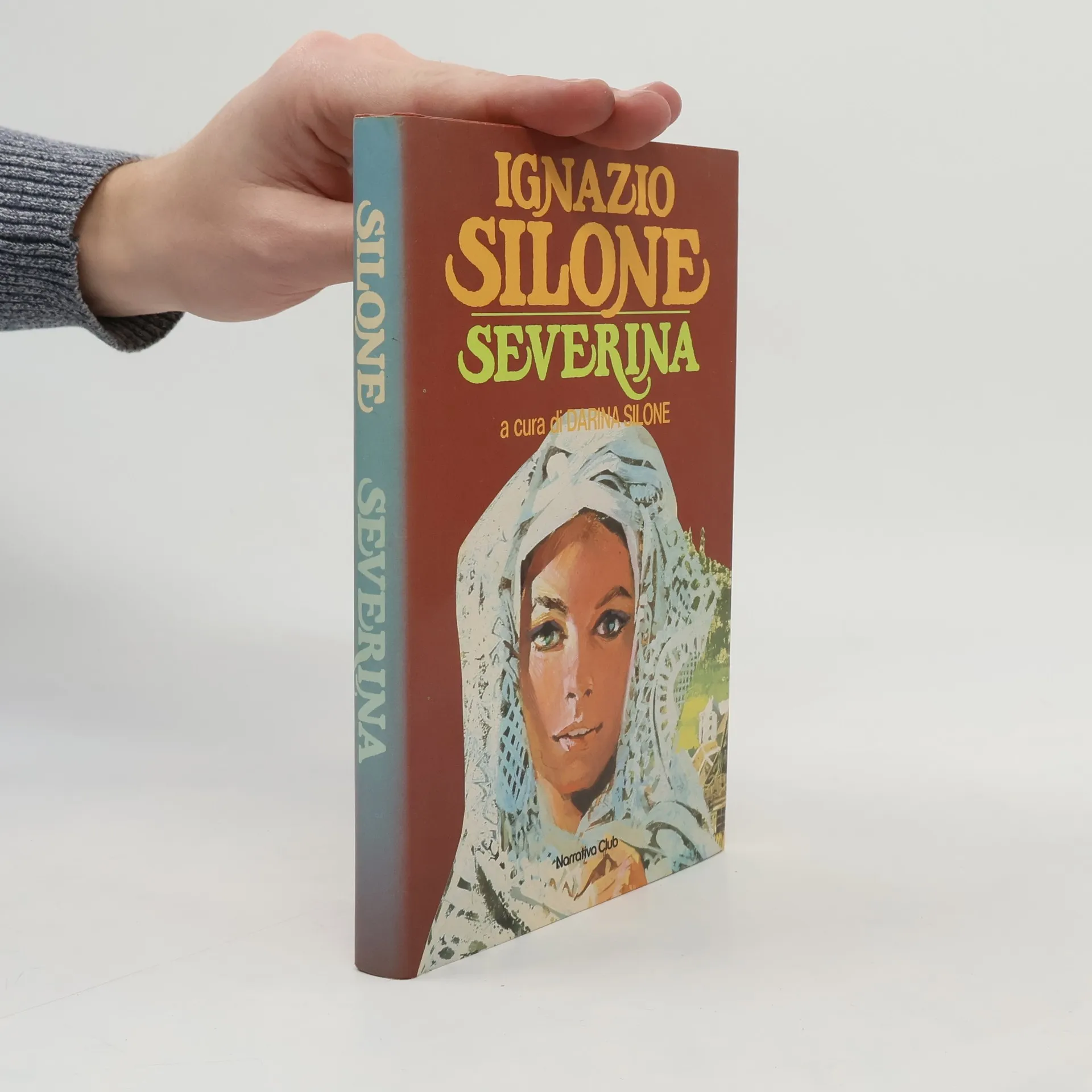
Severina è l'ultimo lavoro di Ignazio Silone, a cui l'autore ha dedicato i suoi sforzi fino a poco prima della sua morte. La storia segue una giovane suora che si impegna per la verità e la giustizia, entrando in conflitto con le autorità statali e religiose. Questo racconto si presenta come un testamento del grande scrittore italiano, esplorando temi di integrità morale e resistenza contro le ingiustizie.
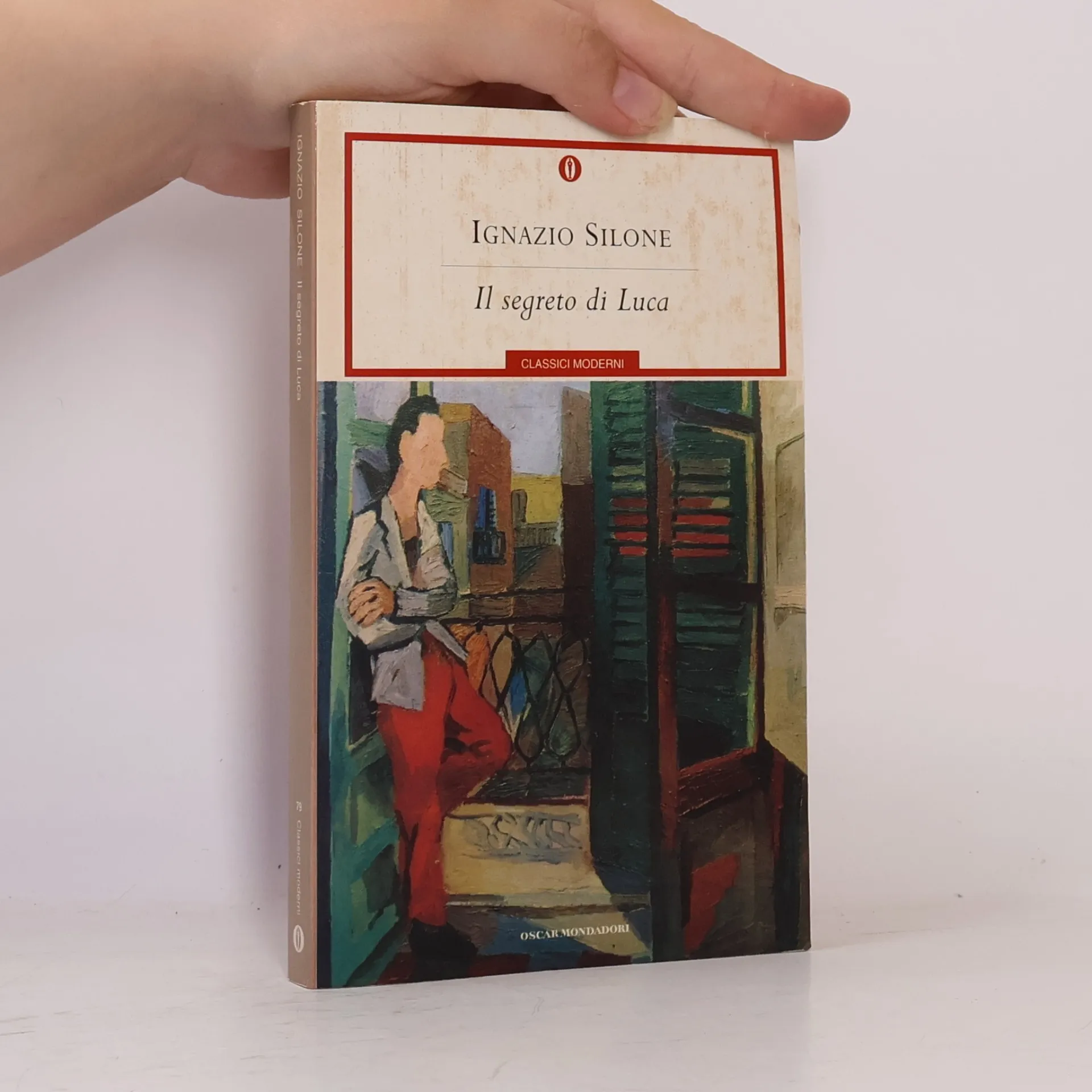
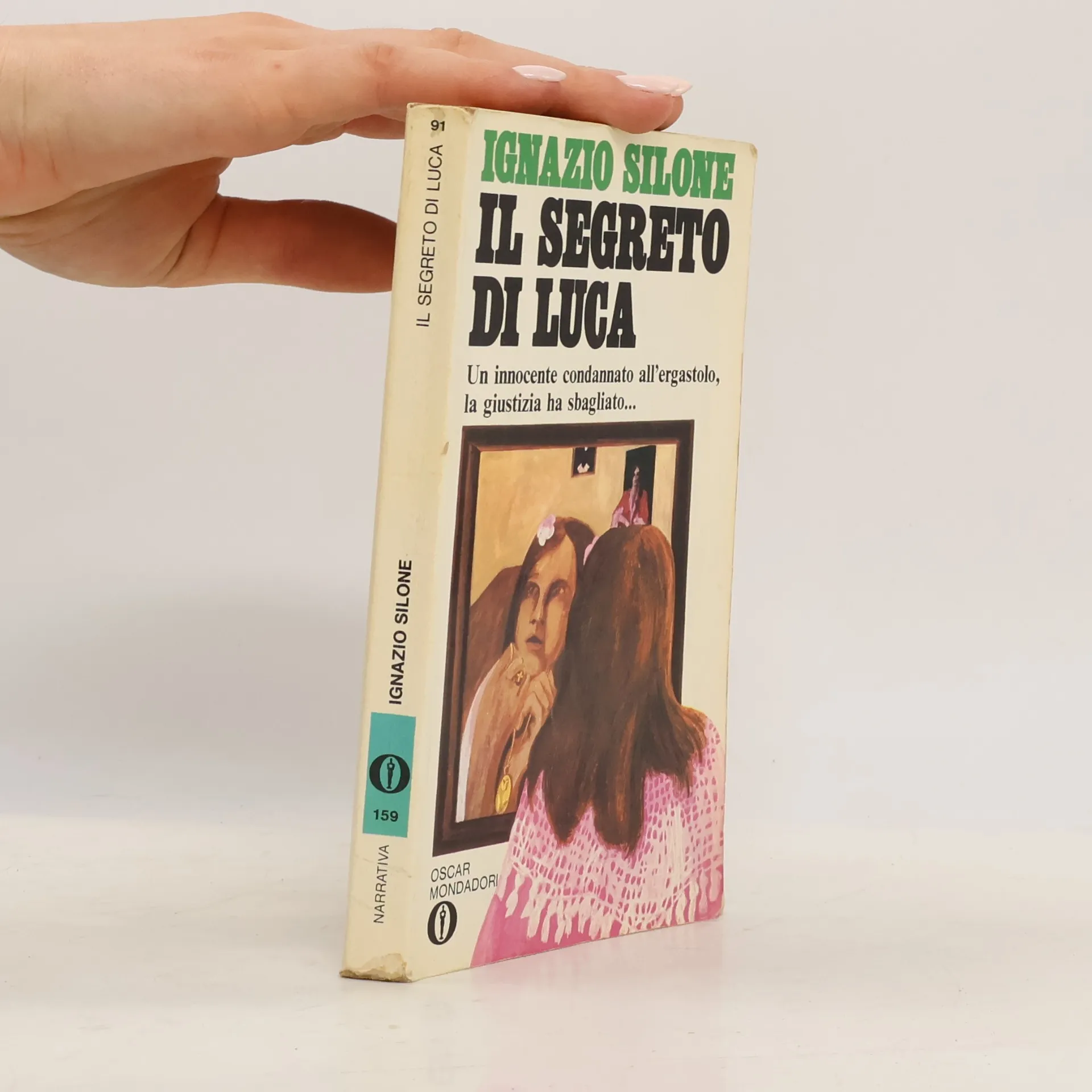
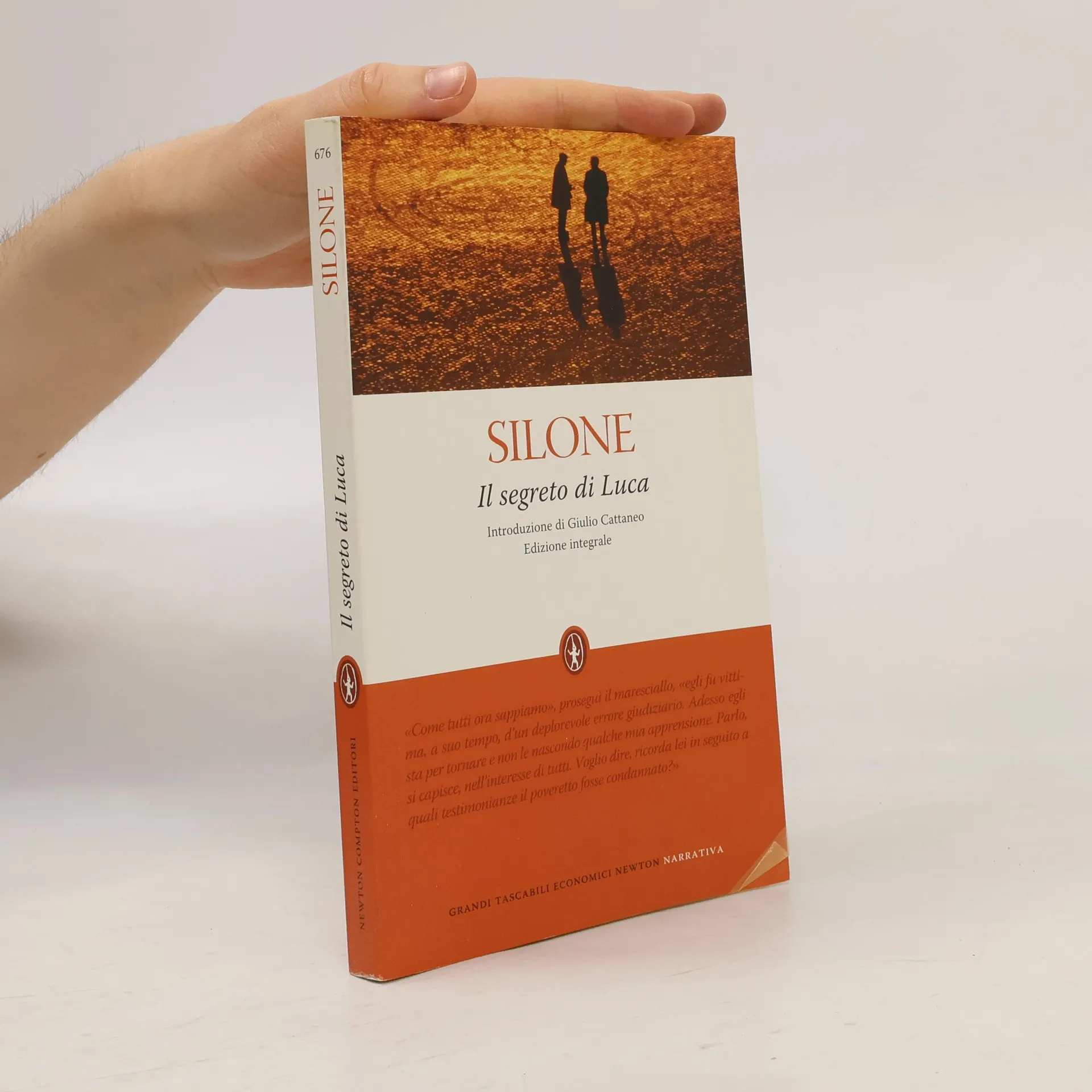
Storia di Luca, ergastolano innocente, e di Andrea Cipriani che, trascurando i doveri della sua carriera politica, cerca di capire le ragioni della condanna che ha straziato la vita di un uomo. Il racconto sofferto di una ingiustizia sopportata in silenzio.
Il dramma dell'eremita Pietro Angelerio del Morrone, eletto pontefice nel 1294, con il nome di Celestino V, poi dimessosi perchè convinto dell'impossibilità di conciliare lo spirito del Vangelo con i doveri del trono.
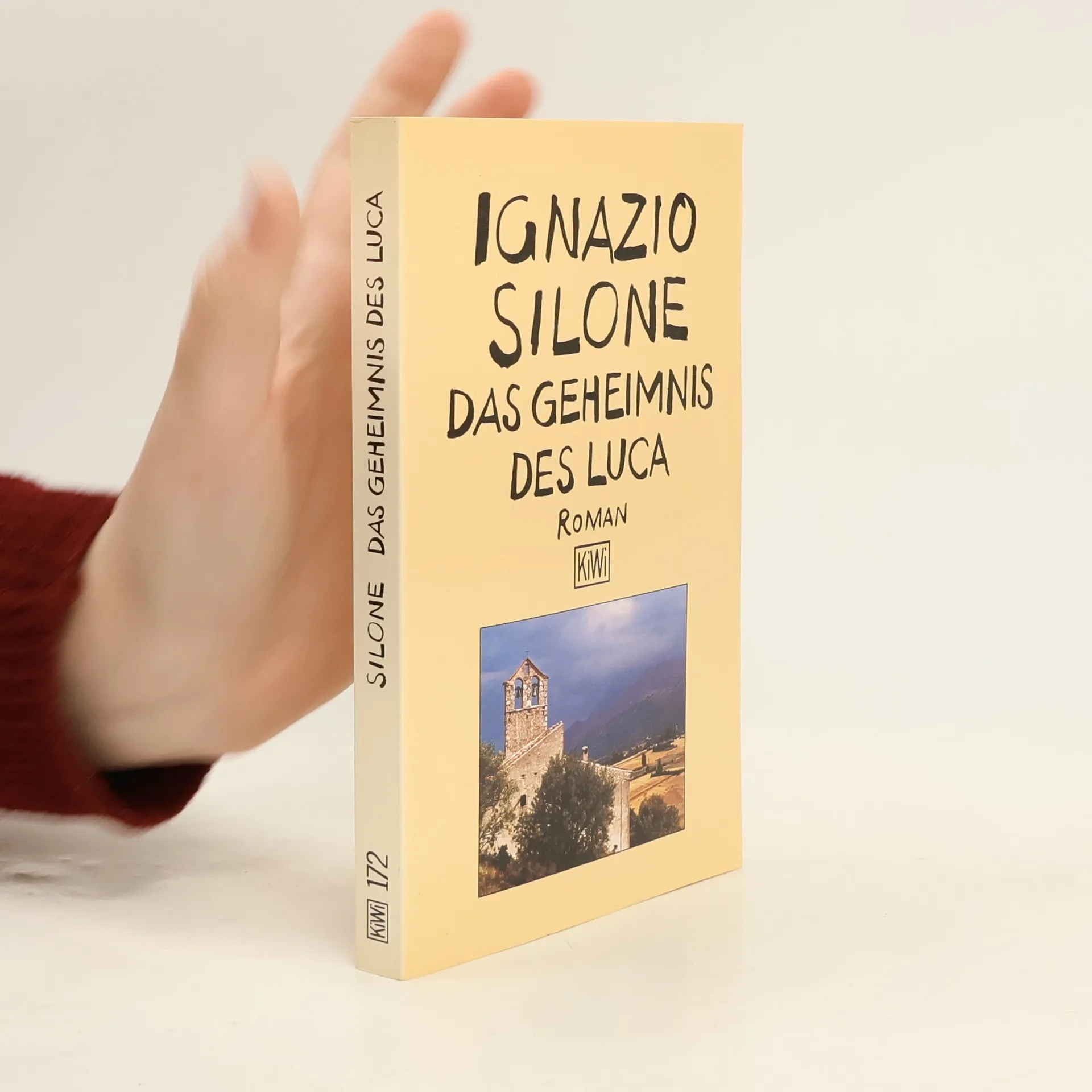
In einer Handlung von äußerster Spannung enthüllt Ignazio Silone für Augenblicke das Rätsel seiner Heimat, der Abruzzen. Der Held, Luca Sabatini, kehrt als alter Mann nach einer fast lebenslangen Zuchthaushaft in sein Heimatdorf zurück, nachdem sich seine Unschuld herausgestellt hat. Vor vierzig Jahren wurde er des Überfalls auf einen Kaufmann verdächtigt und von den Carabinieri verhaftet. Luca bestreitet die Tat, doch wo war er in der Mordnacht? Er verweigert die Aussage und bewahrt sein Geheimnis selbst nach der Entlassung. Andrea, ein junger Lehrer, nimmt sich vor, die Wahrheit zu ergründen. Er forscht überall, stellt Fragen und versucht, die Mauer des Schweigens der Dorfbewohner zu durchdringen. Doch er trifft auf Ausreden, Vorurteile und Verstocktheit. Warum hat Luca die Strafe auf sich genommen? Warum hat niemand für ihn ausgesagt, obwohl viele an seiner Unschuld zweifeln? Warum schweigt er weiterhin, und warum sind ihm die Türen in Cisterna verschlossen, als wäre er ein Aussätziger? Diese Fragen stehen nicht für sich, sondern versuchen, in das Rätsel des menschlichen Daseins einzudringen, wie es Luca erlebt hat. Silone gelingt es meisterhaft, eine spannende Fabel mit einer romantischen Liebesgeschichte zu verknüpfen und das Leben in einem kaum berührten Teil Italiens poetisch darzustellen.
Pietro Spina kehrt während des Faschismus heimlich in sein Heimatdorf in den Abruzzen zurück. Trotz körperlicher Schwäche bleibt er ungebrochen in seiner Ablehnung des Regimes. In seinem Versteck begegnet er Duckmäusern und Opportunisten, gibt jedoch die Hoffnung auf Freiheit und Gerechtigkeit nicht auf, selbst als er verhaftet wird.
Un «bellissimo nodo d’amore»: così Geno Pampaloni ha definito questo romanzo ambientato, come già Fontamara, nel mondo contadino. Luca Sabatini è un innocente condannato all’ergastolo per omicidio; quando il vero colpevole viene scoperto, fa ritorno al suo paese, dopo aver scontato ingiustamente vari anni di carcere. Nonostante la sua provata innocenza, la comunità isola il protagonista per le presunte sciagure che sono scaturite per tutti dall’infausta vicenda. Luca subisce così una seconda condanna, dopo quella del tribunale, che sopporta anche grazie al segreto sentimento d’amore, irrealizzabile quanto insopprimibile, che porta dentro di sé. Presentato in forma di inchiesta retrospettiva su un errore giudiziario, Il segreto di Luca è un altissimo racconto morale che Silone ha scritto intingendo la penna nel suo intransigente senso di ricerca della giustizia. «Come tutti ora sappiamo», proseguì il maresciallo, «egli fu vittima, a suo tempo, d’un deplorevole errore giudiziario. Adesso egli sta per tornare e non le nascondo qualche mia apprensione. Parlo, si capisce, nell’interesse di tutti. Voglio dire, ricorda lei in seguito a quali testimonianze il poveretto fosse condannato?»
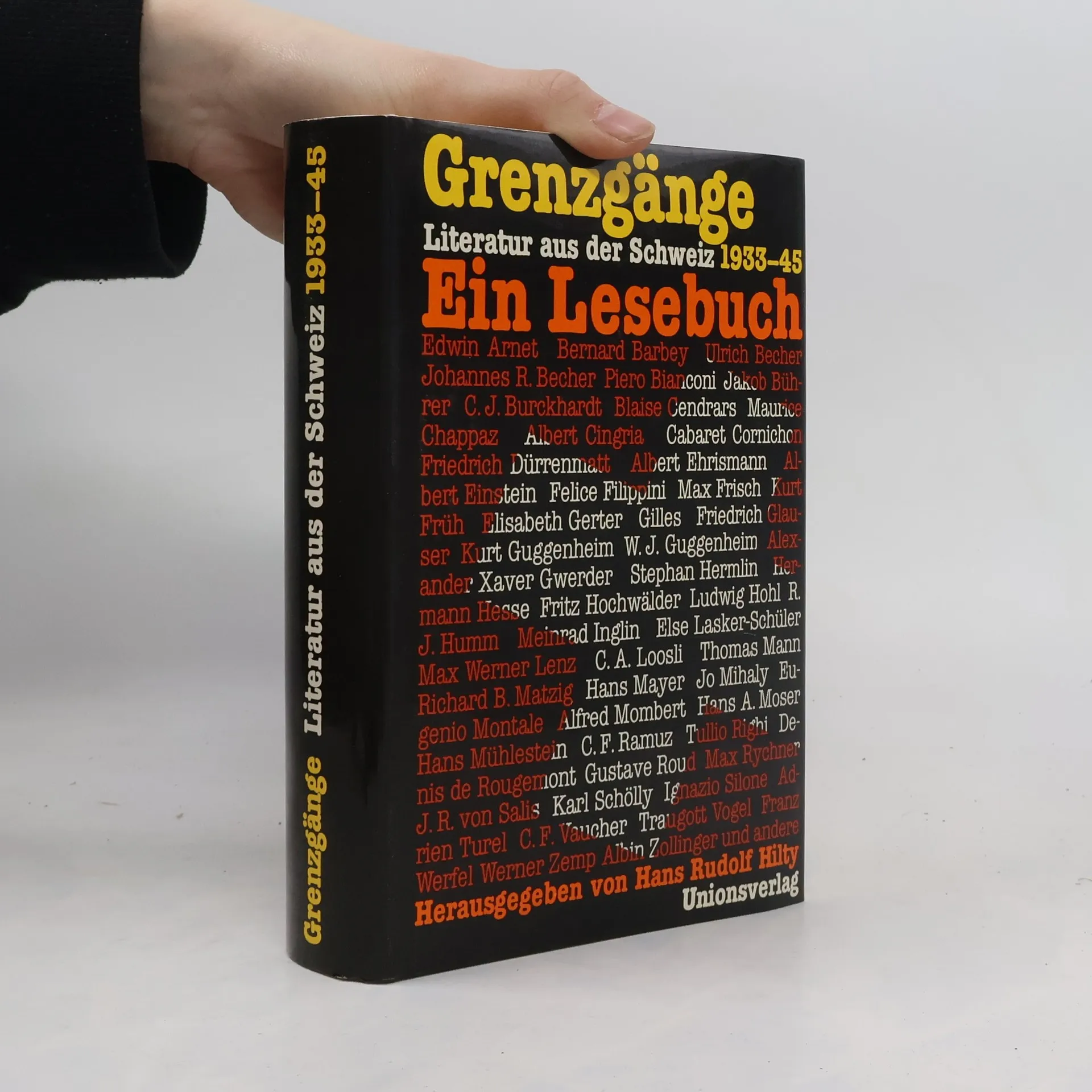
Hans Rudolf Hiltys Anthologie beleuchtet die Schweiz der 30er Jahre und des Zweiten Weltkriegs durch Texte von Schweizer und internationalen Autoren, die als Emigranten oder Flüchtlinge lebten. Sie thematisiert die gesellschaftlichen Herausforderungen, die europäische Schicksale und die Nachkriegsveränderungen. Ein eindrucksvolles Zeitzeugnis.
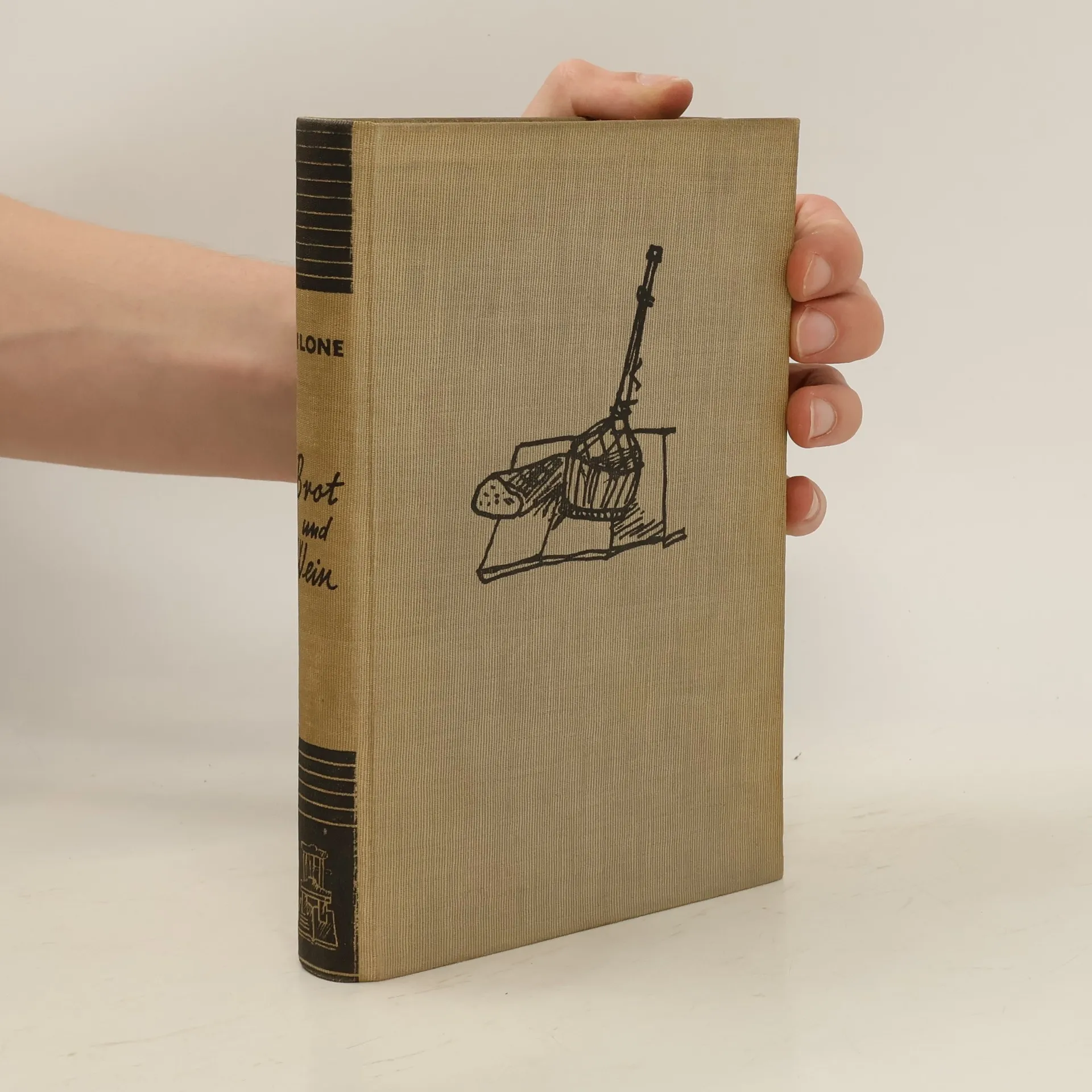
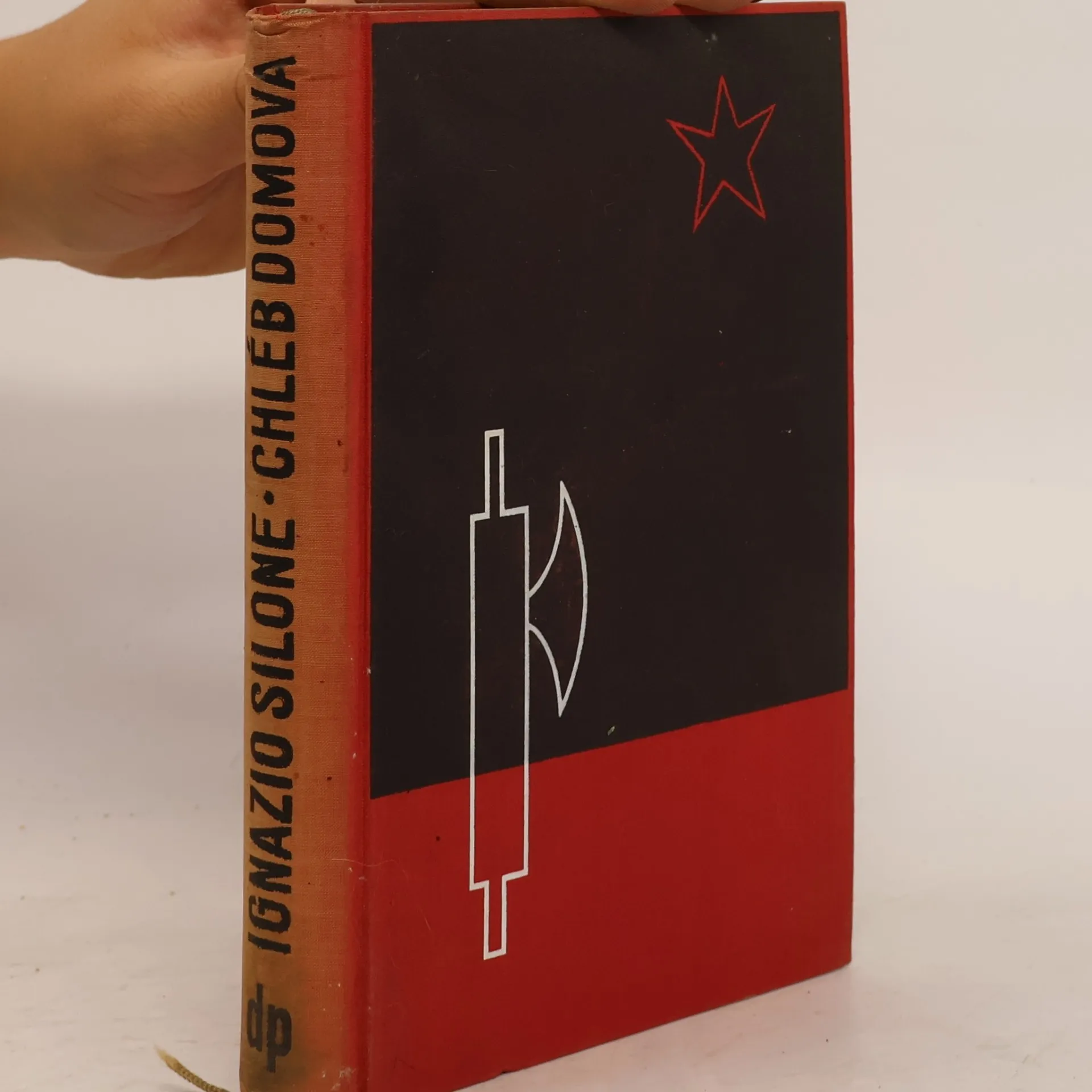
Chléb domova (v originále Víno a chléb) je druhý román Ignazia Siloneho, v první verzi napsaný v roce 1938 a v konečné verzi v roce 1955. Kniha inspirovaná autorovým osobním prožitkem vypráví příběh Petera Spina, exilového italského politika a jeho osobního boje s nepřátelským světem, především je však příběhem předválečné Itálie a nástupu italského fašismu na malém městě a mezi obyčejnými lidmi.