Explore the latest books of this year!
Bookbot

Gerald Murnane

    February 25, 1939

    Gerald Murnane is an Australian author celebrated for his distinctive literary voice. His early works often delve into autobiographical reflections on childhood and adolescence, characterized by exceptionally long yet grammatical sentences. Murnane developed a mature style that explores the intricate relationship between memory, image, and landscape, frequently blurring the lines between fiction and non-fiction. His prose offers profound, metaphysical examinations of appearance versus reality, set against abstracted, mythic Australian backdrops.

    A Million Windows
    Last Letter to a Reader
    Stream System: The Collected Short Fiction of Gerald Murnane
    Barley Patch
    Invisible Yet Enduring Lilacs
    Inland
    • Inland

      • 256 pages
      • 9 hours of reading

      Inland is a work which gathers in emotional power as it moves across the grasslands of its narrator's imagination--from Szolnok County on the great plains of Hungary where a man writes in the library of his manor house, to the Institute of Prairie Studies in Tripp County, South Dakota, where the editor of the journal Hinterland receives his writing, to the narrator's own native district in Melbourne County, between Moonee Ponds and the Merri, where he recalls the constant displacements of his childhood. "No thing in the world is one thing," he declares; "some places are many more than one place." These overlapping worlds are bound by recurring motifs--fish pond, fig-tree, child-woman, the colours white, red and green--and by deep feelings of intimacy and betrayal, which are brought to full expression as the book moves to its close.
      Inland
      4.4
    • Invisible Yet Enduring Lilacs

      • 225 pages
      • 8 hours of reading

      A masterful collection of essays from one of Australia's most searching and expert writers.

      Invisible Yet Enduring Lilacs
      4.2
    • Barley Patch

      • 272 pages
      • 10 hours of reading

      Exploring the enduring images in the author's mind, the narrative delves into a diverse range of memories and reflections, from childhood experiences to fantastical elements. Notable figures include Mandrake the Magician and a mysterious woman, alongside personal recollections like a cousin's dollhouse and a childhood incident with a bachelor uncle. The work reflects a profound inquiry into the nature of these vivid images, marking a significant return to fiction after a long hiatus.

      Barley Patch
      3.0
    • "Brutal, comic, obscene, and crystalline, Stream System runs from the haunting Land Deal, which imagines the colonization of Australia and the ultimate vengeance of its indigenous people as a series of nested dreams; to Finger Web, which tells a quietly terrifying, fractal tale of the scars of war and the roots of misogyny; to The Interior of Gaaldine, which finds its anxious protagonist stranded beyond the limits of fiction itself."--Amazon.com.

      Stream System: The Collected Short Fiction of Gerald Murnane
      4.1
    • Last Letter to a Reader

      • 144 pages
      • 6 hours of reading

      In the first days of spring in his eighty-second year, Gerald Murnane--perhaps the greatest living writer of English prose--began a project that would round off his strange career as a novelist. He would read all of his books in turn and prepare a report on each. His original intention was to lodge the reports in two of his legendary filing cabinets: in the Chronological Archive, which documents his life as a whole, and the Literary Archive, which is devoted to everything he has written. As the reports grew, however, they themselves took on the form of a book, a book as beguiling and hallucinatory, in its way, as the works on which they were meant to report. These miniature memoirs or stories lead the reader through the capacious territory Murnane refers to as his mind: they dwell on the circumstances that gave rise to his writing, on images and associations, on Murnane's own theories of fiction, and then memories of a deeply personal kind. The final essay is, of course, on Last Letter to a Reader itself: it considers the elation and exhilaration that accompany the act of writing, and offers a moving finale to what must surely be Murnane's last work, as death approaches. "Help me, dear one," he writes, "to endure patiently my going back to my own sort of heaven."

      Last Letter to a Reader
      4.1
    • A Million Windows

      • 200 pages
      • 7 hours of reading

      Exploring the complexities of storytelling, this book offers a multifaceted reflection on its beauty and challenges. It delves into the ways narratives shape our understanding of the world, highlighting both the transformative power of tales and the potential dangers they pose. Through vivid imagery and insightful commentary, it invites readers to consider the impact of stories on personal and collective experiences, making it a thought-provoking read for anyone interested in the art of narrative.

      A Million Windows
      4.0
    • A lonely child of unusual sensibility inherits his father's love of horse- racing and his mother's Catholicism in this evocative, semi-autobiographical novel.

      Tamarisk Row
      4.0
    • Something For The Pain

      • 288 pages
      • 11 hours of reading

      I never met anyone whose interest in racing matched my own. Both on and off the course, so to speak, I’ve enjoyed the company of many a racing acquaintance…I’ve read books, or parts of books, by persons who might have come close to being true racing friends of mine if ever we had met. For most of my long life, however, my enjoyment of racing has been a solitary thing: something I could never wholly explain to anyone else.As a boy, Gerald Murnane became obsessed with horse racing. He had never ridden a horse, nor seen a race. Yet he was fascinated by photos of horse races in the Sporting Globe, and by the incantation of horses’ names in radio broadcasts of races. Murnane discovered in these races more than he could find in religion or philosophy: they were the gateway to a world of imagination.Gerald Murnane is like no other writer, and Something for the Pain is like no other Murnane book. In this unique and spellbinding memoir, he tells the story of his life through the lens of horse racing. It is candid, droll and moving—a treat for lovers of literature and of the turf.

      Something For The Pain
      3.9
    • Collected Short Fiction

      • 464 pages
      • 17 hours of reading

      Never before available to readers in the UK, these brilliant and idiosyncratic short stories stand alongside the fictions of Borges, Beckett and Nabokov.

      Collected Short Fiction
      2.5
    • The Plains

      • 208 pages
      • 8 hours of reading

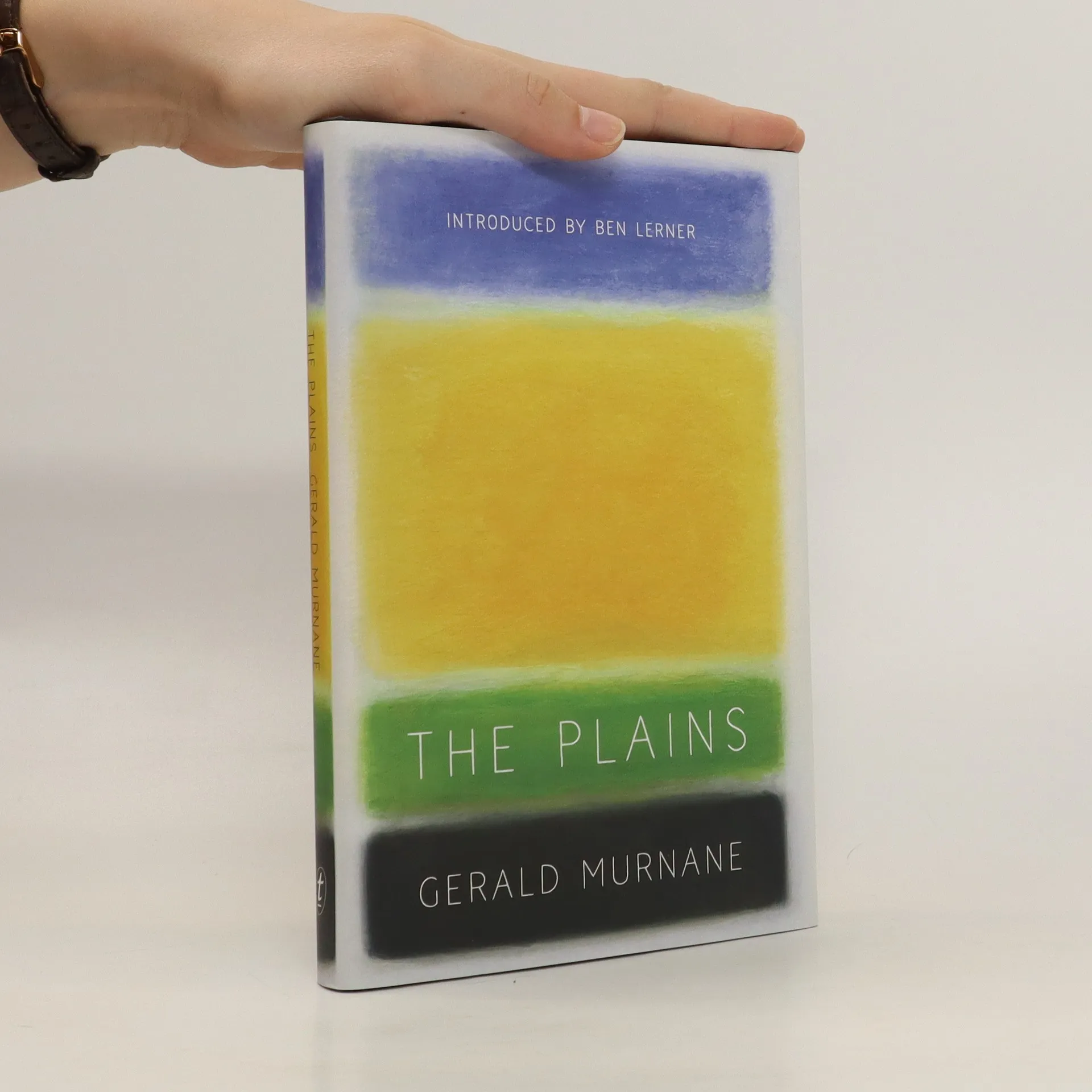
      This is the story of the families of the plains—obsessed with their land and history, their culture and mythology—and of the man who ventured into their world. First published in 1982, The Plains is a mesmerising work of startling originality. This handsome new hardback edition is introduced by Ben Lerner, author of the internationally acclaimed novels Leaving the Atocha Station and 10:04, and a work of criticism, The Hatred of Poetry.

      The Plains
      3.9
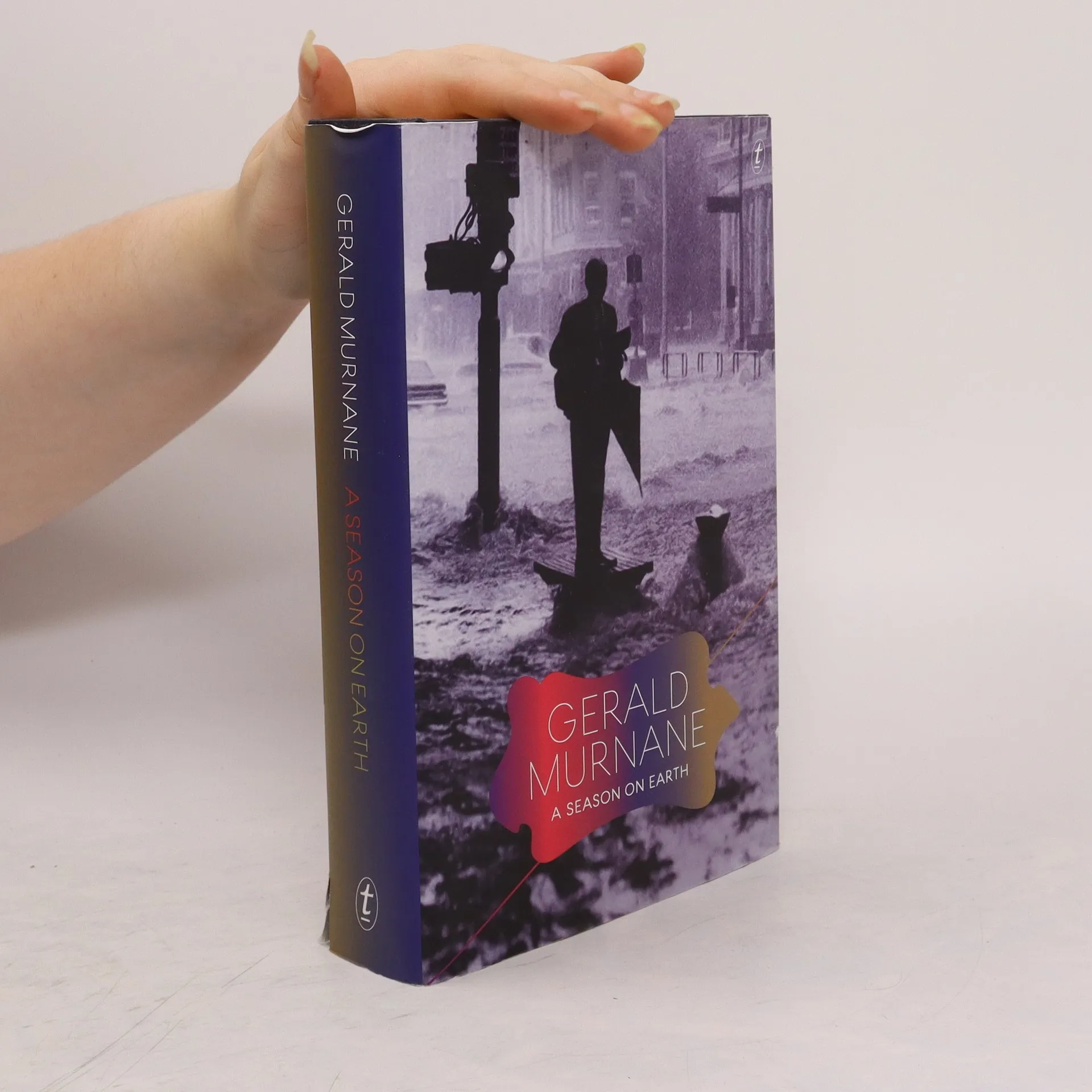
    • A Season on Earth

      • 512 pages
      • 18 hours of reading

      What he had been searching for was not the perfect religious order but the perfect landscape…From that moment on he was a poet in search of his ideal landscape.Lost to the world for more than four decades, A Season on Earth is the essential link between two acknowledged masterpieces by Gerald Murnane: the lyrical account of boyhood in his debut novel, Tamarisk Row, and the revolutionary prose of The Plains.A Season on Earth is Murnane’s second novel as it was intended to be, bringing together all of its four sections—the first two of which were published as A Lifetime on Clouds in 1976 and the last two of which have never been in print.A hilarious tale of a lustful teenager in 1950s Melbourne, A Lifetime on Clouds has been considered an outlier in Murnane’s fiction. That is because, as Murnane writes in his foreword, it is ‘only half a book and Adrian Sherd only half a character’.Here, at last, is sixteen-year-old Adrian’s journey in full, from fantasies about orgies with American film stars and idealised visions of suburban marital bliss to his struggles as a Catholic novice, and finally a burgeoning sense of the boundless imaginative possibilities to be found in literature and landscapes.Adrian Sherd is one of the great comic creations in Australian writing, and A Season on Earth is a revelatory portrait of the artist as a young man.

      A Season on Earth
      3.8
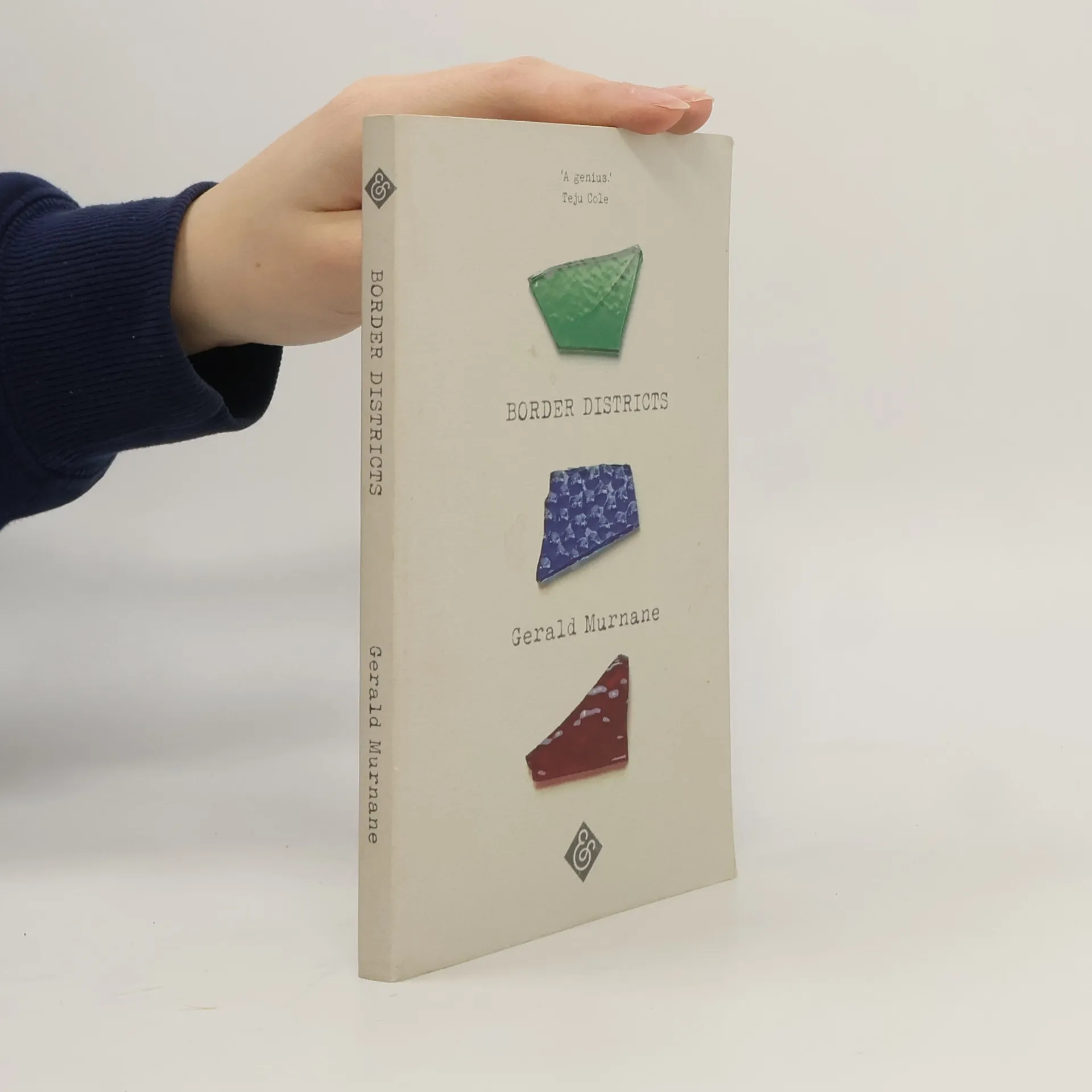
    • Border Districts, purportedly the Australian master Gerald Murnane's final work of fiction, is a hypnotic, precise, self-lacerating report' on a life led as an avid reader, fumbling lover, student of mental imagery', and devout believer in the luminescence of memory and of literature.

      Border Districts
      3.7
    • A Lifetime on Clouds

      • 304 pages
      • 11 hours of reading

      The narrative offers a humorous and sincere exploration of life through the lens of a Catholic Australian perspective, blending comedy with heartfelt moments. It captures the complexities of personal experiences and societal expectations, presenting a relatable journey that resonates with readers.

      A Lifetime on Clouds
      3.4
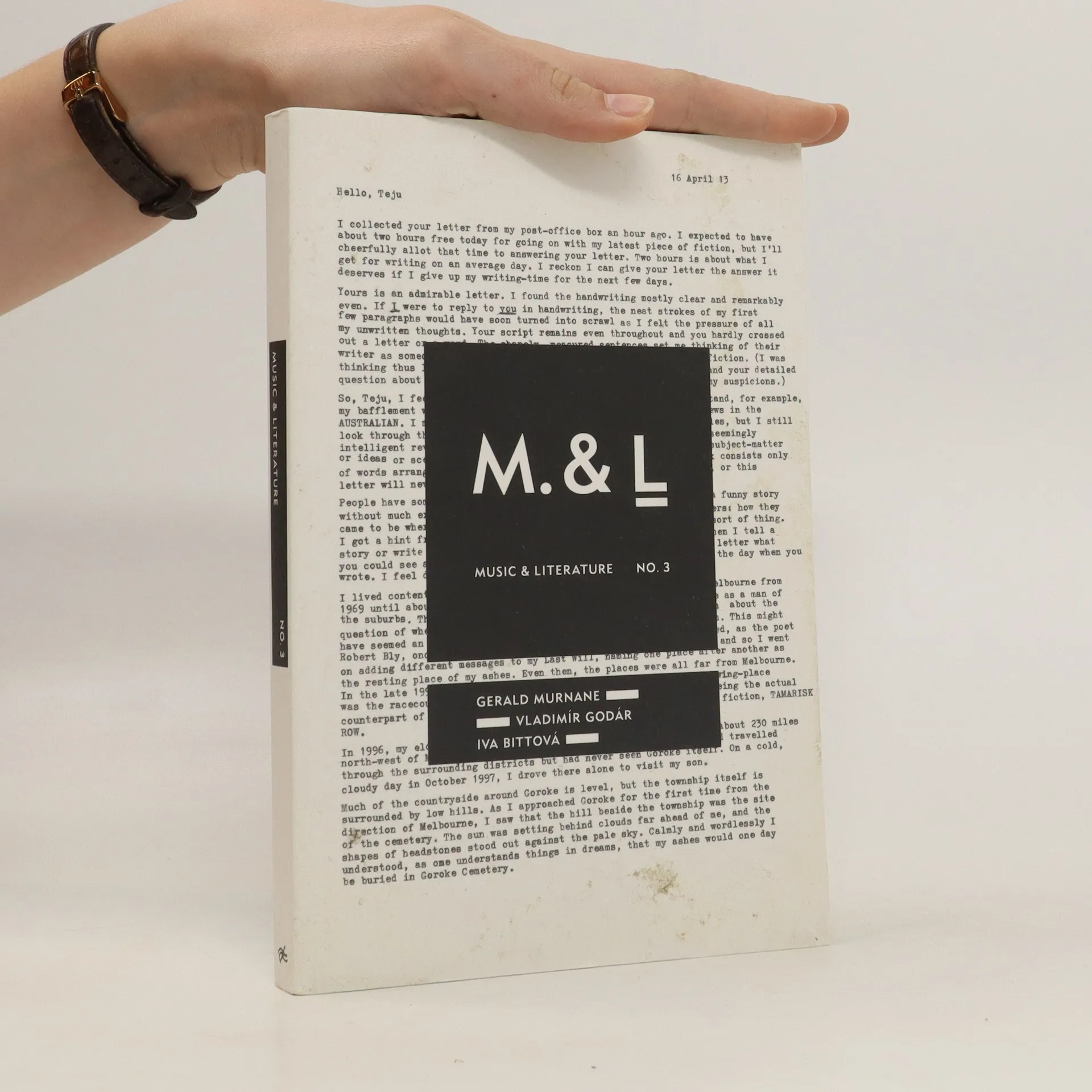
    • Music & Literature (No. 3)

      • 224 pages
      • 8 hours of reading

      Gerald Murnane was born in Melbourne, Australia in 1939. He is the author of twelve works of fiction, including Barley Patch, Inland, The Plains, and Tamarisk Row, as well as a collection of essays, Invisible Yet Enduring Lilacs. Murnane has been a recipient of the Patrick White Award and the Melbourne Prize. Barley Patch won the 2010 Adelaide Festival Award for Innovation.

      Music & Literature (No. 3)
    • Ein Mann soll vor einem komplett weiblich besetzen Komitee die Wahrheit über sein Intimleben aussagen, doch je mehr er sich anstrengt, desto unrettbarer verheddert er sich in seine Fantasien und Träume. Ein anderer Mann sucht im Hügelland rings um die Metropole über zwanzig Jahre lang wie besessen nach einer Landschaft und einer Frau, die kein Künstler zu malen vermöchte. Ein Dritter – oder ist es ein- und derselbe Mann? – sabotiert sich auf Partys selber mit Drinks, bei dem Versuch, Frauen nachhaltig zu beeindrucken, indem er ihnen minutiös seine neueste Theorie des Schreibens auseinandersetzt. Niemals ist pointierter, hellsichtiger, aberwitziger über männliche Befangenheiten geschrieben worden – Landschaft mit Landschaft, das sind weitreichende, bewusstseinserweiternde Erkundungen von Gegenden, inneren wie äußeren Gegenden, in denen wir eigentlich noch nicht gewesen sind. In kräftig erzählten, raffiniert ineinander greifenden Geschichten unternimmt Gerald Murnane, „der große Solitär der Gegenwartsliteratur“ (The New Yorker), eine Reise durch die Vororte Melbournes in den frühen sechziger Jahren. Und umkreist dabei die miteinander kollidierenden Bedürfnisse nach Katholizismus und Geschlechtsverkehr, Autonomie und Intimität, Alkoholexzess und Literatur.

      Landschaft mit Landschaft