José Saramago Book order (chronological)
November 16, 1922 – June 18, 2010
José Saramago stands as one of the most significant international literary voices of the past century. His extensive body of work, translated into over forty languages, is celebrated for its distinctive narrative style, profound humanism, and incisive social commentary. Saramago masterfully intertwines historical events with existential reflections, delving into the complexities of human nature. His novels, often characterized by long, flowing sentences and unconventional dialogue, compel readers to contemplate the nature of reality, power, and freedom.


An Unexpected Light
- 24 pages
- 1 hour of reading
A lasting childhood experience of simple, soulful joy unfolds in this poetic narrative by Nobel Prize winner José Saramago. Through evocative prose, the story captures the essence of innocence and the profound impact of memories that shape one's identity. The excerpt reflects on the beauty of everyday moments, inviting readers to reminisce about their own cherished experiences.
Двойник (Dvojnik)
- 320 pages
- 12 hours of reading
A beautiful gift edition of this classic fable about one man's quest to create a forest. In 1910, while hiking through the wild lavender in a wind-swept, desolate valley in Provence, a man comes across a shepherd called Elzéard Bouffier. Staying with him, he watches Elzéard sorting and then planting hundreds of acorns as he walks through the wilderness. Ten years later, after the war, he visits the shepherd again and sees the young forest he has created spreading slowly over the valley. Elzéard's solitary, silent work continues and the narrator returns year after year to see the miracle he is gradually creating: a verdant, green landscape that is a testament to one man's creative instinct.
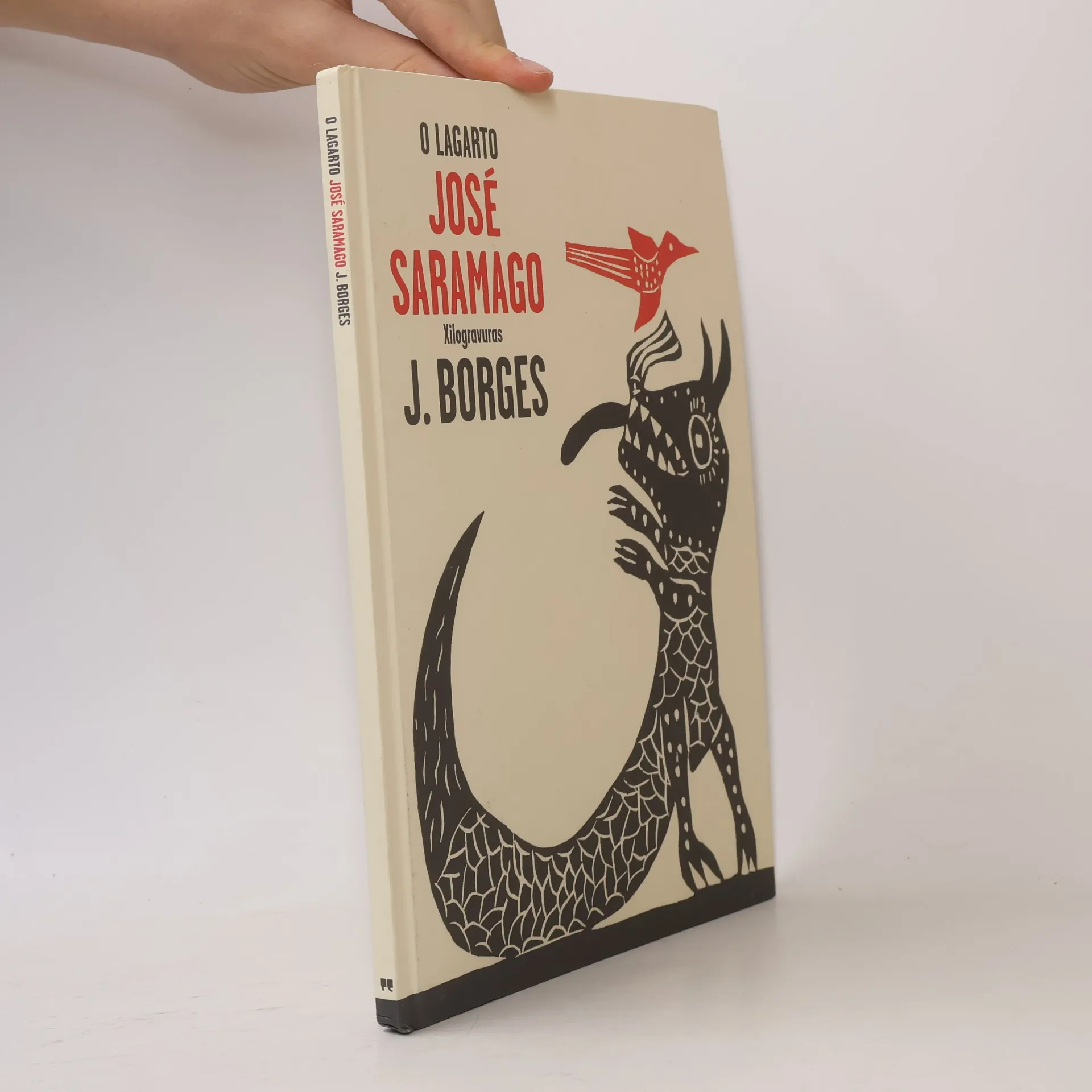
O lagarto
- 24 pages
- 1 hour of reading
«O Lagarto» é um conto breve incluído em A Bagagem do Viajante (1973), volume que reuniu as crónicas escritas por José Saramago para o diário A Capital e para o semanário Jornal do Fundão entre 1971 e 1972. A história narra o aparecimento no Chiado de um misterioso lagarto, cuja presença surpreende os transeuntes e mobiliza os bombeiros, o exército e a aviação. Num estilo claro e preciso, a fábula oferece uma pluralidade de sentidos capaz de cativar leitores de todas as idades. Esta edição conta ainda com as magníficas xilogravuras do mestre J. Borges.
A Maior Flor do Mundo
- 48 pages
- 2 hours of reading
Plano Nacional de Leitura Livro recomendado para o 4º ano de escolaridade, destinado a leitura orientada. E se as histórias para crianças passassem a ser de leitura obrigatória para os adultos? Seriam eles capazes de aprender realmente o que há tanto tempo têm andado a ensinar? A Maior Flor do Mundo de José Saramago CRÍTICAS DE IMPRENSA Part straightforward, part mysterious and poetically powerful, his illustrations truly complement the great author’s literary masterstroke. The White Ravens
Called 'the book lost and found in time' by its author, Skylight is one of Saramago's earliest novels. The manuscript was lost in the publishers' offices in Lisbon for decades, and is only now being published in English. Lisbon, late-1940s. The inhabitants of an old apartment block are struggling to make ends meet. There's the elderly shoemaker and his wife who take in a solitary young lodger; the woman who sells herself for money, clothes and jewellery; the cultivated family come down in the world, who live only for each other and for music; and the beautiful typist whose boss can't keep his eyes off her. Poisonous relationships, happy marriages, jealousy, gossip and love - Skylight brings together all the joys and grief of ordinary people.
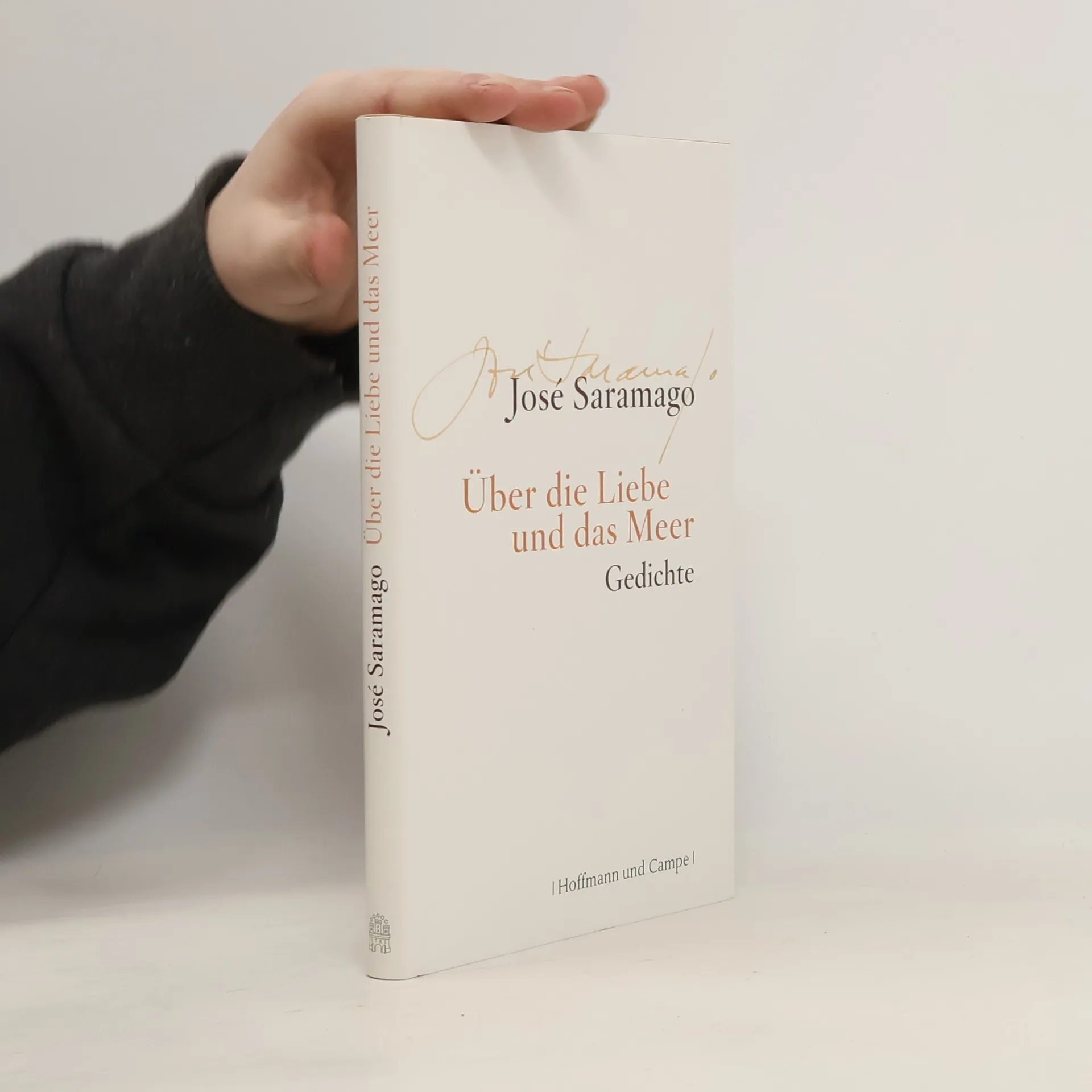
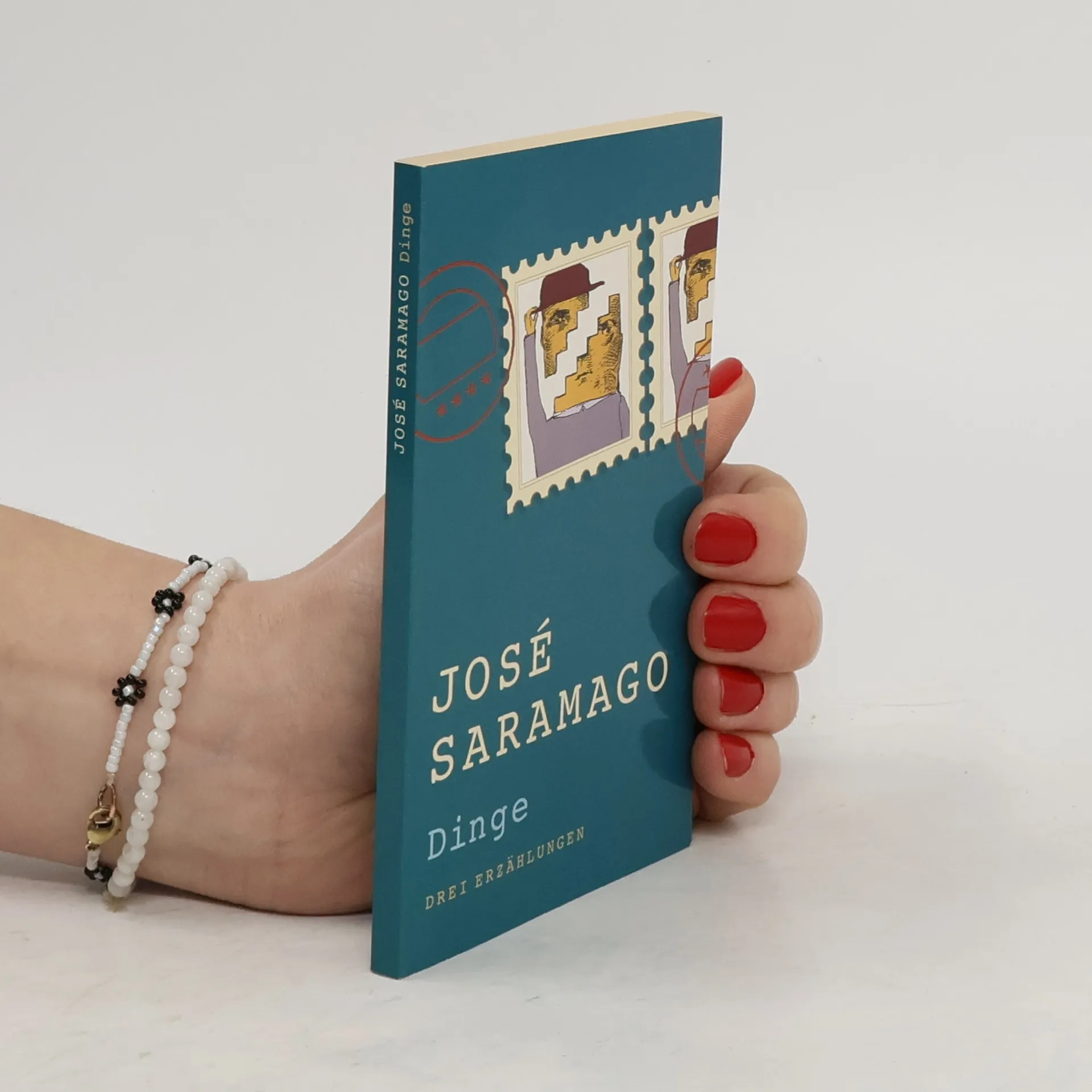
José Saramago, Nobelpreisträger und die »literarische Stimme Portugals« (Der Spiegel) ist seinen Lesern vor allem als Roman- und Prosaschriftsteller bekannt. Dabei stand am Anfang seines literarischen Schaffens die Lyrik, zu der er auch später immer wieder zurückkehrte. Was ist Zeit? Was ist der Mensch? Welche Kraft hat die Natur, und was hat es mit dem ewigen Mysterium der Liebe auf sich? Fragen, mit denen sich der »Lyriker« Saramago immer wieder beschäftigt hat. Es ist kaum bekannt, dass zu dem beeindruckenden literarischen Werk des Nobelpreisträgers auch drei Gedichtbände gehören - die bislang nicht ins Deutsche übersetzt und vor allem von der Literaturwissenschaft wahrgenommen wurden. Die Liebe und das Meer, zwei immer wiederkehrende Motive in Saramagos Gedichten, wurden zum Motto dieser Auswahl.
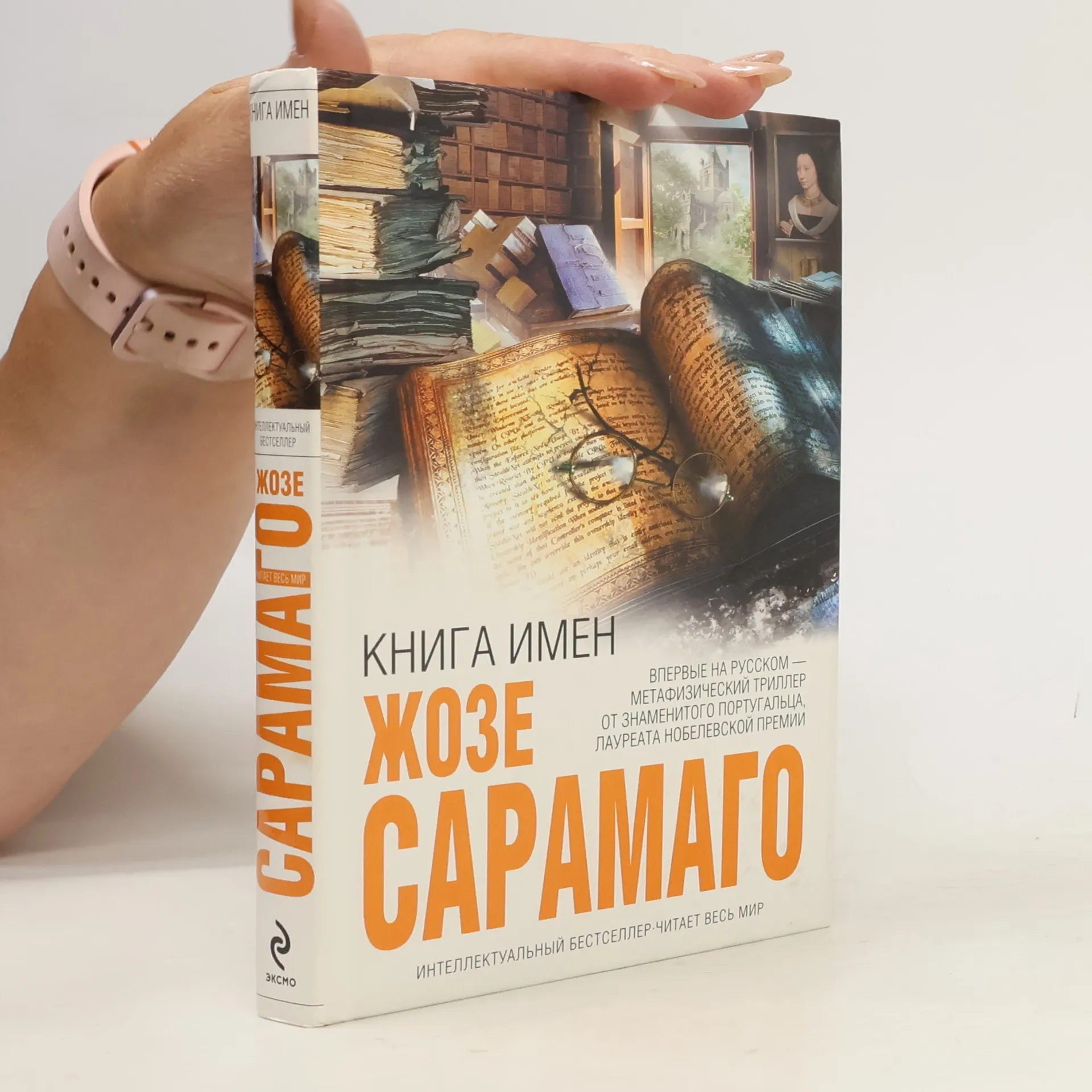
Книга имен
Впервые на русском — метафизический триллер от знаменитого португальца, лауреата Нобелевской премии
- 304 pages
- 11 hours of reading
Жозе Сарамаго — один из крупнейших писателей современной Португалии, лауреат Нобелевской премии по литературе 1998 года. Герой "Книги имен", служащий Главного архива записи актов гражданского состояния — архива настолько исполинского, что в нем можно заблудиться и пропасть без вести, — одержим единственной страстью: он собирает газетные вырезки, с помощью которых старается восстановить биографии ста знаменитых современников, но быстро убеждается, что каждый из них в той или иной мере скрывает правду о себе. Перед ним проплывают тысячи и тысячи историй, тысячи и тысячи имен, пока одно из них не вбирает в себя как в фокус всю его одержимость, ещё глубже увлекая в кафкианский лабиринт... Впервые на русском языке! Очередной шедевр от лауреата Нобелевской премии и одного из величайших писателей современности!
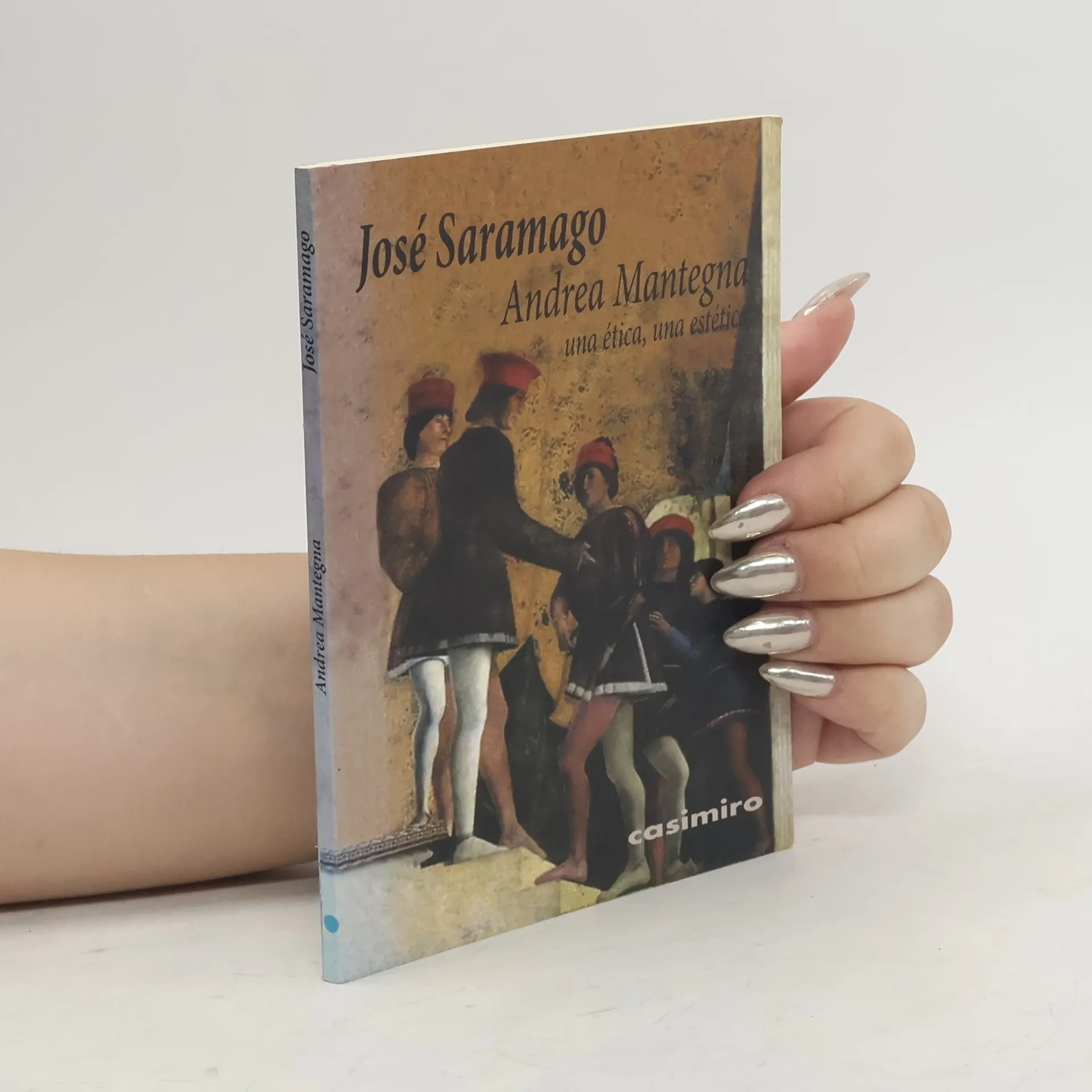
"¿Qué edad tenía Andrea Mantegna cuando vio, por primera vez, los frescos de Giotto? Niño era, pues sabemos que aún no había cumplido los once años cuando fue a trabajar al taller del pintor Francesco Squarcione, en Padua"- José Saramago (1922-2010-Premio Nobel de Literatura 1998)Esta edición contiene dos ensayos sobre el pintor Andrea Mantegna. El primero "Andrea Mantegna, una ética. una estética" del escritor portugués José Saramago (1922 Azinhhaga, Portugal - 2010 Tías, España), Premio Nobel de Litaratura 1998. El segundo "La importancia de Mantegna. La obscura belleza del renacimiento" de Keith Christiansen, Responsable de Pintura Europea en el Metropolitan Museum of Art de Nueva York, publicado en el número del 31 de diciembre de 2008 de la revista The New Republic.
José Saramagos Buch erzählt in Form eines Dramas von der Nelkenrevolution in Portugal, die in der Nacht vom 24. zum 25. April 1974 die Diktatur stürzt und Demokratie bringt. In einer Lissaboner Zeitungsredaktion erleben die Mitarbeiter diese historischen Ereignisse, geprägt von Zensur und unterschiedlichen Haltungen.
After killing his brother Abel, Cain must wander for ever. He witnesses Noah's ark, the destruction of the Tower of Babel, Moses and the golden calf. He is there in time to save Abraham from sacrificing Isaac when God's angel arrives late after a wing malfunction. Written in the last years of Saramago's life, Cainwittily tackles many of the moral and logical non sequiturs created by a wilful, authoritarain God, forming part of Saramago's long argument with God and recalling his provocative novel The Gospel According to Jesus Christ.
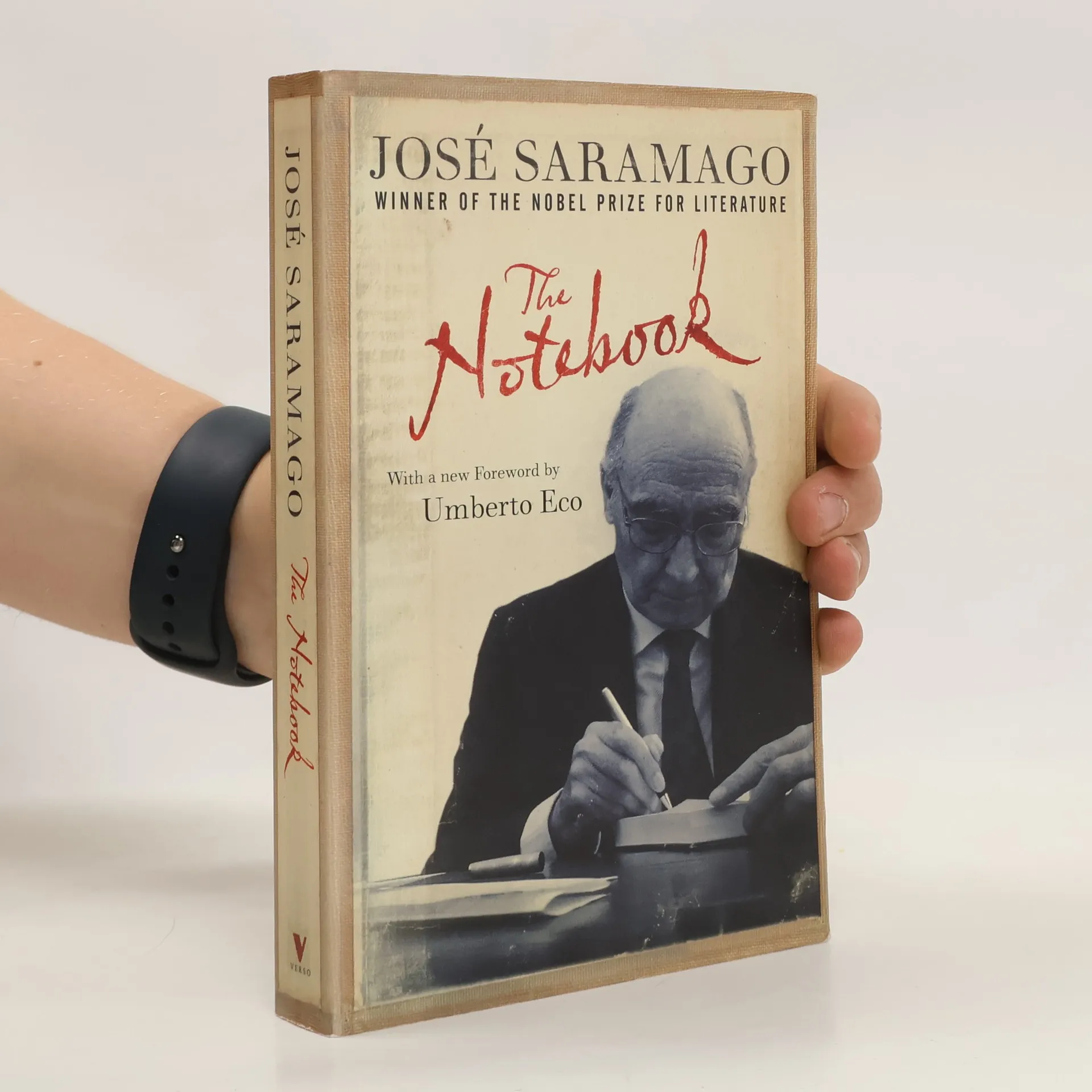
The Notebook
- 284 pages
- 10 hours of reading
A year in the life of the Nobel laureate on the anniversary of his death.
Small Memories
- 208 pages
- 8 hours of reading
Born in Portugal in 1922 in the tiny village of Azinhaga, Jose Saramago was only eighteen months old when he moved with his father and mother to live in a series of cramped lodgings in a working-class neighbourhood of Lisbon. Nevertheless, he would return to the village throughout his childhood and adolescence, its river landscape and olive groves seeping deep into his memory. Shifting back and forth between Azinhaga and Lisbon, this touching book is a mosaic of memories, a gathering together of the fragmented recollections that make up the idea of one's youth. Written with Saramago's characteristic wit and honesty, Small Memories traces the formation of an artist fascinated by words and stories from an early age and who emerged, against all the odds, as one of the world's most respected writers. By the winner of the Nobel Prize for Literature.
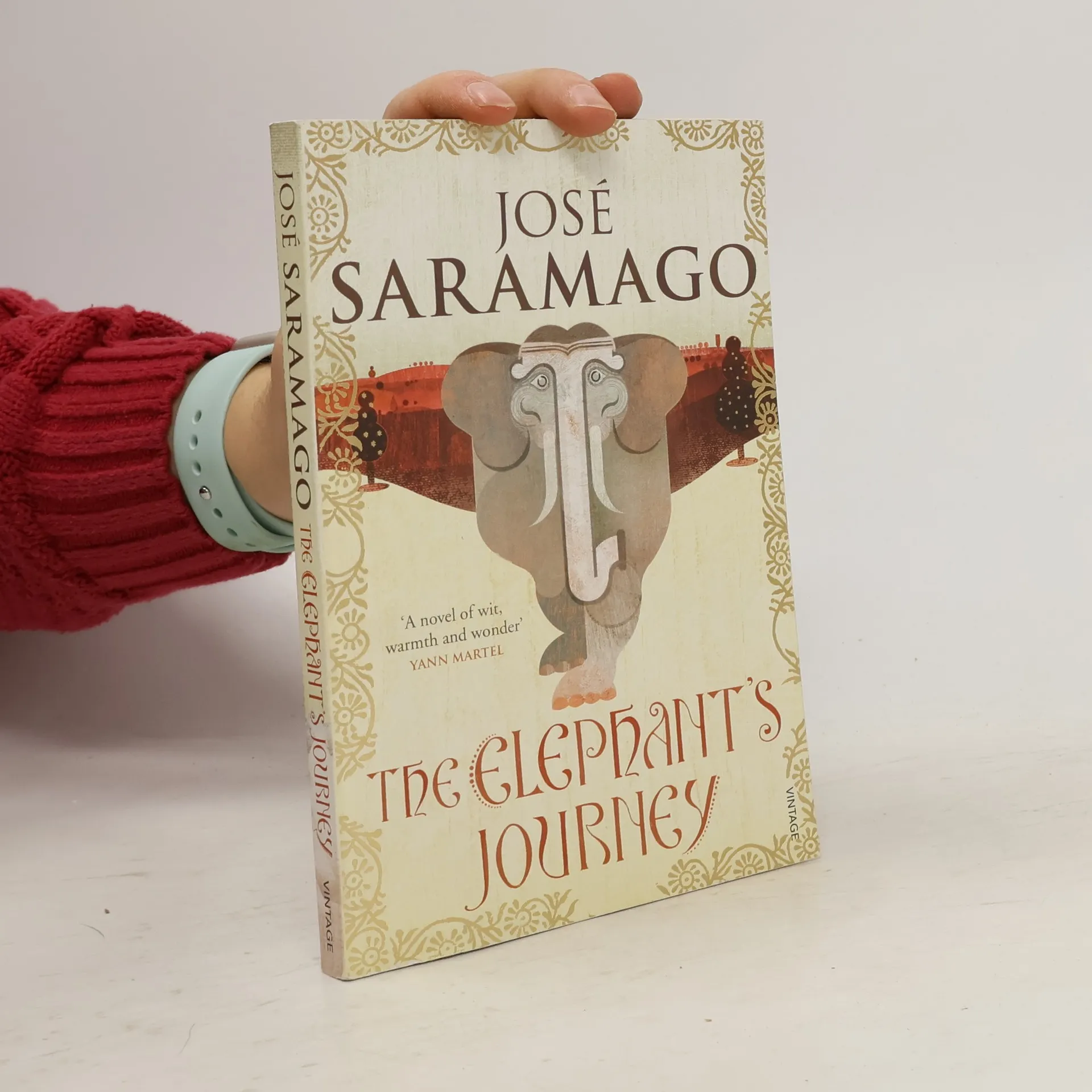
The Elephant's Journey
- 197 pages
- 7 hours of reading
The enchanting tale of an elephant, his keeper, and their journey through sixteenth-century Europe, based on a true story.
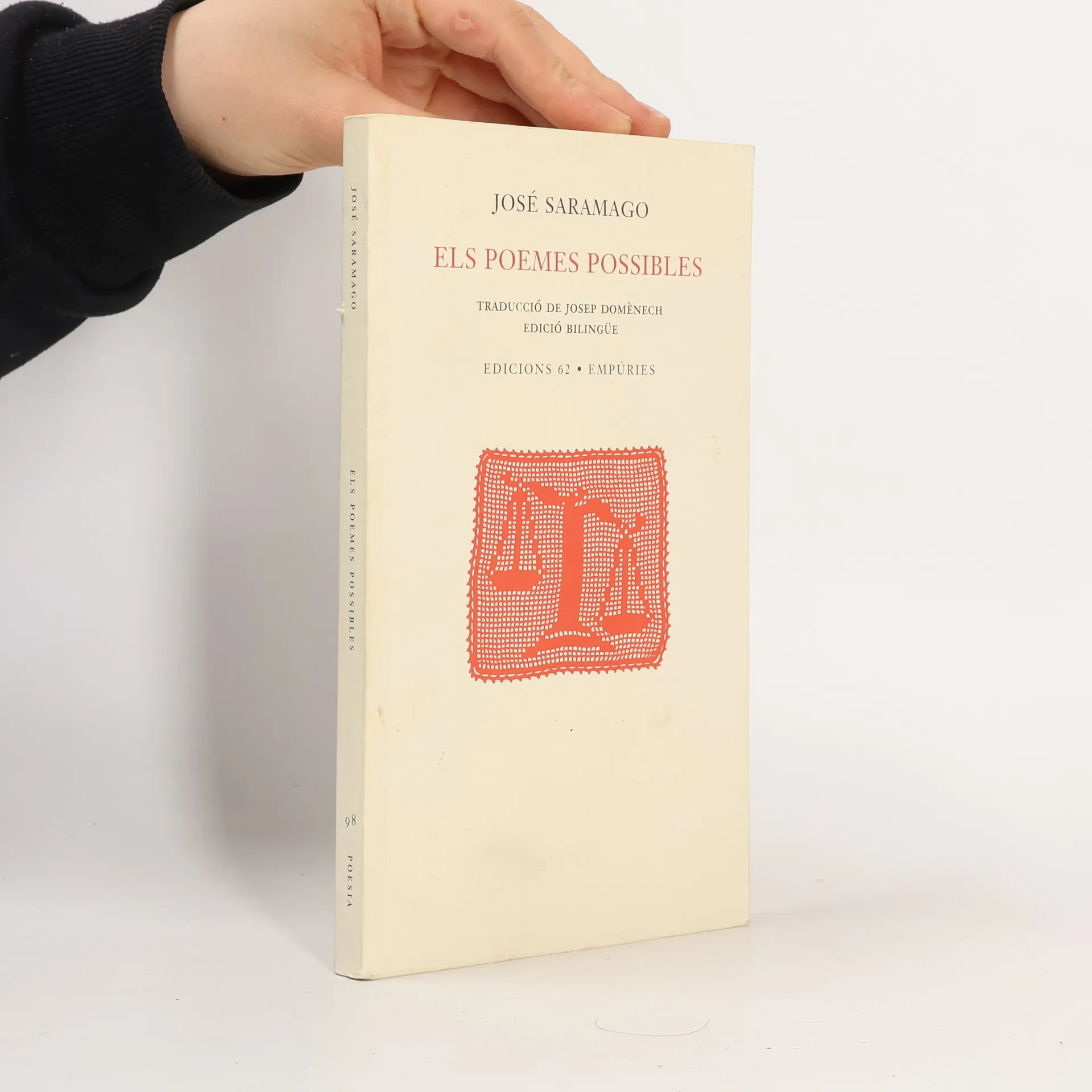
Poesia - 98: Els poemes possibles
Traducció de Josep Domènech - Edició bilingüe
- 160 pages
- 6 hours of reading
RITUAL.Si és altar el poema, sacrifico. En aquesta pedra de lluna que és el versel coltell del viu guanya tall. Aquí m ́he agenollat. No refuso el cérvol de la prada del meu somnial dard violent que el colpeix. No hi ha foc sense llenya tosca,encara que les mans de la llum acabin brutesde la cendra entebeïda de les paraules.
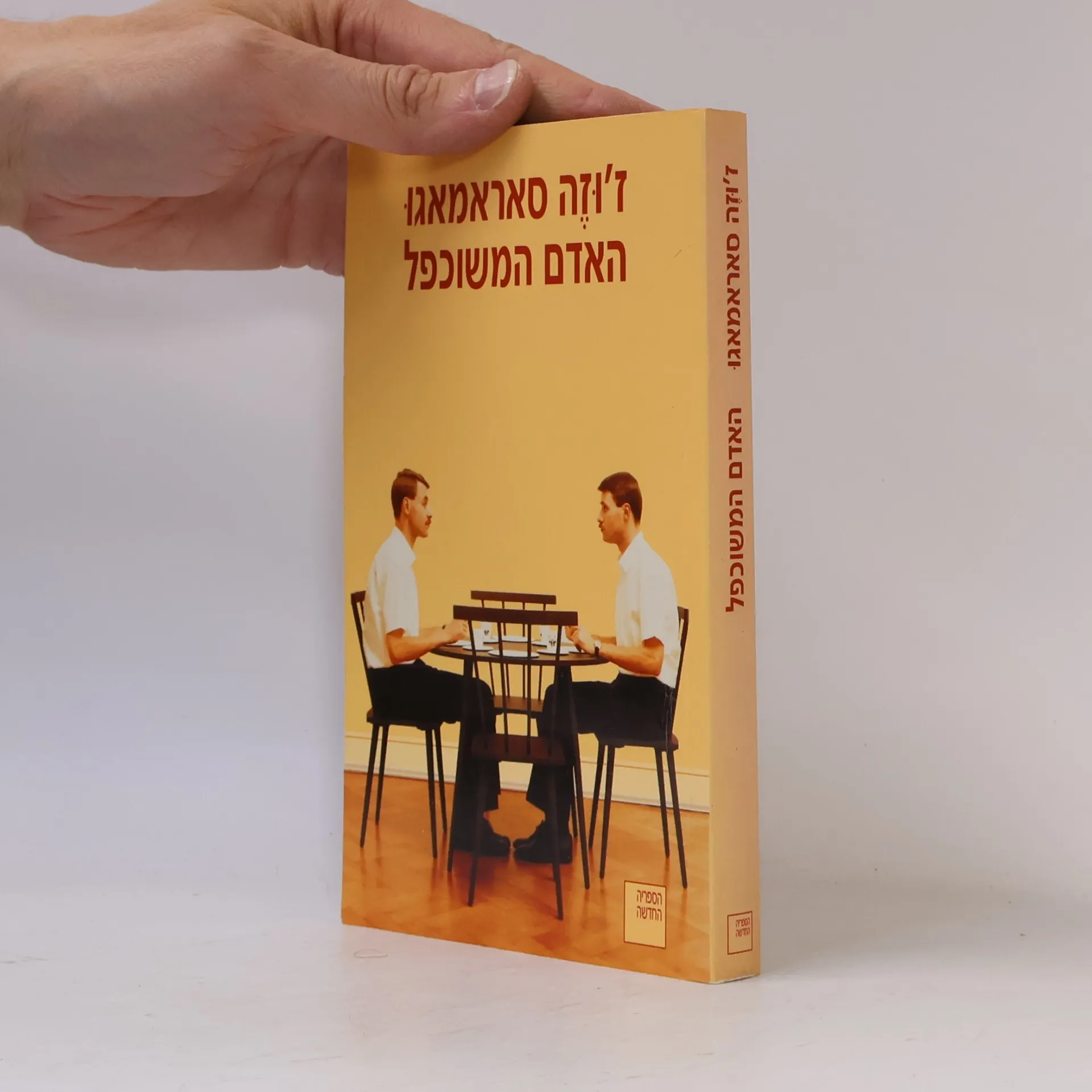
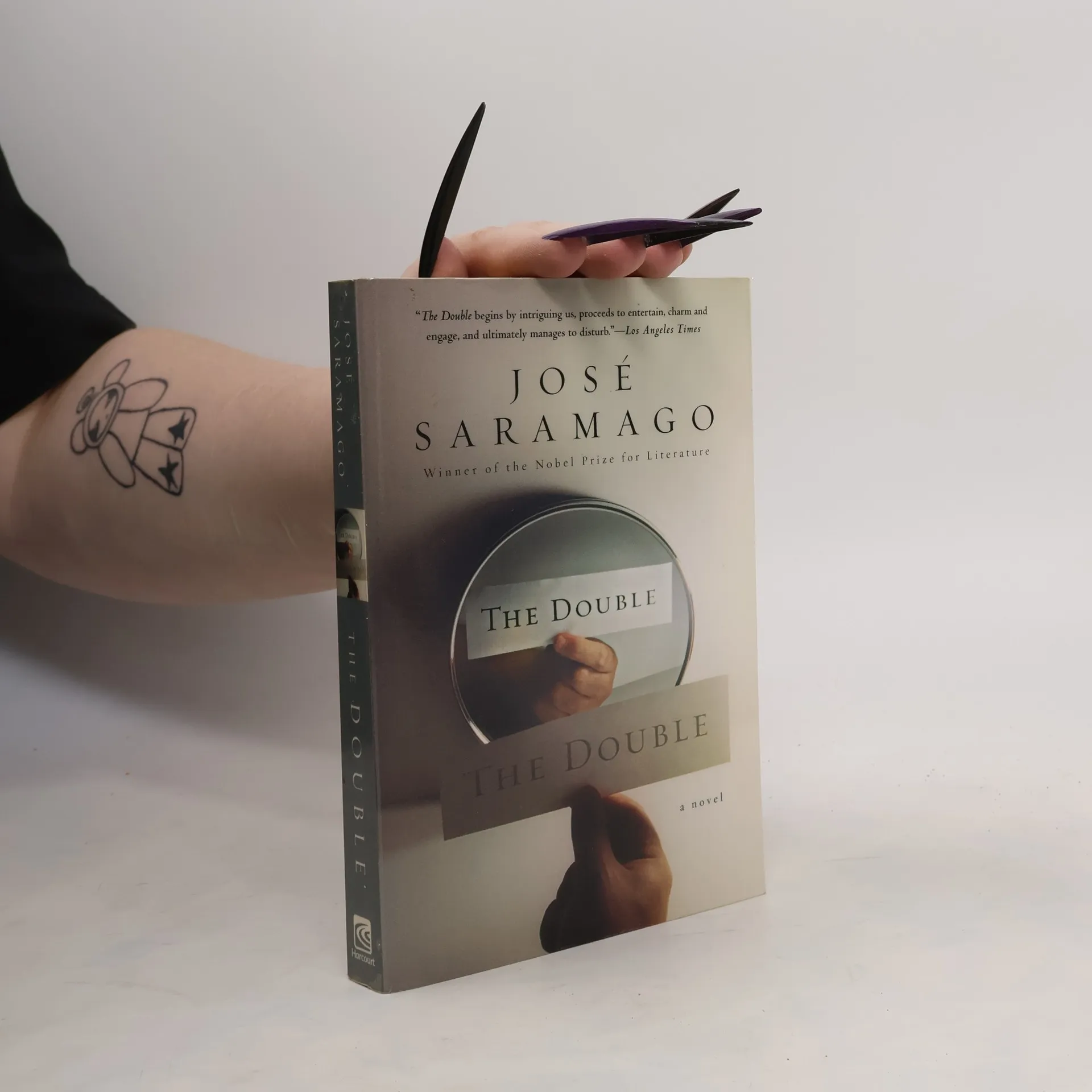
The Double : Enemy
- 304 pages
- 11 hours of reading
What happens when Deadline M-ximo Afonso, a 38-year-old professor of history, discovers that there is a man living in the same city who is identical to him on every physical detail, but not related by blood at all. And what happens when each of these men attempt to investigate each other's lives?
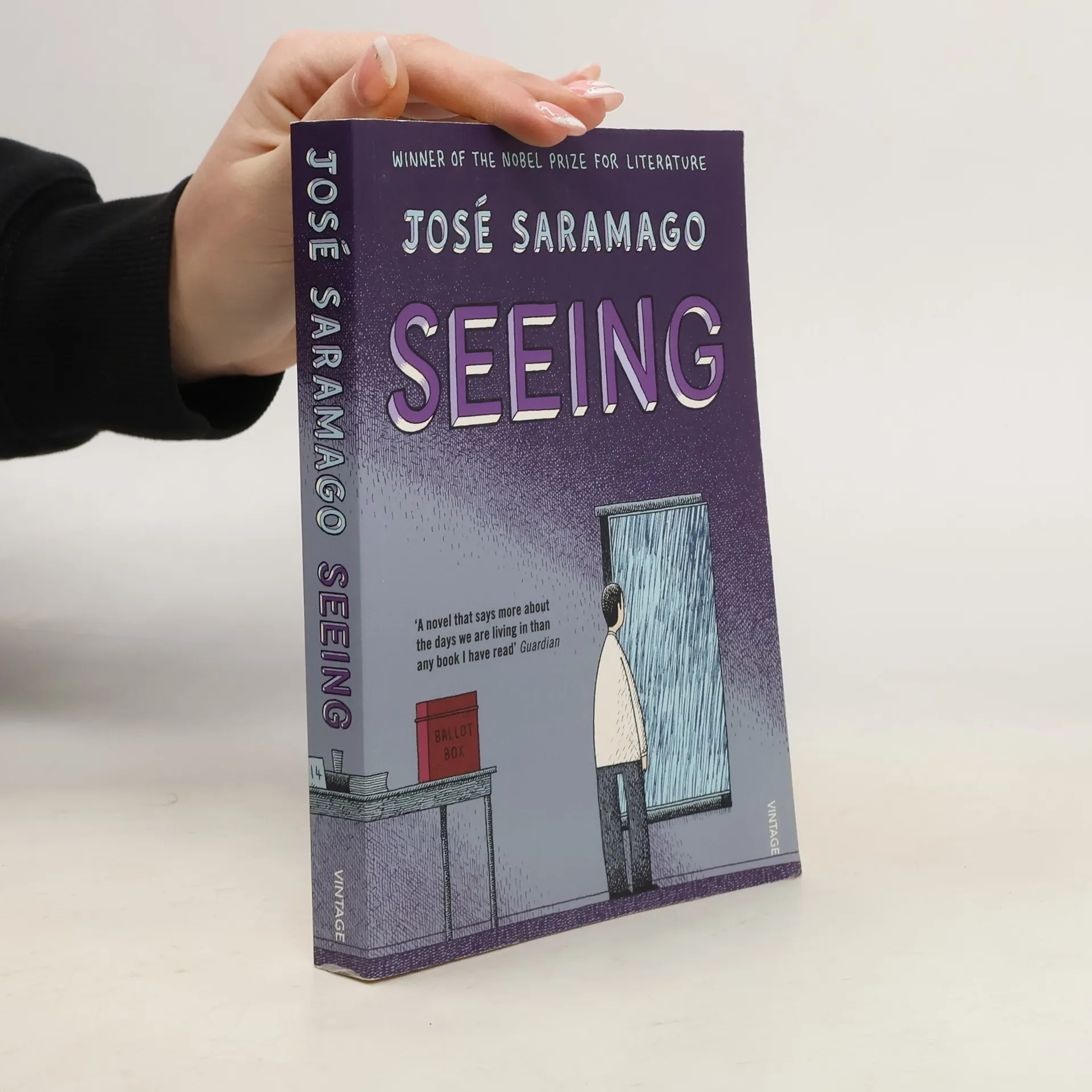
Despite the heavy rain, the presiding officer at Polling Station 14 finds it odd that by midday on National Election day, only a handful of voters have turned out. This title explores how simply this could be achieved and how devastating the results might be.
Death at Intervals
- 196 pages
- 7 hours of reading
In an unnamed country on the first day of the new year, people stop dying. For several months undertakers face bankruptcy, the church is forced to reinvent its doctrine, and local 'maphia' smuggle those on the brink of death over the border where they can expire naturally.
Година смрти Рикарда Ренша
- 446 pages
- 16 hours of reading
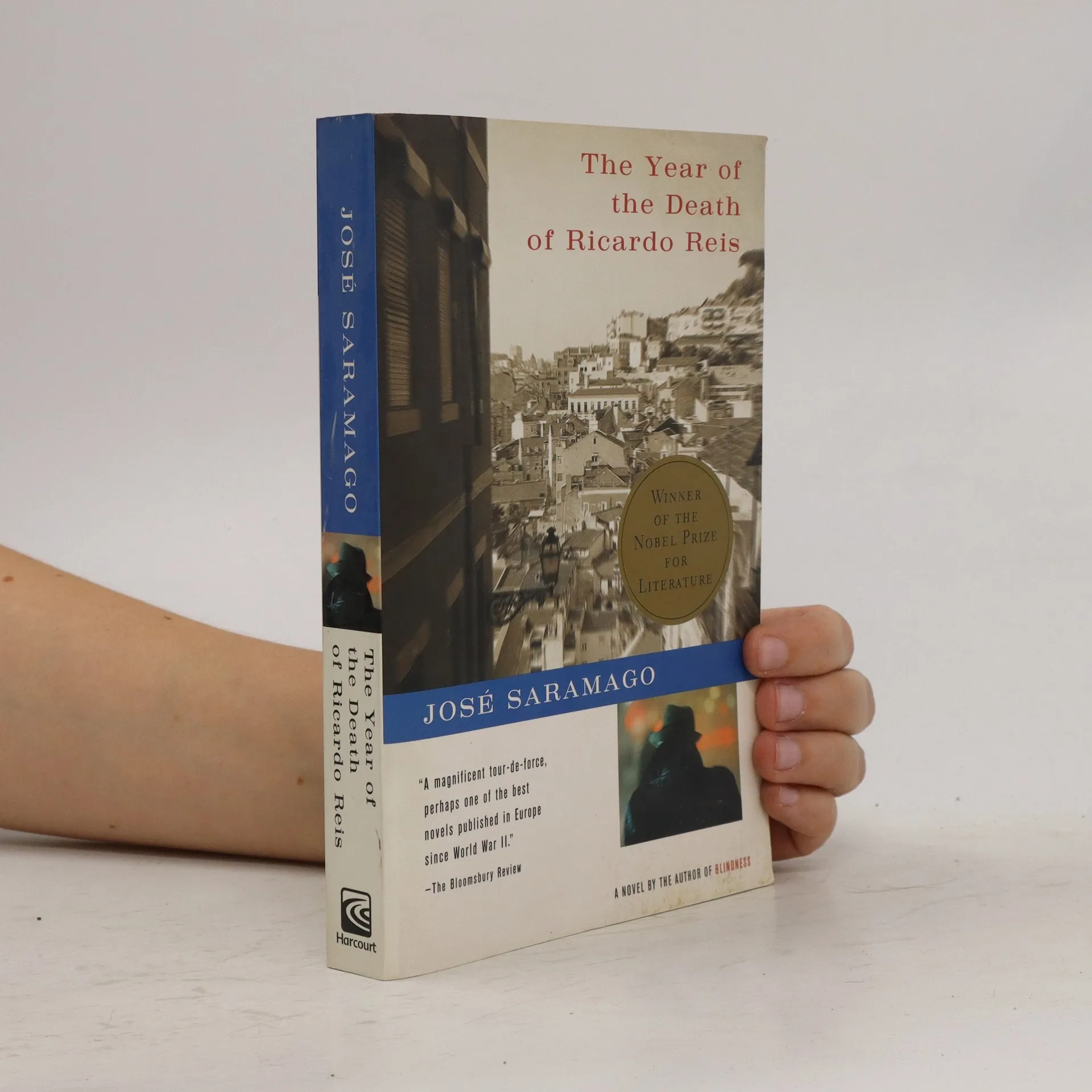
The year: 1936. Europe dances while an invidious dictator establishes himself in Portugal. The city: Lisbon-gray, colorless, chimerical. Ricardo Reis, a doctor and poet, has just come home after sixteen years in Brazil.
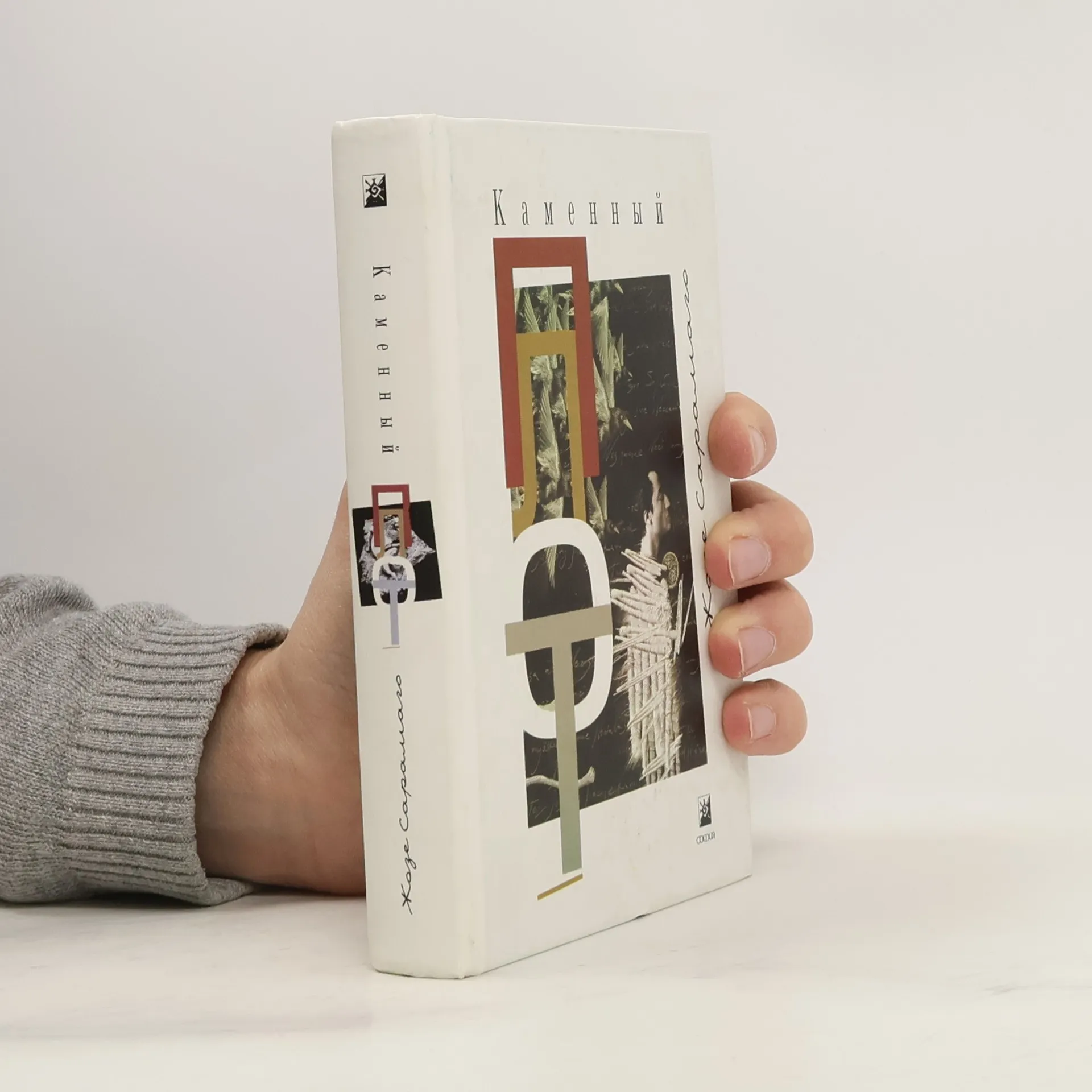
Каменный плот
- 459 pages
- 17 hours of reading
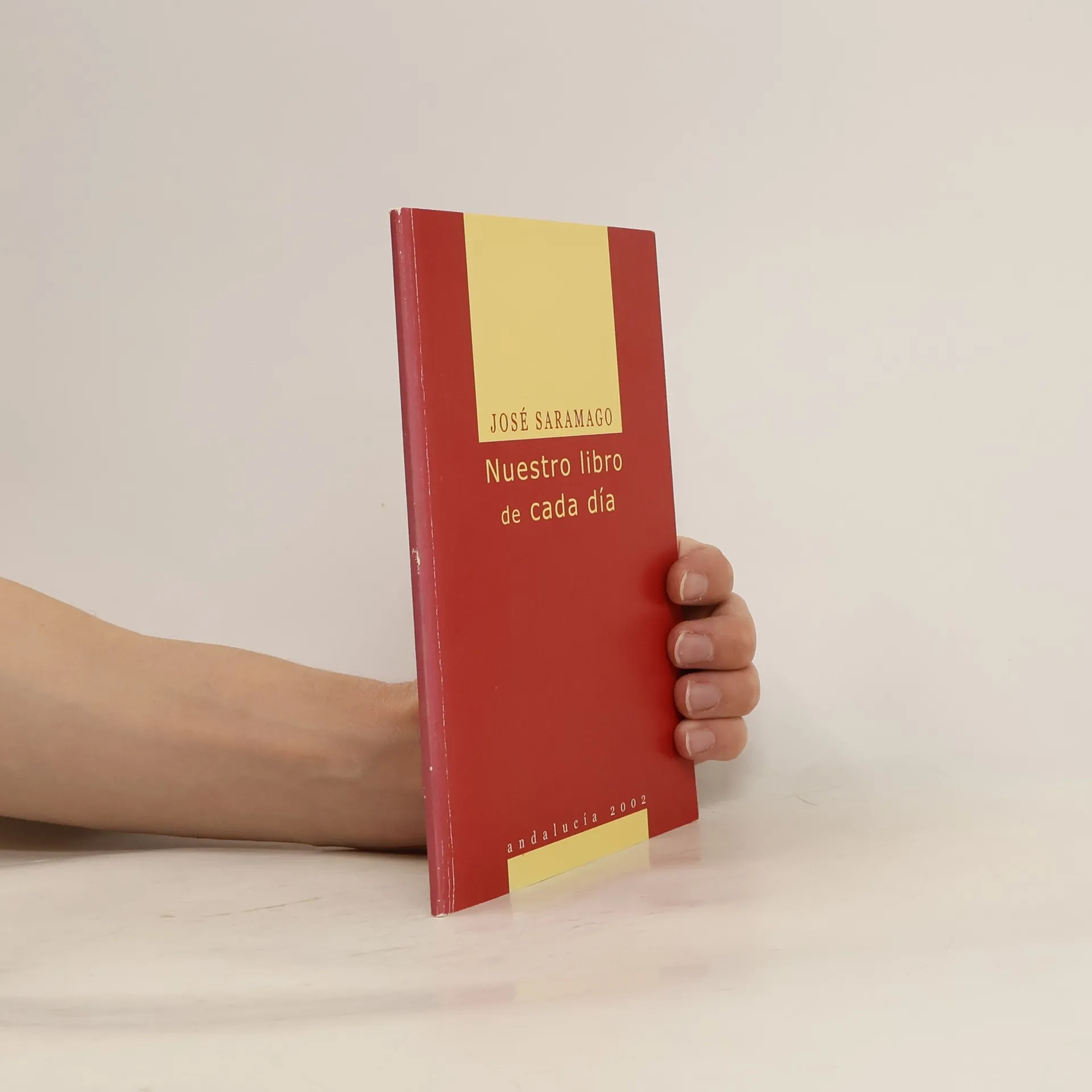
José Saramago muestra lo importante que es el libro y la lectura en la vida de un ser humano. Hace comparaciones con la vida cotidiana, manifestando que la gente sólo saca excusas para explicar el porqué no leen, teniendo aún herramientas suficientes para lograr una buena lectura. Cuestiona también si la enseñanza refuerza como debería de ser la lectura y el amor por los libros, siendo ésta indispensable en la educación. Para dar solución a todas estas cuestiones de Saramago, es necesario detallar con atención sus explicaciones, pues da a entender que no es que no se pueda leer un libro, sino que no se quiere.
A divorced, depressed history teacher becomes obsessed with pursuing a man who looks exactly like he did five years ago after seeing him in a video recommended by a friend.
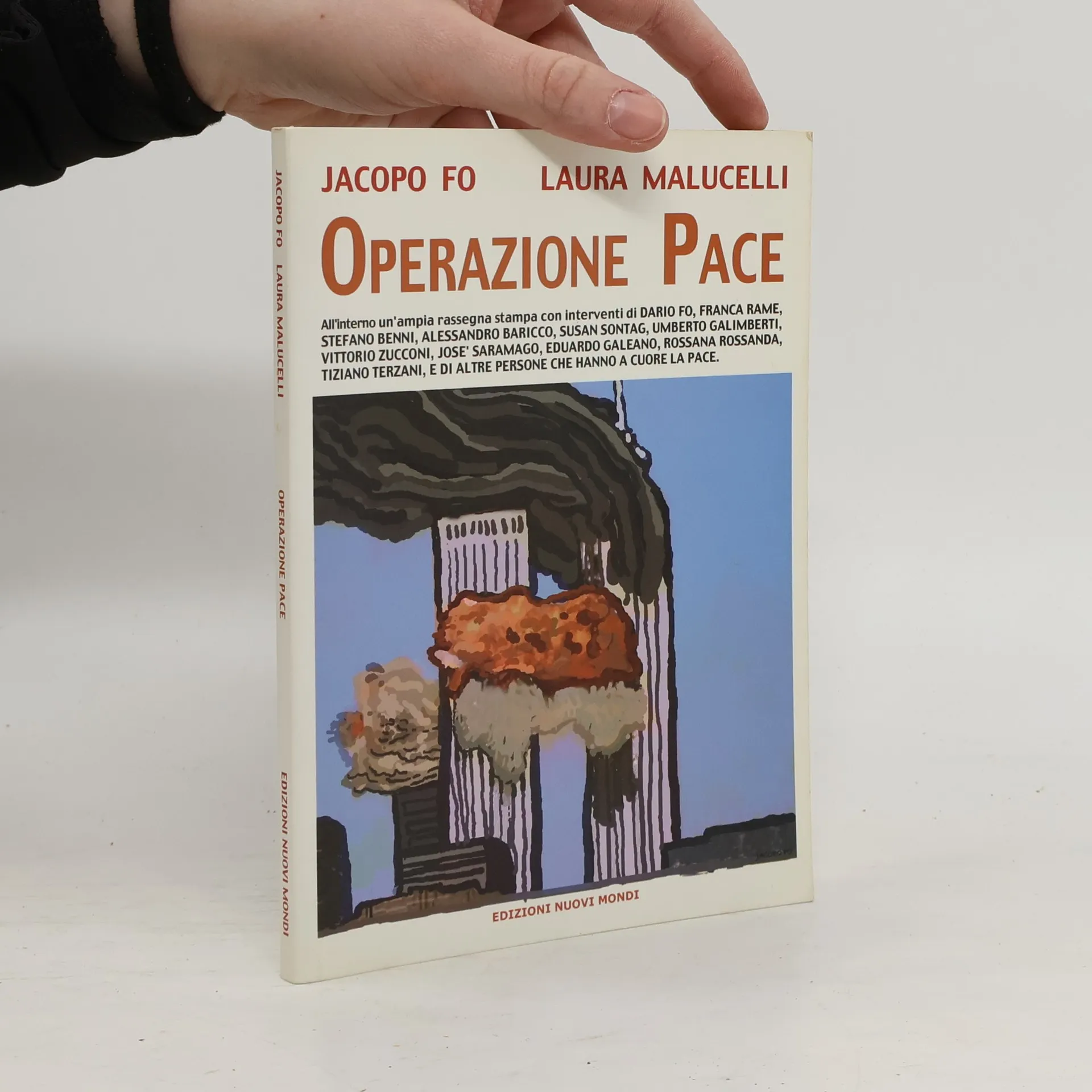
Operazione pace
- 116 pages
- 5 hours of reading
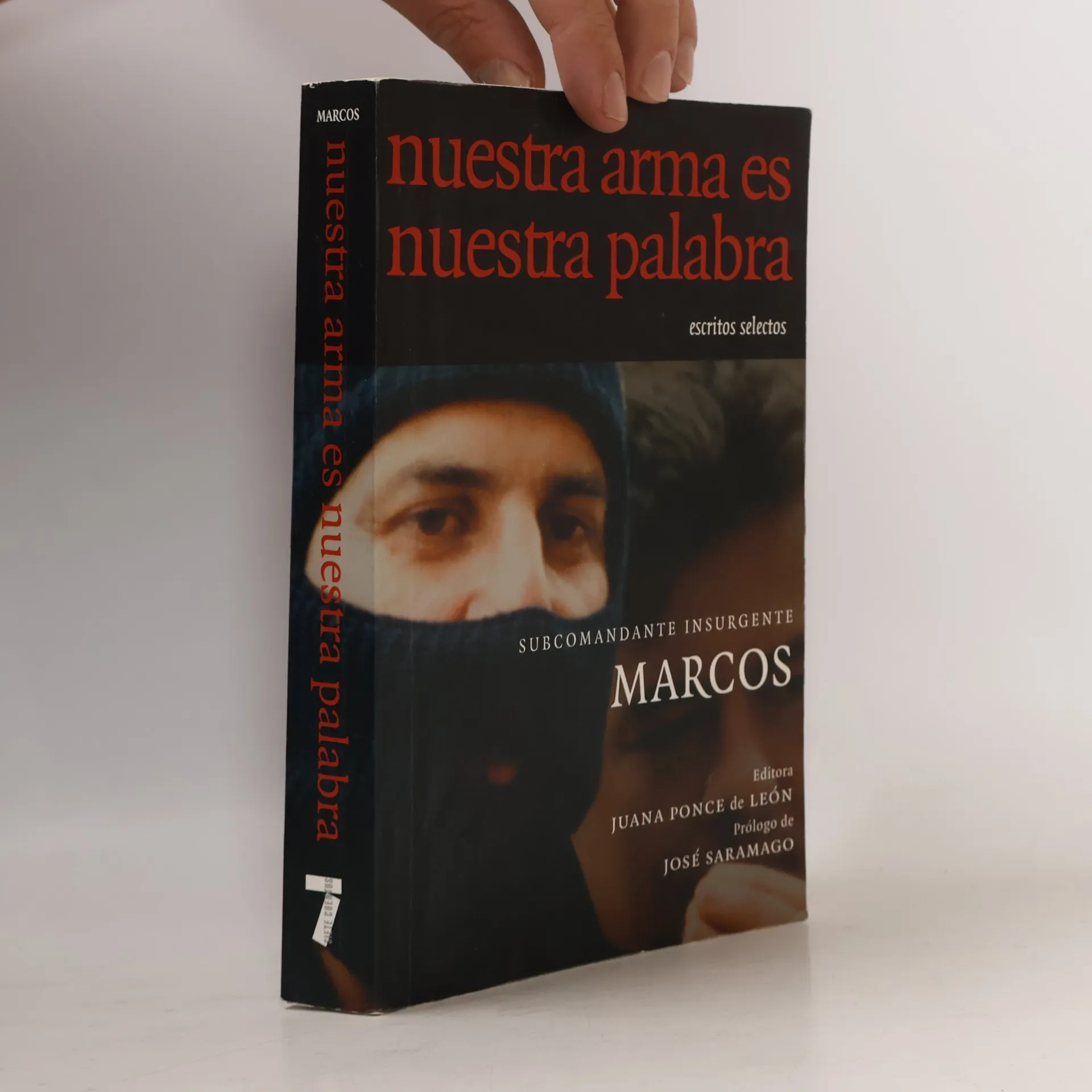
Nuestra arma es nuestra palabra
- 464 pages
- 17 hours of reading
En este libro fundamental, Seven Stories Press presenta una poderosa colección de escritos literarios, filosóficos y políticos del enigmático vocero de los zapatistas, SubComandante Marcos. Con la introducción del ganador del Premio Nobel, José Saramago, e ilustrado con bellas fotos en blanco y negro, se cristaliza la pasión de un rebelde y el genio literario de los indígenas de México. Marcos capturó la atención mundial el 1 de enero de 1994, cuando un grupo guerrillero indígena, autodenominado "Zapatista", se rebeló contra el gobierno mexicano en Chiapas. Desde entonces, ha alterado el curso de la política mexicana y se ha convertido en un símbolo internacional de movimientos de base, rebelión y democracia. Su prolífico torrente de escritos, que incluye poesía política, cuentos y mitos tradicionales, llena más de cuatro volúmenes. Esta obra presenta lo mejor de sus escritos, muchos de los cuales no habían sido publicados antes en inglés. Dividido en tres secciones, el libro reúne ensayos políticos, reflexiones filosóficas y una colección de historias cortas y mitos indígenas. A través de estas páginas, se escucha la voz de las comunidades indígenas en resistencia, expresando la búsqueda de dignidad, democracia y libertad. Es la voz de un pueblo que se niega a ser olvidado, luchando por la democracia con sus palabras como única arma.
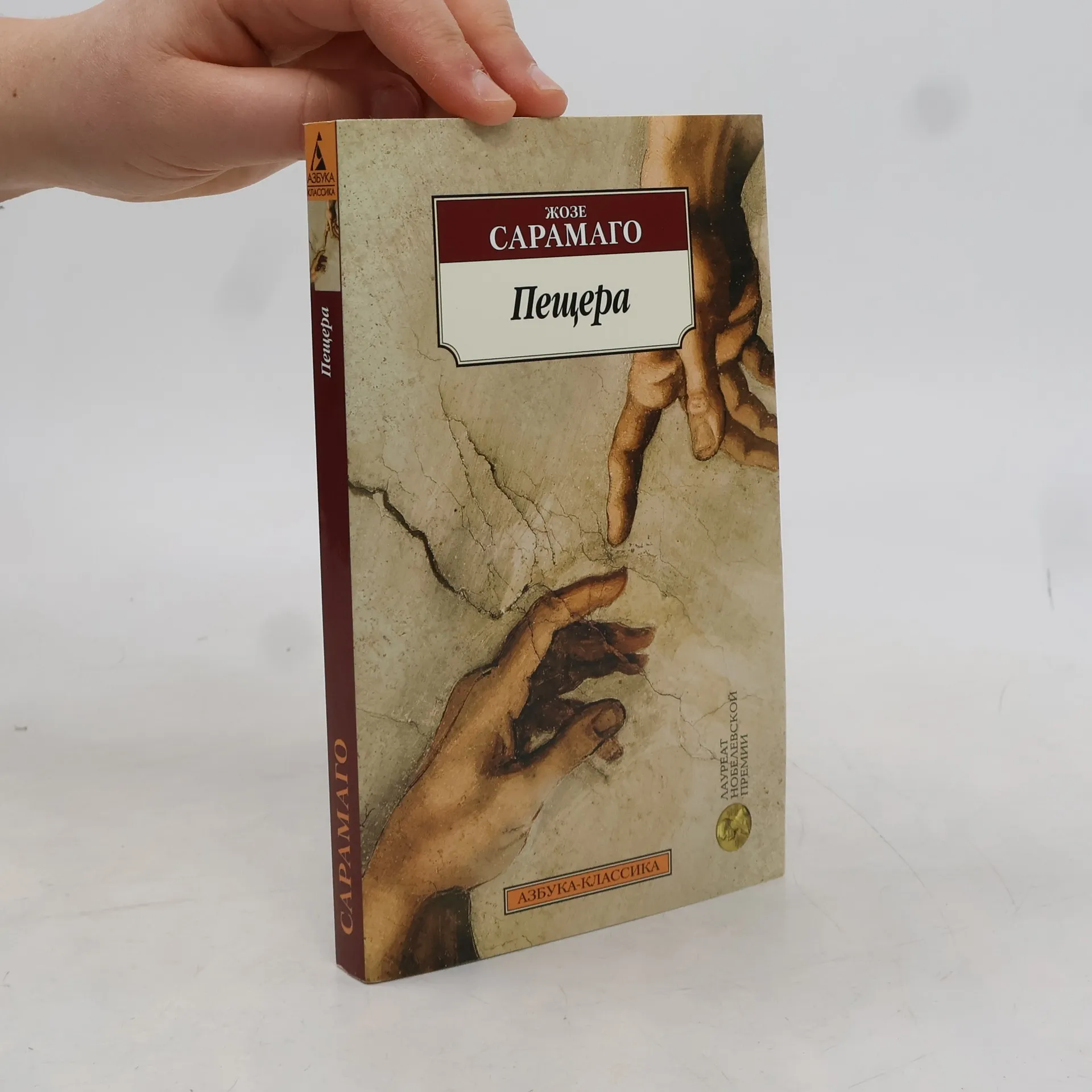
Пещера
- 352 pages
- 13 hours of reading
«Пещера» — последний из романов Жозе Сарамаго, до сих пор остававшийся не переведенным на русский язык. Сиприано Алгору шестьдесят четыре года, по профессии он гончар. Живет он вместе с дочерью Мартой и ее мужем по имени Марсал, который работает охранником в исполинской торговой организации, известной как Центр. Когда Центр отказывается покупать у Сиприано его миски и горшки, тот решает заняться изготовлением глиняных кукол — и вдруг департамент закупок Центра заказывает ему огромную партию кукол, по двести единиц каждой модели. А затем Марсала переводят из внешней охраны во внутреннюю — и все семейство переселяется в Центр. Но однажды ночью Сиприано слышит шум таинственных механизмов, как будто доносящийся из-под земли, и решает во что бы то ни стало найти разгадку…
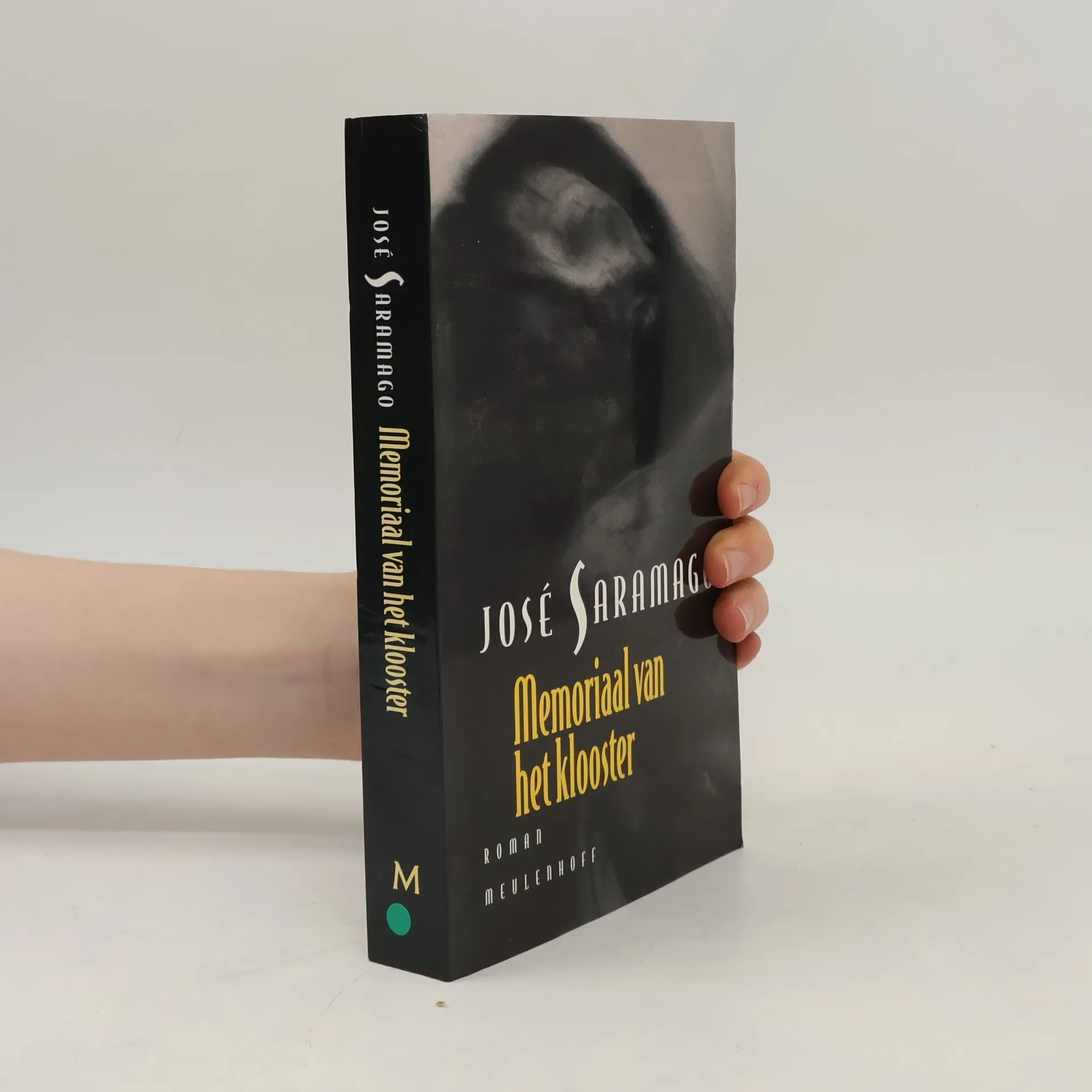
Alternate cover edition here Era uma vez um rei que fez promessa de levantar convento em Mafra. Era uma vez a gente que construiu esse convento. Era uma vez um soldado maneta e uma mulher que tinha poderes. Era uma vez um padre que queria voar e morreu doido. «Um romance histórico inovador. Personagem principal, o Convento de Mafra. O escritor aparta-se da descrição engessada, privilegiando a caracterização de uma época. Segue o estilo: "Era uma vez um rei que fez promessas de levantar um convento em Mafra... Era uma vez a gente que construiu esse convento... Era uma vez um soldado maneta e uma mulher que tinha poderes... Era uma vez um padre que queria voar e morreu doido". Tudo, "era uma vez...". Logo a começar por "D. João, quinto do nome na tabela real, irá esta noite ao quarto de sua mulher, D. Maria Ana Josefa, que chegou há mais de dois anos da Áustria para dar infantes à coroa portuguesa a até hoje ainda não emprenhou (...). Depois, a sobressair, essa espantosa personagem, Blimunda, ao encontro de Baltasar. Milhares de léguas andou Blimundo, e o romance correu mundo, na escrita e na ópera (numa adaptação do compositor italiano Azio Corghi). Para a nossa memória ficam essas duas personagens inesquecíveis, um Sete Sóis e o outro Sete Luas, a passearem o seu amor pelo Portugal violento e inquisitorial dos tristes tempos do rei D. João V.» (Diário de Notícias, 9 de Outubro de 1998)
All the Names
- 252 pages
- 9 hours of reading
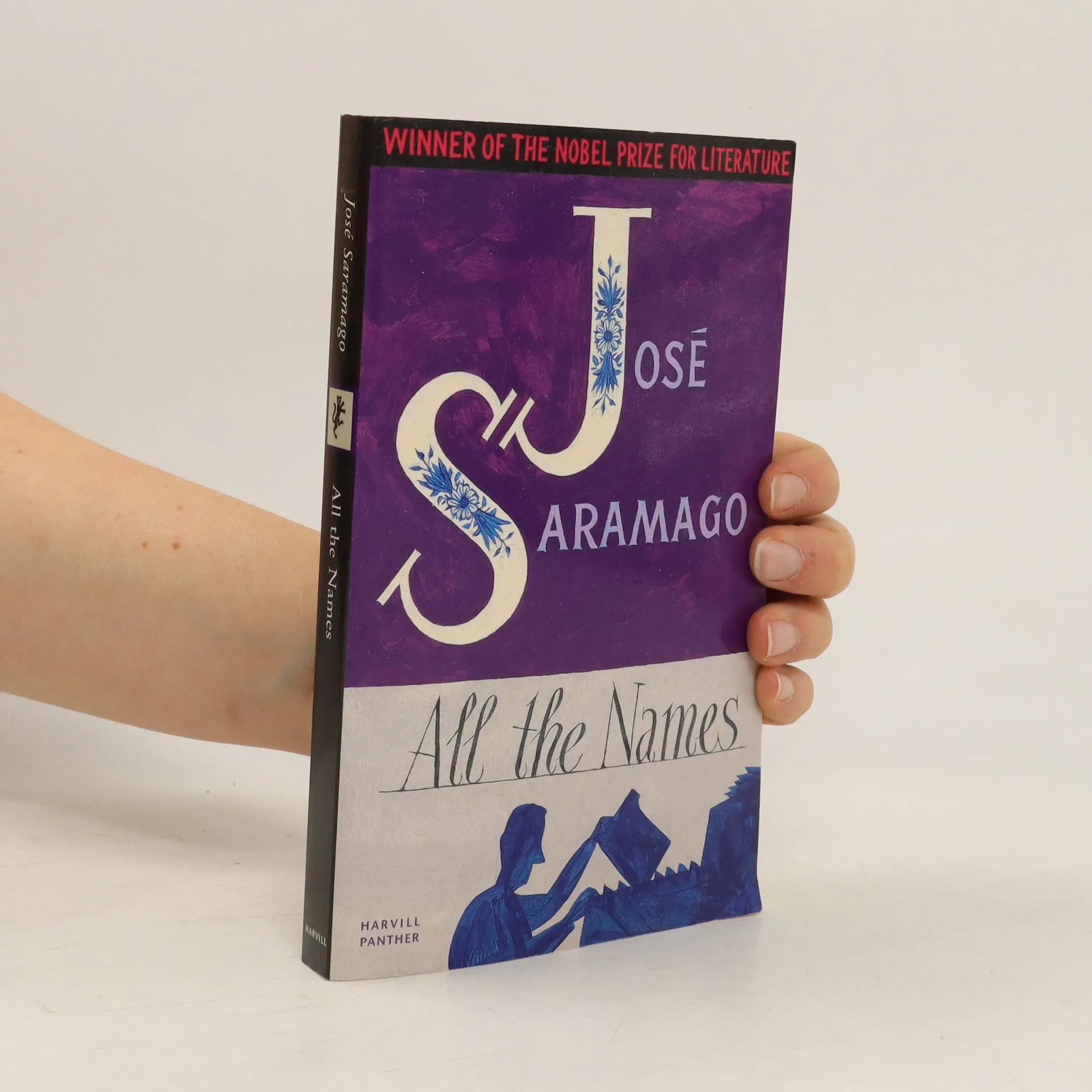
A subtle and insightful story about boredom, passion, curiosity and memory from the Nobel Prize-winner Jose SaramagoSenhor Jose is a lonely civil servant who spends his days labouring in the labyrinthine stacks of Lisbon's central registry.
Journey to Portugal
In Pursuit of Portugal's History and Culture - Uncorrected Proof
- 452 pages
- 16 hours of reading
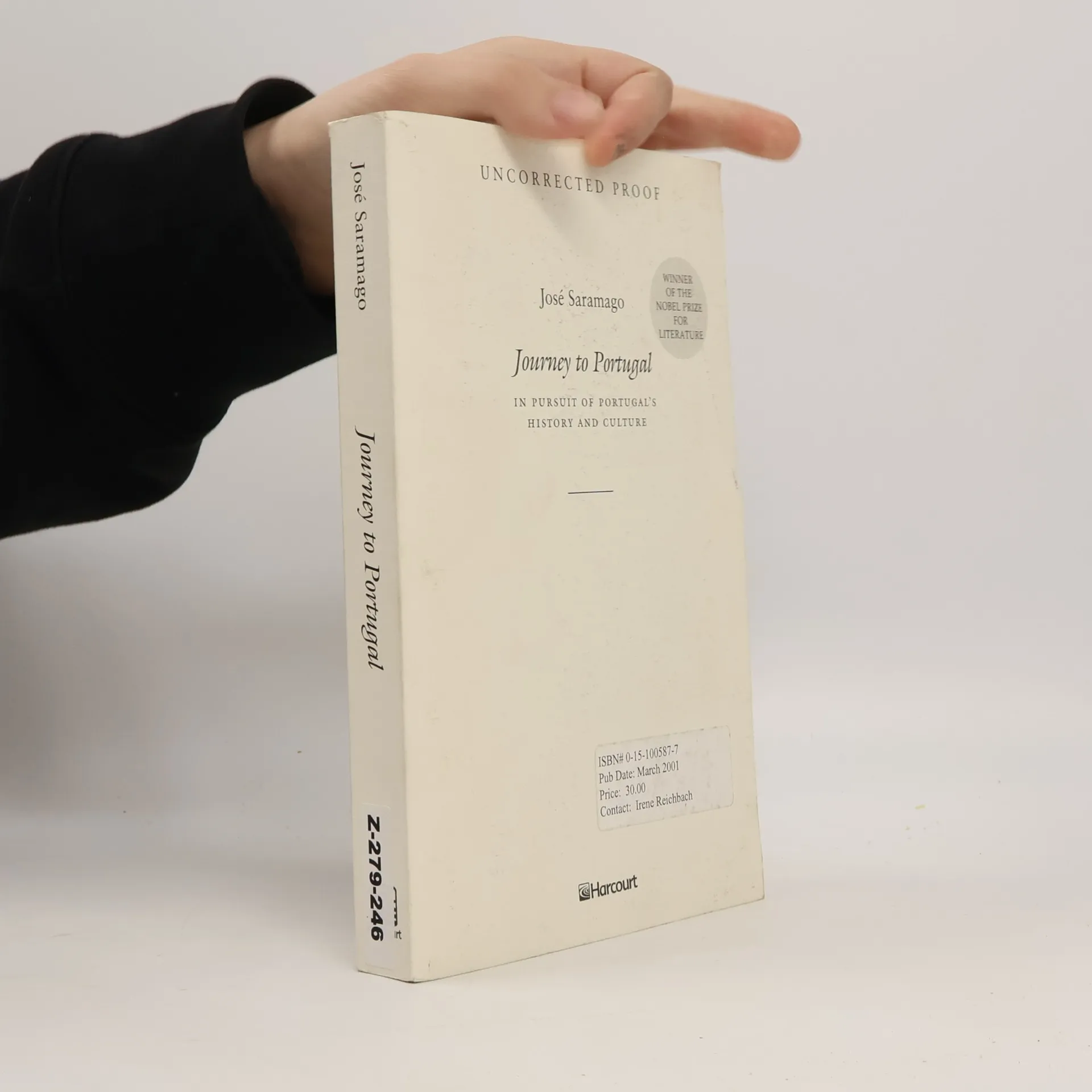
When José Saramago decided some twenty years ago to write a book about Portugal, his only desire was that it be unlike all other books on the subject, and in this he has certainly succeeded. Recording the events and observations of a journey across the length and breadth of the country he loves dearly, Saramago brings Portugal to life as only a writer of his brilliance can. Forfeiting sources of information such as tourist guides and road maps, he scours the country with the eyes and ears of an observer fascinated by the ancient myths and history of his people. Whether an inaccessible medieval fortress set on a cliff, a wayside chapel thick with cobwebs, or a grand mansion in the city, the extraordinary places of this land come alive with kings, warriors, painters, explorers, writers, saints, and sinners. Always meticulously attentive to those elements of ancient Portugal that persist today, Saramago examines the country in its current period of rapid transition and growth. Infused with the tenderness and intelligence that have become familiar to his readers, Saramago's Journey to Portugal is an ode of love for a country and its rich traditions.
Cuadernos de Lanzarote
- 656 pages
- 23 hours of reading
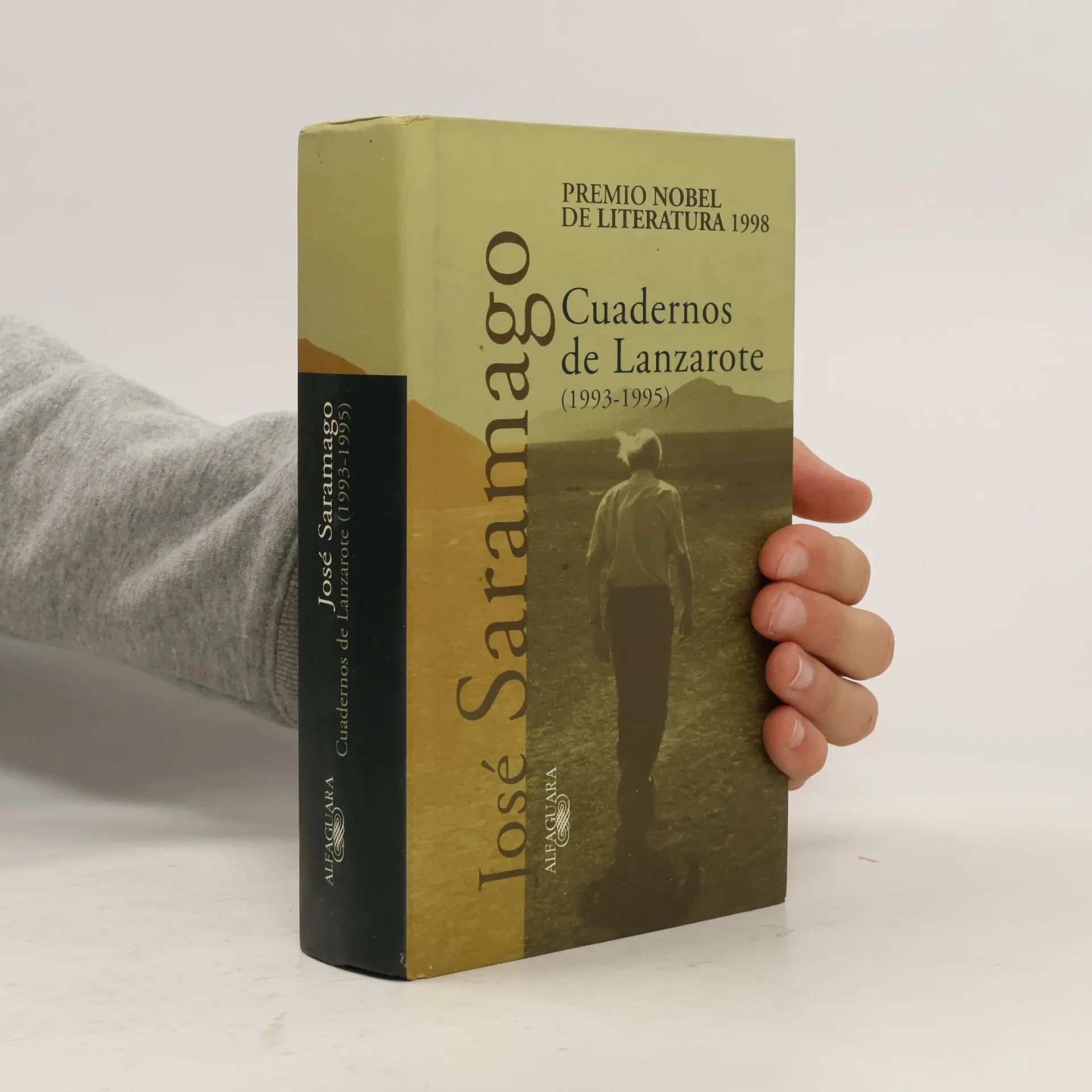
Saramago has lived in Lanzarote, Spain, since 1993. Following a suggestion of his family's, Saramago started compiling an account of his daily life. More than a mere gathering of memories or reflections, this book explores the reasoning behind his controversial opinions.
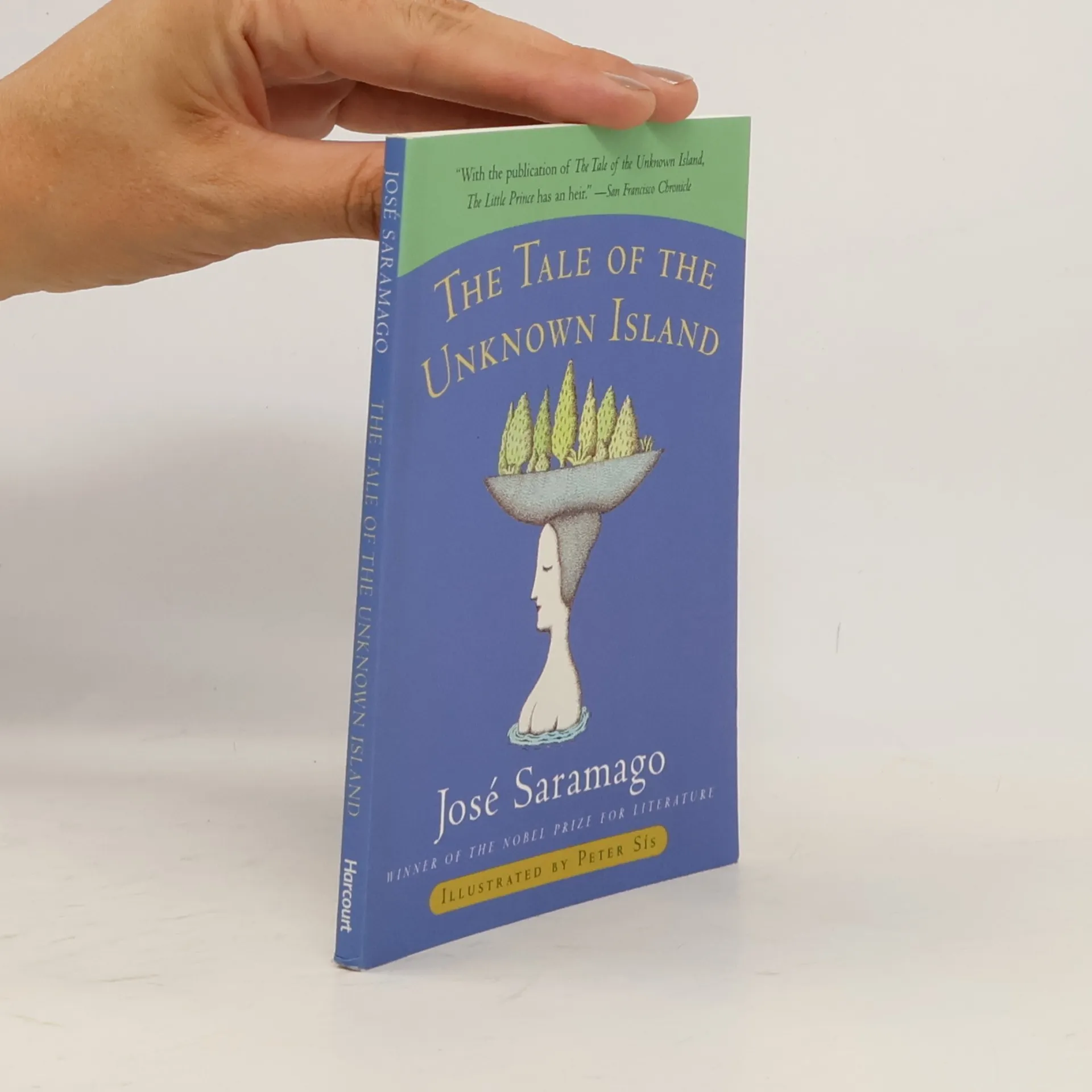
The Tale of the Unknown Island
- 51 pages
- 2 hours of reading
Nobel Prize–winning author Saramago departs from his usual dense, linguistic style to write a "mischievous and thoughtful satire on ruling elites and bold dreamers, cast in the form of revisionist fairy-tale" ( Kirkus Reviews )."A man went to knock at the king's door and said, Give me a boat. The king's house had many other doors, but this was the door for petitions. Since the king spent all his time sitting at the door for favors (favors being offered to the king, you understand), whenever he heard someone knocking at the door for petitions, he would pretend not to hear . . ."Why the petitioner required a boat, where he was bound for, and who volunteered to crew for him, the reader will discover in this delightful fable, a philosophic love story worthy of Swift or Voltaire.
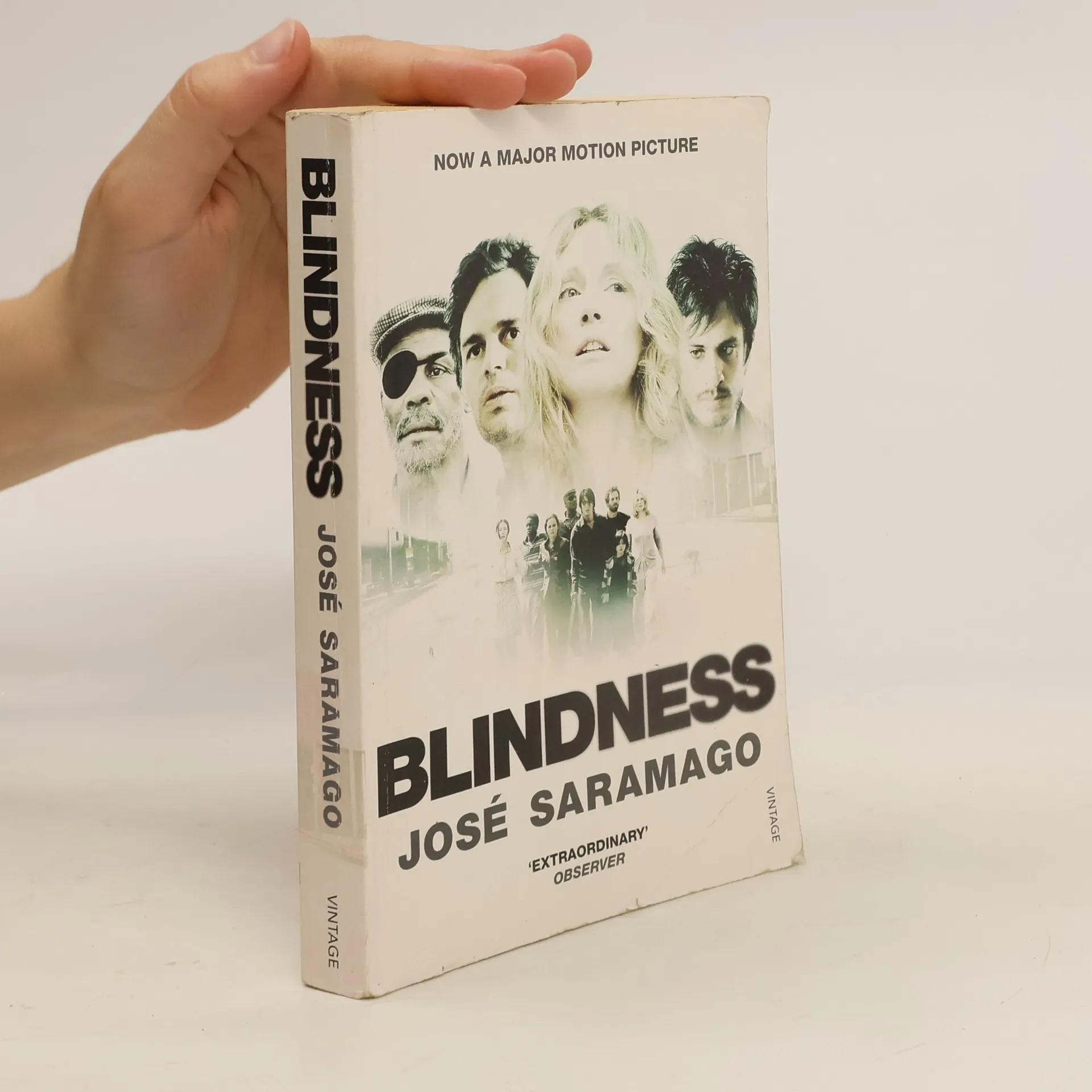
A driver waiting at the traffic lights goes blind. An opthamologist tries to diagnose his distinctive white blindness, but is affected before he can read the text books. It becomes a contagion, spreading throughout the city. Trying to stem the epidemic the authorities herd the afflicted into a mental asylum where the wards are terrorised by blind thugs. And when fire destroys the asylum the inmates burst forth and the last links with a supposedly civilised society are snapped.
Collects the author's early short stories, infused with satire and fantastical elements and showcasing his efforts to expose the tyranny of the Salazar regime in his native Portugal.
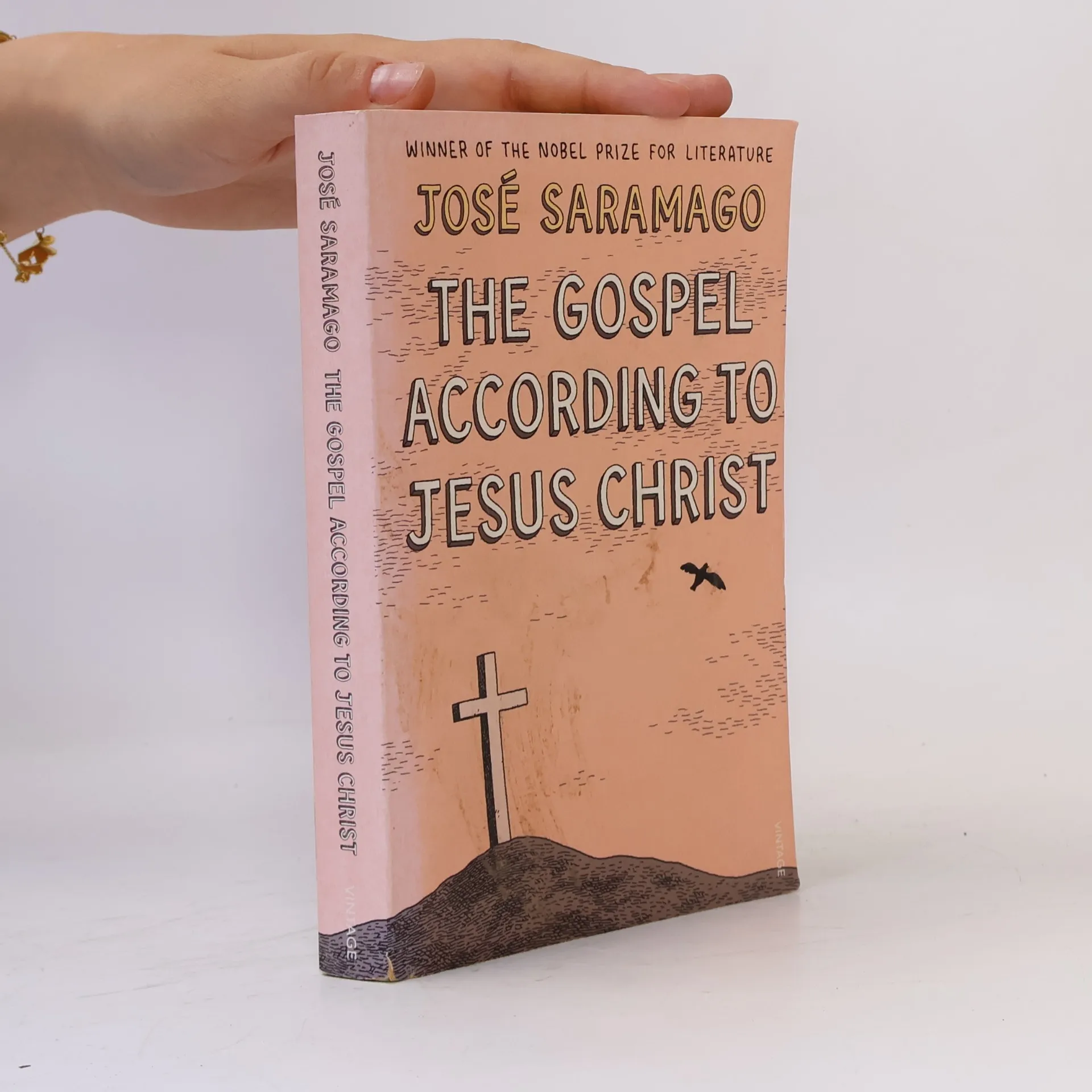
The Gospel according to Jesus Christ
- 352 pages
- 13 hours of reading
A retelling of the Gospel following the life of Christ from his conception to his crucifixion. A naive Jesus is the son not of God, but of Joseph. In the desert it is not Satan, but God that Christ tussles with, an autocrat with whom he has an unbalanced and unsettled relationship.
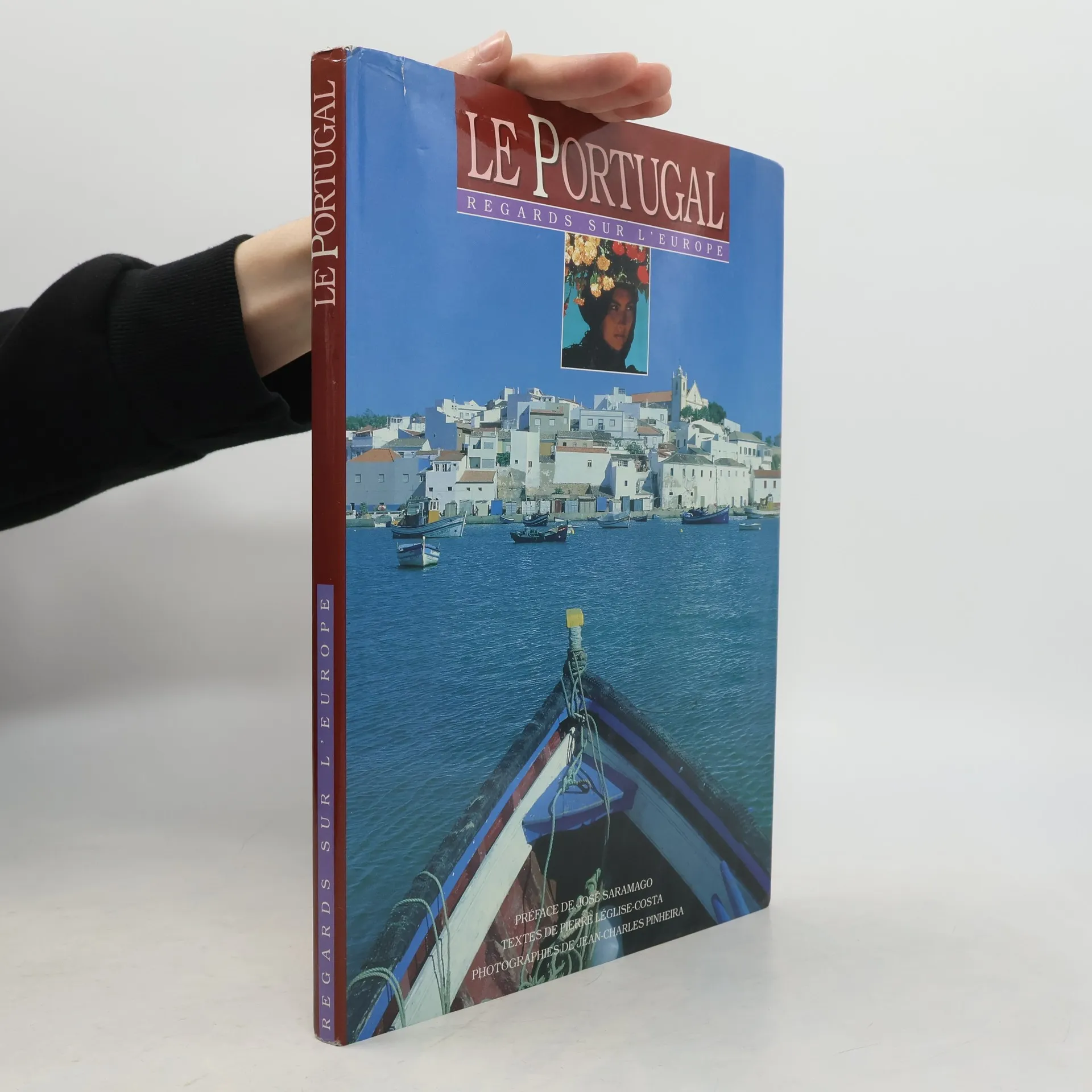
Le Portugal Regards sur l'Europe
- 128 pages
- 5 hours of reading
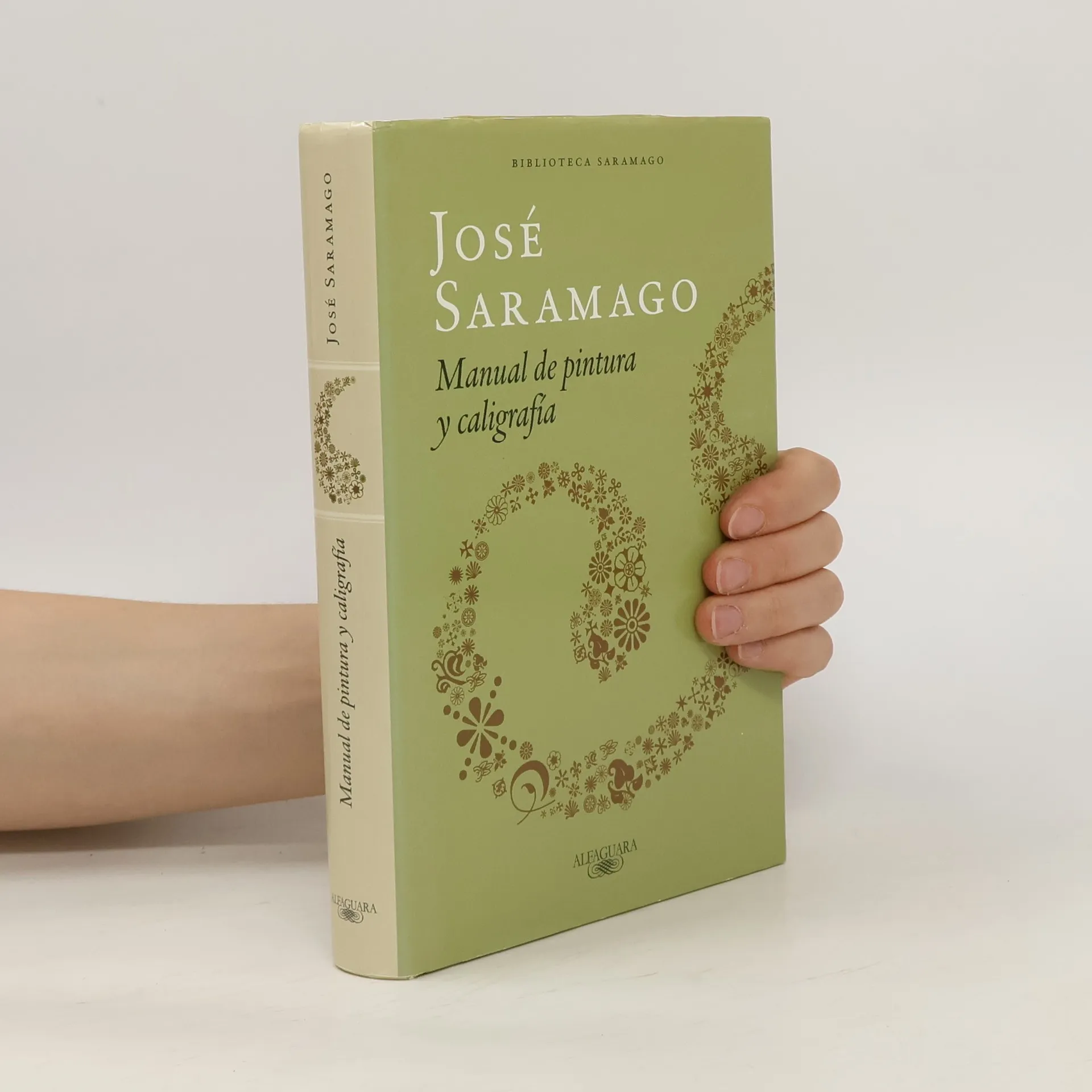
Manual de pintura y caligrafía
- 339 pages
- 12 hours of reading
H. is a struggling artist with a commission to paint a portrait of a well-known industrialist. Whilst the industrialist sits for the portrait, H. begins an affair with his subject’s secretary. Meanwhile the painting starts to fail. For inspiration H. takes a trip to Italy to contemplate the works of the great artists, but when his friend back home is arrested by the secret police of Salazar’s regime, H. is pulled back to Portugal. Art, sexuality and politics collide in Saramago’s first novel.
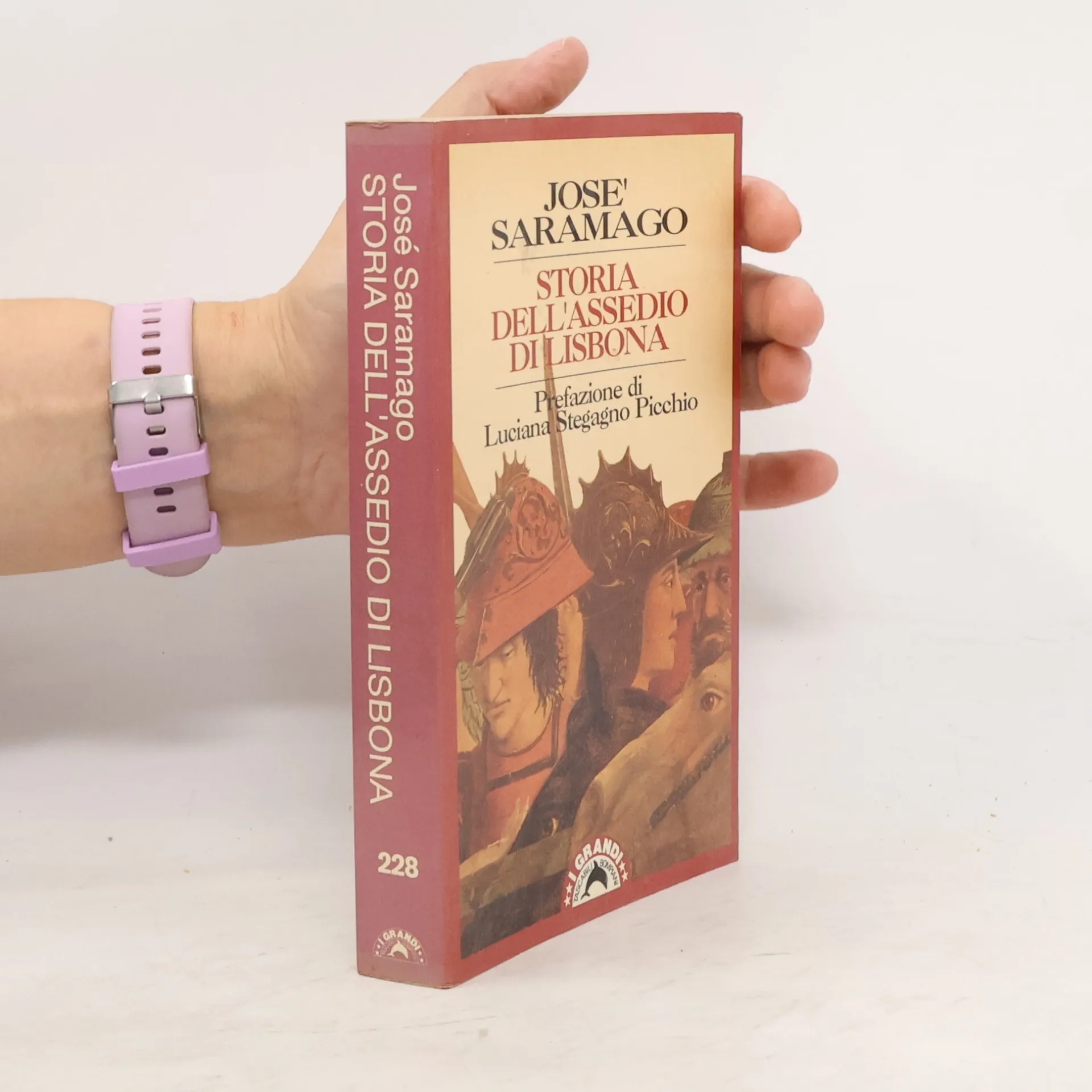
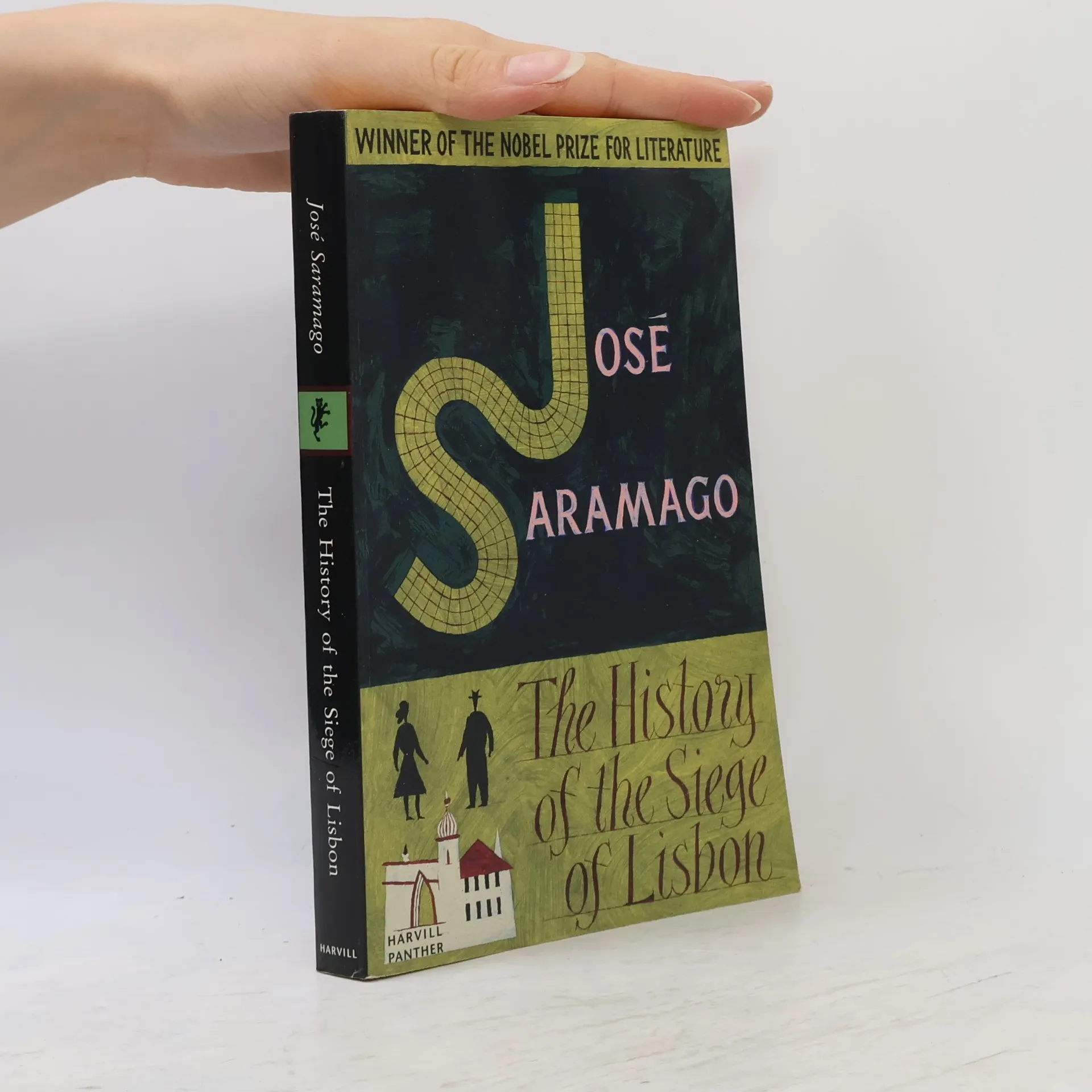
The history of the siege of Lisbon
- 320 pages
- 12 hours of reading
When Raimundo Silva, humble proof-reader for a Lisbon publishing house, takes it upon himself to insert a negative into the sentence of a history book, he rewrites history. The effect of this act of insubordination is to make his editor, the voluptuous Dr Maria Sara, fall in love with him.
Lisbon circa 1935 comes to life in this story of a doctor who forsakes medicine to recite poetry in the streets, the women in his life, and the ghost who occasionally accompanies him
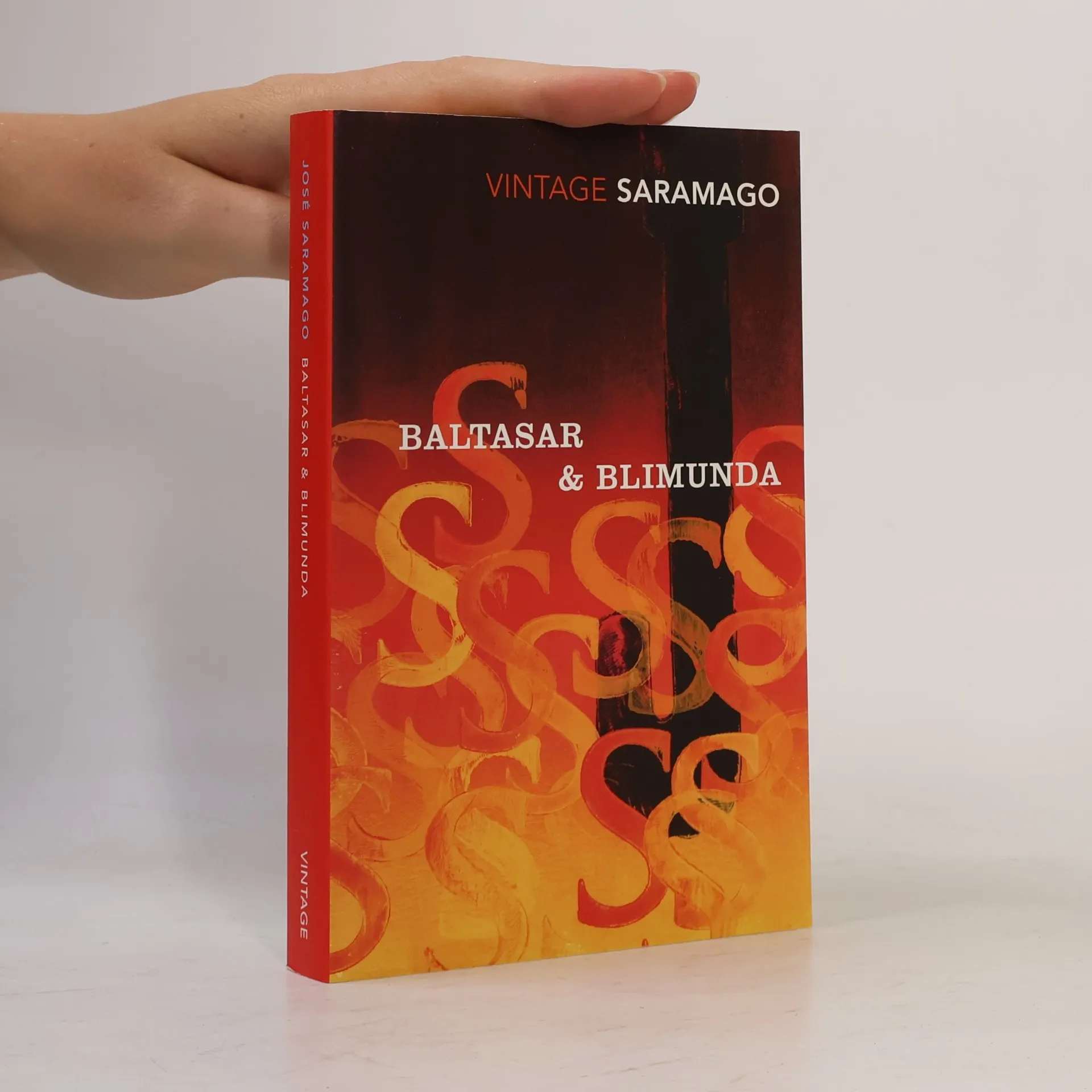
Baltasar & Blimunda
- 352 pages
- 13 hours of reading
Set in early 18th-century Portugal, this novel tells the story of the love between Baltasar, a soldier who lost a hand in the wars, and Blimunda, whose mother died at the hands of the Inquisition.
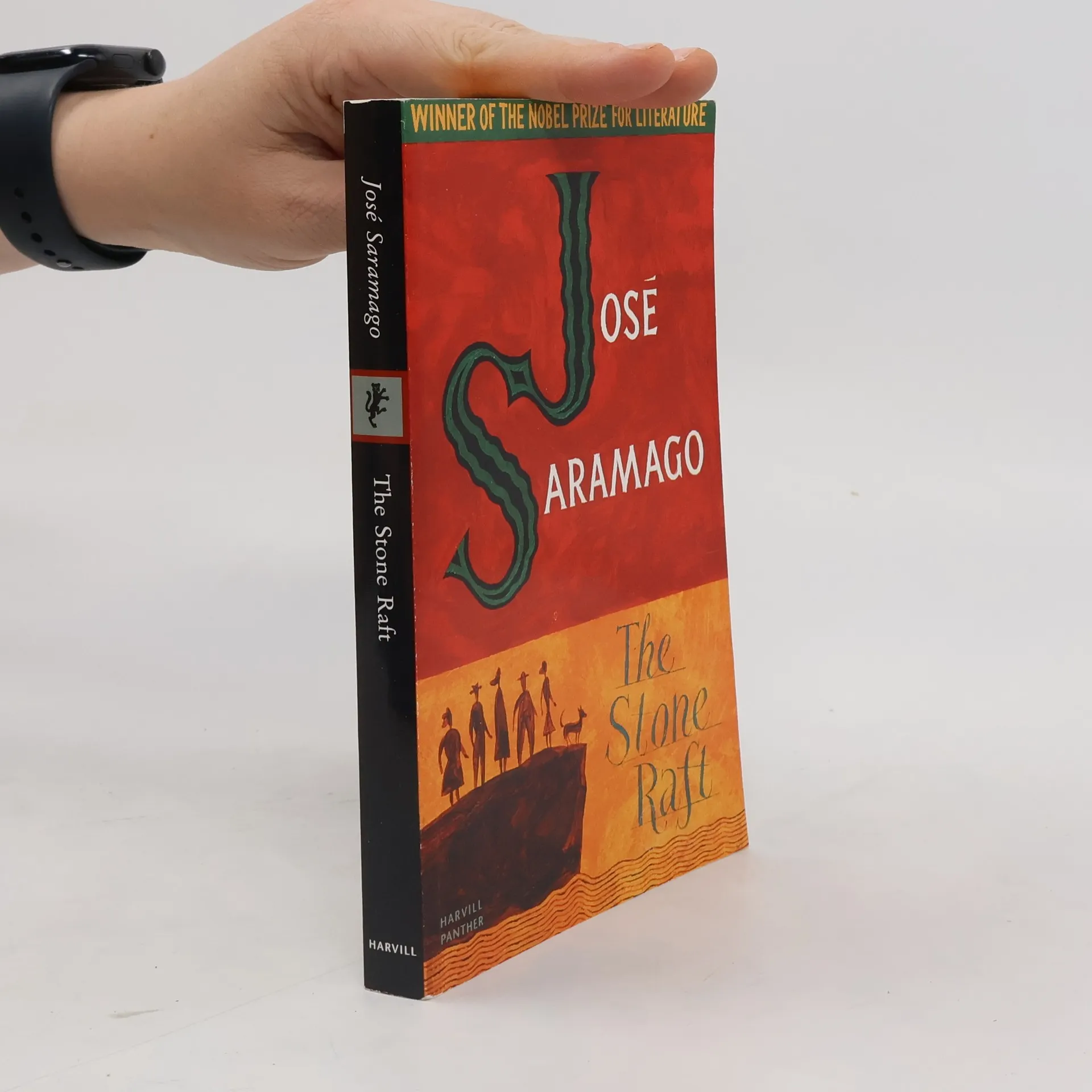
Stone Raft
- 272 pages
- 10 hours of reading
What if, one day, Europe was to crack along the length of the Pyrenees, separating the Iberian peninsula? Travelling at first packed into a car, then into a wagon, they take to the road to explore the limits of their now finite land, adrift in a world made new by this radical shift in perspective. schovat popis
Opgestaan van de grond
- 385 pages
- 14 hours of reading
In het dorpje Lavre in Alentejo weet José Saramago op zekere dag niet hoe het verder moet met de roman die hij onder handen heeft, Opgestaan van de grond. Om de impasse te doorbreken draait hij een nieuw vel in de typemachine en begint gewoon te schrijven, zonder onderbreking. En zo ontstaat, bijna terloops, het oerboek van zijn stijl. Achtenvijftig was hij toen het verscheen en in zeventien jaar tijd schreef hij vervolgens het oeuvre bijeen dat hem in 1998 de Nobelprijs opleverde. In Opgestaan van de grond beschrijft Saramago de geschiedenis van de familie Mau-Tempo, eenvoudige landarbeiders in het zuiden van Portugal. Vier generaties verzet en leed tegen een achtergrond van monarchie, republiek en dictatuur, tot de Anjerrevolutie ten slotte uitzicht biedt op verandering. En dat alles in de stijl die met dit boek geboren werd: een onstuitbare stroom van zich aan elkaar vasthakende zinnen met ingevatte dialogen, schijnbaar geleid door de ingevingen van het moment, die het verhaal onderbreken voor gedachten en overpeinzingen, of die het onverhoeds een andere wending geven alles met meesterhand bijeengehouden. In Opgestaan van de grond, een even bewogen als bevlogen roman, staat niet alleen een volk op, maar ook een nieuwe schrijver.