

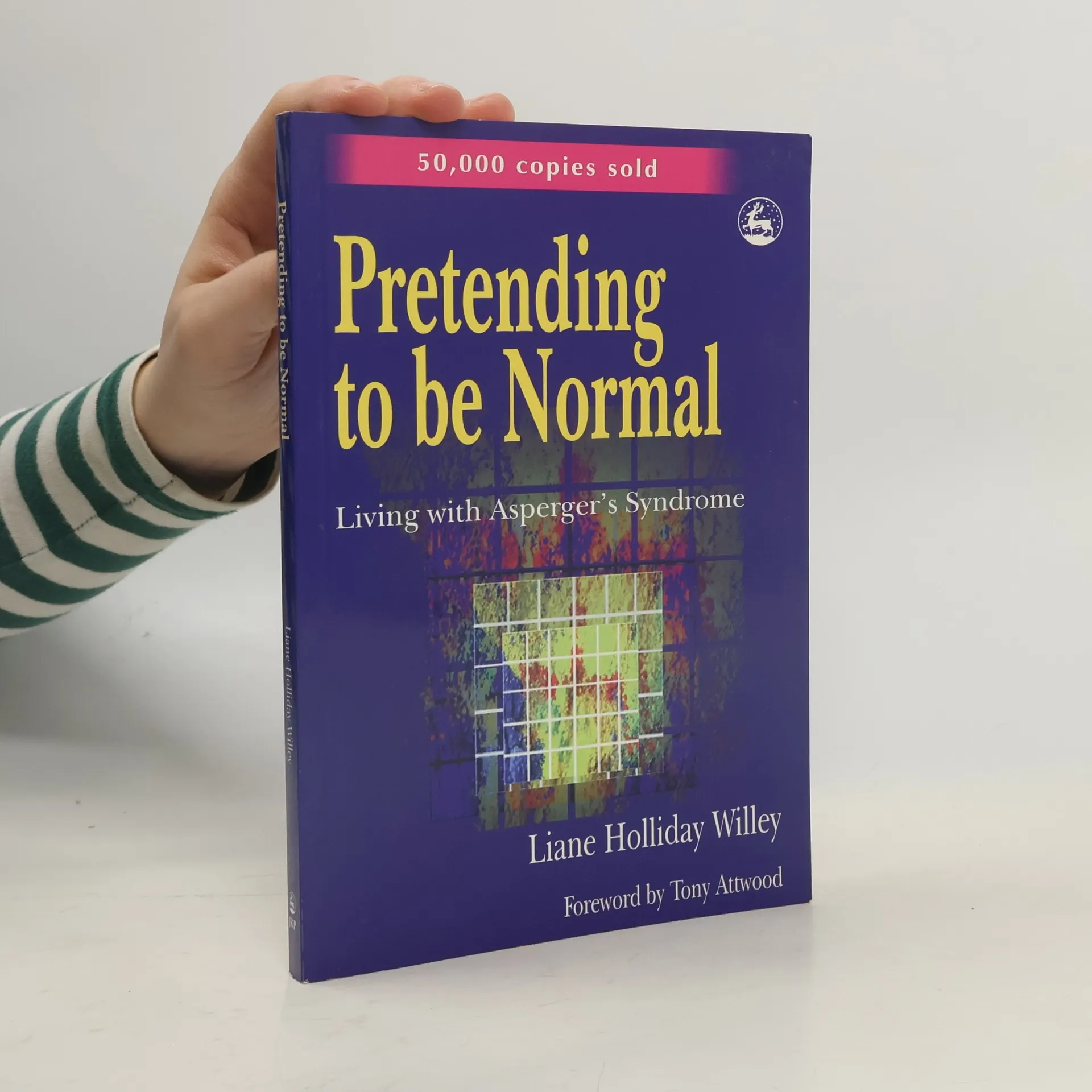
Pretending to be Normal tells the story of a woman who, after years of self-doubt and self-denial, learned to embrace her Asperger's syndrome traits with thanksgiving and joy. Chronicling her life from her earliest memories through her life as a university lecturer, writer, wife and mother, Liane Holliday Willey shares, with insight and warmth, the daily struggles and challenges that face many of those who have Asperger's Syndrome. Pretending to be Normal invites its readers to welcome the Asperger community with open acceptance, for it makes it clear that, more often than not, they are capable, viable, interesting and kind people who simply find unique ways to exhibit those qualities. The last part of the book consists of a series of substantial appendices which provide helpful coping strategies and guidance, based on the author's own experience, for a range of situations. This positive and humane book will provide not only insight into the Asperger world which will prove invaluable for the professionals who work with people with Asperger's Syndrome, but also hope and encouragement for other people with Asperger's Syndrome, their families, and their friends.
Liane Holliday Willey Books


Asperger Syndrome in the Family
- 172 pages
- 7 hours of reading
Through personal vignettes, frank discussions and practical suggestions for dealing with everything from major to minor Aspie challenges, Liane, her husband and their three daughters bravely open their home to their readers, inviting them to look behind the curtains at their version of Aspie life.
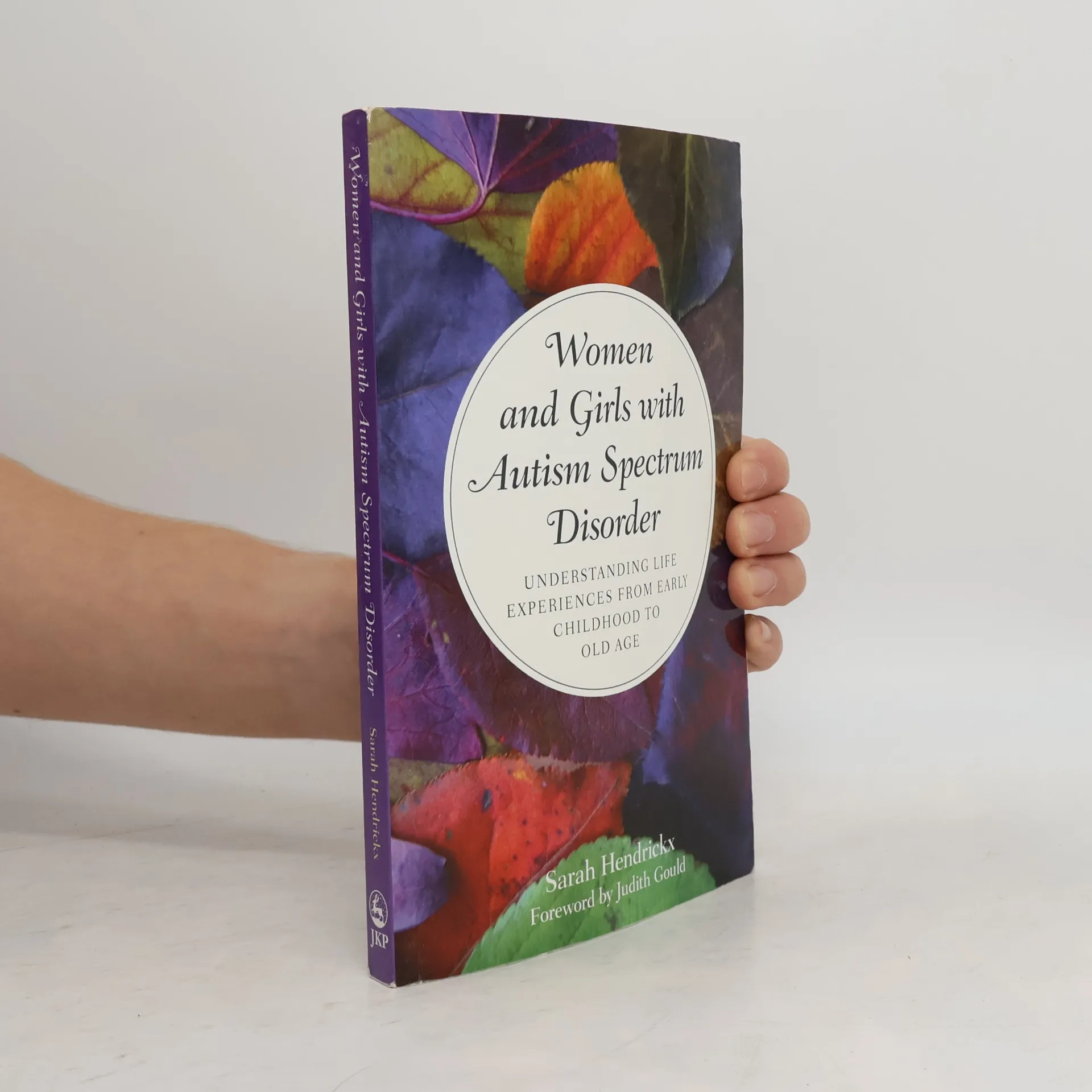
Girls with Asperger's Syndrome are less frequently diagnosed than boys, & even once symptoms have been recognized, help is often not readily available. The image of coping well presented by AS females can often mask difficulties, deficits, challenges, & loneliness.
The author, who has Asperger's syndrome, presents practical advice on staying safe.
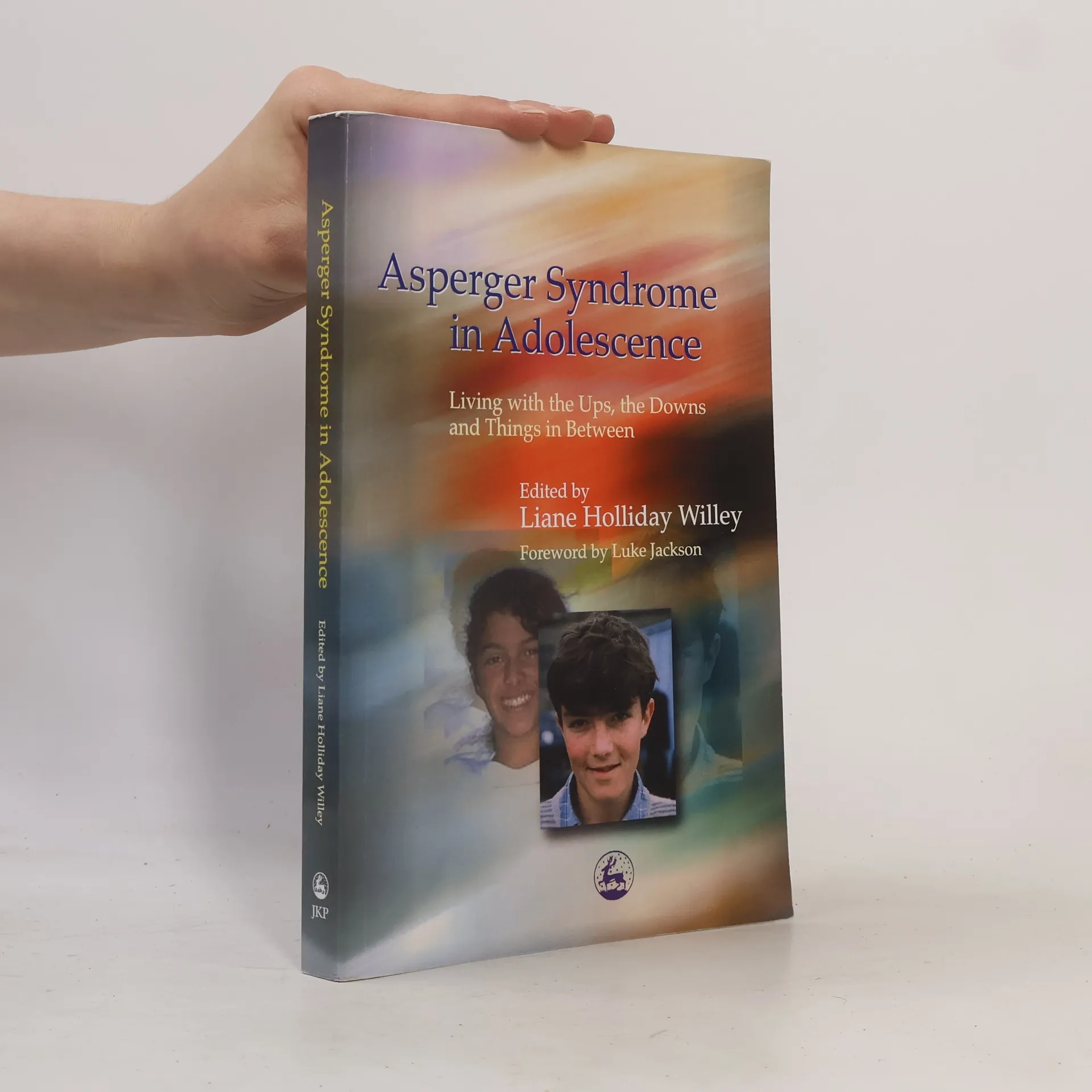
Asperger Syndrome in Adolescence
Living with the Ups, the Downs and Things in Between
- 336 pages
- 12 hours of reading
Reflecting the views of parents, professionals and those with AS themselves, this book tackles issues that are pertinent to all teenagers, such as sexuality, depression and friendship, as well as topics like disclosure and therapeutic alternatives that are more specific to those with AS. This book is an essential survival guide to adolescence. schovat popis