
Explore the latest books of this year!
Bookbot

Bruce S. Davie

    Computer Networks
    Computer Networks
    Morgan Kaufmann Series in Networking: Computer Networks
    MPLS : technology and applications
    • MPLS : technology and applications

      • 300 pages
      • 11 hours of reading

      Multiprotocol Label Switching (MPLS) is now a widely deployed technology, which addresses a variety of issues, including traffic engineering, Quality of Service, Virtual Private Networks, and IP/ATM integration. MPLS: Technology and Applications is the first book that provides a detailed analysis of the architecture, protocols, and application of MPLS.Written by experts who personally authored key parts of the standard, this book will enable network operators and designers to determine which aspects of networks would benefit from MPLS. It is also a definitive reference for engineers implementing MPLS-based products.* Covers major applications of MPLS: traffic engineering, VPNs, IP/ATM integration, and QoS* Describes all the major protocols that comprise MPLS, including LDP, RSVP, and CR-LDP* Goes beyond the RFCs to explain how and why key design decisions were made* Provides a complete discussion of constraint-based routing

      MPLS : technology and applications
      3.0
    • Morgan Kaufmann Series in Networking: Computer Networks

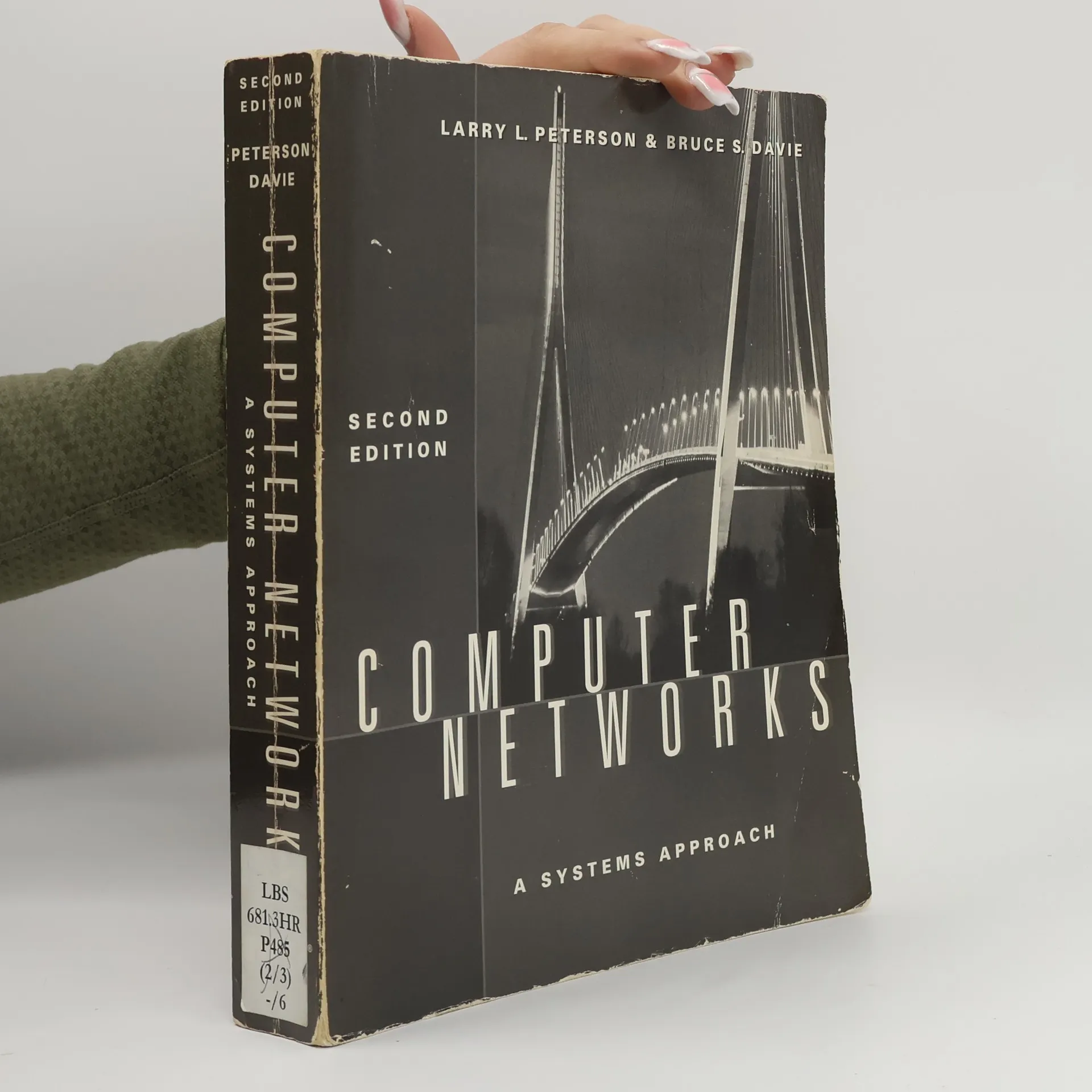
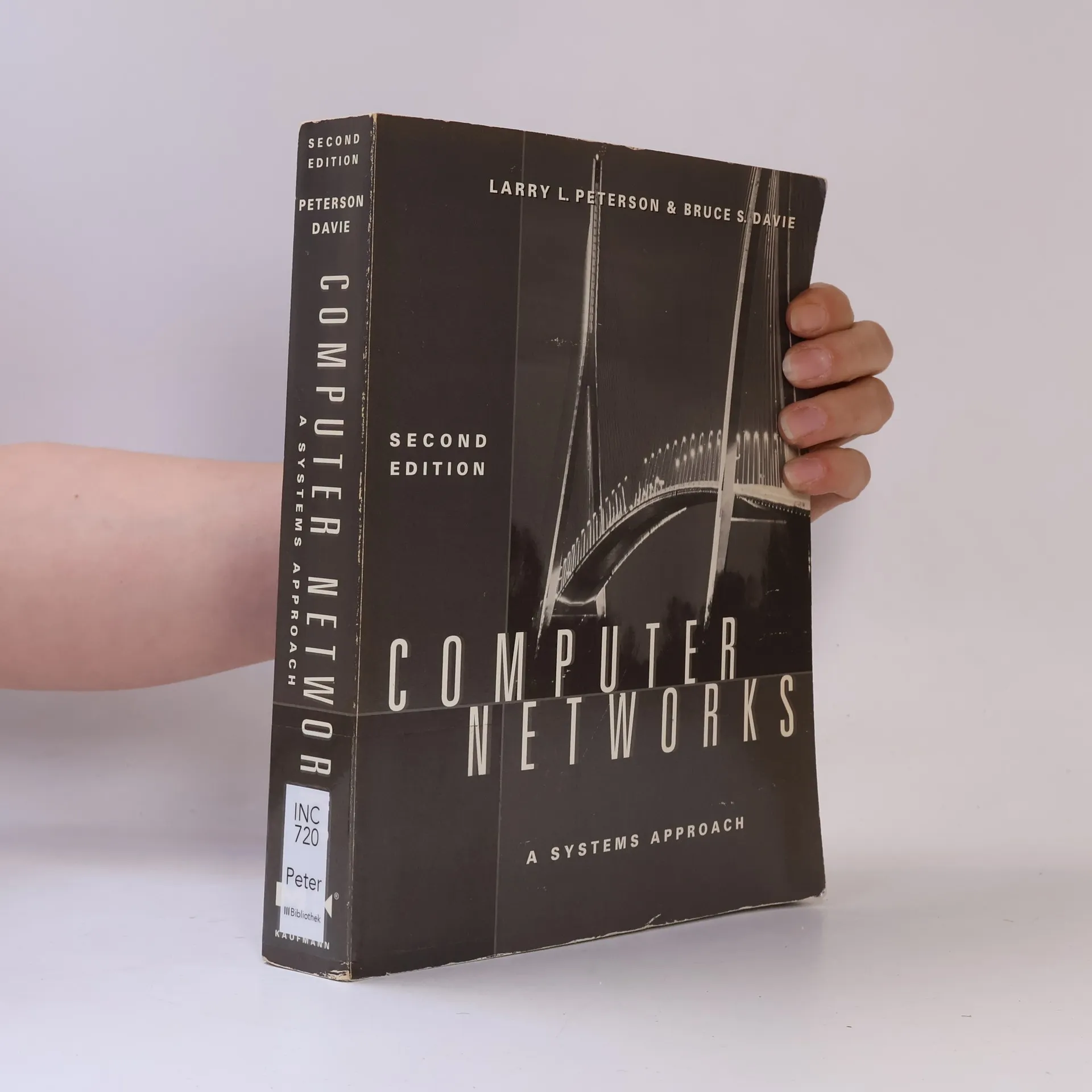
      A Systems Approach, Second Edition

      • 748 pages
      • 27 hours of reading

      Networking technologies and practices are constantly evolving. Equip your students with an understanding that helps them keep pace with Internet time. In this carefully focused revision of the best-selling first edition, authors Peterson and Davie reiterate their commitment to a systems-oriented approach to networking instruction. Focusing on the "why" of network design" not just the specifications comprising today's systems but how key technologies and protocols actually work in the real world to solve specific problems" they promote an enduring, practical understanding of networks and their building blocks. The second edition incorporates coverage of Quality of Service issues, mobile and wireless networks, VPNs, and much more. Over 100 new exercises help users consolidate and expand their knowledge. No other textbook offers a more solid grounding for aspiring network professionals. Computer Networks: A Systems Approach gives your students the knowledge and perspective they need and gives you the tools you need to maximize their learning experience: * Unparalleled instruction from an expert team of authors. The authors bring over 30 years of experience in networking research, development and teaching to the task of describing the principles and practical implementation of computer networks. Both have played key roles in defining and implementing many of the protocols discussed inside. * Cutting-edge coverage. The second edition has been thoroughly updated to cover the most recent advances in networking, including: * a new chapter on security techniques - PGP, IPSEC, secure sockets and firewalls * a new chapter on application layer protocols - SMTP,HTTP, SNMP, DNS and RTP * new material on wireless and mobile technology- spread spectrum techniques and 802.11 * new section on building VPN's on top of the public Internet * Expanded treatment of key issues. Topics such as Internet routing, Quality of Service, congestion control, ATM, compression and multimedia communications now delve deeper to reflect changes that have taken place over the past four years. * Effective pedagogical components. Alongside the authors' clear explanations and insights, you'll find pedagogical components that significantly enhance students' understanding: * Problem statements" the practical design challenges met by the techniques covered in each chapter * Shaded sidebars" explorations of advanced topics * Highlighted summary paragraphs" distillations of key network design principles * Open Issues" guided discussions of controversial networking issues * Further reading" pointers to definitive papers related to each chapter's coverage * Completely revamped end-of-chapter exercises The second edition offers over 100 new end-of-chapter exercises, the result of a substantial editing and development effort by a seasoned networking instructor, Peter Dordal of Loyola University. * The optimal pedagogical approach. Encyclopedic and "layered" approaches cover required material but leave critical questions unanswered. Peterson and Davie focus on systems" how they interweave technology and technique to meet practical needs. Adding layer-focused considerations where necessary, the authors teach students why networks are designed as they are and cultivate the skills needed to build the networks of the future. * Real-worldimplementation examples. New to this edition, operating system-independent C code is used with pseudocode to illustrate protocol implementation throughout. The first edition's x-kernel examples continue to be available online.

      Morgan Kaufmann Series in Networking: Computer Networks
    • Computer Networks

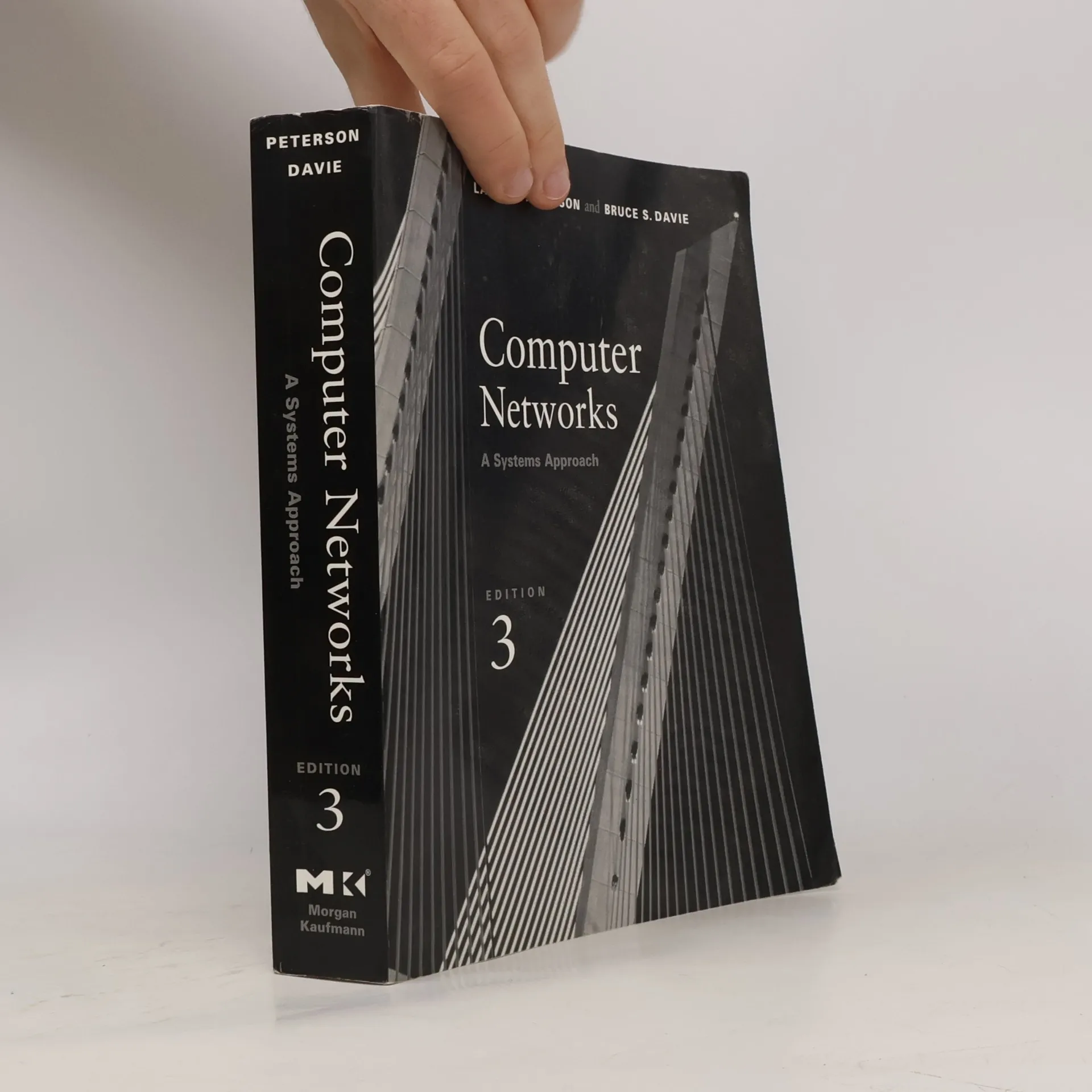
      A System Approach - Edition 3

      • 813 pages
      • 29 hours of reading

      Computer Networks: A Systems Approach , designed for an advanced college-level course in network design and operation, provides the network applications programmer with detailed information about how networks do their thing. While Computer Networks is neither a user manual nor a technical reference, it provides an in-depth background on how network architectures and protocols work. In the beginning, Larry Peterson and Bruce Davie discuss why networks are important and talk about where networks may go in the long term. The authors then move right into a discussion of protocols. There's a fascinating section--complete with plenty of C code--in which the authors actually develop a network protocol called A Simple Protocol (ASP). They compare switching and packet networks and emphasize tunneling protocols. In the internetworking chapter, you'll learn practically all there is to know about Internet Protocol (IP). The concluding chapters talk about traffic management, congestion reduction, and high-speed networking technologies. Computer Networks reveals the guts of what's going on with computers that share data. Though way out of the league of most computer users, true geeks with an interest in networking will find what they need here.

      Computer Networks