This guidebook describes 50 graded walks in the Jungfrau region of
Switzerland. Ranging from 5 to 23.5km, the routes visit valleys, waterfalls,
and alpine huts offering refreshments and accommodation. With shorter hour-
long walks and day-long mountain ascents, it contains something for everyone.
Our authors have chosen 15 of the best short walks around Windermere,
Ambleside and Grasmere. Each walk comes with easy-to-read Ordnance Survey
maps, clear route description and lots of images, plus information on local
beauty spots and tasty refreshment stops. No challenging terrain or
complicated navigation means walks can be enjoyed by everyone.
Guidebook to a 145km (90 mile) circular walking route from Ambleside around
the Lake District National Park, visiting all the main valleys and local
centres. Described in 9 stages, with 5 high-level alternatives to climb the
highest mountains in this World Heritage area. Includes a prologue from
Windermere. Suitable for most walkers.
Guidebook describing 50 graded day walks in Valais, Switzerland, based around
the resort towns of Zermatt and Saas-Fee. The routes cover the Mattertal and
Saastal valleys and their surrounding mountains and offer spectacular views of
the Swiss 4000m giants, including the Matterhorn and Monte Rosa. Welcoming
huts offer refreshment on the routes.
The green belt has been one of the UK’s most consistent and successful planning policies. It has limited urban sprawl and preserved the countryside around cities—but what is its role in an era of unprecedented urban growth and potentially catastrophic climate change? Repurposing the Green Belt in the 21st Century examines the history of the green belt in the UK and how it has influenced planning regimes in other countries. Despite the undoubted achievements of the green belt, the authors argue, it is time to review it as an instrument of urban planning and landscape design, now that the problem of the ecological impact of cities and the mitigation measures of major climate changes are at the top of the urban agenda across the world. Through an examination of practice in the UK, the Netherlands, Spain, and Germany, Repurposing the Green Belt in the 21st Century proposes a framework for a reconsideration of the critical relationship between the city and its hinterlands. It will be useful for undergraduate and postgraduate students of planning, landscape architecture, urban design, architecture, and land economics, as well as practitioners in design, planning, and real estate.
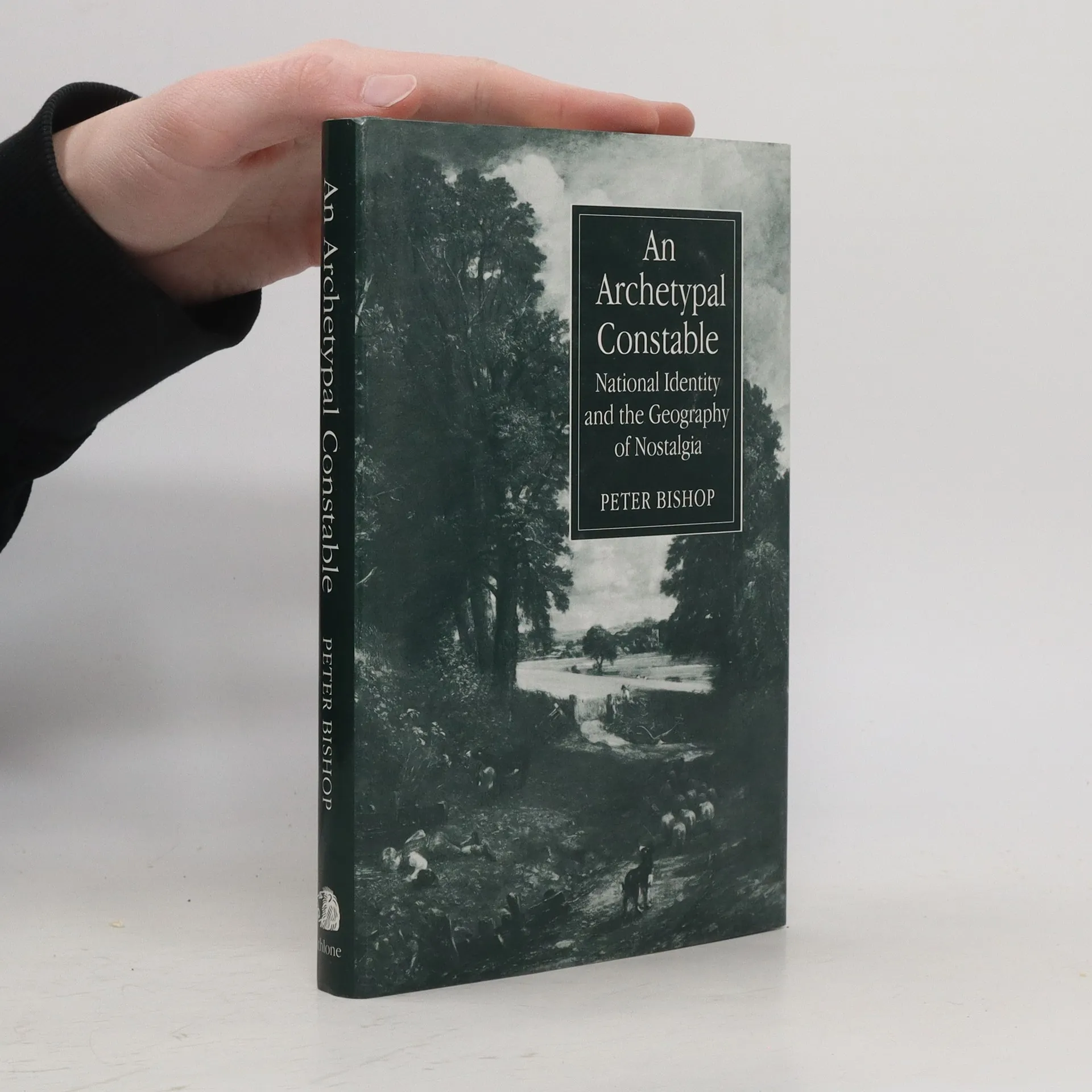
What is the significance of Constable's paintings and Constable country for the contemporary post-modern era? The author, Peter Bishop, brings a new post-Jungian or archetypal perspective to bear on Constable's paintings and Constable country. He also addresses the broader issues of the cultural psychology of art and the role of the imagined landscapes in the formation of modern psychological and cultural ideas. It forms a companion volume to the author's earlier work, The Myth of Shangri-La, which looked at Western fantasies of the other as expressed in the creation of images of an exotic place. This volume charts the corresponding fantasies of the self: Constable country provides a lens to examine the fostering of a sense of identity - individual, cultural and national. It aims to be of value to all those with an interest in art history, cultural history, psychology and cultural geography. Bishop's other books include The Myth of Shangri-La (1989) and Dreams of Power (1992).