Explore the latest books of this year!
Bookbot

John Horgan

    John Horgan is a science journalist whose work often explores the intricate connections between scientific understanding and the profound questions of human existence. His writing has appeared in leading global publications, and through his essays, he prompts readers to consider the boundaries of science and its impact on our perception of the world. Horgan's investigative journalism delves into the essence of scientific discovery and its implications.
    An den Grenzen des Wissens: Siegeszug und Dilemma der Naturwissenschaften
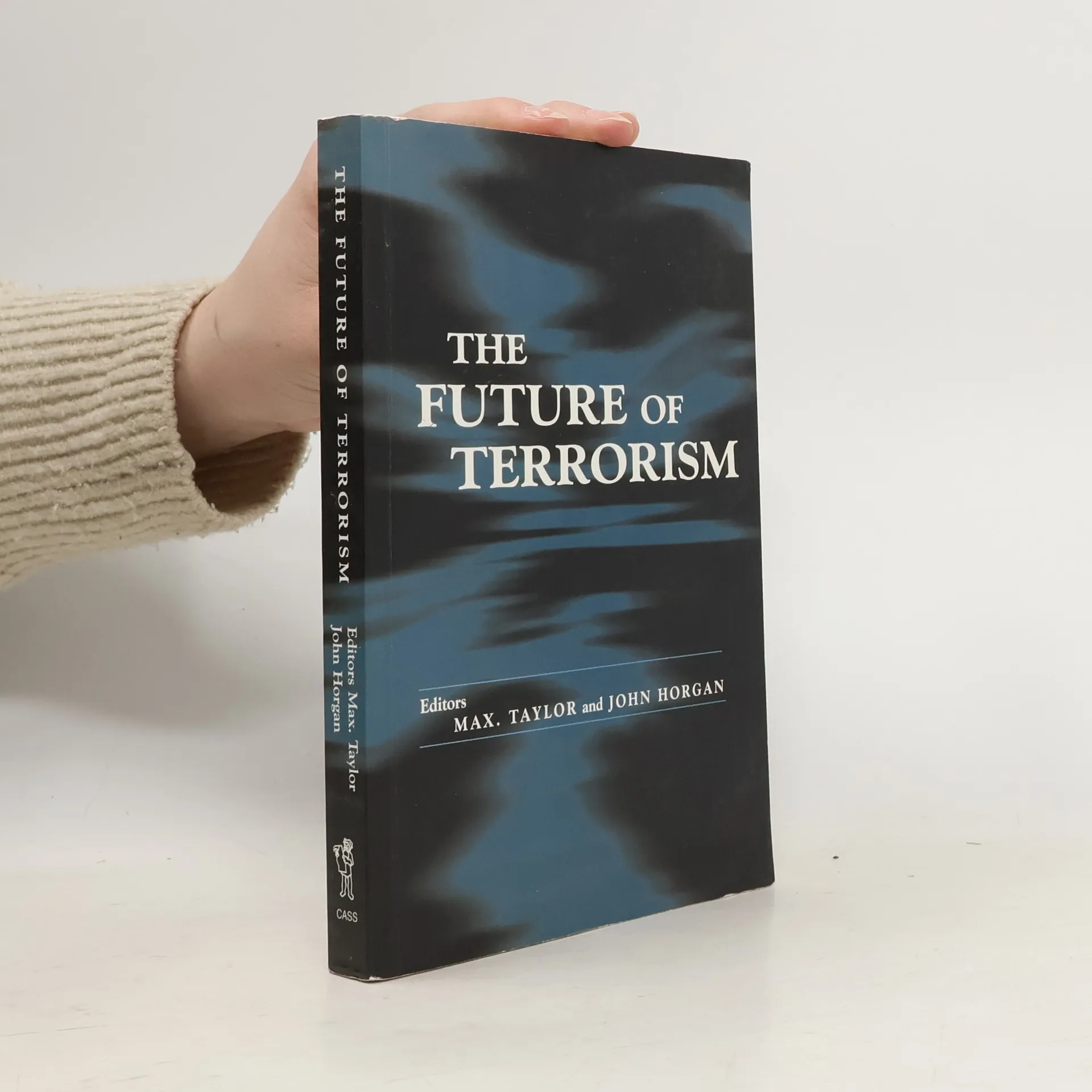
    The Future of Terrorism
    Helix Books: The End of Science
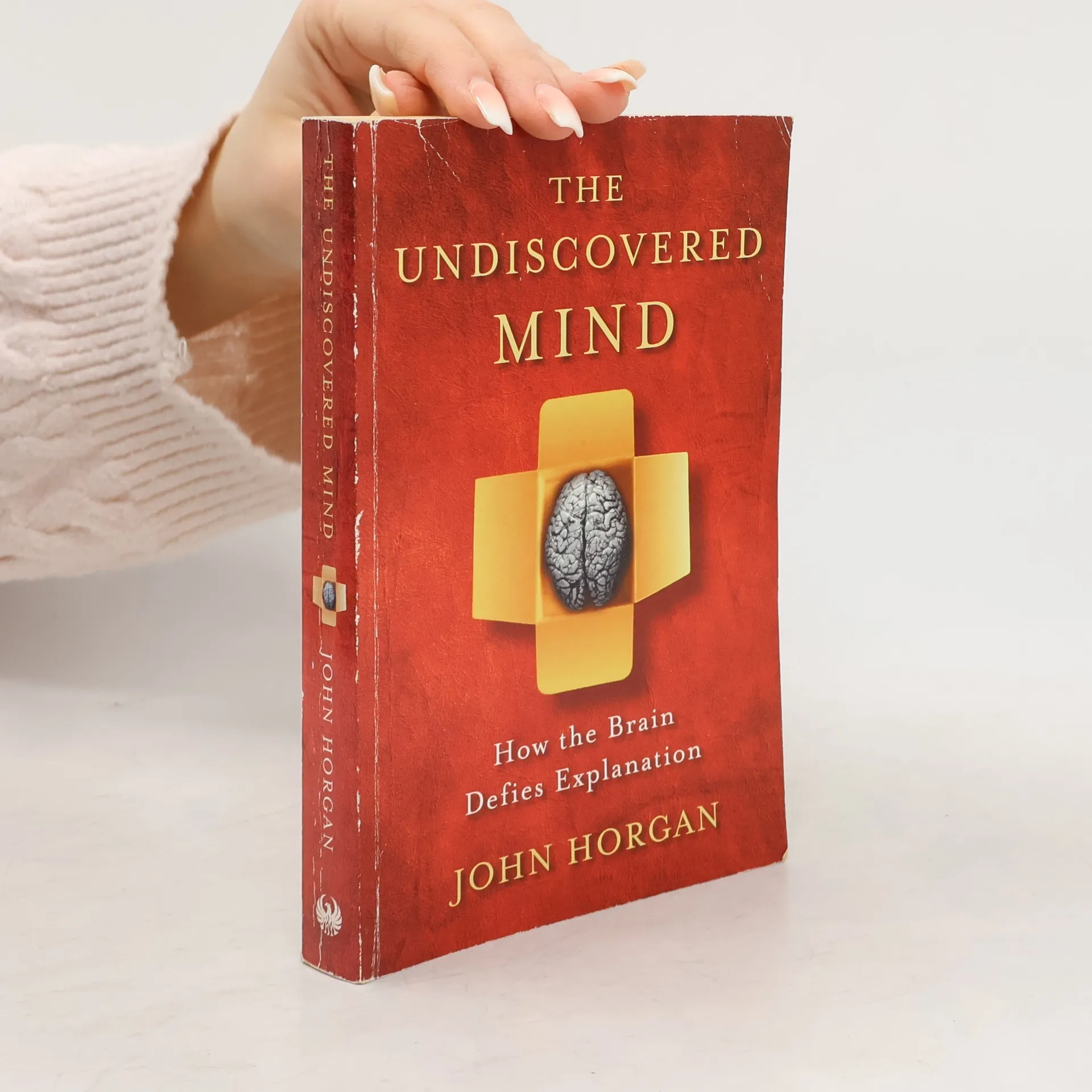
    The Undiscovered Mind
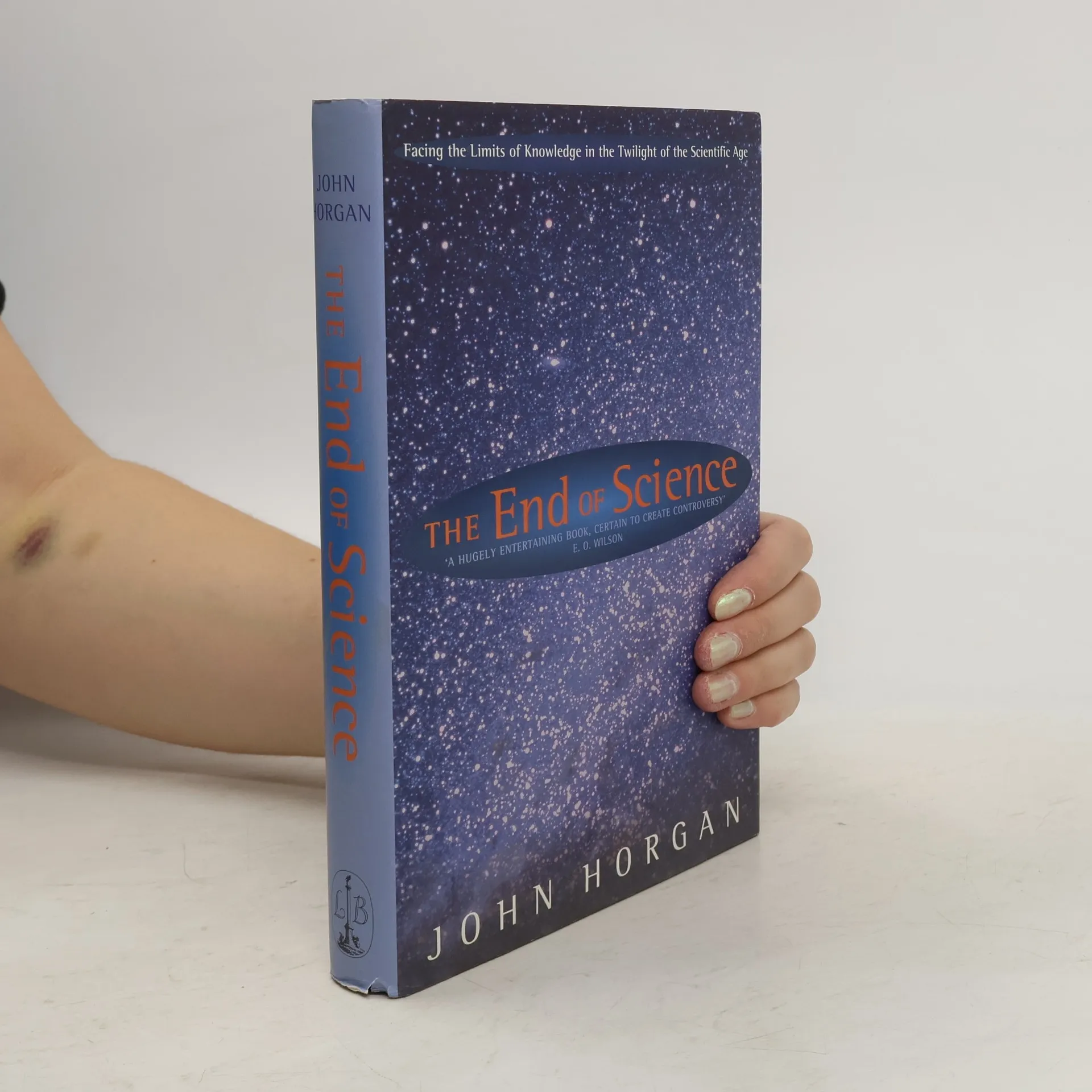
    The End of Science
    • The End of Science

      Facing the Limits of Knowledge in the Twilight of the Scientific Age

      • 324 pages
      • 12 hours of reading

      As a writer for Scientific American, the author is regularly afforded the opportunity of interviewing comtemporary scientists such as Richard Dawkins, Murray Gell-Mann, Stephen Hawking and Noam Chomsky. In this work, he discusses with them whether all the big scientific questions have been answered and all the knowledge worth knowing become known. Will there eventually be a theory of everything that signals the end? In a time where scientific rationality is under fire from many quarters, Horgan provides an overview of current scientific enterprise as he discusses God, Star Trek, superstrings, quarks, consciousness and many other topics.

      The End of Science
      3.6
    • The Undiscovered Mind

      How the Brain Defies Explanation

      • 325 pages
      • 12 hours of reading

      This book takes readers to meet the presumed experts on how the brain works, but demonstrates that we cannot absolutely understand what is happening inside our heads, that science has achieved virtually nothing in explaining the mind and that science cannot define what makes us human.

      The Undiscovered Mind
      2.8
    • Helix Books: The End of Science

      Facing the Limits of Knowledge in the Twilight of the Scientific Age - With a New Afterword

      • 322 pages
      • 12 hours of reading

      As a staff writer for Scientific American, John Horgan has unparalleled access to contemporary science, interviewing prominent figures like Lynn Margulis, Roger Penrose, and Stephen Hawking. Throughout this remarkable work, he explores a profound concern: Have all the significant questions been answered? Is there a final theory of everything that signals the end of discovery? Horgan questions whether science has devolved into mere puzzle-solving and detail enhancement of existing theories. Traditionally, scientists have distinguished themselves by believing they discover truth rather than construct it, revealing the empirical universe rather than interpreting it. However, science imposes its own limits—special relativity restricts information transfer beyond light speed, quantum mechanics introduces uncertainty, and chaos theory highlights the impossibility of complete prediction. Additionally, scientific rationality faces challenges from various groups, including Neo-Luddites and religious fundamentalists. Horgan warns that the greatest threat to science may arise from its diminishing status among academic disciplines, potentially reducing it to a form of literary criticism as theorists engage in what he terms "ironic science." Despite his critique, grounded in insights from leading researchers, Horgan also pays tribute to science, suggesting that if it is nearing an end, it is only because it has accomplished its mission so

      Helix Books: The End of Science
      3.4
    • The Future of Terrorism

      • 244 pages
      • 9 hours of reading

      These papers are from a meeting at University College Cork, Ireland, at which terrorism experts from academia and law enforcement presented and dicussed their views on future developments in terrorism.

      The Future of Terrorism
    • Die letzten Entdecker? Horgans kontrovers diskutiertes Buch porträtiert die führenden Wissenschaftler und Philosophen unserer Zeit - eine informative Einführung in die wichtigsten wissenschaftlichen Entwicklungen der letzten zwanzig Jahre wie in die Einsichten und Ansichten ihrer zentralen Vertreter. 'Wissenschaftsbuch des Jahres 1998'

      An den Grenzen des Wissens: Siegeszug und Dilemma der Naturwissenschaften
      3.0