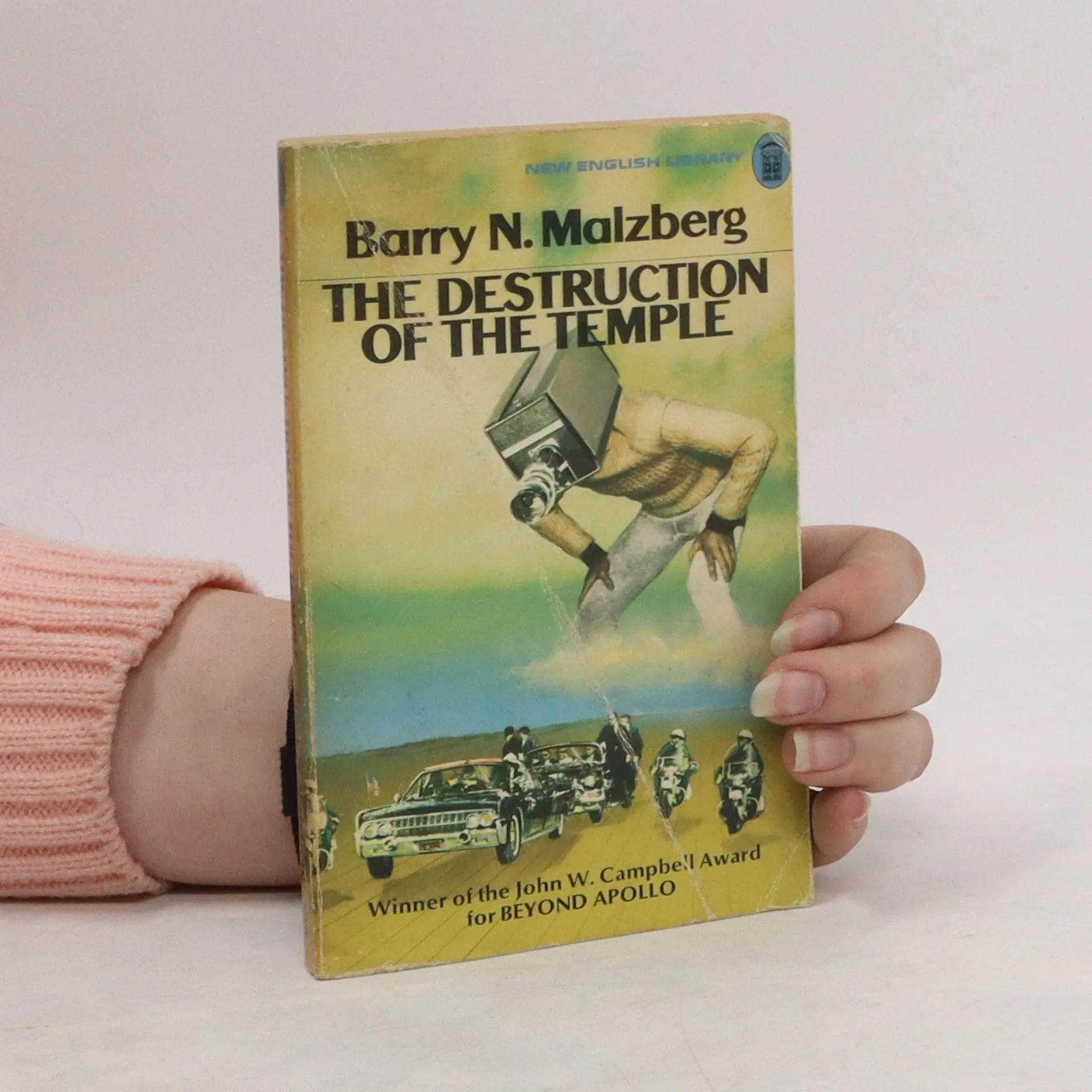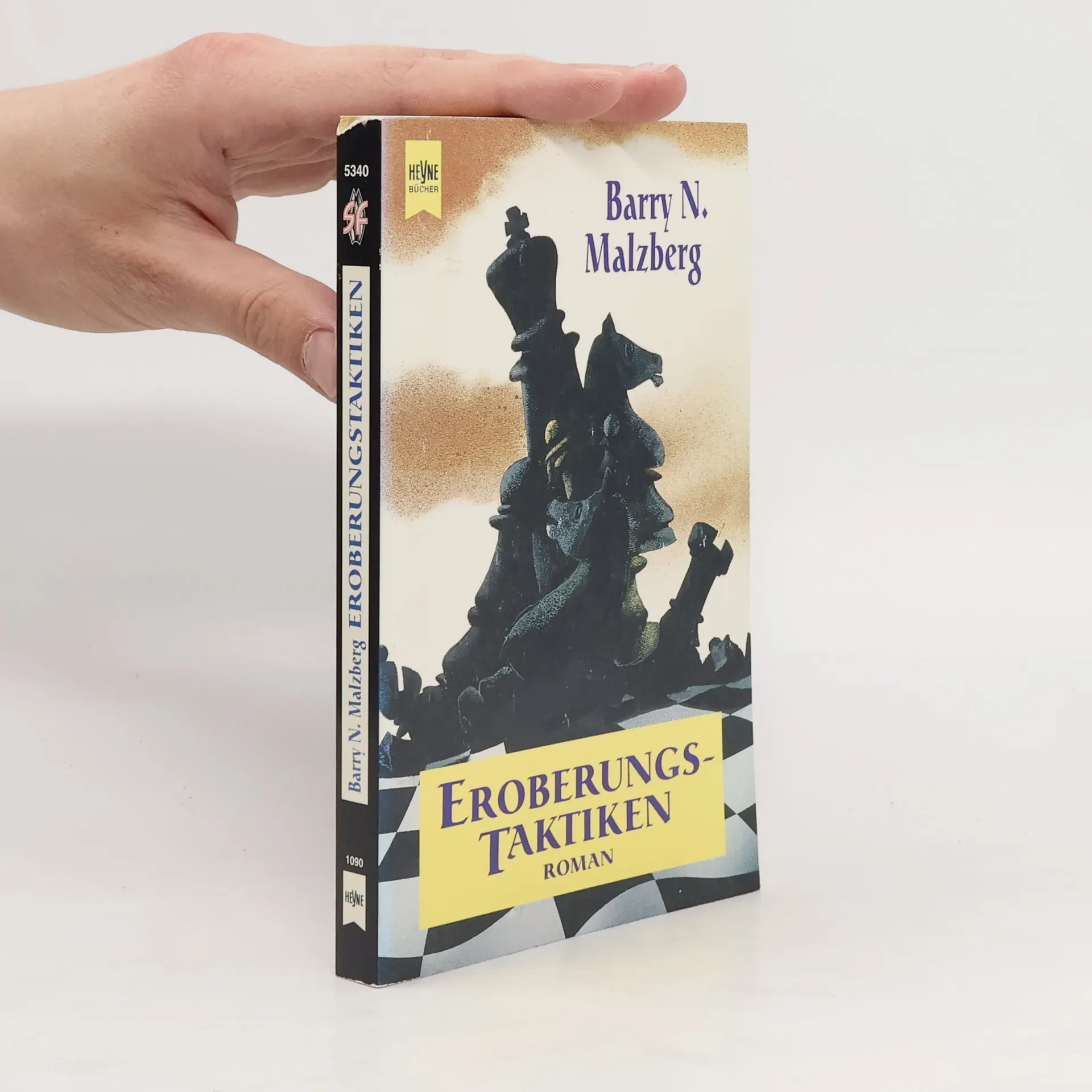




Explore the latest books of this year!
Bookbot

Barry N. Malzberg

    July 24, 1939

    This author delves into complex human desires and repentance with an unconventional style that departs from traditional literary influences. His works often reflect a humorous take on ambition and relationships, unafraid to experiment across genres and write under various pseudonyms. Readers will appreciate his unique voice, blending profound philosophical musings with a lighthearted, often ironic, view of human nature. His literary legacy lies in his unconventional approach to writing and ability to engage readers across diverse genres.

    Lone Wolf #3
    Lone Wolf #1: Night Raider / Lone Wolf #2: Bay Prowler
    The Passage of the Light
    Ready When You Are and Other Stories
    Collecting Myself
    Revelations
    • Revelations

      • 180 pages
      • 7 hours of reading

      The narrative revolves around Marvin Martin, a talk show host frustrated by the lack of authenticity in his guests. His producer, Hurwitz, faces pressure after a disastrous episode with a rival network's guest. Meanwhile, Walter Monaghan, a former astronaut, seeks to reveal a shocking truth about the space program, raising questions about credibility and conspiracy. The intertwining stories explore themes of truth, desperation, and the consequences of exposing hidden realities in a world filled with pretension.


      Revelations
      4.8
    • Collecting Myself

      The Uncollected Stories of Barry N. Malzberg

      • 188 pages
      • 7 hours of reading

      Exploring themes of identity and self-discovery, this memoir delves into the author's personal journey through challenges and triumphs. It reflects on the complexities of relationships, cultural influences, and the quest for belonging. Through candid storytelling, the author shares pivotal moments that shaped their understanding of self and the world around them, offering readers an intimate glimpse into the process of collecting one's thoughts, experiences, and emotions.

      Collecting Myself
      4.0
    • Ready When You Are and Other Stories

      • 166 pages
      • 6 hours of reading

      Centered on the journey of self-discovery, this narrative follows a protagonist grappling with personal challenges and the complexities of relationships. As they navigate pivotal moments in their life, themes of resilience, growth, and the importance of timing emerge. The story highlights the transformative power of taking risks and embracing change, ultimately leading to a deeper understanding of oneself and the world around them. With relatable characters and poignant insights, it resonates with anyone seeking inspiration to overcome obstacles.

      Ready When You Are and Other Stories
      4.0
    • The Passage of the Light

      The Recursive Science Fiction of Barry N. Malzberg

      The Recursive Science Fiction of Barry N. Malzberg. Contains all the author's stories written about science fiction. Cover illustration by Merle Insinga.Introduction (The Passage of the Light - The Recursive Science Fiction of Barry N. Malzberg) • (1994) • essay by Mike Resnick.Dwellers of the Deep • (1994) • novella by Barry N. Malzberg.Gather in the Hall of the Planets • (1994) • novella by Barry N. Malzberg.July 24, 1970 • (1969) • short story by Barry N. Malzberg.Notes Toward a Usable Past • (1994) • short story by Barry N. Malzberg.A Question of Slant • (1971) • short story by Barry N. Malzberg.A Galaxy Called Rome • (1975) • novelette by Barry N. Malzberg.A Delightful Comedic Premise • (1974) • short story by Barry N. Malzberg.January 1975 • (1975) • short story by Barry N. Malzberg.Prose Bowl • (1979) • novelette by Bill Pronzini and Barry N. Malzberg.Another Goddamned Showboat • (1990) • short story by Barry N. Malzberg.Herovit's World • (1973) • novel by Barry N. Malzberg.Corridors • (1982) • short story by Barry N. Malzberg.The Passage of the Light • (1993) • short story by Barry N. Malzberg.Afterword (The Passage of the Light - The Recursive Science Fiction of Barry N. Malzberg) • (1994) • essay by Anthony R. Lewis.

      The Passage of the Light
      4.0
    • THE LONE WOLFBurt Wulff, after two years in the army, most of it in Vietnam, had been entitled to something nice for his trouble, so they had made him a narco. A New York City narcotics cop, with the freedom and the plainclothes and the graft money… but something had happened to this Wulff he had gone crazy. He had become a man of integrity. Eventually he tried to bust an informant, and they knew they would have to do something about this wild man…When Wulff saw his fiancée OD’d out on the floor, he thought that he might go mad on the spot but quite strangely he did not. Wulff went straight home and discarded everything except his gun and a spare. They were hardly the equipment he would need but they were a beginning. By mid-summer, he had the beginnings of an operation in his mind. The rest he would have to play by ear. Wulff hit the streets to kill a lot of people.First strike, the drug network in New York…. and then San Francisco. He is beyond forgiveness or vengeance now. He is the Lone Wolf.

      Lone Wolf #1: Night Raider / Lone Wolf #2: Bay Prowler
      3.0
    • Lone Wolf #3

      Boston Avenger / Lone Wolf #4: Desert Stalker: Boston Avenger / Lone Wolf #4: Desert Stalker

      • 226 pages
      • 8 hours of reading

      The narrative delves into the moral complexities of the drug trade, highlighting the inevitable corruption and harm it inflicts on individuals. It explores the protagonist's struggle with the notion of innocence in a world where everyone involved is tainted by addiction. The story critiques the mindset of law enforcement and bureaucratic thinking, suggesting that their detachment only perpetuates the cycle of damage. Ultimately, it presents a grim view of accountability and the pervasive consequences of the drug epidemic.

      Lone Wolf #3
      3.0
    • The Best of Harry Harrison

      • 302 pages
      • 11 hours of reading

      Contents of The Best of Harry Harrison 1) The Streets of Ashkelon 2) Capt. Honario Harpplayer, R.N. 3) Rescue Operation 4) At Last, the True Story of Frankenstein 5) I Always Do What Teddy Says 6) Portrait of the Artist 7) Not Me, Not Amos Cabot! 8) Mute Milton 9) A Criminal Act 10) Waiting Place 11) If 12) I Have My Vigil 13) From Fanaticism, or For Reward 14) By the Falls 15) The Ever-Branching Tree 16) Brave Newer World 17) Roommates 18) The Mothballed Spaceship 19) An Honest Days Work 20) Space Rats of the C.C.C.

      The Best of Harry Harrison
      3.6
    • The Cross of Fire

      • 224 pages
      • 8 hours of reading

      In the far future, it has become possible in advanced psychotherapy for a man to be given dreams as vivid as reality in which he may play any part he chooses. If that man were inclined to see his life as a struggle between good and evil, and if he were blessed with a profound sense of the black humour inherent in his situation, he might choose to play the part of Jesus, called the Christ. If he were inclined to write a book, it might be this one.

      The Cross of Fire
      3.7
    • The Best of Damon Knight

      • 337 pages
      • 12 hours of reading

      Dark of the Knight • (1976) • essay by Barry N. Malzberg Not with a Bang • (1950) To Serve Man • (1950) Cabin Boy • (1951) The Analogues • (1952) Babel II • (1953) Special Delivery • (1954) Thing of Beauty • (1958) Anachron • (1954) Extempore • (1956) Backward, O Time • (1956) The Last Word • (1957) Man in the Jar • (1957) The Enemy • (1958) Eripmav • (1958) A Likely Story • (1956) Time Enough • (1960) Mary • (1964) The Handler • (1960) The Big Pat Boom • (1963) Semper Fi • (1964) Masks • (1968) Down There • (1973)

      The Best of Damon Knight
      3.5
    • On a Planet Alien

      • 160 pages
      • 6 hours of reading

      The mission was to Folsom's planet, the purpose to educate the native inhabitants and bring them within the Federation. But Commander Hans Folsom was worried. Something had happened on the voyage, but he could not remember what. A runic stone he had found on the planet seemed to have a power of its own. And now messages from Earth were becoming meaningless. Then there was the crew. Were they educating the natives correctly, or were they traitors? Or was Commander Folsom going mad? Could it be that some unknown force was controlling his mind - a force that could bring disaster to the mission?

      On a Planet Alien
      3.0