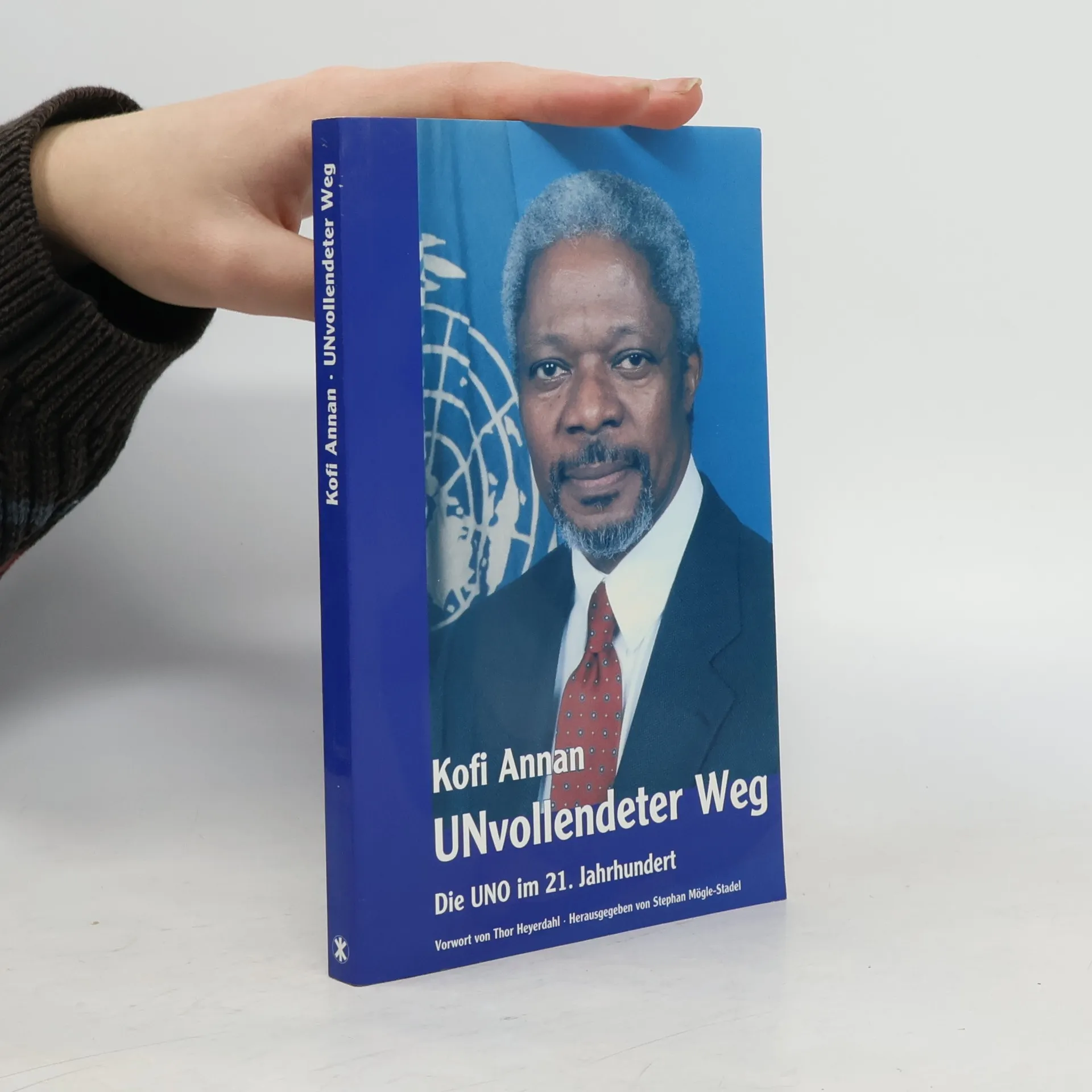
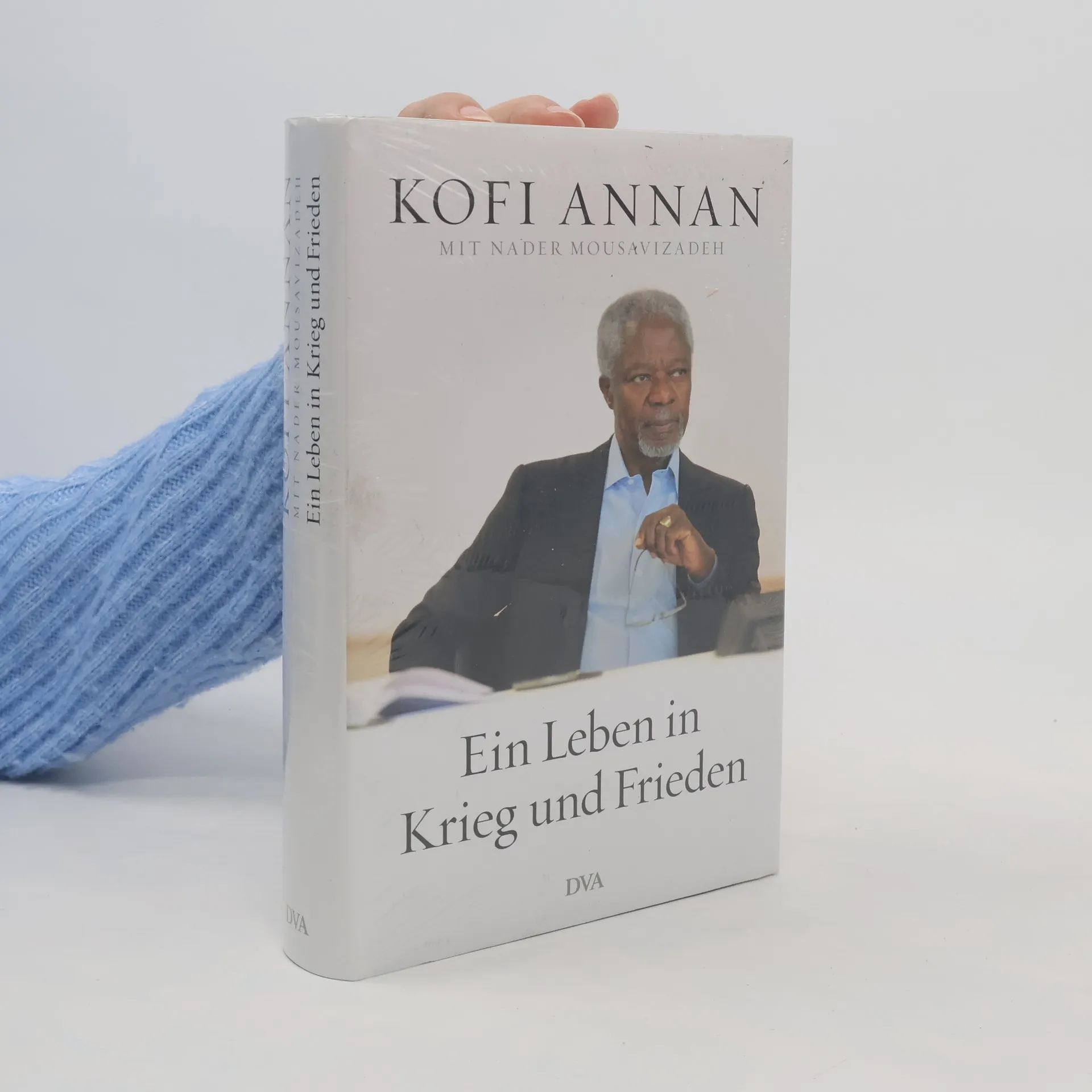
Krisenmanager an den politischen Brandherden der Welt Kofi Annan war Generalsekretär der Vereinten Nationen in bewegter Zeit, von 1997 bis 2006. In seine Amtszeit fallen die Konflikte auf dem Balkan, die Anschläge des 11. Septembers 2001 und die anschließenden Kriege in Afghanistan und Irak, die Bürgerkriege im Sudan und Somalia und der Völkermord in Ruanda sowie als großes und dauerhaftes Thema die Krise im Nahen Osten, den er als Bruchlinie der Welt bezeichnet. In einem ebenso politischen wie persönlichen Buch, das den Bogen spannt von seiner Jugend in Ghana bis in die Gegenwart, schildert Annan Erfolge und Schwierigkeiten seiner Vermittlungsbemühungen im Auftrag der Vereinten Nationen und die Auseinandersetzung sowohl mit den großen Mächten der Welt wie mit gefährlichen Potentaten und Diktatoren. Kofi Annan gibt einen tiefen Einblick in die Arbeit der Vereinten Nationen mit dem Ziel, ihre von allen Seiten immer wieder infrage gestellte Rolle in der Weltpolitik zu stärken.
Kofi A. Annan Book order (chronological)
Kofi Annan was a Ghanaian diplomat and a pivotal figure in international relations, dedicated to advancing peace and human rights. His diplomatic career was characterized by a commitment to multilateralism and the reform of global governance. Annan believed in the power of international cooperation to address the world's most pressing challenges. His legacy endures through his tireless efforts to foster a more just and peaceful global community.


Yangtze - The Long River
- 188 pages
- 7 hours of reading
The Yangtze river flows 4,100 miles across China, traveling from its furthest westerly point in the Qinghai province to Shanghai in the east. The river is embedded in the consciousness of the Chinese, and plays a significant role in both the spiritual and physical life of the people. Using the river as a metaphor for constant change, Nadav Kander (born 1961) has photographed the landscape and people along its banks from mouth to source. "After several trips to different parts of the river, it became clear that what I was responding to and how I felt whilst being in China was permeating into my pictures," he records; "a formalness and unease, a country that feels both at the beginning of a new era and at odds with itself."
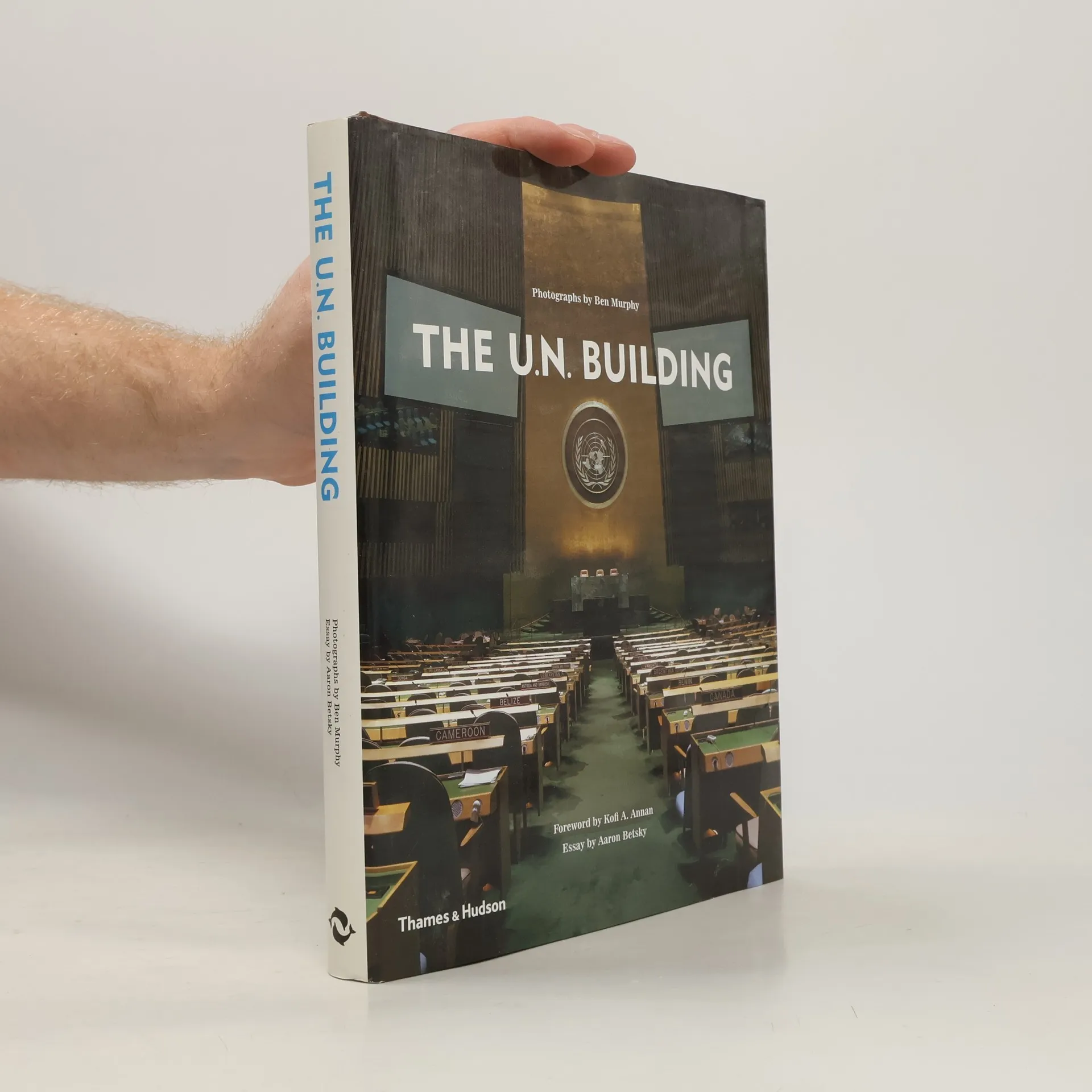
United Nations: The U.N. Building
- 160 pages
- 6 hours of reading
Published on the celebration of the United Nations' sixtieth anniversary. When it was completed in 1952 on a site on New York's East River, the United Nations building stood as a symbol of world humanitarianism, a beacon of unity after the Second World War. One of the most historic commissions of the twentieth century was seen through by architect Wallace Harrison, whose triumph put him on the cover of Time magazine.Today, more than fifty years later, the building is regarded as one of the pinnacles of mid-century modernism. Its magnificent public spaces and assembly halls, as well as its artworks by Picasso, Chagall, and many others, make it one of the most visited sites in New York.This publication presents a portrait of this fascinating building, through specially commissioned photography and illuminating essays that bring alive the historic events, speeches, and gatherings that have been central to the world's development since 1945. 200 illustrations in color and black and white.
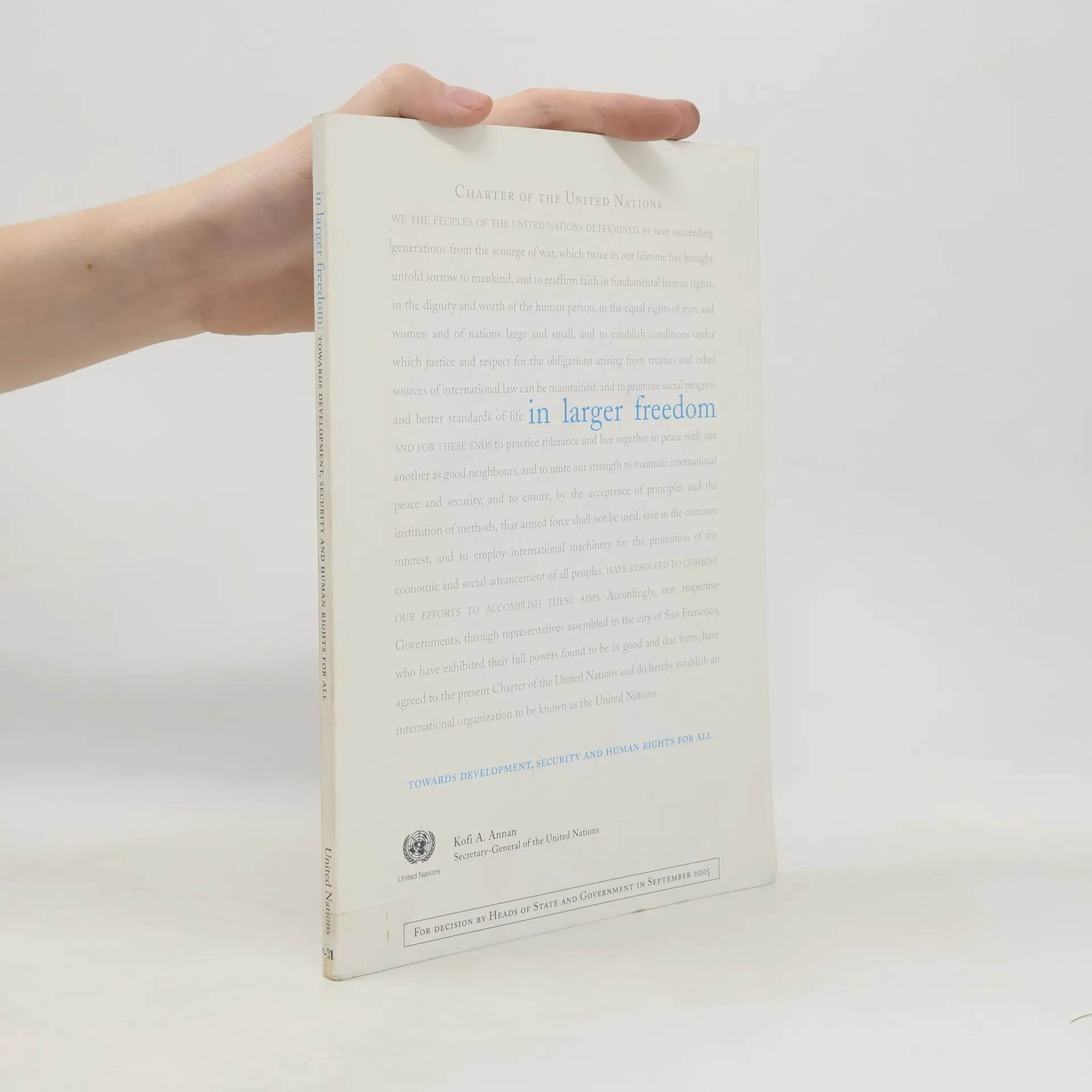
In this report, Secretary-General Kofi Annan places before world leaders an agenda to move our world decisively towards three important halving poverty in the next ten years; reducing the threat of war, terrorism and deadly weapons; and advancing human dignity in every land. He also calls for the most far-reaching reform of the United Nations in its 60-year history.