A House Through Time
- 336 pages
- 12 hours of reading
A tie-in to the acclaimed BBC television series.



A tie-in to the acclaimed BBC television series.
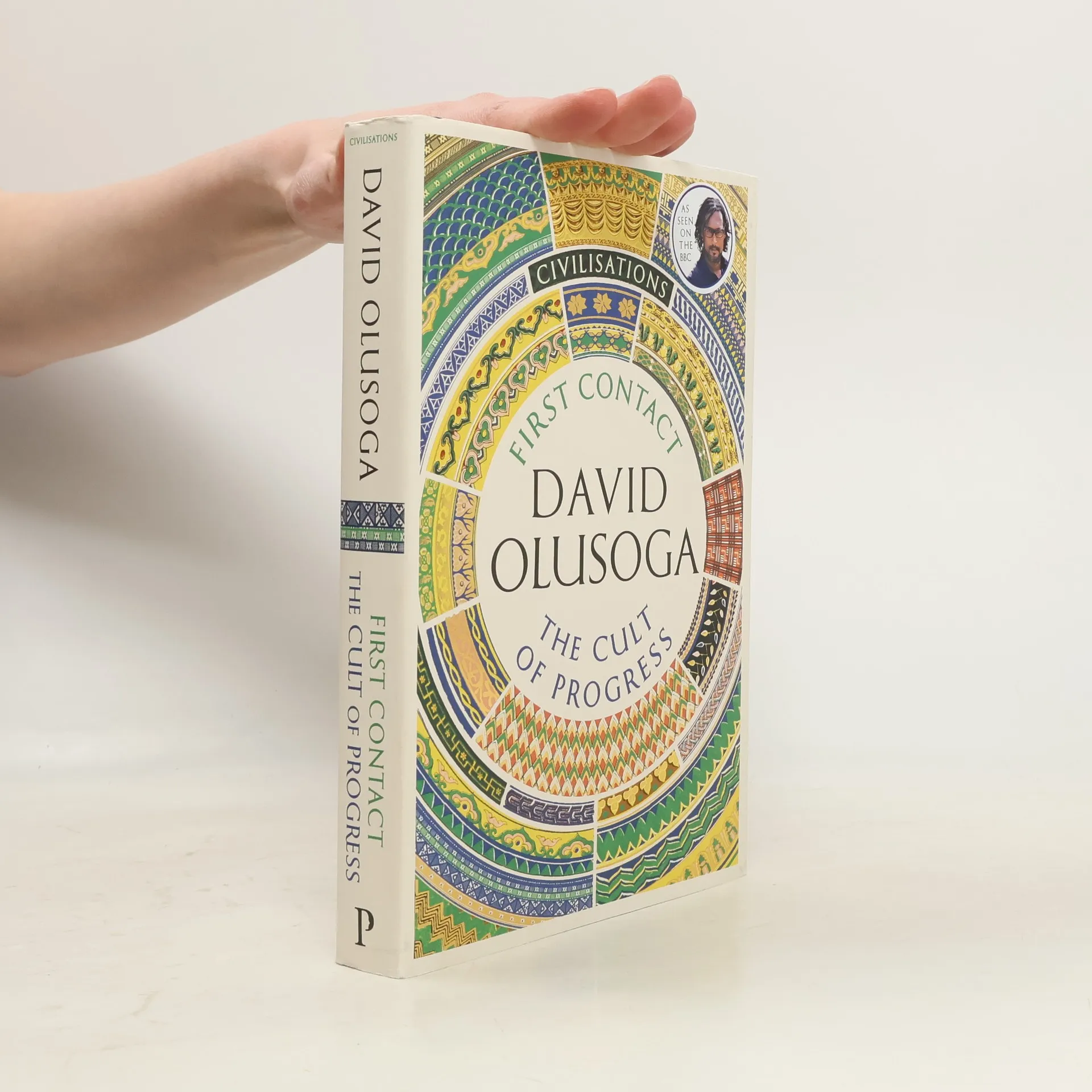
Companion to the major new BBC documentary series CIVILISATIONS, presented by Mary Beard, David Olusoga and Simon Schama Oscar Wilde said 'Life imitates Art far more than Art imitates Life.' Was he right? In Civilisations, David Olusoga travels the world to piece together the shared histories that link nations. In Part One, First Contact, we discover what happened to art in the great Age of Discovery, when civilisations encountered each other for the first time. Although undoubtedly a period of conquest and destruction, it was also one of mutual curiosity, global trade and the exchange of ideas. In Part Two, The Cult of Progress, we see how the Industrial Revolution transformed the world, impacting every corner, and every civilisation, from the cotton mills of the Midlands through Napoleon's conquest of Egypt to the decimation of both Native American and Maori populations and the advent of photography in Paris in 1839. Incredible art - both looted and created - relays the key events and their outcomes throughout the world.
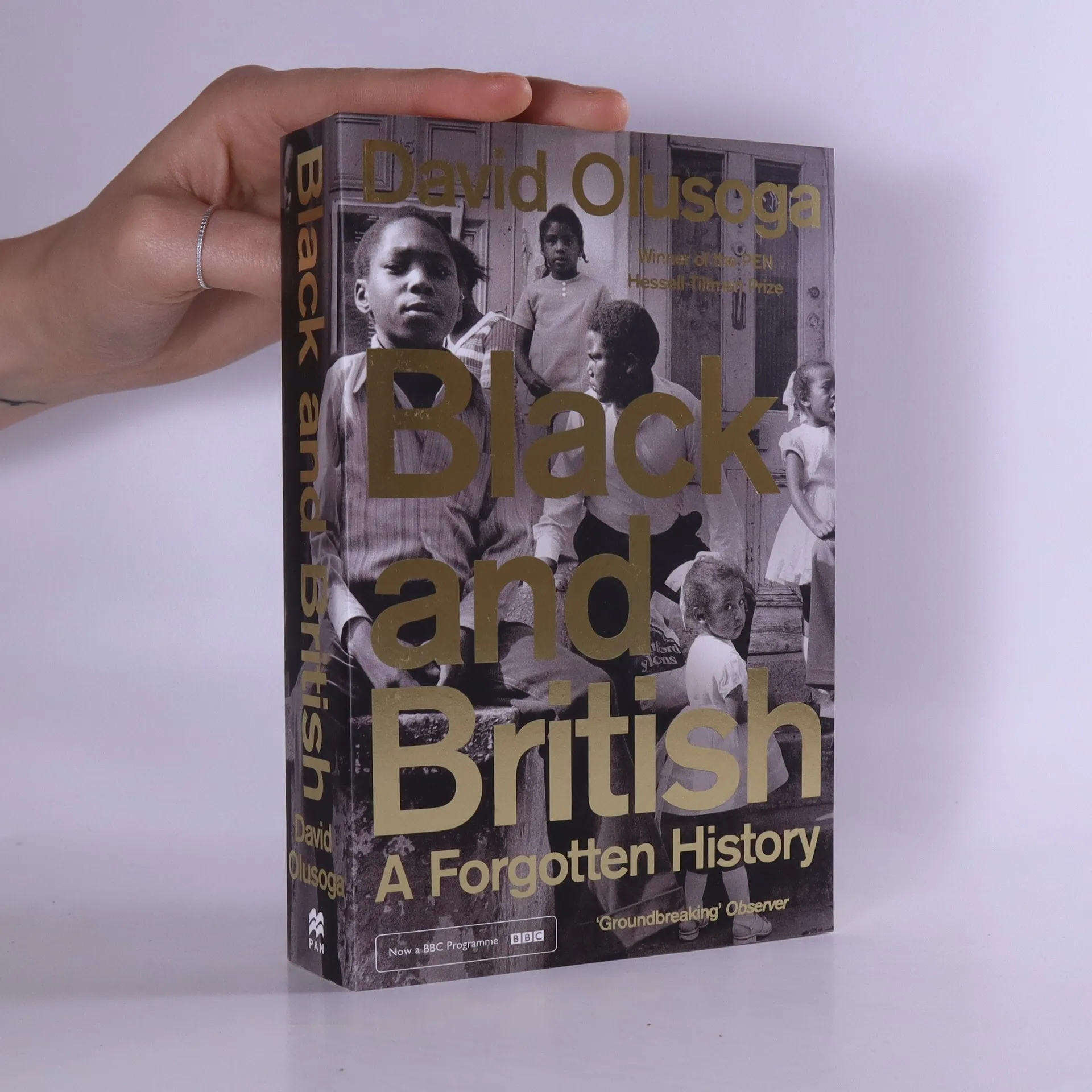
Offers readers an exploration of the extraordinarily long relationship between the British Isles and the people of Africa
On 12 May 1883, the German flag was raised on the coast of South-West Africa, modern Namibia - the beginnings of Germany's African Empire. As colonial forces moved in, their ruthless punitive raids became an open war of extermination. By 1905, the survivors were interned in concentration camps & systematically starved & worked to death