

The book explores the life and career of British filmmaker Ken Russell, known for his flamboyant and audacious style that challenged the norms of British cinema in the 1970s. It delves into his innovative blend of realism and fictional elements in biographical "docudramas," highlighting his early television work and notable films like Women in Love and Tommy. Russell's journey reflects both his artistic vision and the struggles he faced in securing funding later in his career. His candid interviews reveal his complex relationship with fame and criticism, offering insight into his unique cinematic approach.
Barry Keith Grant Books
January 1, 1947
Barry Keith Grant is a leading scholar whose work delves into the core of popular culture and film. His critical analyses explore the structures and meanings embedded within genre cinema, offering insightful perspectives on how these films shape and reflect societal understanding. Grant's extensive editorial and authorial contributions have significantly advanced the study of film, making complex cinematic concepts accessible to a wider audience.

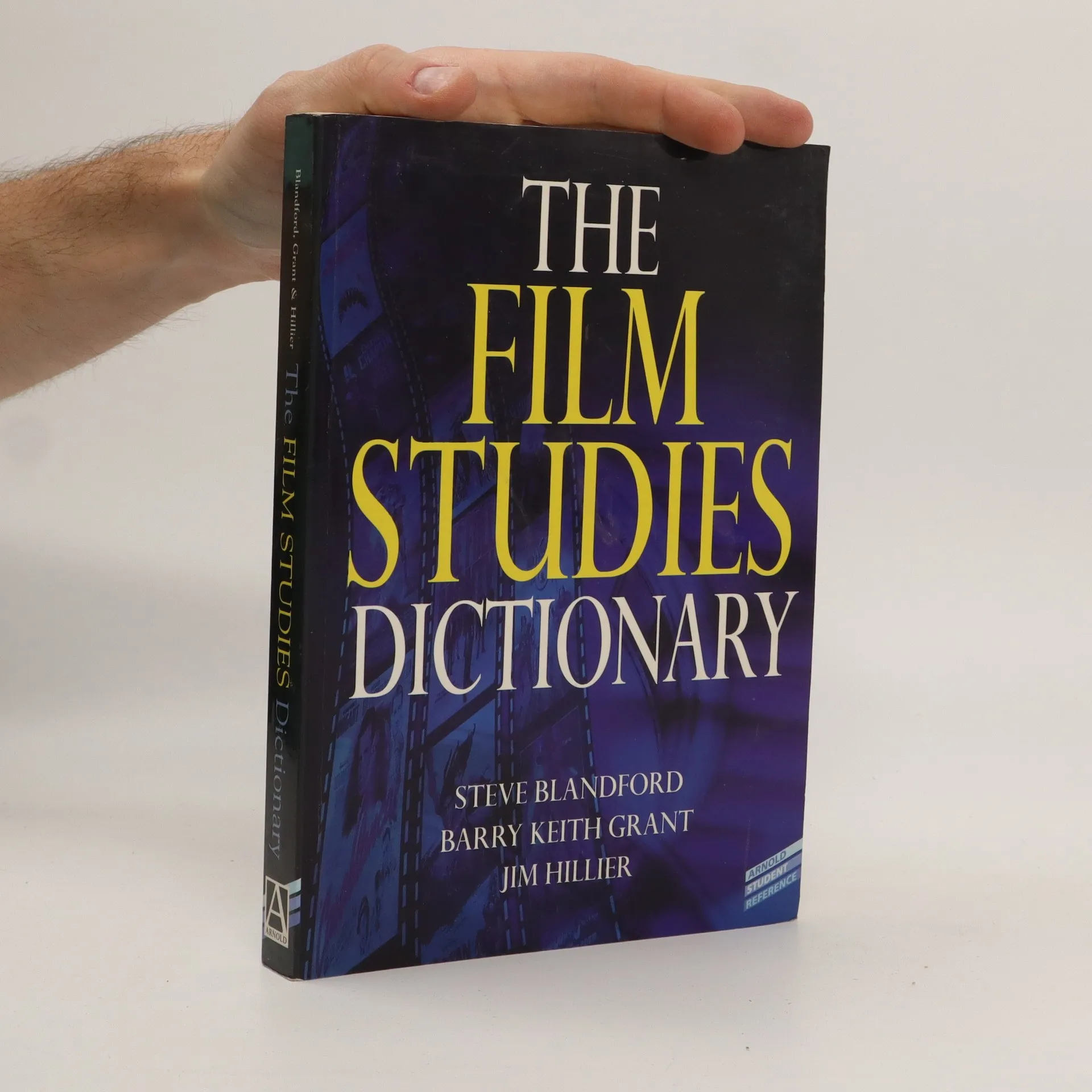
The film studies dictionary
- 287 pages
- 11 hours of reading
an excellent new publication. The authors, with many years of experience in teaching and writing behind them, are well able to distill the material and present a coherent reference guide. Everything you would expect to find is here and it is difficult to argue with any of the definitions... authoritative but accessible definitions that every film student (and every film teacher) will gratefully seize.
A guide to 100 of the most notable American horror movies by leading popular cinema expert Barry Keith Grant in the BFI Screen Guides series.
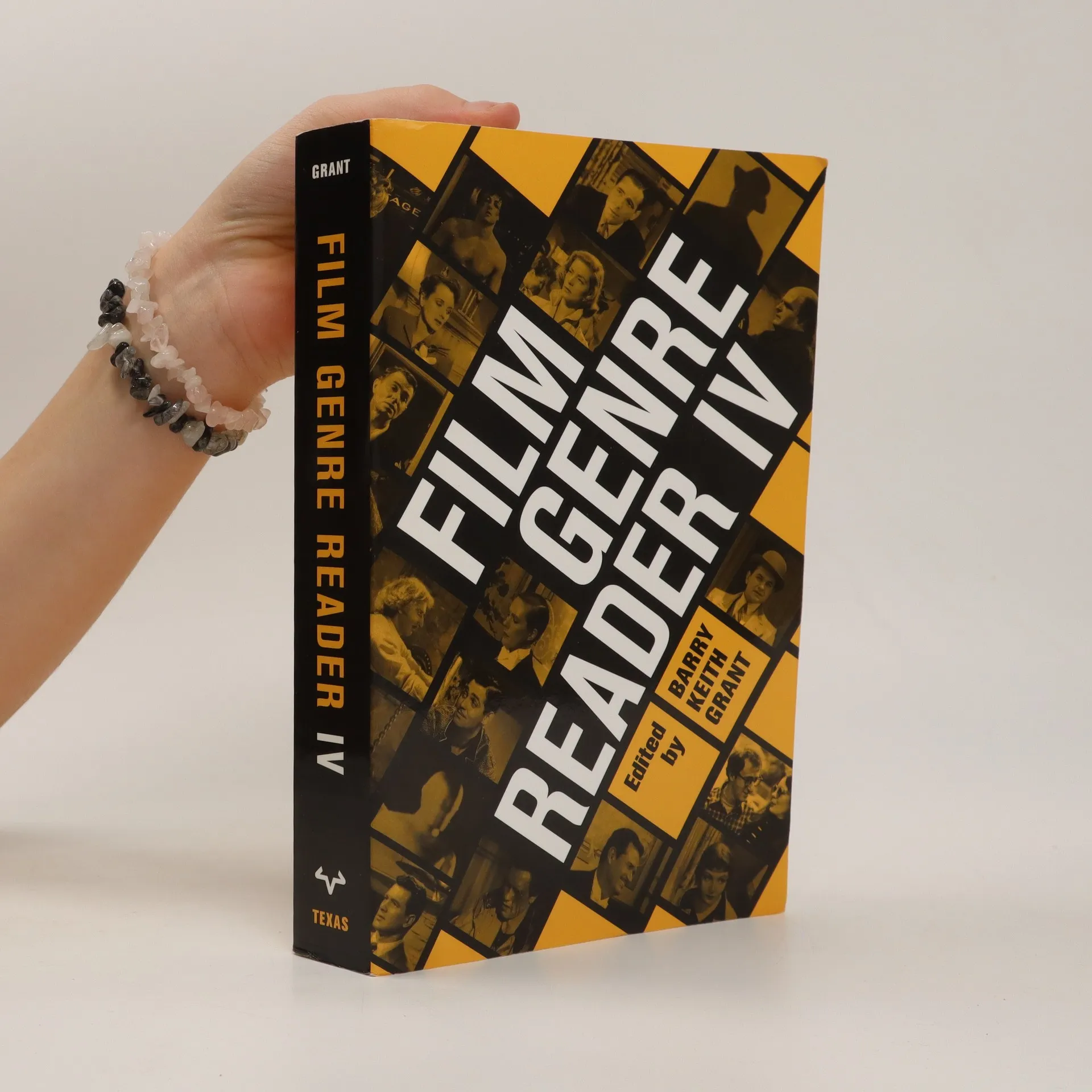
From reviews of the third edition: "Film Genre Reader III lives up to the high expectations set by its predecessors, providing an accessible and relatively comprehensive look at genre studies. The anthology's consideration of the advantages and challenges of genre studies, as well as its inclusion of various film genres and methodological approaches, presents a pedagogically useful overview." —Scope Since 1986, Film Genre Reader has been the standard reference and classroom text for the study of genre in film, with more than 25,000 copies sold. Barry Keith Grant has again revised and updated the book to reflect the most recent developments in genre study. This fourth edition adds new essays on genre definition and cycles, action movies, science fiction, and heritage films, along with a comprehensive and updated bibliography. The volume includes more than thirty essays by some of film's most distinguished critics and scholars of popular cinema, including Charles Ramírez Berg, John G. Cawelti, Celestino Deleyto, David Desser, Thomas Elsaesser, Steve Neale, Thomas Schatz, Paul Schrader, Vivian Sobchack, Janet Staiger, Linda Williams, and Robin Wood.
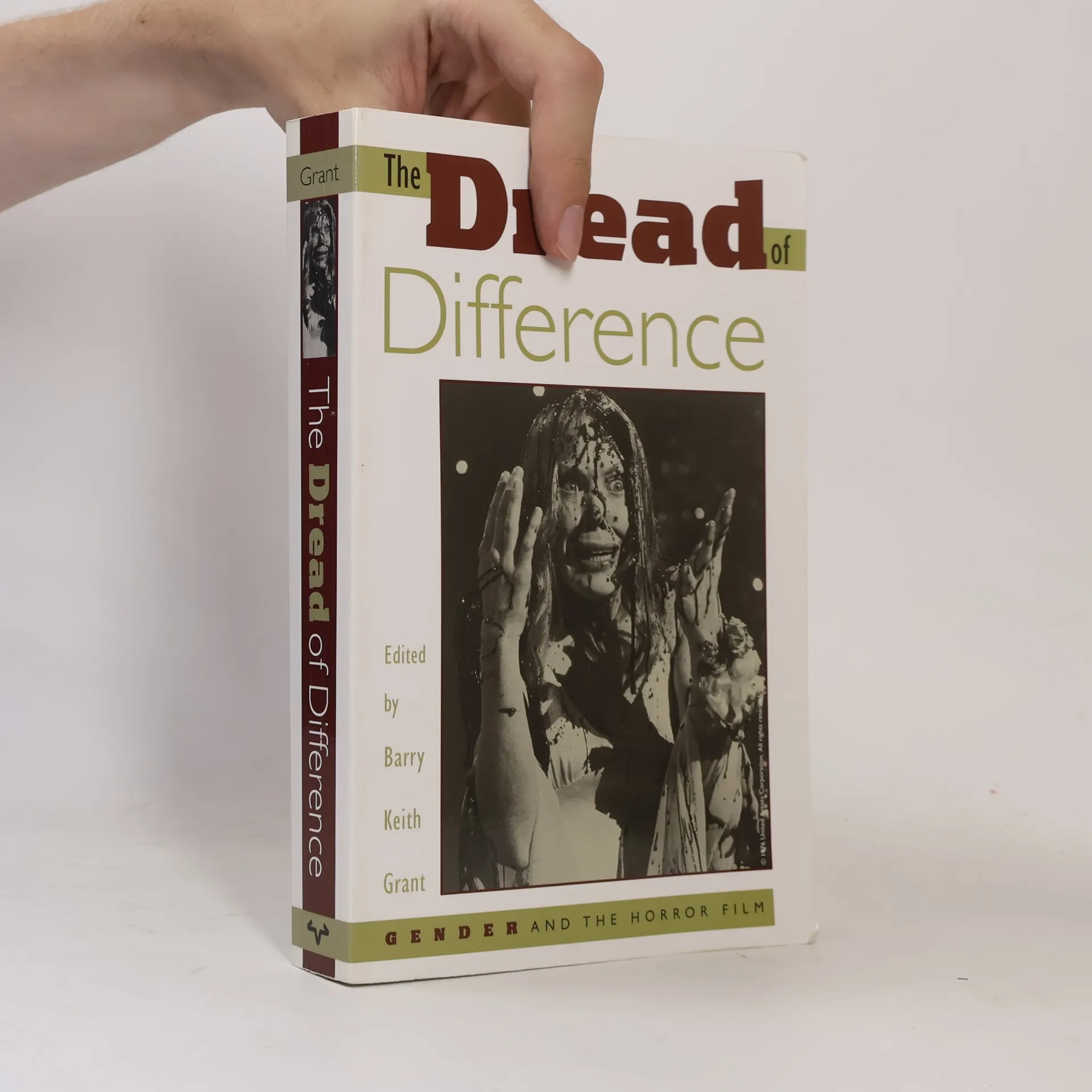
Texas Film and Media Studies Series: The Dread of Difference
Gender and the Horror Film
- 476 pages
- 17 hours of reading
An undying procession of sons of Dracula and daughters of darkness has animated the horror film genre from the beginning. In this pioneering exploration of the cinema of fear, Barry Keith Grant and twenty other film critics argue that horror is deeply rooted in gender, particularly in anxieties about sexual difference and gender politics. The book opens with influential theoretical works by Linda Williams, Carol J. Clover, and Barbara Creed. Subsequent essays examine the genre's history, from classics like King Kong and Bride of Frankenstein to more recent films such as Fatal Attraction and Bram Stoker's Dracula. Topics include the contributions of horror auteurs like David Cronenberg, Dario Argento, and George Romero; the Aliens trilogy; and the significance of gender in horror marketing and reception. Contributors such as Vera Dika, Thomas Doherty, Lucy Fischer, and others employ a range of critical methods, from psychoanalysis to feminism and postmodernism, balancing theoretical insights with close film analyses. The Dread of Difference illustrates that horror is not a uniformly masculine discourse; these essays reveal that horror films address patriarchy's fear of the feminine while also offering feminist critique and pleasure.