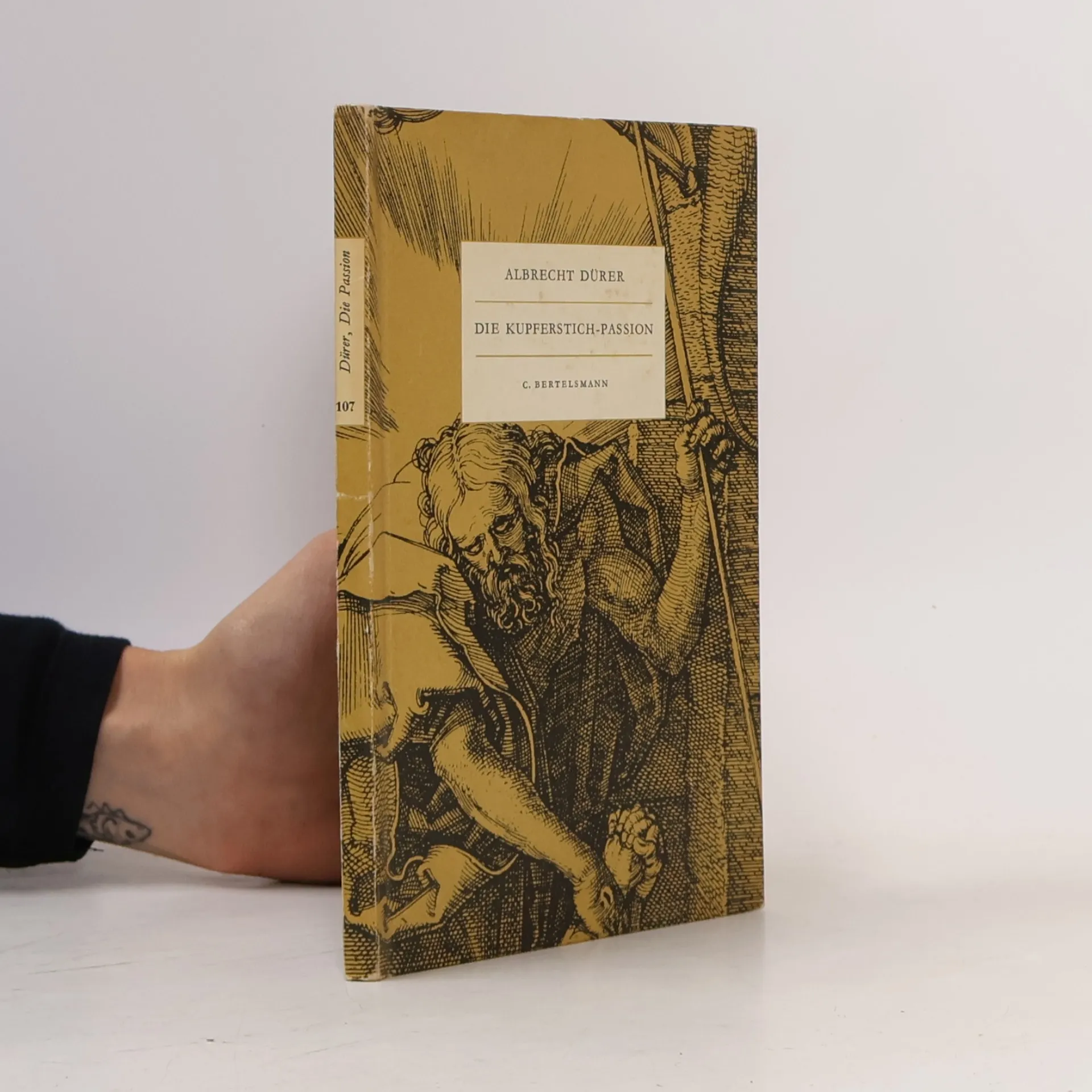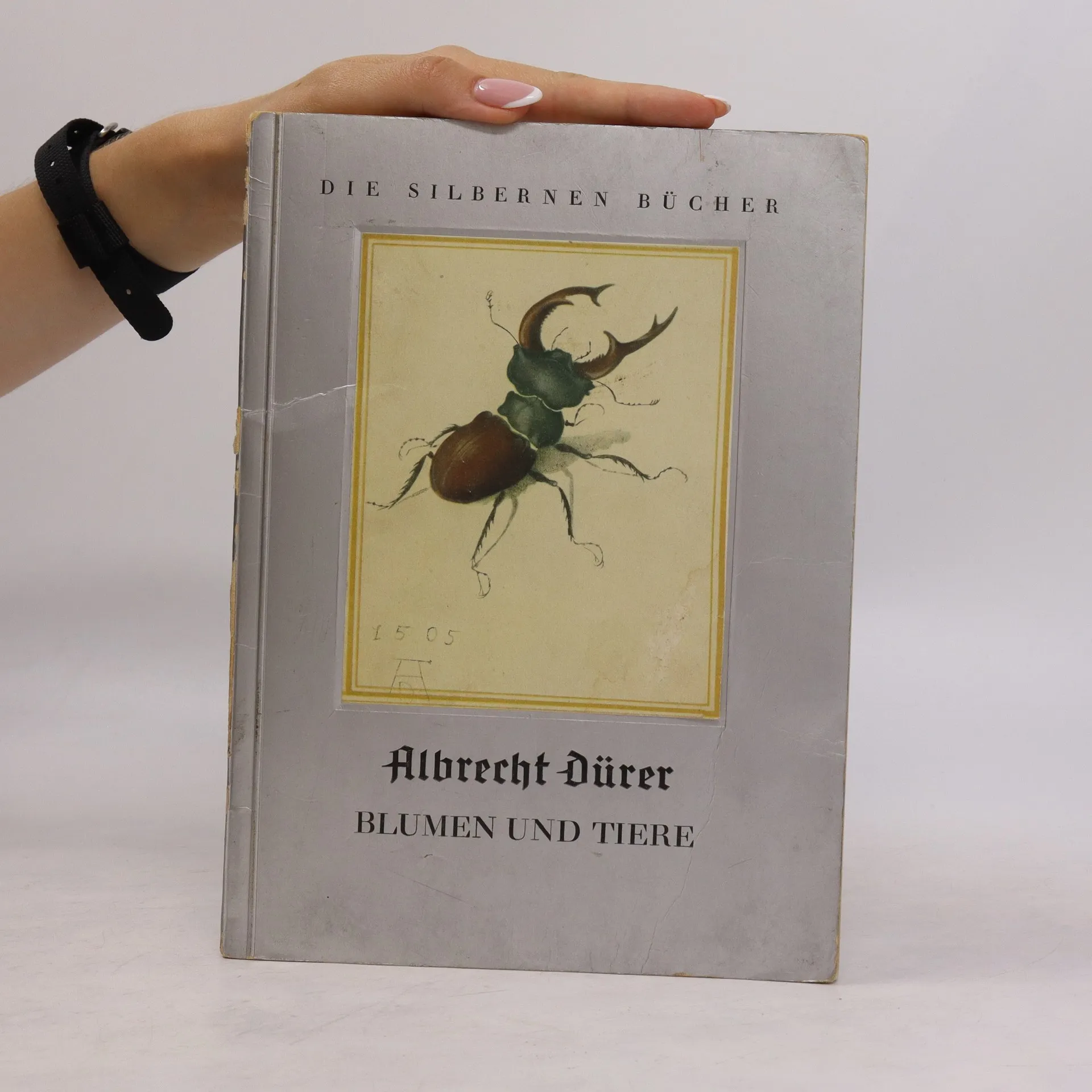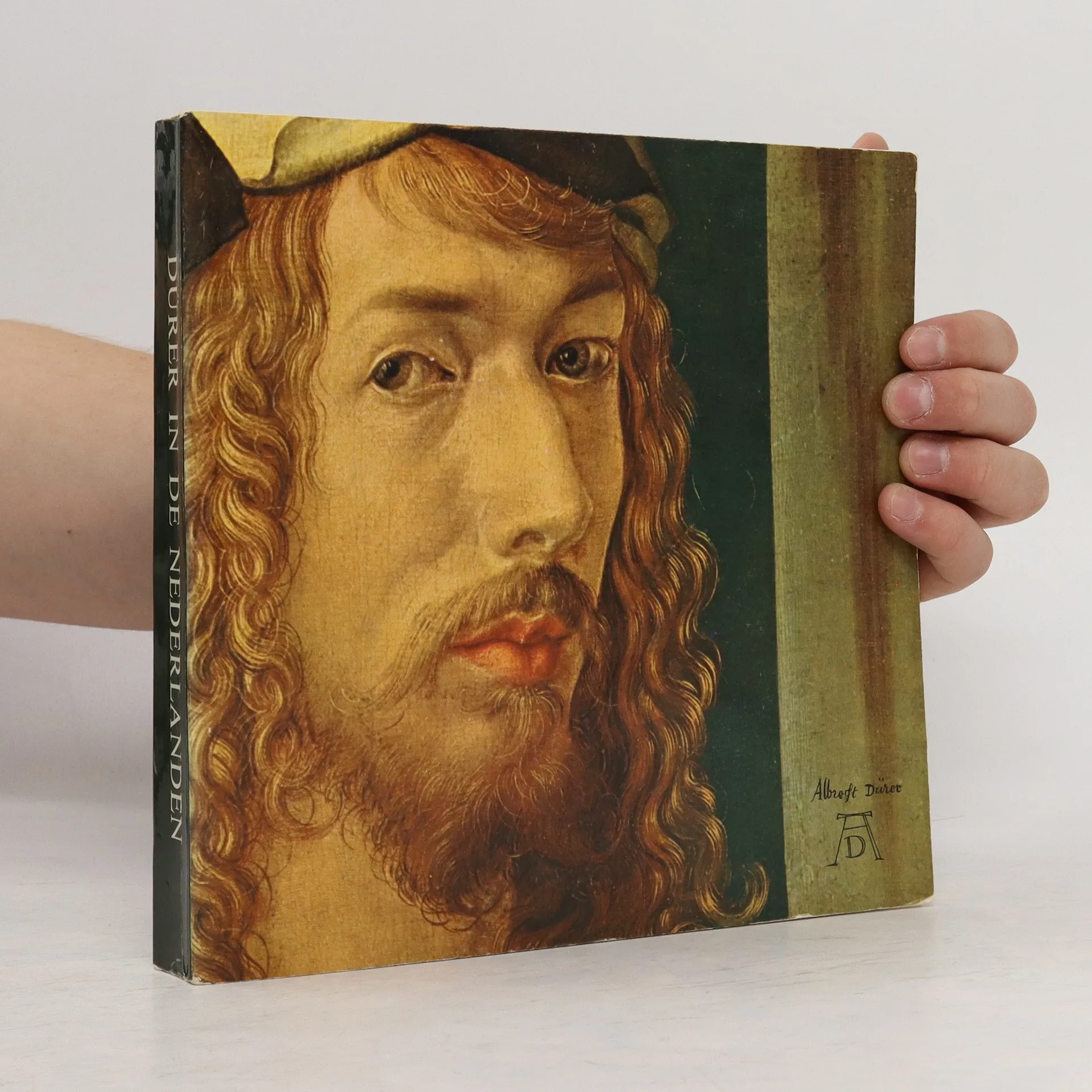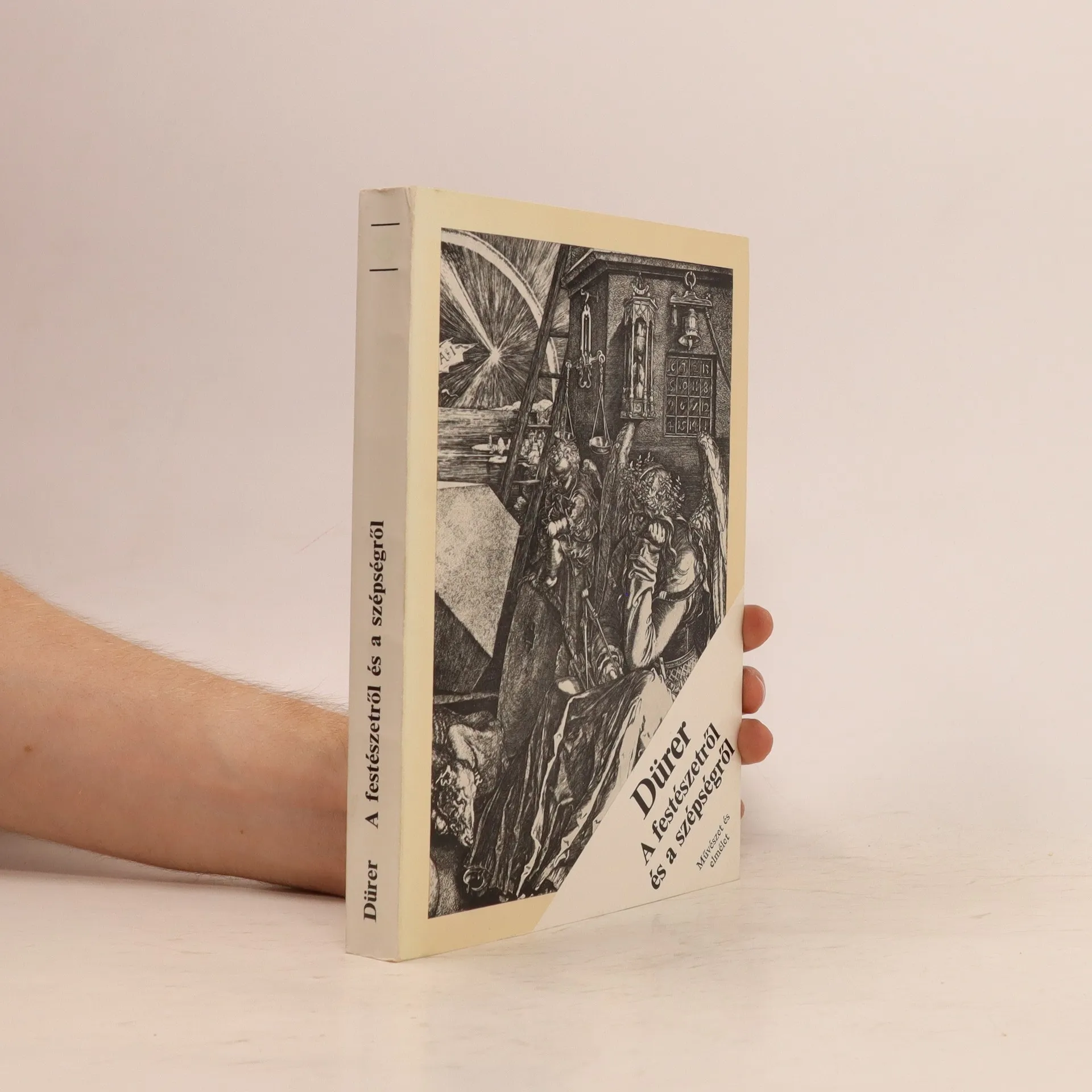
Explore the latest books of this year!
Bookbot

Albrecht Dürer

    May 21, 1471 – April 6, 1528
    Albrecht Dürer
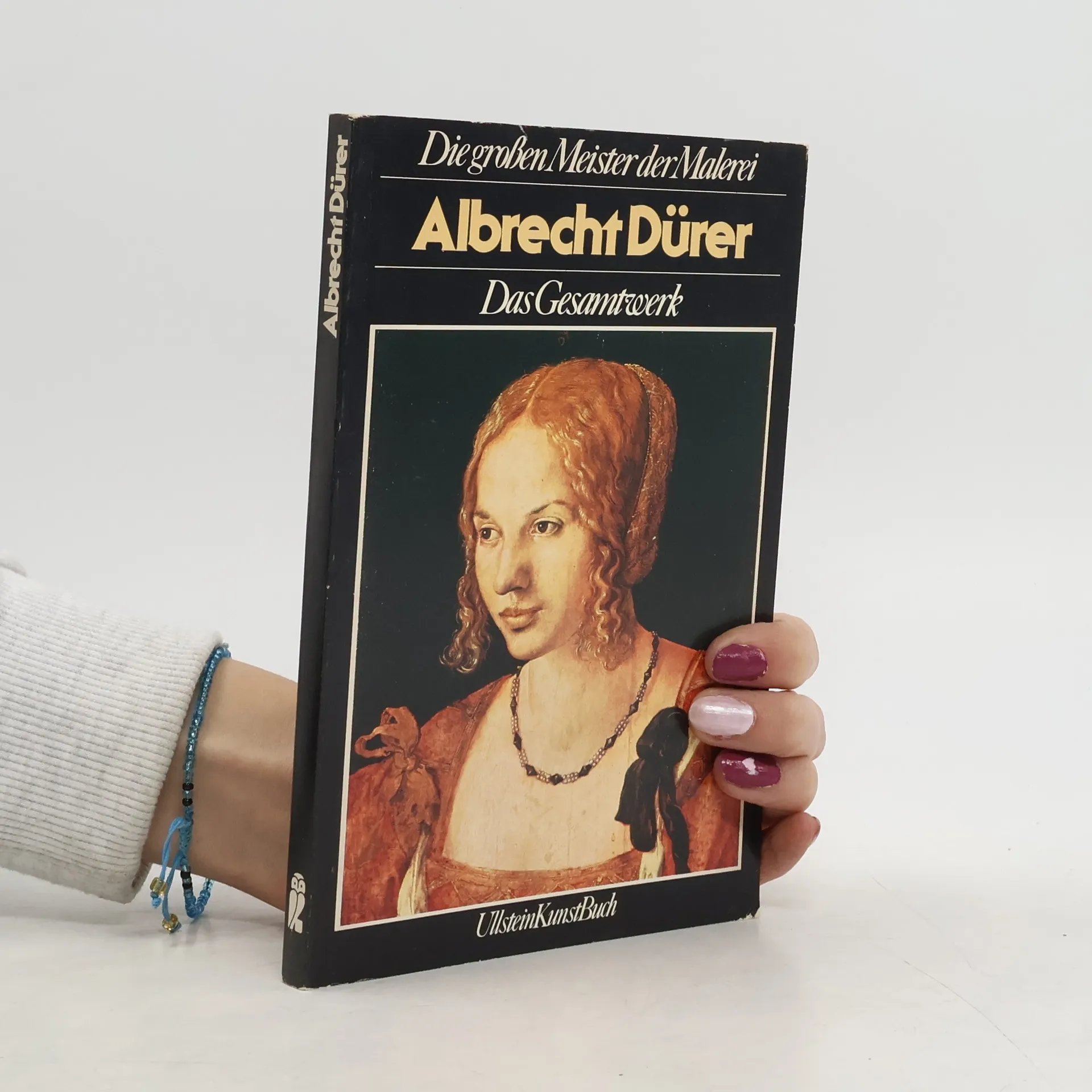
    Masters of German Art : Albrecht Dürer
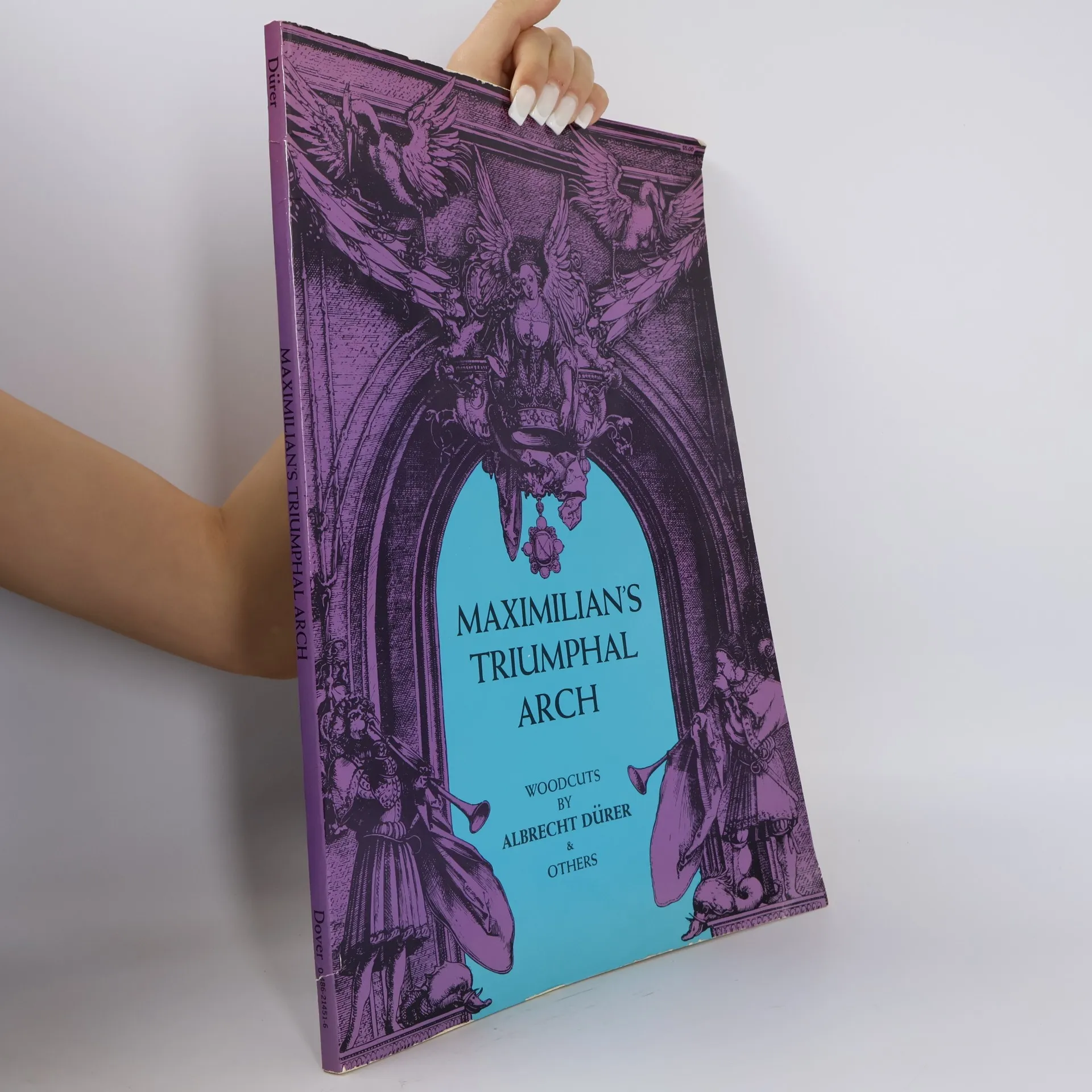
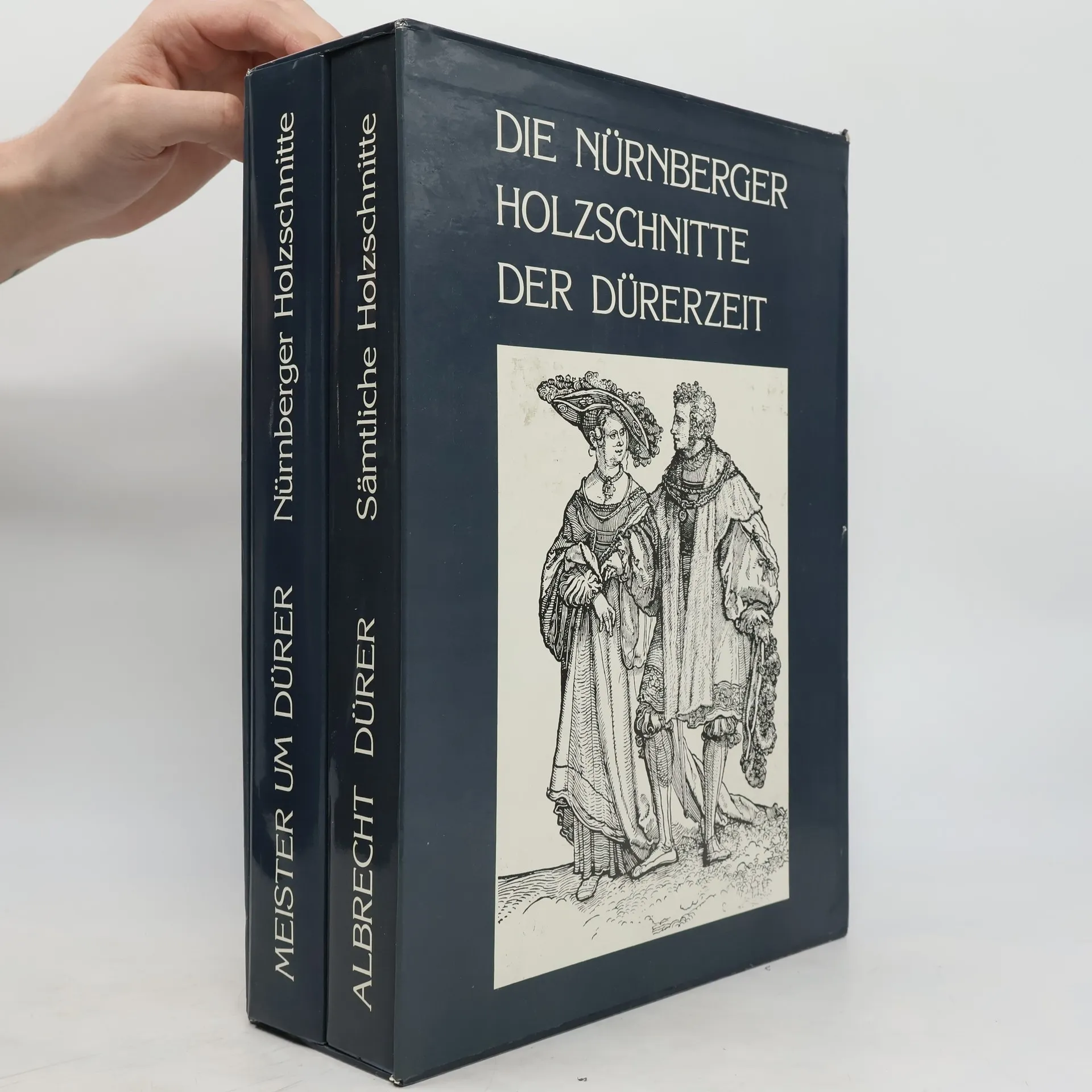
    The complete woodcuts of Albrecht Dürer
    Apocalypse with Pictures
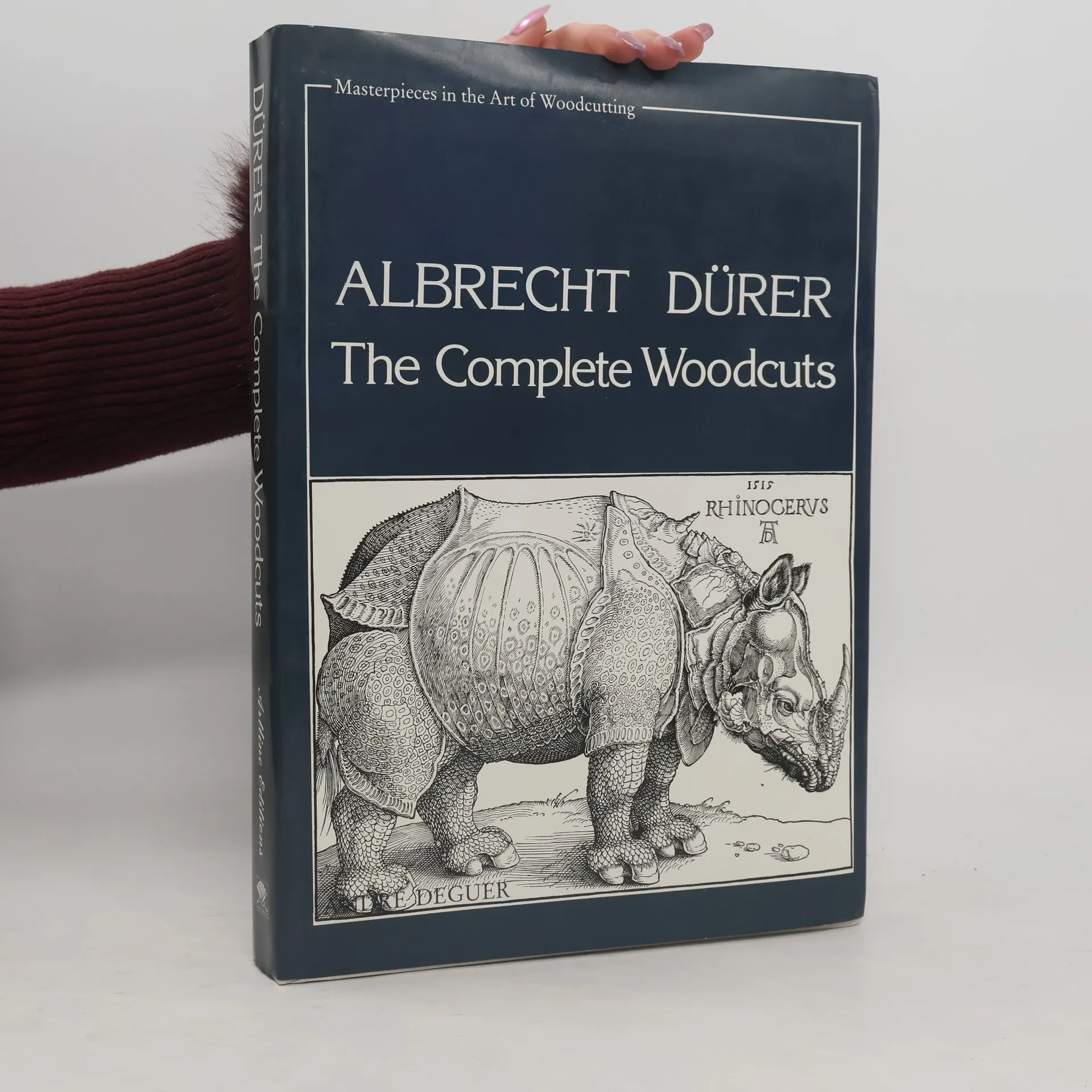
    The Complete Woodcuts
    Nature's artist
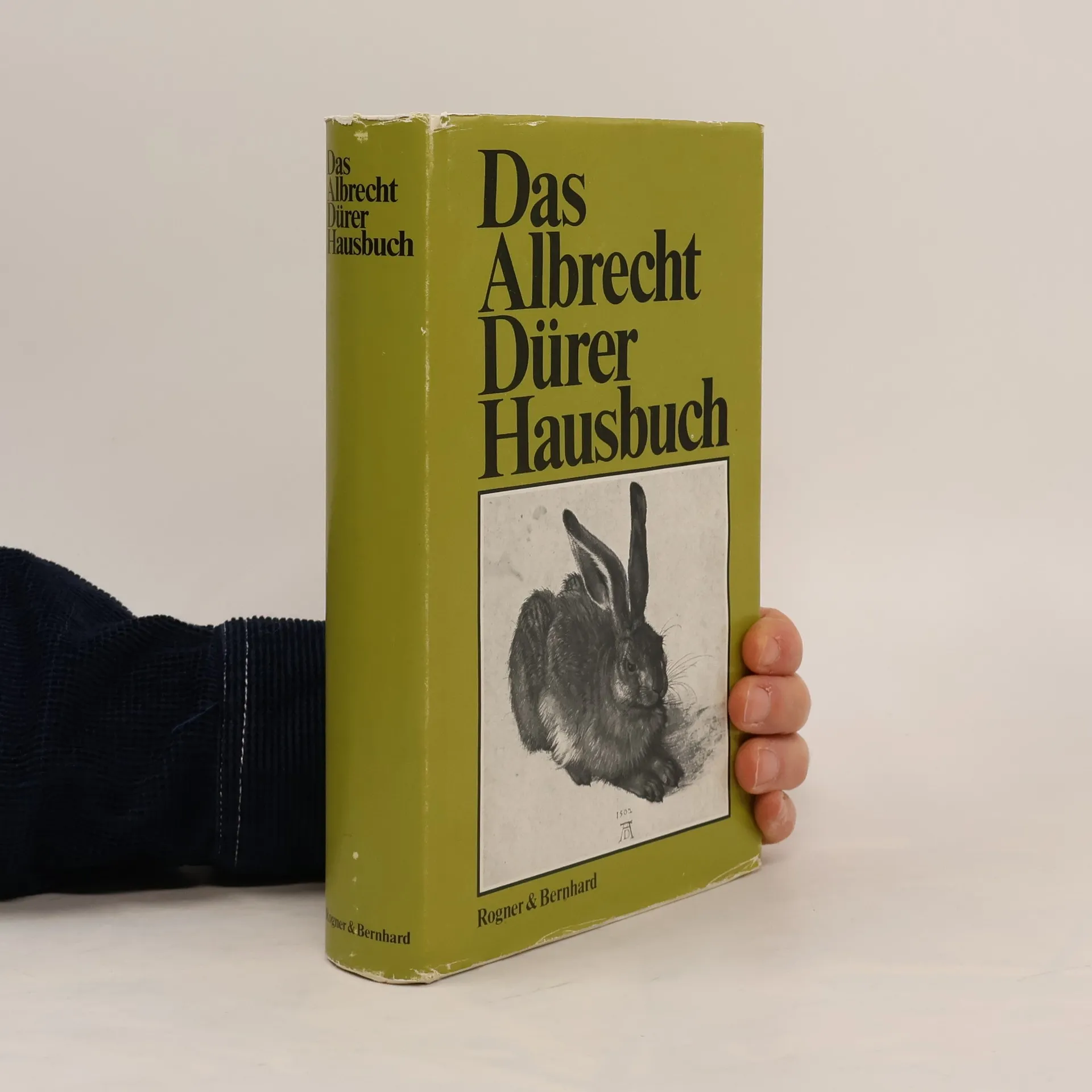
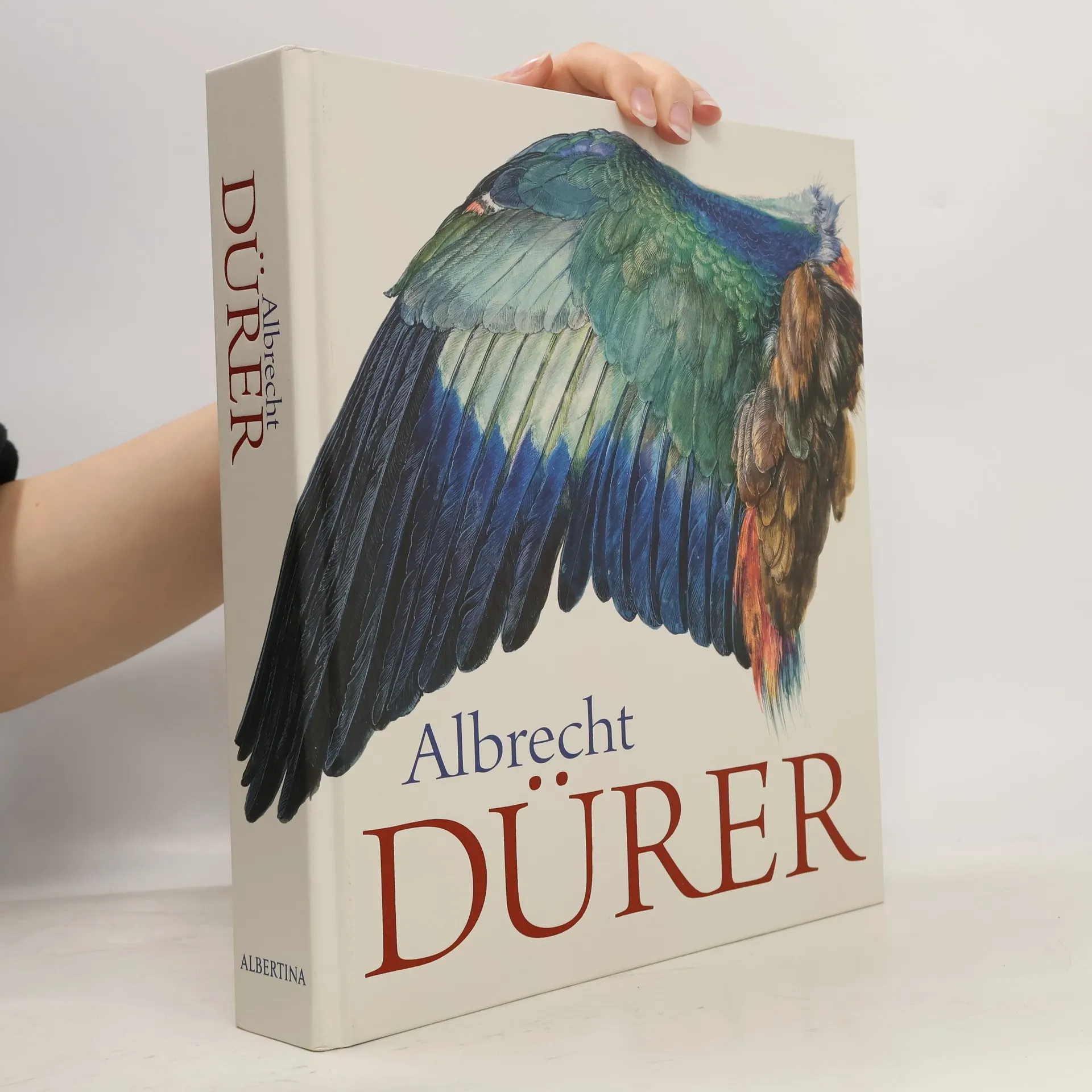
    Albrecht Dürer
    • Albrecht Dürer

      engl.: Begleitbuch zur großen Dürer-Ausstellung in der Albertina in Wien

      • 488 pages
      • 18 hours of reading

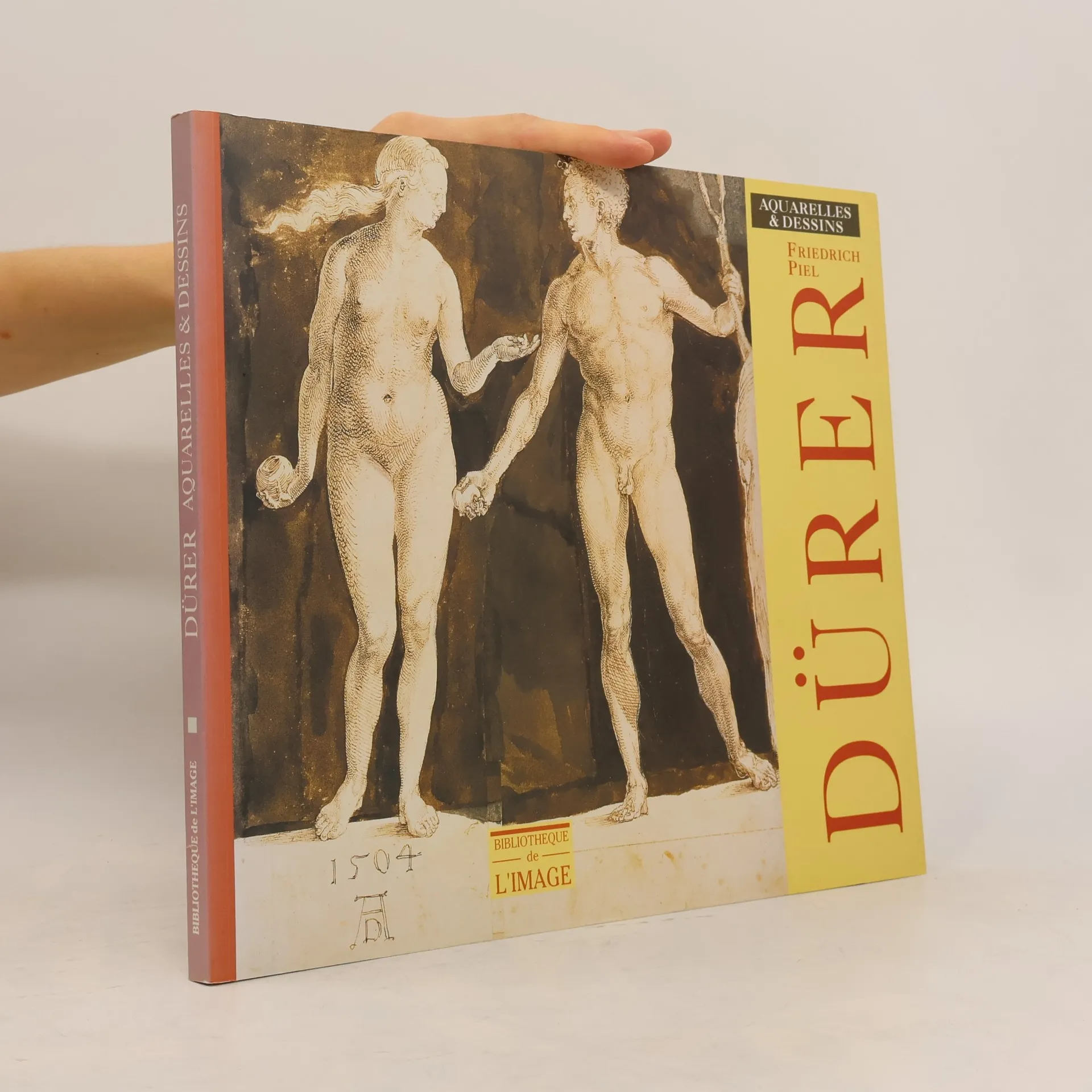
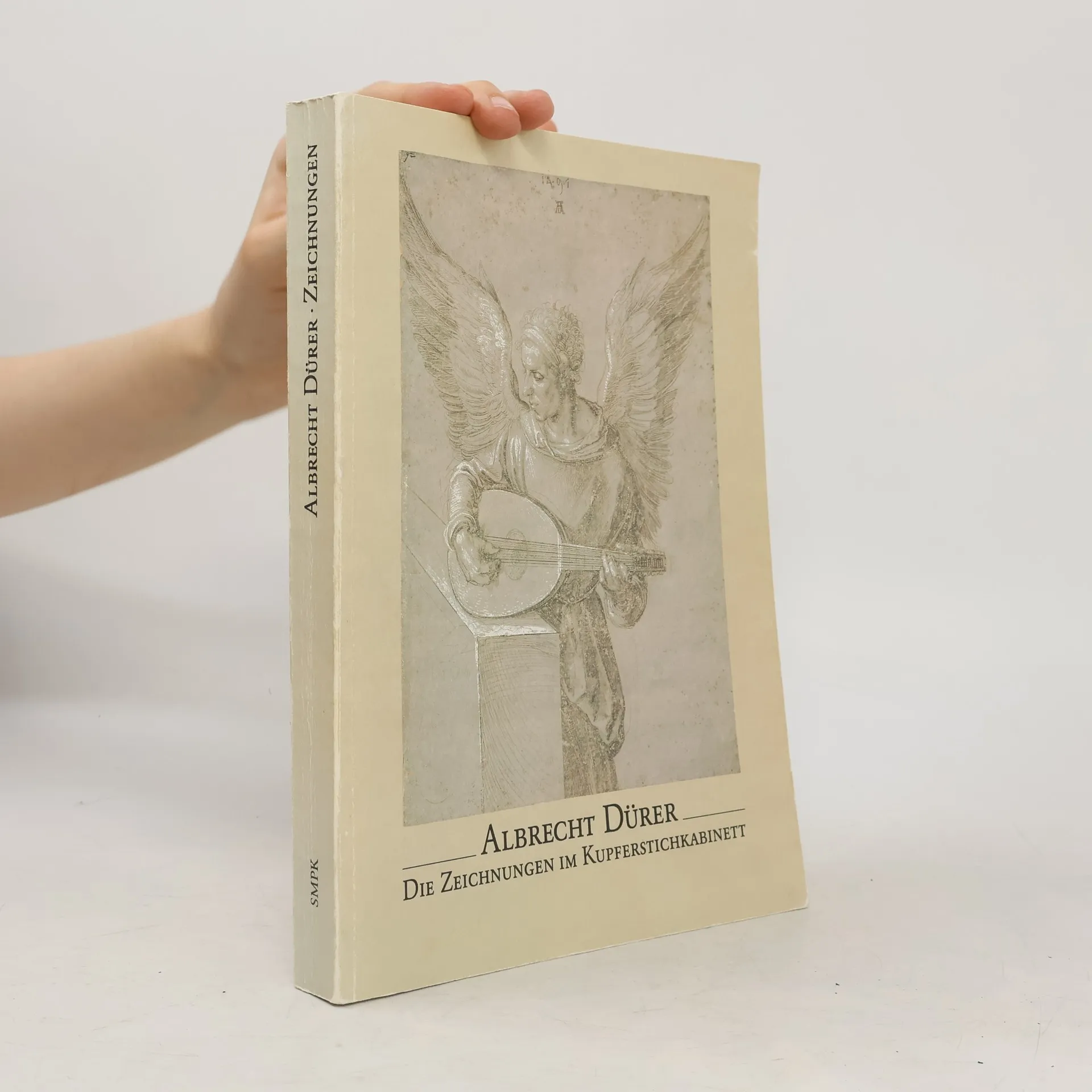
      Rediscover the drawings of Albrecht Dürer, one of the most prominent Renaissance artists, known as an incomparable painter and draughtsman with a keen eye for the natural world. During his lifetime, Dürer found tremendous success as a painter and printmaker, taking commissions from prominent figures such as Frederick the Wise and Holy Roman Emperor Maximilian I. His drawings and studies reveal his interest in human proportions, anatomy, and perspective. Featured in this book are Dürer's drawings from the Albertina Museum's preeminent collection including family portraits, studies of animals and plants, and studies of the human body. This book showcases more than 100 of Dürer's drawings including Hare, Self Portrait at the Age of 13, and Melencolia I, along with paintings and prints. Featuring scholarly essays and beautifully reproduced works, this book shows the reader not only how important Dürer's drawings are to his own oeuvre, but also how he helped drawing become an appreciated medium in its own right.

      Albrecht Dürer
      4.7
    • An introduction to the Renaissance genius of Albrecht Durer. It focuses on Durer's studies of the natural world to show how the artist imbued the most ordinary of living things with reverence and emotion. A master graphic artist, Albrecht Durer (1471-1528) was arguably the most important artist of the Northern Renaissance. Although he was extremely influential as a printer, his drawings and paintings reveal a profound scientific curiosity and sensitivity to the world around him. This collection of sketches and watercolours features 34 animal and plant studies, including the masterpieces "Hare" and "Large Piece of Turf". Victoria Salley presents an essay exploring Durer's interest in nature and reproductions which should allow readers to appreciate the intricate beauty of Durer's work as well as his keen powers of observation - traits which continue to inspire and instruct artists today.

      Nature's artist
      4.6
    • Apocalypse with Pictures

      • 32 pages
      • 2 hours of reading

      Facsimile of Durer's Apocalypse of 1498, arguably the greatest set of prints in Western art.

      Apocalypse with Pictures
      5.0
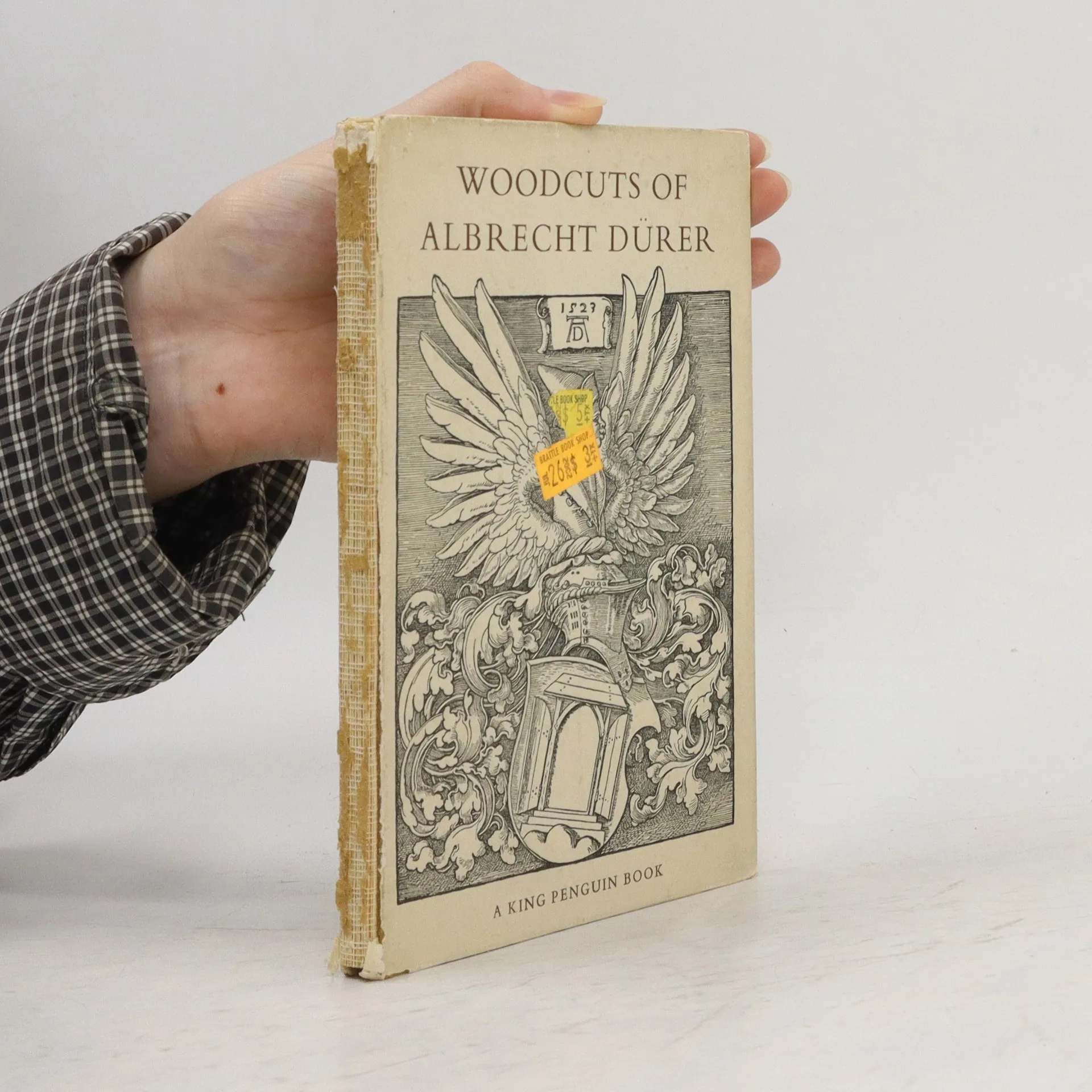
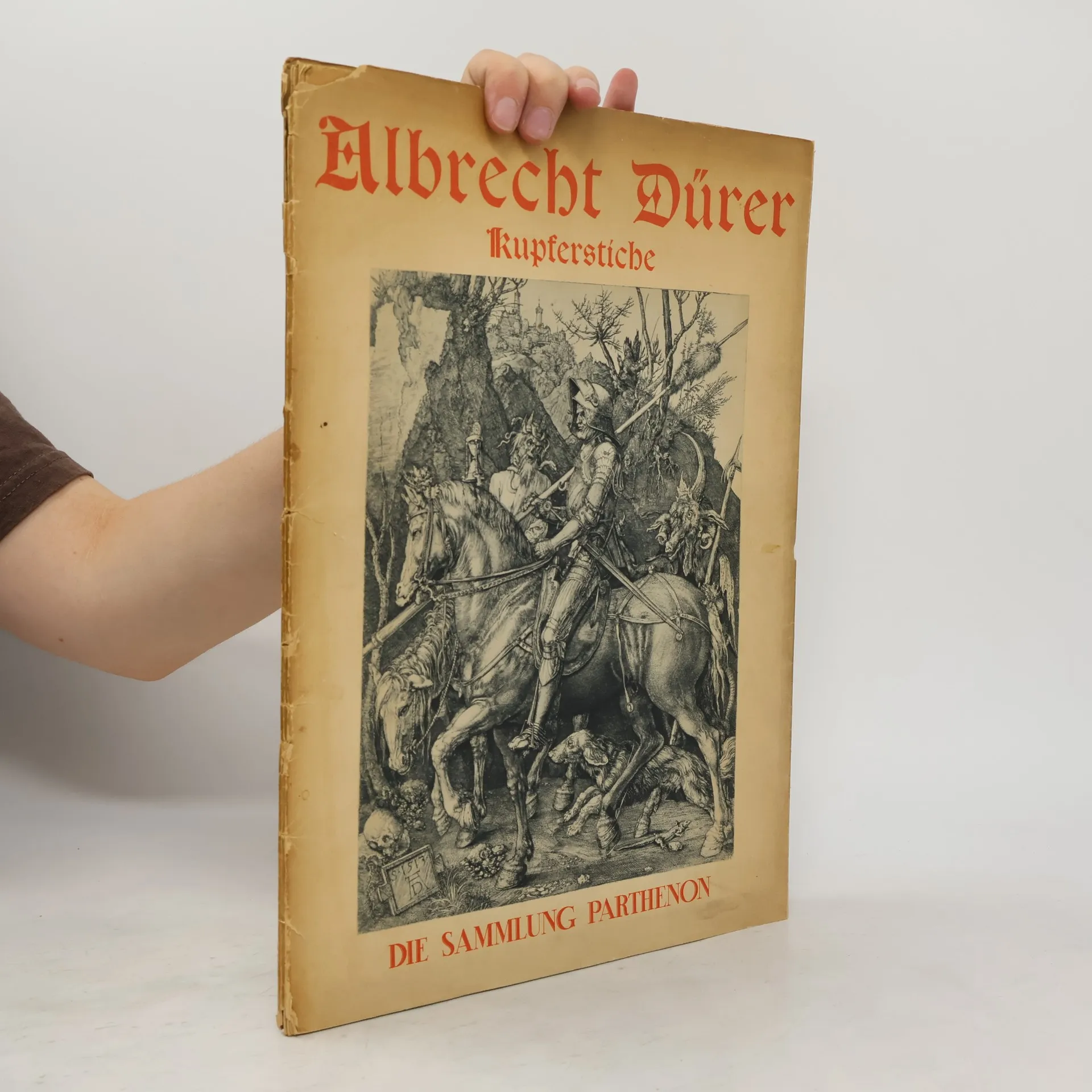
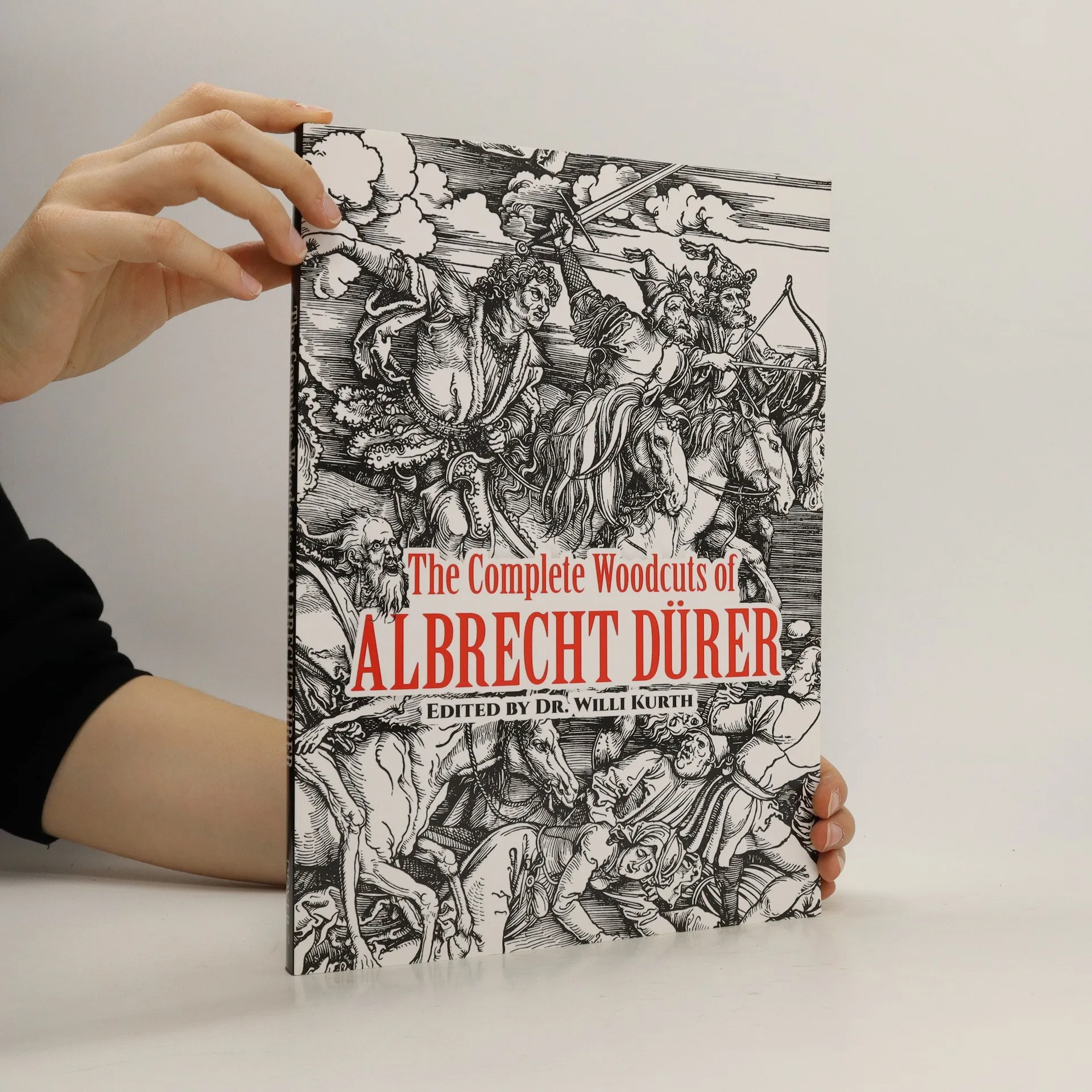
    • Albrecht Dürer excelled in various media, but his woodcut designs showcase his creative genius at its peak. This collection features over 300 of his extant woodcuts, including renowned works like the series on the Life of the Virgin, The Apocalypse of John (17 cuts), The Great Passion, St. Jerome in his Study, and The Fall of Icarus, among others. It serves as the sole source for many of these pieces. While sacred themes dominate—depicting the Holy Family, Christ's life, and saints—Dürer also explored diverse motifs, including portraits, book illustrations, coats of arms, and mythological themes. The plates are arranged chronologically, allowing readers to trace the evolution of Dürer's artistry, revealing an individualistic style and unparalleled skill. An introduction by Campbell Dodgson and a 34-page guide by Dr. Willi Kurth address the authenticity of each work, referencing key Dürer scholars and providing historical context from his apprenticeship in Nuremberg to his later works (1520-1528). The woodcuts are reproduced in exceptional detail, making this collection essential for art historians and critics, while also offering aesthetic enjoyment to lay readers.

      The complete woodcuts of Albrecht Dürer
      4.2
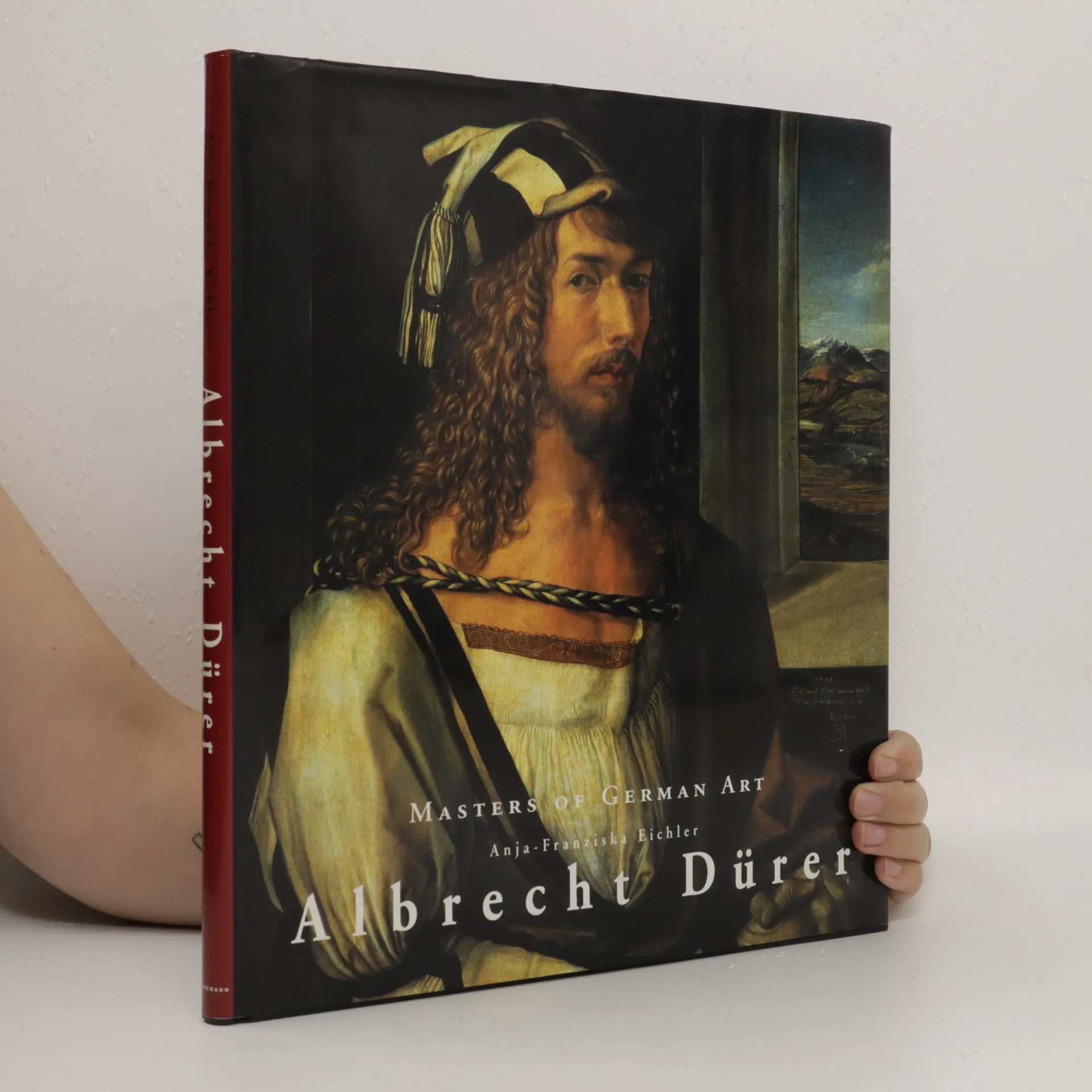
    • Masters of German Art : Albrecht Dürer

      • 140 pages
      • 5 hours of reading

      Albrecht Dürer embodied a new type of artist, one who represented a different attitude to art and enjoyed high social status of the kind already accorded to Italian artists of his time. With his revolutionary innovations in paining as well as printed artwork Dürer introduced the Renaissance to German art. Humanistic philosophy of his day proved as fruitful a source to him as his study of the art of antiquity or the works of his European artistic contemporaries, which he drew on for wholly novel purposes. The enduring enthusiasm for Albrecht Dürer highlights the nature of his genius and his unique role in giving German art the impetus to historic progress.

      Masters of German Art : Albrecht Dürer
      4.1
    • Dürer and the Virgin in the garden

      • 32 pages
      • 2 hours of reading

      This beautiful volume, companion to the earlier, highly regarded Giotto to Dürer, is a guide to the sixteenth-century paintings of London’s National Gallery. It examines the finest works of such artists as Holbein, Raphael, Cranach, Titian, Gossaert, and Bronzino and provides fascinating insights into the individual masterpieces and their makers.“A readable overview of European painting in the sixteenth century, rich with perceptive commentary.”—Andrew Butterfield, Art News“This fluently written and beautifully produced book serves both as a period survey and as a reference for sixteenth-century European painting in the collections of the National Gallery.”—Jeffrey Fontana, Sixteenth Century Journal

      Dürer and the Virgin in the garden
      3.8
    • Dürer

      • 96 pages
      • 4 hours of reading

      Albrecht Dürer (1471-1528) was one of the greatest artists of the Northern Renaissance, remarkable for the range and versatility of his work. His woodcuts and engravings made him famous throughout Europe and he is still regarded as one of the most brilliant printmakers of all time. Dürer was equally successful at religious and secular subjects, painting magnificent altarpieces and powerful portraits. He also produced an impressive range of drawings and watercolours in a variety of media.The son of an Hungarian goldsmith, Dürer grew up in Nuremberg, a town half-way between the Netherlands and Italy, and he found inspiration in the work of the painters of both these major artistic centres of his time. But rather than simply imitating what others were doing, Dürer was very much an innovator; he is the first artist who is known to have produced a self-portrait and to have done a landscape painting of a specific scene. Includes 88 illustrations, 48 in colour.

      Dürer
      4.1
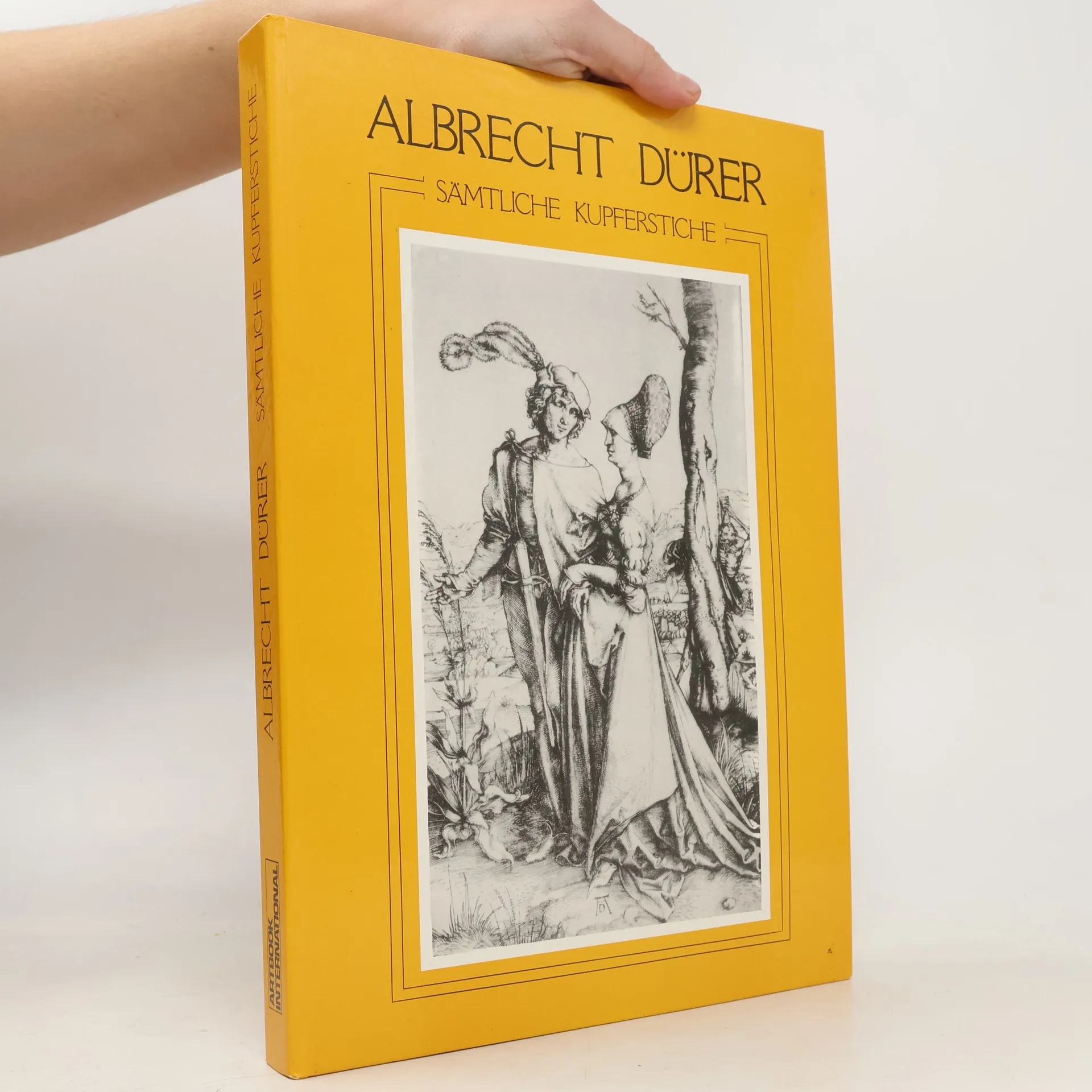
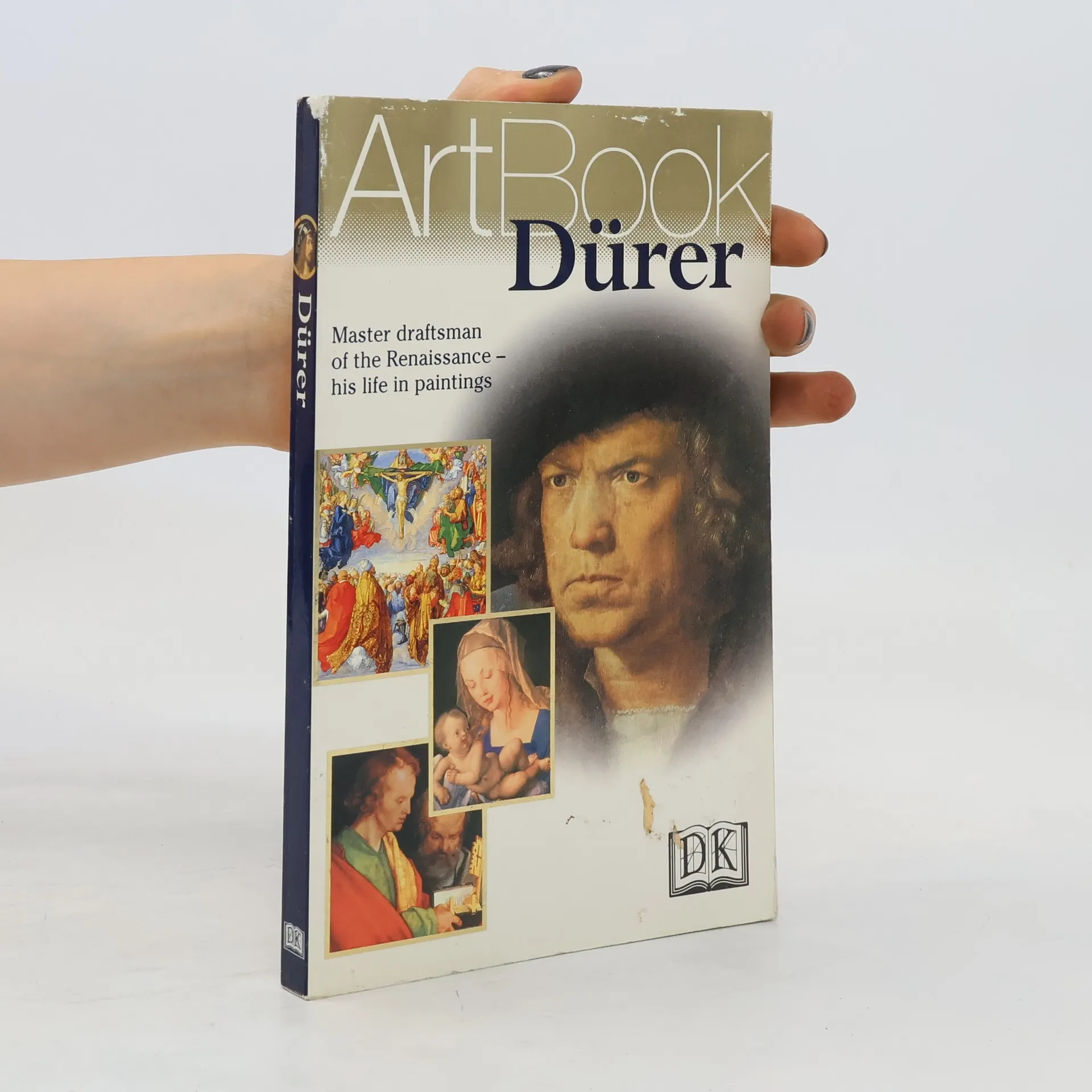
    • ArtBook Dürer

      • 144 pages
      • 6 hours of reading

      Traces the life of the German artist, analyzes his works, and explains the historical and social context of his painting

      ArtBook Dürer
      3.9
    • Excerpt from Records of Journeys to Venice and the Low CountriesThe letters from Venice and the Diary of his journey in the Netherlands, which form the con tents of this volume, are indeed the singularly fortunate means for this pleasant intercourse with the man himself. They reveal Diirer as one of the distinctively modern men of the Renaissance intensely, but not arrogantly, conscious of his own personality; accepting with a pleasant ease the universal admiration of his genius, - a personal.About the PublisherForgotten Books publishes hundreds of thousands of rare and classic books. Find more at www.forgottenbooks.comThis book is a reproduction of an important historical work. Forgotten Books uses state-of-the-art technology to digitally reconstruct the work, preserving the original format whilst repairing imperfections present in the aged copy. In rare cases, an imperfection in the original, such as a blemish or missing page, may be replicated in our edition. We do, however, repair the vast majority of imperfections successfully; any imperfections that remain are intentionally left to preserve the state of such historical works.

      Dürer's record of journeys to Venice and the Low Countries
      2.6
    • The Indignant Eye

      The Artist as Social Critic in Prints and Drawings from the Fifteenth Century to Picasso

      • 470 pages
      • 17 hours of reading

      Book by Shikes, Ralph E

      The Indignant Eye
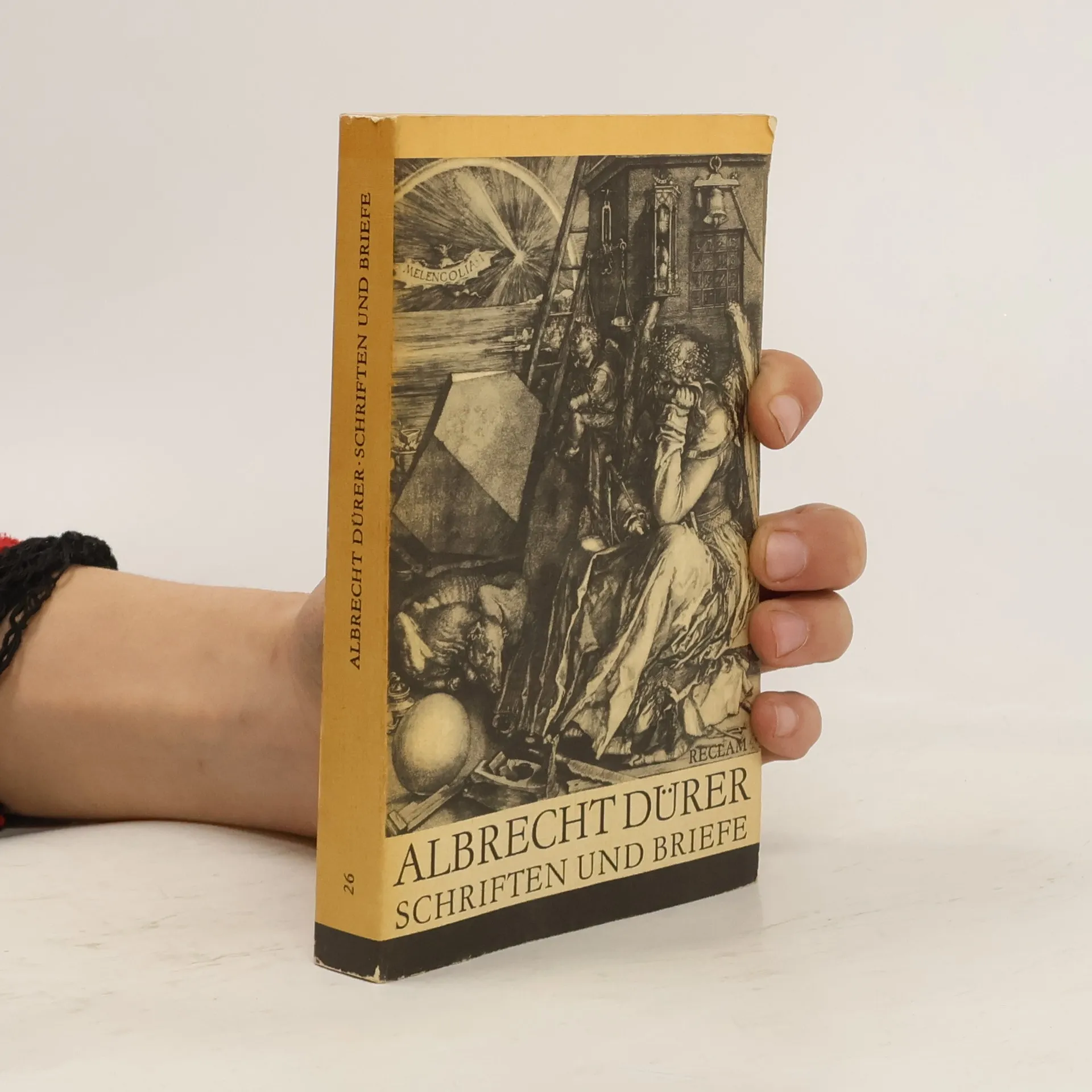
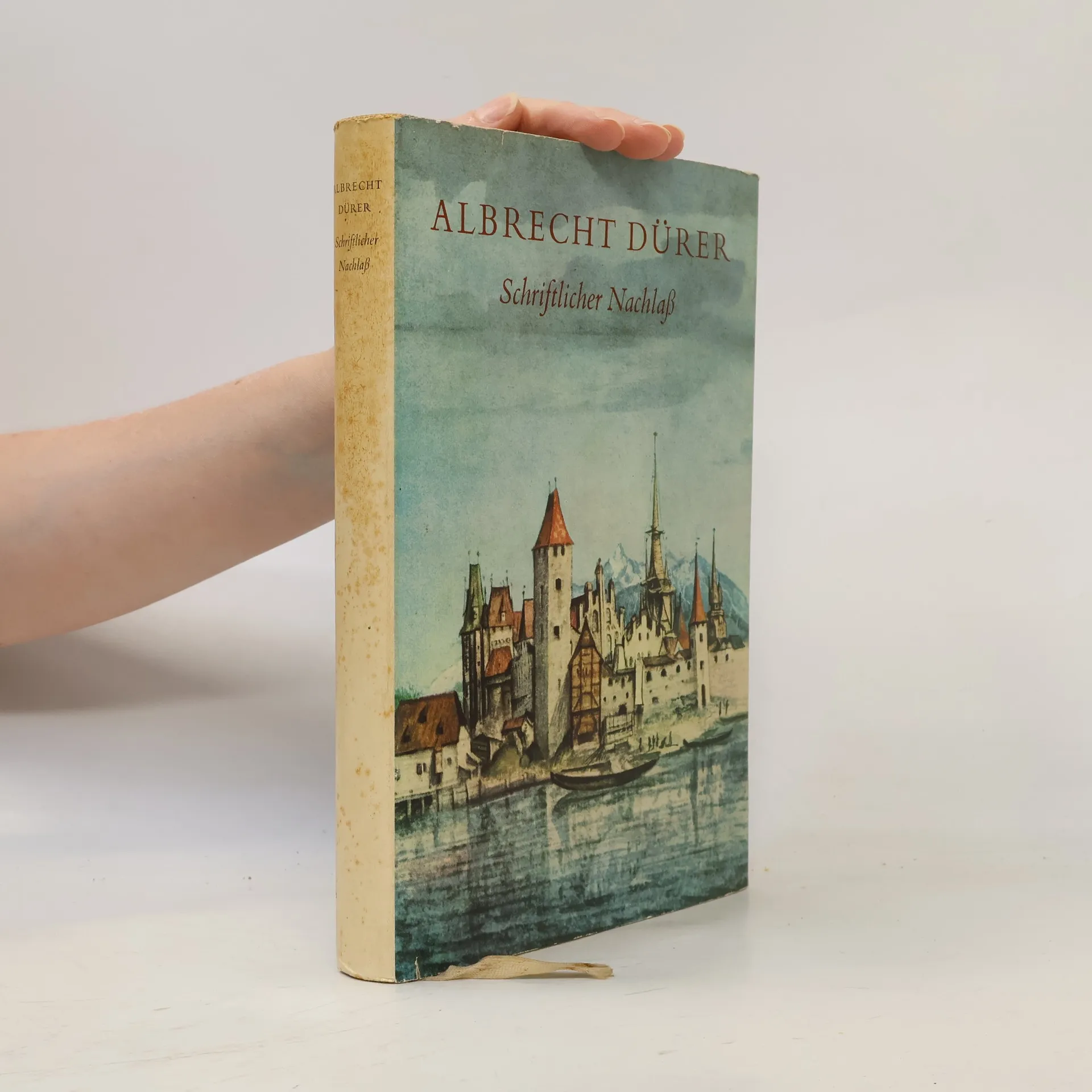
    • Aus dem Inhalt:Dürers FamilienchronikAlbrecht Dürers GedenkbuchTagebuch dr Reise in die NiederlandeAus dem BriefwechselInschriften der AposteltafenEntwürfe zum "Lehrbuch der Malerei"Aus den "Vier Büchern von menschlicher Proportion"Aus der Unterweisung der Messung"Auszüge aus der "Befestigungslehre"

      Schriften und Briefe
      4.8
    • Dürer e l'Italia

      • 403 pages
      • 15 hours of reading

      Grazie alle scuderie del Quirinale e al concorso del Polo Museale di Firenze e del Polo Museale di Roma, il pubblico italiano e internazionale avrà l'occasione di conoscere più da vicino l'arte di Albrecht Dürer, non soltanto come maestro di grafica stampata ma anche come brillante pittore, acquerellista e disegnatore. Si tratta, infatti, della prima mostra in Italia dedicata a questo geniale artista del Rinascimento in un'ottica complessiva.

      Dürer e l'Italia
      4.7
    • Albrecht Dürer. 80 Meisterblätter

      • 166 pages
      • 6 hours of reading

      Zum Geleit / G. Ulrich Grossmann. -- ...das Beste Stück Zu Erwerben. Zur Geschichte Der Dürer-sammlung Otto Schäfers In Schweinfurt / Erich Schneider. -- Zu Dürers Druckgraphik / Anna Scherbaum. [katalogbearbeitung, Matthias Mende, Anna Scherbaum, Rainer Schoch ; Beiträge Von Anna Scherbaum Und Erich Schneider]. Herausgegeben Vom Germanischen Nationalmuseum, Nürnberg ... Zur Ausstellung 'albrecht Dürer : Die Druckgraphik' 21.9.2000-9.1.2001--t.p. Verso. Includes Bibliographical References.

      Albrecht Dürer. 80 Meisterblätter
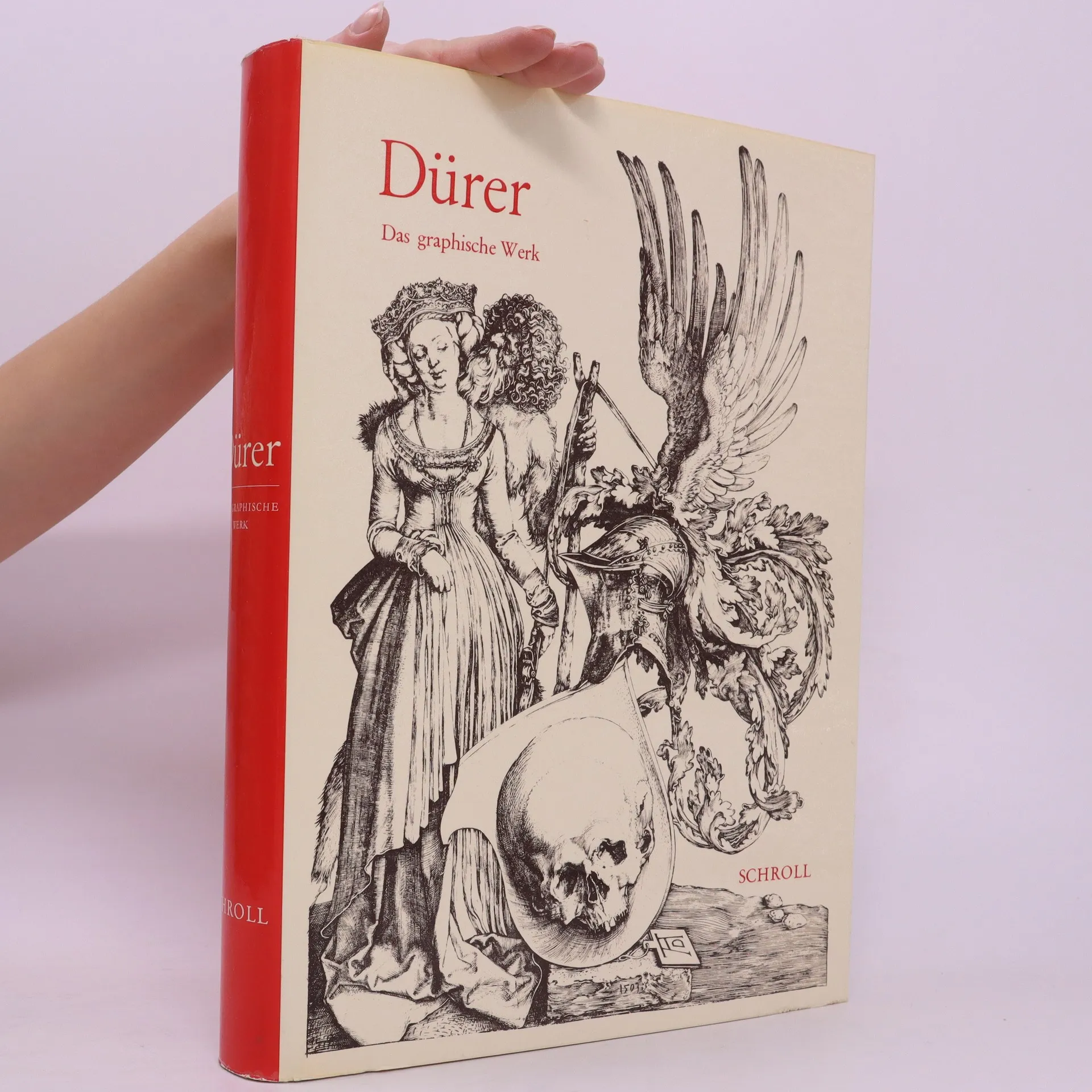
    • Dürer

      Das graphische Werk

      Dürer
    • Dürer e il Rinascimento

      • 415 pages
      • 15 hours of reading

      Germania-Italia. Andata e Ritorno. Il gigante Albrecht Dürer illumina a suon di olii e incisioni la primavera milanese. La stagione del Rinascimento tra Italia e Germania illustrata in una grande mostra a Palazzo Reale. Obiettivo: presentare per la prima volta al pubblico milanese come a quello nazionale ed internazionale, la grande figura di Dürer nel contesto artistico e culturale del Rinascimento tedesco. Verranno messi in evidenza i rapporti reciproci tra l'arte di Dürer e i grandi maestri suoi contemporanei del Nord-Italia, tra Milano e Venezia attraverso disegni, incisioni, dipinti e grafica.0Affiancheranno la produzione di Albrecht Dürer alcune opere significative di Lucas Cranach, Albrecht Altdorfer, Matthias Grünewald, Hans Baldung Grien, Giorgione, Giovanni Bellini, Cima da Conegliano, Solario, Jacopo De' Barbari, Bartolomeo Veneto, Lorenzo Lotto.00Exhibition: Palazzo Reale, Milan, Italy (21.02. - 24.06.2018).

      Dürer e il Rinascimento
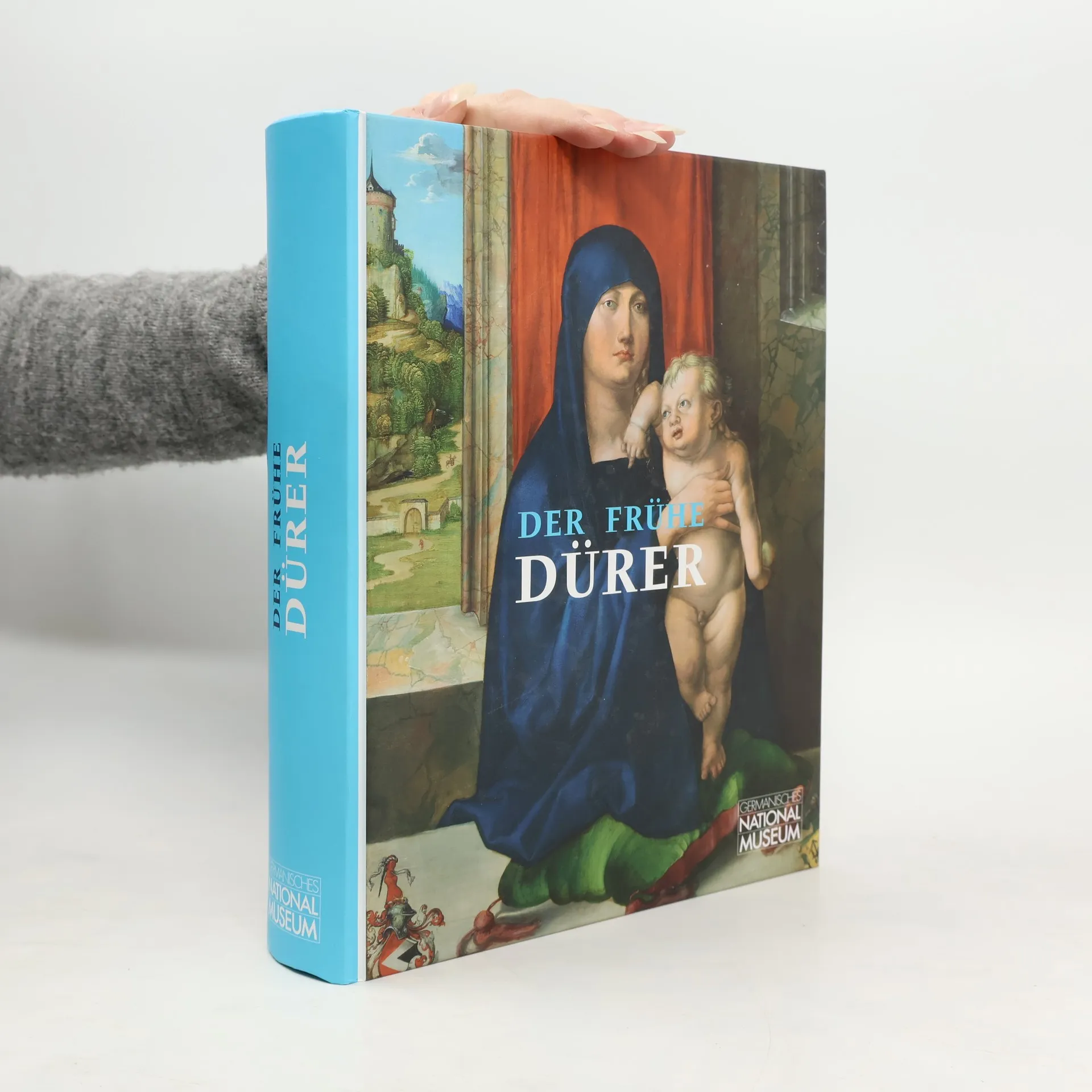
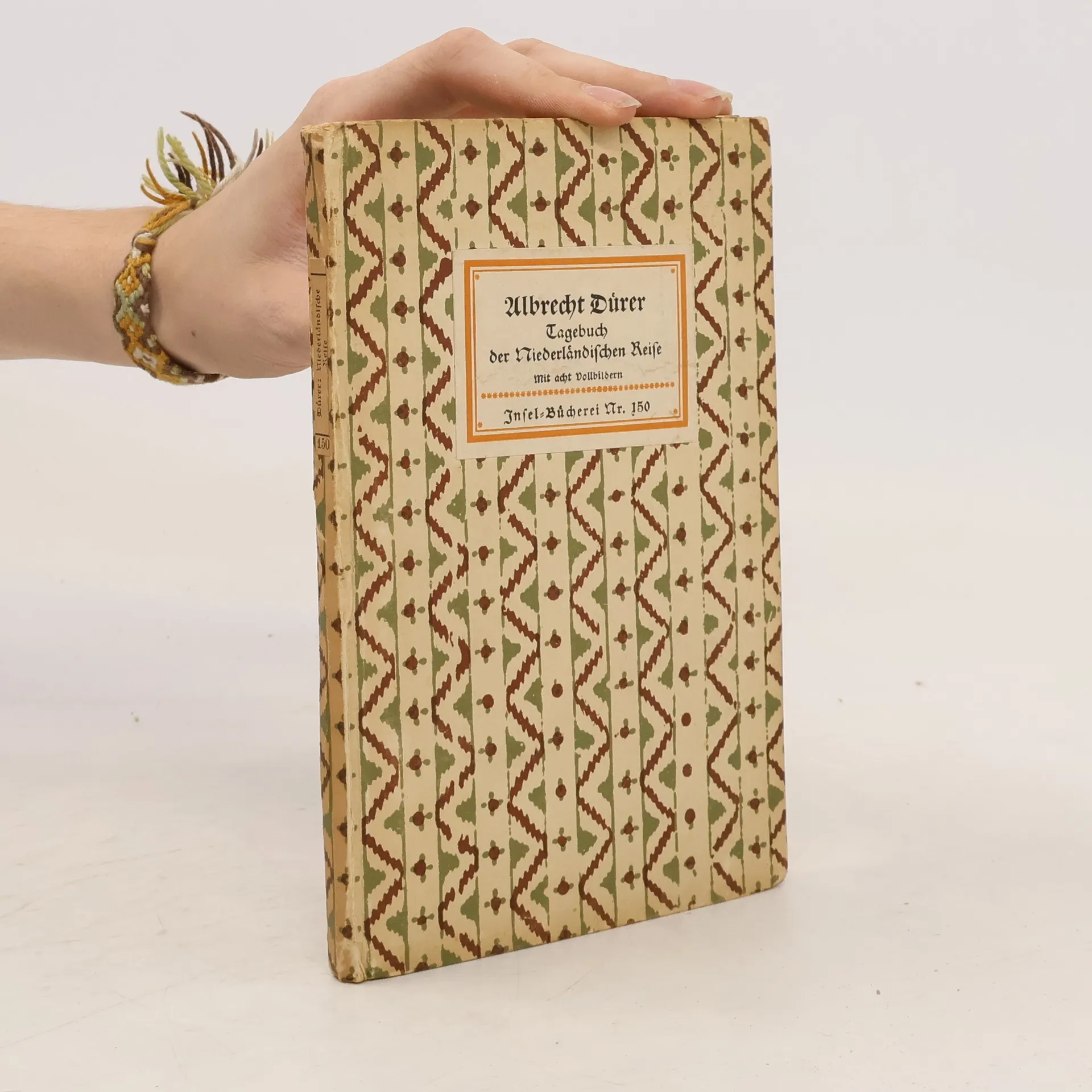
    • In 18 Essays schlagen die Autoren des Forschungsprojekts „Der frühe Dürer“ und die internationalen Forschungspartner den Bogen von Dürers Biografie bis hin zur Frage nach Dürers Rolle als Archetyp des modernen Künslers. In der Kunstgeschichte neue, soziologische Herangehensweisen gestatten es, die „ideale Nachbarschaft“ Dürers als eine der Inspirationsquellen seiner Werke und seines Wirkens zu betrachten. Die Essays und die in Werkgruppen zusammengefassten Texte und Bilder zu den Exponaten sind in vier Sektionen untergliedert: Die Darstellung des „Ich“ - Dürers Auseinandersetzung mit künstlerischen Traditionen, ihre Perfektionierung und Erneuerung - Dürer als dramatischer Bilderzähler - Dürer als potenzieller Wegbereiter eines modernen Kunstverständnisses. Zahlreiche Frühwerke Dürers wurden neu fotografiert und werden in diesem Band erstmals veröffentlicht.
      Der frühe Dürer
    • Dürer - van Dyck - Warhol

      • 160 pages
      • 6 hours of reading

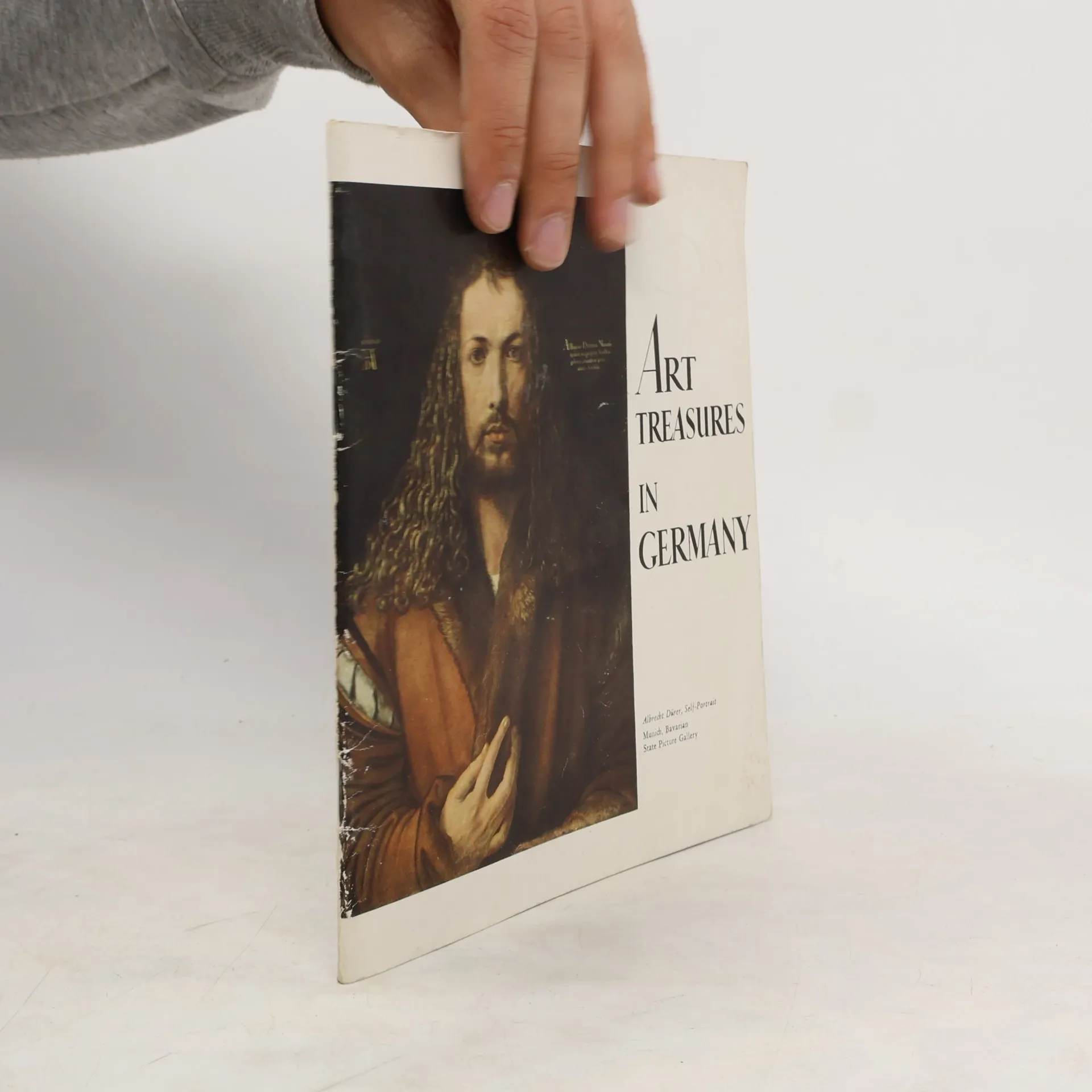
      Das reich und aufwendig bebilderte Buch behandelt die Frage wie authentisch die gemalten, gedruckten und fotografierten Bildnisse vom Spätmittelalter bis heute sind. Einen wichtigen Raum nehmen dabei die Porträts und insbesondere die Selbstbildnisse ein. Zunächst geht das Werk auf die frühe Geschichte des Glamourporträts ein und befasst sich im Folgenden mit Bildnis und Physiognomik. Danach folgt ein Beitrag über Albrecht Dürer, „Sein Ruhm und Selbstwert im Spiegel des Porträts“, sowie über Andy Warhol, der sich in der Wahrnehmung vom „Bad Boy“ zum „modernen van Dyck“ wandelte. Der Anhang verzeichnet die Objekte der Ausstellung, darunter bislang unveröffentlichte Werke von van Dyck und Warhol sowie ein wiederentdecktes Meisterwerk Max Liebermanns. Das Buch soll zeigen, dass „Glanz und Glamour“ keineswegs nur ein Erscheinungsbild der Moderne ist, sondern bis ins Mittelalter verfolgt werden kann. Es unternimmt erstmals den Versuch, eine Geschichte des Glamourporträts nachzuzeichnen. Die Gemälde, grafische und fotografische Arbeiten aus acht Jahrhunderten geben überraschende Einblicke in die schillernde Welt des Glamours, der Beauties und der Femmes fatales. Neben den Reichen und Schönen stehen antike und moderne Helden, Kultfiguren und Stars, aber auch die bürgerlichen „Heroen und Heldinnen des Alltags“ im Mittelpunkt der Betrachtung.

      Dürer - van Dyck - Warhol
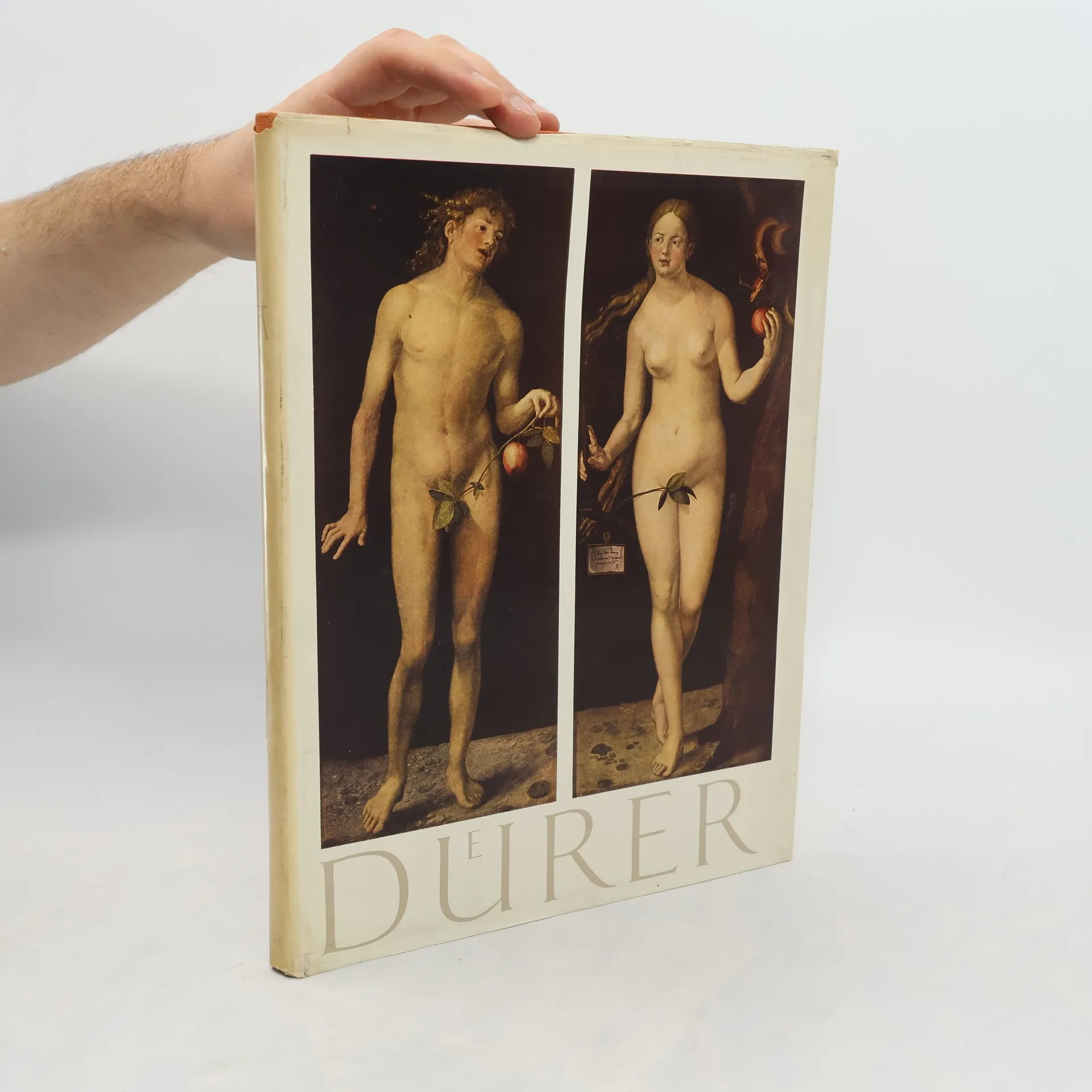
    • Künstlerbrüder

      • 278 pages
      • 10 hours of reading

      In der Gemeinschaft der Künstler nehmen Geschwister eine besondere Rolle ein, da sie oft zusammen aufwachsen und somit eine tiefere Verbindung als Freunde oder Gruppenmitglieder haben. Ihre genetische Verwandtschaft und das gemeinsame sozio-kulturelle Umfeld beeinflussen maßgeblich die Entwicklung ihrer künstlerischen Persönlichkeiten. Eine umfassende Recherche hat etwa 1300 Beispiele von Geschwistern aus verschiedenen Epochen und Kunstkreisen zutage gefördert. Anstelle von Konkurrenz zeigen Künstlergeschwister häufig unterschiedliche Formen der Arbeitsteilung. Ihre Zusammenarbeit kann durch das Ideal einer geistigen Brüderschaft intensiviert werden, was zu Gemeinschaftswerken führt, bei denen sie als Einheit auftreten. Der Katalog konzentriert sich auf Malerei und Zeichnung, berücksichtigt jedoch auch Architektur, Skulptur, Design und Fotografie. Besondere Aufmerksamkeit gilt Gemeinschaftsarbeiten und dem Vergleich ausgewählter Einzelwerke von Künstlerpaaren. Der kunsthistorische Bogen reicht vom 8. Jahrhundert über bedeutende Künstler wie die Brüder Limburg, van Eyck, Dürer und Holbein bis in die Gegenwart. Die Ausstellung im Haus der Kunst in München untersucht die Frage, wie viel Kunst in den Genen steckt.
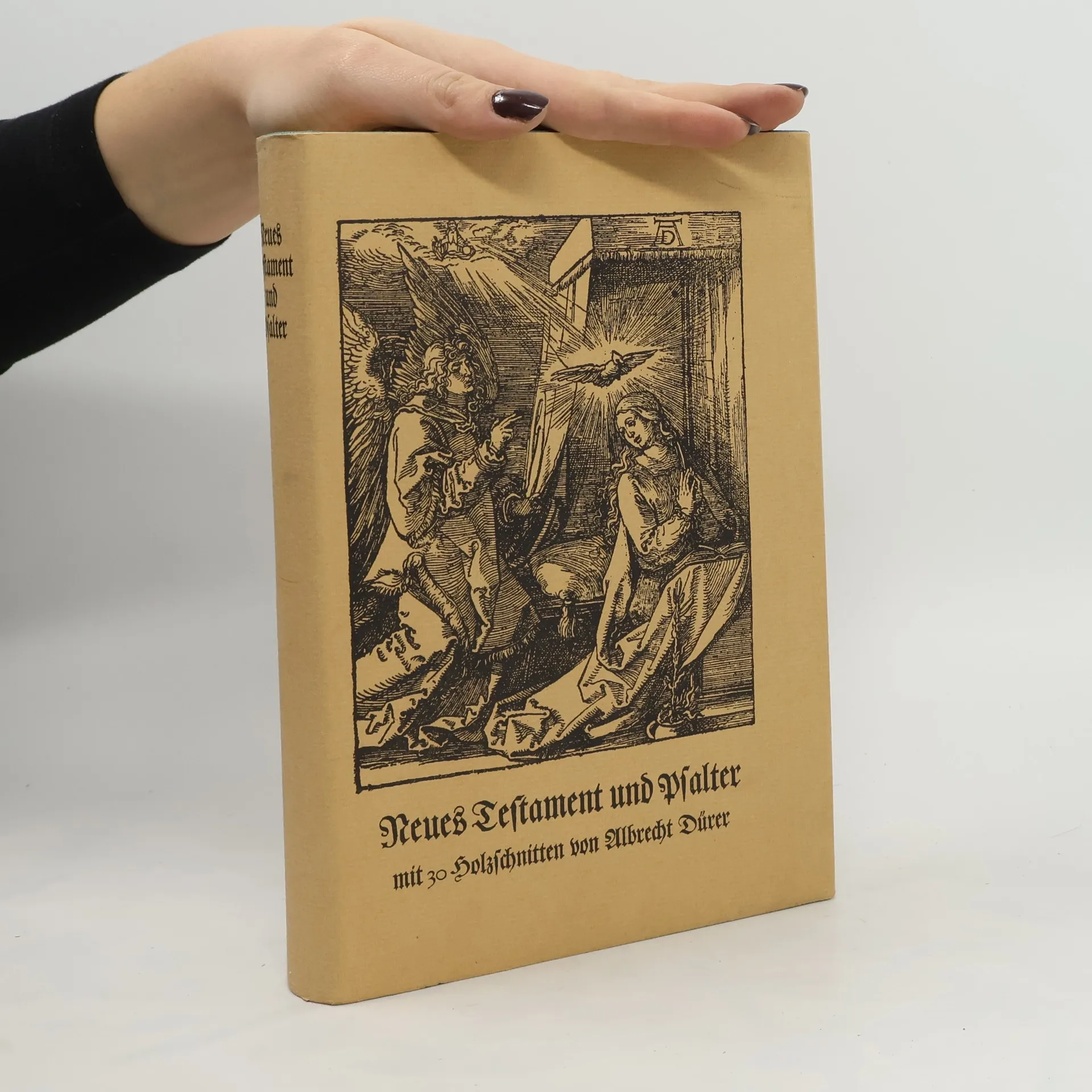
      Künstlerbrüder
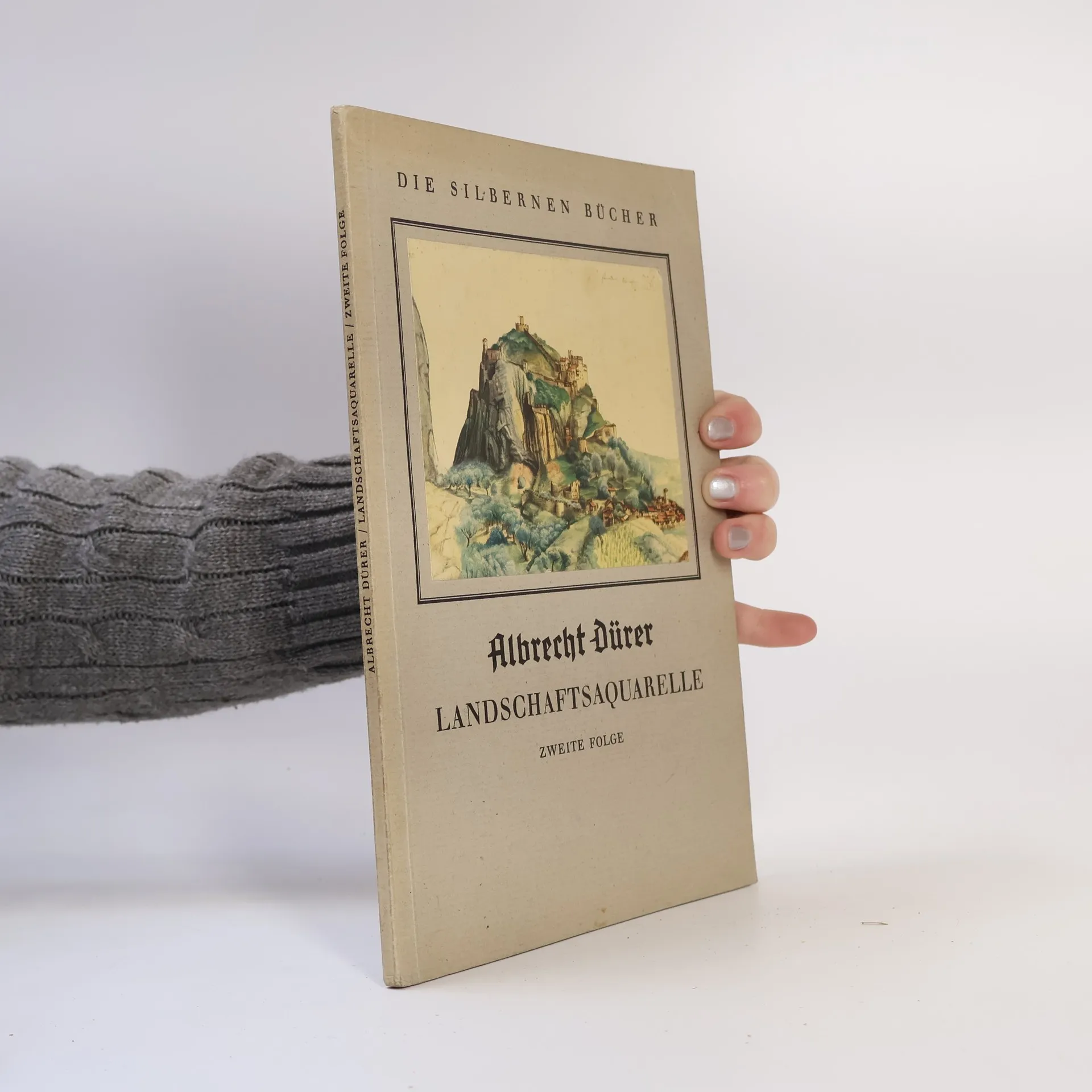
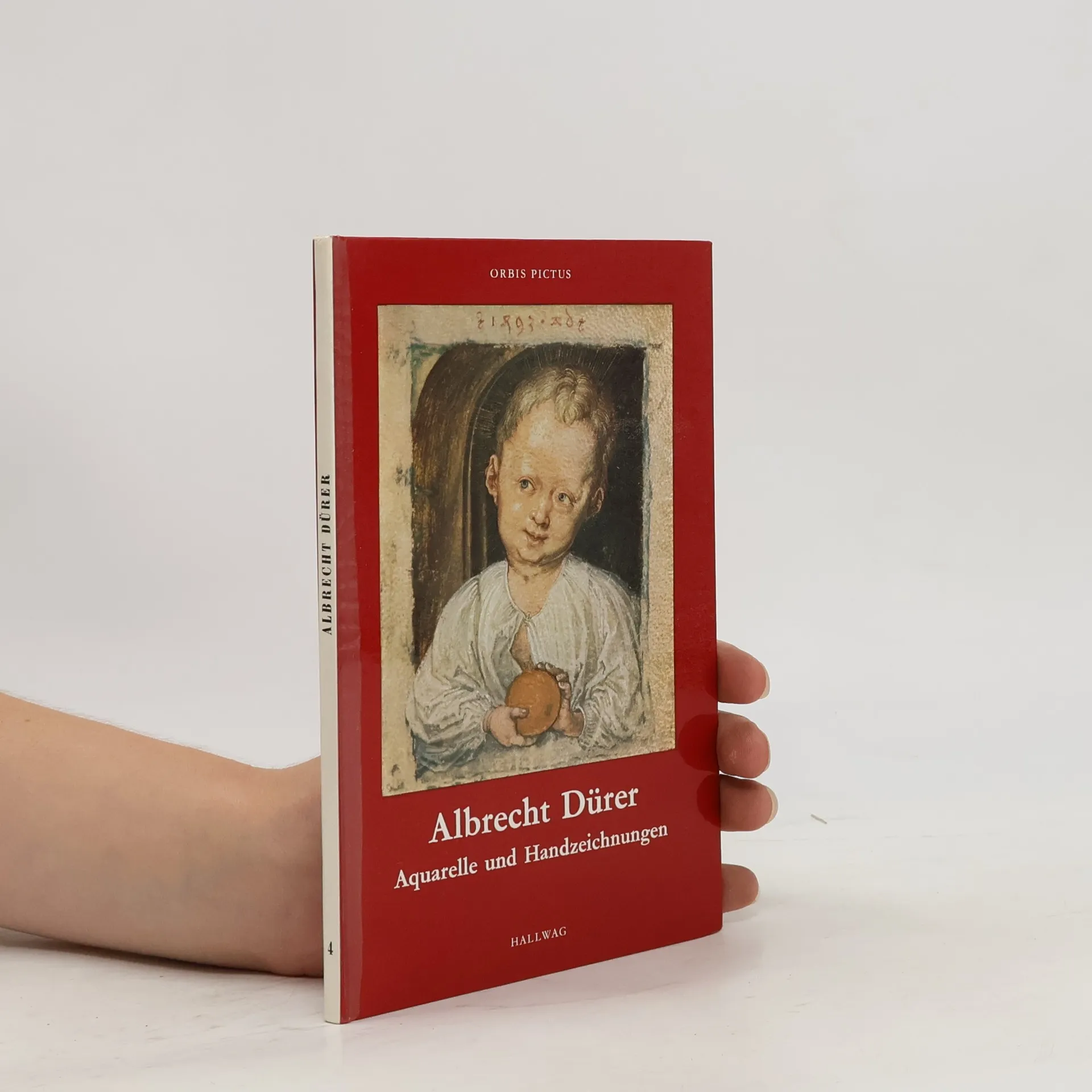
    • Die Aquarelle des Albrecht Dürer

      • 160 pages
      • 6 hours of reading

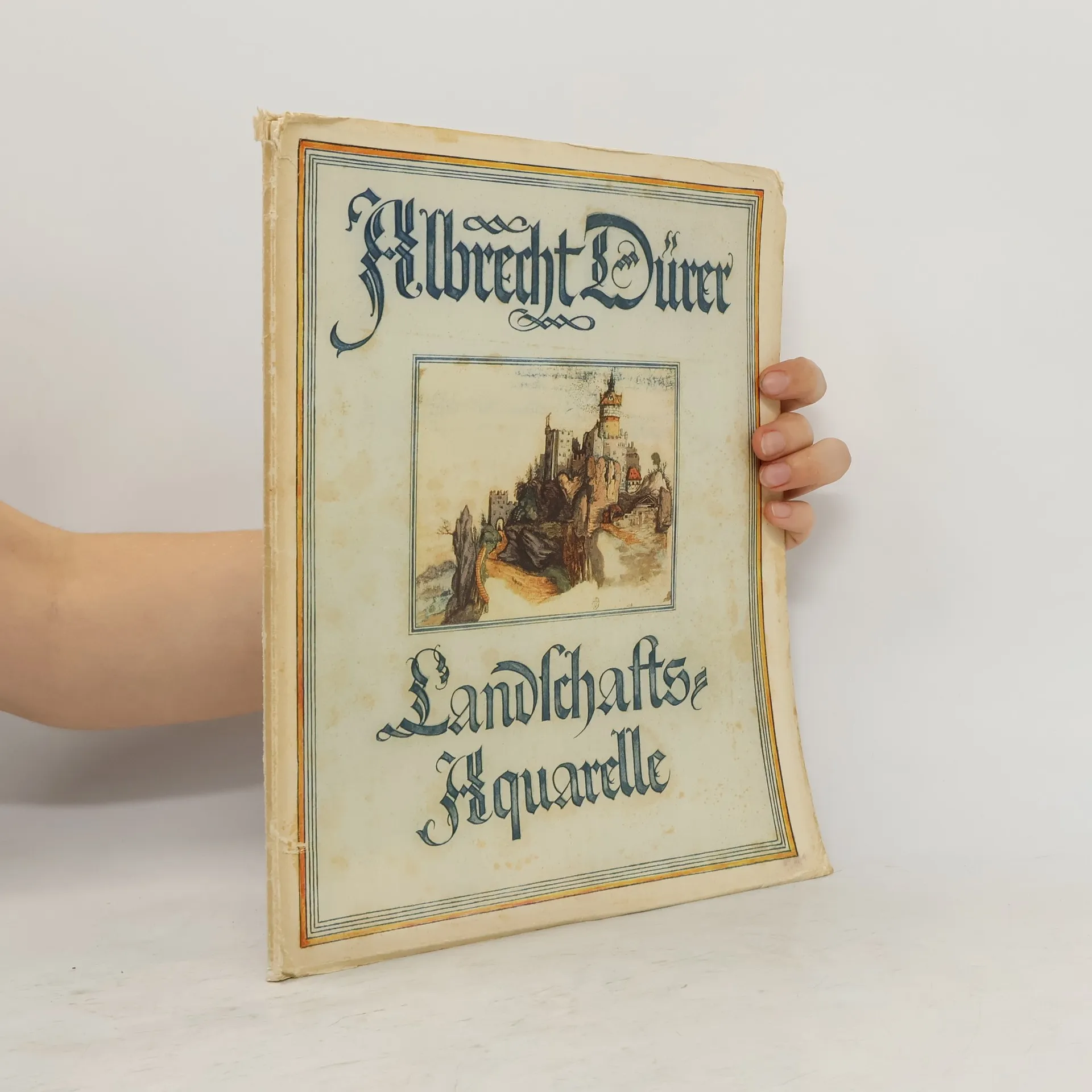
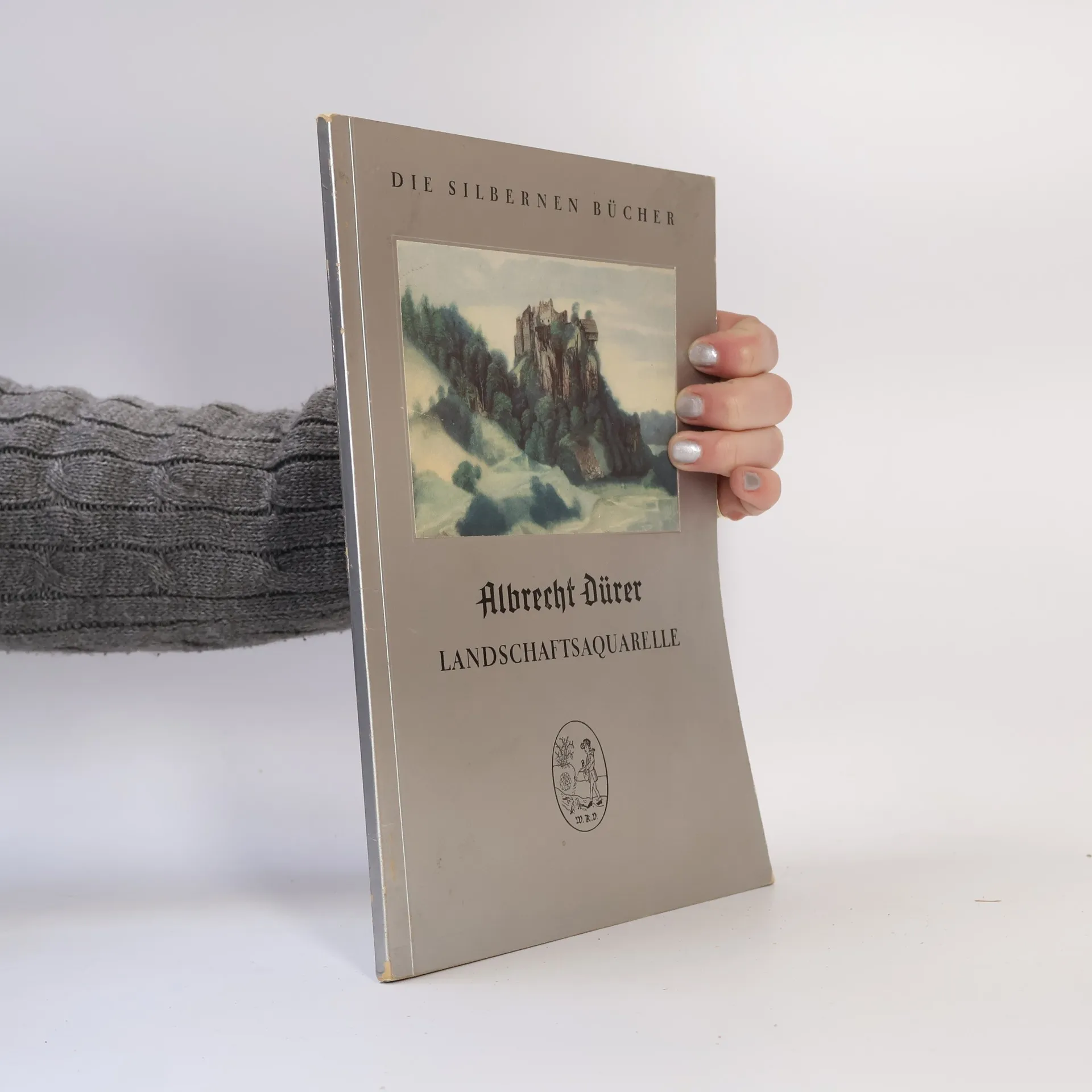
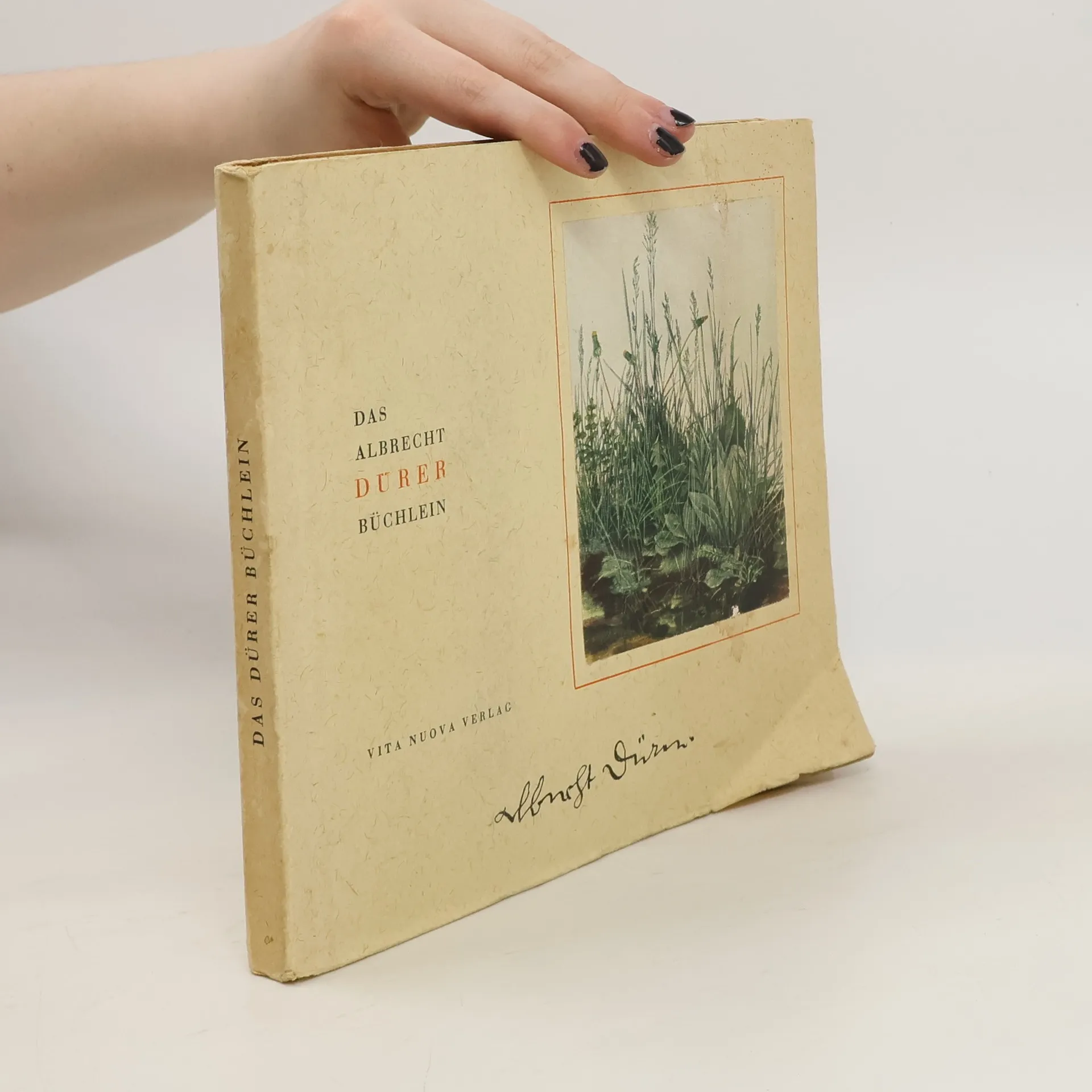
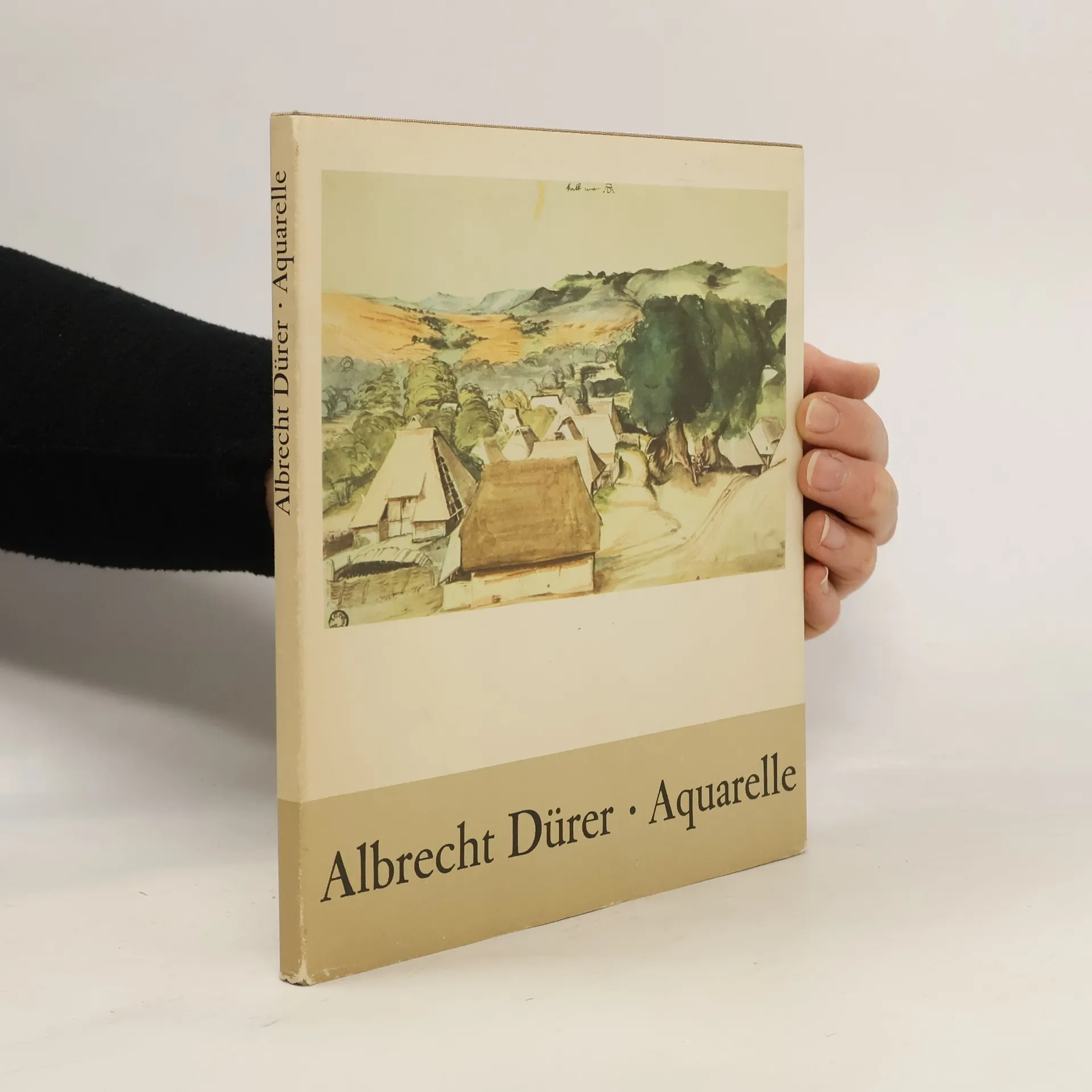
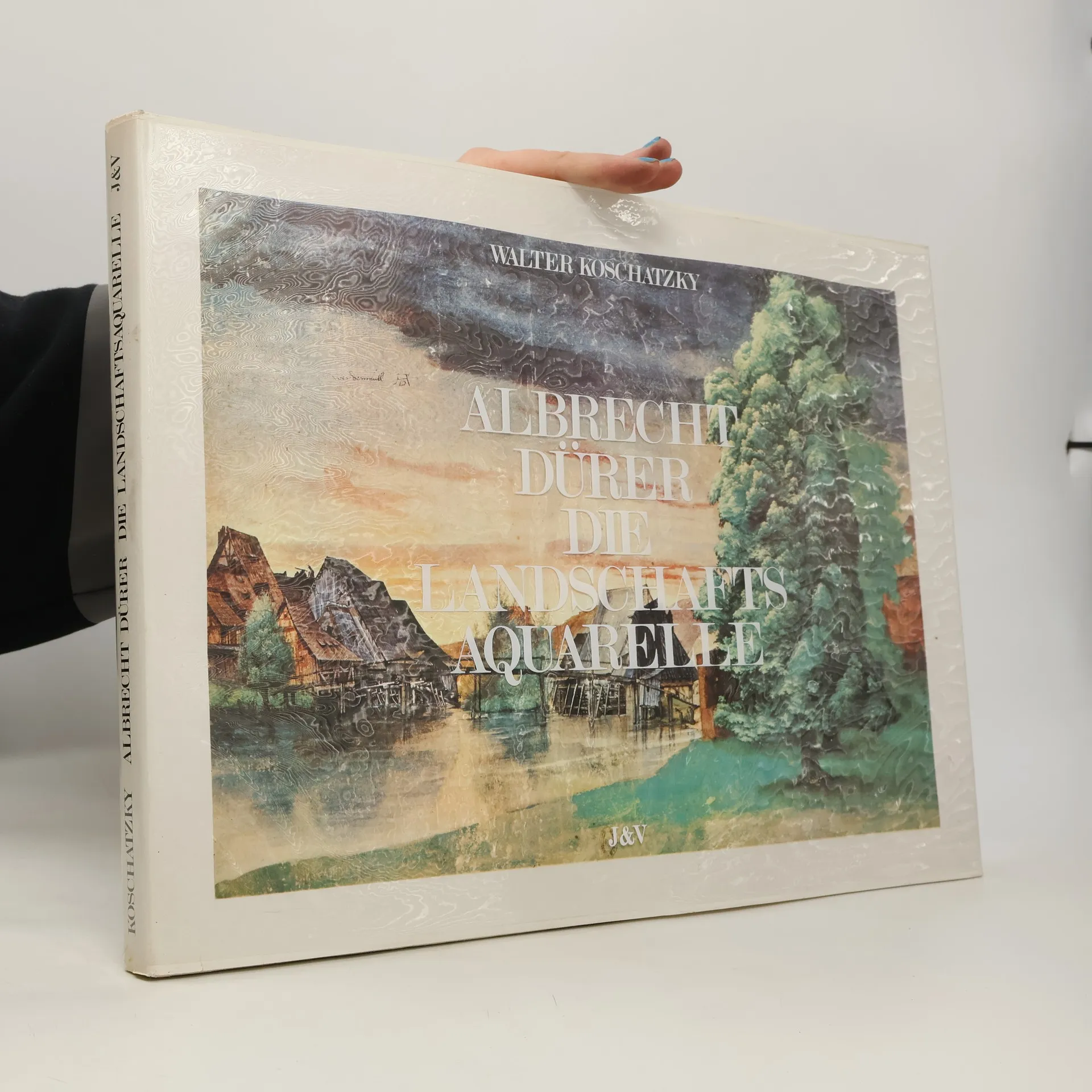
      In diesem Buch sind die 66 Aquarelle des Albrecht Dürer, davon 63 in Farbe, abgebildet und beschrieben. Seine Landschaft-, bzw. Architektur-Aquarelle sind die ersten in sich geschlossenen Darstellungen der Natur. Aber auch die Kleinwelt der Pflanzen und Tiere hat er mit liebevoller Sachtreue geschildert.

      Die Aquarelle des Albrecht Dürer