

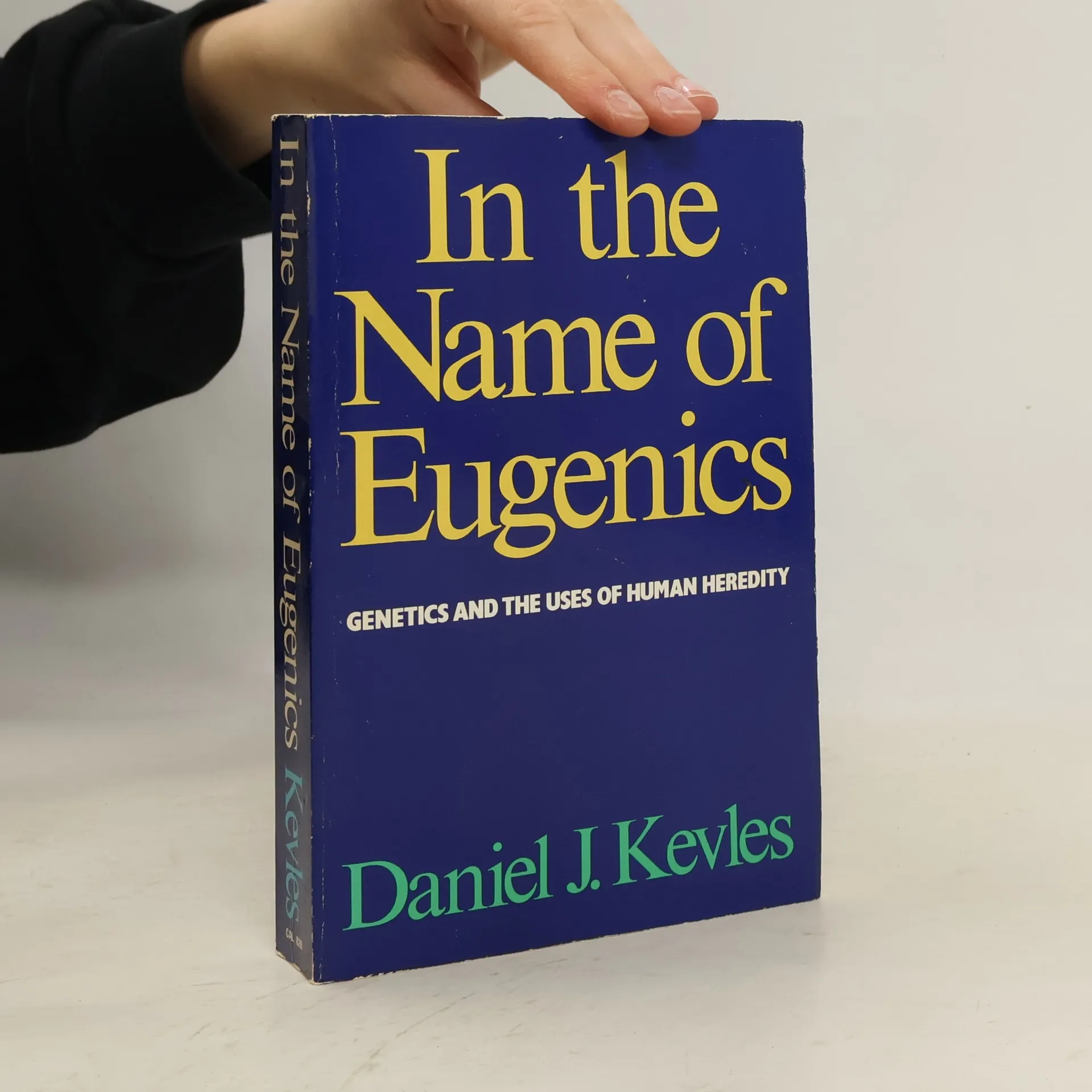
In the 19th century, when the idea of eugenics (selective breeding to generate superior members of a species) was invited off the farm and into the parlor, it was a far-fetched notion with little possibility of success driven by clearly racist motivations. But at the end of the 20th century, biotechnological techniques and other agendas are making forms of human eugenics plausible. Rich in anecdote, narrative, and fact. An important book.
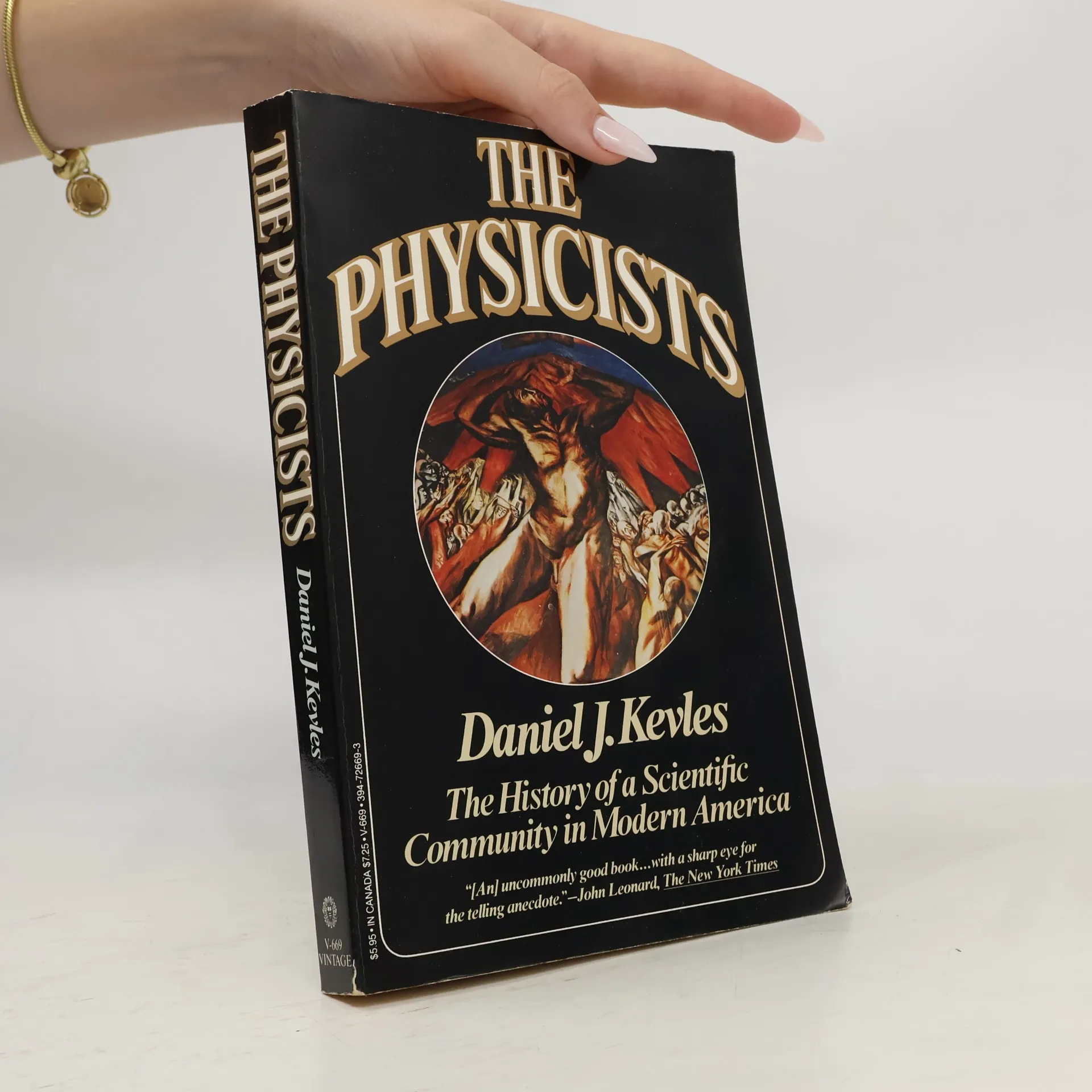
Daniel J. Kevles Books
Daniel J. Kevles is an American historian of science, focusing on the history of American science and its intricate connections with ethics and society. He is known for his ability to synthesize vast amounts of historical information into readable and coherent narratives. His work delves into themes such as the societal impact of scientific discoveries, environmentalism, and ethical dilemmas in science, including eugenics and scientific integrity. Kevles' writings are recognized for their meticulous scholarship and detailed reporting.


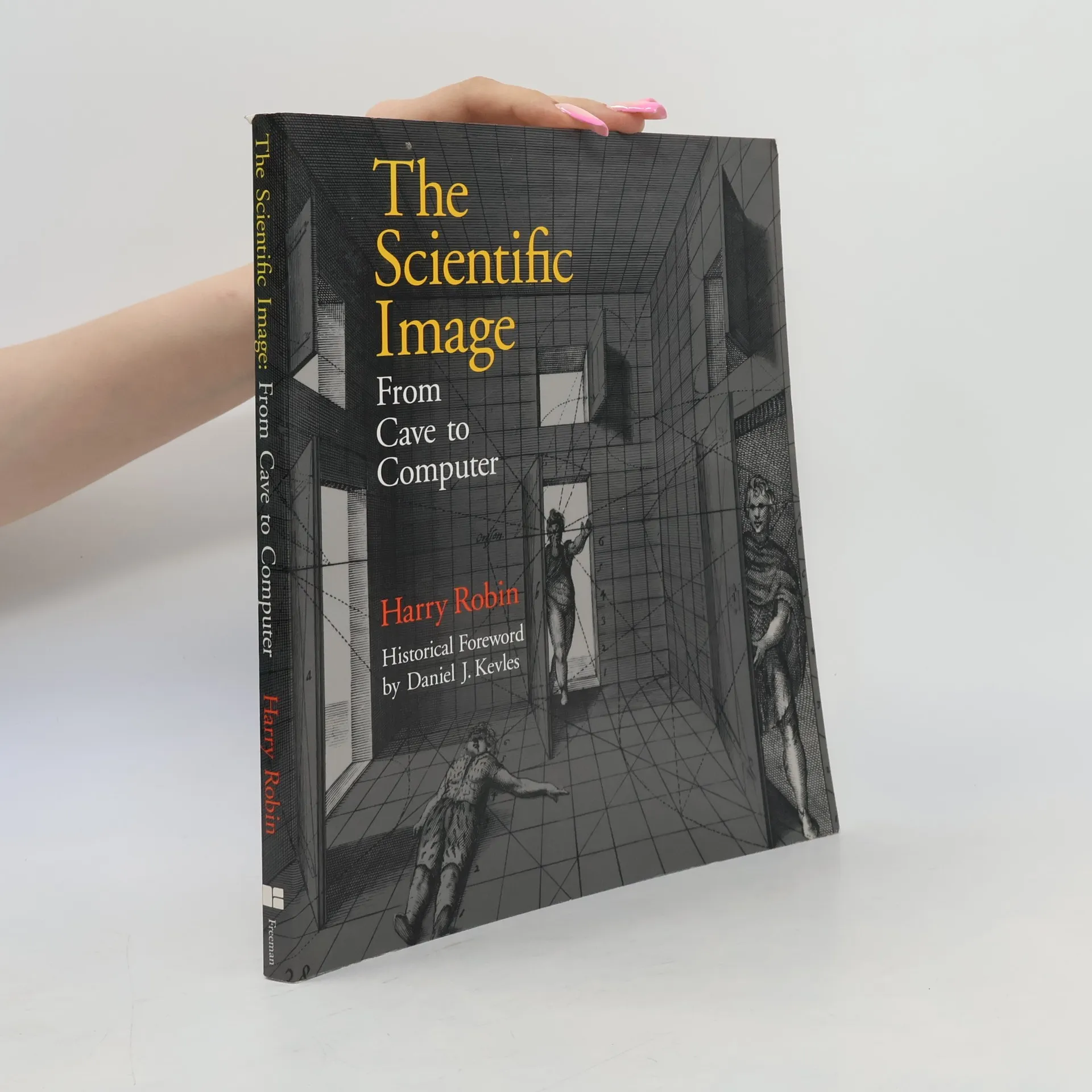
Like an elegant picture album of the history of science, The Scientific from Cale to Computer charts the efforts of professionals and amateurs to represent their obsenations of natural phenomena through illustrations. It is a celebration of the insatiable curiosity and the desire to explain which are the t-,vin inspirations of scientific discovery. The images author Harry Robin has assembled here range from the skv charts of the ancient Siberian Chukchis to NASA's most sophisticated computer imagen,. Included are illustrative works from the bestknown names in science-Einstein, Newton, Gallileo, da Vinci, Ben Franklin, Darwin, Edison, Watson and Crick-as well as ingenius creations from obscure sources. Throughout, insightful commentary describes each image in its context.
Der Supercode
- 406 pages
- 15 hours of reading
Dieses Buch gilt als eines der besten Werke über das Human-Genome-Projekt. Es behandelt verschiedene theoretische, wissenschaftliche, soziale, rechtliche und ethische Aspekte in einer ausgewogenen Darstellung von klaren Artikeln, die von mehreren führenden Wissenschaftlern verfasst wurden. Es ist eine enorme wissenschaftliche Kostprobe, die den aufgeklärten Leser zu einem Thema anspricht, das ohne Zweifel das Leben eines jeden von uns berührt. Es bietet einen gelungenen Einblick in die Zukunft der Lebenswissenschaften und der Medizin im 21. Jahrhundert.
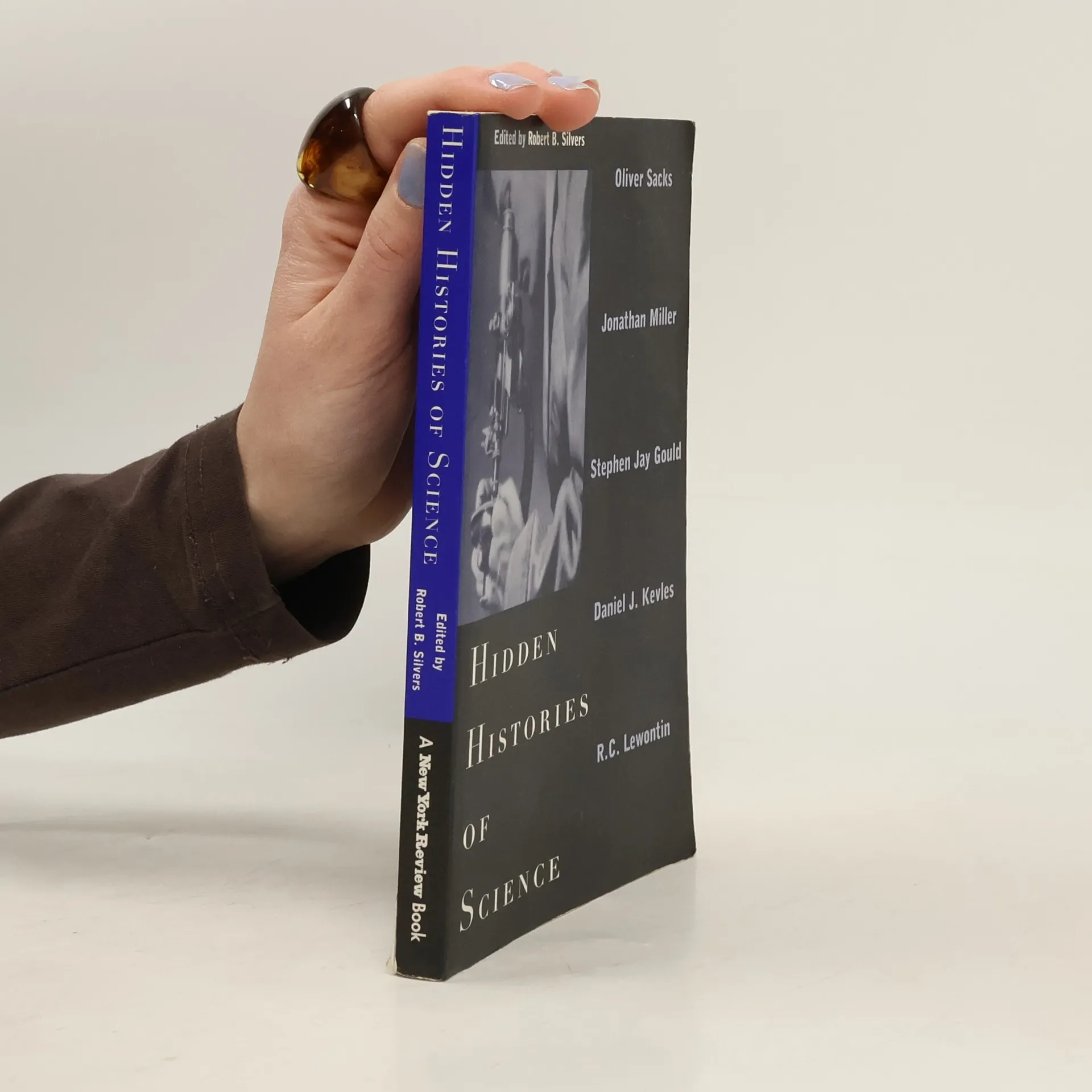
Hidden Histories of Science
- 210 pages
- 8 hours of reading
In these essays, Jonathan Miller, Oliver Sacks and Daniel Kevles show how and why some discoveries and insights in science emerge with great promise, only to be discarded or forgotten, then re-emerge years later as important. Richard Lewontin and Stephen Jay Gould suggest deep and largely unacknowledged distortions in the way scientists and popularizers alike conceive the sturcture of the world and its natural history. Illustrations.