
Explore the latest books of this year!
Bookbot

Thomas E. Creighton

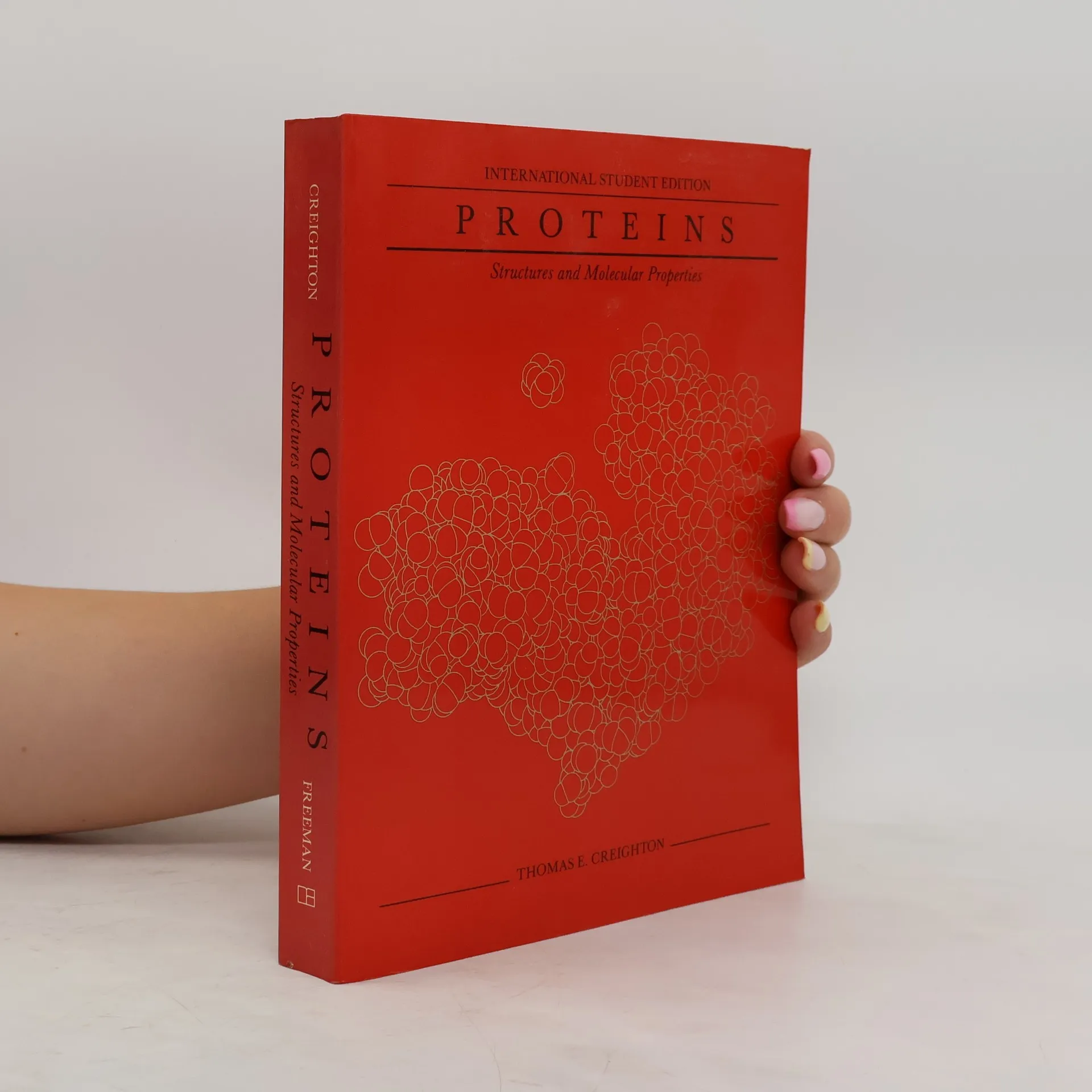
    Proteins
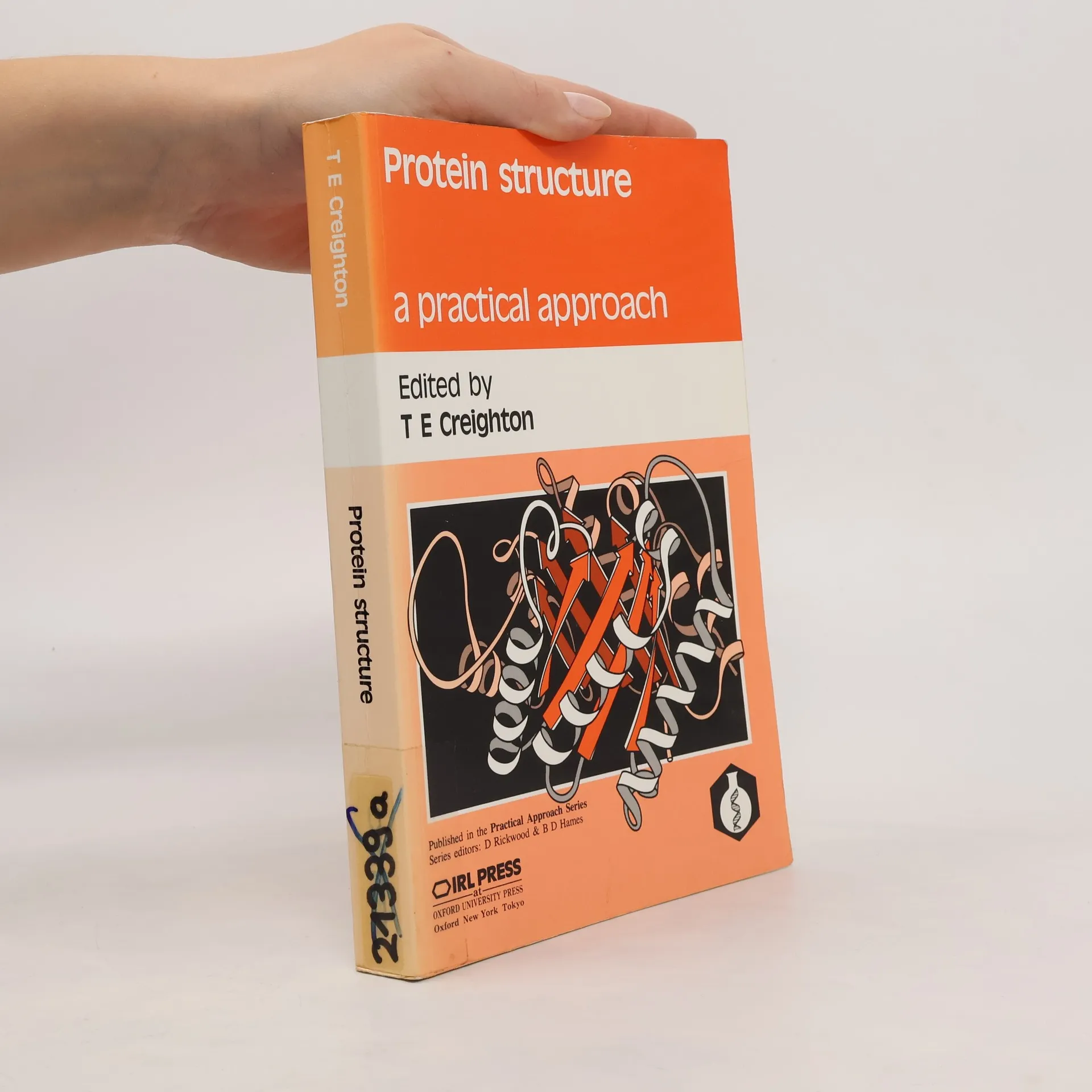
    Protein structure: a practical approach
    Proteins
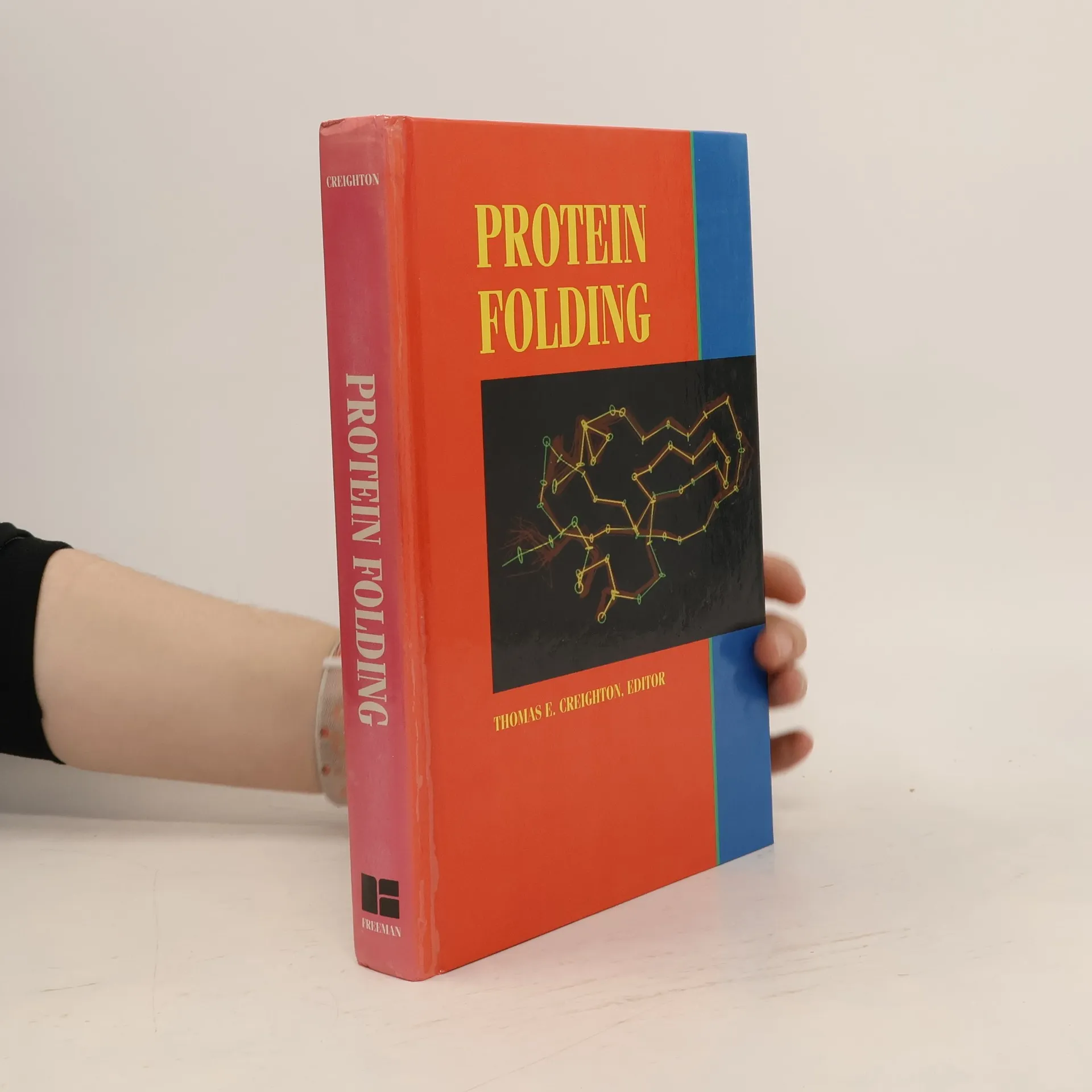
    Protein Folding
    • Protein Folding

      • 547 pages
      • 20 hours of reading

      The phenomenon of protein folding has become the focus of intense scientific inquiry. Researchers have realised the importance of understanding how proteins adopt their folding conformations, and are developing experimental techniques to attack this problem. , Protein Folding is a report on the current state of this crucial area of research-the 4y experiments, techniques, and implications of recent findings on modem biotechnology and biomedicine. Its authors are the world's leading investigators in this field, R M. Richards, Department of Molecular Biophysics and Biochemistry, Yale University - Janet M Thornton, Biomolecular Structure and Modelling Unit, University College,. . London, UK - Peter L Privokv, Institute of Protein Research, Academy of Sciences, Moscow - Martin Karplus and E. S h, Department of Chemistry, Harvard University - Franz X Schmid, Department of Biochemistry, Universitat Bayreuth, Germany . Oleg B. Ptilsyn, Institute of Protein Research, Academy of Sciences, Moscow Thomas E. Creighton, European Molecular Biology Laboratory, Heidelberg, Germany David P. Goldenberg, Department of Biology, University of Utah - Jean-Renaud Garel, Laboratoire d'Enzymologie du CNRS, Gifsur-Yvette, France - Robert B. Freedman, Biological Laboratory, University of Kent, Canterbury, UK.

      Protein Folding
      4.0
    • Proteins

      • 512 pages
      • 18 hours of reading

      Organized on a combined basis of chronology and of structural and functional hierarchy, This comprehensive text describes all aspects of proteins--biosynthesis, evolution, dynamics, ligand binding, catalysis, and energy transduction--not just their structures. This edition (first was 1984) is thoroughly updated--especially in the area of protein biosynthesis--and features end-of-chapter exercises and problems, many of which require the student to consult the cited literature in order to obtain the answer. Annotation copyright by Book News, Inc., Portland, OR

      Proteins
      4.0
    • Protein structure: a practical approach

      • 376 pages
      • 14 hours of reading

      Collecting together a range of methods likely to be useful in most biochemical laboratories, this book gives techniques for protein structure studies, which allow a low-resolution picture of a protein to be built up.

      Protein structure: a practical approach
    • Proteins

      Structures and Molecular Properties - International Student Edition

      • 515 pages
      • 19 hours of reading

      This work provides a comprehensive description of the molecular, chemical, and physical properties of proteins. It brings together in one authoritative resource coverage of all aspects of proteins-biosynthesis, evolution, dynamics ligand binding and catalysis, in YSI addition to their structures. The second edition has been thoroughly updated - especially in the area of protein biosynthesis - and features coverage of: developments in site-acted mutagenesis and protein engineering advances in the use of NMR to determine protein structure factors affecting the aqueous solubilities; of better understanding of the stabilities of folded conformations; how proteins interact with DNA; and progress in elucidating the mechanisms of protein degradation and turnover. This edition features end-of-chapter exercises and problems, many of which require the student to consult important contributions to the literature.

      Proteins