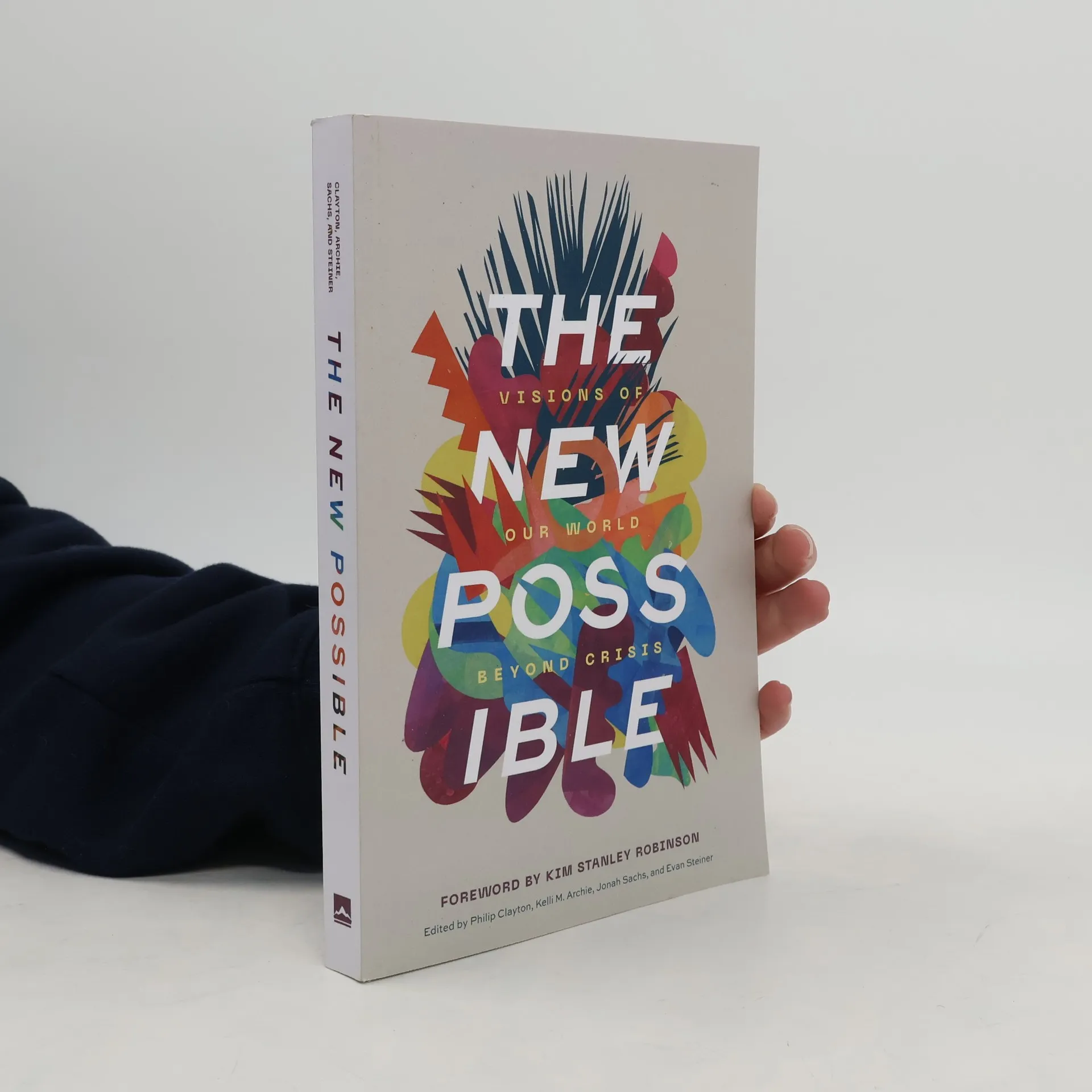
2020 dramatically altered our lives, prompting questions about our future. Will the challenges of the pandemic, protests, economic instability, and social distancing exacerbate inequalities, nationalism, and the decline of democracies? Or could they spark a global awakening to community, mutual support, and environmental stewardship? The future has never felt so uncertain. This collection presents twenty-eight distinct visions for a better world, advocating a shift from returning to "normal" toward a more promising future. Contributions from global leaders across six continents offer not just speculation but inspiration and actionable roadmaps. The essays feature insights from notable figures like Kim Stanley Robinson, Michael Pollan, Vandana Shiva, and many others, each providing a unique perspective on navigating the difficult decades ahead. Bill McKibben praises the collection for uniting some of the brightest minds to envision a viable path forward, while Van Jones highlights it as a timely guide filled with concrete ideas and inspiration for creating a more equitable and sustainable world. Together, these voices urge us to imagine and work toward a transformative future.
Kim Stanley Robinson Books
Kim Stanley Robinson is an American science fiction author whose work frequently delves into ecological and sociological themes. Many of his novels stem from his own scientific fascinations, evident in his celebrated work inspired by a lifelong interest in Mars. His writing is often characterized as "literary science fiction".


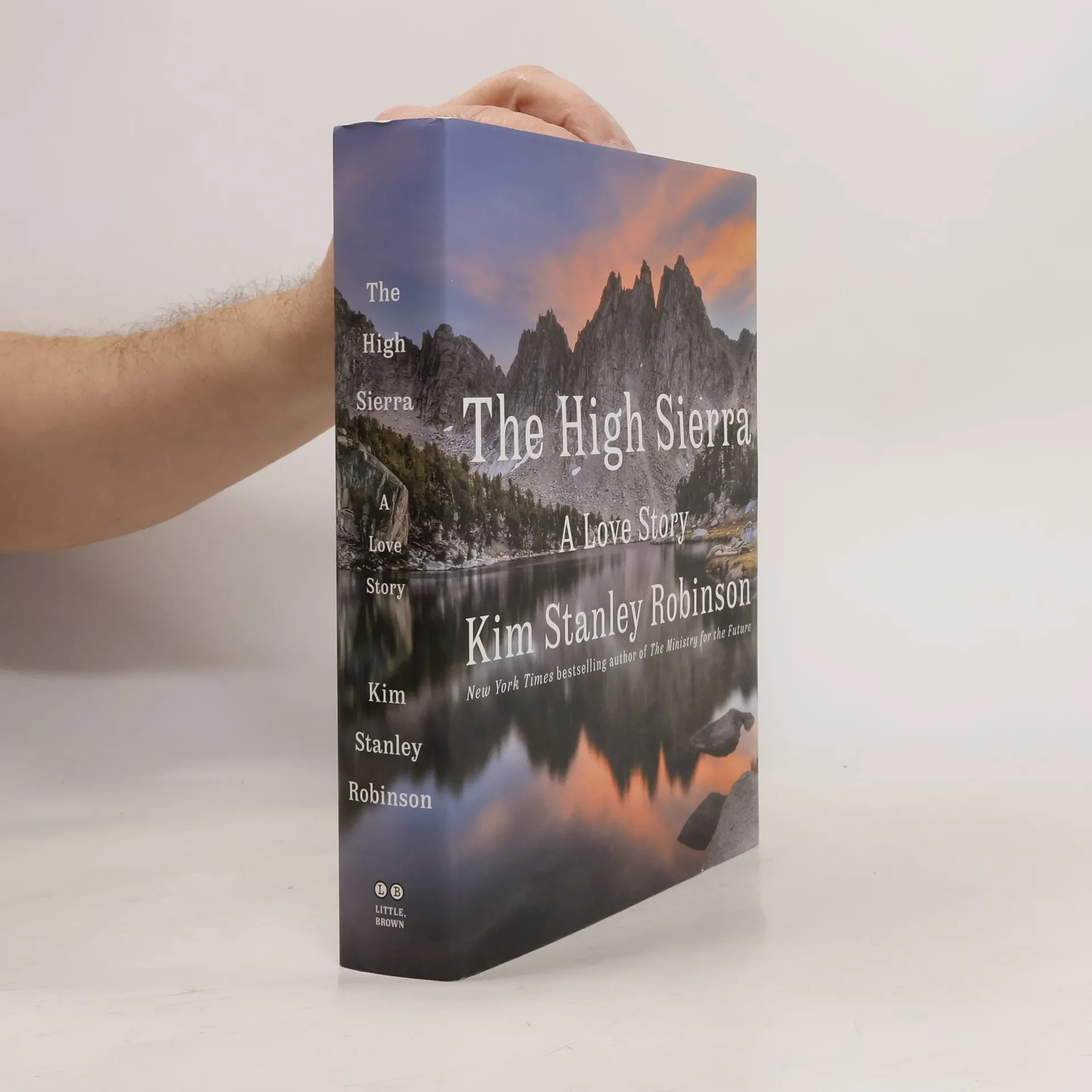
This exploration of the Sierra Nevadas offers a unique perspective on one of the world's premier hiking and camping destinations. Renowned novelist Kim Stanley Robinson delves into the natural beauty and ecological significance of these mountains, blending personal narrative with environmental insights. The work is praised for its originality and depth, making it a compelling read for outdoor enthusiasts and nature lovers alike.
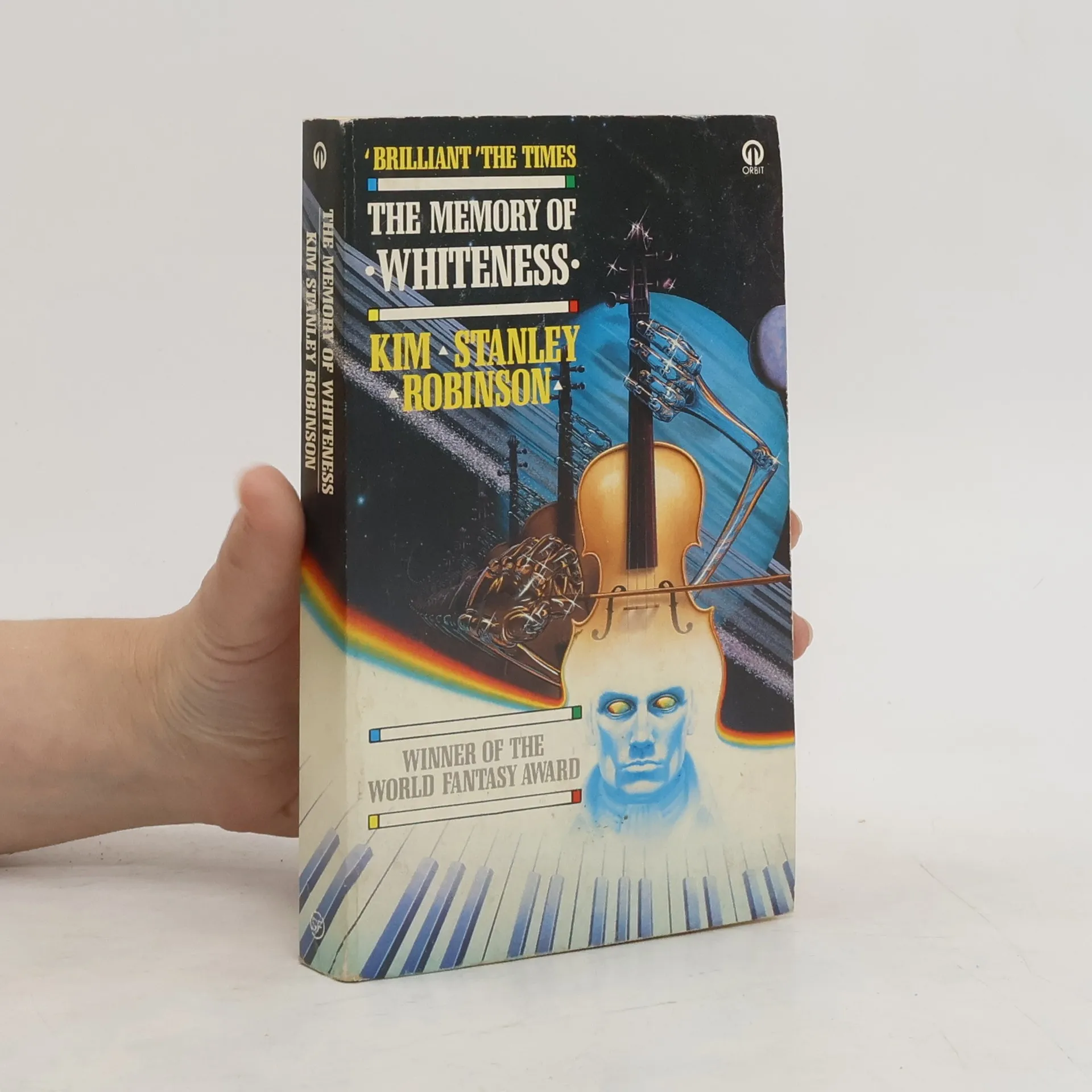
The Memory of Whiteness
- 351 pages
- 13 hours of reading
An early novel from Science Fiction legend Kim Stanley Robinson, The Memory of Whiteness is now available for the first time in decades.In 3229 A.D., human civilization is scattered among the planets, moons, and asteroids of the solar system. Billions of lives depend on the technology derived from the breakthroughs of the greatest physicist of the age, Arthur Holywelkin. But in the last years of his life, Holywelkin devoted himself to building a strange, beautiful, and complex musical instrument that he called The Orchestra.Johannes Wright has earned the honor of becoming the Ninth Master of Holywelkin's Orchestra. Follow him on his Grand Tour of the Solar System, as he journeys down the gravity well toward the sun, impelled by a destiny he can scarcely understand, and is pursued by mysterious foes who will tell him anything except the reason for their enmity.
The Planet on the Table
- 256 pages
- 9 hours of reading
They sailed out of Lisbon harbor with flags snapping and brass culverins gleaming under a high sun, priests proclaiming the Pope's blessing, soldiers in armor on the castles, and sailors in the rigging waving at townsfolk who had come to watch the departure of the Armada, destined to subjugate the heretic English. Among them was Manuel Tetuan, a young Moroccan orphan taken from a Franciscan monastery. “Black Air” is a multiple award-nominated novelette that explores Manuel’s innocence, his compassion amid war, and the miracles that help him survive the tragedy of the doomed Armada. Robinson’s extraordinary range is showcased through haunting tales, including tourists looting the sunken ruins of Venice; an amoral future sleuth and her bumbling companion tracking a forger of Monets on a planet of wealthy esthetes; three friends confronting eternity and subtle magic in the snowbound Sierras; a company of hypnotically trained actors facing an unknown psychopath whose murders echo Elizabethan drama; the historic impact of a WWII traitor who fails to A-bomb Hiroshima; impoverished Uranian miners reviving Dixieland Jazz for fame; and a dilapidated Arizona grill-souvenir shop that becomes a drifter’s nexus with Time and destiny.
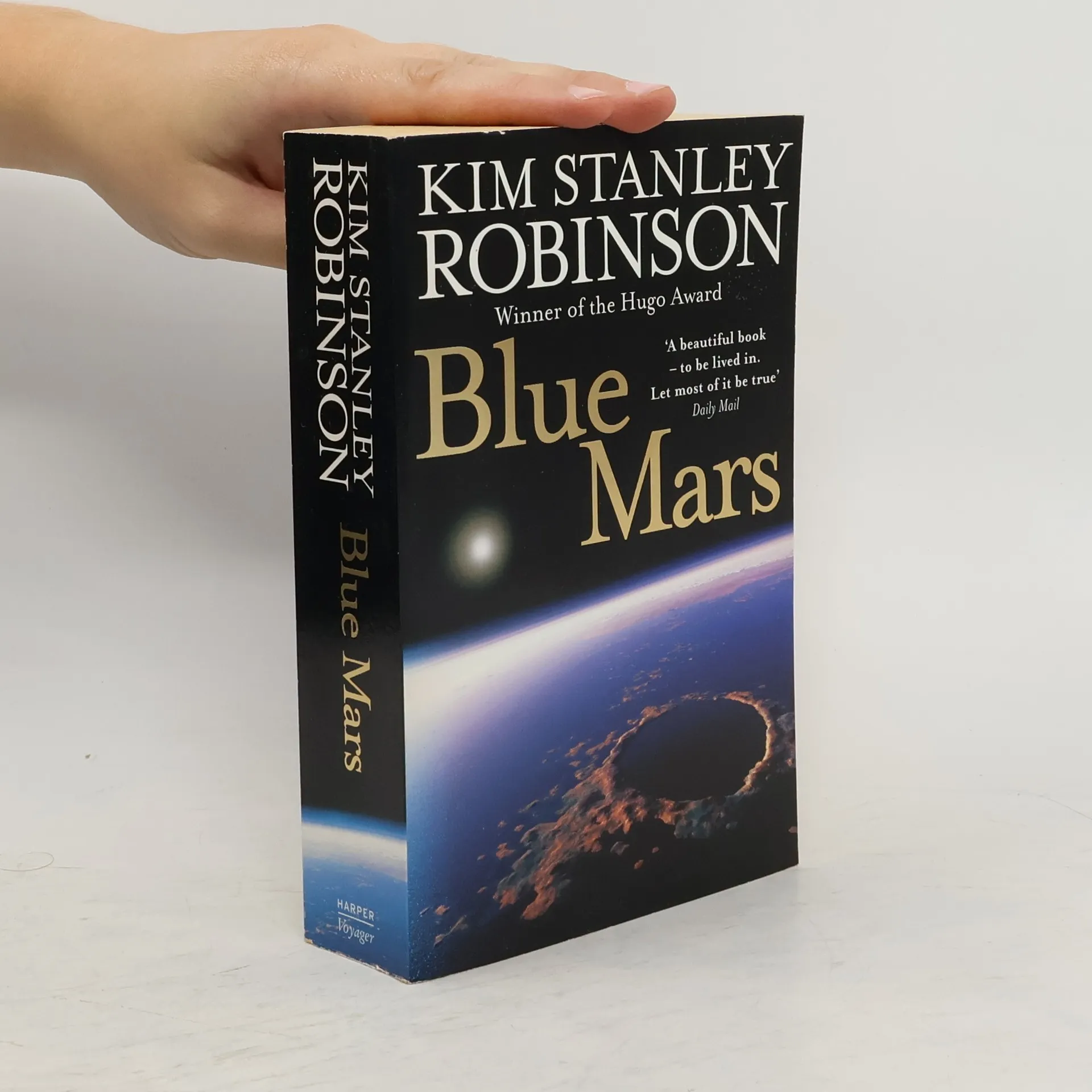
Blue Mars. Blauer Mars, englische Ausgabe
- 800 pages
- 28 hours of reading
As Earth cracks under the pressure of overpopulation, with too few resources, Mars stands as an Eden to be envied. Rifts have formed between the two most powerful factions on the planet's surface: the Reds and the Greens. But now a civil war threatens to destroy all that humanity has done to create a blue and perfect Mars.
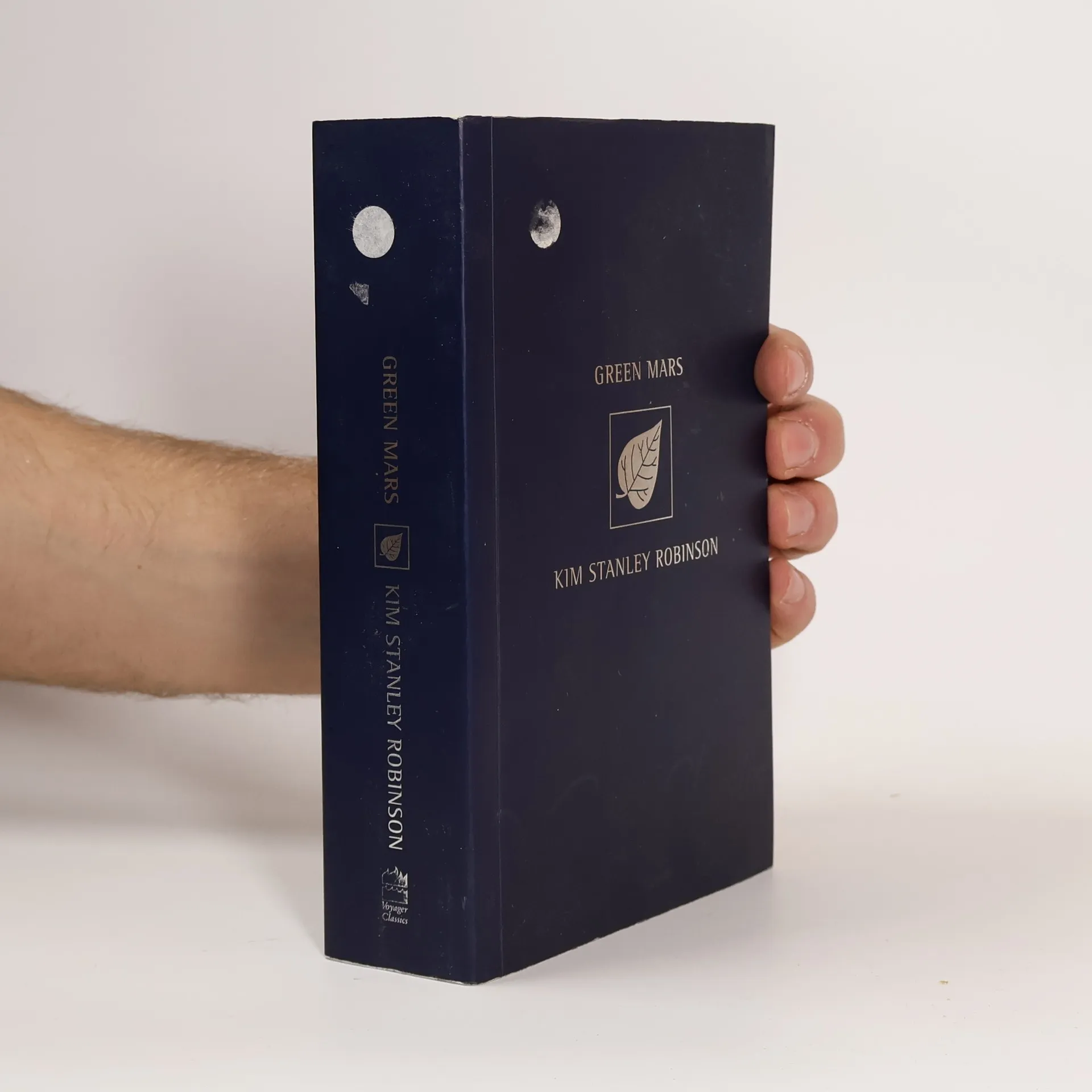
Voyager Classics: Green Mars
- 784 pages
- 28 hours of reading
Green Mars (Voyager Classics) [Paperback] Robinson, Kim Stanley
The Sheep Look Up
- 486 pages
- 18 hours of reading
John Brunner's classic novel of ecological catastrophe, now more relevant than ever.
Three Californias
- 896 pages
- 32 hours of reading
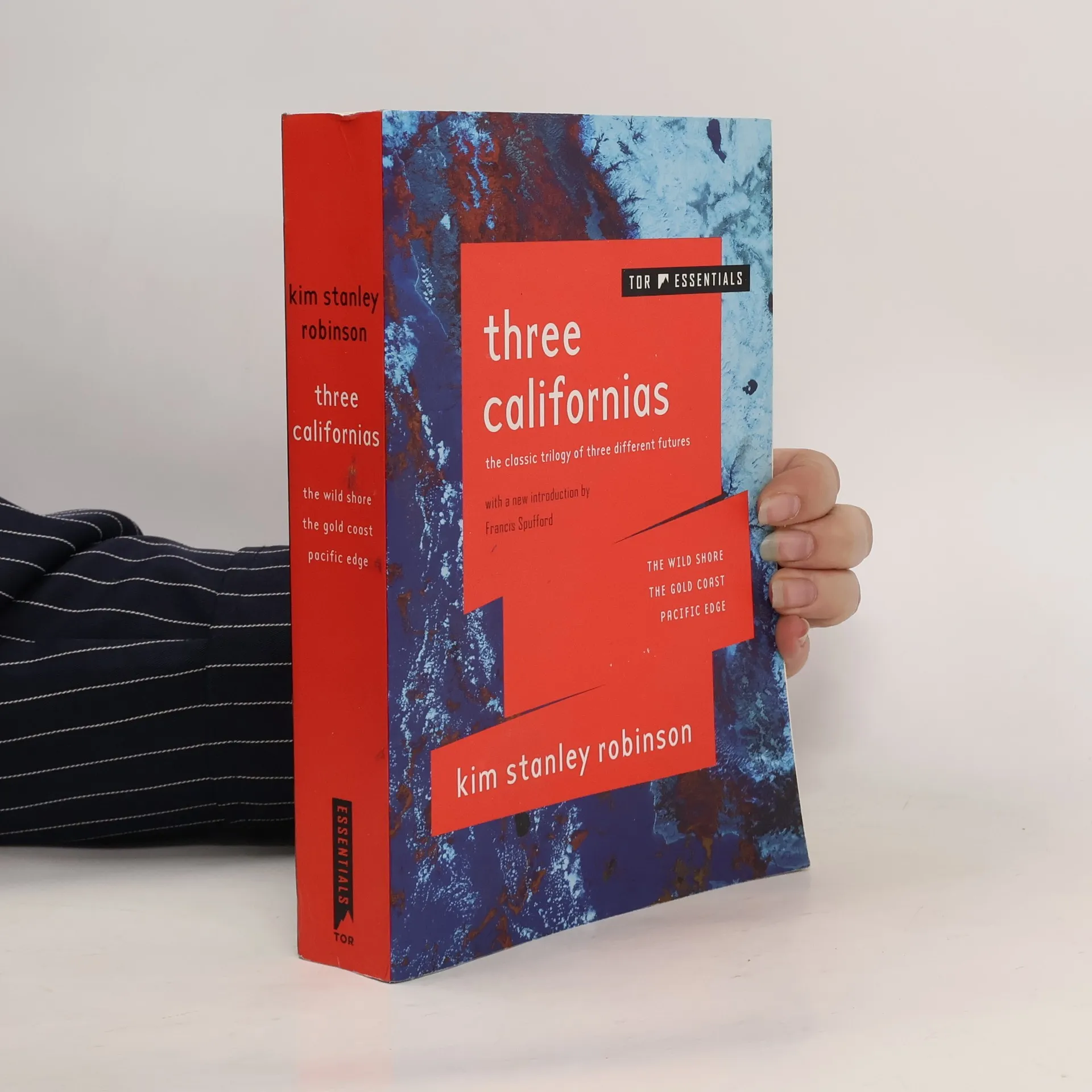
From the internationally bestselling author of the Mars Trilogy and New York 2140Before Kim Stanley Robinson terraformed Mars, he wrote three science fiction novels set in Orange County, California, where he grew up. These alternate futures―one a post-apocalypse, one an if-this-goes-on future reminiscent of Philip K. Dick, and one an ecological utopia―form a whole that illuminates, enchants, and inspires--collected here as Three Californias .What if... there was a limited nuclear war that left the United States blockaded, fragmented, the few survivors living in the ruins of a once-great nation?What if... this goes on, and technology continues to accelerate, and power continues to be consolidated into corporate culture, a developer’s dream world gone an endless sprawl of condos, freeways, and malls, and designer drugs?What if... a revolution happens, and the US addresses climate change in a responsible way. Is a future green Utopia all that great when you’re young and in love?This Tor Essentials edition of Three Californias includes an introduction by Francis Spufford, bestselling author of Golden Hill and Red Plenty .“[Robinson] invites us to share his characters’ intensely personal, intensely local attachment to what they have. The result may shame you into entertaining new hope for the future.”― The New York Times on Pacific Edge
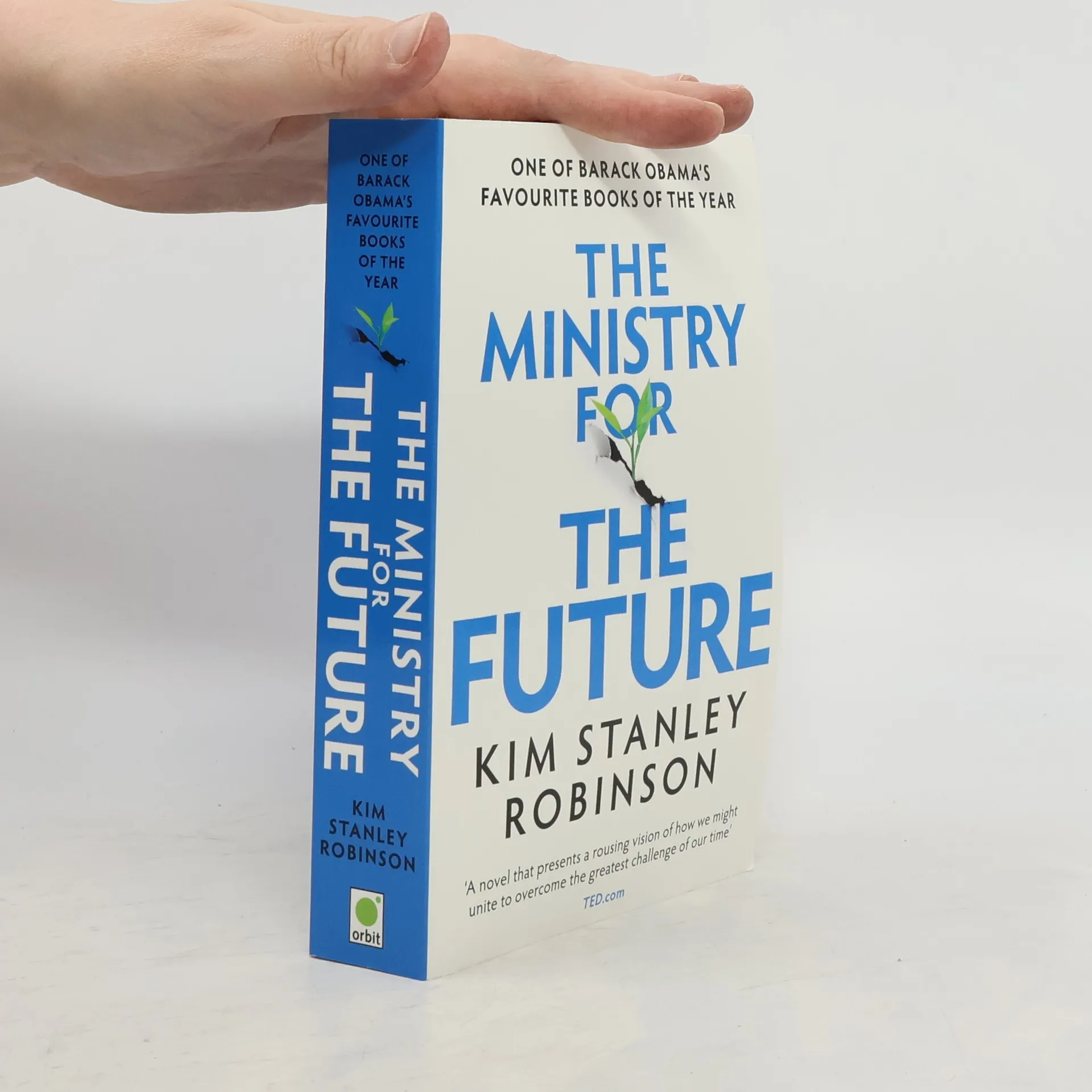
ONE OF BARACK OBAMA'S FAVOURITE READS OF THE YEAR 'If I could get policymakers and citizens everywhere to read just one book this year, it would be Kim Stanley Robinson's The Ministry for the Future' Ezra Klein, Vox The Ministry for the Future is a masterpiece of the imagination, using fictional eyewitness accounts to tell the story of how climate change will affect us all. Its setting is not a desolate, postapocalyptic world, but a future that is almost upon us. Chosen by Barack Obama as one of his favorite books of the year, this extraordinary novel from visionary writer Kim Stanley Robinson will change the way you think about the climate crisis. 'A novel that presents a rousing vision of how we might unite to overcome the greatest challenge of our time' TED.com 'A breathtaking look at the challenges that face our planet in all their sprawling magnitude and also in their intimate, individual moments of humanity' Booklist (starred review) 'Gutsy, humane . . . a must-read for anyone worried about the future of the planet' Publishers Weekly (starred review) 'A sweeping epic about climate change and humanity's efforts to try and turn the tide before it's too late' Polygon (Best of the Year) 'Steely, visionary optimism' Guardian
The first novel in Kim Stanley Robinson's massively successful and lavishly praised Mars trilogy. 'The ultimate in future history' Daily Mail.
An award-winning and bestselling SF writer, Kim Stanley Robinson is widely acknowledged as one of the most exciting and visionary writers in the field. His latest novel, 2312, imagined how we would be living 300 years from now. Now, with his new novel, he turns from our future to our past - to the Palaeolithic era, and an extraordinary moment in humanity's development. An emotionally powerful and richly detailed portrayal of life 30,000 years ago, it is a novel that will appeal both to his existing fans and a whole new mainstream readership.
Green Earth
- 1069 pages
- 38 hours of reading
GREEN EARTH takes the stories first told in FORTY SIGNS OF RAIN, FIFTY DEGREES BELOW and SIXTY DAYS AND COUNTING and combines them in a fully updated, compressed and compelling single volume.
2047: for 60 years America has been quarantined after a devastating nuclear attack. For the small community of San Onofre on the West Coast, life is a matter of survival: living simply on what the sea and land can provide, preserving what knowledge and skills they can in a society without mass communications. Until the men from San Diego arrive, riding the rails on flatbed trucks and bringing news of the new American Resistance. And Hank Fletcher and his friends are drawn into an adventure that marks the end of childhood...
The Years of Rice and Salt
- 763 pages
- 27 hours of reading
It is the fourteenth century and one of the most apocalyptic events in human history is set to occur - the coming of the Black Death. History teaches us that a third of Europe's population was destroyed. But what if? What if the plague killed 99 percent of the population instead? How would the world have changed? This is a look at the history that could have been: a history that stretches across centuries, a history that sees dynasties and nations rise and crumble, a history that spans horrible famine and magnificent innovation. These are the years of rice and salt.
Fifty Degrees Below
- 603 pages
- 22 hours of reading
Set in our nation’s capital, here is a chillingly realistic tale of people caught in the collision of science, technology, and the consequences of global warming. When the storm got bad, Frank Vanderwal was in his office at the National Science Foundation. When it was over, large chunks of San Diego had eroded into the sea, and D.C. was underwater. Everything Frank and his colleagues feared had culminated in this disaster. And now the world was looking to them to fix it. But even as D.C. bails itself out, a more extreme climate change looms. The melting polar ice caps are shutting down the warm Gulf Stream waters—meaning Ice Age conditions could return. And the last time that happened, eleven thousand years ago, it took just three years to start.…
Red Moon
- 446 pages
- 16 hours of reading
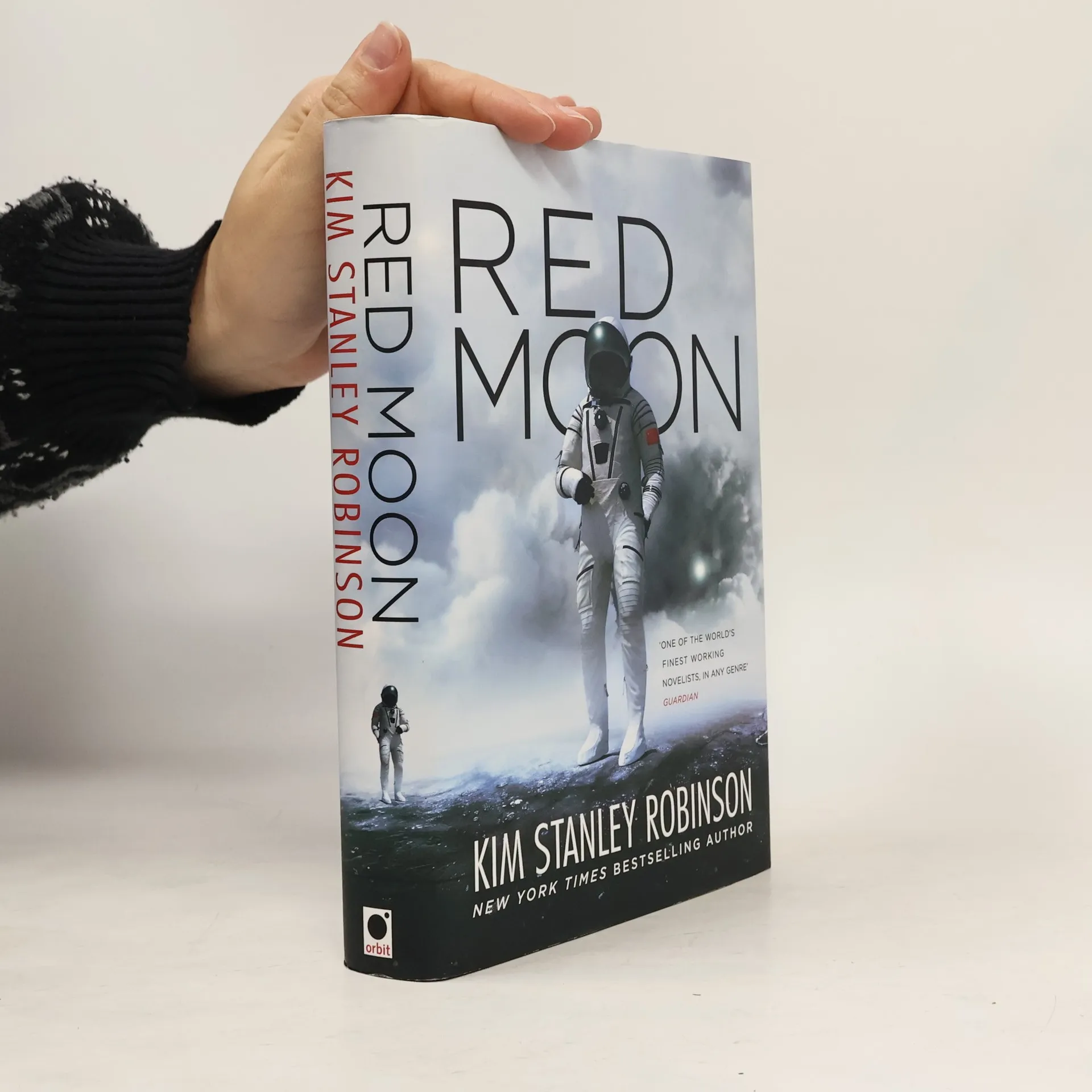
The new novel from visionary SF writer Kim Stanley Robinson tells the compelling story of the first colony on the moon
"Generations after leaving earth, a starship draws near to the planet that may serve as a new home world for those on board. But the journey has brought unexpected changes and their best laid plans may not be enough to survive"-
The Gold Coast
- 389 pages
- 14 hours of reading
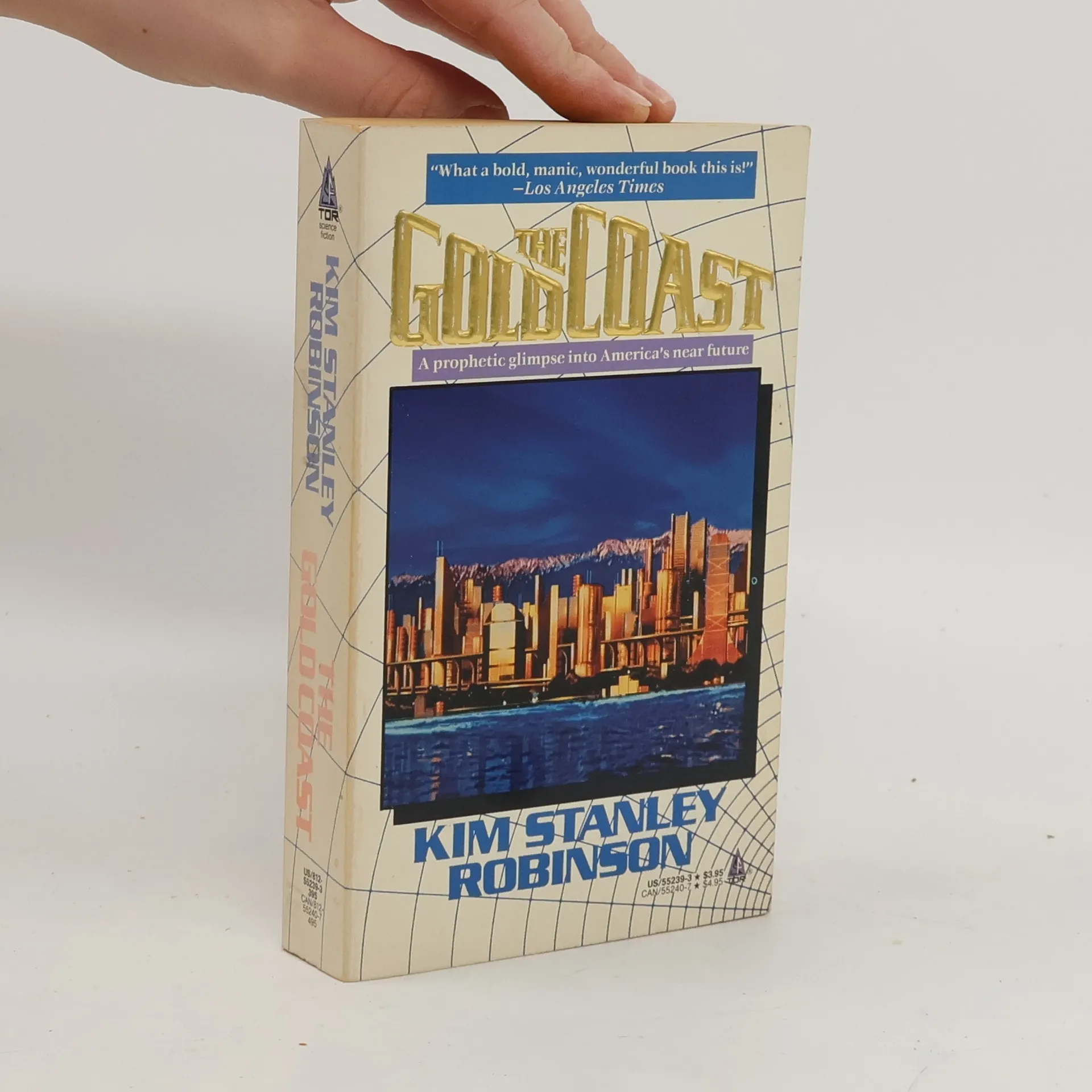
Young Jim McPherson becomes enmeshed in a fast-track world of land development, defence contractors, and drug dealers in Orange County, California, in the year 2067.
Nebula Awards Showcase 2002
- 304 pages
- 11 hours of reading
Selected by the members of the Science Fiction and Fantasy Writers of America, this showcase of award-winning fiction presents the finest examples of contemporary science fiction, alongside insightful commentary about the current state of science fiction. With fiction by Eleanor Arnason, Terry Bisson, Gardner Dozois, Linda Negata and Walter Jon Williams, commentary by Andy Duncan, Kathleen Ann Goonan and Gene Wolf, plus much more. Invaluable' - Kirkus Reviews 'An essential index of one year in SF and fantasy' - Booklist'
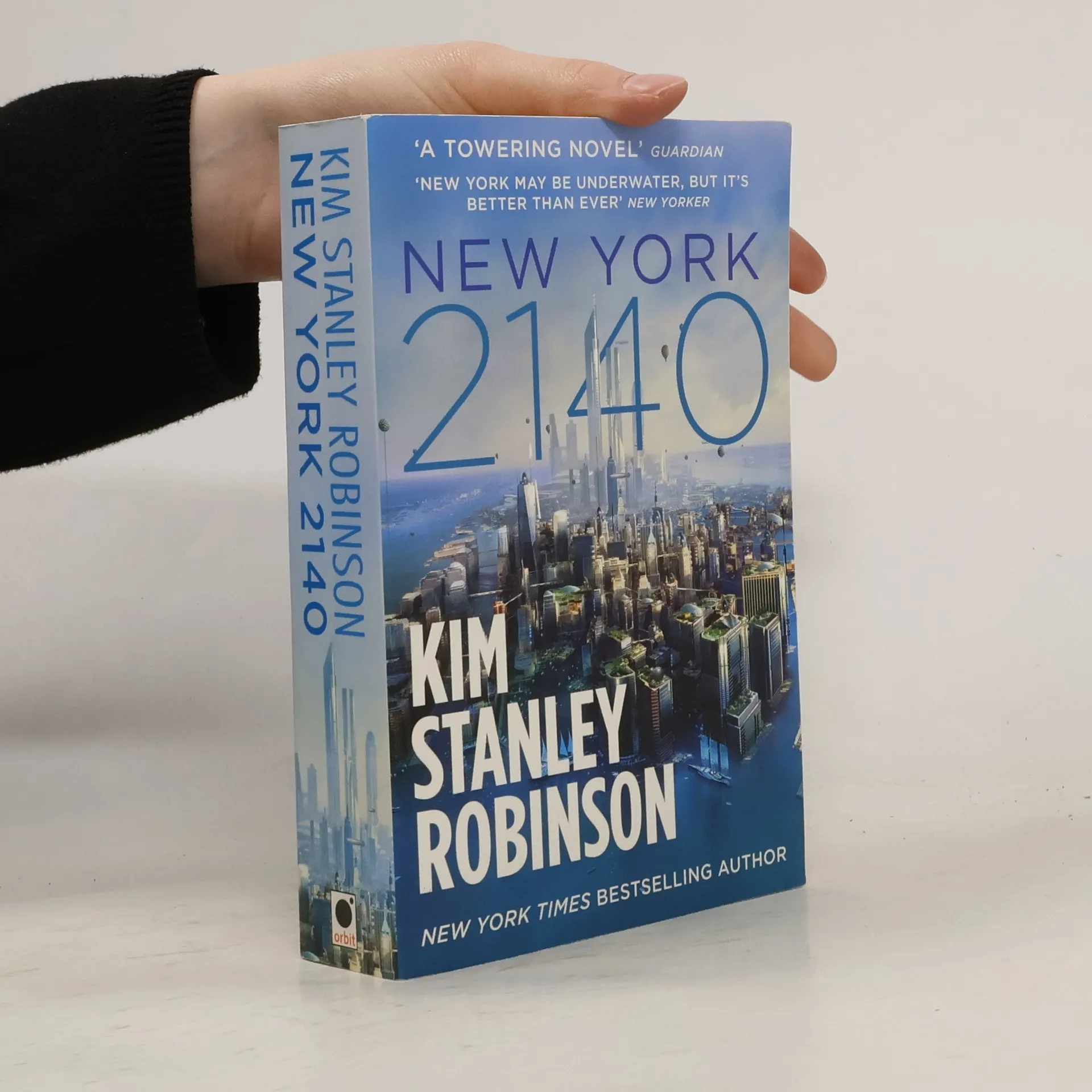
As the sea level rose, every street became a canal. every skyscraper an island. For the residents of one apartment building in madison square, however, new york in the year 2140 is far from a drowned city.
The Martians
- 416 pages
- 15 hours of reading
A glorious companion volume to Robinson's world-wide bestselling trilogy.
Galileo's Dream
- 532 pages
- 19 hours of reading
At the heart of a provocative narrative that stretches from Renaissance Italy to the moons of Jupiter is the father of modern science: Galileo Galilei.To the inhabitants of the Jovian moons, Galileo is a revered figure whose actions will influence the subsequent history of the human race. From the summit of their distant future, a charismatic renegade named Ganymede travels to the past to bring Galileo forward in an attempt to alter history and ensure the ascendancy of science over religion. And if that means Galileo must be burned at the stake, so be it.From Galileo's heresy trial to the politics of far-future Jupiter, Kim Stanley Robinson illuminates the parallels between a distant past and an even more remote future—in the process celebrating the human spirit and calling into question the convenient truths of our own moment in time.
Forty Signs of Rain
- 393 pages
- 14 hours of reading
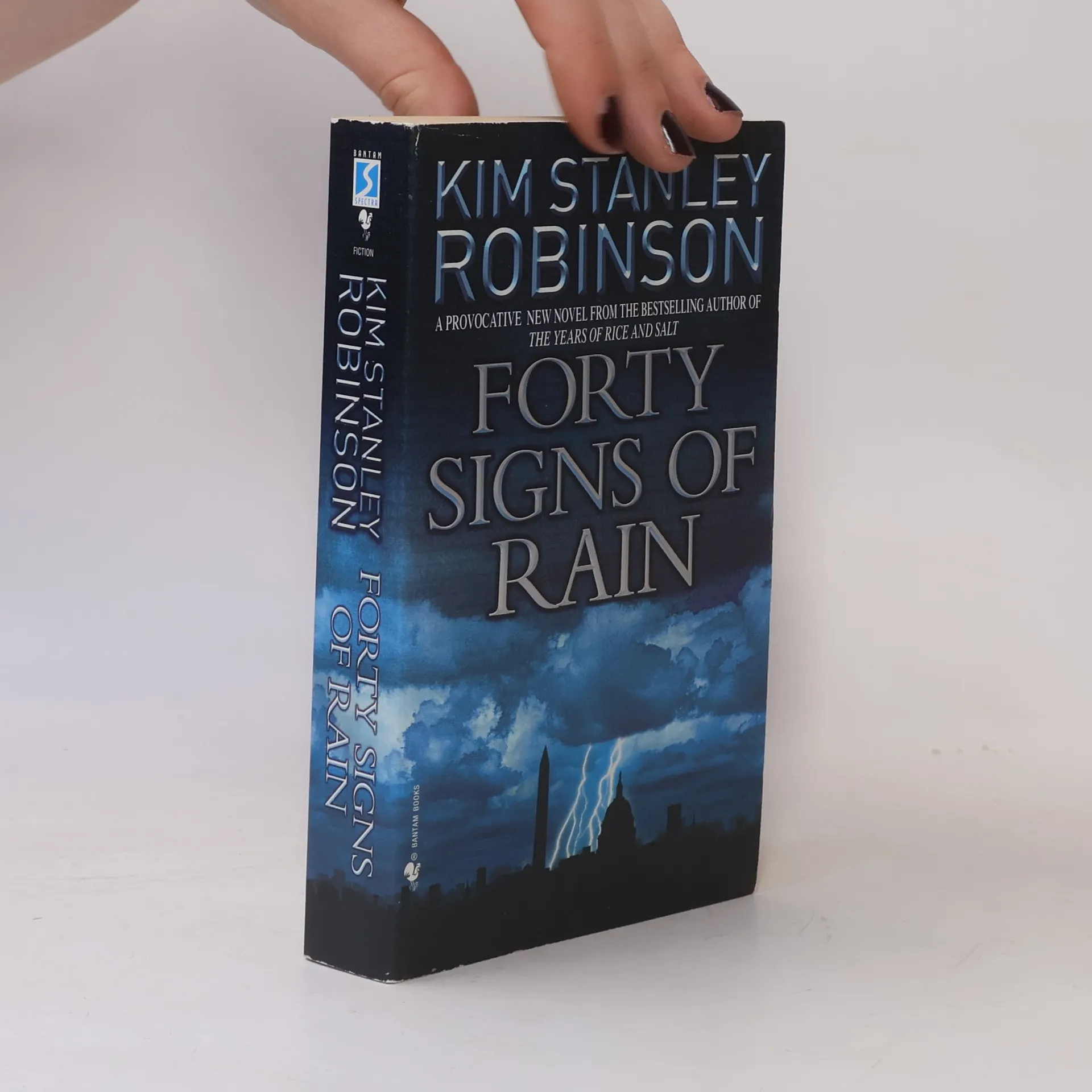
The bestselling author of the classic Mars trilogy and The Years of Rice and Salt presents a riveting new trilogy of cutting-edge science, international politics, and the real-life ramifications of global warming as they are played out in our nation’s capital—and in the daily lives of those at the center of the action. Hauntingly yet humorously realistic, here is a novel of the near future that is inspired by scientific facts already making headlines. When the Arctic ice pack was first measured in the 1950s, it averaged thirty feet thick in midwinter. By the end of the century it was down to fifteen. One August the ice broke. The next year the breakup started in July. The third year it began in May. That was last year. It’s a muggy summer in Washington, D.C., as Senate environmental staffer Charlie Quibler and his scientist wife, Anna, work to call attention to the growing crisis of global warming. But as these everyday heroes fight to align the awesome forces of nature with the extraordinary march of technology, fate puts an unusual twist on their efforts—one that will place them at the heart of an unavoidable storm.
Sixty Days and Counting
- 560 pages
- 20 hours of reading
The earth continues its relentless plunge toward total environmental collapse in the final book of the Science in the Capitol trilogy
2312
- 640 pages
- 23 hours of reading
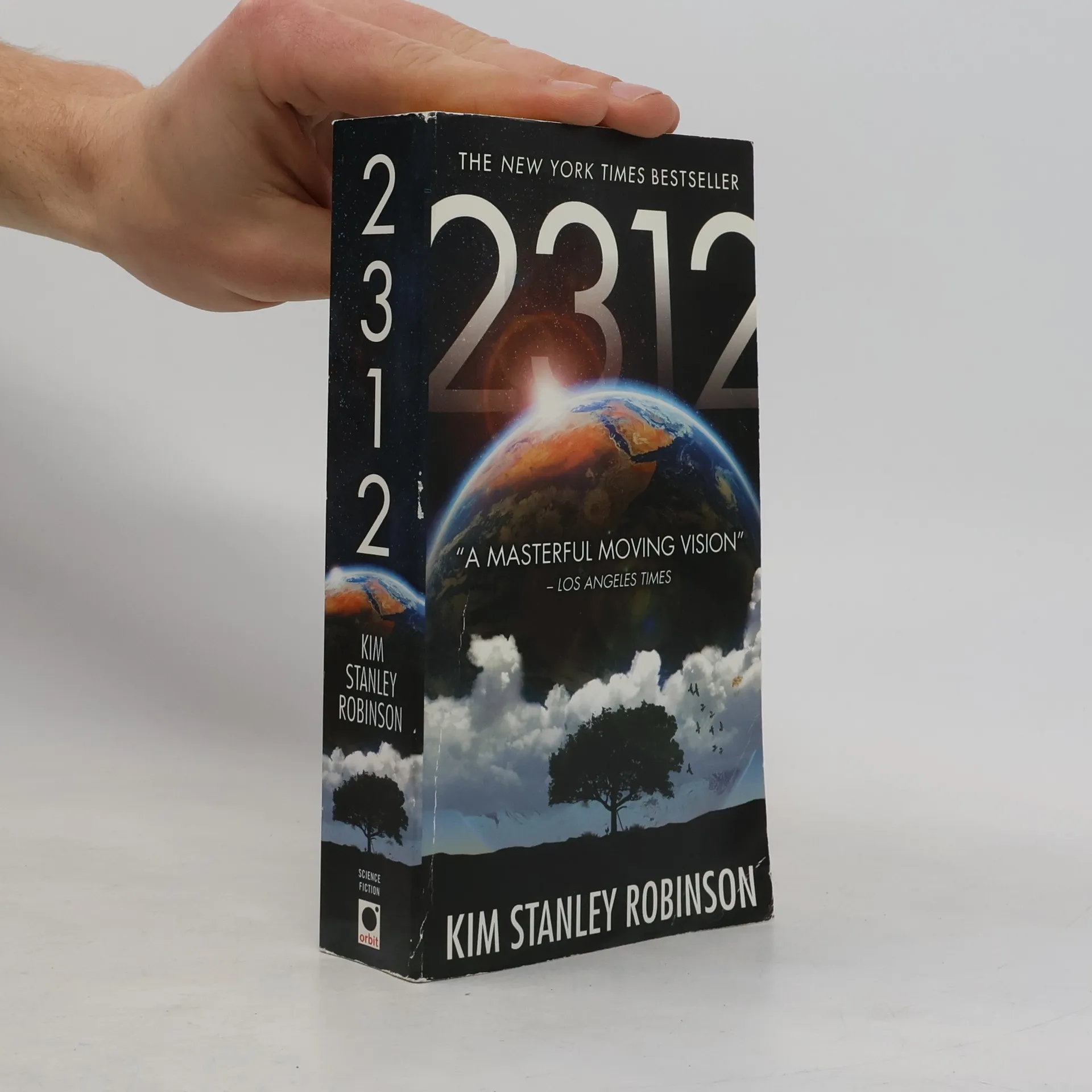
From the acclaimed author of New York 2140 and Red Mars , this NYT bestselling novel tells the story of a future where humanity has populated miraculous new habitats engineered across the solar system -- and the one death that triggers a precarious chain of events that could destroy it all. The year is 2312. Scientific and technological advances have opened gateways to an extraordinary future. Earth is no longer humanity's only home; new habitats have been created throughout the solar system on moons, planets, and in between. But in this year, 2312, a sequence of events will force humanity to confront its past, its present, and its future. The first event takes place on Mercury, on the city of Terminator, itself a miracle of engineering on an unprecedented scale. It is an unexpected death, but one that might have been foreseen. For Swan Er Hong, it is an event that will change her life. Swan was once a woman who designed worlds. Now she will be led into a plot to destroy them.
A PhilDickian epic of twisted realities and alien invasion set in the dog days of the Soviet Empire.
In seiner Monographie über Philip K. Dicks Romane erklärt Kim Stanley Robinson literaturwissenschaftlich fundiert und allgemeinverständlich Dicks anhaltende Bedeutung für die Geschichte der Science Fiction. Robinson beschäftigt sich mit Dicks gesamtem Romanwerk und widmet sich ausführlich zentralen Büchern wie Das Orakel vom Berge, Ubik, Blade Runner und der VALIS-Trilogie. Für Dick-Einsteiger ist Die Romane des Philip K. Dick ein ausgezeichneter Wegweiser durch das verzweigte Werk dieses Autors, für Kenner bietet das Buch einen klar strukturierten kritischen Überblick.
Antarktika
- 687 pages
- 25 hours of reading
Es ist ein karges und unwirtliches Gebiet, in dem die Landschaft selbst eine Herausforderung für das Überleben darstellt, doch ihre seltsame, stille Schönheit hat Wissenschaftler und Abenteurer schon lange fasziniert. Nun steht die Antarktis vor einer ungewissen Zukunft. Der internationale Vertrag, der den Kontinent schützt, steht kurz vor der Auflösung, was den Weg für die Ausbeutung der Ressourcen der Antarktis frei macht und ihre unheimliche Schönheit bedroht. Während Politiker über ihr Schicksal streiten, beginnen große Unternehmen, nach ihren verborgenen Reichtümern zu suchen. Abenteurer kommen, wie sie es seit mehr als einem Jahrhundert tun, und suchen das wilde, ungezähmte Land, während sie es mit ihrer ständig wachsenden Zahl gefährden. Und radikale Umweltschützer führen eine geheime Sabotagekampagne durch, um das Land von denen zurückzuerobern, die es aus Profitgier zerstören wollen. Alle, die hierher kommen, haben ihre eigene Agenda, und alle werden kämpfen, um ihre Vision der Zukunft für die abgelegene und beeindruckende Welt am geografischen Südpol zu sichern.
Pazifische Grenze. Science Fiction Roman
- 348 pages
- 13 hours of reading
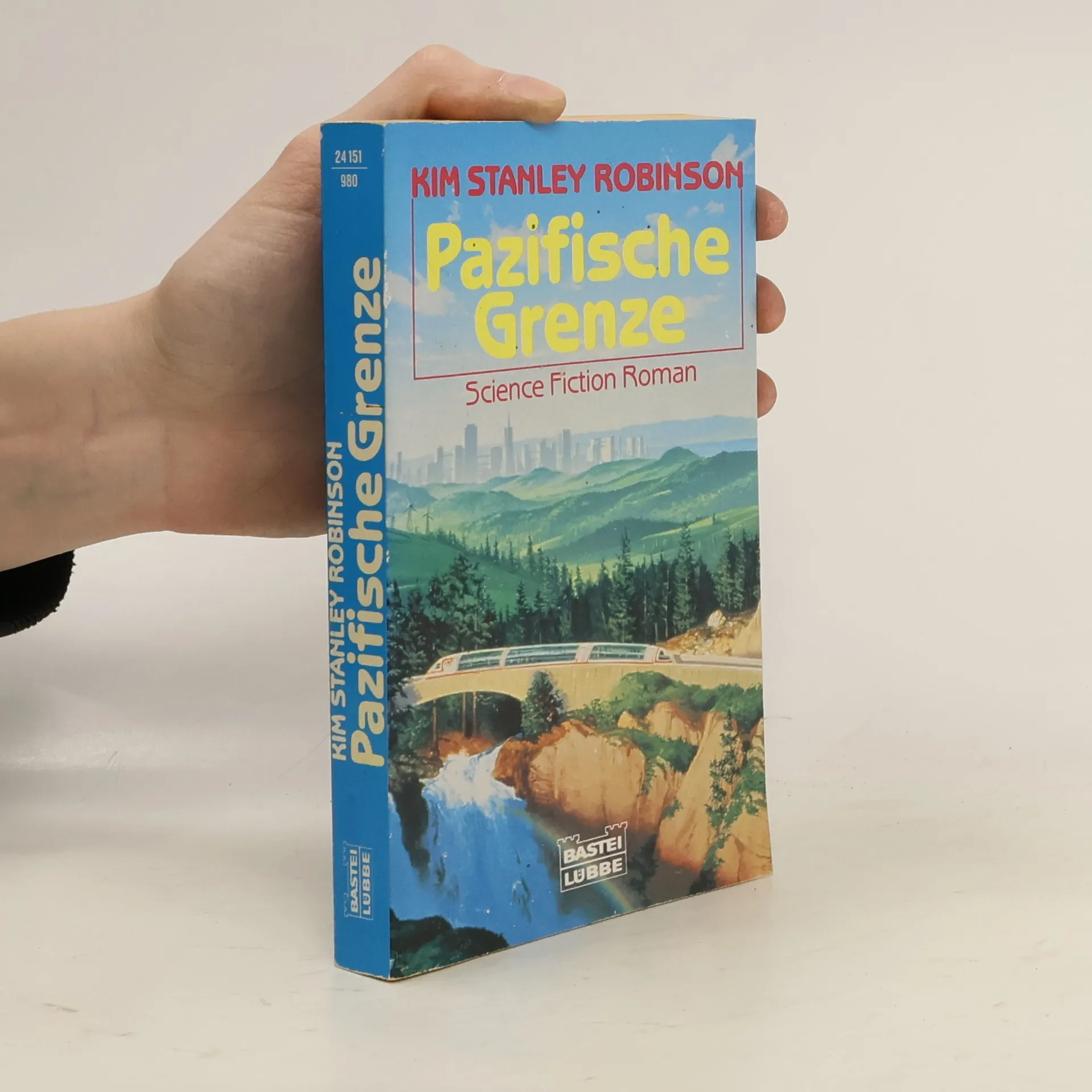
Das abschließende Buch in Kim Stanley Robinsons hochgelobter Three Californias-Trilogie, Pacific Edge, spielt im Jahr 2065. In einer Welt, die die Harmonie mit der Natur wiederentdeckt hat, ist das Dorf El Modena in Kalifornien eine aufstrebende Ökotopie. Kevin Claiborne, ein junger Bauunternehmer, der in dieser "grünen" Welt aufgewachsen ist, sieht sich nun dem Kampf gegenüber, die idyllische Lebensweise seiner Gemeinschaft vor den wiederauflebenden Kräften von Gier und Ausbeutung zu bewahren.
Flucht aus Katmandu
- 352 pages
- 13 hours of reading
George Fergusson und Fred sú americkí vysťahovalci a horolezci, ktorí si zarábajú na živobytie turistickým podnikaním v Káthmandu. Himaláje skrývajú viac, než sa na prvý pohľad zdá – tajuplné údolie Šangri-La, mystickí tulkovia, slávny Snežný muž a ďalšie fascinujúce prvky. Pridajte sa k ich neuveriteľným dobrodružstvám a objavujte Veľké záhady Nepálu.
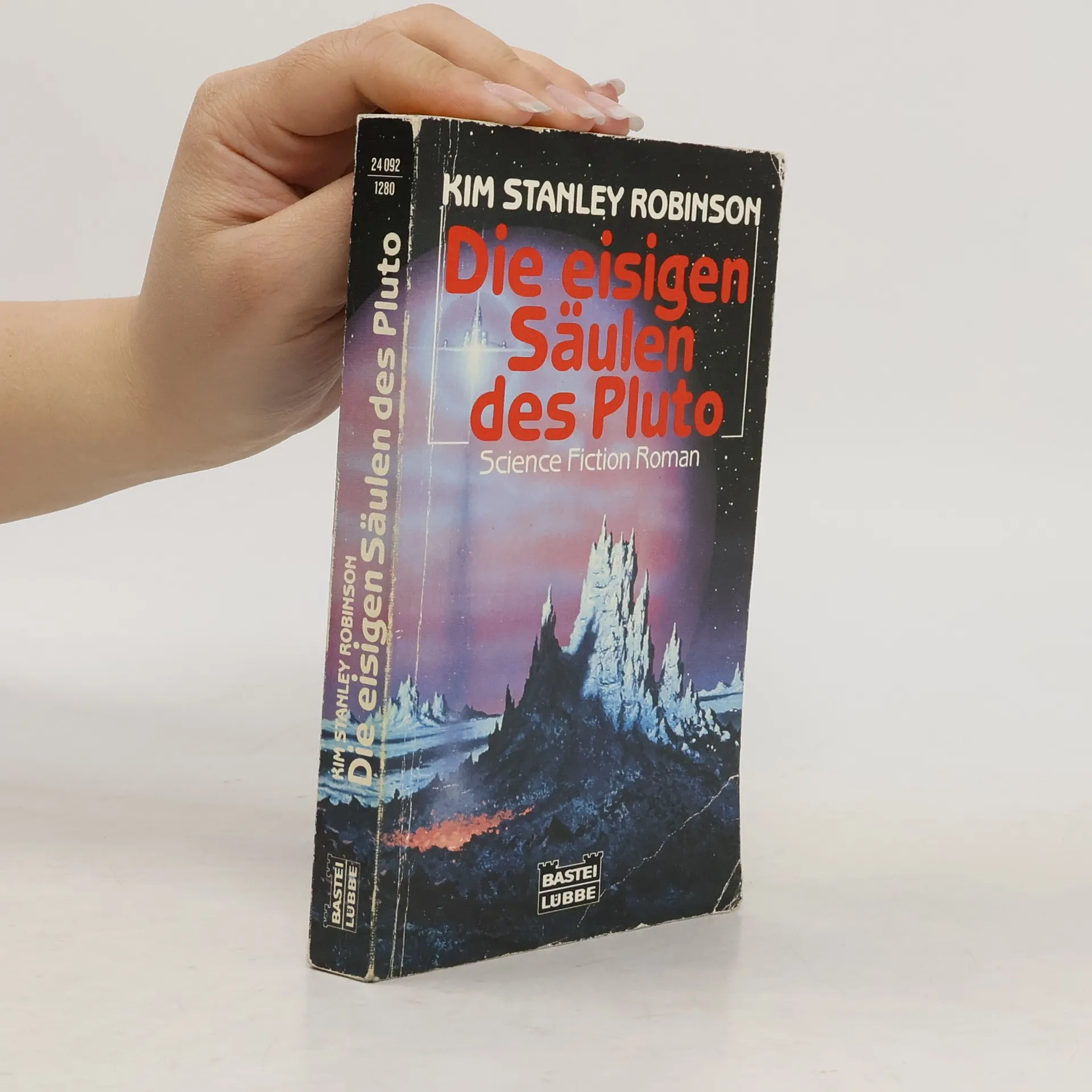
Voted one of the best science fiction novels of 1985 in the Locus Poll, this early work by Kim Stanley Robinson is set in the same universe as his acclaimed Mars trilogy. The narrative blends mystery and psychological drama across three sections. In 2248, Mars is governed by a repressive committee that stifles dissent and exploration. Scientist Emma Weil gets involved in a secret plan to convert a stolen ship into a self-sustaining spacecraft, ultimately choosing to return to Mars to join the ongoing revolution. Fast forward three centuries, archaeologist Hjalmar Nederland uncovers a governmental cover-up regarding the revolution. During his investigation, a Stonehenge-like monument is found on Pluto's north pole, prompting him to connect it to the revolutionaries who ventured into space. Seventy years later, his great-grandson Edmond Doya doubts the authenticity of Nederland's findings and seeks to debunk his theory. Alongside themes of interstellar travel and Mars terraforming, Robinson's characters navigate complex issues of politics, careers, family, and aging. This novel serves as an engaging introduction to the author's unique blend of hard science and relatable character development.
Das Genie/Das wilde Ufer - 2 SF-Romane - bk118; Verlag "Das Beste"; Rainer Erler/Kim Stanley Robinson; Paperback; 1992
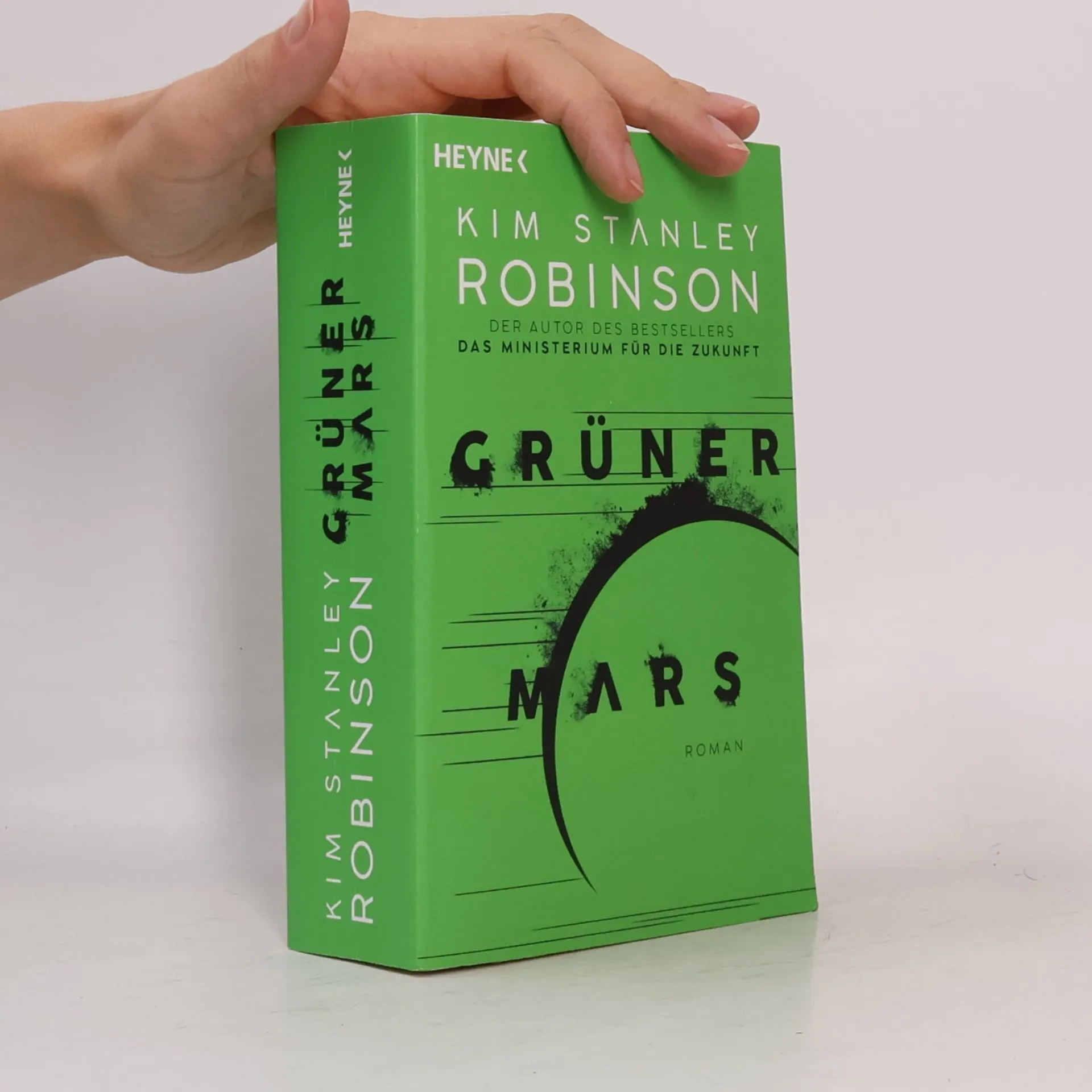
Band zwei des großen Zukunftsepos von Kim Stanley Robinson Es ist die größte Herausforderung, der sich die Menschheit je gestellt hat: Die Verwandlung einer lebensfeindlichen Wüstenwelt in einen blauen Planeten wie die Erde. Von der ersten bemannten Landung auf dem Mars über die frühen Kolonien und ihre Auseinandersetzungen darüber, wie die Gesellschaftsordnung der Marsianer aussehen soll, bis zum riskanten Versuch, das Klima einer ganzen Welt zu verändern – Kim Stanley Robinson erzählt in seiner Mars-Trilogie die Geschichte der Zukunft wie ein großes historisches Epos.
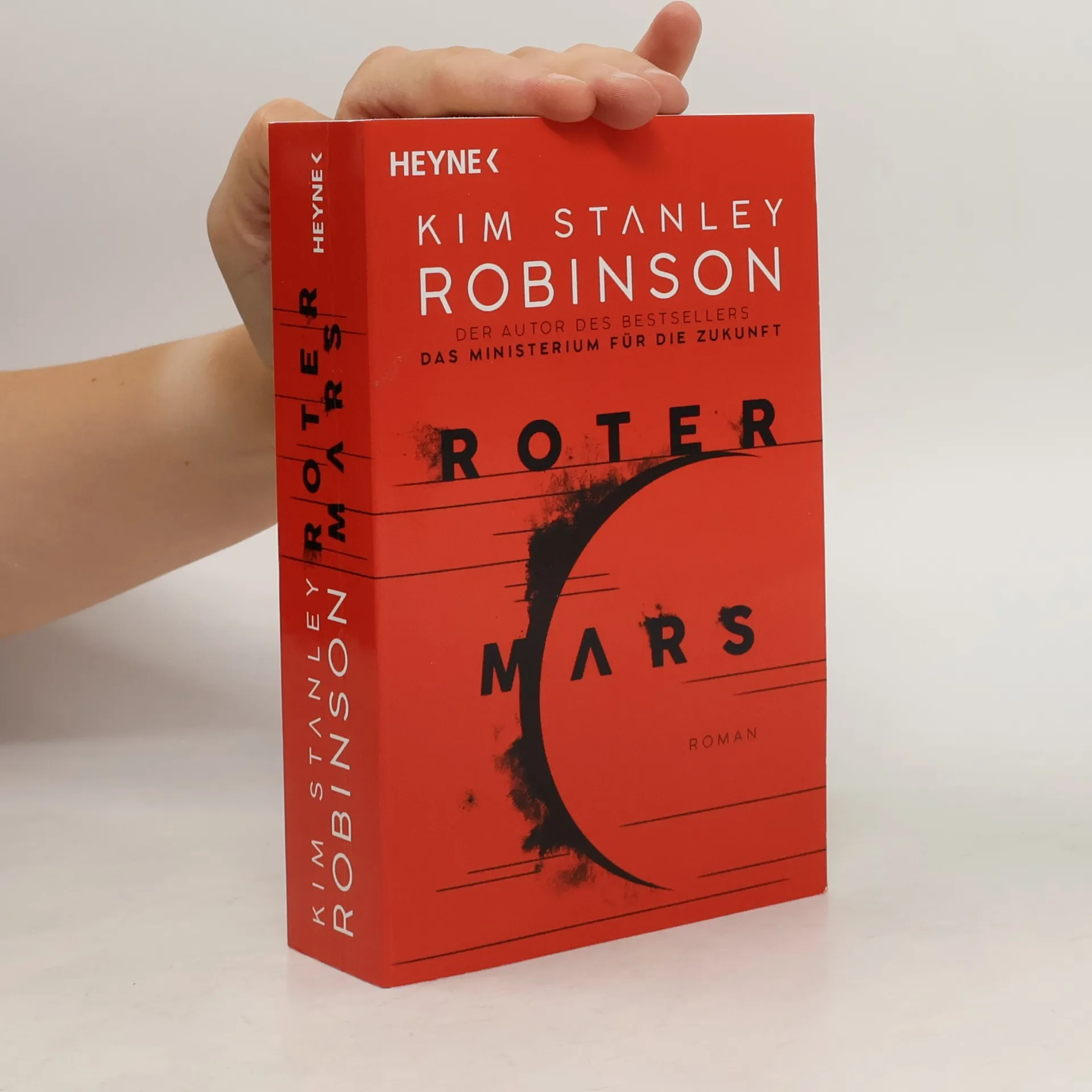
Es ist die größte Herausforderung, der sich die Menschheit je gegenübersah: die Besiedlung unseres Nachbarplaneten Mars. Die Verwandlung einer lebensfeindlichen Wüstenwelt in einen blauen Planeten wie die Erde ist ein riskantes Unternehmen und wird nicht nur den Mars, sondern auch die Erde für immer verändern … Der Auftakt einer so faszinierenden wie epischen Trilogie vom Autor des Bestsellers »Das Ministerium für die Zukunft«.
Als das Unwetter hereinbrach, saß Frank Vanderwal im Bürogebäude der National Science Foundation fest. Als es vorbei ist, versinken ganze Stücke von San Diego im Meer, und halb Washington steht unter Wasser. Die schlimmsten Befürchtungen werden von der Wirklichkeit noch übertroffen. // Während sich die Ereignisse in der Hauptstadt überschlagen, nimmt der Klimawandel katastrophale Ausmaße an. Das Schmelzwasser der polaren Eiskappen bringt den Golfstrom zum Erliegen, und einem Großteil der Welt droht eine neue Eiszeit. // Im zweiten Band der Trilogie Grüne Erde müssen sich Wissenschaft, Politik und Technologie zusammentun, um den Wettlauf gegen die Zeit zu gewinnen ...
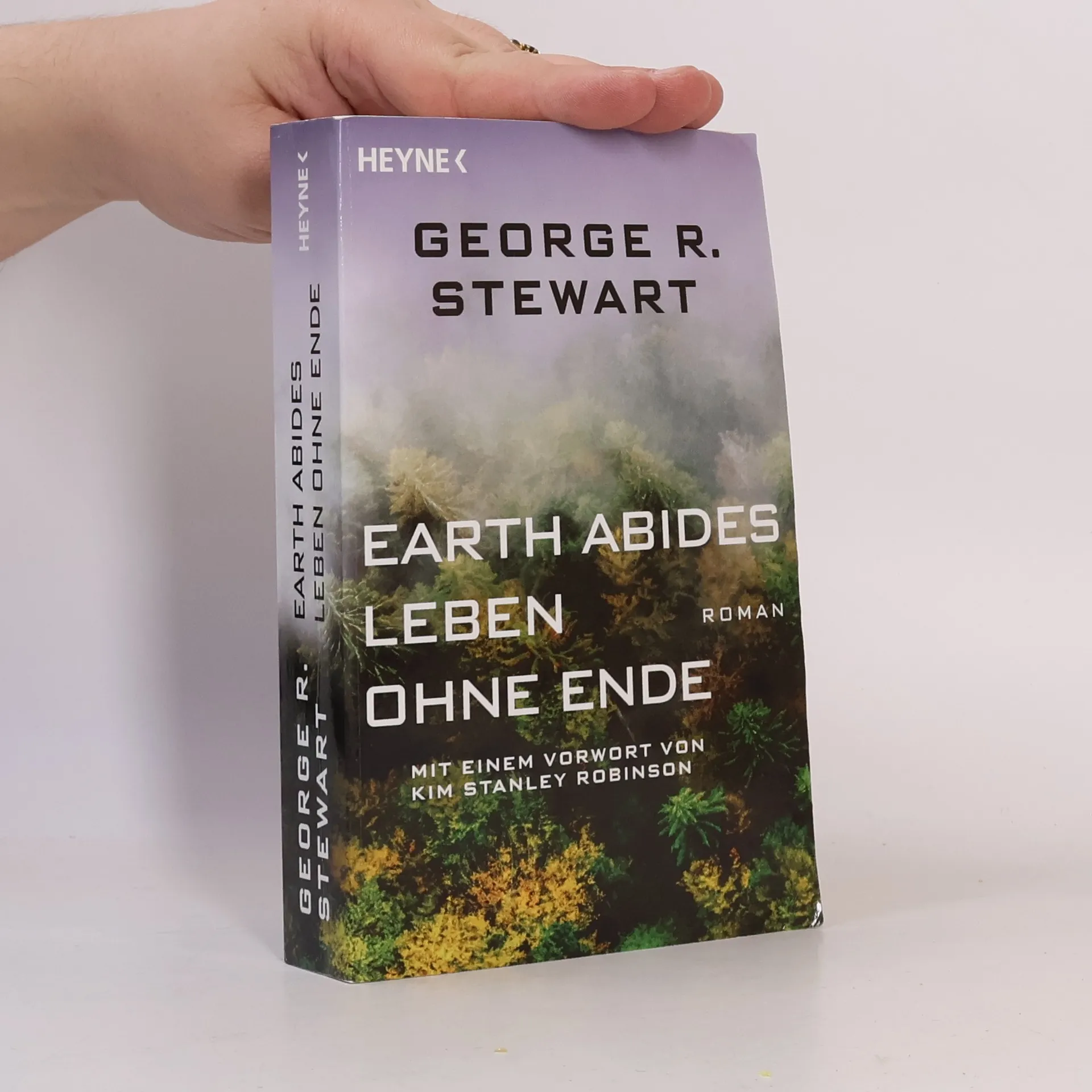
Der Roman zum großen TV-Serienevent! Ein rätselhaftes Virus greift um sich wie ein Steppenbrand und fordert weltweit Milliarden Todesopfer. Die Ordnung bricht zusammen, es gibt keine Regierungen, keine Kommunikation, keine Infrastruktur mehr. Nur ein Prozent der Weltbevölkerung überlebt die verheerende Seuche. Die Zivilisation wird ausgelöscht. Die Überlebenden, darunter der junge Student Isherwood Williams, müssen neue Wege des menschlichen Zusammenlebens suchen … Der große Science-Fiction-Klassiker aus dem Jahr 1949 wird mit Alexander Ludwig (»Vikings«) in der Hauptrolle als TV-Serie verfilmt.