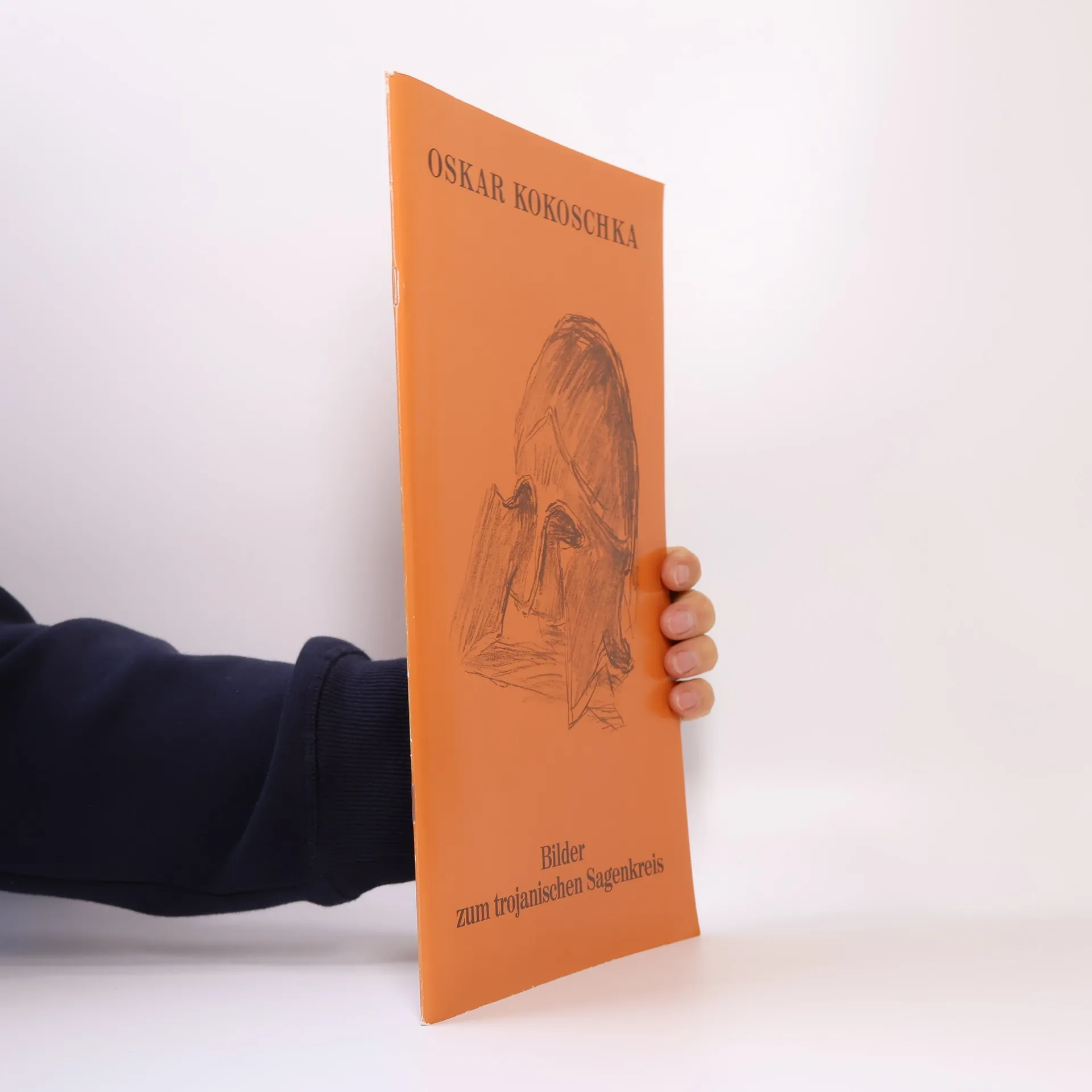
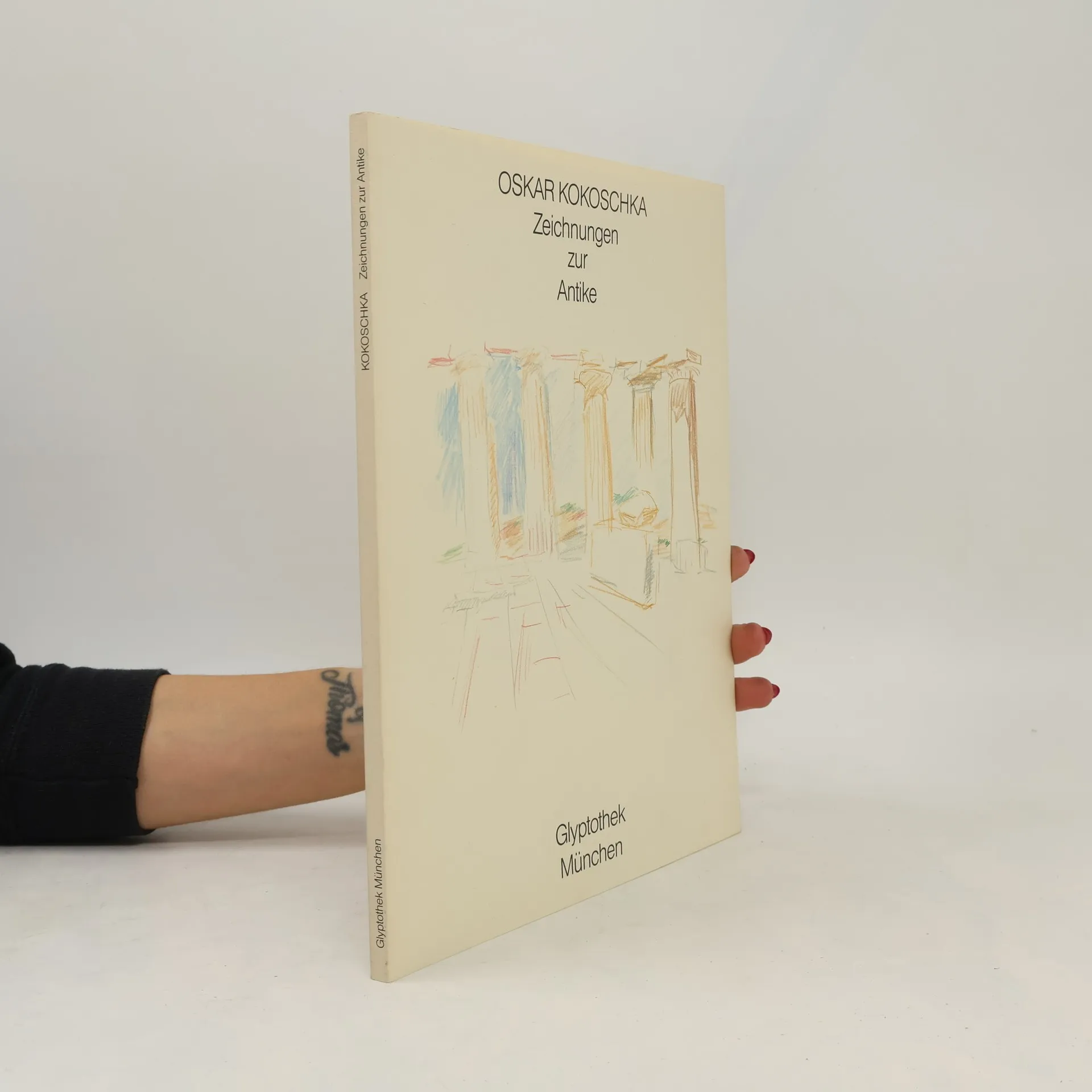
Oskar Kokoschka Book order (chronological)
Oskar Kokoschka was an Austrian artist, poet, and playwright renowned for his intensely expressionistic portraits and landscapes. His work delves into the depths of human psychology, capturing the raw emotion and essence of his subjects. Kokoschka's unique artistic vision offers a powerful and often unsettling glimpse into the human condition.

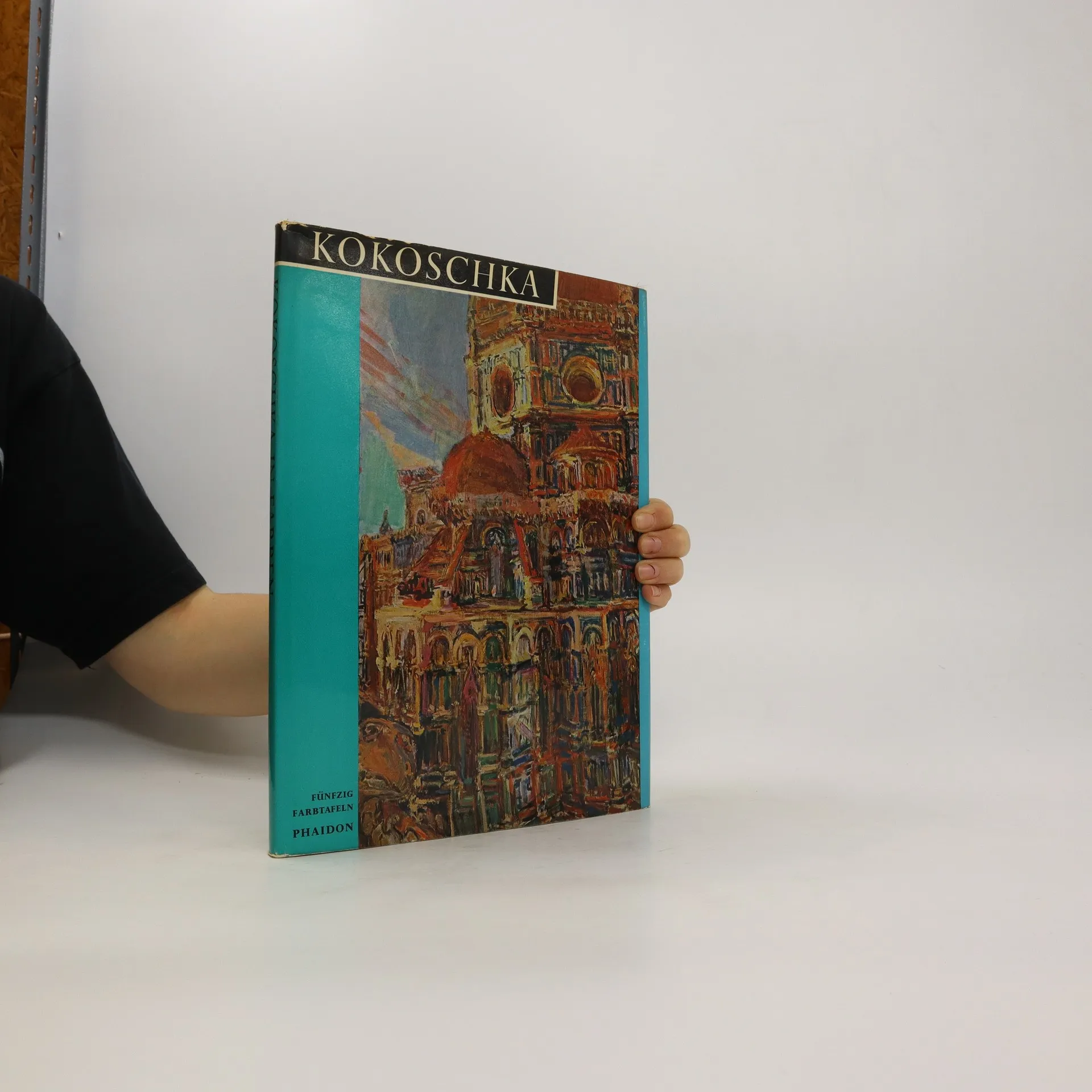

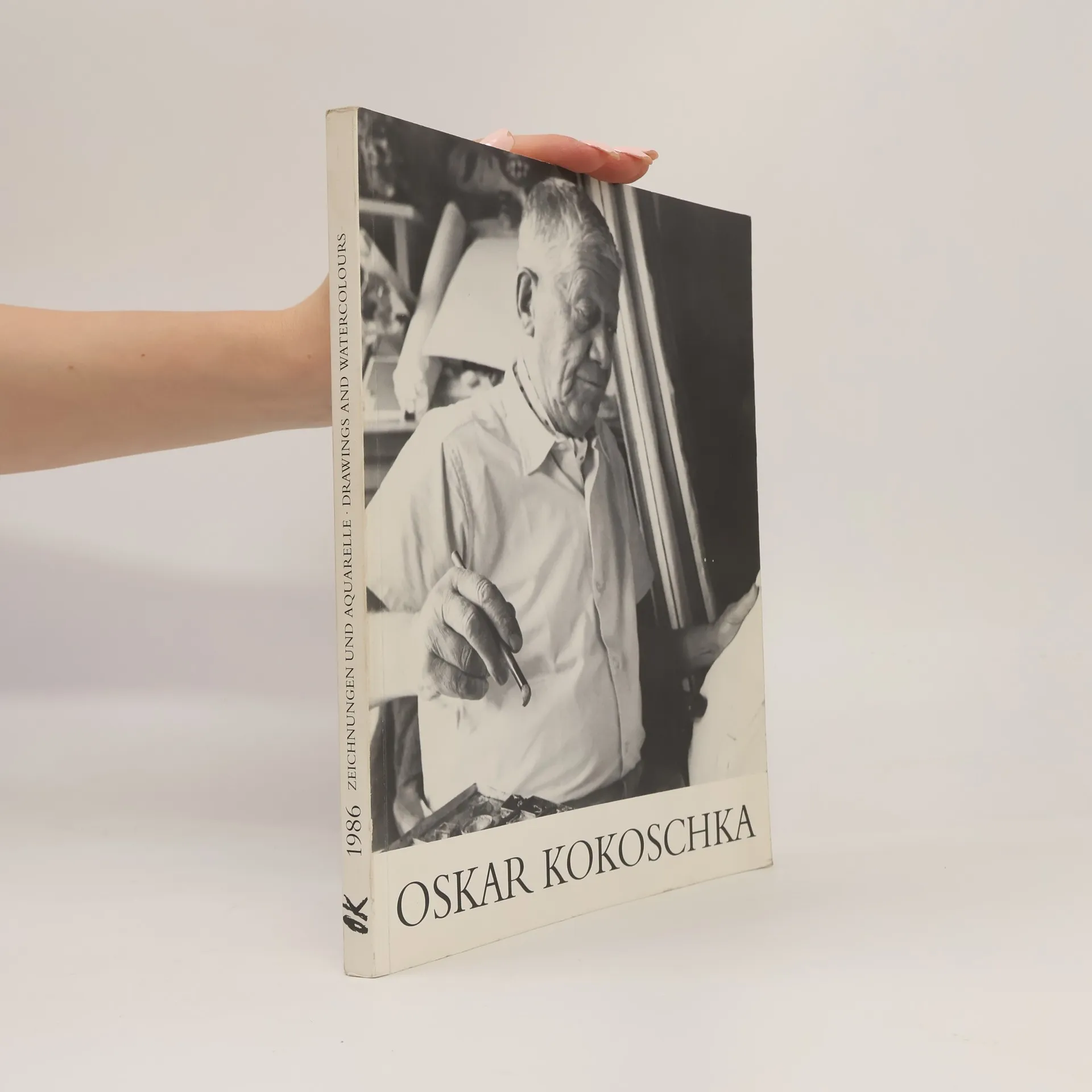
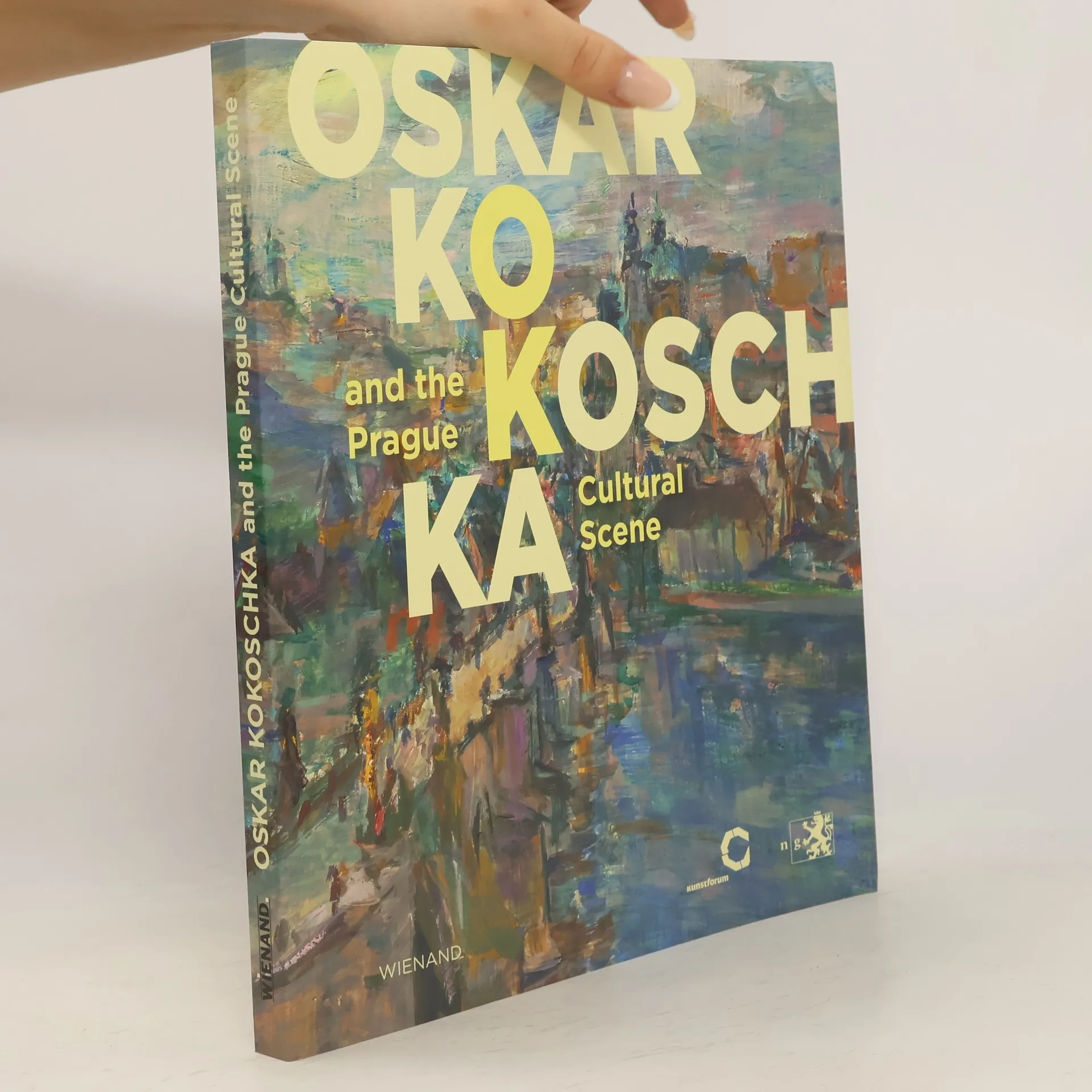
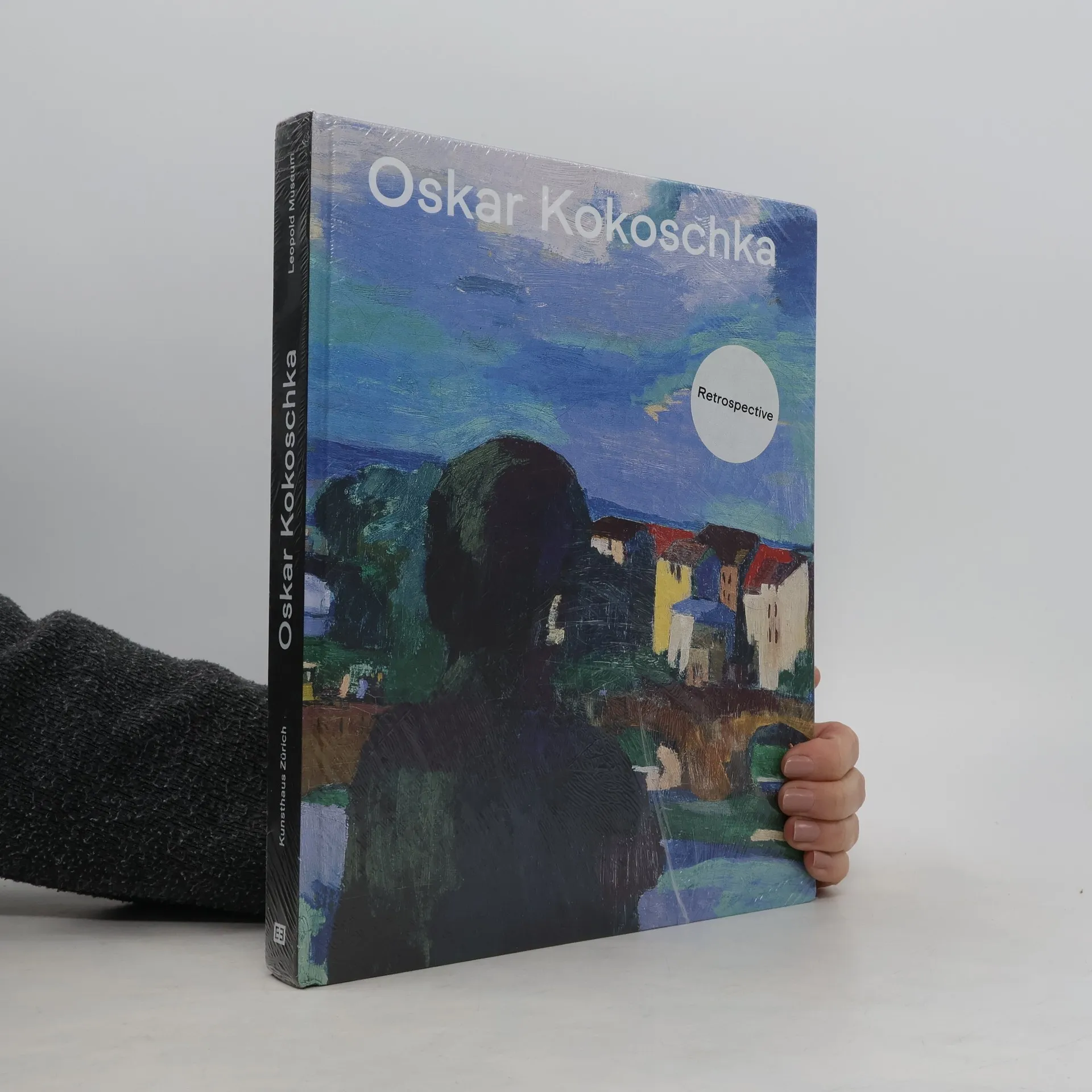

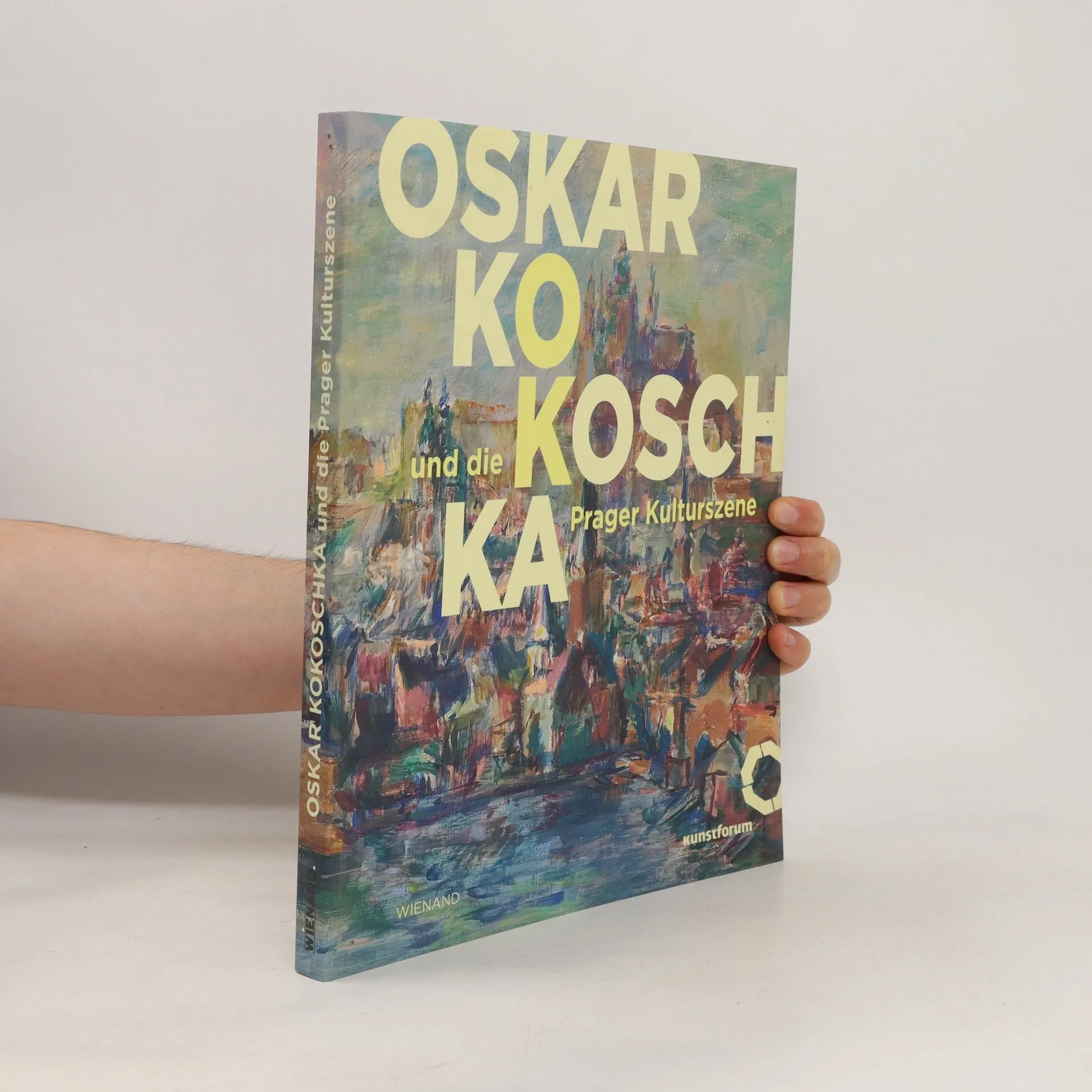
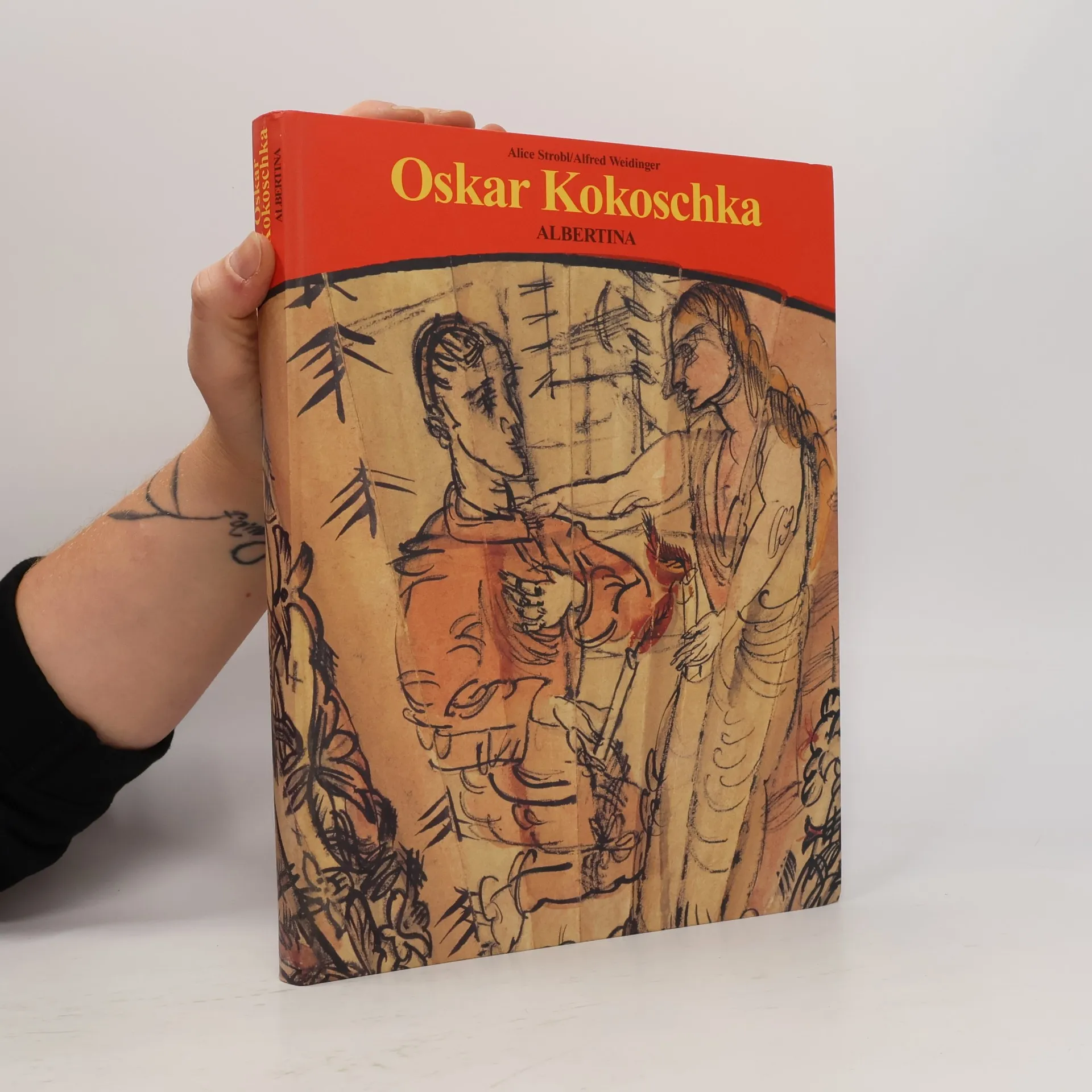
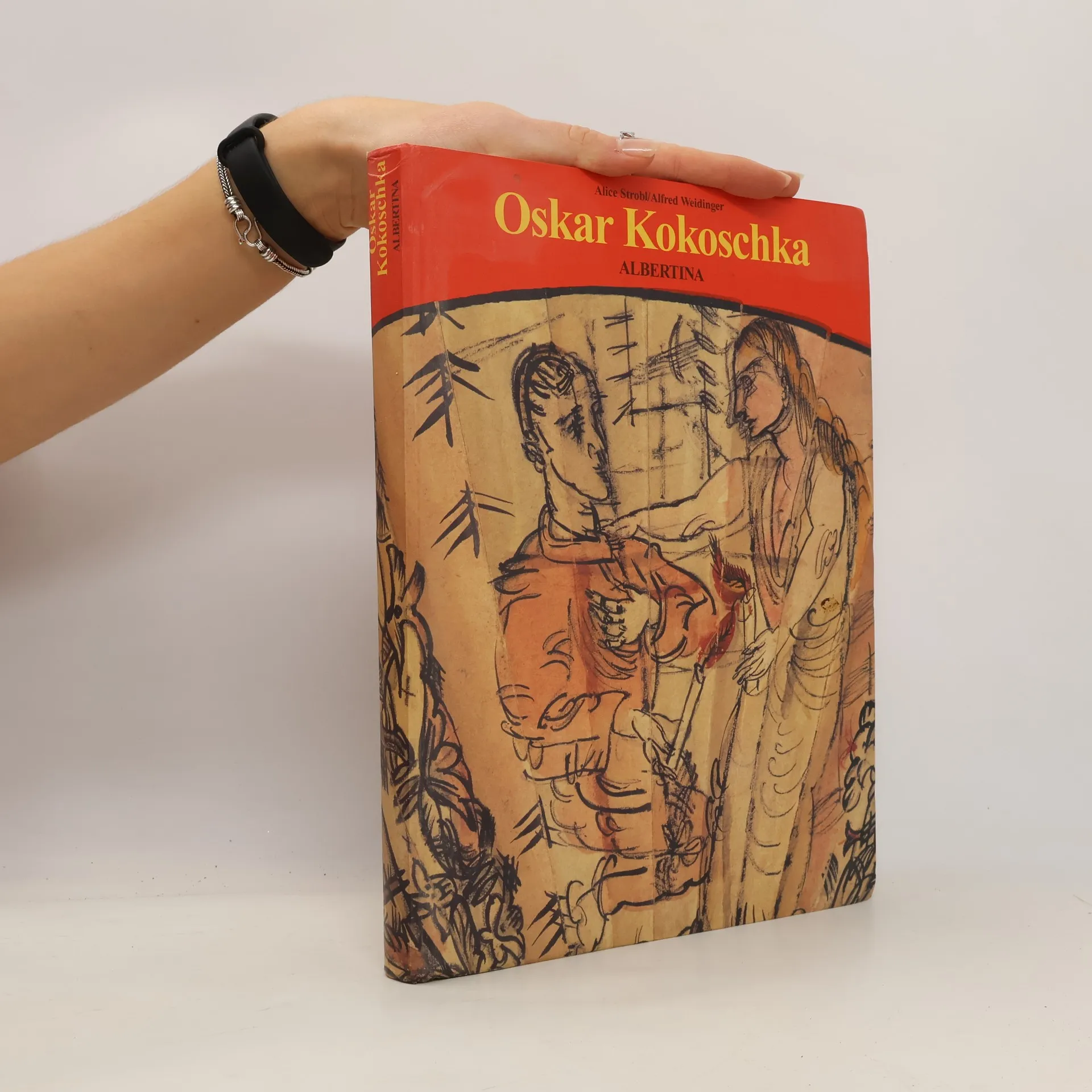
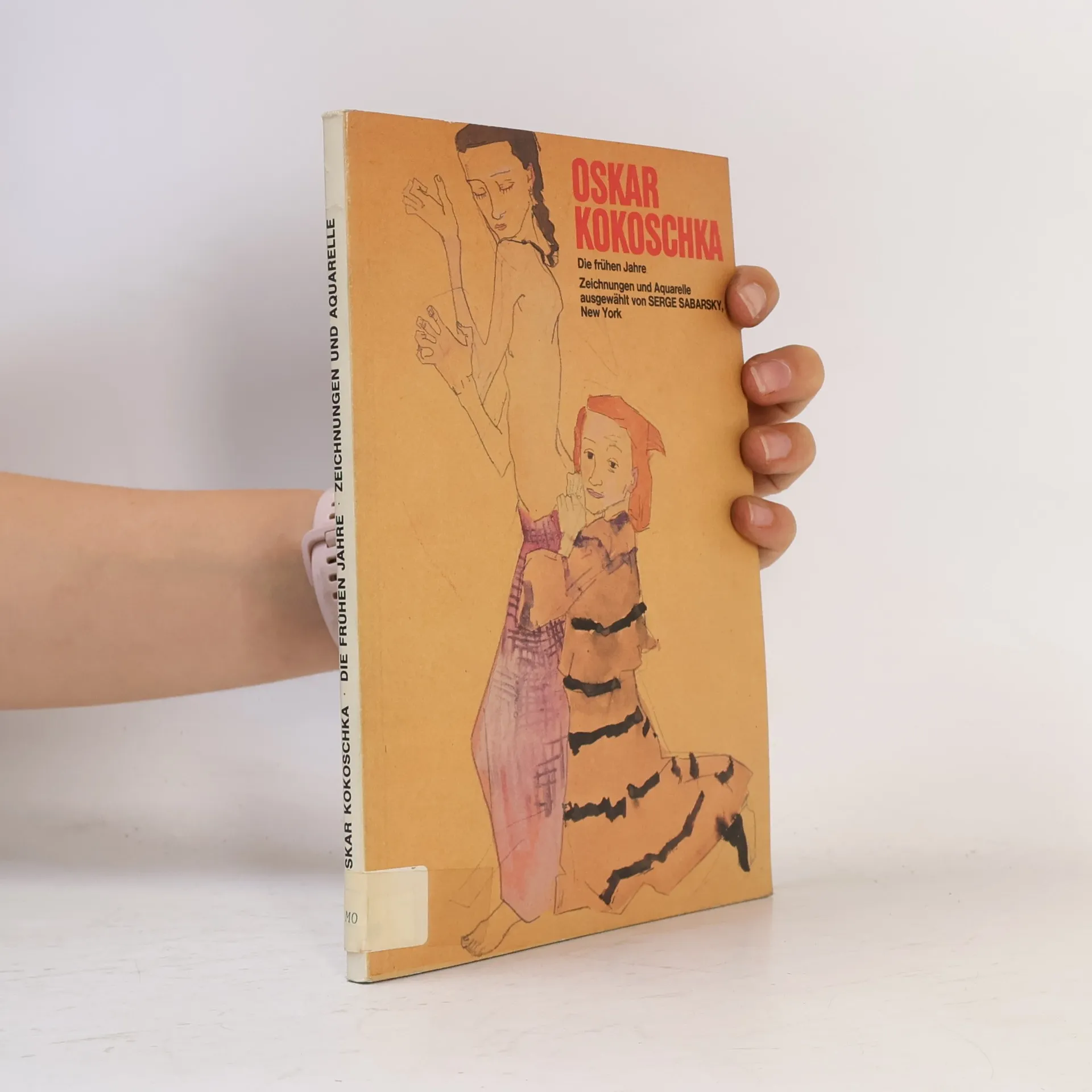
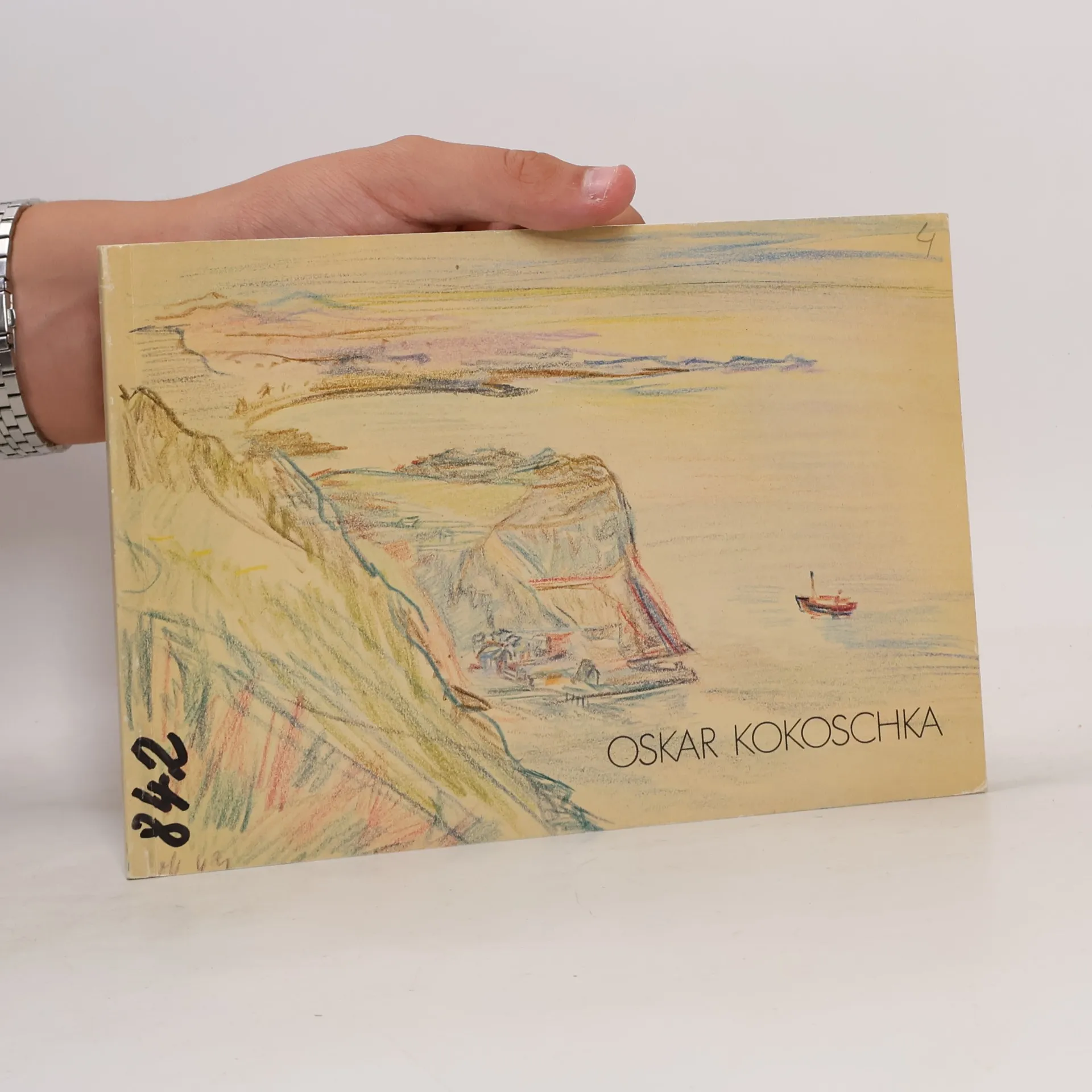
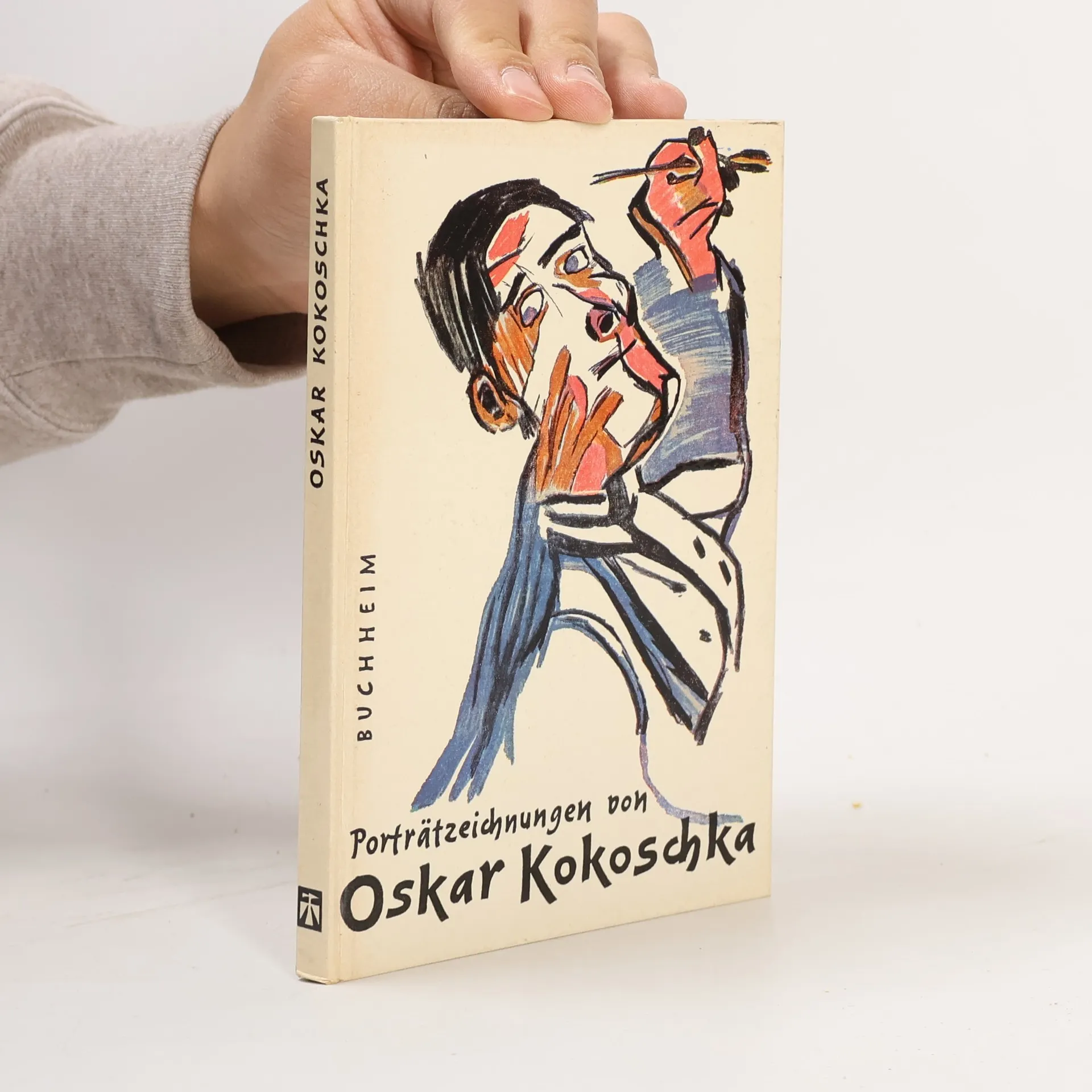
Oskar Kokoschka (1886–1980) is, along with Francis Picabia and Pablo Picasso, one of a generation of artists who retained their allegiance to figurative painting after the Second World War, even as abstract art was consolidating its predominance. It is also thanks to them that non-representational painting and figurative art can now be practised side by side without partisan feuding. Artists of the present day acknowledge their debt to Kokoschka in particular. The retrospective traces the motifs and motivations of a painter who felt at home in no fewer than five countries. It brings together 100 paintings and an equal number of works on paper, photographs and letters from all phases of his career. Two impressive triptychs, each around eight metres wide and two metres high – »The Prometheus Triptych« (1950, Courtauld Gallery, London) and »Thermopylae« (1954, University of Hamburg) – are the high point of Kokoschka’s mature oeuvre, and of this retrospective. The two works have only been shown together once before, at the Tate in 1962.
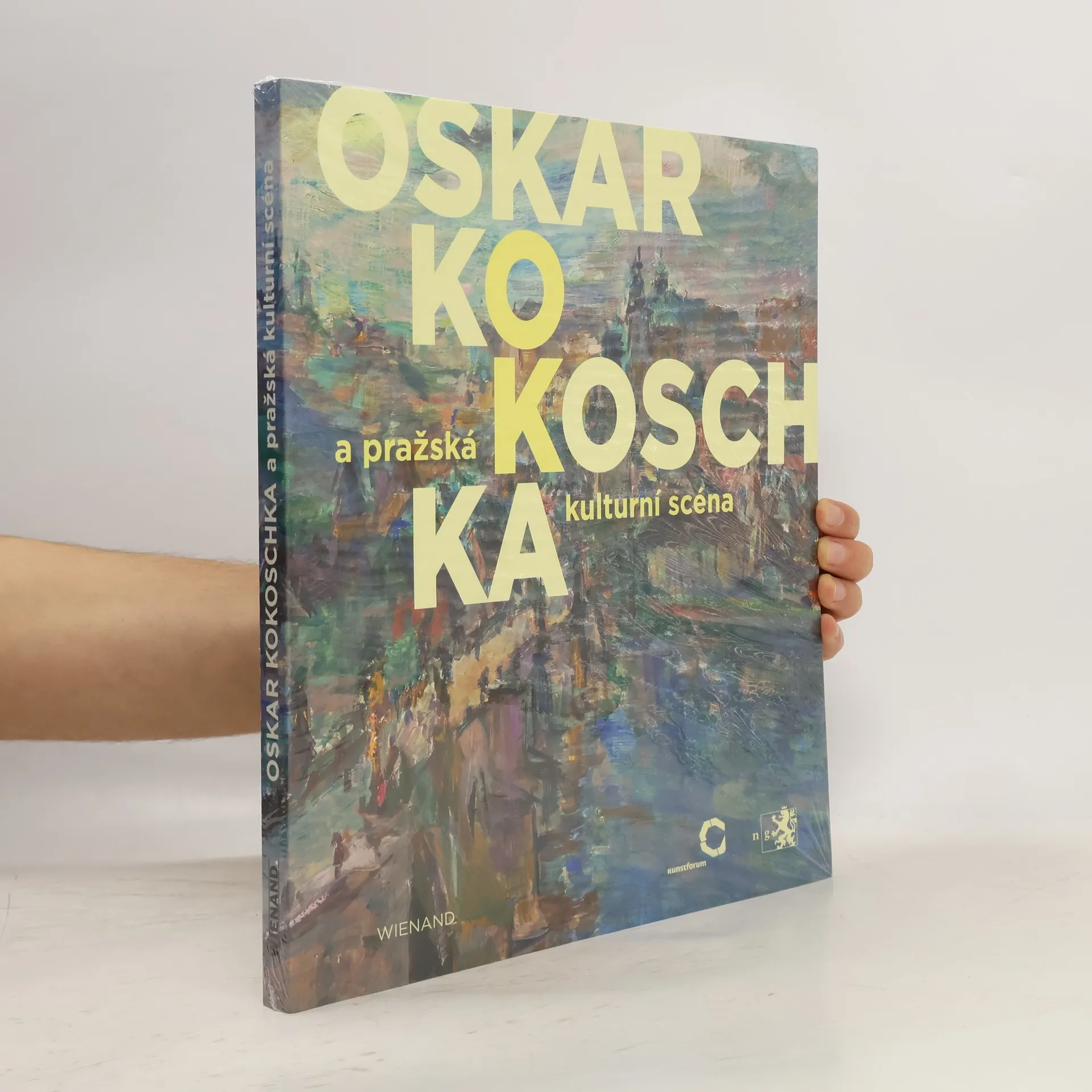
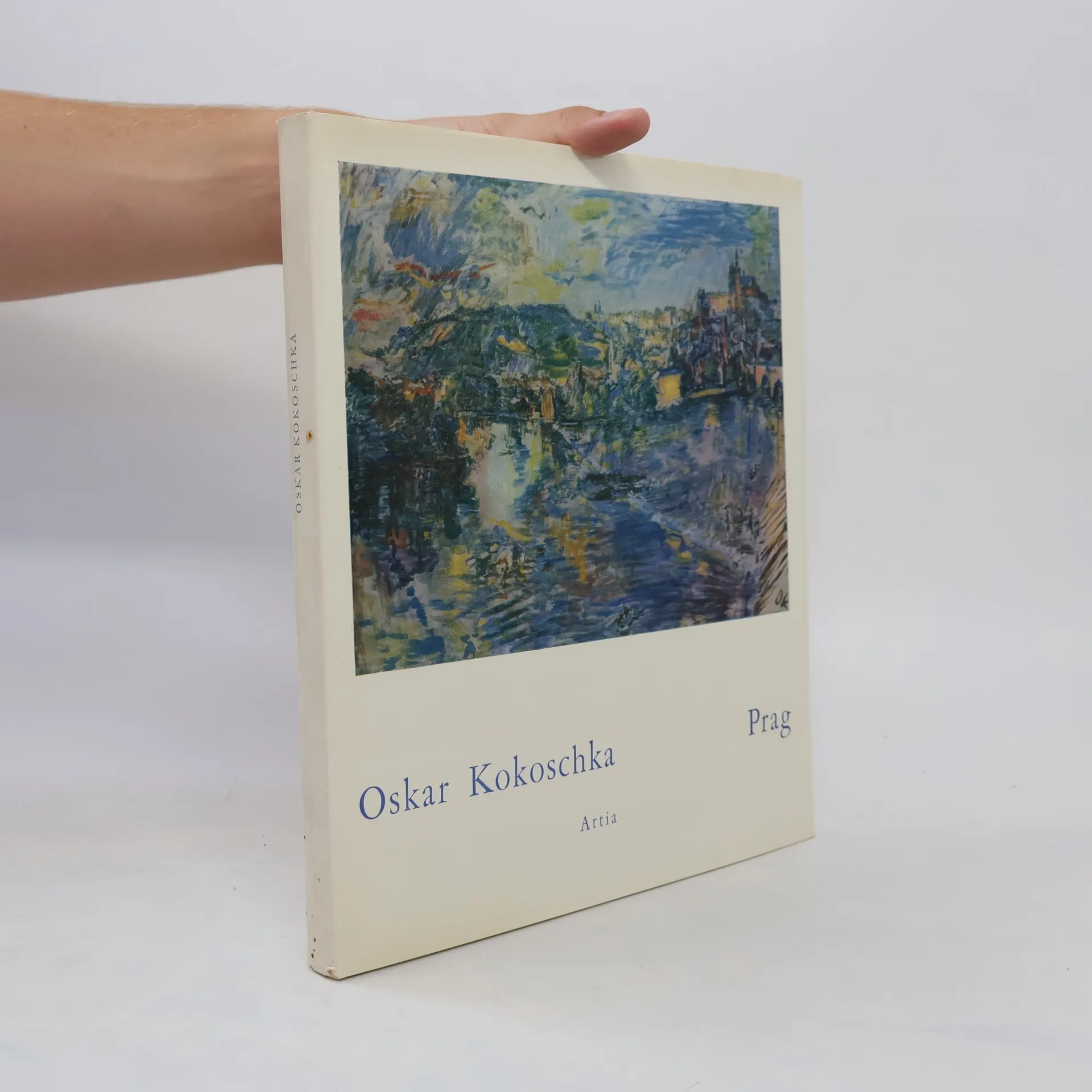
Na konci roku 1934 plánoval Oskar Kokoschka (1886–1980) desetidenní cestu do Prahy, aby vytvořil portrét československého prezidenta Tomáše Garrigua Masaryka. Původní plán se proměnil v čtyřletý pobyt. Rakouský expresionist vytvořil během svého pobytu více než 30 olejomaleb, včetně 15 městských krajin Prahy. Poprvé je katalog věnován výhradně Kokoschkovým dílům vytvořeným v Československu a zkoumá jeho dílo v politickém a uměleckém kontextu historie daného období.
Oskar Kokoschka a pražská kulturní scéna
- 159 pages
- 6 hours of reading
Publikace se věnuje výhradně období, kdy Kokoschka pobýval v Československu. Komentáře u vybraných děl z let 1934-1938 poukazují na Kokoschkův vliv na české umělecké prostředí a tamější inspirační zdroje jeho tvorby. Jednotlivé eseje přibližují Kokoschkův soukromý i veřejný život, ale také jeho politické názory a angažovanost proti vzhámající se politice nacistického Němdecka. Závěrečná část je doplněna o tvorbu a krátké biografie českých tvůrců, jako byli Friedrich Feigl, Bohdan Heřmanský, Willy Nowak, Emil Filla, František Janoušek, nebo zástupců umělecké emigrace v Československu – Johna Heartfielda a Johannese Wünstena.
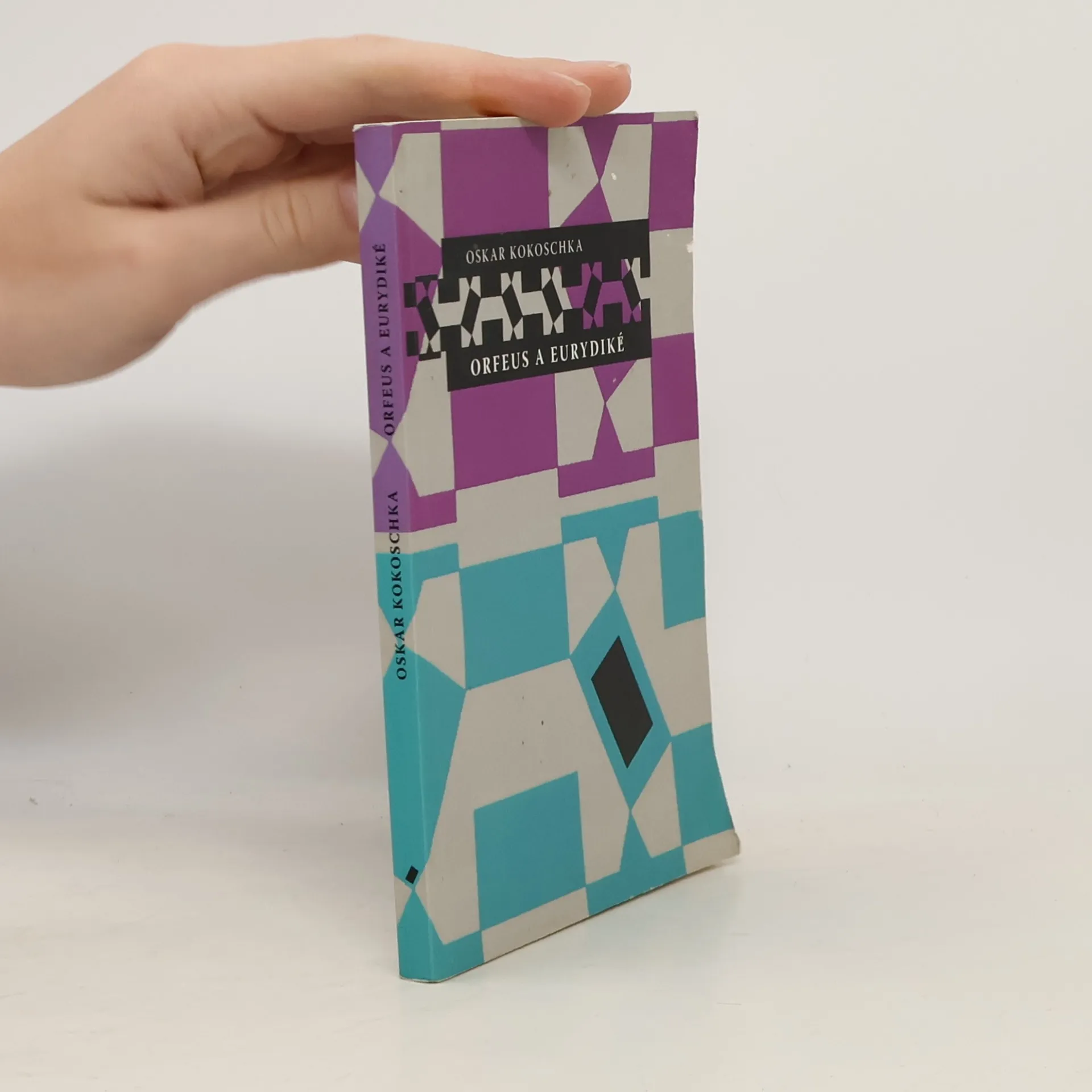
Známý příběh o bájném pěvci Orfeovi, který se vydává do podsvětí hledat svou lásku Eurydiké je v Kokoschkově adaptaci osobní zpovědí nešťastného a životem zhrzeného umělce. Spolu s milovanou ženou ztratil chuť žít i schopnost tvořit. Mezi řádky této stylizované, osobitě expresionistické hry plné obrazů, emocí, symbolů a skrytých významů čteme příběh o nešťastné lásce Oskara Kokoschky k Almě Mahlerové. Dvouletý vášnivý vztah Oskara a Almy zanechal v srdci odmítnutého milence hořké zklamání. Nedosažitelnost zbožňované bytosti ho drásal natolik, že se dobrovolně přihlásil během 1. světové války na frontu, kde utrpěl vážná zranění a jeho psychická muka se zážitky z bitevního pole jen zhoršila. To vše je obsaženo v Kokoschkově fascinující a vrcholně poetické hře stvořené v myšlenkách ještě na nemocničním lůžku během rekonvalescence z válečných zranění a o tři roky později zapsané zpaměti. Hranice mezi realitou a představami je zcela prostupná a ztracený Orfeus Kokoschka se pomalu utápí v tomto strašidelném světě a předem prohraném souboji mezi mužem a ženou, věčném tématu autorovy tvorby. Orfeus a Eurydiké je čtvrtou a vrcholnou hrou tohoto evropského malíře, grafika, básníka a publicisty, jehož obrazy položily základ novému uměleckému vidění a jeho hry expresionistickému dramatu.
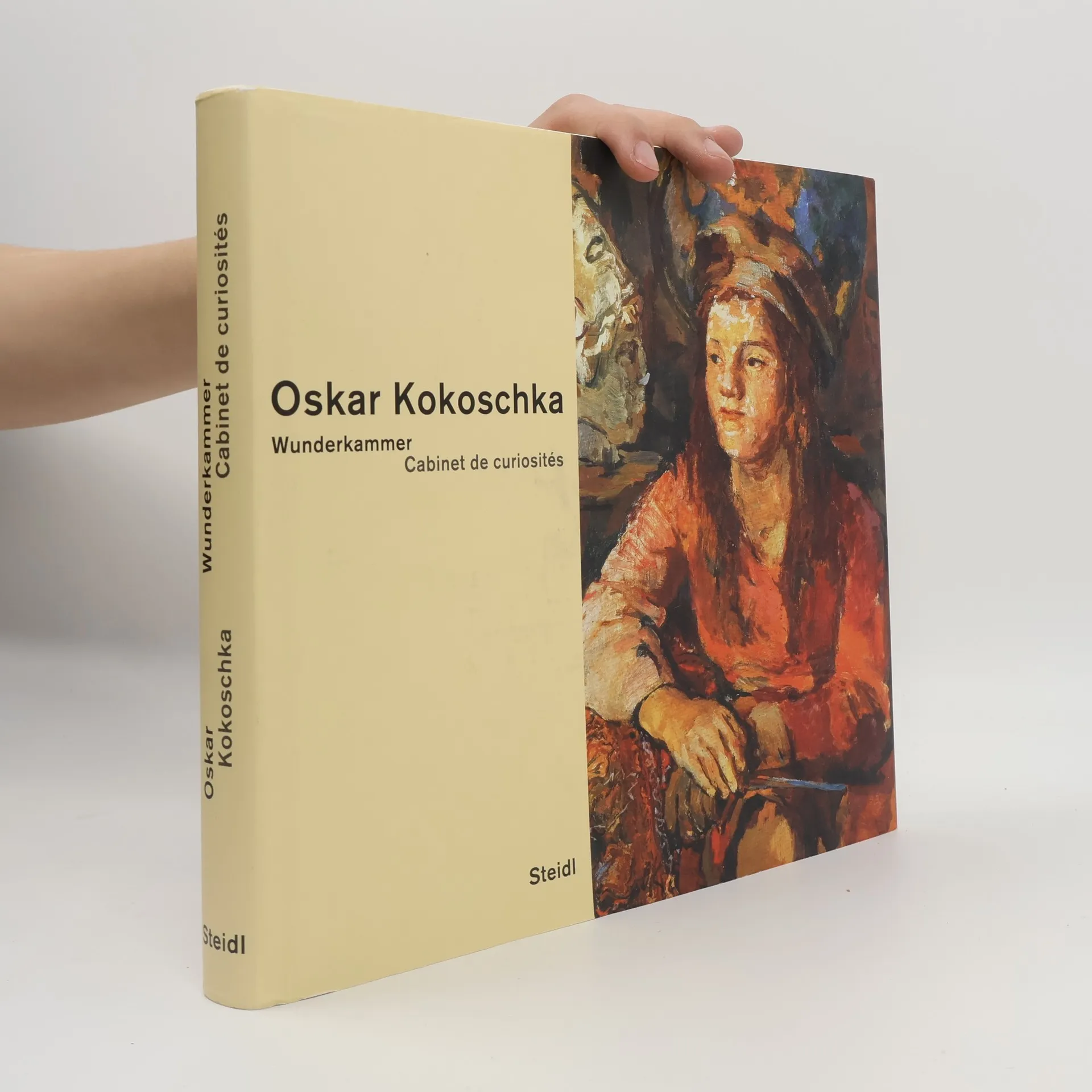
Oskar Kokoschka - Wunderkammer Cabinet de curiosités Français/Allemand
- 223 pages
- 8 hours of reading
Erotic sketches
- 64 pages
- 3 hours of reading
In seinen großartigen erotischen Zeichnungen zeigt Oskar Kokoschka die Modelle in Momenten der Selbstvergessenheit. Nicht nur von diesen wunderbaren Werken geht der unwiderstehliche Charme des Skizzenbuchs aus, sondern auch von der Authentizität des Bandes, der einem das Gefühl vermittelt, ein Original des Künstlers in den Händen zu halten. Man gehört sozusagen zum intimen Freundeskreis des Meisters und darf einen Blick über seine Schulter werfen. Dieses Buch ist ein Muss für alle Grafik- und Erotiksammler!
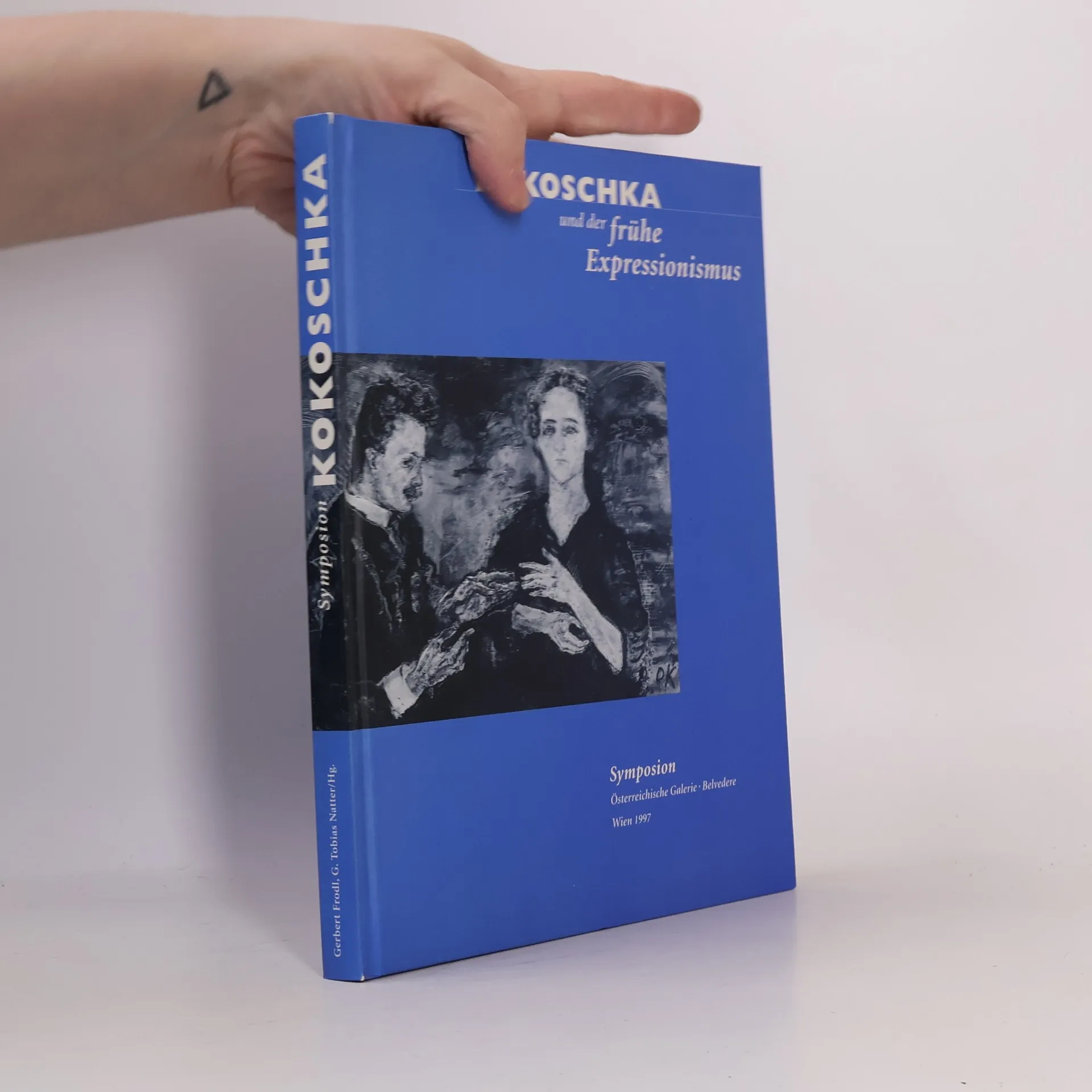
Oskar Kokoschka und der frühe Expressionismus
- 167 pages
- 6 hours of reading
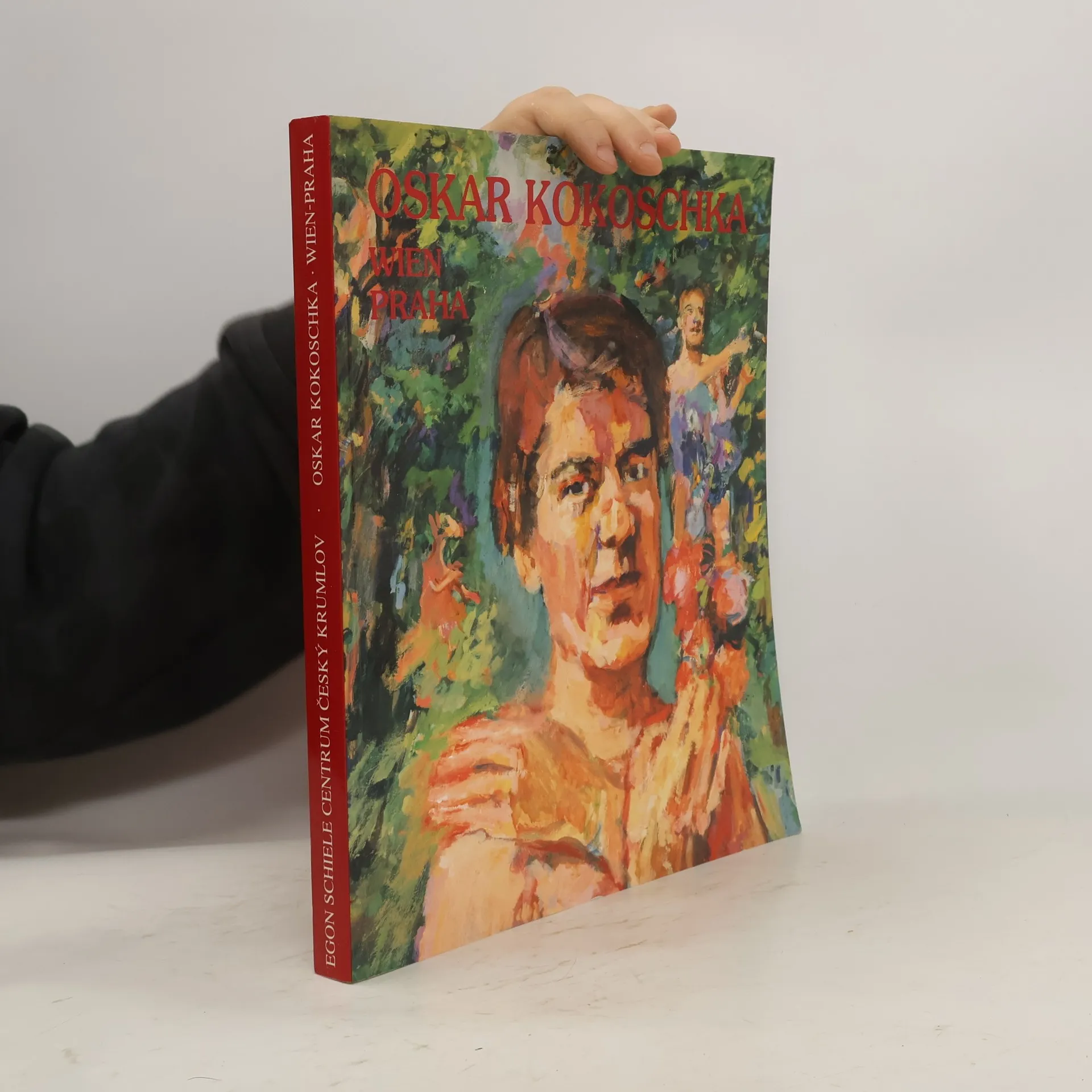
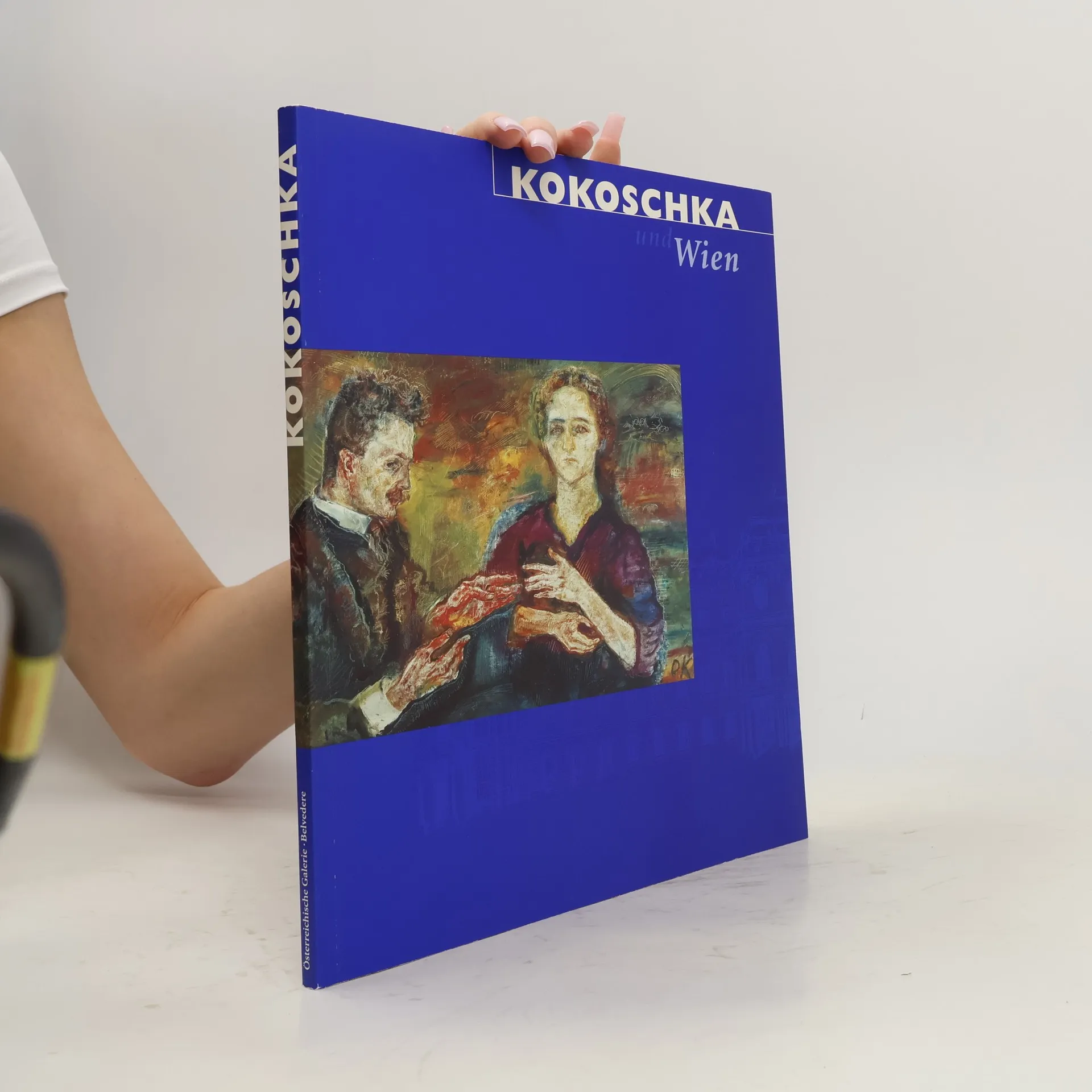
Oskar Kokoschka, Wien, Praha
- 253 pages
- 9 hours of reading
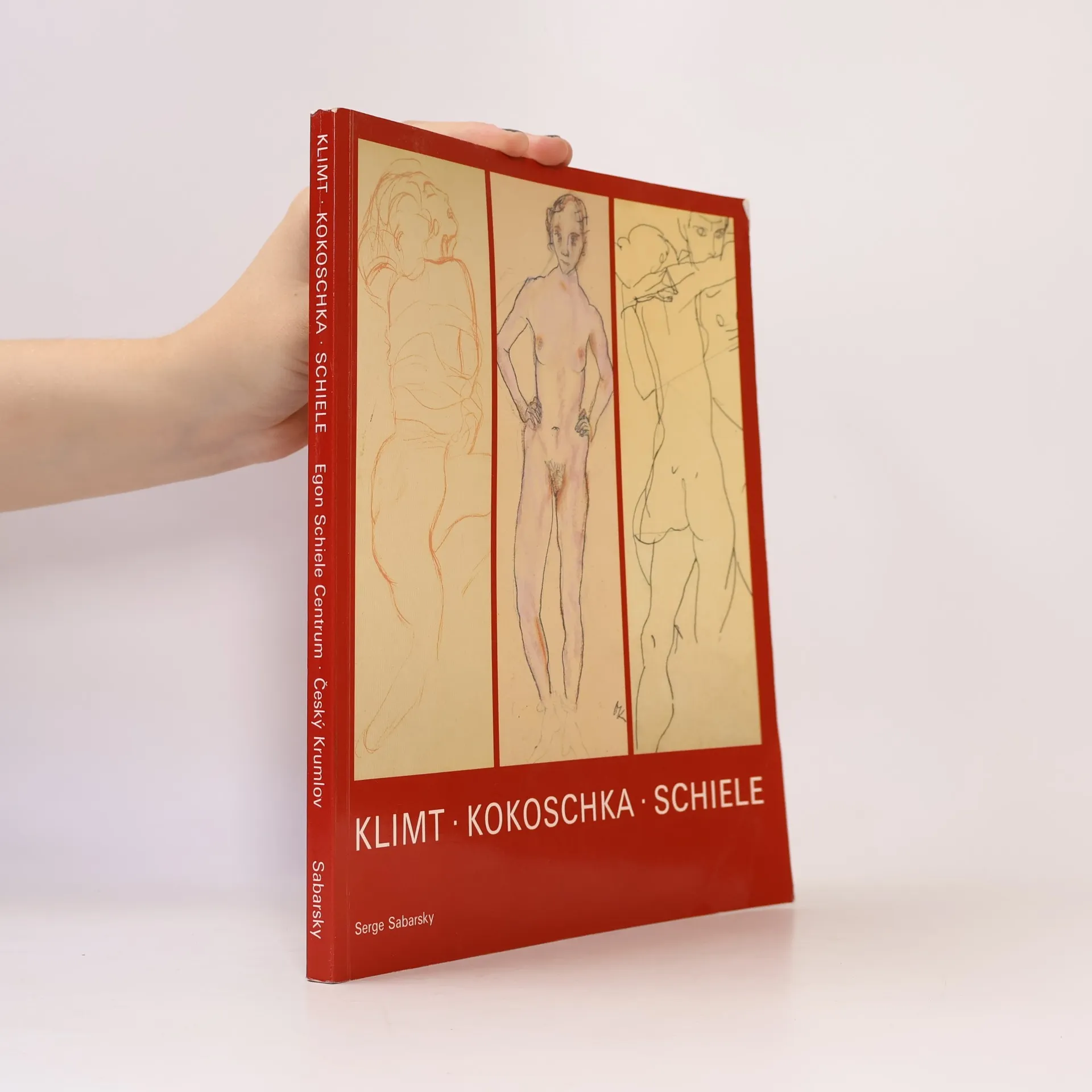
Klimt - Kokoschka - Schiele: 1907-1918 Zeichnungen, Aquarelle
- 153 pages
- 6 hours of reading
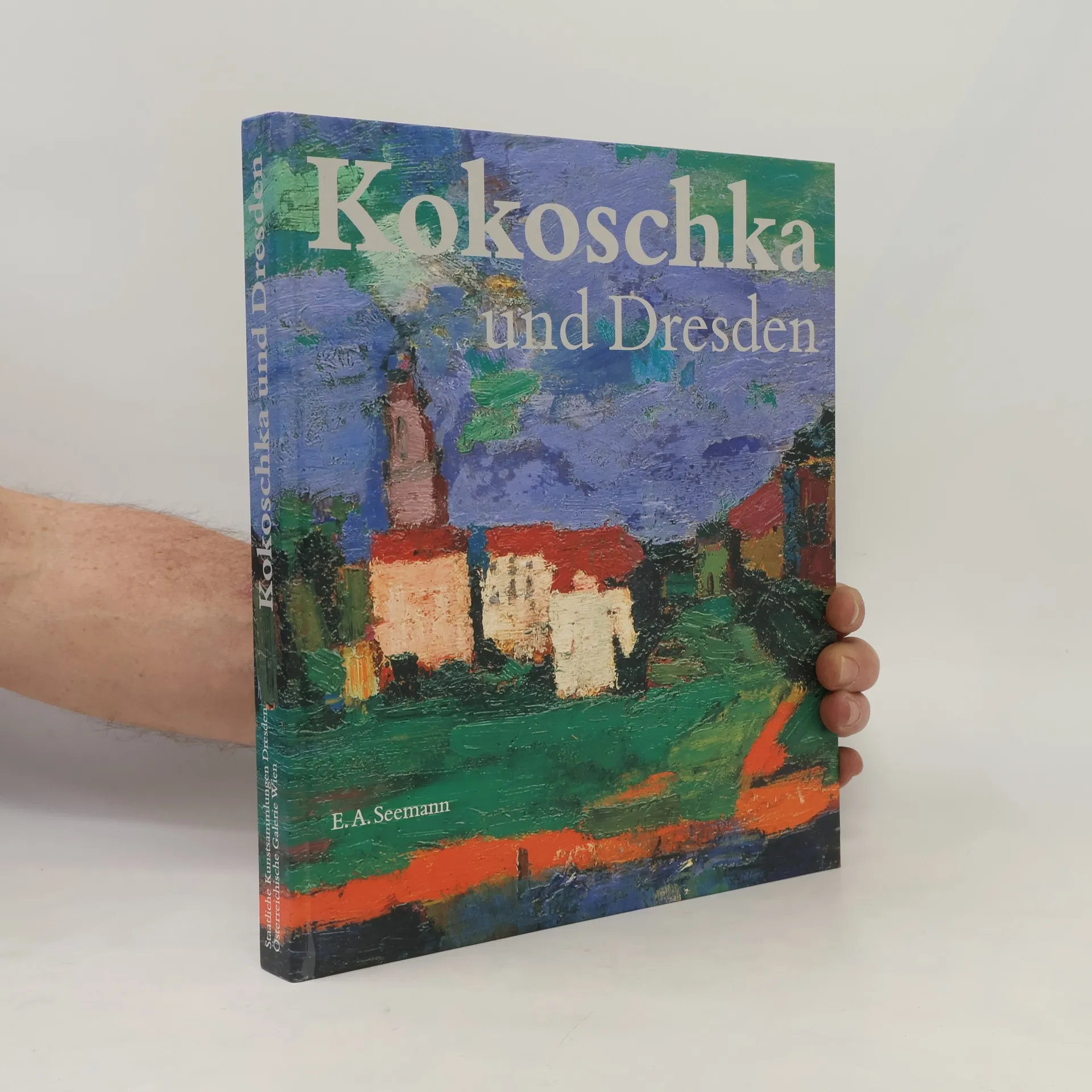
Kokoschka und Dresden
- 288 pages
- 11 hours of reading
Oskar Kokoschka und die Musik
- 160 pages
- 6 hours of reading
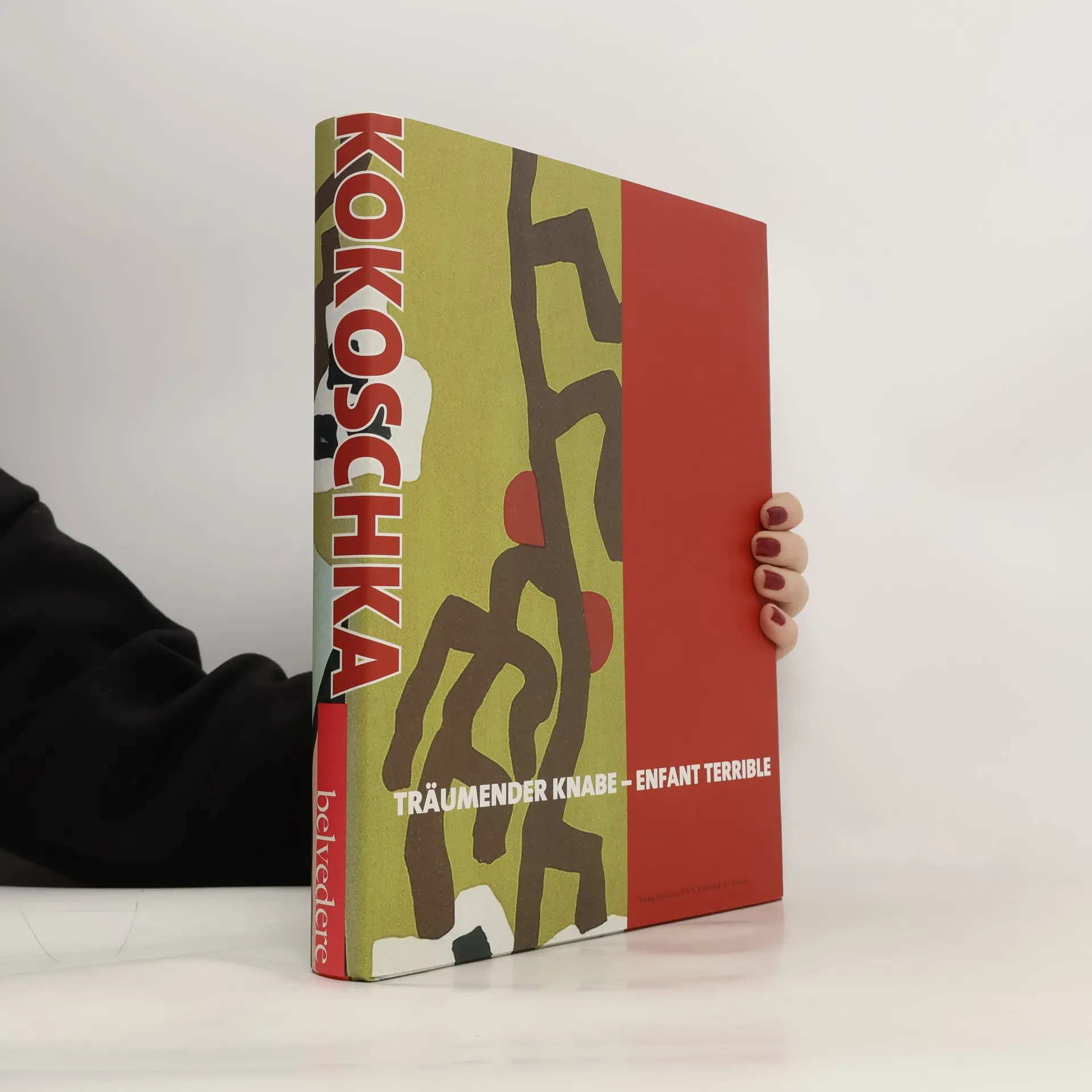
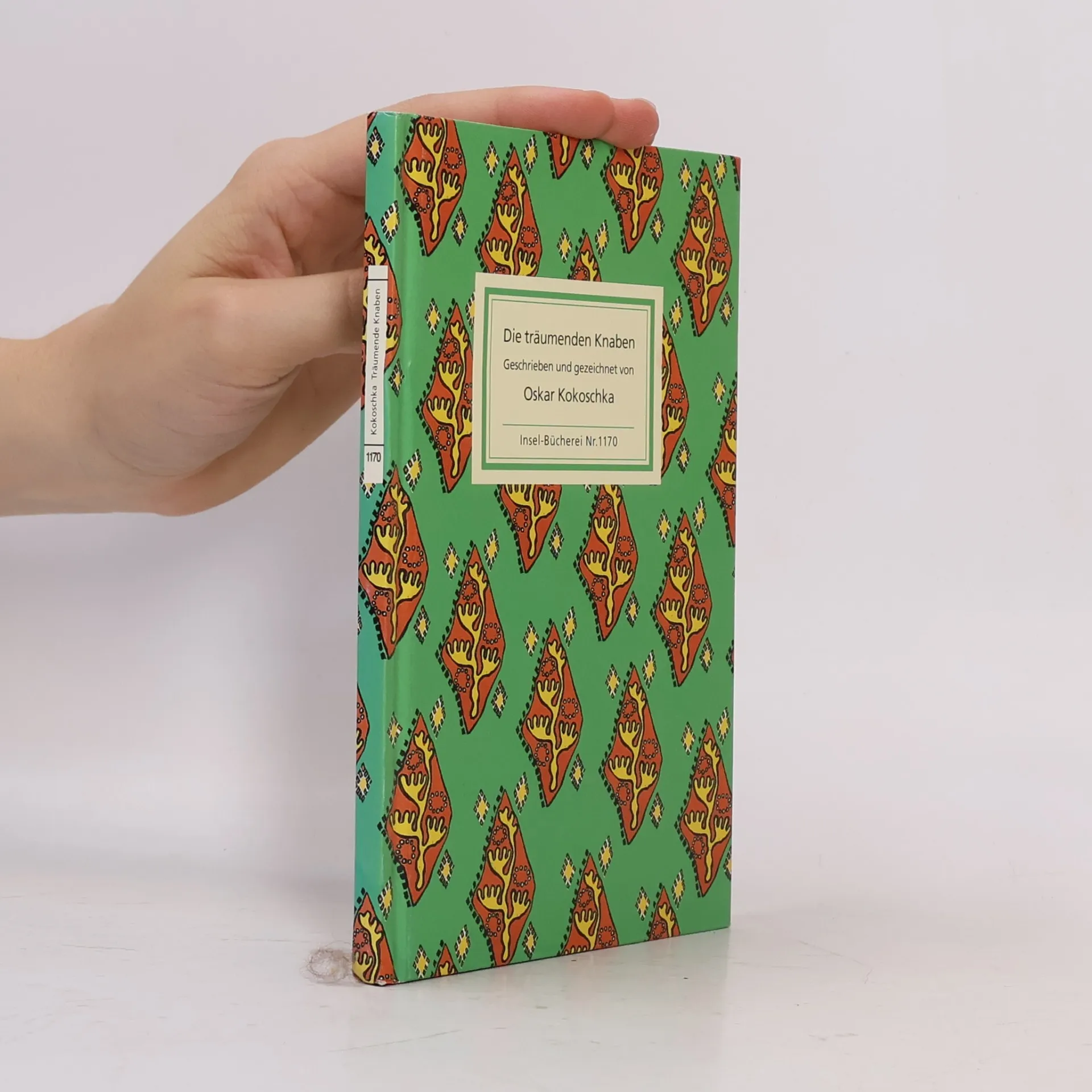
Die träumenden Knaben. Der weiße Tiertöter
- 52 pages
- 2 hours of reading
Oskar Kokoschka (1886-1980) ist als Maler wie als Schriftsteller in erster Linie als Expressionist bekannt und als solcher berühmt geworden. Sein Erstlingswerk, Die träumenden Knaben (1907 in nur wenigen Exemplaren erschienen), ist unter den von ihm selbst illustrierten Texten insofern eine Rarität, als es textlich schon dem Expressionismus, malerisch aber noch dem Jugendstil der Wiener Werkstätten nahesteht. Die Gustav Klimt gewidmete Ausgabe ist mit farbintensiven, an Hinterglasmalereien erinnernden Lithographien ausgestattet – märchenhaften Szenen in leuchtenden Farben, ein Stil, der danach im Werk Kokschkas nicht wieder zu finden ist. Das Thema der erwachenden Sexualität aber, die Sehnsucht nach Zärtlichkeit und die Angst vor besitzergreifender Brutalität, ist sein Thema geblieben.
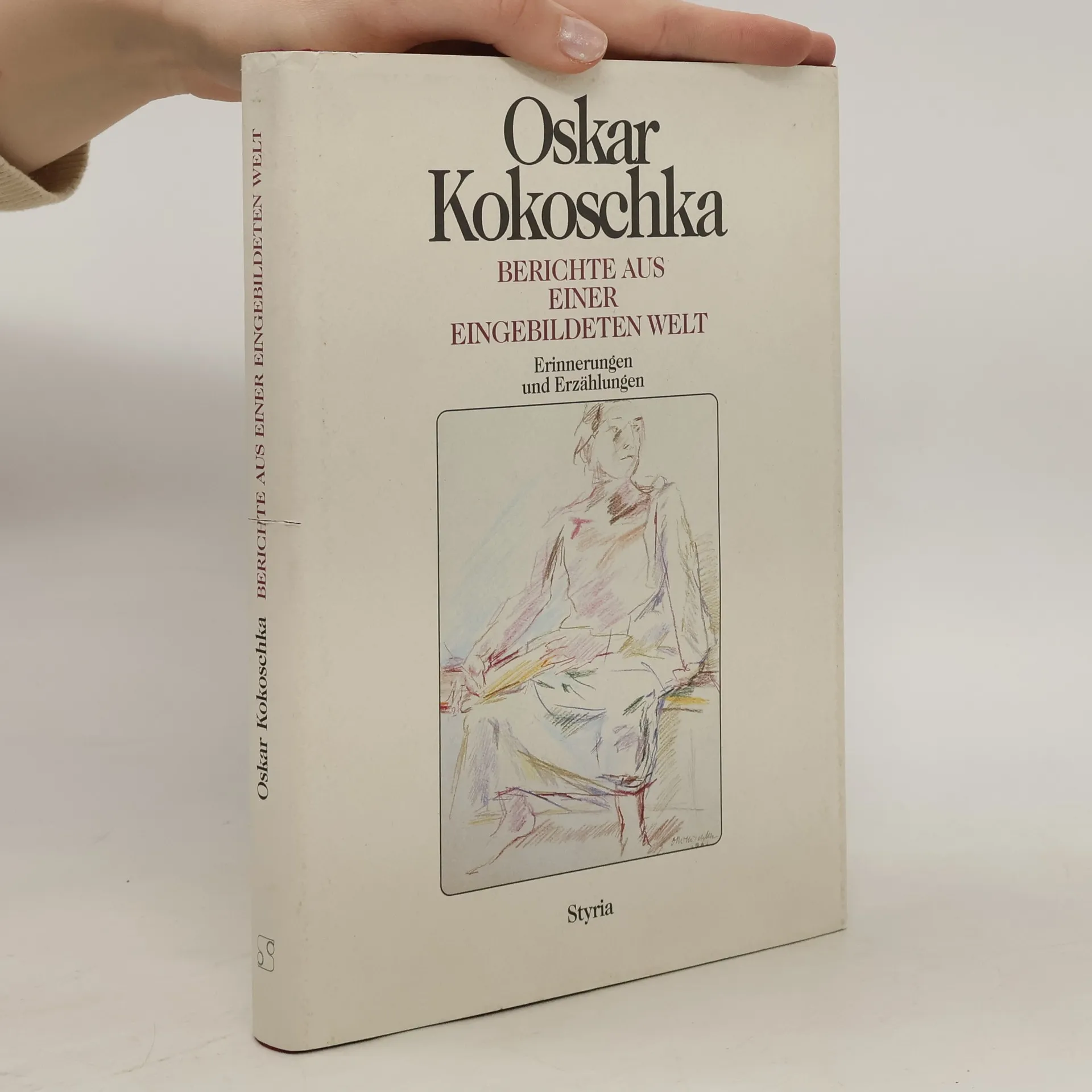
Berichte aus einer eingebildeten Welt
- 229 pages
- 9 hours of reading
Oskar Kokoschka (1886-1980)
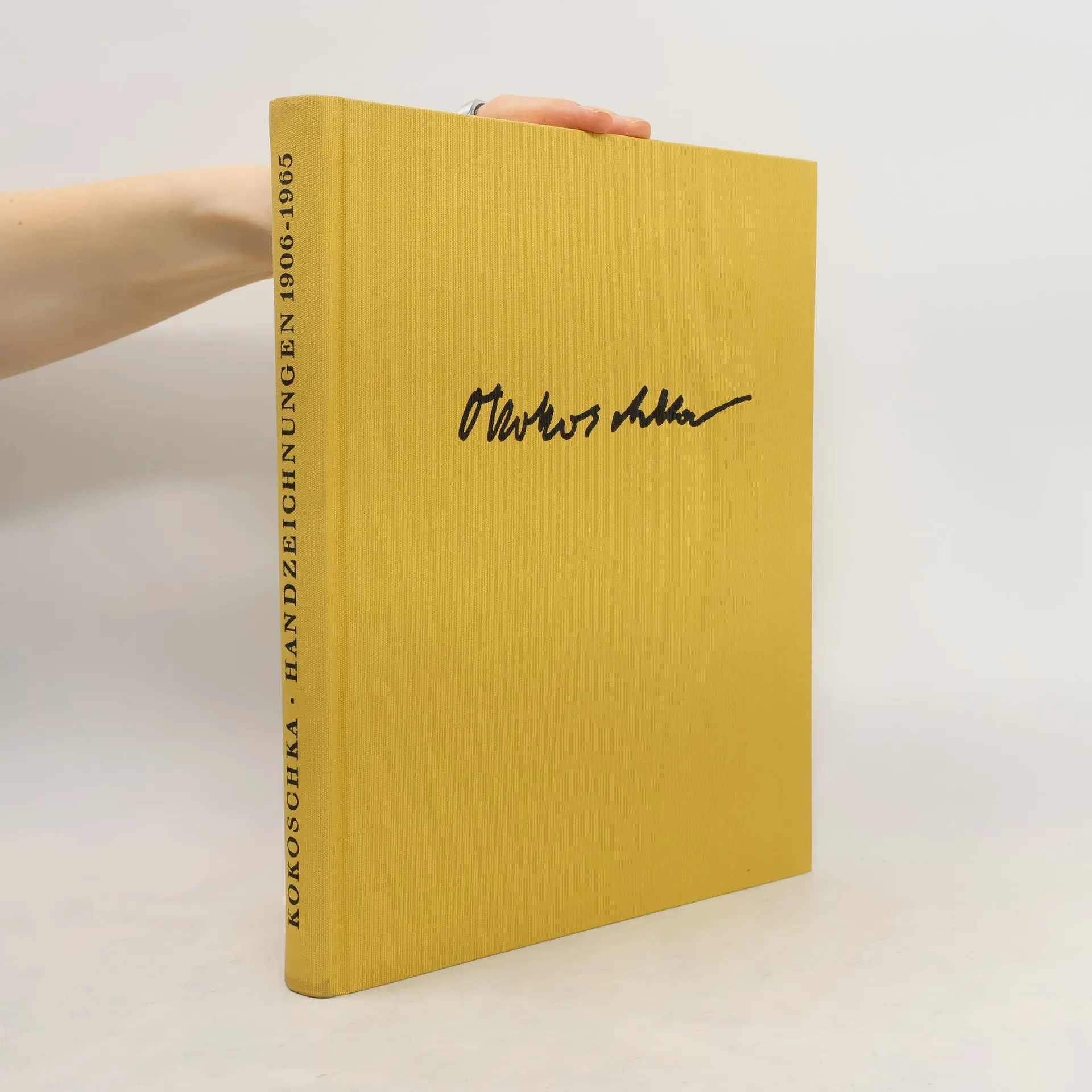
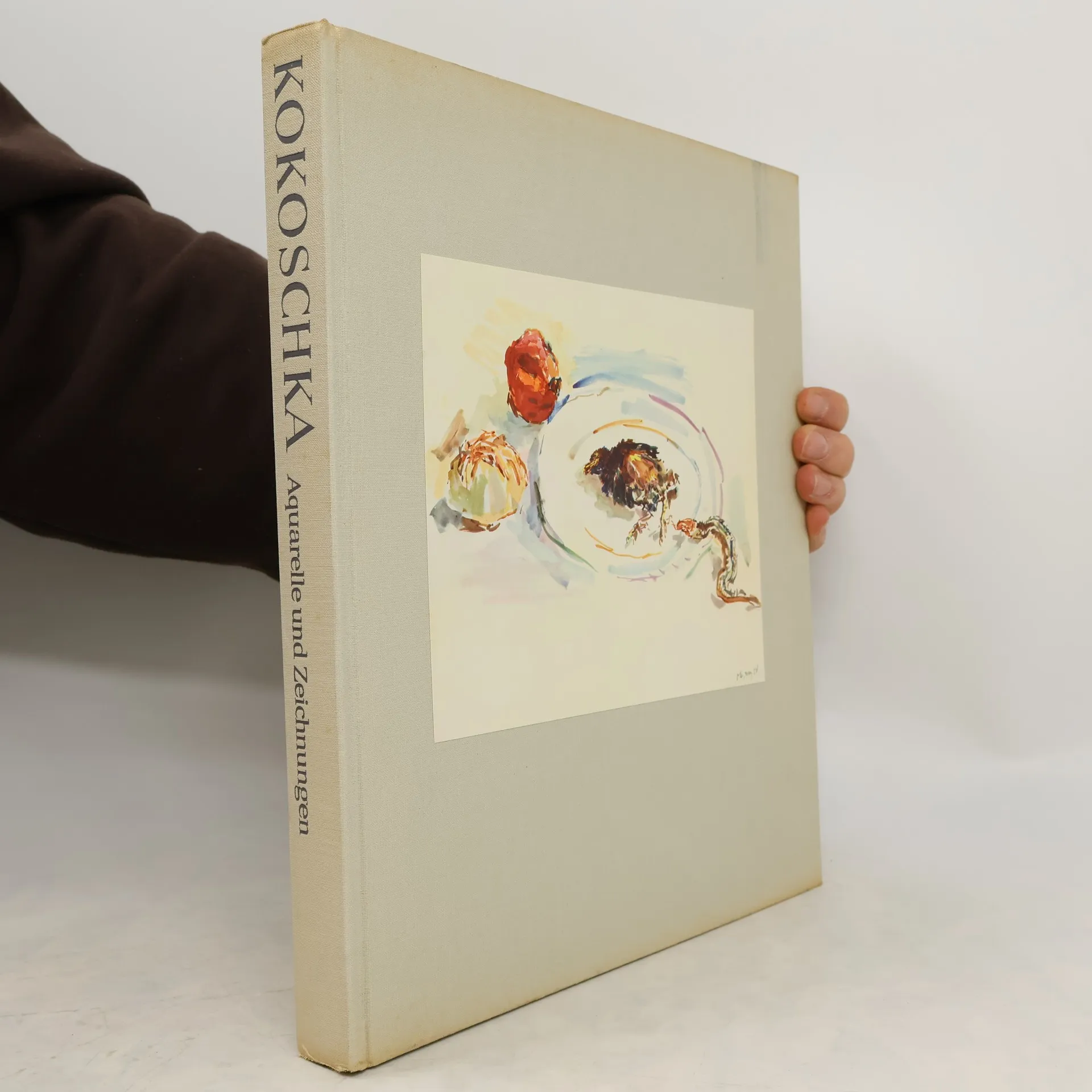
Aquarelle, Zeichnungen, Druckgraphiken
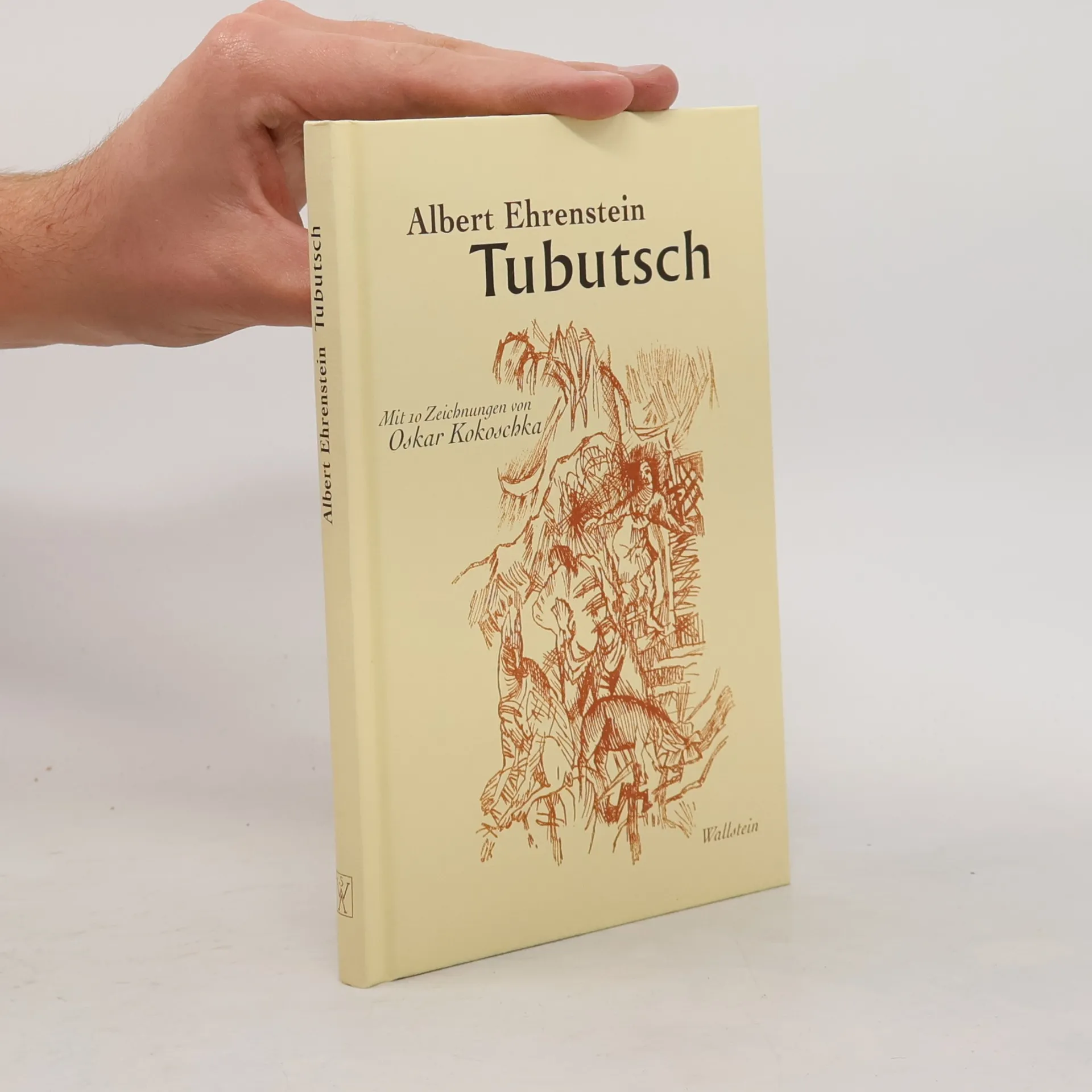
Tubutsch
- 88 pages
- 4 hours of reading
Die legendäre Erzählung von Albert Ehrenstein mit den kongenialen Illustrationen von Oskar Kokoschka. Die Erzählung »Tubutsch« von Albert Ehrenstein ist 1911 in Wien bei Jahoda und Siegel erstmals erschienen und gilt als das Meisterwerk des vor allem als Lyriker bekannten Autors. Ehrenstein verfasste sie bereits 1908 innerhalb weniger Wochen. Der Text erregte Aufsehen in Wien wie in Berlin: Alfred Döblin und Ernst Blass schrieben Rezensionen, selbst Karl Kraus, in dessen »Fackel« 1910 das Gedicht »Wanderers Lied« von Ehrenstein erschienen war, äußerte sich positiv. In der Hauptfigur Karl Tubutsch stellt sich Ehrenstein selber dar. Tubutsch sucht beim Flanieren durch die Gassen Wiens nach dem eigenen Ich, findet aber nur groteske Bilder, die seine düsteren Phantasien und seine Todessehnsucht beflügeln. Die Ausgabe enthält die Illustrationen, die Oskar Kokoschka für die Erstausgabe geschaffen hat.
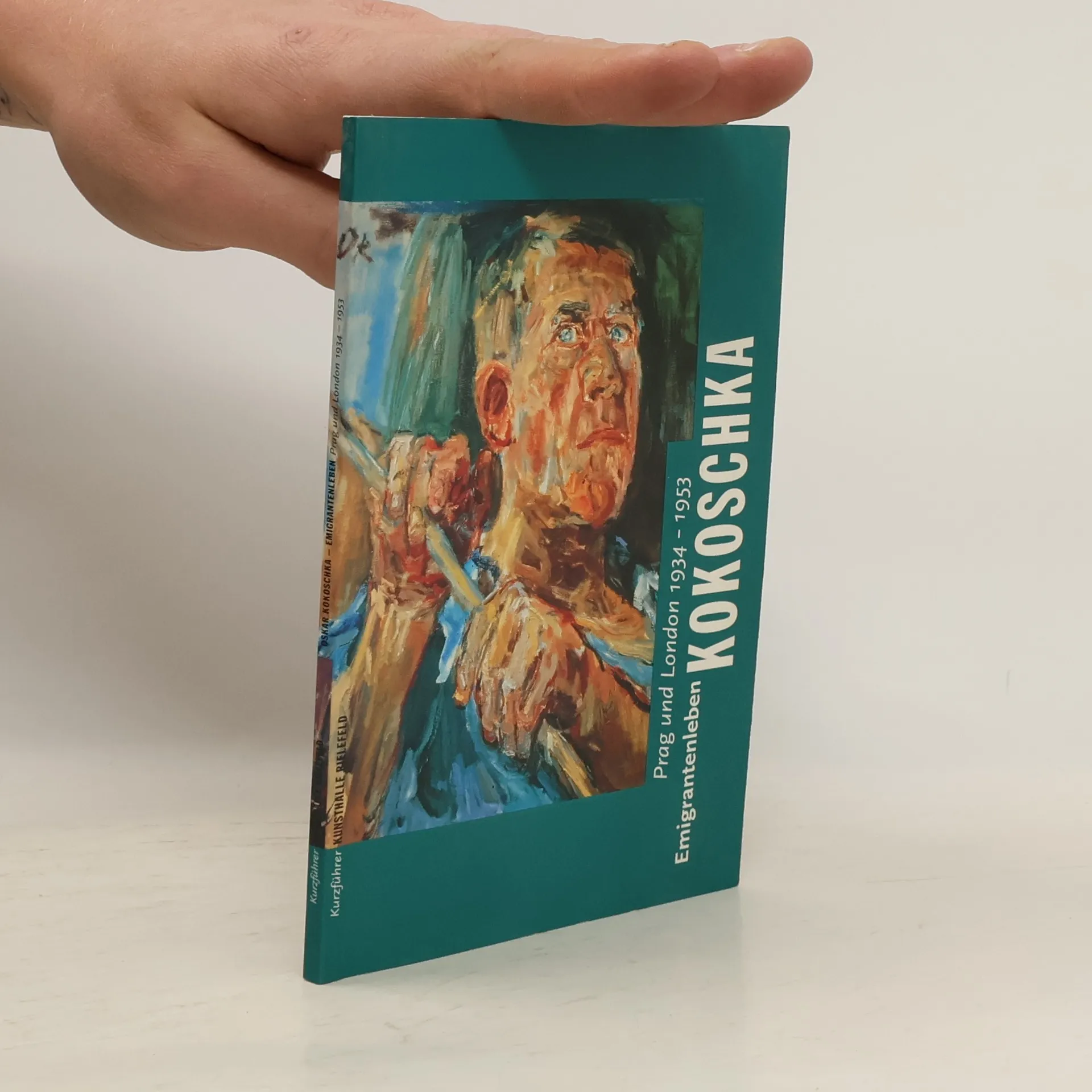
Oskar Kokoschka, Emigrantenleben
Prag und London 1934-1953
Oskar Kokoschka
Das Frühwerk (1897/98-1917): Zeichnungen und Aquarelle. Katalog zur Ausstellung der Graphischen Sammlung Albertina, Wien
- 296 pages
- 11 hours of reading
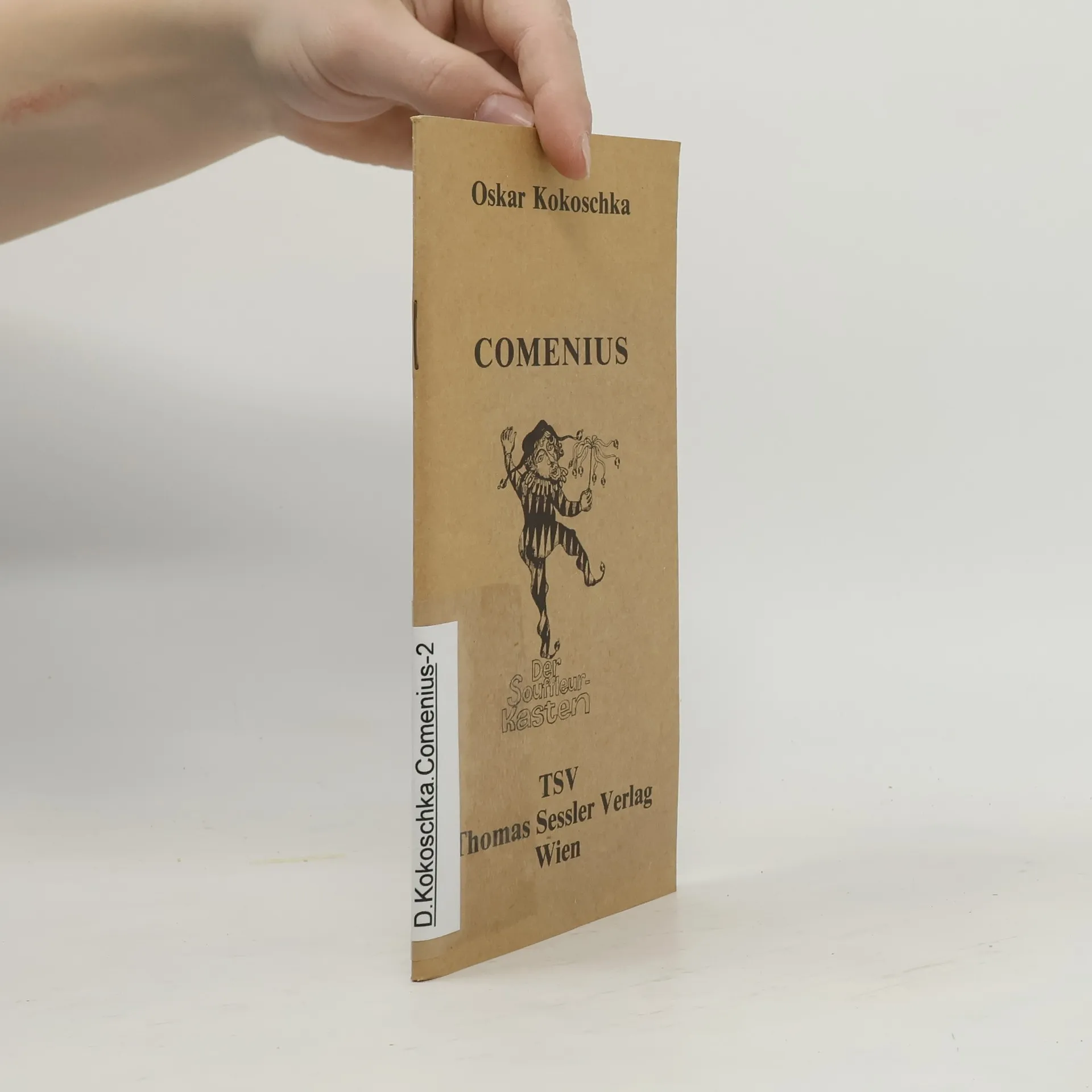
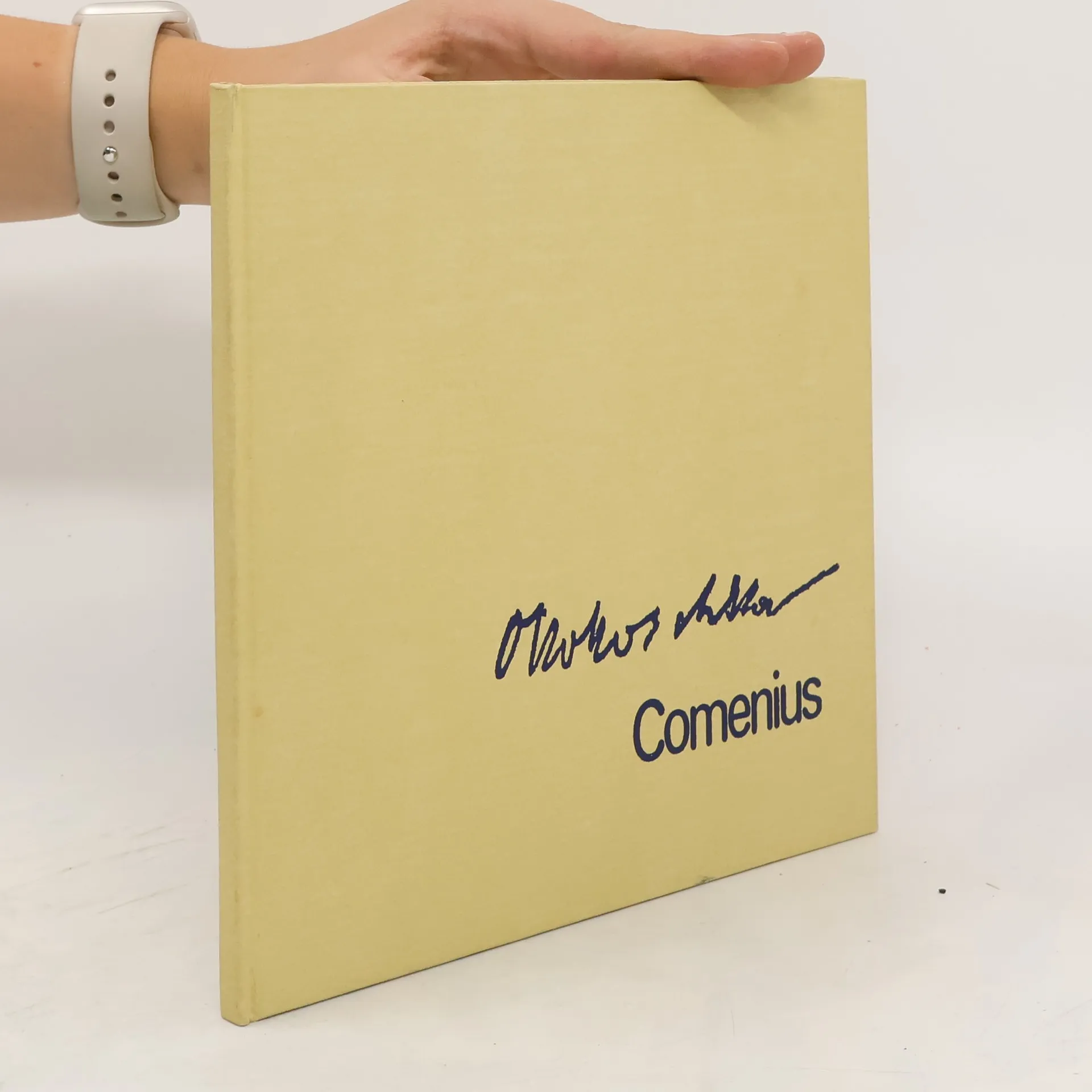
Comenius
- 75 pages
- 3 hours of reading
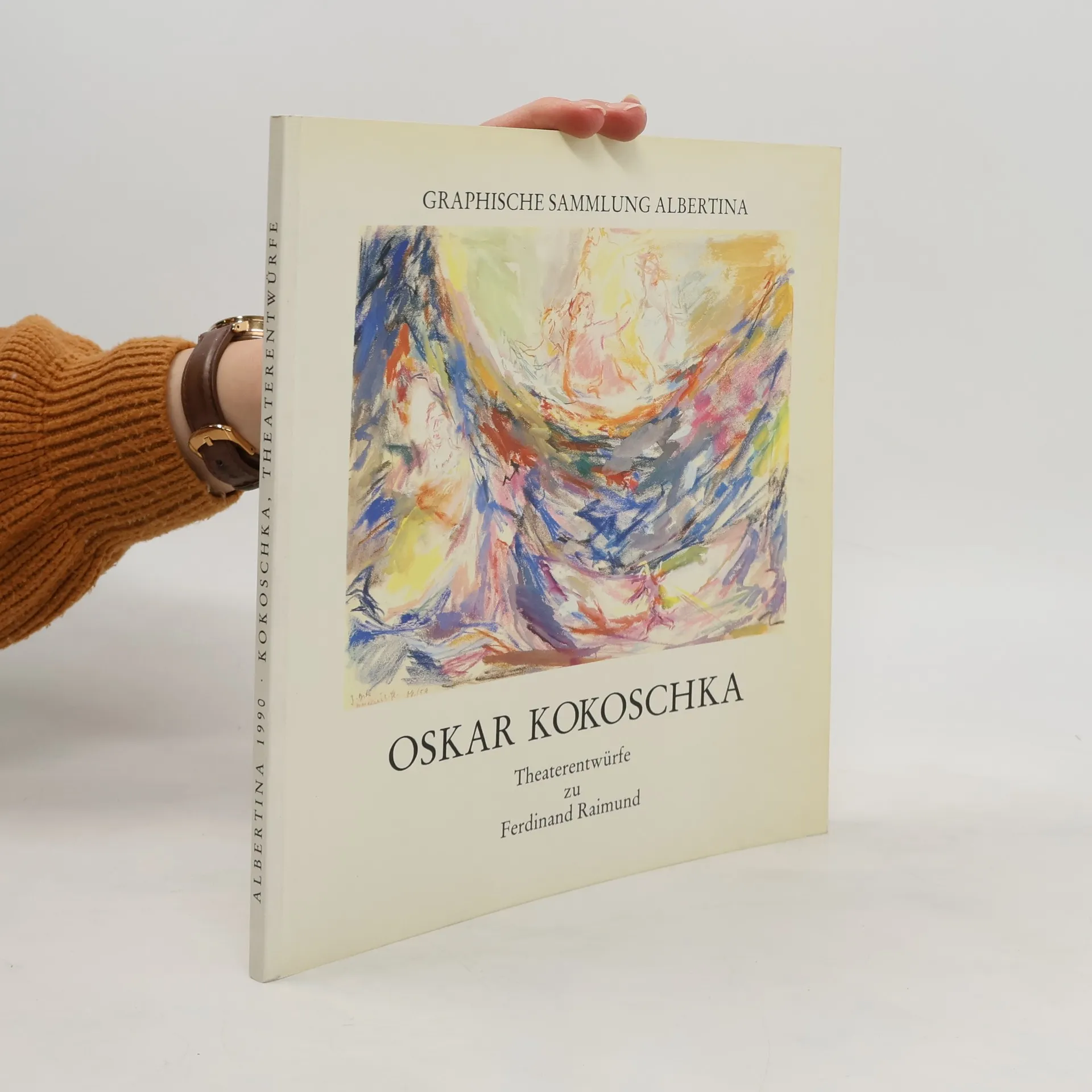
Graphische Sammlung Albertina: Oskar Kokoschka (1886-1980)
Theaterentwürfe zu Ferdinand Raimund (1790-1836) : 31. Mai-29. Juli 1990
- 91 pages
- 4 hours of reading
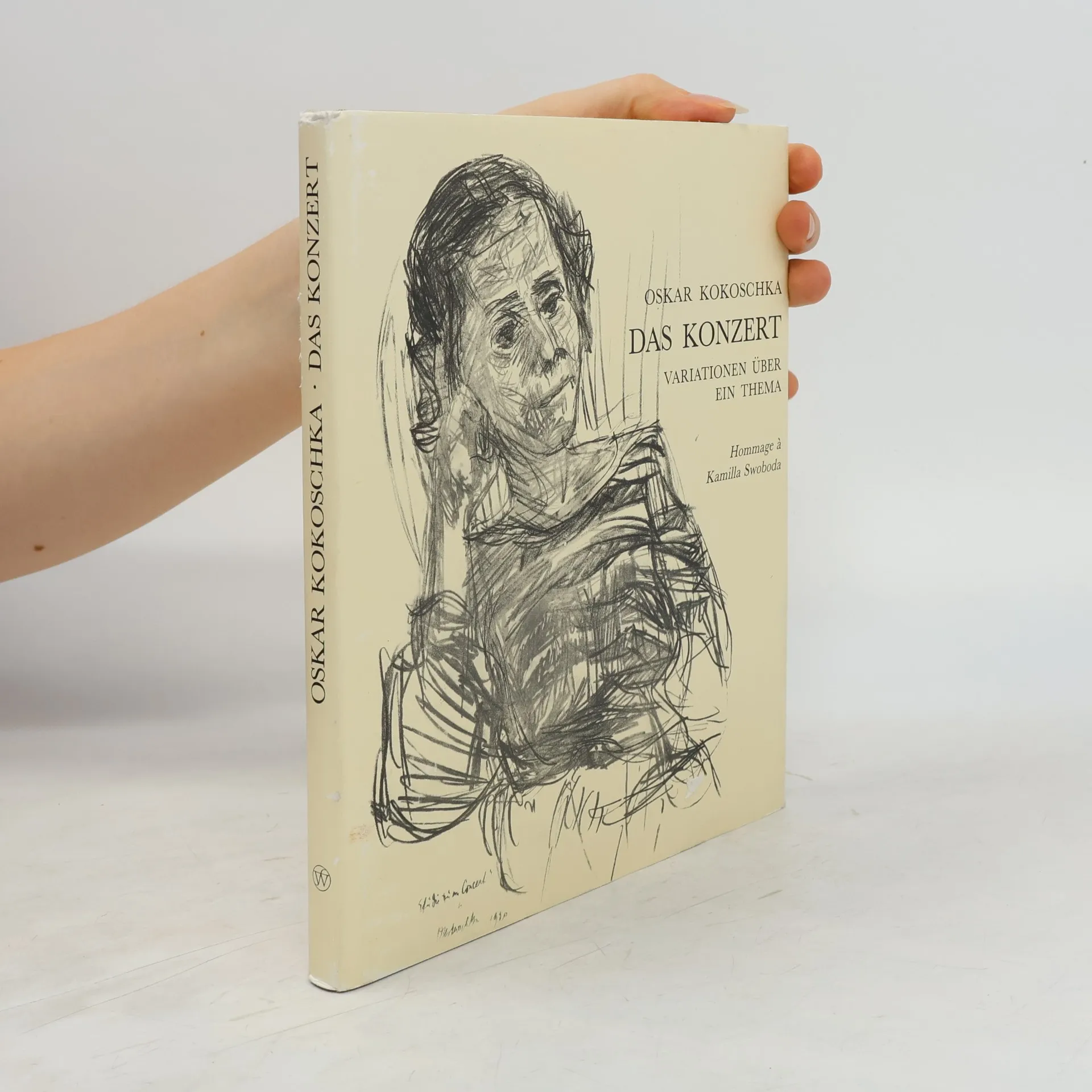
Das Konzert
Variationen über ein Thema - Hommage à Kamilla Swoboda
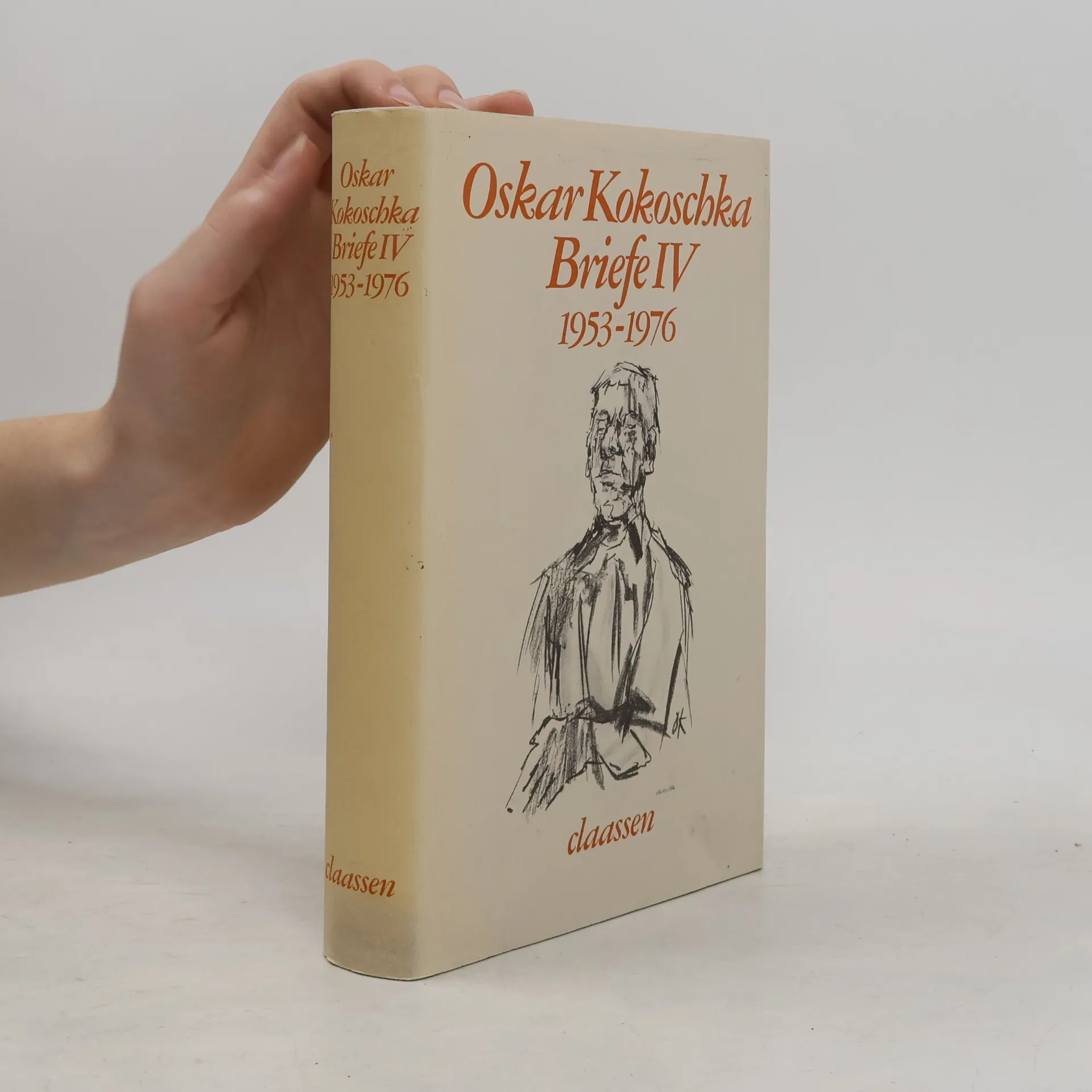
Oskar Kokoschka Briefe - 4: Briefe
1953-1976
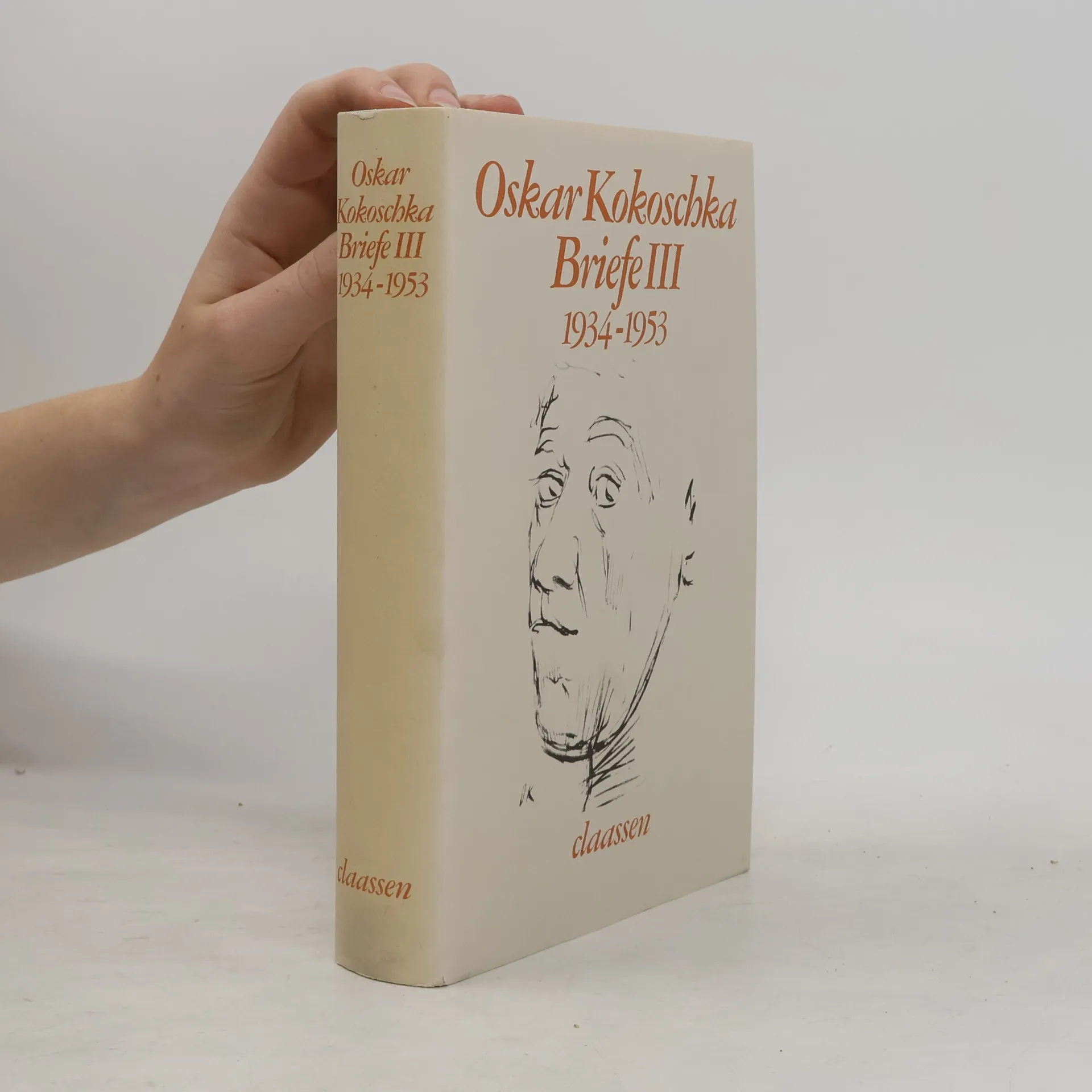
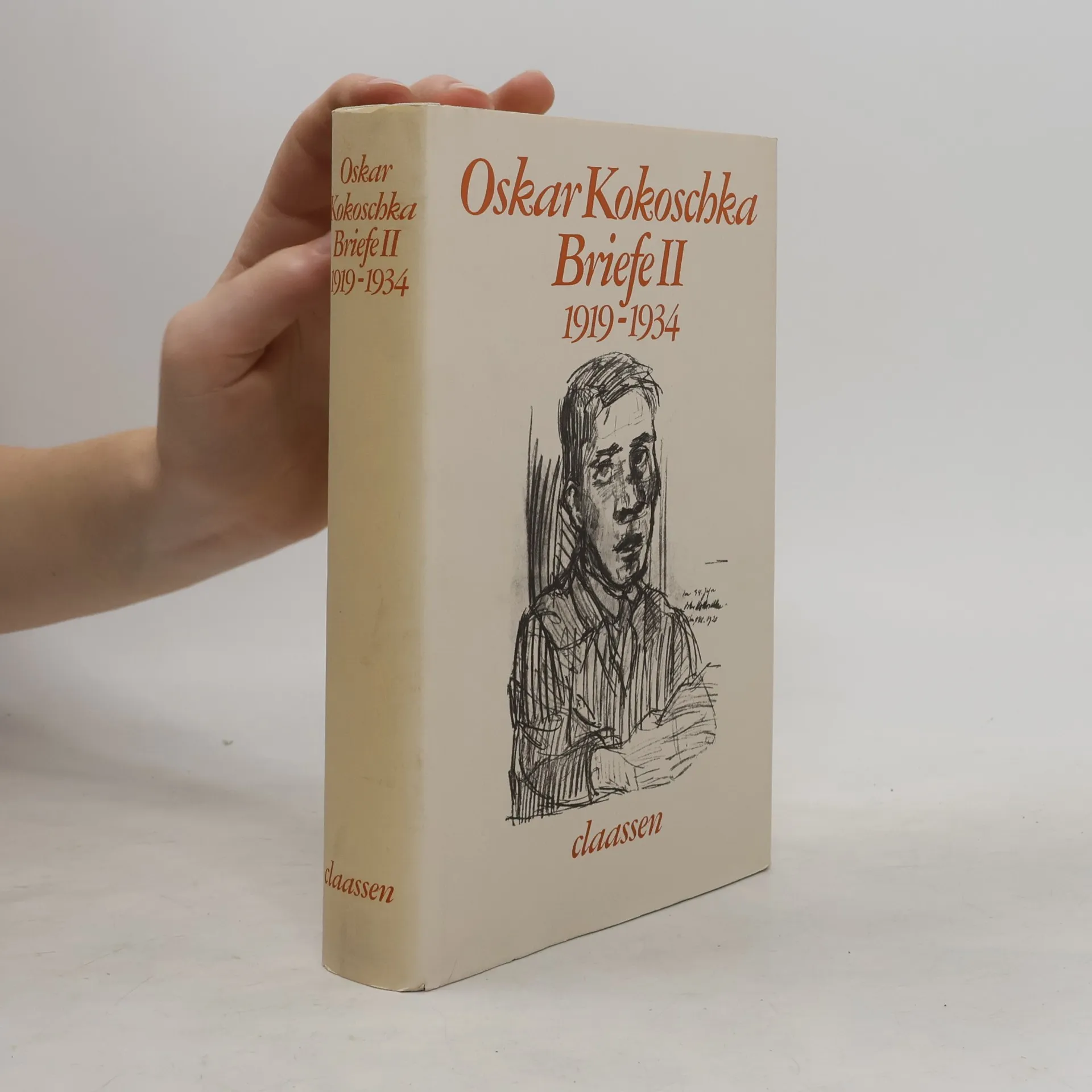
Kokoschka, Oskar - 3: Briefe
1934-1953
Libro usado en buenas condiciones, por su antiguedad podria contener señales normales de uso
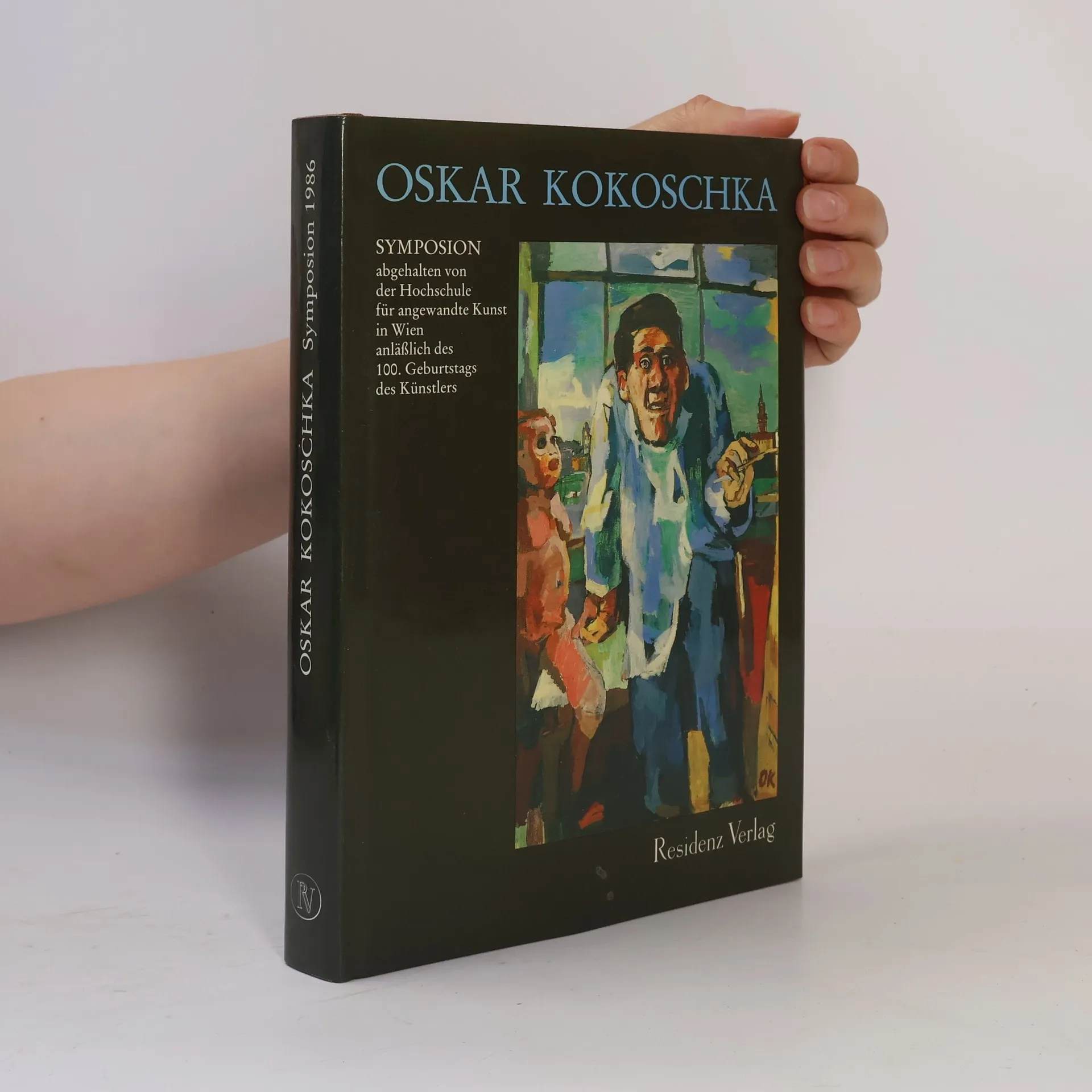
Oskar Kokoschka
Symposion, abgehalten von der Hochschule für Angewandte Kunst in Wien vom 3. bis 7. März 1986 anlässlich des 100. Geburtstages des Künstlers
- 322 pages
- 12 hours of reading
German
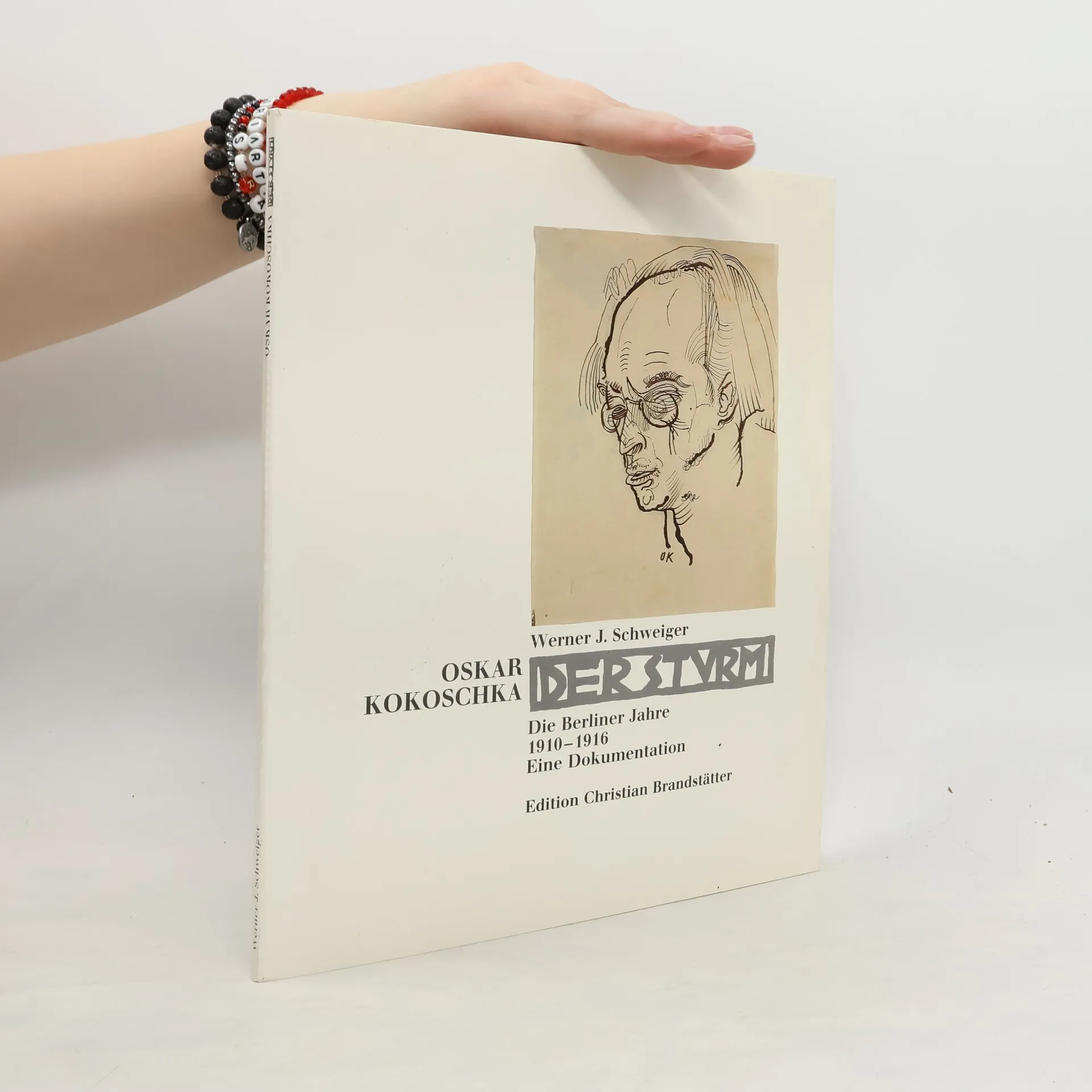
Oskar Kokoschka, Der Sturm
- 79 pages
- 3 hours of reading
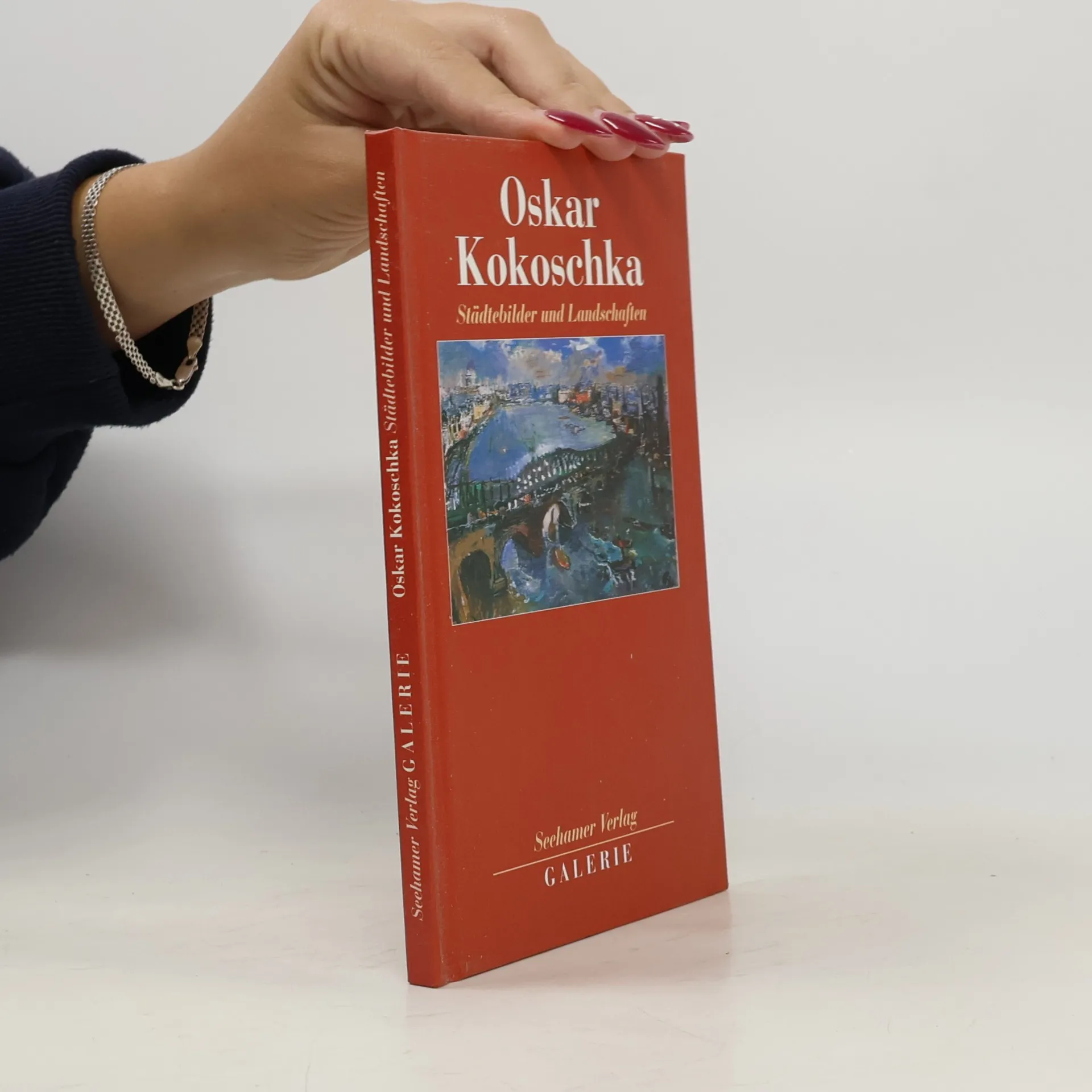
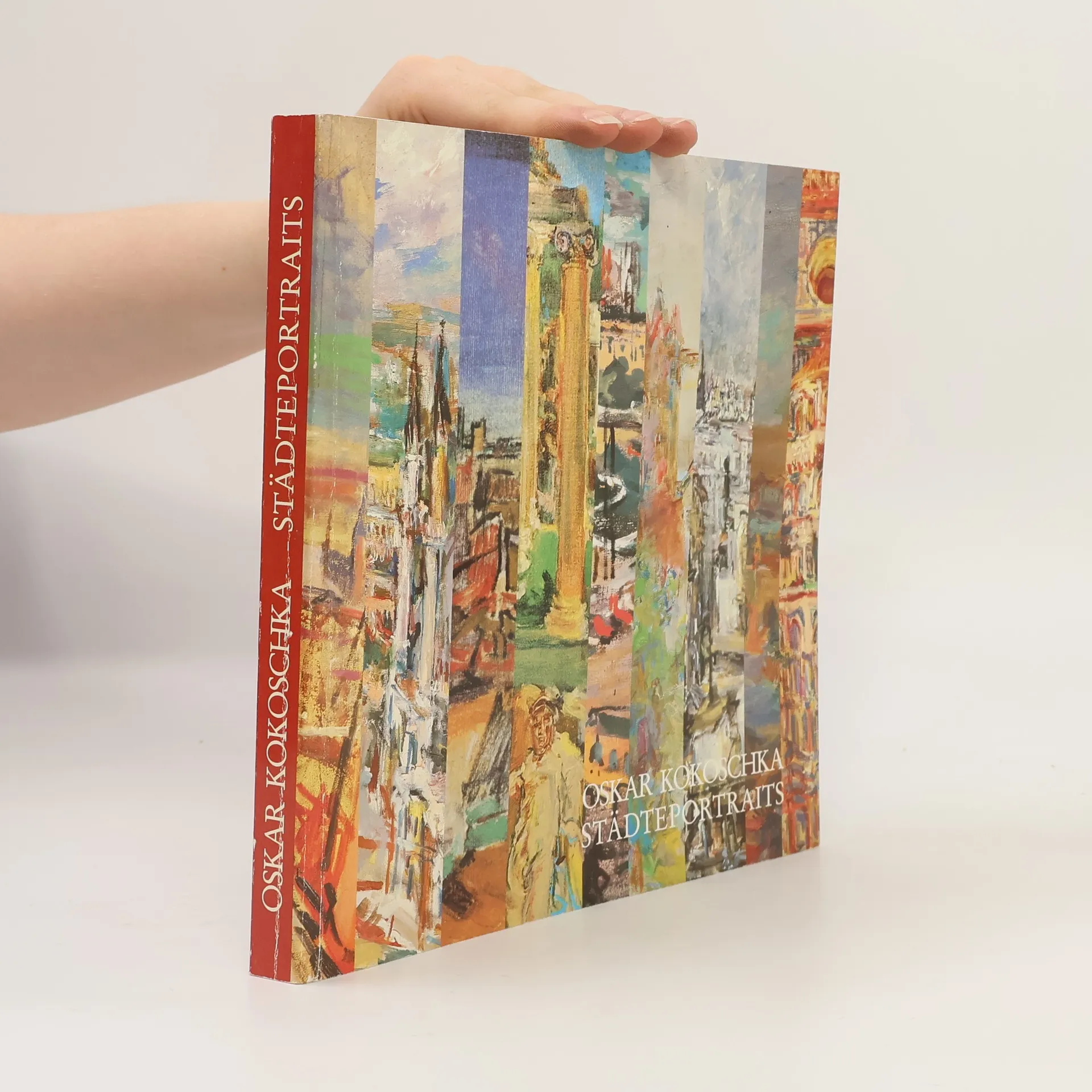
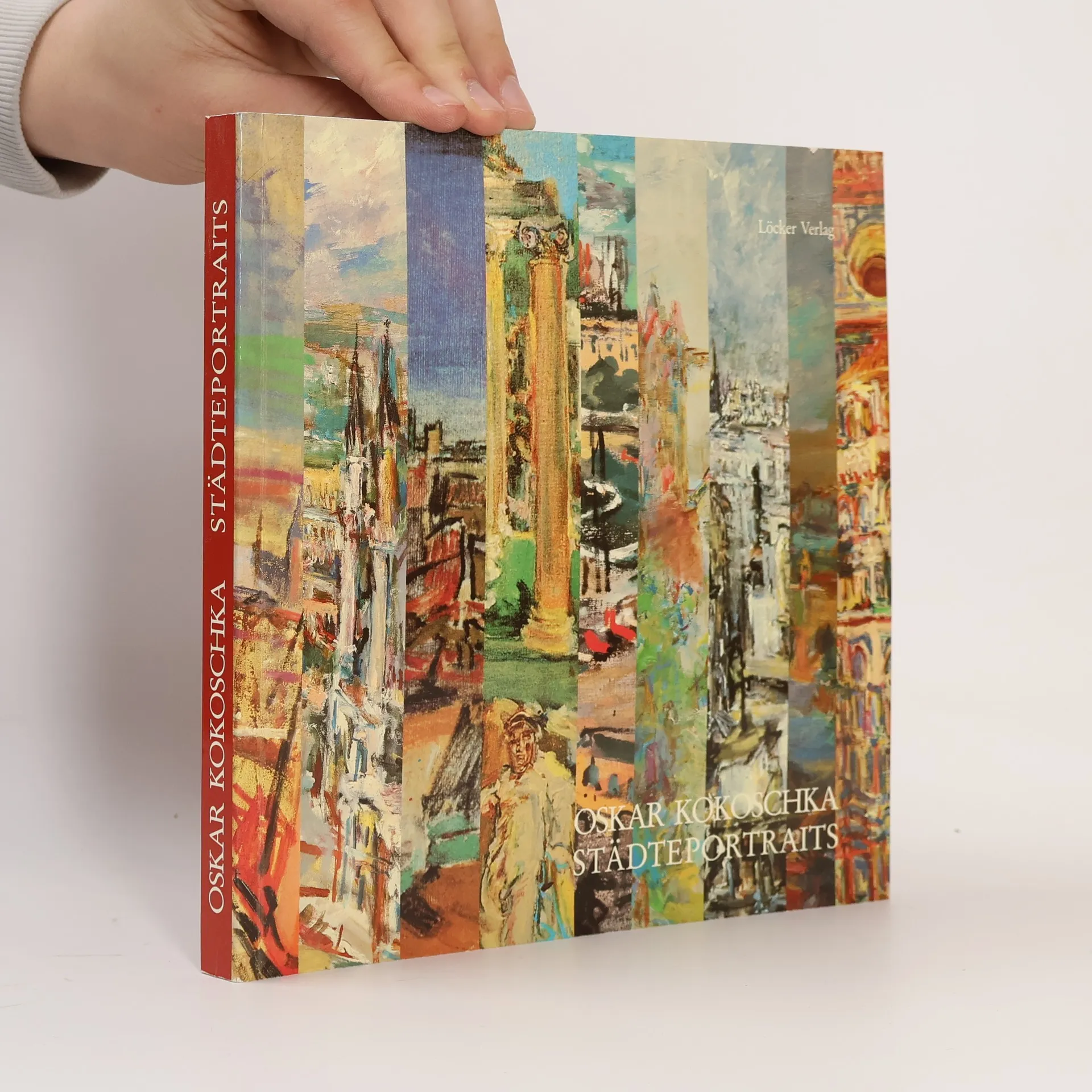
Städteportaits
- 212 pages
- 8 hours of reading
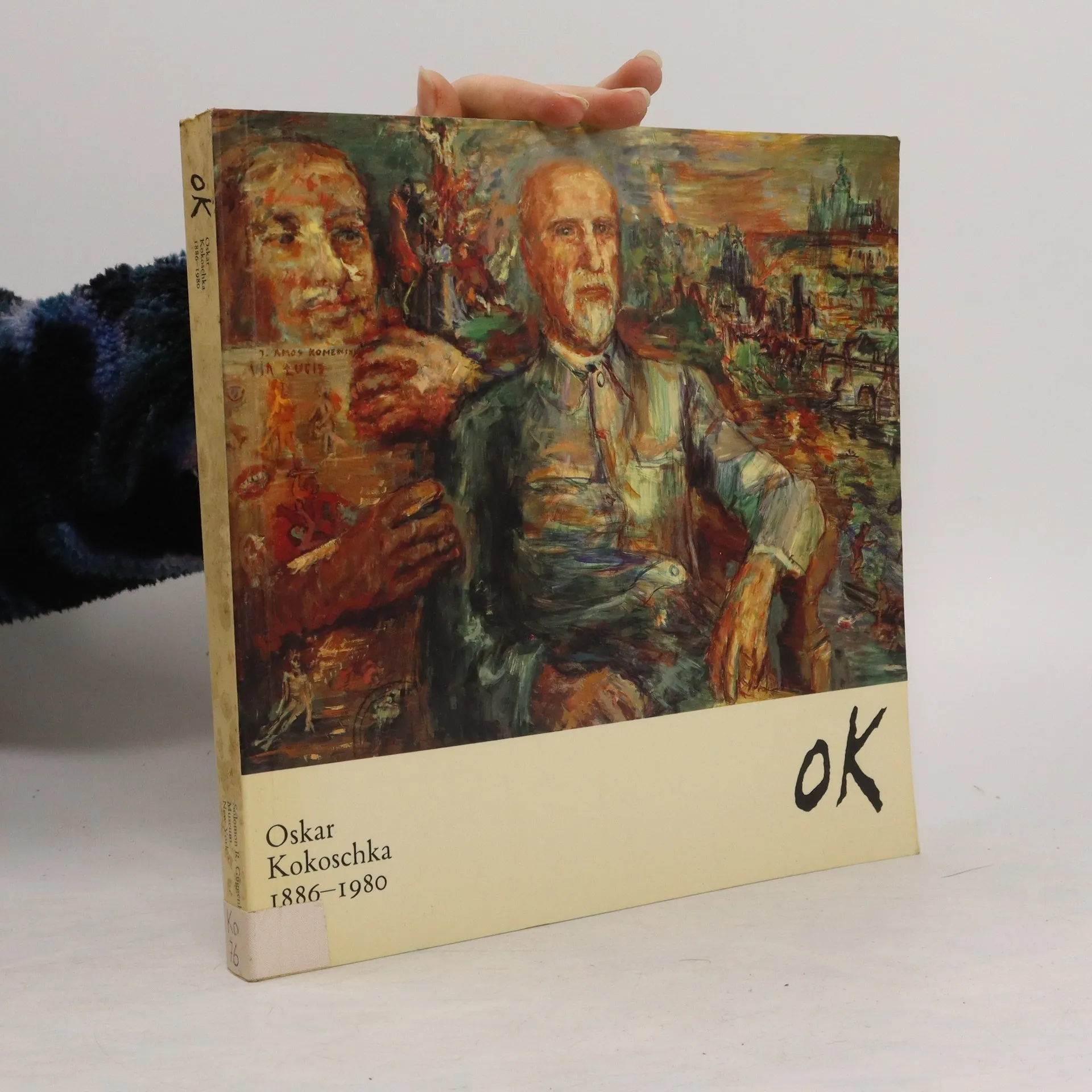
Oskar Kokoschka, 1886-1980
- 246 pages
- 9 hours of reading
Book by Richard Calvocoressi, Katharina Schulz
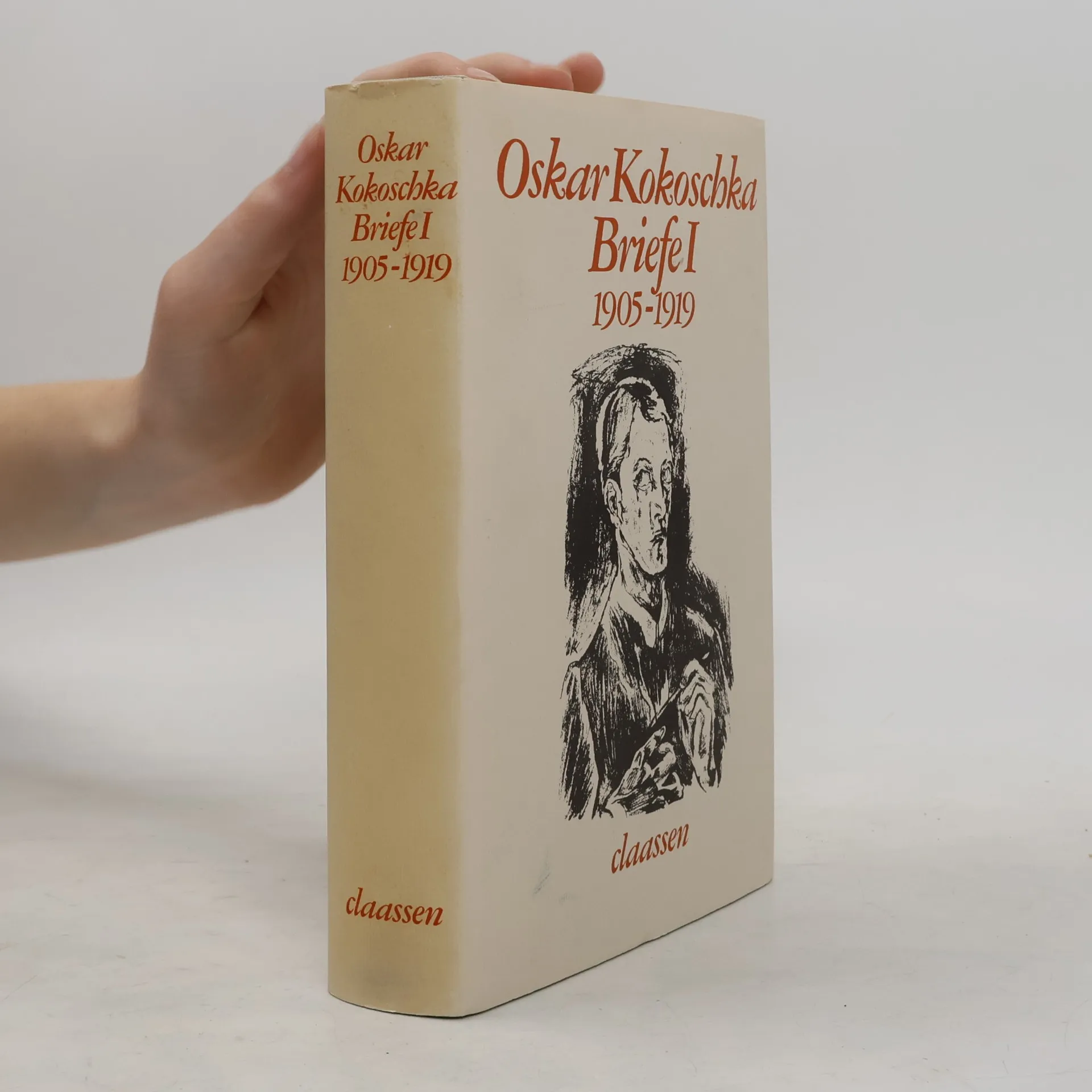
Briefe I
1905-1919
Kokoschka
- 64 pages
- 3 hours of reading
A major figure in the Expressionist movement, Oskar Kokoschka (1886-1980) studied in Vienna and was initially influenced by Art Nouveau, particularly Gustav Klimt's elegant style. Around 1909, he painted his first Expressionist portraits that reveal the emotional life of their subjects. The restless draftsmanship and broken color patterns in these works foreshadow his mature style, exemplified in paintings like Bride of the Wind from 1914. After being seriously wounded in World War I, Kokoschka produced little until 1924, when travels through Europe and North Africa revitalized his creativity. During this time, he experimented with color, particularly in landscapes that combined traditional spatial organization with vibrant colors and energetic brushwork. These visionary landscapes convey a passionate vision, oscillating between exhilaration and anguish. In the 1930s, the Nazi regime condemned his work as "degenerate," leading to the confiscation of his paintings from public collections. In 1938, he relocated to London, and later to Switzerland, where he spent much of his life. Kokoschka's late works maintain the Expressionist qualities of his earlier masterpieces, and while he never fully abandoned representation, their increasing abstraction hints at a connection to Abstract Expressionism.
This book explores the multifaceted artistic journey of Oskar Kokoschka, focusing on his early work from 1907 to 1916, his time in Dresden from 1916 to 1923, and his political involvement through city views and imagery from 1931 to 1953. It also delves into his late work from 1953 to 1973, highlighting the evolution of his style and thematic concerns. The essays provide insights into Kokoschka's innovative use of color and form, his engagement with social and political issues, and his unique perspective on the human condition. Through a collection of critical essays, the book offers a comprehensive overview of Kokoschka's contributions to modern art, emphasizing his significance as a painter and thinker. It includes bibliographical references and an index, making it a valuable resource for understanding Kokoschka's legacy and the broader context of his work.
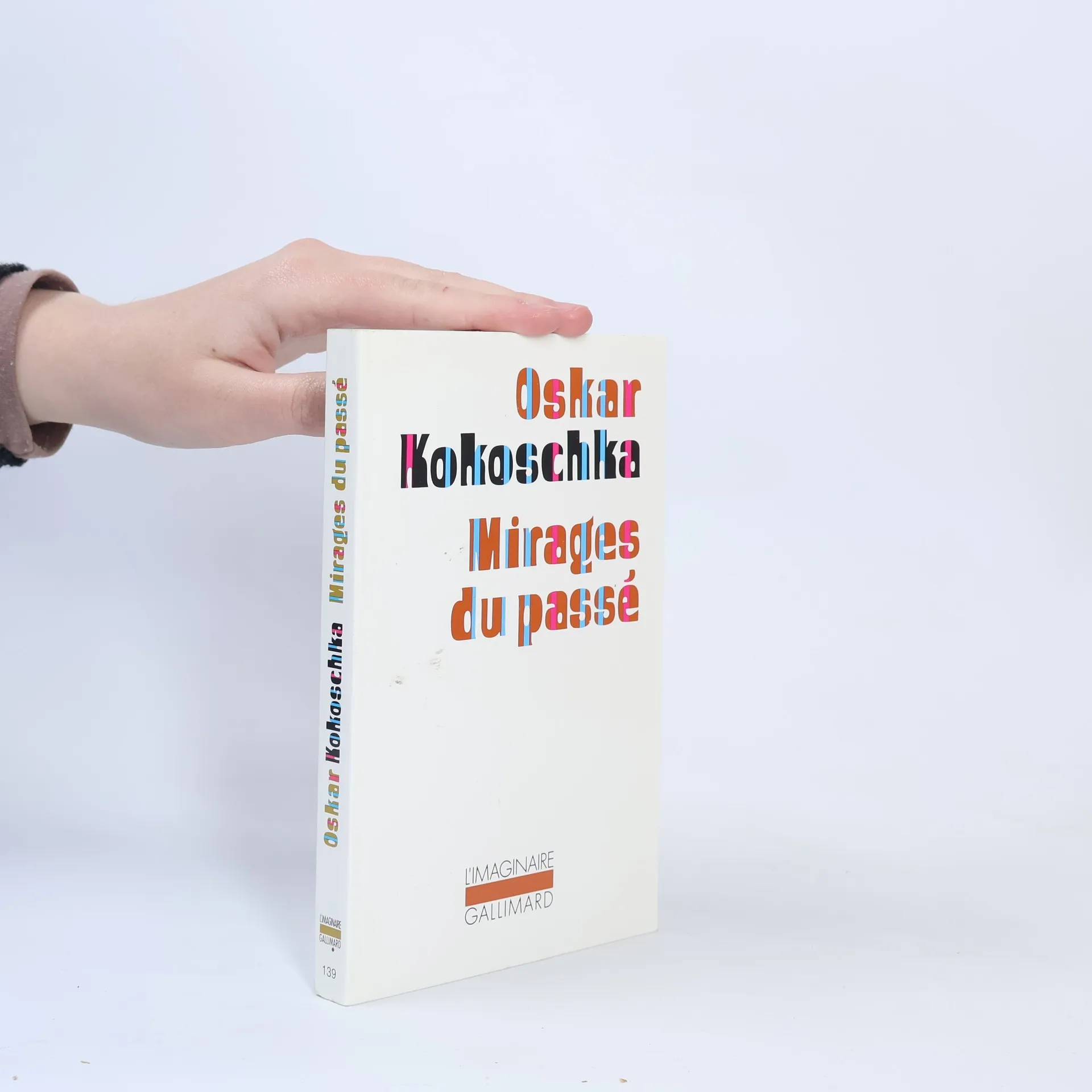
L'Imaginaire - 139: Mirages du passé
- 266 pages
- 10 hours of reading
Les cinq textes rassemblés dans ce recueil ont été écrits à diverses périodes de la vie de Kokoschka. Ils s'étendent des années agitées que le jeune peintre expressionniste passe à Berlin, à Vienne ou sur le front de l'Est pendant la Première Guerre mondiale, jusqu'aux épisodes de sa vie amoureuse et aventureuse à Chypre, en Afrique et ailleurs.Ses pensées, ses rêves, la description de mondes disparus - comme le milieu artiste de Vienne au temps de Mahler et de Rilke - sont mêlés à des portraits de personnages originaux, en particulier des femmes que Kokoschka a connues ou dont il a rêvé.Mais le personnage le plus original qui apparaît entre les lignes est encore l'auteur lui-même. Esprit curieux, doué d'une imagination féconde, dont l'oeuvre littéraire, inséparable de celle du peintre, est fortement marquée par l'expressionnisme.