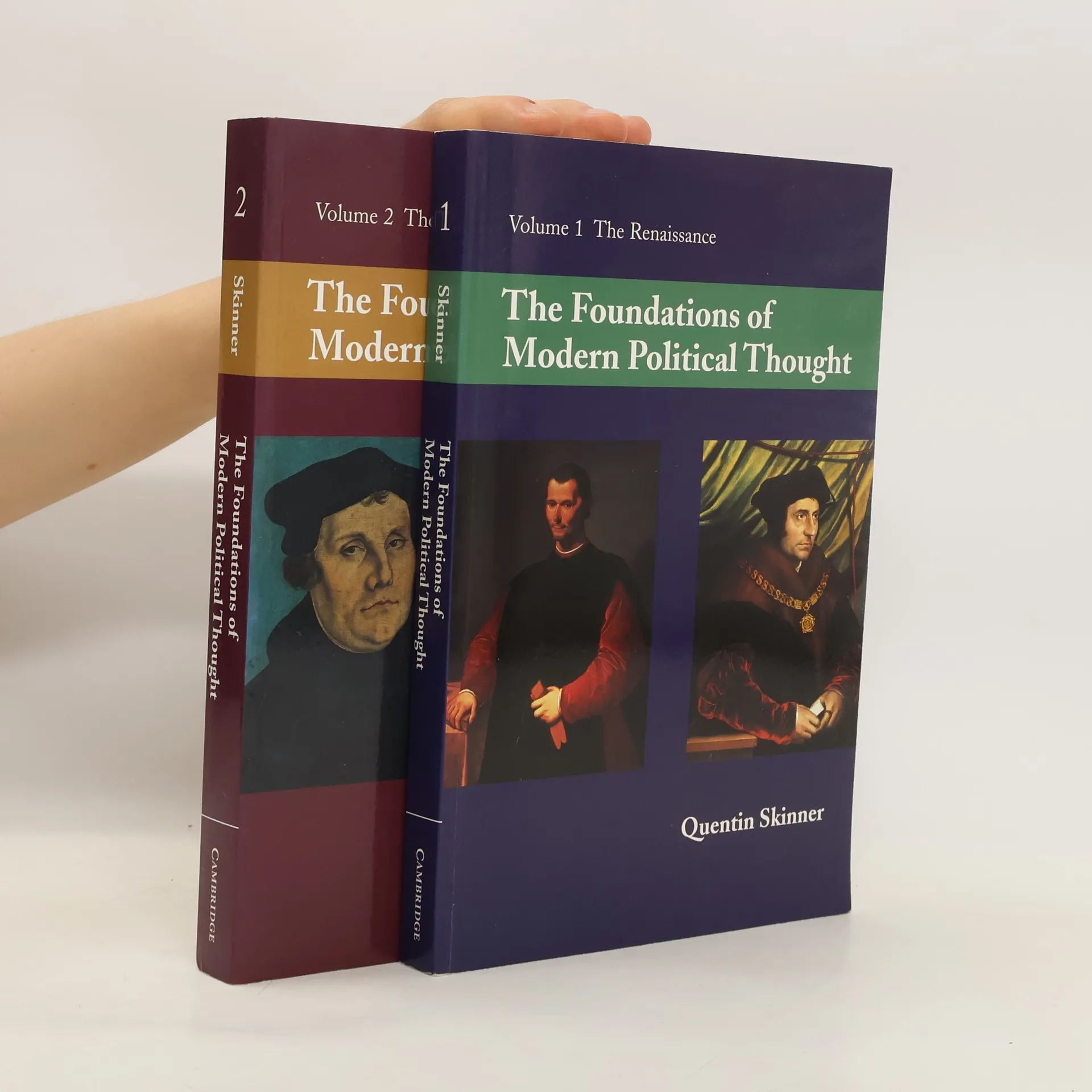
A two-volume study of political thought from the late thirteenth to the end of the sixteenth century.
Quentin Skinner Books
November 26, 1940
Quentin Skinner stands as a leading historian of political thought, whose work delves into the modern concept of the state. He is recognized as a principal figure of the influential 'Cambridge School,' known for its focus on the 'languages' of political discourse. His significant scholarship explores the evolution of the state from the Renaissance through the Reformation, emphasizing the historical contexts and linguistic frameworks that shaped political ideas. Skinner's approach highlights how the meanings of political concepts have been constructed and transformed over time.


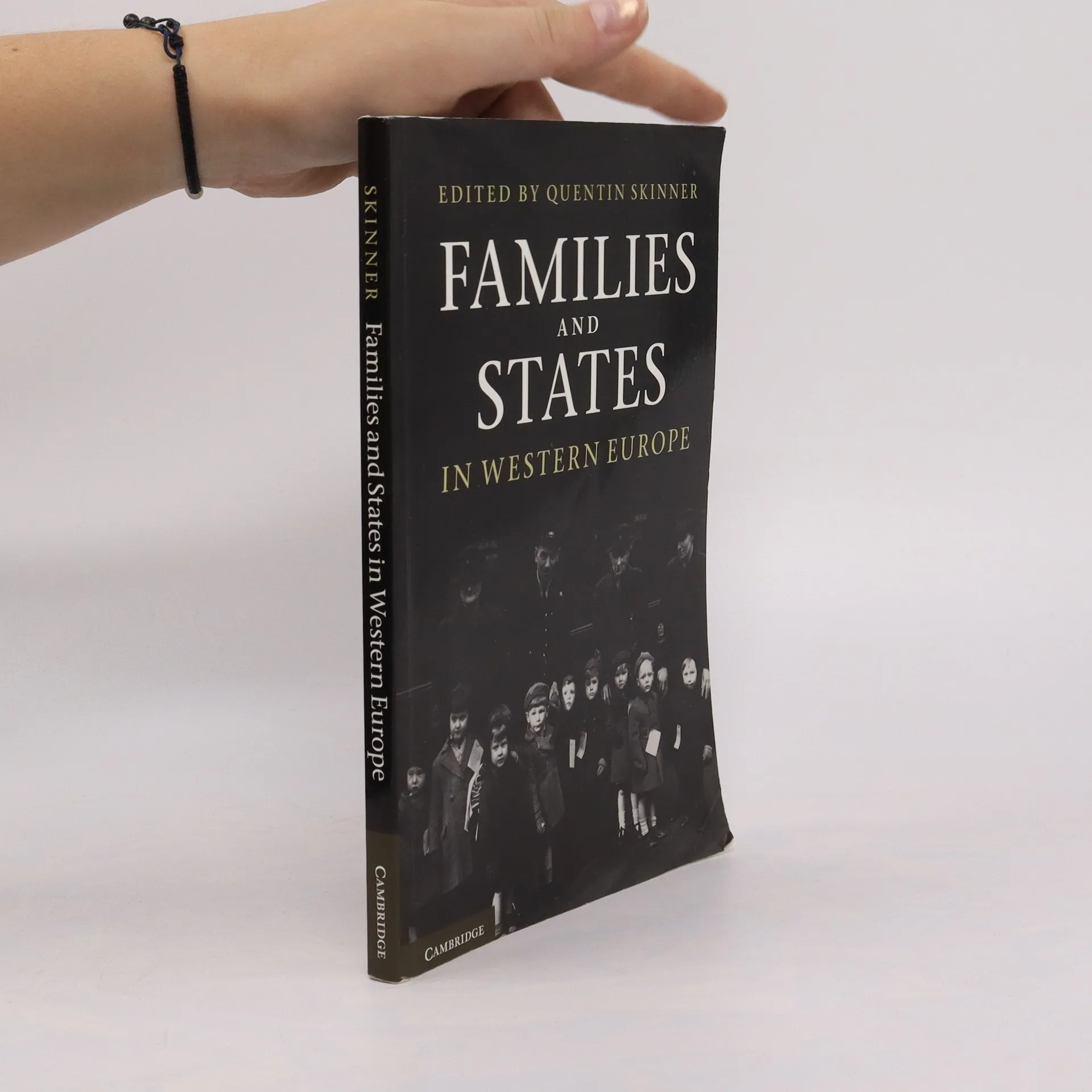
This collection of essays traces the relationship between families and states in the major countries of Western Europe since 1945, examining the power of states to shape family life and the capacity of families to influence states. Written by an exceptionally distinguished team of scholars, Families and States in Western Europe follows many narratives, allowing comparisons to be drawn between different countries. The essays point to numerous convergences, illustrating how states have coped with common problems arising at the level of family life, and exploring issues such as secularism, the pressure of multiculturalist demands and the growing rejection of welfare state principles. Families and States in Western Europe will be of interest to anyone analysing relations between civil society and the modern democratic state, and the place of the family within this relationship. This collection makes a significant contribution to current political theory and to our understanding of European family life in its many different forms.
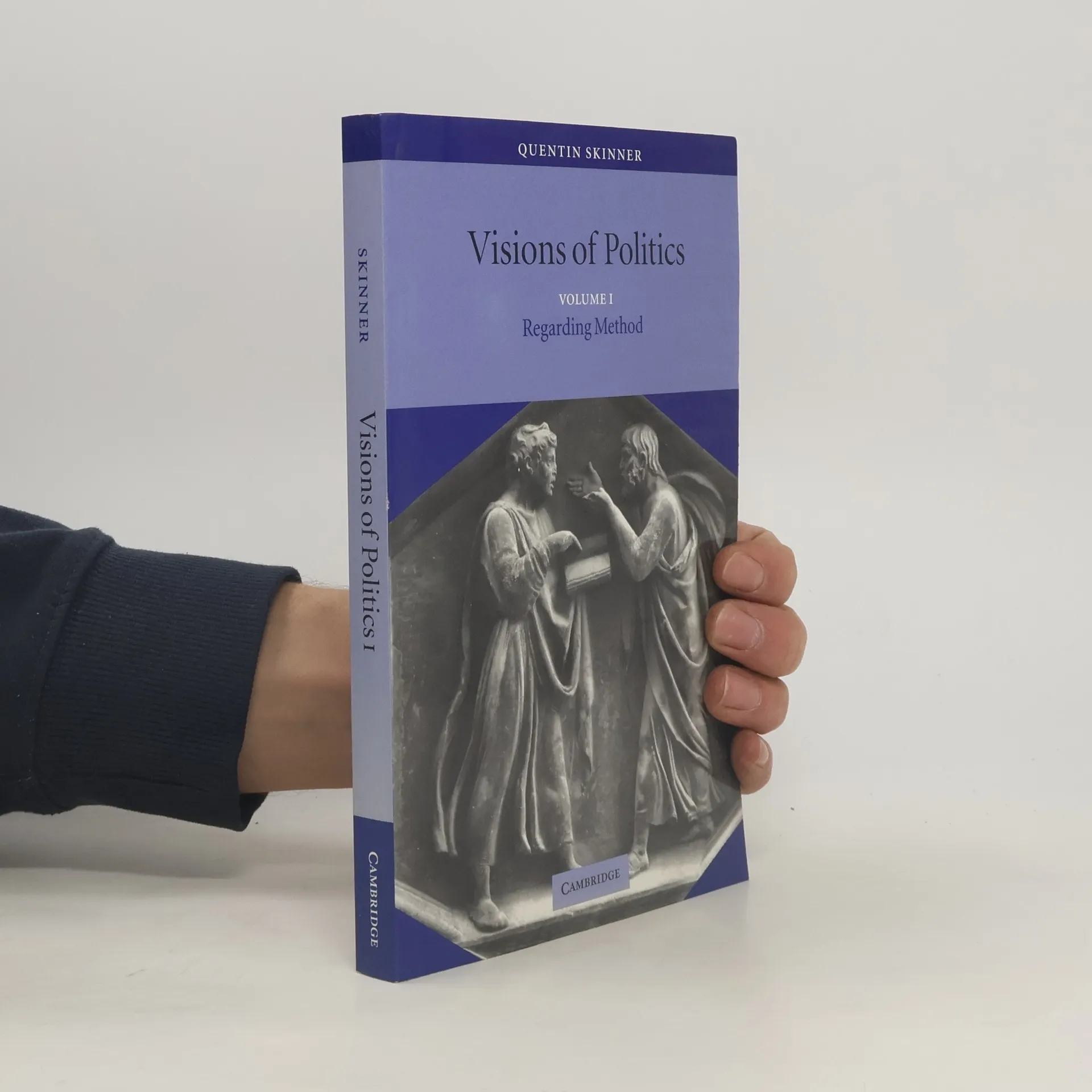
The first of three volumes of essays by Quentin Skinner, one of the world's leading intellectual historians. This collection includes some of his most important philosophical and methodological statements written over the past four decades, each of which has been carefully revised for publication in this form.
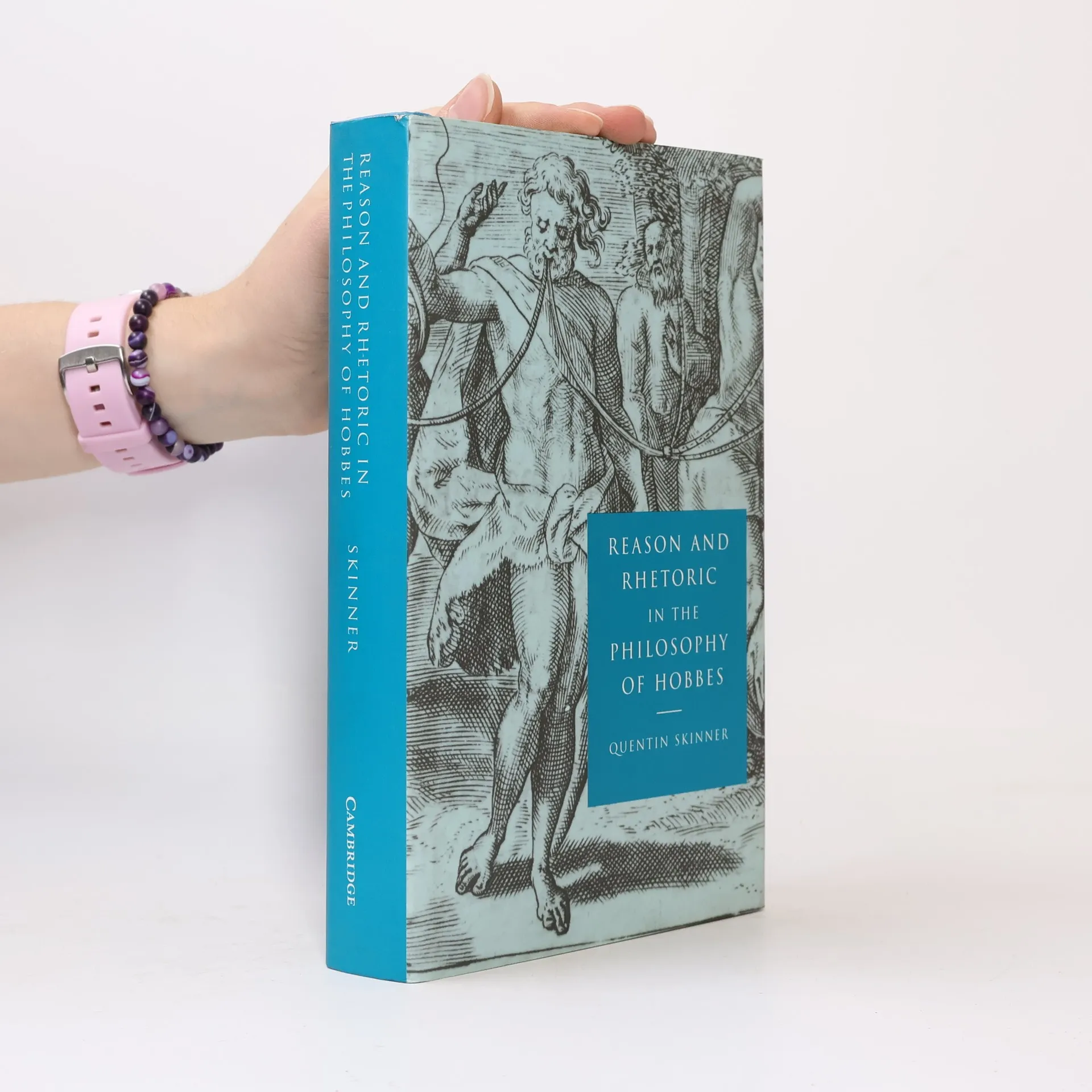
Reason and Rhetoric in the Philosophy of Hobbes
- 494 pages
- 18 hours of reading
Quentin Skinner offers a comprehensive reexamination of Hobbes' political theory, utilizing both manuscript and printed sources to unveil a new perspective on his intellectual evolution. The work highlights the transition from humanist to scientific thought in European moral and political philosophy. By contextualizing Hobbes' ideas within the framework of his humanist education, Skinner aims to reintegrate this complex philosopher into broader intellectual discussions, challenging the perception of his isolation in political theory.
This extended essay by one of the world's leading historians seeks, in its first part, to excavate and vindicate the neo-Roman theory of free citizens and free states as it developed in early modern Britain. This analysis leads to a powerful defense of the nature, purposes and goals of intellectual history and the history of ideas. In this concise yet powerful account, derived from his inaugural lecture as Regius Professor at Cambridge, Quentin Skinner provides one of the most substantial statements yet made about the importance, relevance and excitement of this form of historical enquiry.
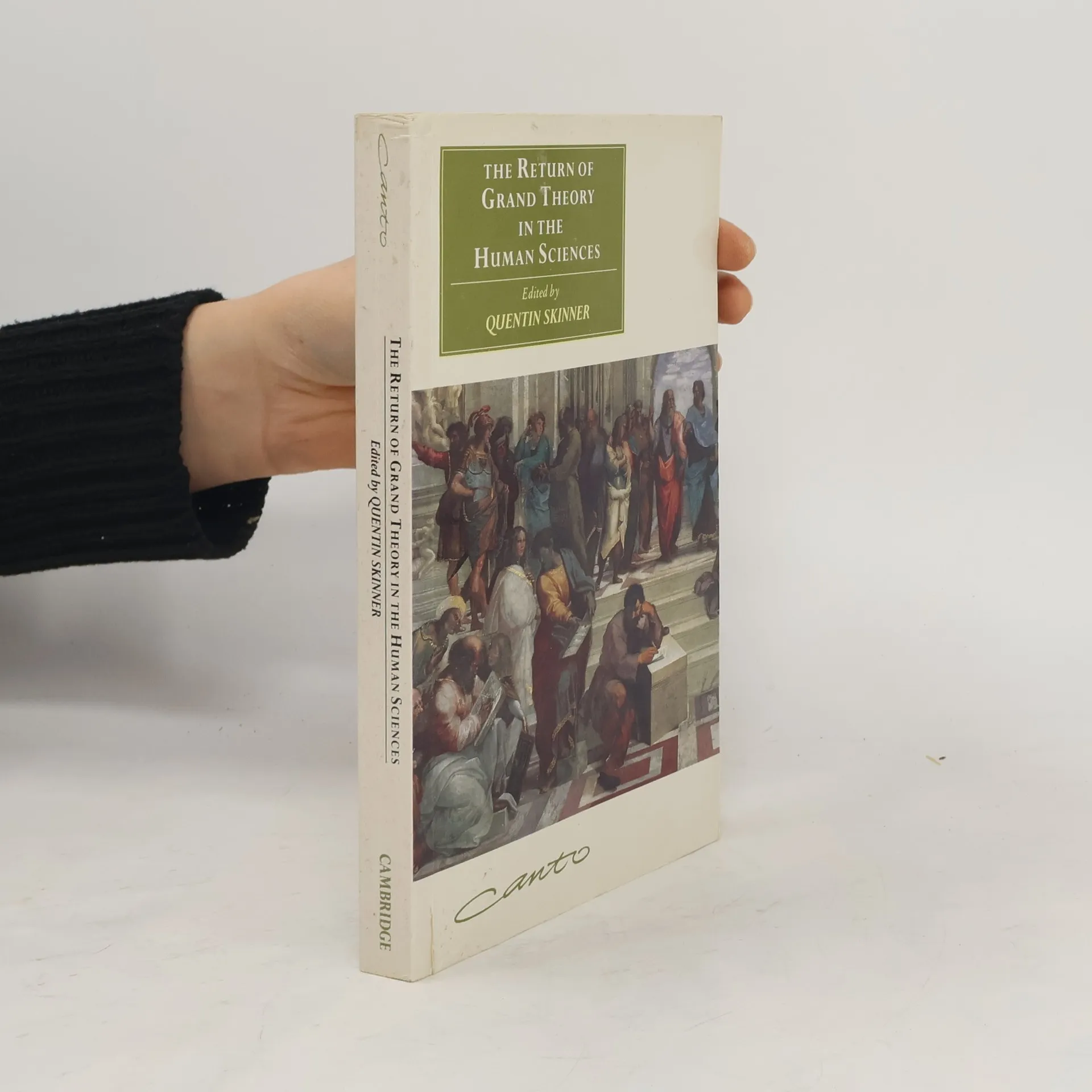
The Return of Grand Theory in the Human Sciences
- 223 pages
- 8 hours of reading
The past quarter of a century has seen dramatic developments in social and political thought. These essays offer an indispensable introduction to some of the most influential amongst them. Quentin Skinner's Introduction traces broad transformations such as the erosion of empiricist assumptions and the undermining of the positivist ideal of the unification of the sciences by the impact of foreign traditions on English-speaking social science. The essays themselves discuss major figures such as Gadamer, Derrida, Foucault, Habermas, Althusser and Levi-Strauss, giving valuably lucid introductory studies of some difficult but unquestionably major thinkers of our time. Professor Skinner has been awarded the Balzan Prize Life Time Achievement Award for Political Thought, History and Theory. Full details of this award can be found at
Quentin Skinner focuses on three major works, The Prince, the Discourses, and The History of Florence, and distils from them an introduction to Machiavelli's doctrines of exemplary clarity.
Visionen des Politischen
- 322 pages
- 12 hours of reading
Quentin Skinner ist einer der profiliertesten Historiker der Gegenwart und führender Kopf der »Cambridge School of Intellectual History«. Seine Neubegründung der Ideengeschichte auf der Grundlage der Sprachphilosophie Wittgensteins und der Sprechakttheorie Austins sowie seine daran geschulte Auseinandersetzung mit Klassikern des politischen Denkens sind international breit rezipiert worden und bilden eine höchst originelle Alternative zu der hierzulande vorherrschenden theorie- und begriffsgeschichtlich ausgerichteten Historiographie und politischen Philosophie. Der Band macht repräsentative Beiträge Skinners aus dessen dreibändiger Sammlung Visions of Politics, die das ganze Spektrum seines Forschungsansatzes abdecken, erstmals in deutscher Übersetzung zugänglich. Ein Nachwort der Herausgeber führt in das Denken Quentin Skinners ein.
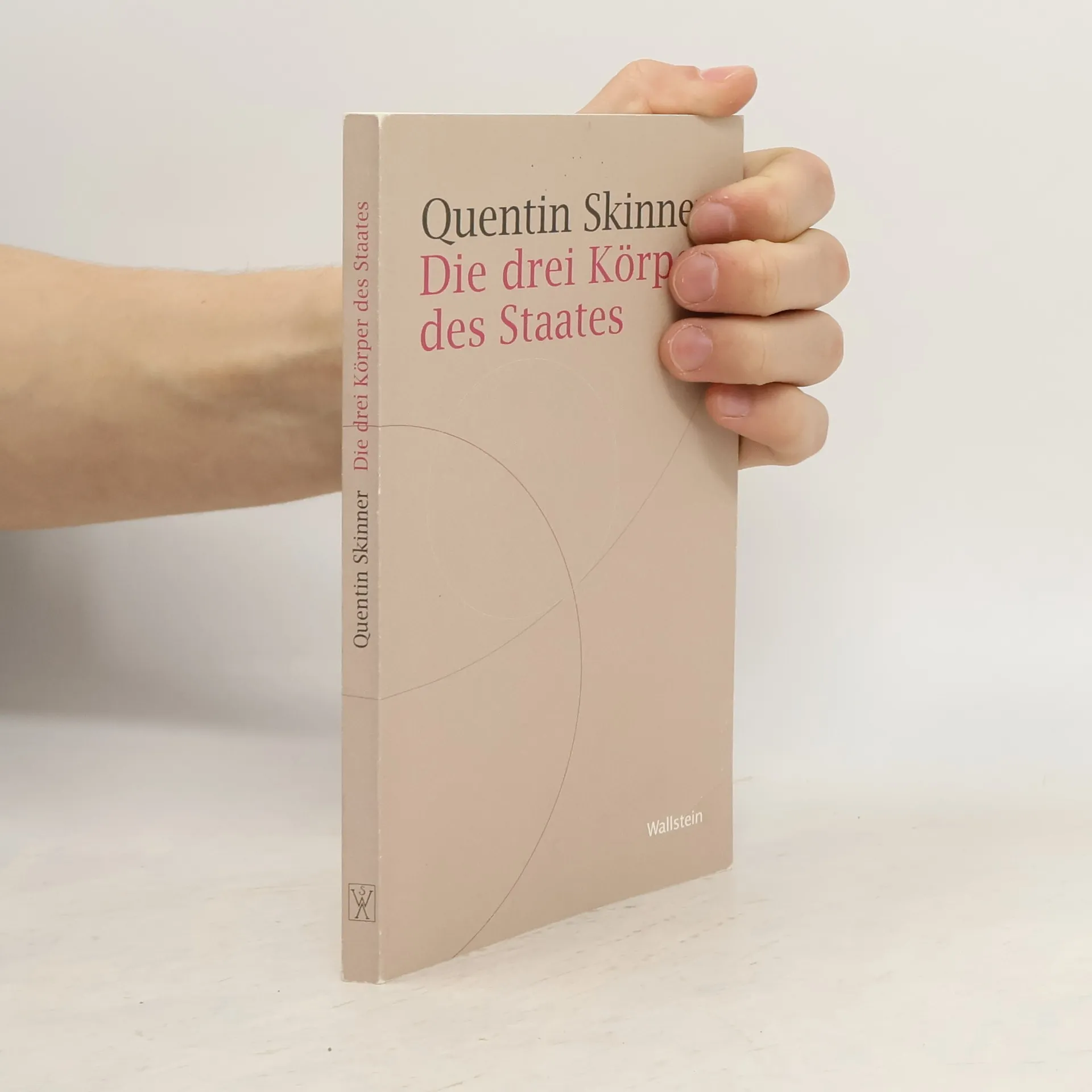
Ein Essay über die Geschichte der Vorstellungen vom Staat.
O státě
- 119 pages
- 5 hours of reading
Záměrem Skinnerových úvah je nastínit historické okolnosti, za nichž se zrodila změna v pojetí státu. Autor sleduje výskyt a způsob užití slova „stát“ v dílech pozdně středověkých, renesančních a raně novověkých autorů. Ukazuje, že jednoznačně moderní pojem státu je přítomno až u autorů konzervativního a absolutistického smýšlení. Jde především o Hobbese, jenž vypracovává pojetí státu jako mocenské entity nezávislé jak na osobě vládce, tak na celku občanů.