

Explore the latest books of this year!
Bookbot

Perry Anderson

    September 11, 1938

    Perry Anderson is an English Marxist intellectual and historian renowned for his incisive examinations of historical and political trajectories. His work often delves into the intricate relationship between theory and practice, particularly within the context of left-wing thought. Anderson gained prominence through his engagement in intellectual debates, challenging various Marxist approaches and their historical applications. His style is marked by analytical depth and a broad scope, establishing him as an influential figure in contemporary intellectual discourse.

    The Antinomies of Antonio Gramsci
    Spectrum: From Right to Left in the World of Ideas
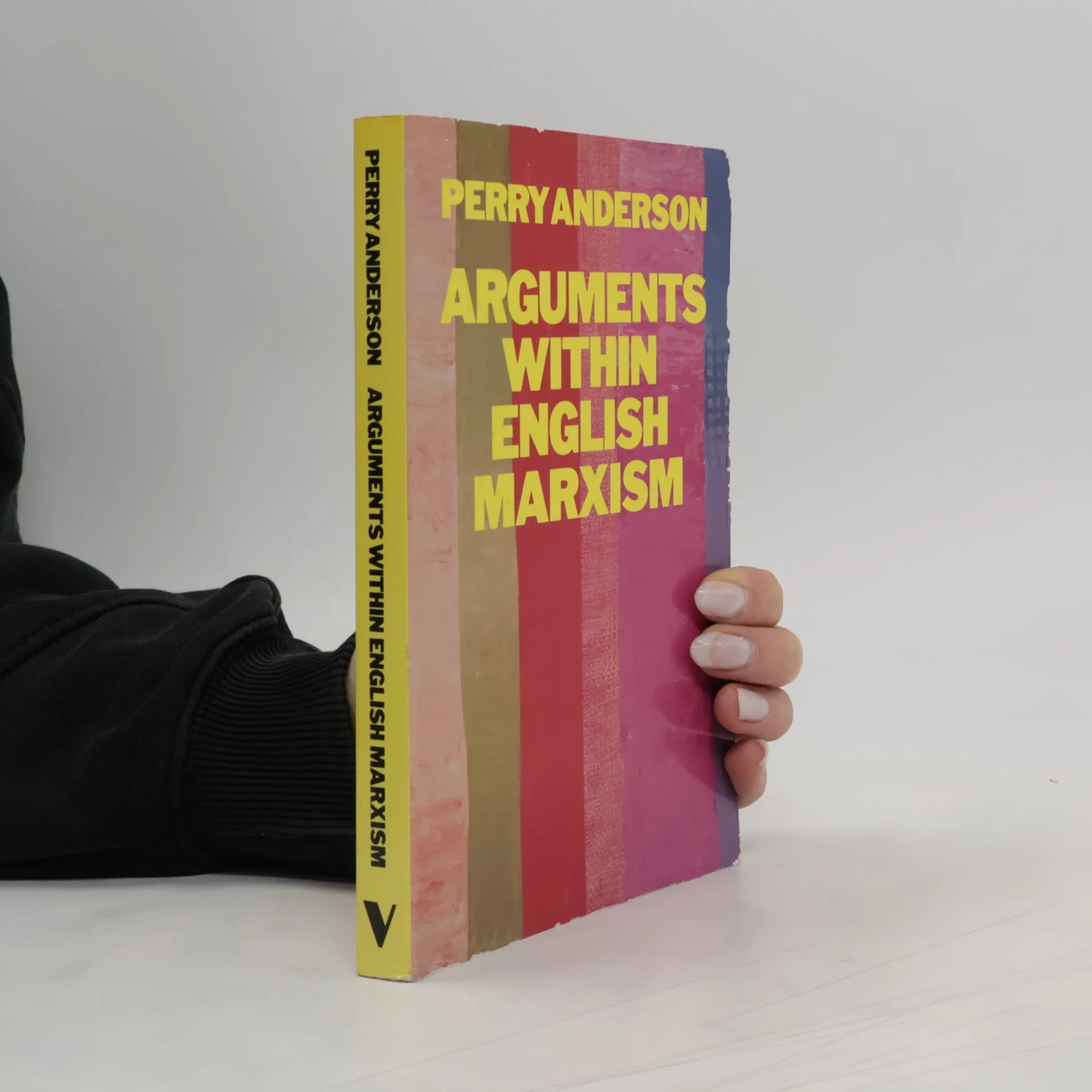
    Lineages of the Absolutist State
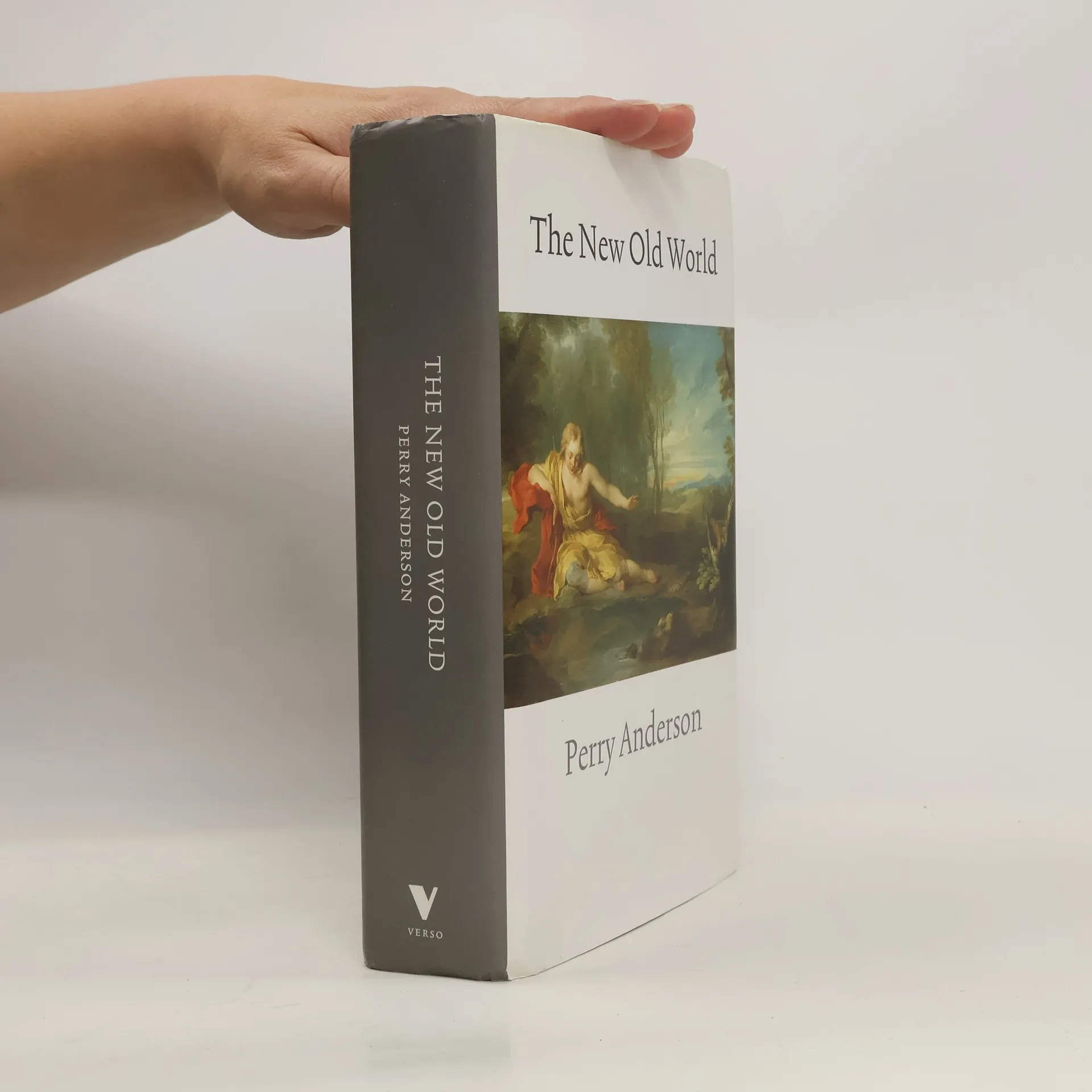
    The New Old World
    Disputing Disaster
    The H-Word: The Peripeteia of Hegemony
    • The H-Word: The Peripeteia of Hegemony

      • 208 pages
      • 8 hours of reading

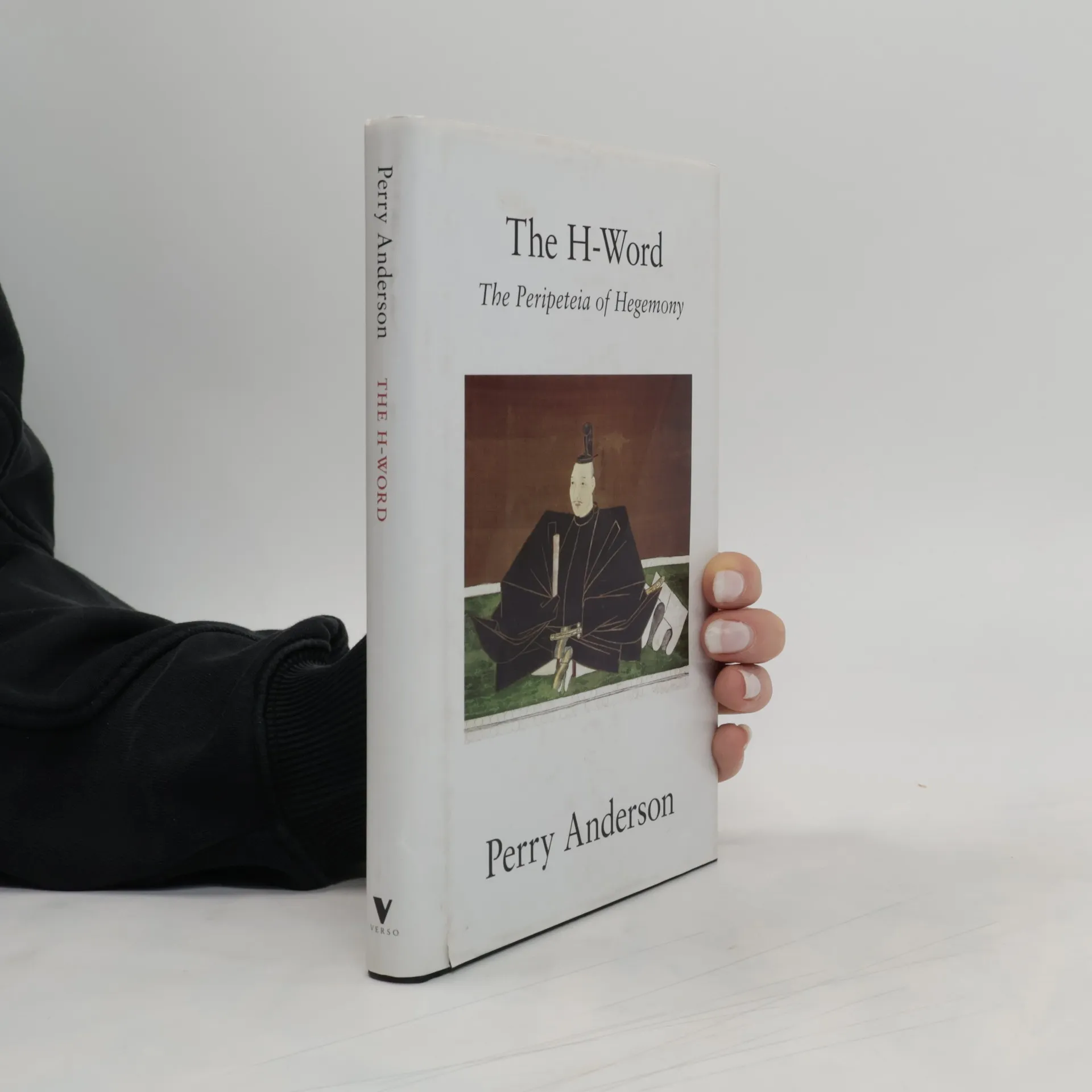
      Exploring the evolution of political theory, this book delves into the concept of hegemony, examining its implications in various historical contexts. It analyzes key figures and their contributions to the understanding of power dynamics and dominance in society. By tracing the development of hegemonic theory, the author reveals its relevance to contemporary political discourse and challenges, making it an essential read for those interested in political science and history.

      The H-Word: The Peripeteia of Hegemony
      4.5
    • Disputing Disaster

      A Sextet on the Great War

      • 400 pages
      • 14 hours of reading

      Focusing on six prominent historians, this book offers an insightful exploration of their contributions to the understanding of the First World War. It delves into their unique perspectives, methodologies, and the impact of their work on the field of history. Through engaging narratives, readers will gain a deeper appreciation for the complexities of the war and how these historians have shaped contemporary views on its significance.

      Disputing Disaster
      4.4
    • The New Old World

      • 561 pages
      • 20 hours of reading

      A magisterial analysis of Europe's development since the end of the Cold War.The New Old World looks at the history of the European Union, the core continental countries within it, and the issue of its further expansion into Asia. It opens with a consideration of the origins and outcomes of European integration since the Second World War, and how today's EU has been theorized across a range of contemporary disciplines. It then moves to more detailed accounts of political and cultural developments in the three principal states of the original Common Market—France, Germany and Italy. A third section explores the interrelated histories of Cyprus and Turkey that pose a leading geopolitical challenge to the Community. The book ends by tracing ideas of European unity from the Enlightenment to the present, and their bearing on the future of the Union. The New Old World offers a critical portrait of a continent now increasingly hailed as a moral and political example to the world at large.
      The New Old World
      4.3
    • Lineages of the Absolutist State

      • 576 pages
      • 21 hours of reading

      The book explores the transition from feudalism to absolutist states in early modern Europe, examining the political and social dynamics in both Eastern and Western regions. It delves into the historical context that shaped these developments, highlighting the contrasts and similarities in governance and power structures during this transformative period.

      Lineages of the Absolutist State
      4.2
    • Exploring the spectrum of political thought, this book delves into the evolution of ideas from conservative to progressive perspectives. It examines how various ideologies shape societal values and influence contemporary debates. Through a critical analysis of key thinkers and movements, the narrative highlights the dynamic interplay between right and left, offering readers insights into the complexities of modern ideological conflicts. The subtitle emphasizes the journey through diverse viewpoints, encouraging a deeper understanding of the world of ideas.

      Spectrum: From Right to Left in the World of Ideas
      4.0
    • The Antinomies of Antonio Gramsci

      • 192 pages
      • 7 hours of reading

      A major essay on the thought of the great Italian Marxist Perry Anderson's essay The Antimonies of Antonio Gramsci, first published in New Left Review in 1976, was an explosive analysis of the central strategic concepts in the thought of the great Italian Marxist. Since then it has been the subject of book-length attacks across four decades for its disentangling of the hesitations and contradictions in Gramsci's highly original usage of such key dichotomies as East and West, domination and direction, hegemony and dictatorship, state and civil society, and war of position and war of movement. In a critical tribute to the international richness of Gramsci's work, the essay shows how deeply embedded these notions were in the revolutionary debates in Tsarist Russia and Wilhelmine Germany. Here arguments crisscrossed between Plekhanov, Lenin, Kautsky, Luxemburg, Lukács and Trotsky, with later echoes in Brecht and Benjamin. A new preface considers the objections the essay provoked and the reasons for them. This edition also includes the first English translation of Athos Lisa's report on Gramsci's lectures in prison.

      The Antinomies of Antonio Gramsci
      3.9
    • New expanded edition of landmark text by world's leading Marxist scholar, with reply to critics and postscript on Modi's India

      The Indian Ideology
      3.8
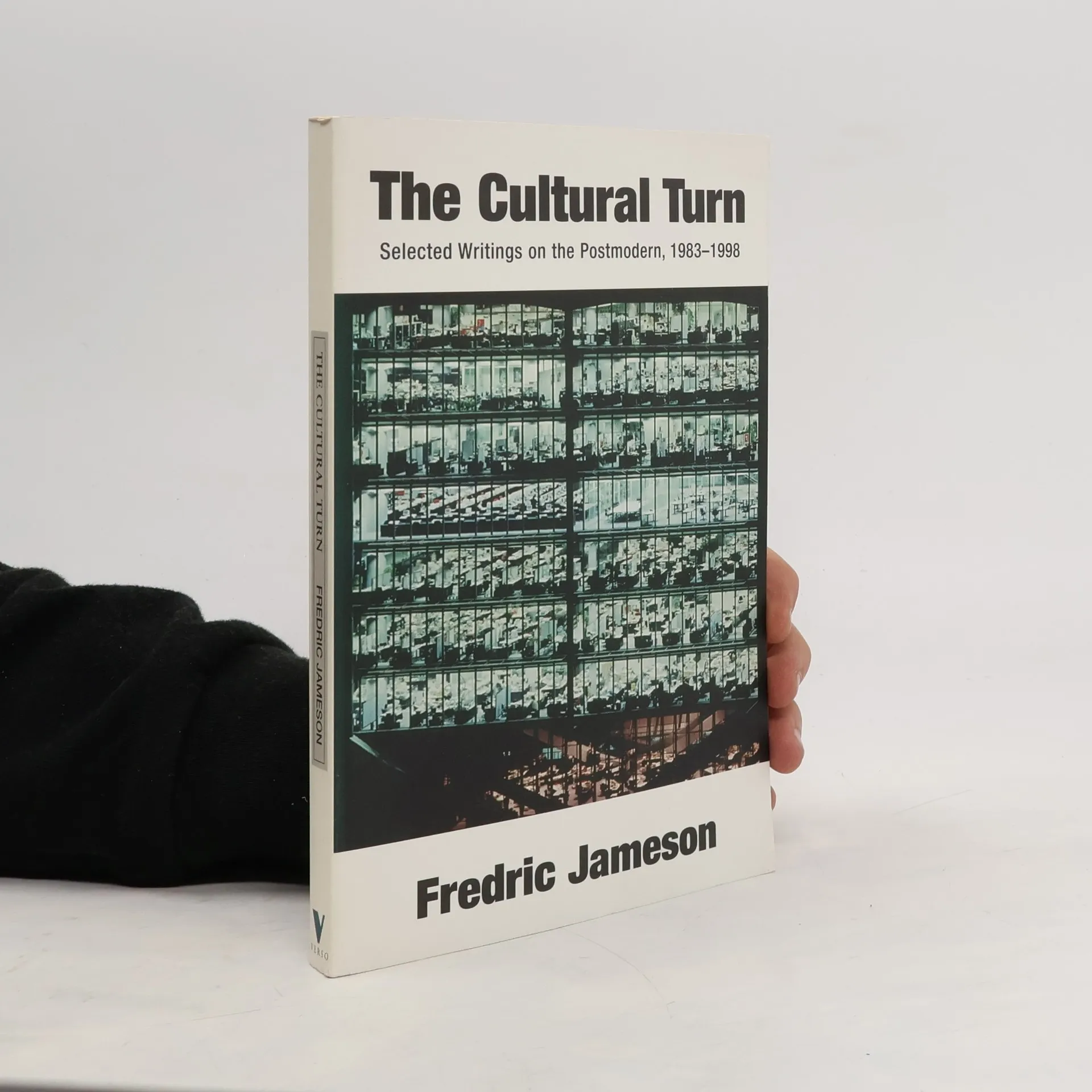
    • The Cultural Turn

      Selected Writings on the Postmodern, 1983-1998

      • 224 pages
      • 8 hours of reading

      Fredric Jameson, a leading voice on the subject of postmodernism, assembles his most powerful writings on the culture of late capitalism in this essential volume. Classic insights on pastiche, nostalgia, and architecture stand alongside essays on the status of history, theory, Marxism, and the subject in an age propelled by finance capital and endless spectacle. Surveying the debates that blazed up around his earlier essays, Jameson responds to critics and maps out the theoretical positions of postmodernism’s prominent friends and foes.Fredric Jameson has had an immense impact on our understanding of postmodernism. However, until now, his key writings on the subject have been unavailable in an accessible and affordable form. This book is designed as a short and convenient introduction to Jameson's thought for both the student and the general reader.

      The Cultural Turn
      4.0
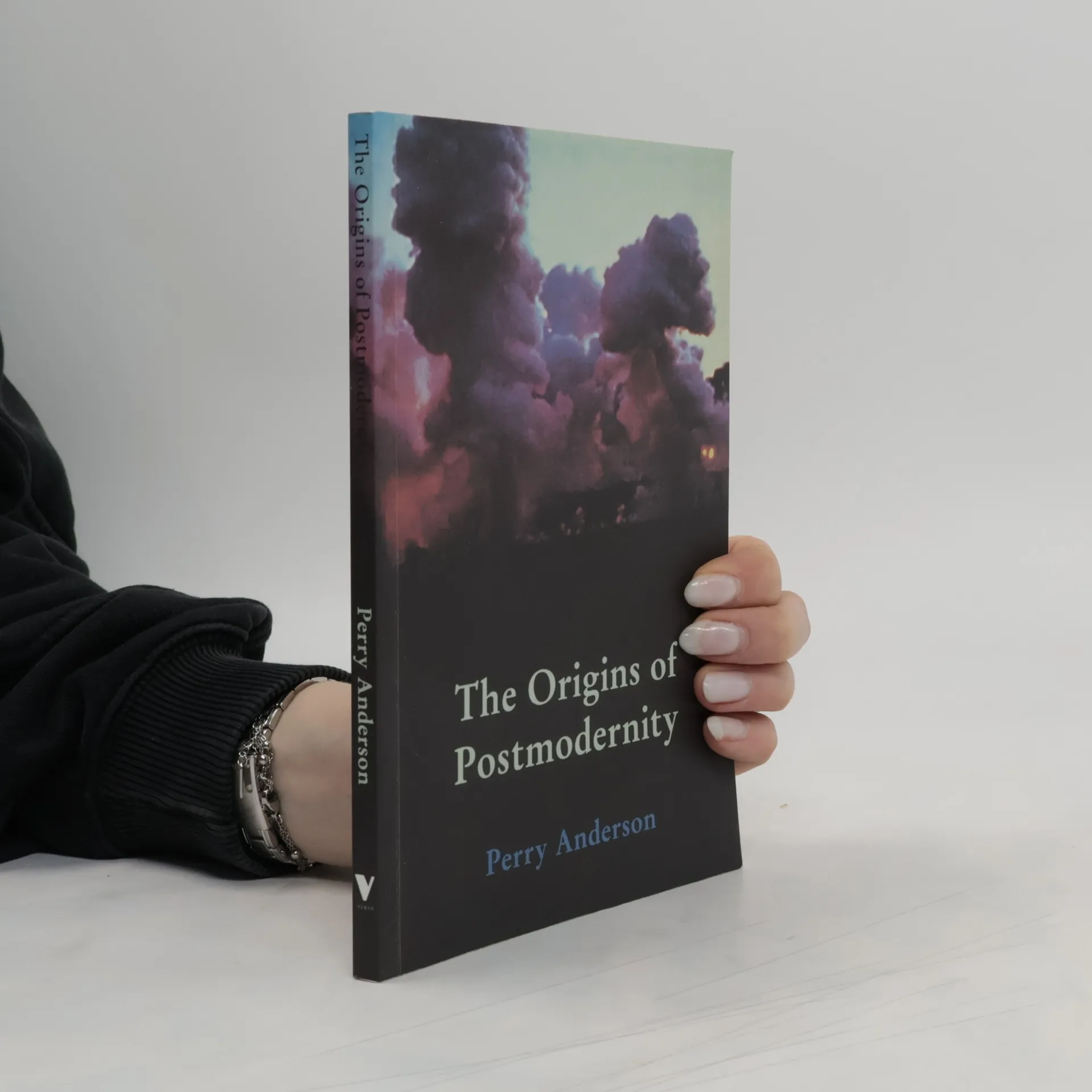
    • Traces the genesis, consolidation and consequences of the postmodern idea. Beginning in the Hispanic world of the 1930s, the text takes the reader through to the 70s, when Lyotard and Habermas gave the idea of postmodernism wider currency and finally the 90s, with the work of Fredric Jameson.

      The Origins of Postmodernity
      3.9
    • Ever Closer Union?

      • 272 pages
      • 10 hours of reading

      How to theorise the European UnionThe European Union is a political order of peculiar stamp and continental scope, its polity of 446 million the third largest on the planet, though with famously little purchase on the conduct of its representatives. Sixty years after the founding treaty, what sort of structure has crystallised, and does the promise of ever closer union still obtain?Against the self-image of the bloc, Perry Anderson poses the historical record of its assembly. He traces the wider arc of European history, from First World War to Eurozone crisis, the hegemony of Versailles to that of Maastricht, and casts the work of the EU’s leading contemporary analysts—both independent critics and court philosophers—in older traditions of political thought. Are there likenesses to the age of Metternich, lessons in statecraft from that of Machiavelli?An excursus on the UK’s jarring departure from the Union considers the responses it has met with inside the country’s intelligentsia, from the contrite to the incandescent. How do Brussels and Westminster compare as constitutional forms? Differently put, which could be said to be worse?

      Ever Closer Union?
      3.8
    • The H-Word

      • 208 pages
      • 8 hours of reading

      A fascinating history of the political theory of hegemony Few terms are so widely used in the literature of international relations and political science, with so little agreement about their exact meaning, as hegemony. In the first full historical study of its fortunes as a concept, Perry Anderson traces its emergence in Ancient Greece and its rediscovery during the upheavals of 1848–1849 in Germany. He then follows its checkered career in revolutionary Russia, fascist Italy, Cold War America, Gaullist France, Thatcher’s Britain, post-colonial India, feudal Japan, Maoist China, eventually arriving at the world of Merkel and May, Bush and Obama. The result is a surprising and fascinating expedition into global intellectual history, ending with reflections on the contemporary political landscape.

      The H-Word
      3.7
    • An exploration of Marcel Proust and Anthony Powell's greatest literary achievements. There are few writers about whom opinions diverge so widely as Anthony Powell, whose Dance to the Music of Time sequence is one of the most ambitious literary constructions in the English language. In Different Speeds, Same Furies, Perry Anderson measures Powell’s achievement against Marcel Proust’s celebrated In Search of Lost Time. The literature on Dance is a drop in the ocean compared to that on Proust. Yet in construction of plot and depiction of character, Anderson ranks Powell above him. How much do particular advantages of this kind matter, and why is Powell an odd man out in English letters? At once so similar and dissimilar, the intricate retrospectives of the two novelists on bohemia and Society, upbringing and mortality, relationships and personality, invite interrelated judgements. The closing chapters of Different Speeds, Same Furies reach beyond their handlings of time to chart the historical novel from Waverley to Underworld, and the breakthrough in epistolatory fiction of Montesquieu’s Persian Letters, held together by what its author described as ‘a secret chain which remains, as it were, invisible’.

      Different Speeds, Same Furies
    • Über den westlichen Marxismus

      • 151 pages
      • 6 hours of reading

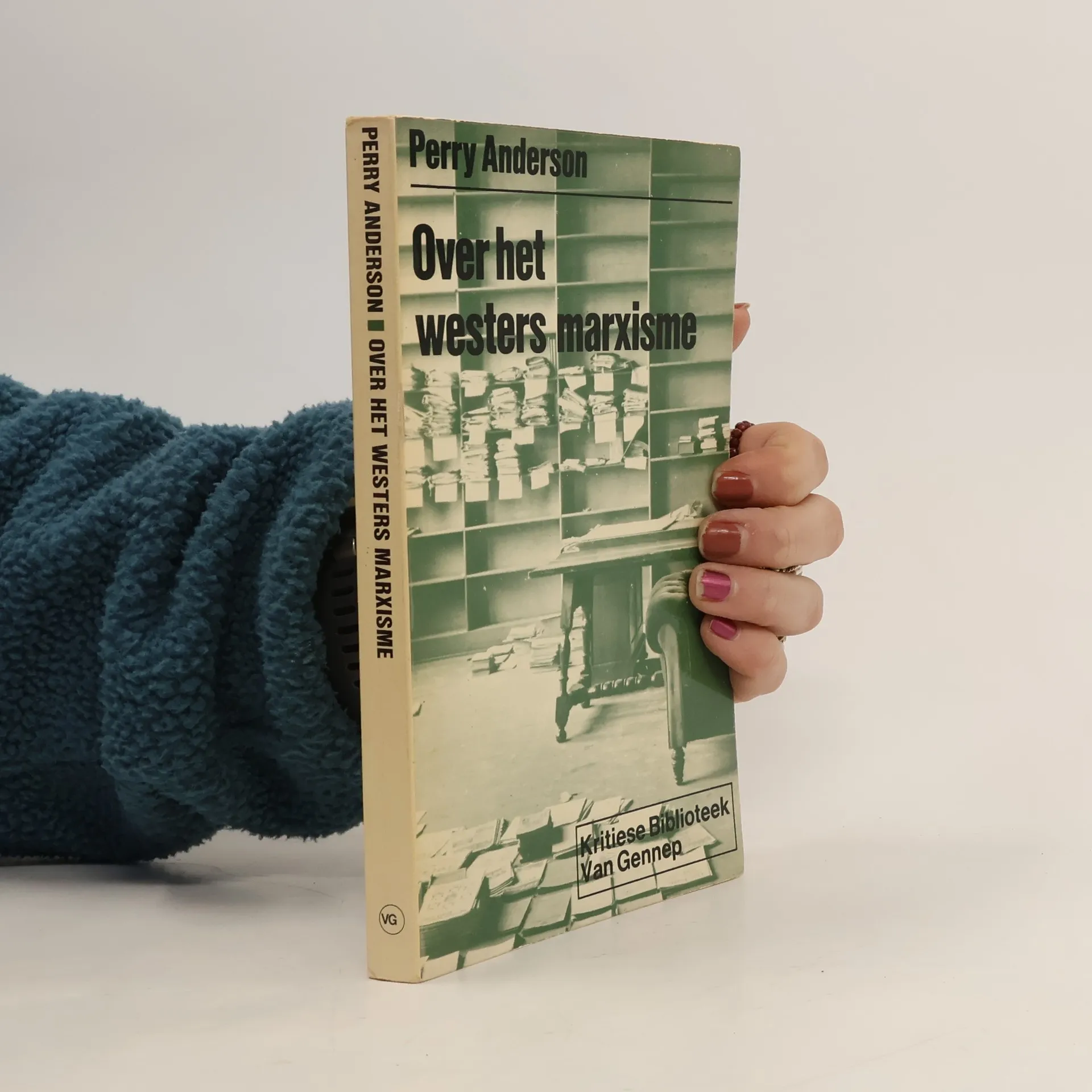
      Perry Anderson, einer der wichtigsten Protagonisten der intellektuellen Neuen Linken im Großbritannien der 1960er- und 1970er-Jahre, zeitigte mit seinem Buch »Considerations on Western Marxism« (1978) auch über die Grenzen der angelsächsischen Welt hinaus große Wirkung. Darin prägte er den Begriff »Westlicher Marxismus«, der für ihn mit Lukàcs, Korsch und Gramsci ab den 1920er-Jahren begann und zu denen er auch die wichtigsten Vertreter der Frankfurter Schule zählte: Adorno, Horkheimer, Marcuse. Für Anderson ist der »Westliche Marxismus« vor allem durch das Merkmal der strukturellen Trennung von der politischen Praxis geprägt. Kreiste der »Klassische Marxismus« vor allem um den Widerspruch von Arbeit und Kapital, den Klassenkampf und um Fragen der Organisierung und des politischen Kampfes, werden im »Westlichen Marxismus« zunehmend Fragen der Erkenntnis, des Bewusstseins und der Subjektivität gestellt und (Alltags-) Kultur, Kunst und Ästhetik stärker einbezogen. Im Nachwort ordnet Stephan Lessenich die zentralen Aussagen Andersons ein und geht der Frage nach, welche Bedeutung das Buch heute noch haben kann.

      Über den westlichen Marxismus
      3.8
    • Das italienische Desaster

      • 80 pages
      • 3 hours of reading

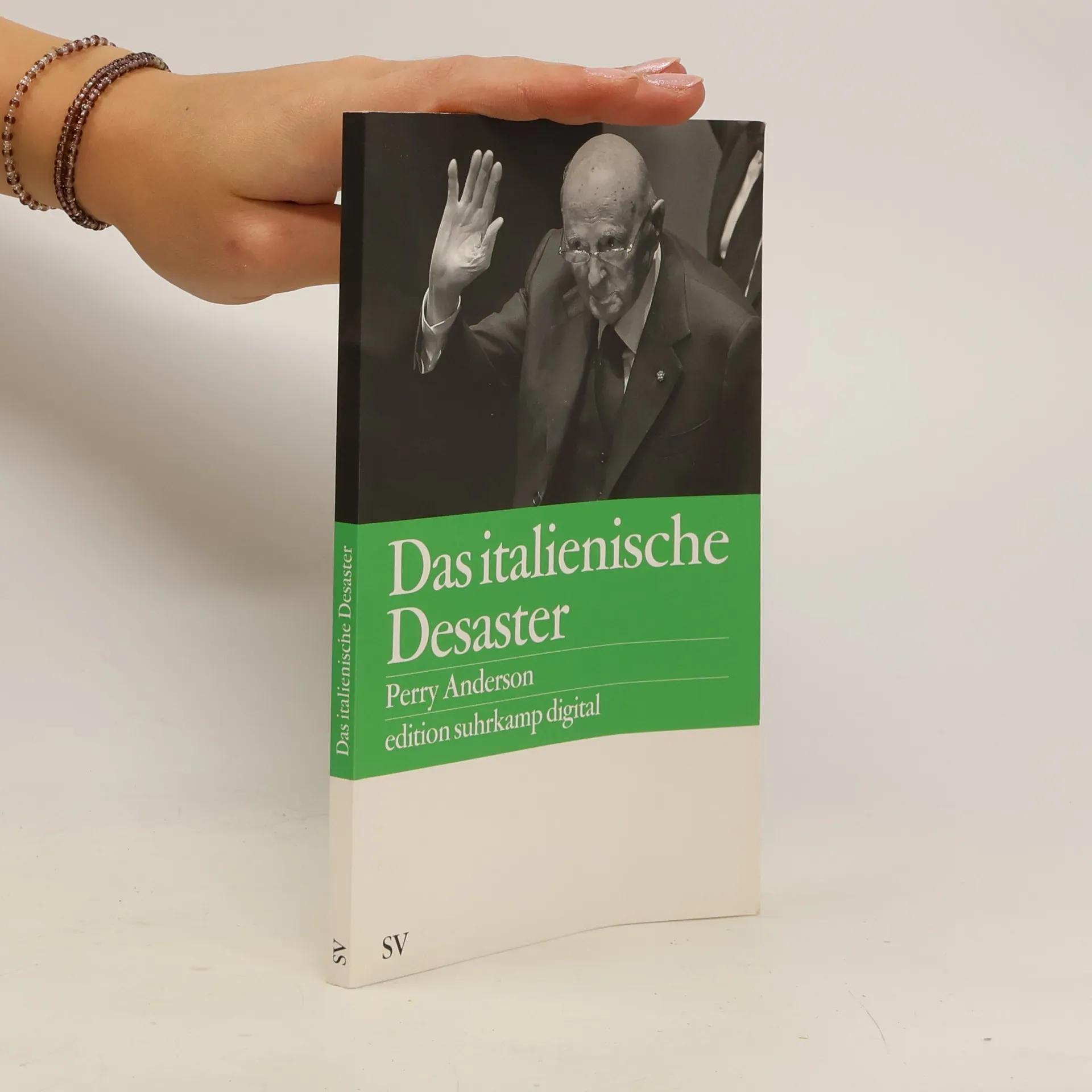
      Auch im sechsten Jahr der großen Krise ist Italien noch nicht wieder auf die Beine gekommen. Die Kennzahlen sind alarmierend: 44 Prozent der Italiener unter 25 Jahren haben keine Arbeit; nach 2012 und 2013 schrumpft die italienische Wirtschaft 2014 erneut. Die ökonomische fällt mit einer fundamentalen Krise der staatlichen Institutionen zusammen. Das Vertrauen in Politik und Parteien ist auf einem historischen Tiefstand, die Protestbewegung des Kabarettisten Beppe Grillo wurde bei den Parlamentswahlen zur zweitstärksten Partei; Matteo Renzi, von den Medien als Hoffnungsträger gefeiert, kungelt mit seinem skandalumwitterten Vorgänger Berlusconi und feiert den ehemaligen englischen Premierminister Tony Blair als Vorbild, obwohl dieser in seiner Heimat längst zur persona non grata geworden ist. In seinem vielbeachteten Essay präsentiert der Historiker Perry Anderson eine Chronologie des italienischen Desasters. Italien betrachtet er dabei nicht als »Anomalie innerhalb Europas, sondern als eine Art Konzentrat« der Probleme eines Kontinents, der zunehmend von Entdemokratisierung, Korruption und Wachstumsschwäche gekennzeichnet ist.

      Das italienische Desaster
    • Nach Atatürk

      • 224 pages
      • 8 hours of reading

      Die Türken sind längst auch Europäer, aber ihr Staat ist inzwischen weit davon entfernt. Unter Erdogan gibt er sich autoritär wie eh und je: Minderheiten, ob kritisch oder kurdisch oder auf der Flucht, gelten als Bedrohung. Demokratie ist mal erlaubt, mal verboten, frömmelnde Ja-Sagerei ist an die Stelle von Rechtssicherheit getreten, und überall im Lande stehen die geputzten Denkmäler der Initiatoren des armenischen Völkermords. Dies ist das Fazit von Perry Andersons messerscharfer Analyse, die nach zehn Jahren mit einer neuen Einleitung erscheint. Die Geschichte der modernen Türkei unter Atatürk und seinen Erben aus Politik und Militär, samt ihren imperialen Versuchungen, in Syrien und auf Zypern – sie ist es wert, gerade in Europa aufmerksam gelesen zu werden.

      Nach Atatürk
    • Die indische Ideologie

      • 192 pages
      • 7 hours of reading

      »Alle Länder malen rosarote Bilder von sich selbst« – und Indien ist da keine Ausnahme. Perry Anderson analysiert, auf welchen fragwürdigen ideologischen Säulen bis heute das indische Selbstverständnis beruht. Dabei geht er mit Gandhi ebenso hart ins Gericht wie mit ­dessen Nachfolger Nehru. Er beleuchtet die Katastrophe der Teilung 1947 und den Kaschmir-Konflikt neu und hinterfragt die zentralen Begriffe, die in der modernen indischen Politik gern verklärt und beschworen werden: Demokratie – Säkularismus – Einheit.

      Die indische Ideologie