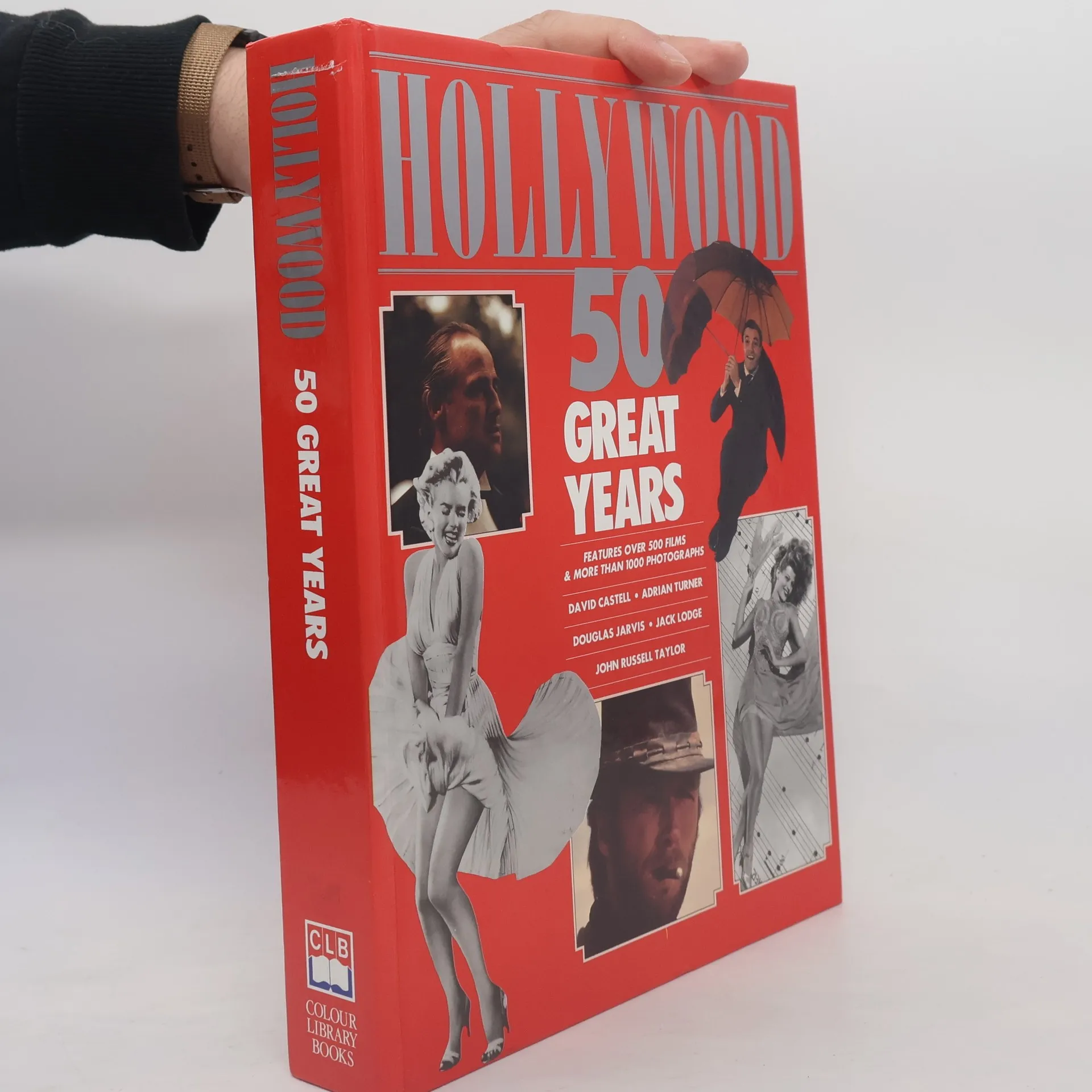
Hollywood. 50 Great Years
- 575 pages
- 21 hours of reading


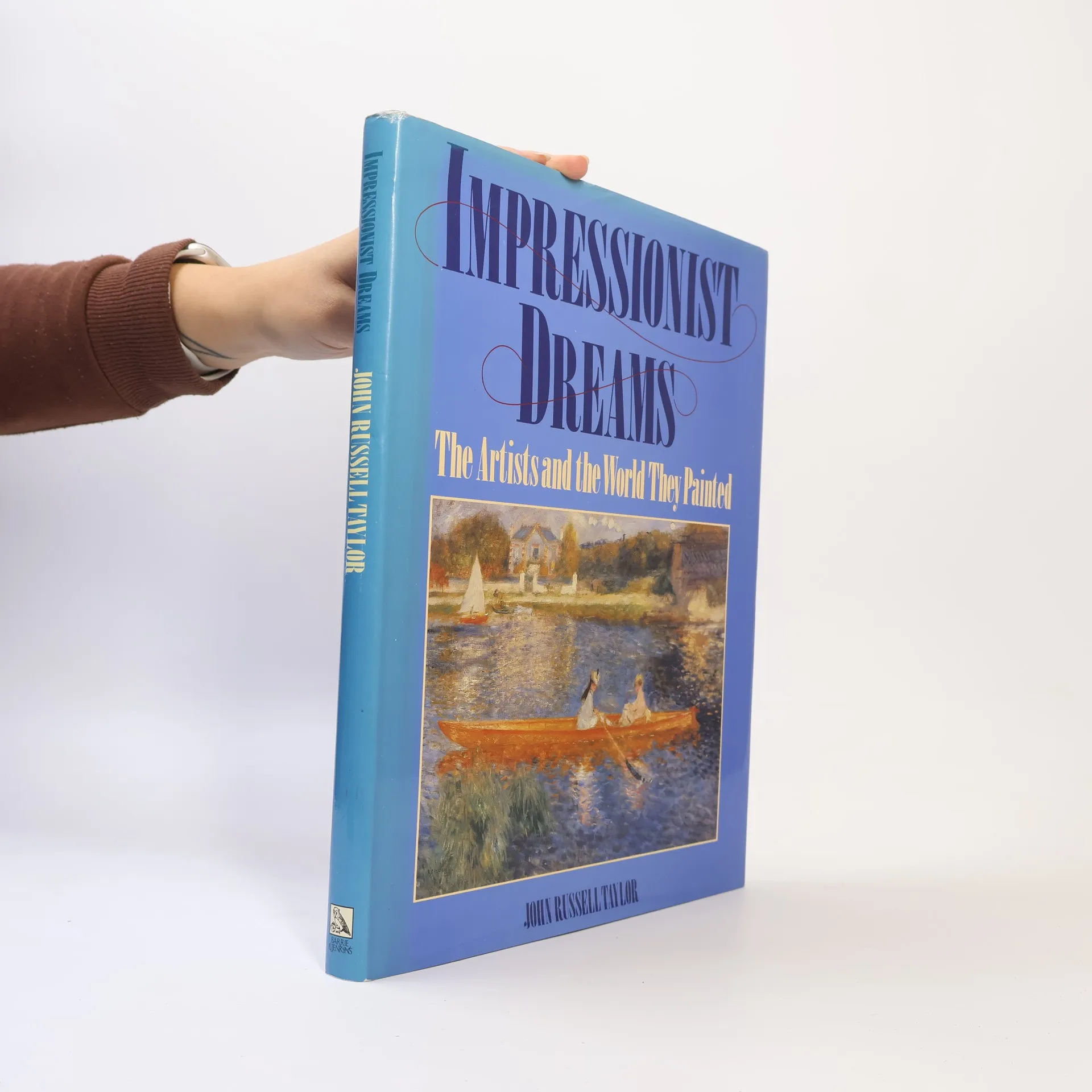
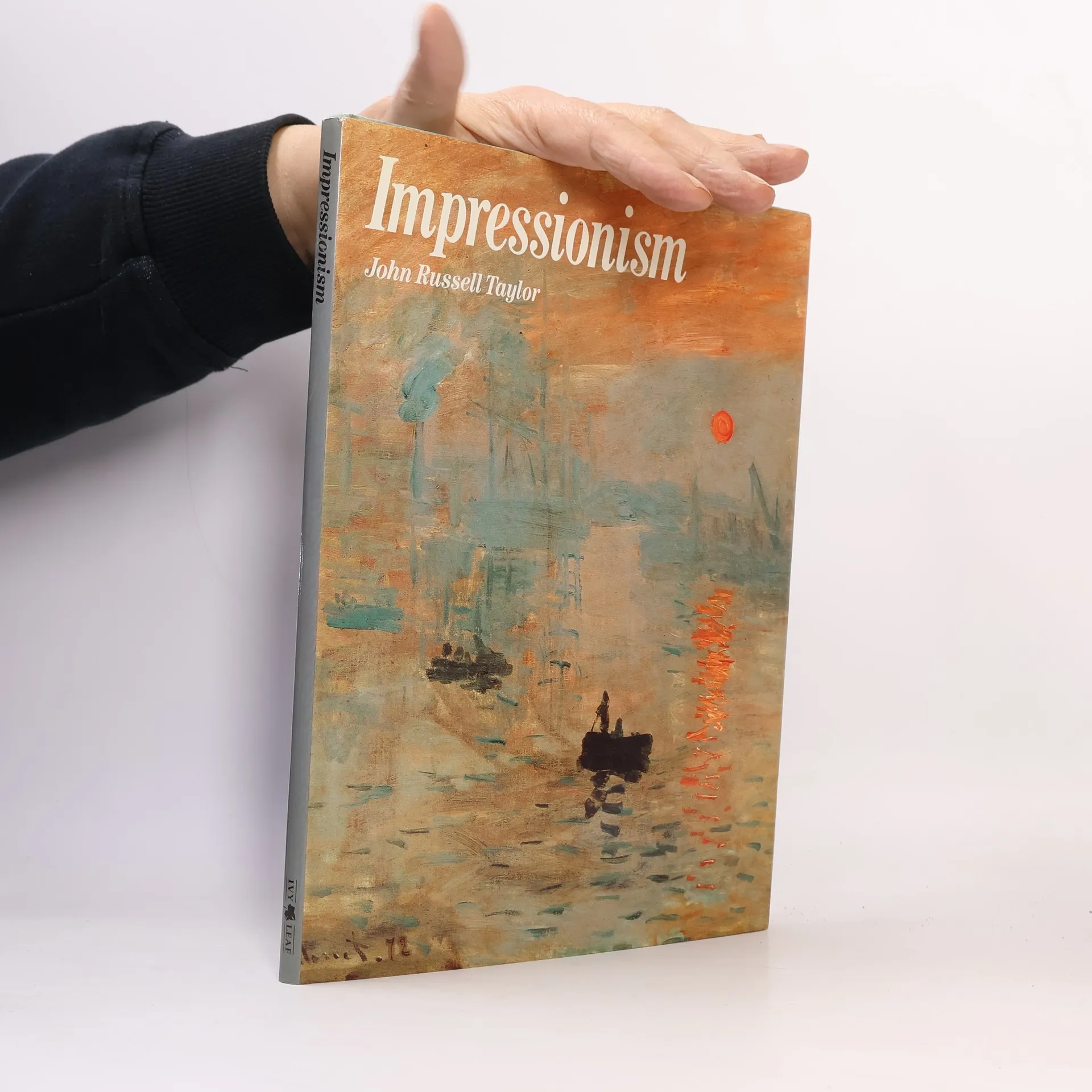
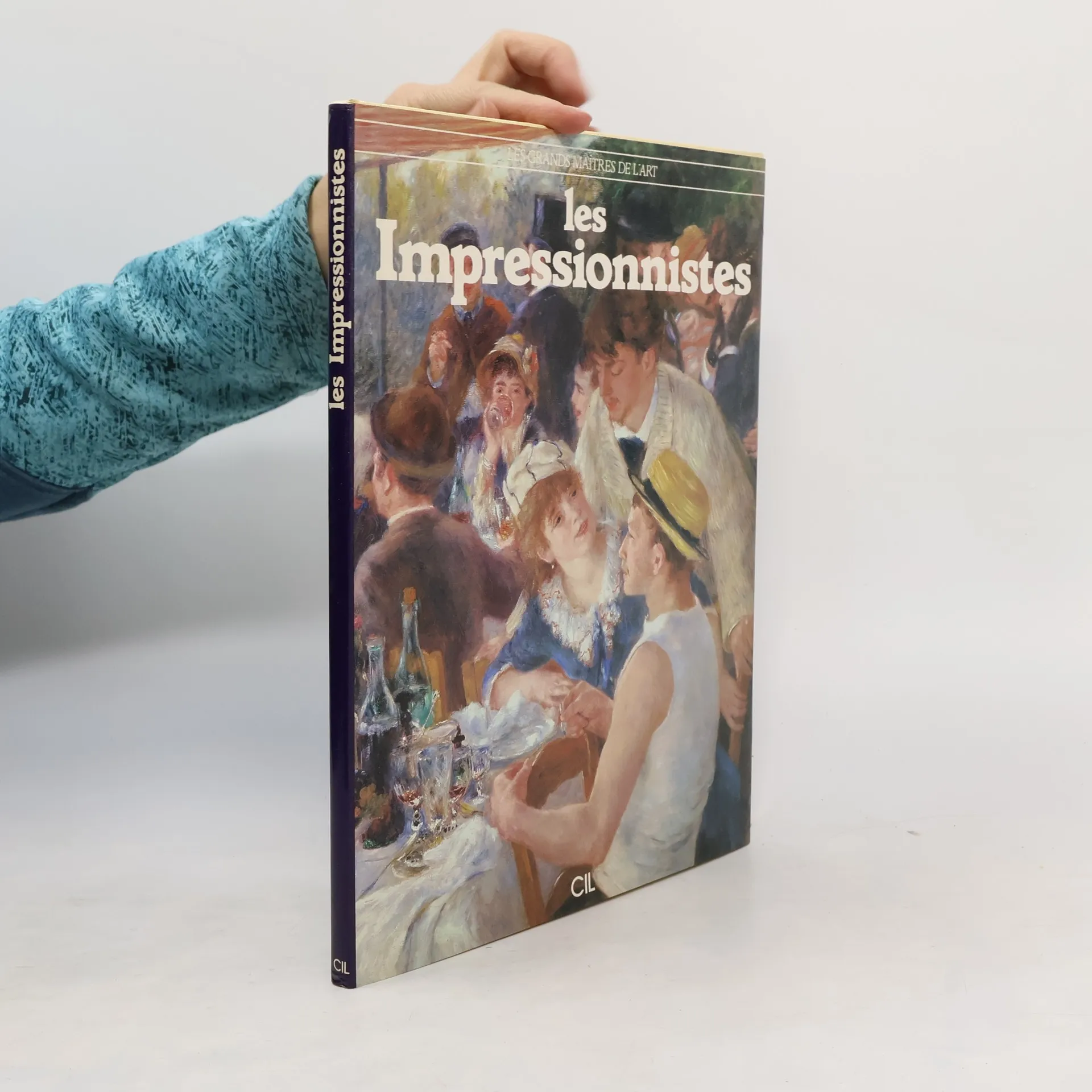
An exploration of the Impressionist painters' relationship with the world around them, and the direct and indirect ways in which this provided subject-matter for their art. This book presents an examination of what their painting was about, rather than how or when it was made.
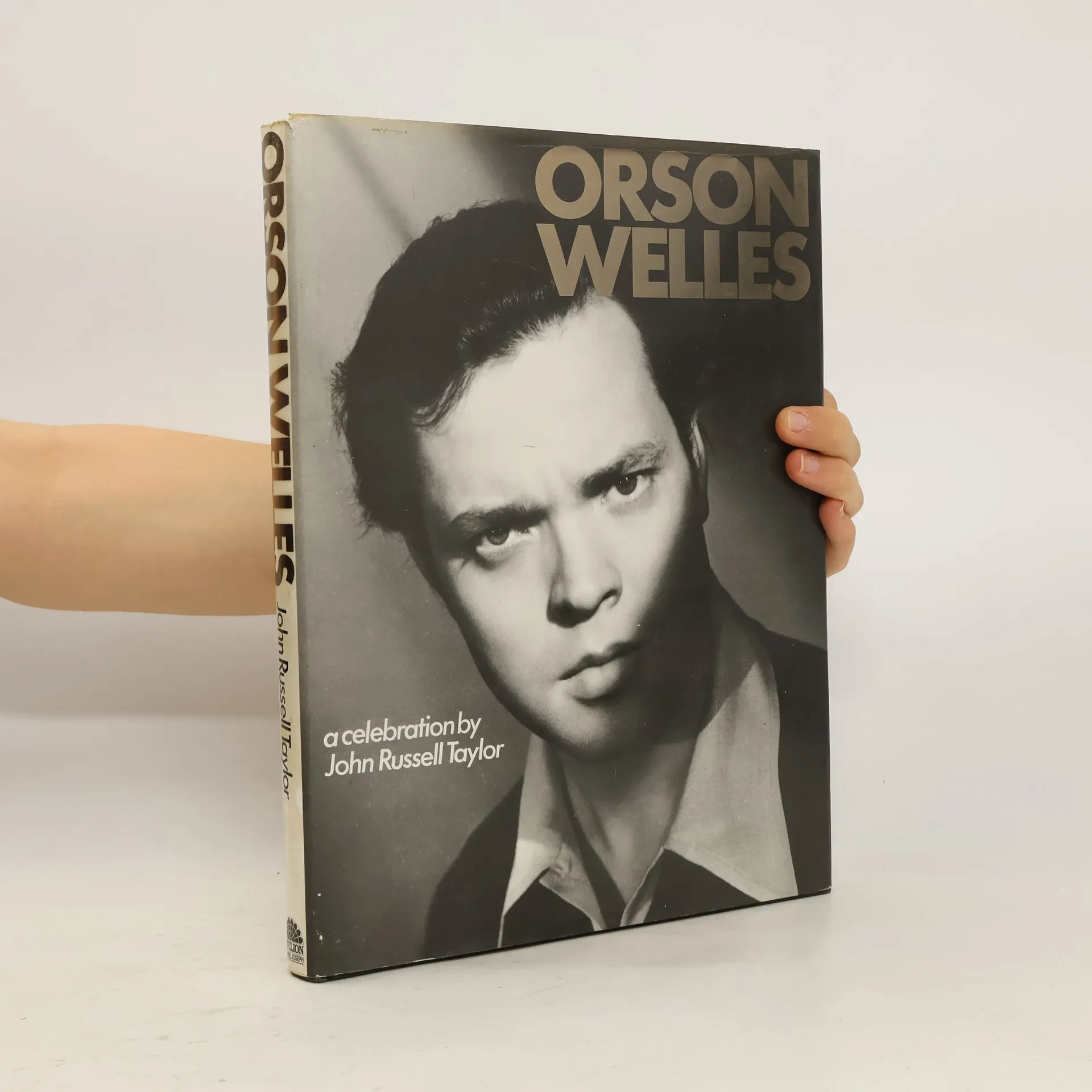
Orson Welles offers a fascinating peek behin d the mask, looking at the ascertainable facts of his life, his loves and his collaborations, and examines the ways in w hich the Welles legend has been constructed by himself, his friends and his enemies. '
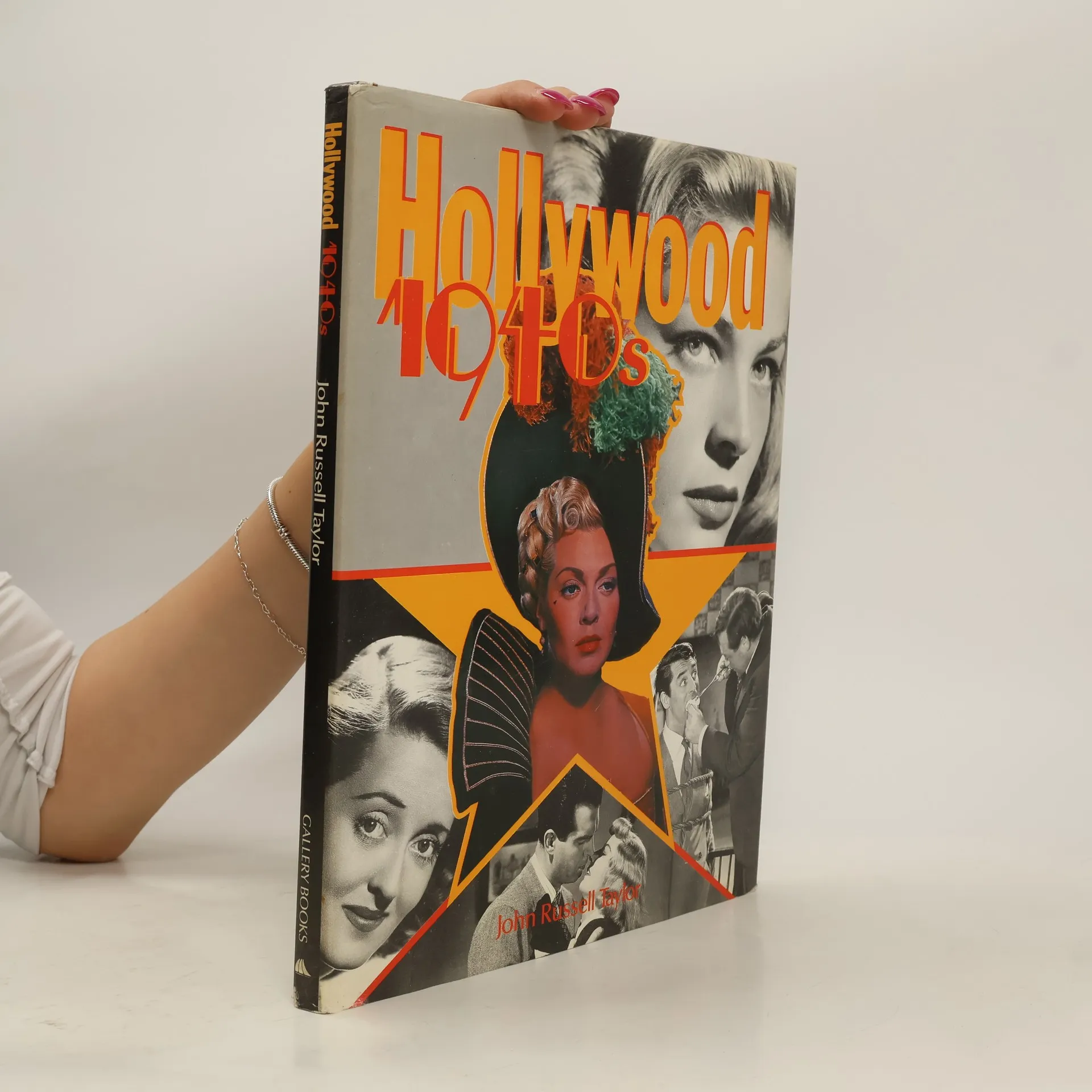
Examines the transitional period of the 1940s in Hollywood film including the development of new genres and the impact of the war on American cinema
256p. : 36cm
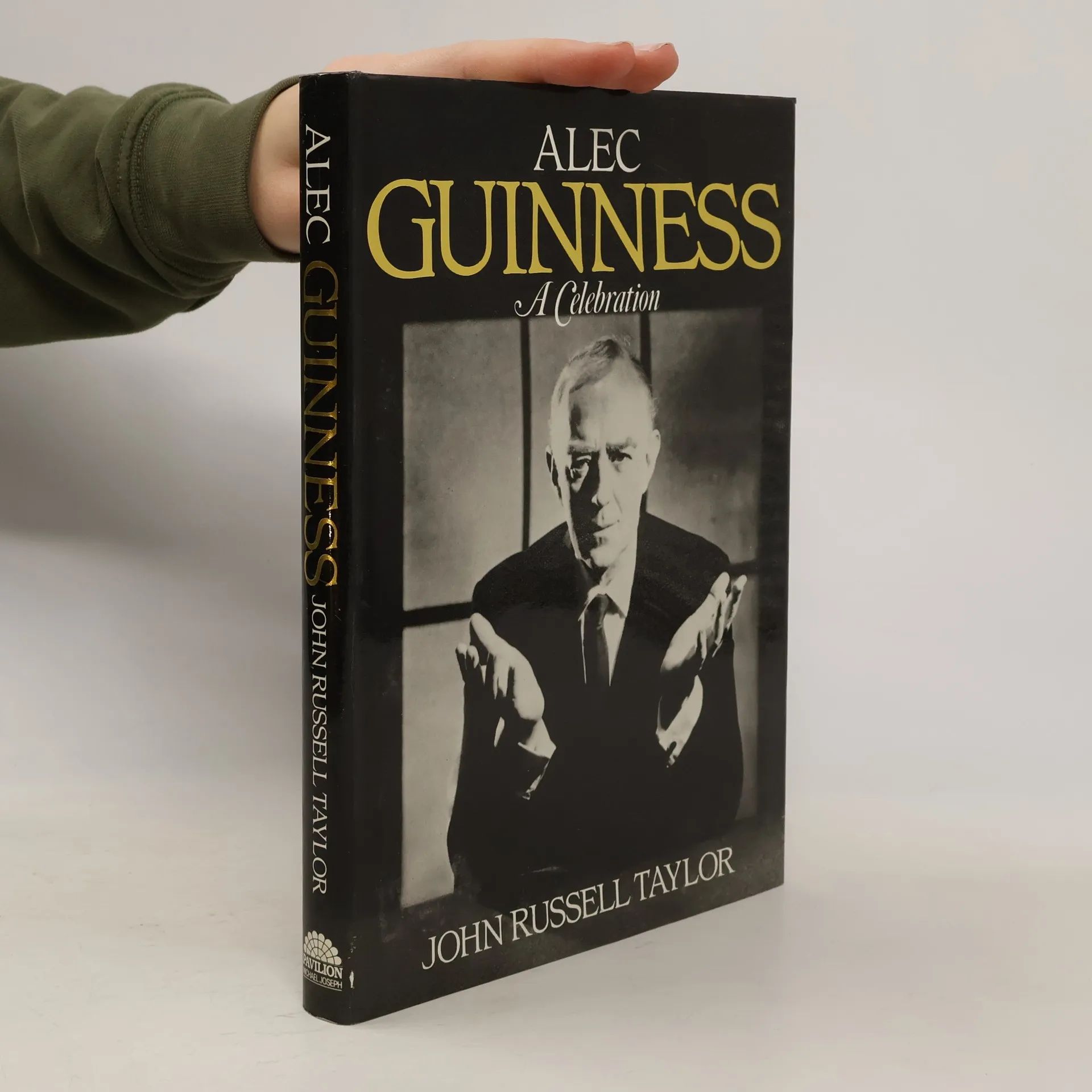
This celebratory volume is a tribute to Alec Guinness's life, achievements and passions, chronicling his rise through film, theatre and writing. During a career that began in the 1930's Guinness captured imaginations with each new role played, quickly earning him the reputation as 'the man with a thousand masks'.
Libro usado en buenas condiciones, por su antiguedad podria contener señales normales de uso
book is like new but shows slight shelf life
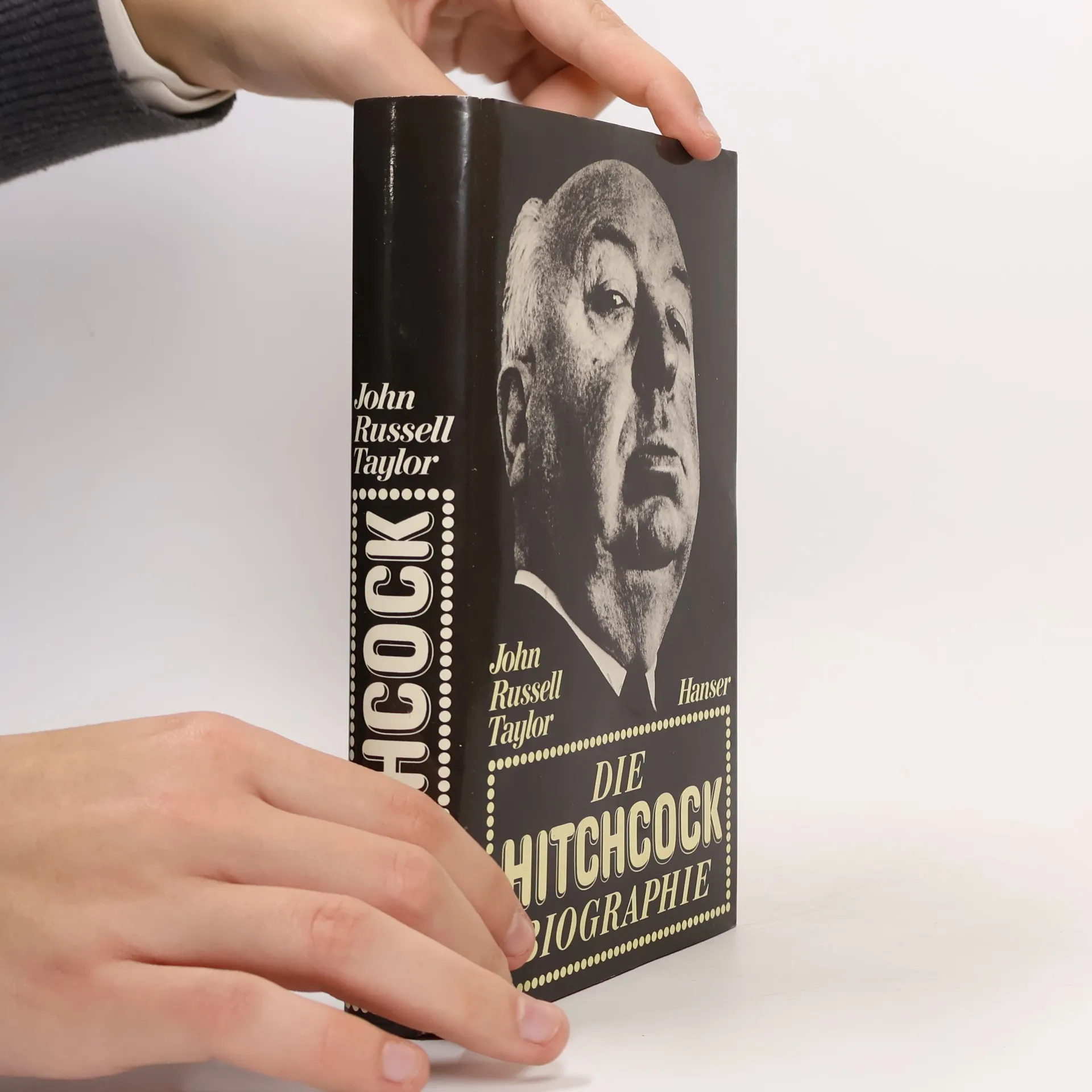
Einer der größten Regisseure des Kinos, ein virtuoser visueller Künstler und ein Genie des Spannungsgenres, ist Alfred Hitchcock (1899-1980) für Meisterwerke wie "Die Fremden auf dem Zug", "Das Fenster zum Hof", "Vertigo", "Der unsichtbare Dritte", "Psycho" und "Die Vögel" bekannt. John Russell Taylor, ein angesehener Filmkritiker und Freund von Hitchcock, erhielt dessen volle Kooperation. Basierend auf zahlreichen Interviews, mit Fotos aus den privaten Familienalben und einer eingehenden Untersuchung der Entstehung seines letzten Films, ist diese Biografie des Regisseurs ebenso faszinierend, aufschlussreich, pervers und unterhaltsam wie jedes Hitchcock-Klassiker.
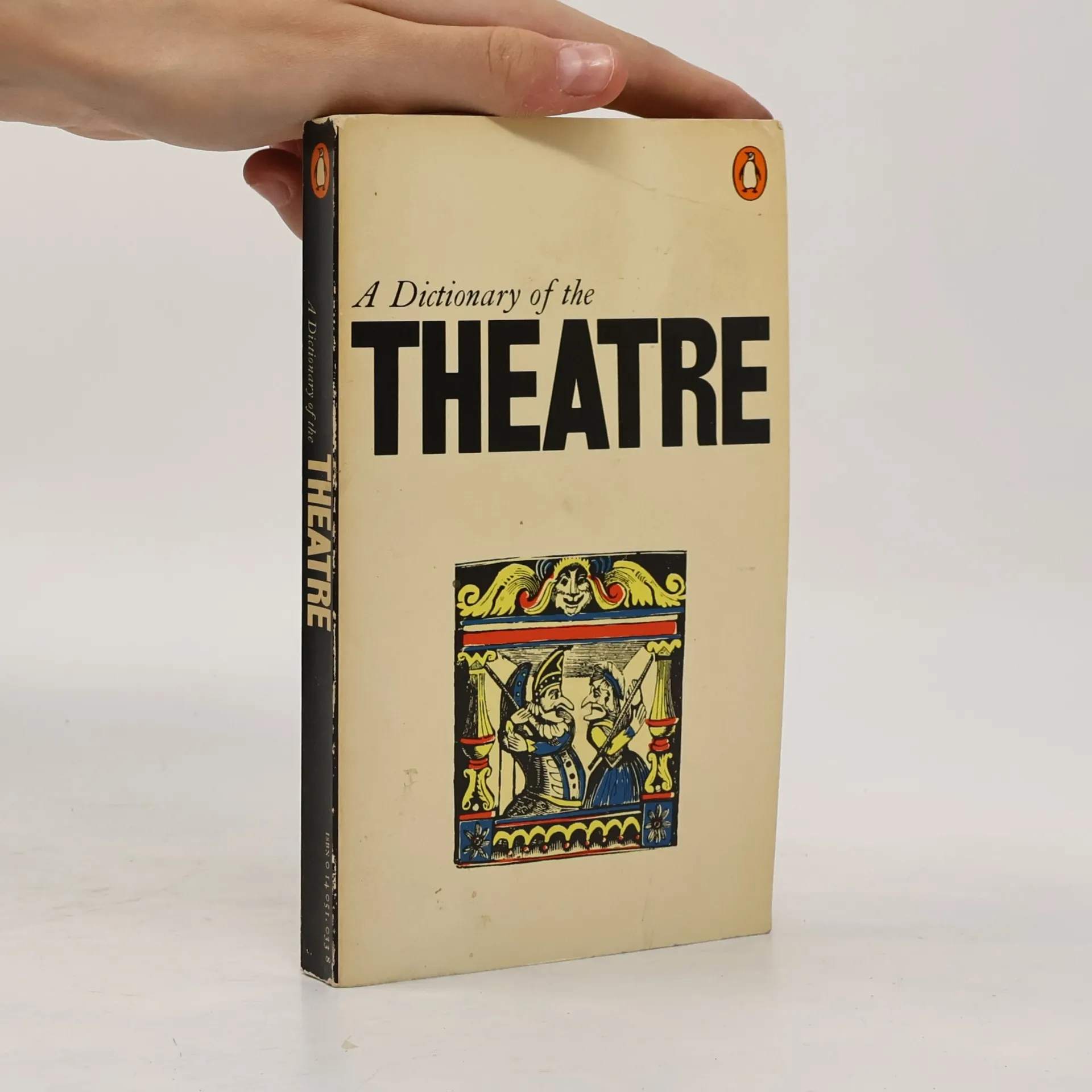
Taylor, John Russell, Penguin Dictionary Of The Theatre, The
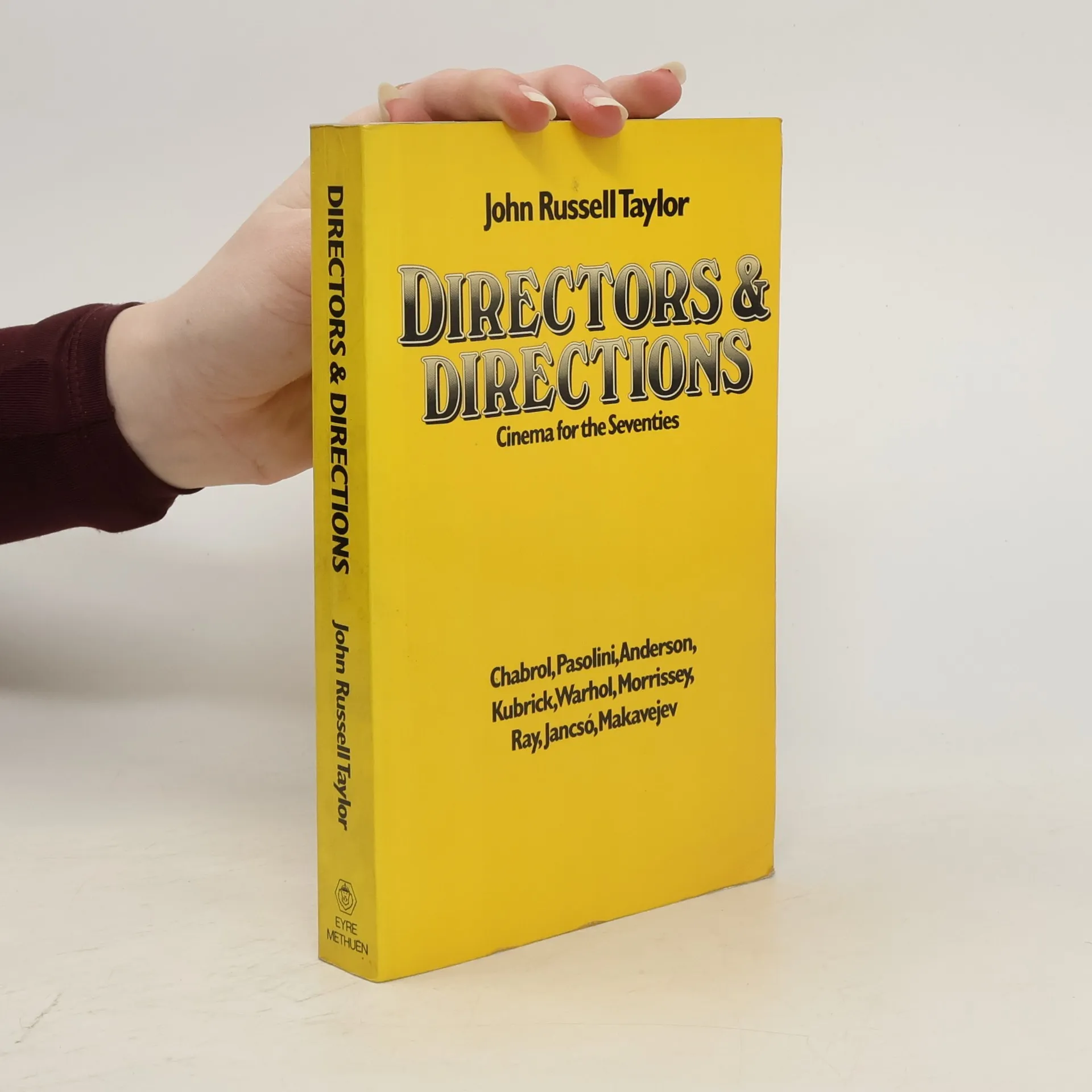
This is a study of nine key film-makers who came into prominence in the early 70s: Claude Chabrol, Pier Paolo Pasolini, Lindsay Anderson, Stanley Kubrick, Andy Warhol and Paul Morrissey, Satyajit Ray, Miklos Jancso, and Du an Makavejev representing seven film-producing countries. In this book John Russell Taylor does for the 1970s what his earlier book "Cinema Eye, Cinema Ear" did for the 1960s: he disentangles some of the major talents from the minor, and subjects them to close critical scrutiny, documenting their careers, detailing their development as individual creators, and placing them in their social and artistic context. Thus the book provides an invaluable synopsis and guide for all who are interested in the development of modern cinema. It includes a comprehensive bibliography and fully detailed filmographies.
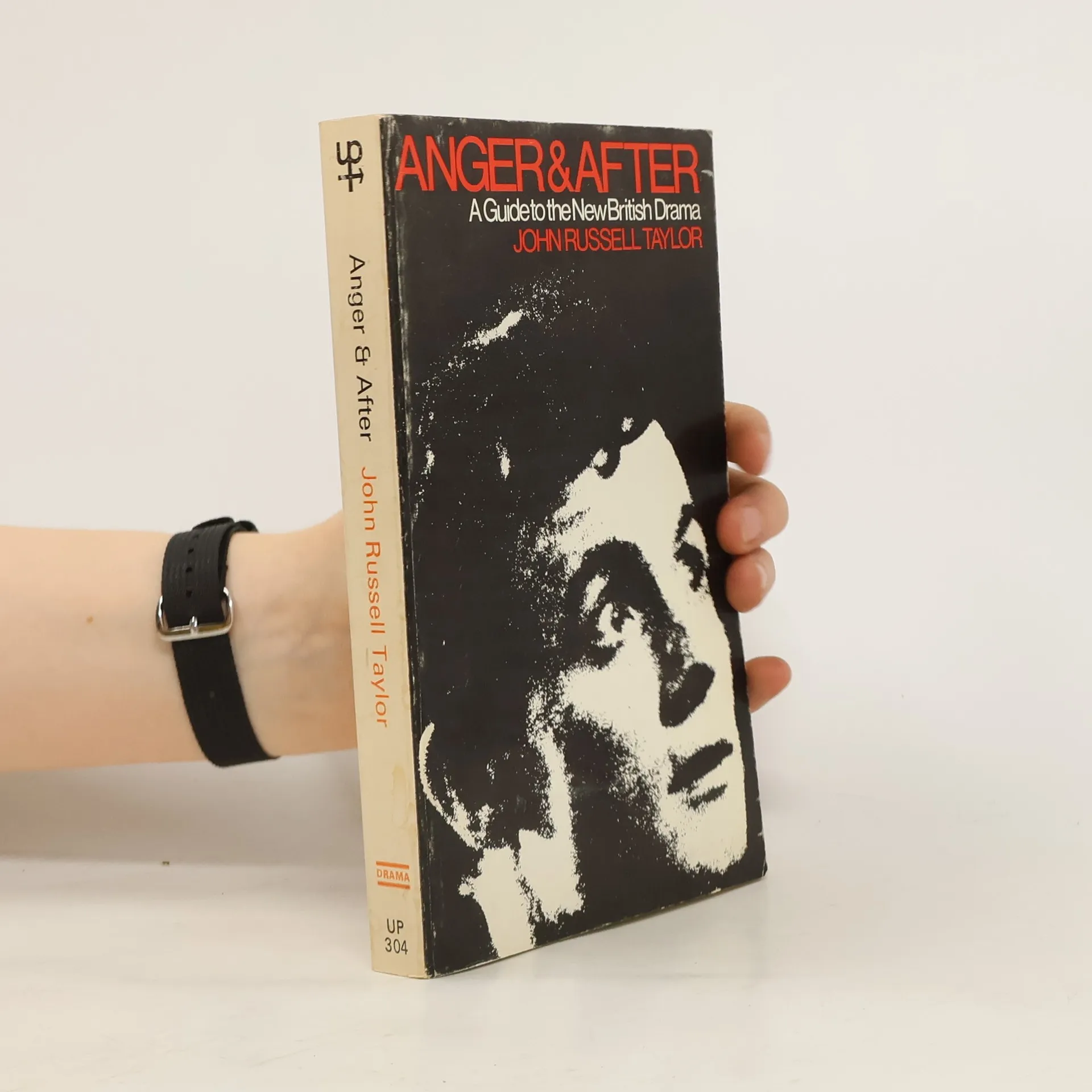
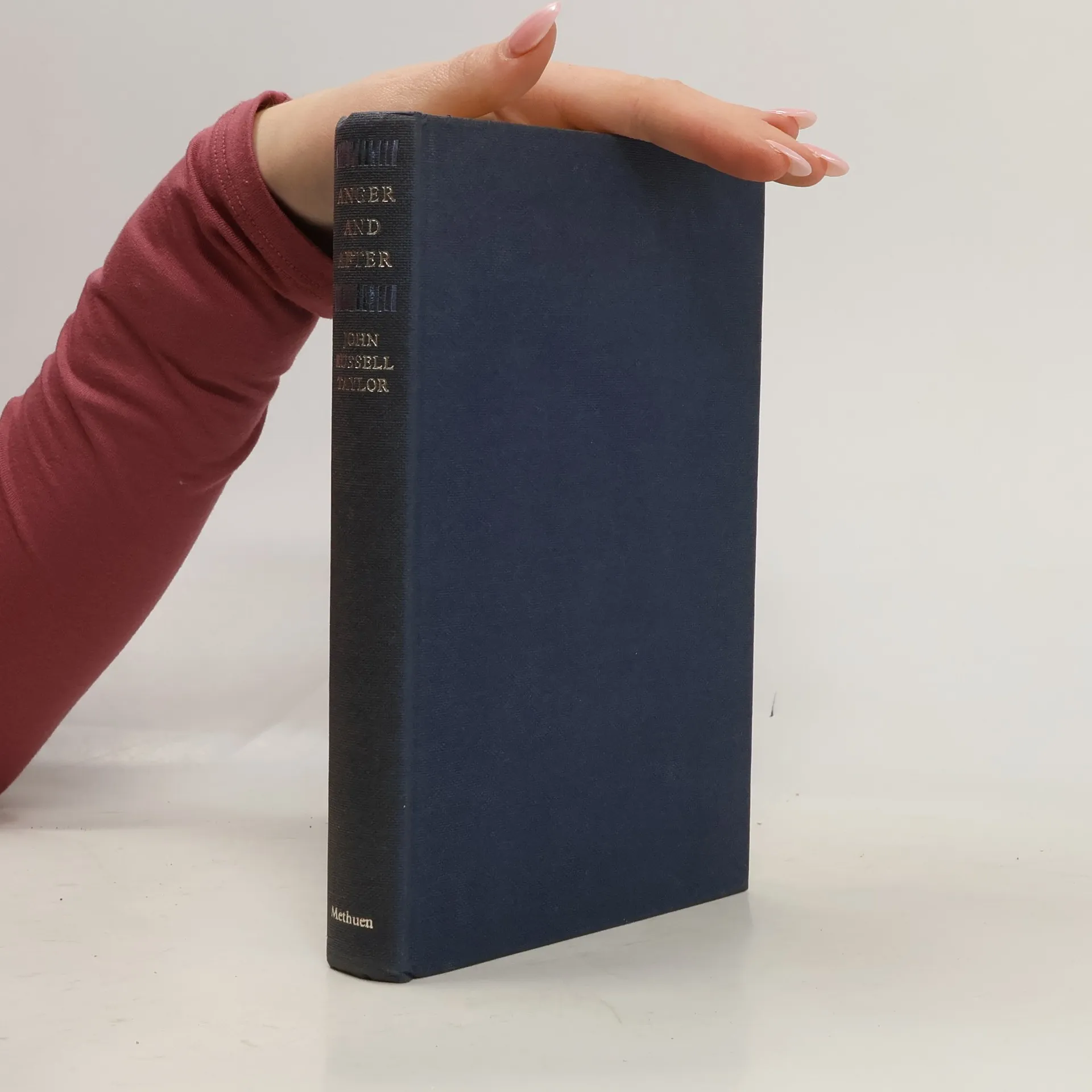
A Guide to the New British Drama
When it was first published in 1962, Anger and After was the first comprehensive study of the dramatic movement which began in 1956 with the staging of John Osborne's Look Back in Anger and has since brought forward such dramatists as Brendan Behan, Harold Pinter, N. F. Simpson, John Arden and Arnold Wesker. Thoroughly revised in 1969, this book remains important reading for theatre students in need of a comprehensive and authoritative guide to post-Osborne drama in Britain.