Lady Mary Wortley Montagu, an English aristocrat and writer, is primarily remembered for her insightful letters. Her correspondence, particularly her vivid accounts from Turkey, stands as a groundbreaking secular work by a woman exploring the Muslim Orient. Through her sharp observations and witty prose, Montagu offers readers a unique and nuanced perspective on a culture largely unknown to the Western world at the time, revealing a keen intellect and an independent spirit.
Immensely learned, self-educated in an era when formal schooling was denied to women, Mary Wortley Montagu was an admired poet, a consistently scandalous doyenne of eighteenth-century London society, and, in a period when letter-writing had been elevated to an art form, one of the greatest letter writers in the English language. Her epistles, meant for both public and private consumption, are the product of a mind distinguished by its adventurousness, its indifference to convention, and its eagerness not only to acquire knowledge but to convey it with unmitigated style and grace.
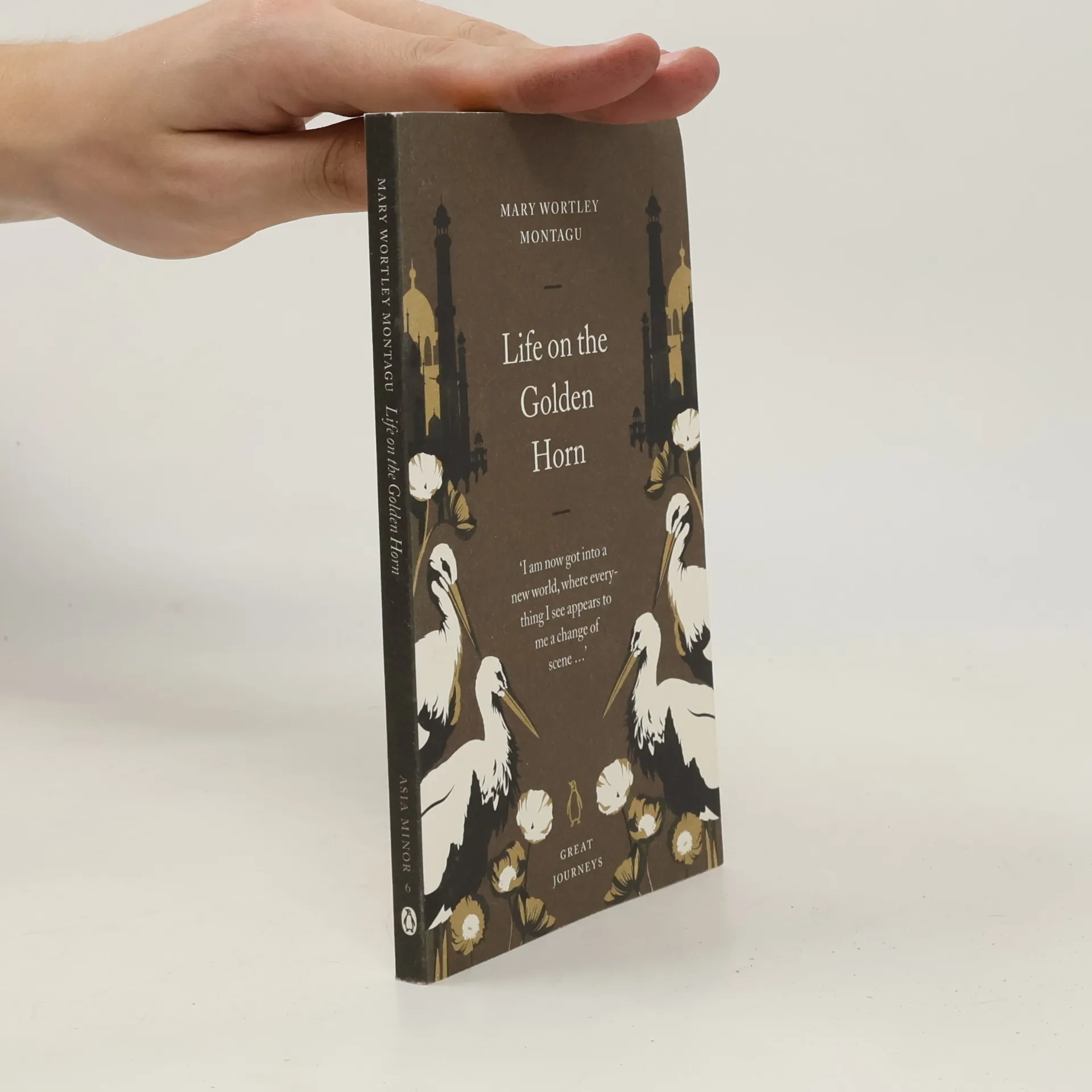
Letters written from 1716-1718 from the Ottoman Empire by Mary Wortley
Montagu, one of the first modern travel writers. A revelation in their day.
číst celé
Allows readers to travel both around the planet and back through the centuries - but also back into ideas and worlds frightening, ruthless and cruel in different ways from our own.
Am 1. August 1716 besteigen eine schöne junge Frau, ein stattlicher Herr und ein kleiner Junge in London eine vornehme Reisekutsche. Ihr Ziel: der Orient, das damalige Osmanische Reich. Die junge Lady heißt Mary Wortley Montagu, Tochter aus vornehmem Haus. Ihr Ehemann ist Mitglied des Parlaments und soeben zum Botschafter in Konstantinopel berufen worden, mit ihnen reist Edward, der erste Sohn des Ehepaares. Während ihres Aufenthaltes im Nahen Osten lässt Lady Montagu ihre Bekannten und Freunde anhand von Briefen an ihren Eindrücken teilhaben, im Bewusstsein, „eine Reise getan (zu haben), die seit Jahrhunderten keine Christin unternommen hat“. Lady Montagus unterhaltsame „Briefe aus dem Orient“ werden von den Adressaten in England zunächst von Hand zu Hand weitergegeben, dann 1763 in Buchform vorgelegt und bis heute immer wieder neu aufgelegt.
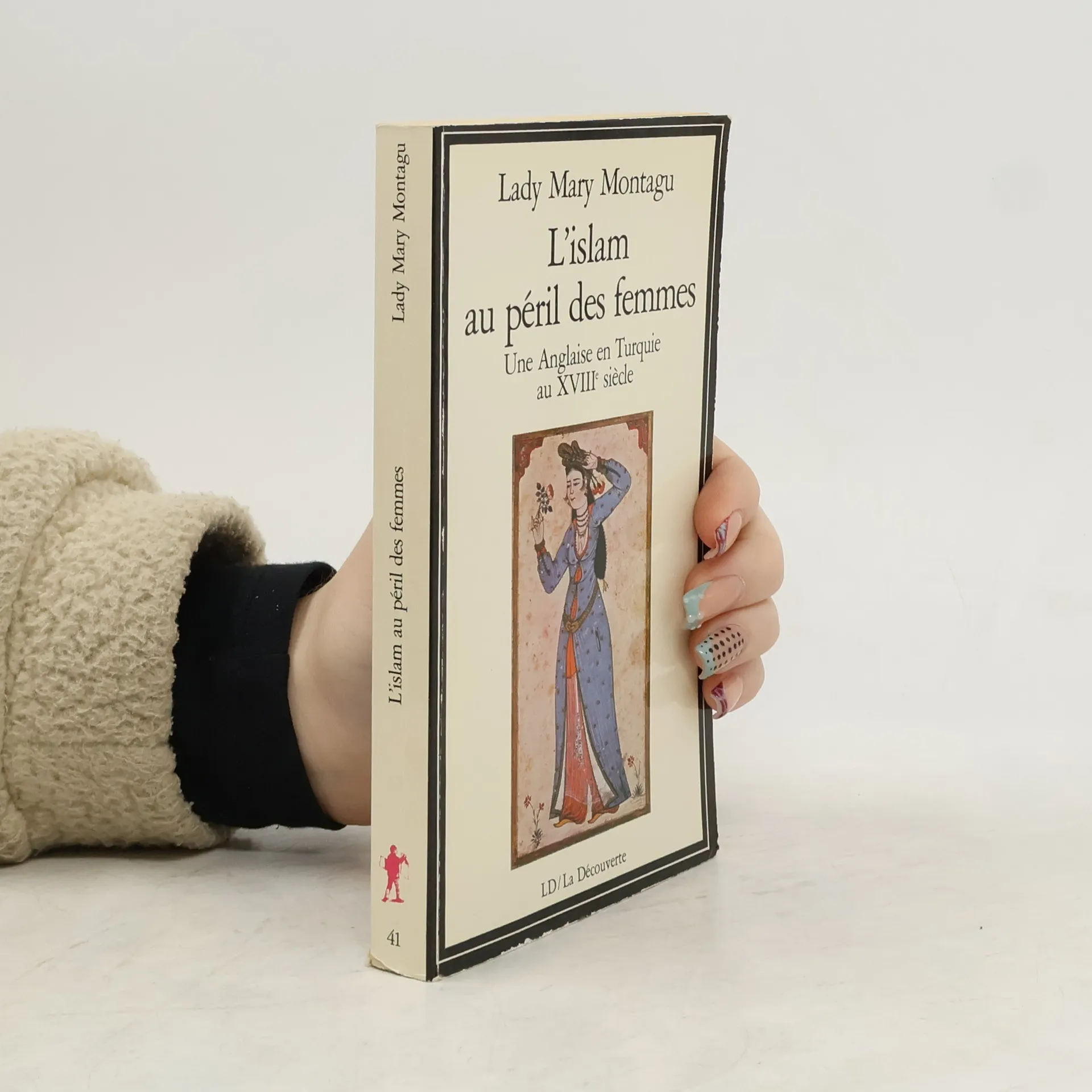
Lady Mary Montagu : la femme de l'ambassadeur anglais à Istanbul en 1717. La première à décrire bains, costumes, réceptions des harems. Un discours sur l'Orient avant l'orientalisme, à l'aube d'une période brillante, l'" Ere des Tulipes ", où la Turquie a encore toutes ses chances. Pendant que l'ambassade connaît bien des péripéties, Lady Montagu développe dans ses lettres à ses amis des thèmes paradoxaux : l'Islam protège la liberté individuelle, et le voile, l'indépendance de la femme. Elle rapporte d'Istanbul la variolisation, qui témoigne d'une sensibilité plus vive aux souffrances comme aux plaisirs du corps. Anne Marie Moulin est médecin et philosophe. Pierre Chuvin est helléniste et familier de la langue turque. Ils ont vérifié l'authenticité de ce témoignage en direct sur la Turquie au féminin : recherche poursuivie au travers de nombreux voyages dans les bibliothèques et les archives, et aussi en Turquie et dans l'ancien Empire ottoman. La découverte a été fabuleuse : la Turquie vivante et moderne recréée par Lady Montagu a resurgi dans les récits de leurs amis et connaissances de Turquie et d'ailleurs. La lucide voyageuse avait raison. Le pari de la liberté était déjà tenu en 1717 ; deux cent cinquante ans plus tard, il n'est pas encore gagné.