When The Bulbul Stopped Singing
- 160 pages
- 6 hours of reading
A diary of life under siege in Palestine, from the Orwell-prize winning and National Book Award-longlisted author and human rights activist


Raja Shehadeh crafts narratives that offer a distinctive and impressive lens through which to view complex realities. His writing delves into the intricate connections between place, memory, and identity, employing a precise and analytical style. Shehadeh's work is recognized for its intellectual depth and compelling narrative approach. He encourages readers to engage with profound questions about the world through his thoughtful prose.

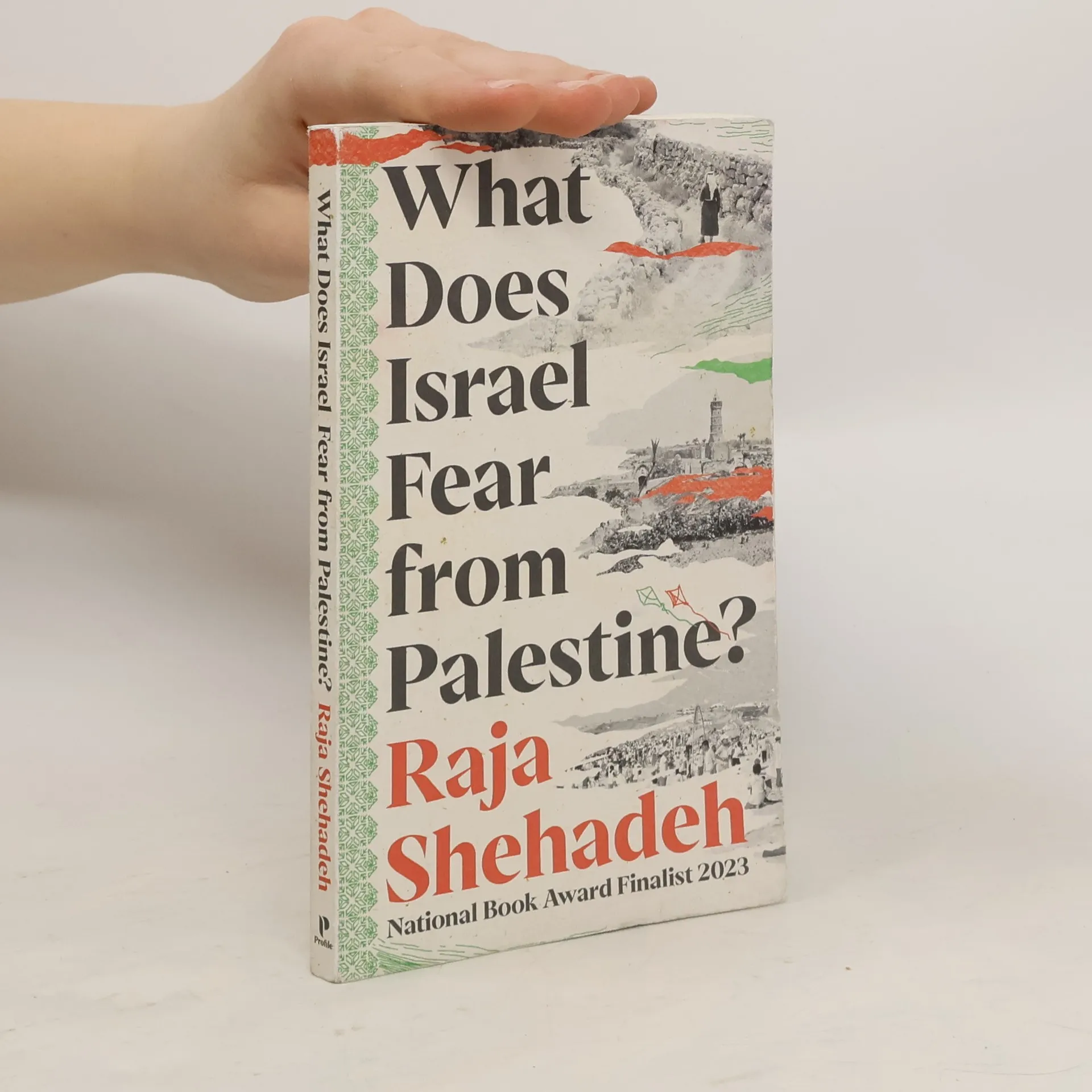
A diary of life under siege in Palestine, from the Orwell-prize winning and National Book Award-longlisted author and human rights activist
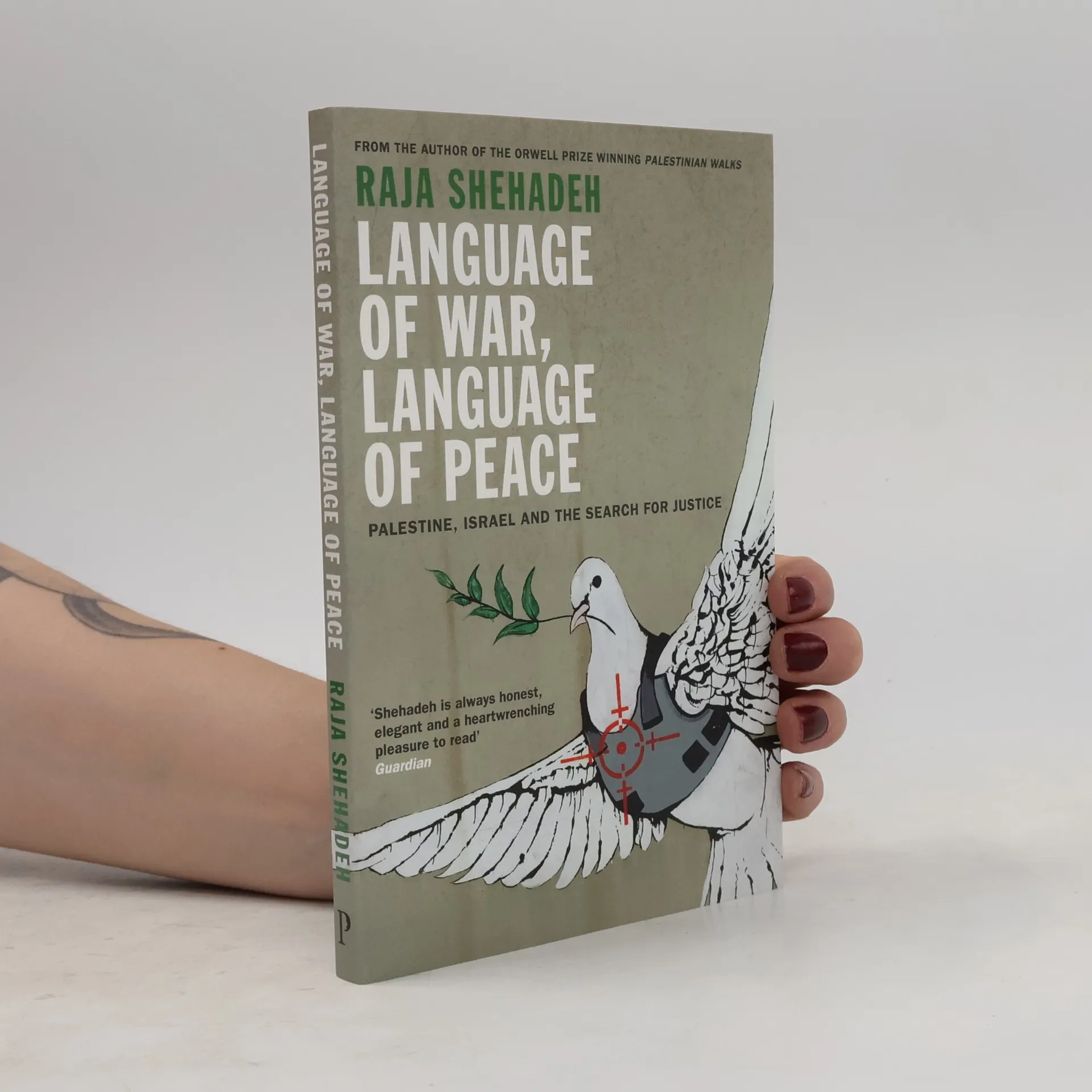
The book offers a profound critique of Israel's approach to Palestine, emphasizing the urgent need for equality and partnership in the pursuit of peace. It highlights the consequences of neglecting Palestinian rights, portraying the situation as a struggle against systemic injustice rather than a mere political conflict. Through this lens, the author calls for a reevaluation of policies and attitudes to foster genuine dialogue and reconciliation.
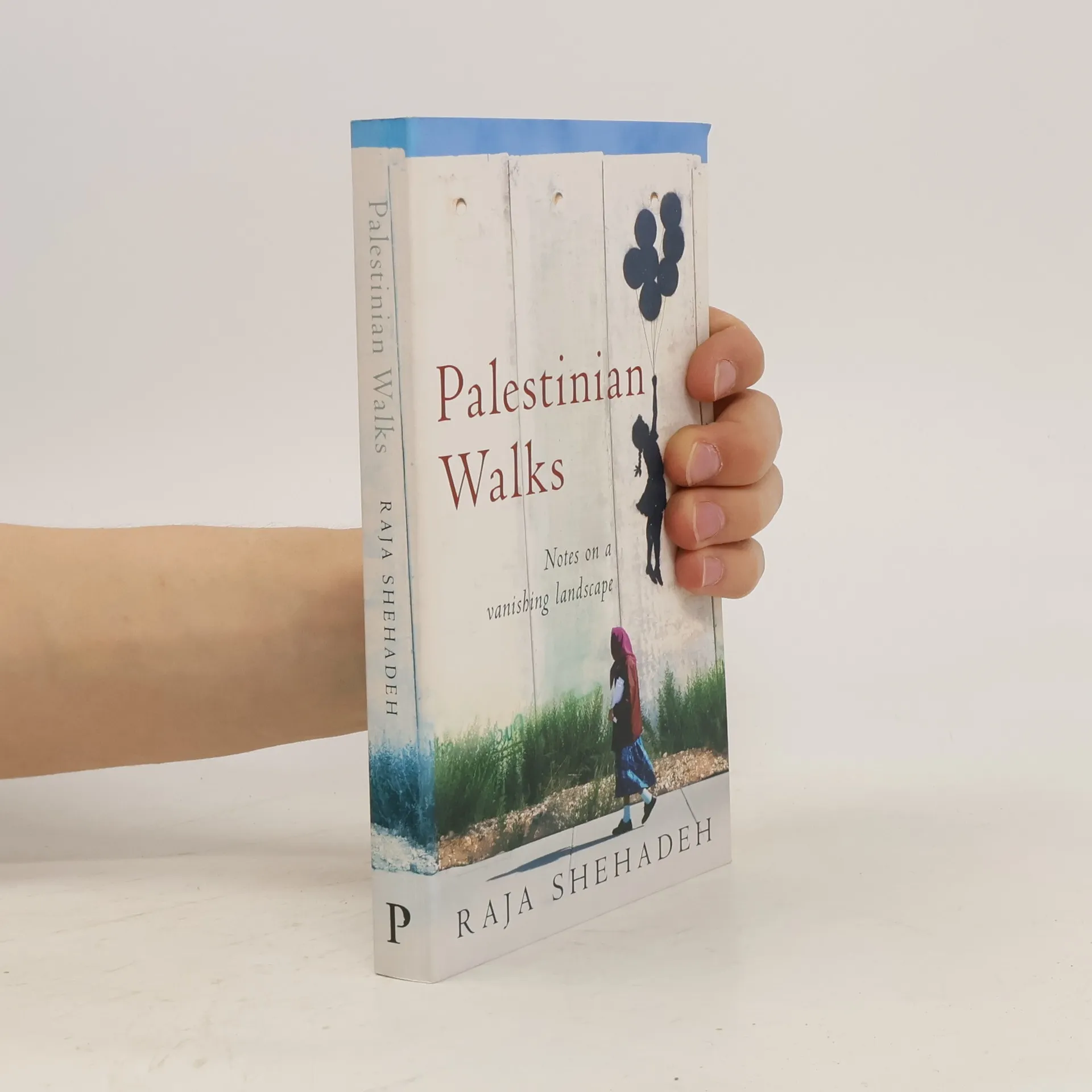
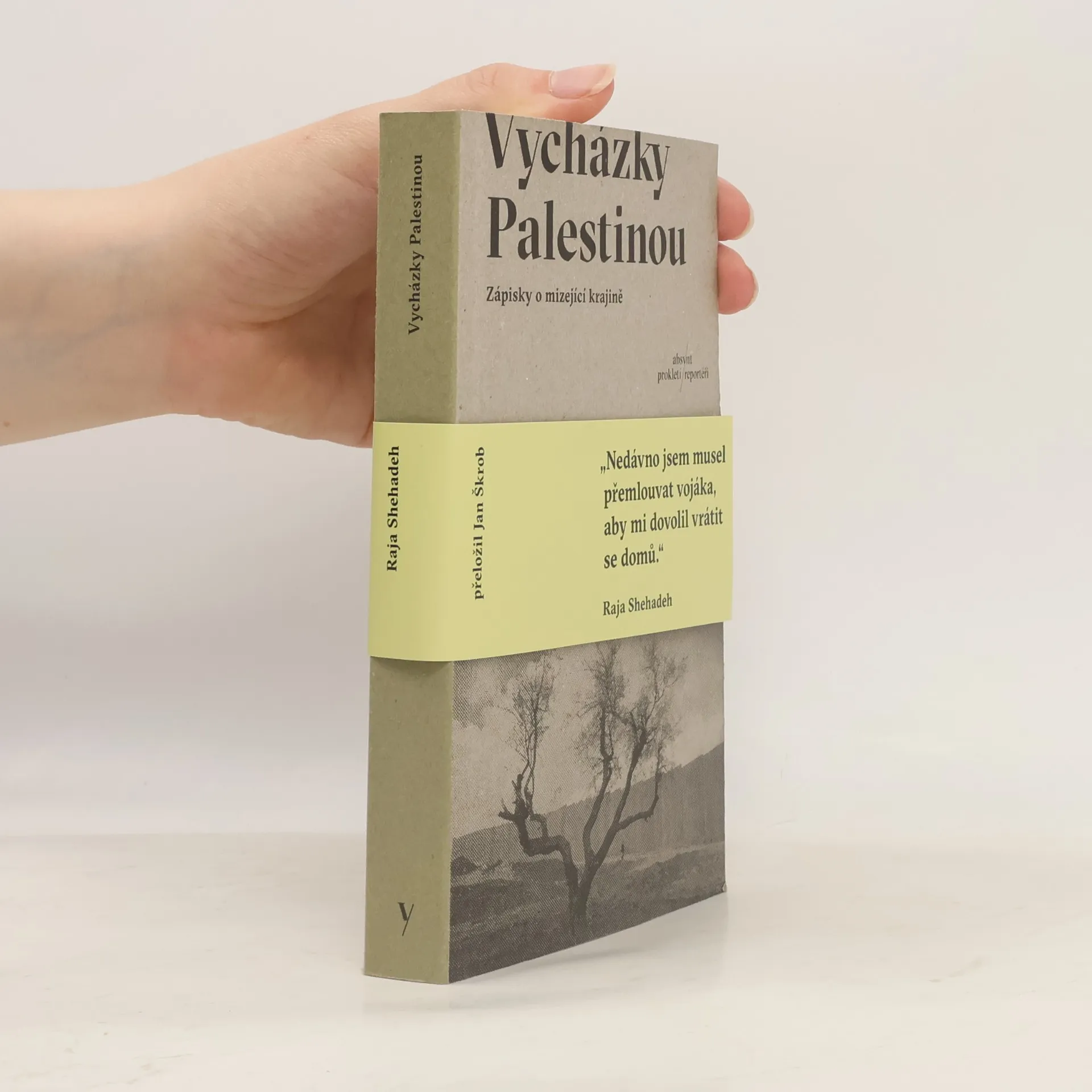
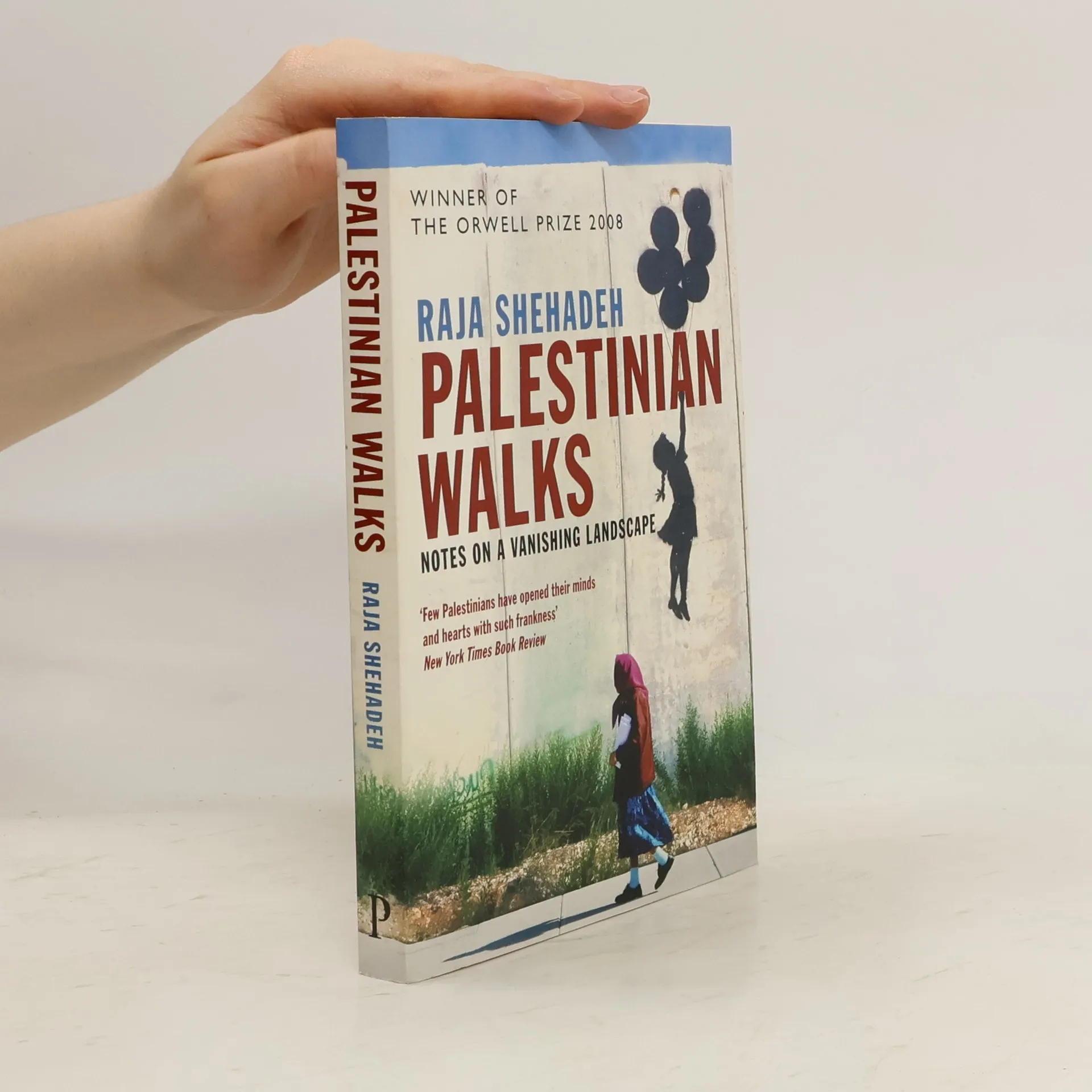
When the author first started hill walking in Palestine, in the late 1970s, he was not aware that he was travelling through a vanishing landscape. Recording how the land felt and looked before various calamities, this title attempts to preserve, at least in words, the Palestinian natural treasures that many Palestinians never know.
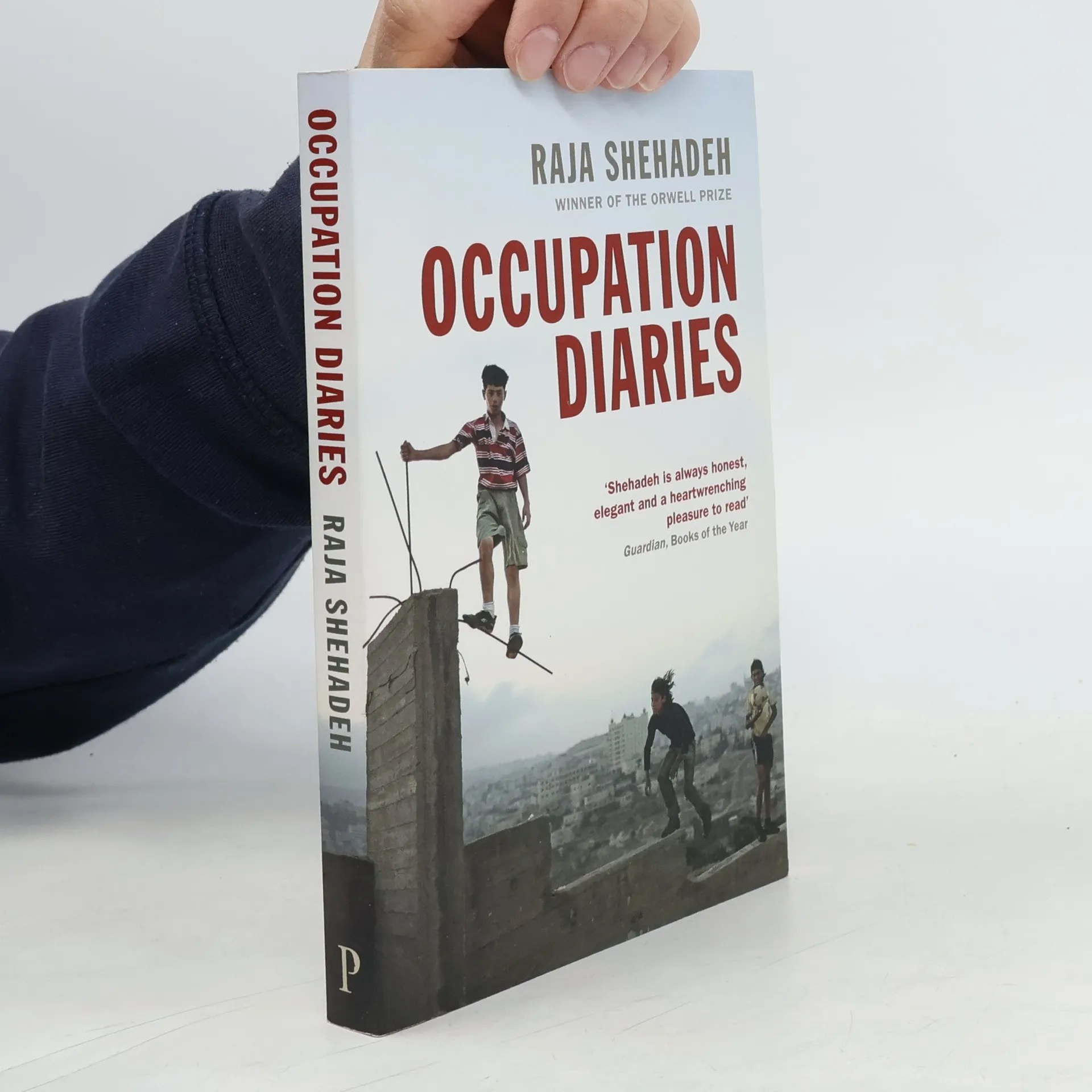
It is often the smallest details of daily life that tell us the most. And so it is under occupation in Palestine. What most of us take for granted has to be carefully thought about and planned for: When will the post be allowed to get through? Will there be enough water for the bath tonight? How shall I get rid of the rubbish collecting outside? How much time should I allow for the journey to visit my cousin, going through checkpoints? And big questions too: Is working with left-wing Israelis collaborating or not? What affect will the Arab Spring have on the future of Palestine? What can anyone do to bring about change? Are any of life's pleasures untouched by politics?
Raja Shehadeh reflects on ageing, failure, the occupation, and the changing face of Ramallah.
A subtle psychological portrait of the author's relationship with his father during the twentieth-century battle for Palestinian human rights.
"Provides a rare historical insight into the tragic changes taking place in Palestine"--Jimmy Carter.
'Shehadeh's voice is a rare one - angry yet dispassionate, committed yet free' - Michael Ignatieff
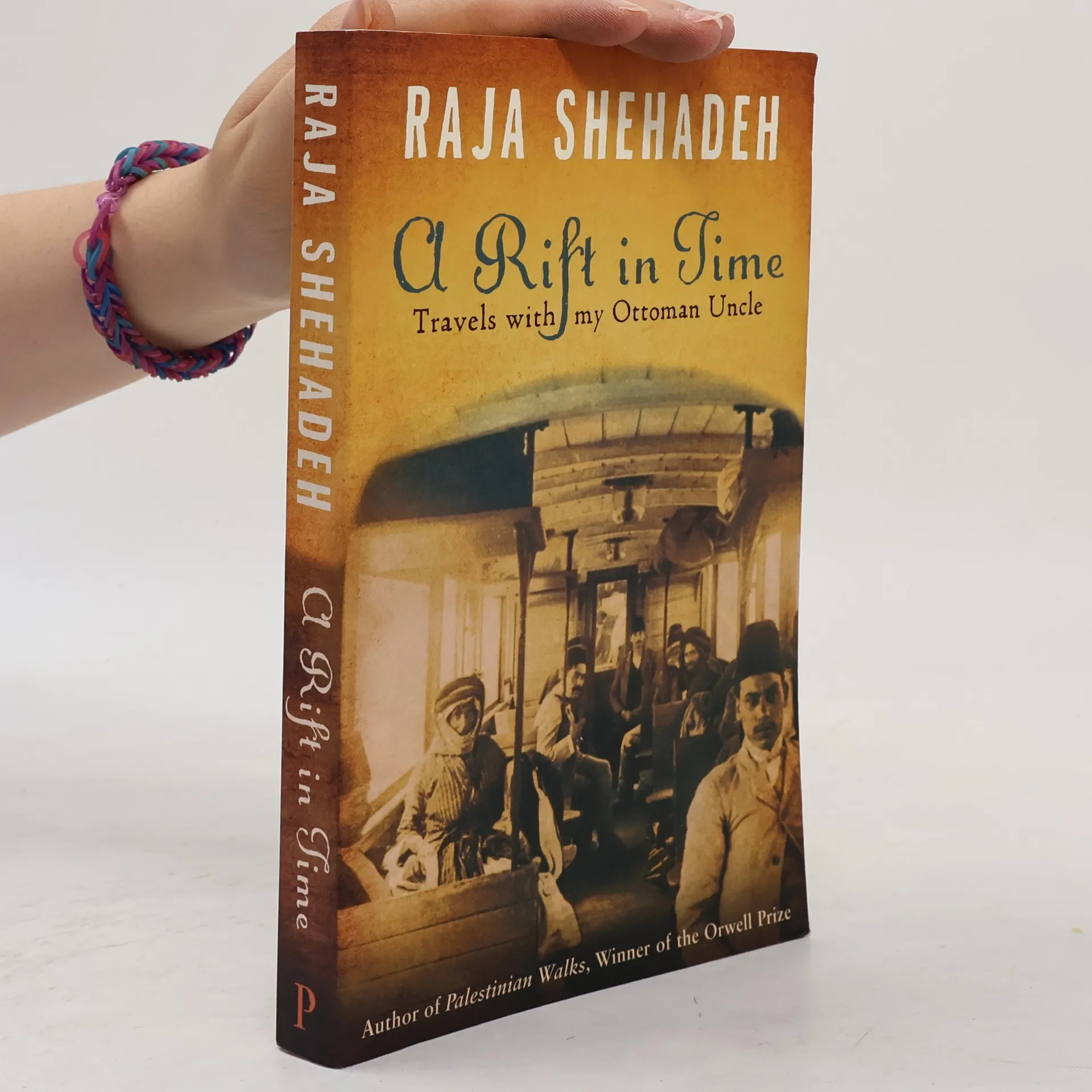
Raja Shehadeh is the most celebrated Palestinian writer working today. To his surprise, when researching his family history, he discovered a great uncle who had also been a writer entangled with the authorities, and who, like Raja, had dedicated his life to the freedom of the Palestinian people. Najib was a journalist and romantic living in Palestine, then part of the Ottoman Empire. When he voiced his opposition to Ottoman participation in the First World War, a death sentence was put on his head. So he fled, living on the run and off the land for nearly three years. The quest for Najib, the details of his life, and the route of his great escape consumed Raja for two years. As he traces Najib's footsteps, he discovers that today it would be impossible to flee the cage that Palestine has become. A Rift in Time is a family memoir, but it is also a reflection on how Palestine - in particular the disputed Jordan Rift Valley - has been transformed. Most of Palestine's history and that of its people is buried deep in the ground: whole villages have disappeared and names have been erased from the map. Yet by seeing the bigger picture of the landscape and the unending struggle for freedom as Raja does, it is still possible to look towards a better future, free from Israeli or Ottoman oppression.
Von der Hoffnung auf einen gerechten Frieden
Eine erschütternde Reflexion über das Versagen der Konfliktparteien im Nahost-Konflikt, einander als Gleichberechtigte zu behandeln, als Partner auf dem Weg zum Frieden, anstatt als Feinde und Völkermörder. Nach der Gründung des Staates Israel im Jahr 1948 kam es zur Nakba (arab. "Katastrophe"): die Vertreibung des palästinensischen Volkes, die Bruchlinien schuf, welche bis heute fortbestehen. In den folgenden Jahrzehnten, während die Berliner Mauer fiel und Südafrika die Apartheid abschaffte, lehnten die israelische Regierung und die PLO jede Gelegenheit zur Aussöhnung ab. Raja Shehadeh, Menschenrechtsanwalt und Palästinas größter lebender Schriftsteller, zeigt auf, dass dies trotzdem nicht bedeutet, dass die beiden Nationen nicht als Partner auf dem Weg zum Frieden zusammenarbeiten können. Im Gegenteil: Wenn dieser gewaltsam ausgetragene Konflikt enden soll, müssen beide Seiten gegen ihre Extremisten kämpfen. In seinem beobachtenden Stil öffnet dieses Werk eine neue Perspektive in einer Zeit großer Not.
Aziz Shehadeh war in seinem Leben vieles: engagierter Anwalt, widerständiger Aktivist, einer der ersten und furchtlosesten Verfechter der Zwei-Staaten-Lösung und politischer Gefangener. Und er war der Vater des Bestseller-Autors Raja Shehadeh. In jungen Jahren war Raja noch nicht in der Lage, den großen Mut seines Vaters zu erkennen und dieser wiederum sah sich nicht im Stande die Ambitionen des eigenen Sohnes zu würdigen. Als Aziz 1985 direkt vor seinem Haus ermordet wird, verändert dieses Ereignis das Leben seines Sohnes für immer. In seinem eindringlichen Memoir verarbeitet Raja Shehadeh die komplexe Beziehung zu seinem Vater, die bis dato ungeklärten Umstände von dessen Ermordung und liefert zugleich eine unvoreingenommene Historie der Besatzung Palästinas. Eine berührende literarische Annäherung an einen Mann, der sein Freund hätte sein können, und ein Buch, das sowohl von persönlicher als auch gesellschaftspolitischer Relevanz ist und zu Recht auf der Shortlist für den National Book Award stand.
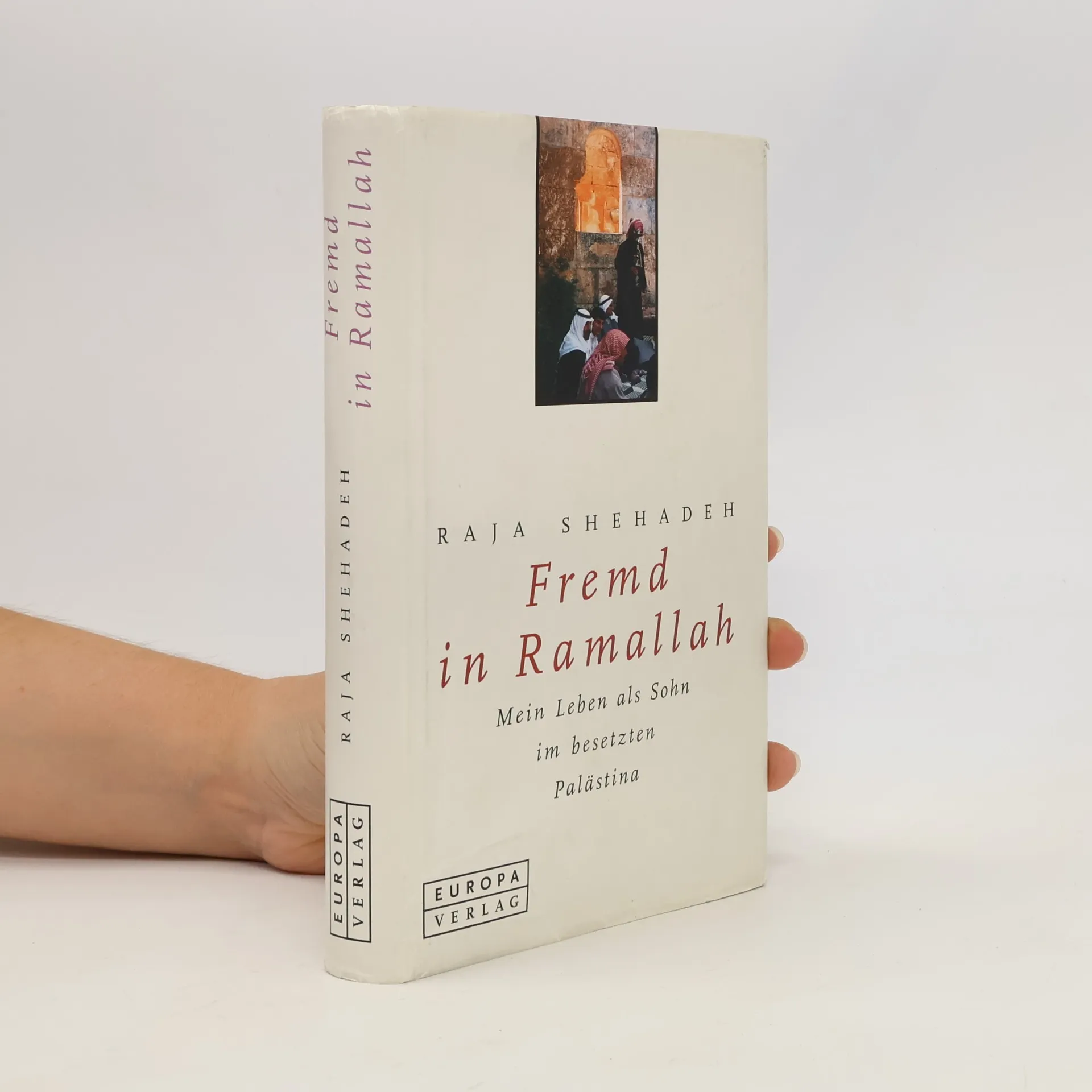
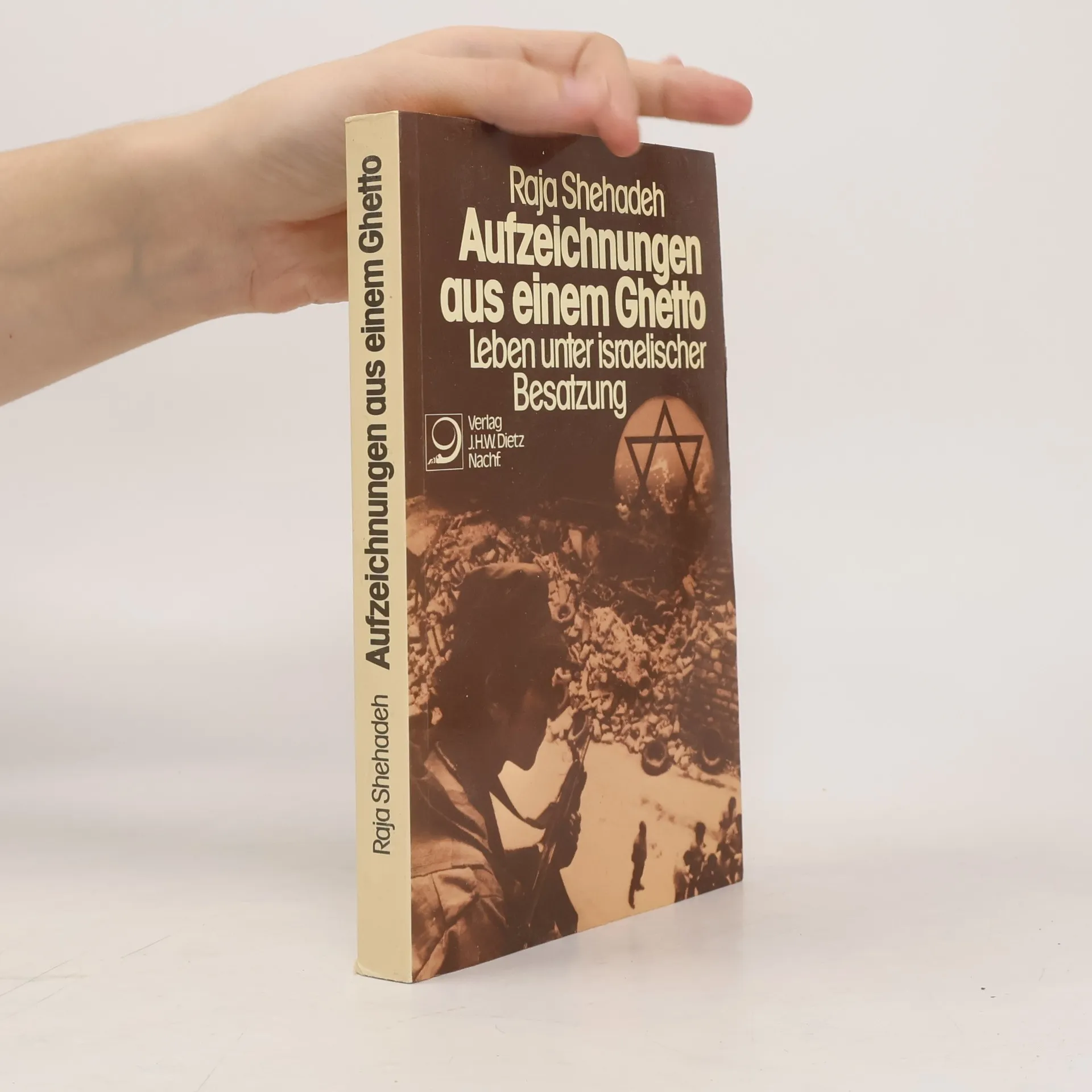
So lange er denken kann, stand Raja Shehadeh im Bann seines Vaters. Der renommierte Anwalt Aziz Shehadeh war einer der ersten, der für die Anerkennung eines israelischen Staates plädierte als Voraussetzung für ein eigenständiges Palästina. Doch Sohn Raja hätte sich lieber einen Vater gewünscht, der sich für die Belange des Sohnes interessiert, statt einen Freiheitshelden. Raja versucht, seinen eigenen Weg zu finden, will beweisen, daß es noch etwas anderes gibt als Palästina und Israel, und erntet nur Verachtung seines Vaters. 1985 wird Aziz auf offener Straße von seinen eigenen Landsleuten ermordet. Sein Sohn erzählt die Geschichte seiner Familie vor dem Hintergrund der Geschichte seines Landes.
Belletristik : Israel/Israeli/Palästinenser ; Aufzeichnung.
Zápisky o mizející krajině