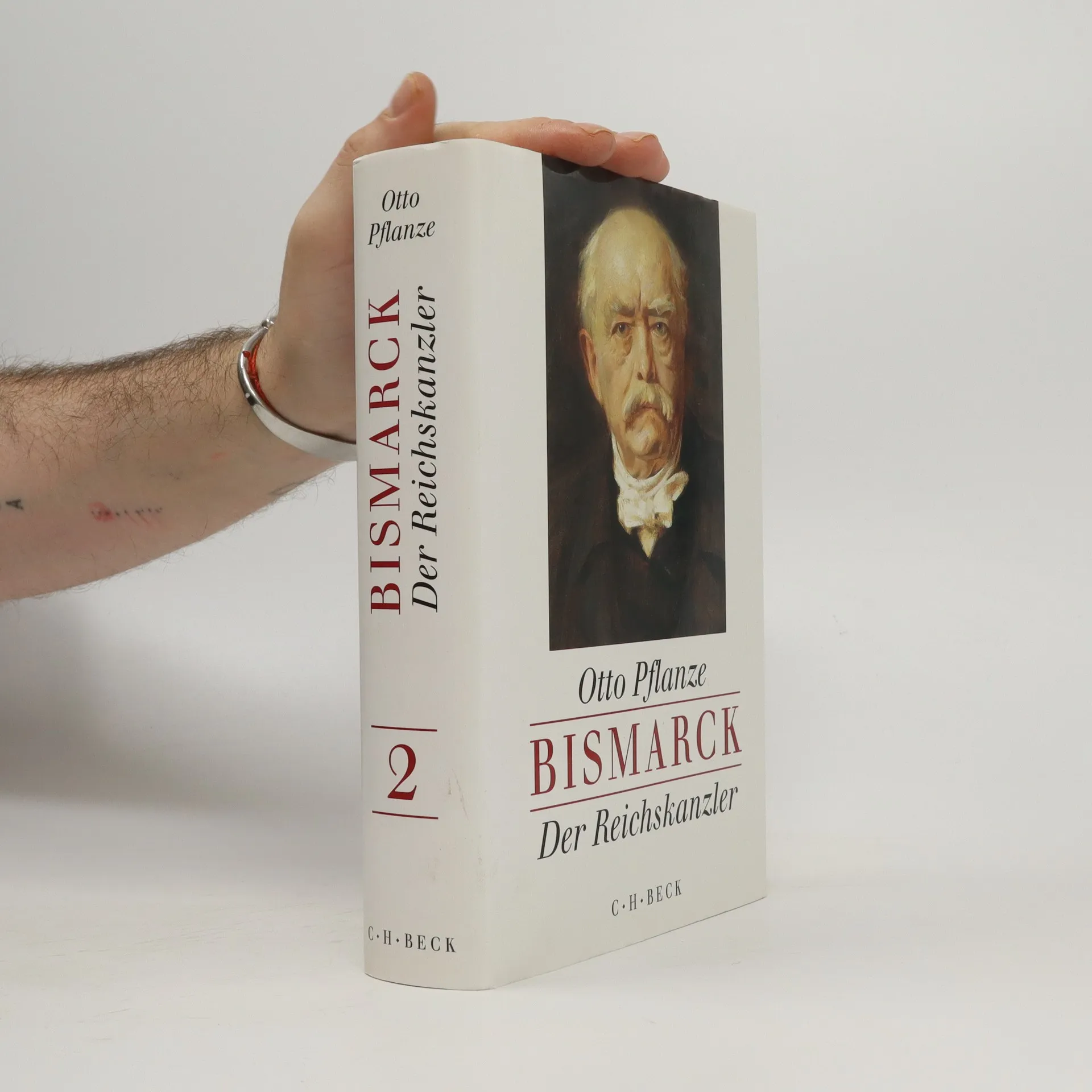
Focusing on the political landscape of late 19th-century Germany, this volume explores Bismarck's challenges following the economic crash of 1873 and his attempts to forge a national consensus amidst social unrest. It delves into his increasing frustrations, the psychological impacts of his political struggles, and the efforts of his physicians to improve his health. The narrative culminates in Bismarck's contentious relationship with Wilhelm II and reflects on the enduring legacy of Bismarck, which continues to shape Germany's aspirations for reunification.
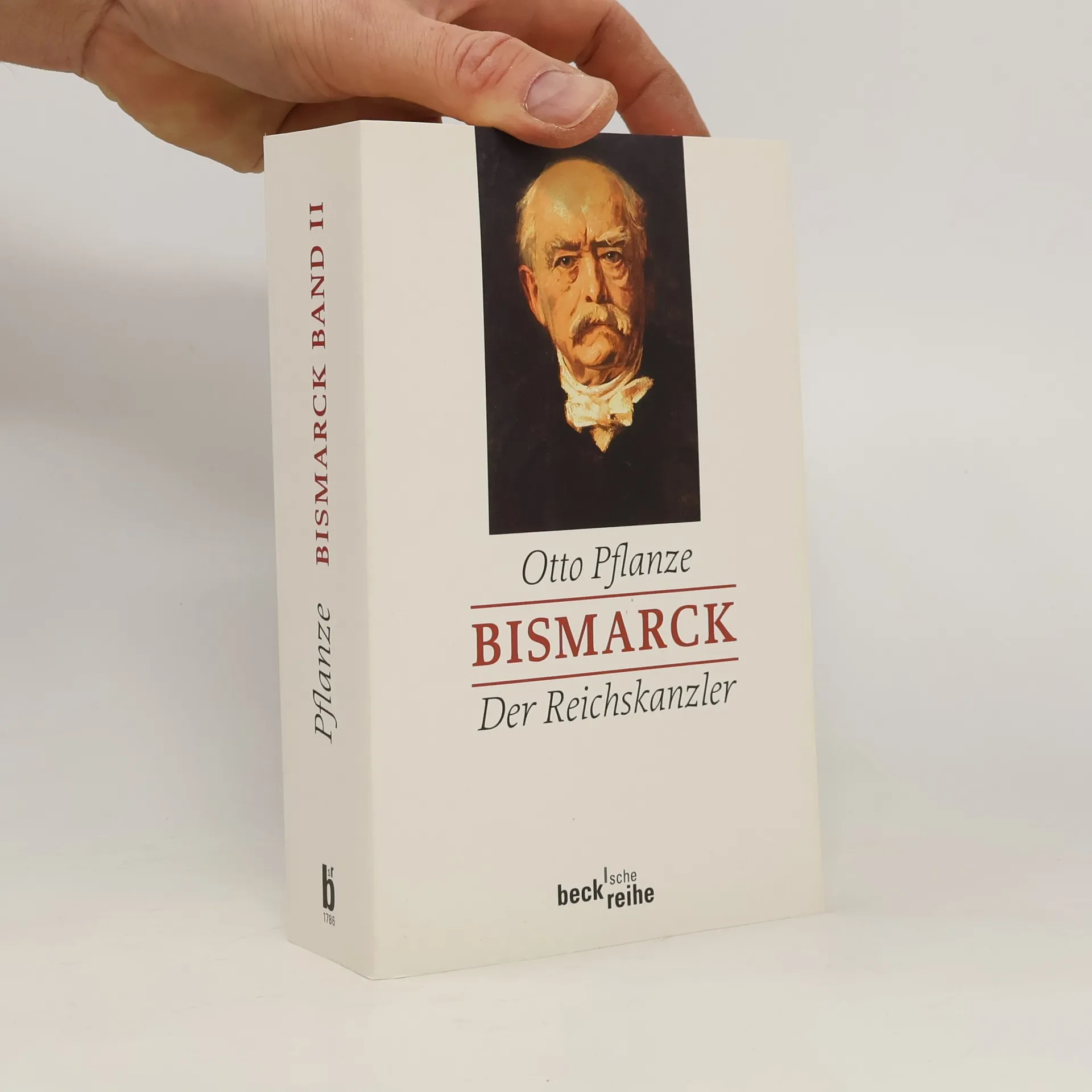
In seiner zweibändigen Bismarck-Biographie zeichnet Otto Pflanze nicht nur ein eindringliches und oft überraschendes Bild des Reichsgründers, sein Werk ist auch eine mit imponierender Kenntnis geschriebene Geschichte Deutschlands im 19. Jahrhundert. Pflanzes Darstellung, die Summe eines Forscherlebens, vereinigt in sich ökonomische, soziale, politische intellektuelle sowie institutionelle Aspekte der deutschen Geschichte und setzt sie in Beziehung zu Bismarck und seiner Karriere. Damit greift sie weit über den Rahmen einer traditionellen Biographie hinaus und rückt Bismarck in den „Strom der Zeit“. „Ein opus magnum über das Leben und Werk Otto von Bismarcks.“ Klaus Hildebrand, Die Zeit „Sein Werk, eine wahre Summa der Bismarck-Forschung, dürfte sich für eine Reihe von Jahren als maßgebliche Biographie durchsetzen.“ Hans-Peter Schwarz, Frankfurter Allgemeine Zeitung „ Pflanzes Werk besticht nicht nur durch eine profunde Kenntnis der Literatur und - besonders für die Zeit nach 1871 - durch manche Archivfunde, sondern auch durch die Offenheit, mit der er sein eigenes zwiespältiges Verhältnis zu Bismarck zum Ausdruck bringt.“ Volker Ullrich, Die Zeit
Otto Pflanze zeichnet in seiner zweibändigen Biographie ein vielschichtiges Bild von Bismarck und verknüpft dessen Leben mit der deutschen Geschichte des 19. Jahrhunderts. Die Darstellung umfasst ökonomische, soziale und politische Aspekte und zeigt Bismarck als komplexen Charakter mit Genie und Schwächen.
This monumental three-volume work offers a profound analysis of Bismarck and his era, serving as a masterful study of nineteenth-century Germany. Otto Pflanze's trilogy synthesizes various aspects of the German historical experience—economic, social, political, and intellectual—highlighting the interplay between Bismarck's genius and the forces that shaped him and were reshaped by him. It emphasizes the necessity of reassessing Germany's past in light of the twentieth century's tragedies, providing fresh insights into the internal and international political systems of Bismarck's time while vividly portraying Bismarck's complex personality.
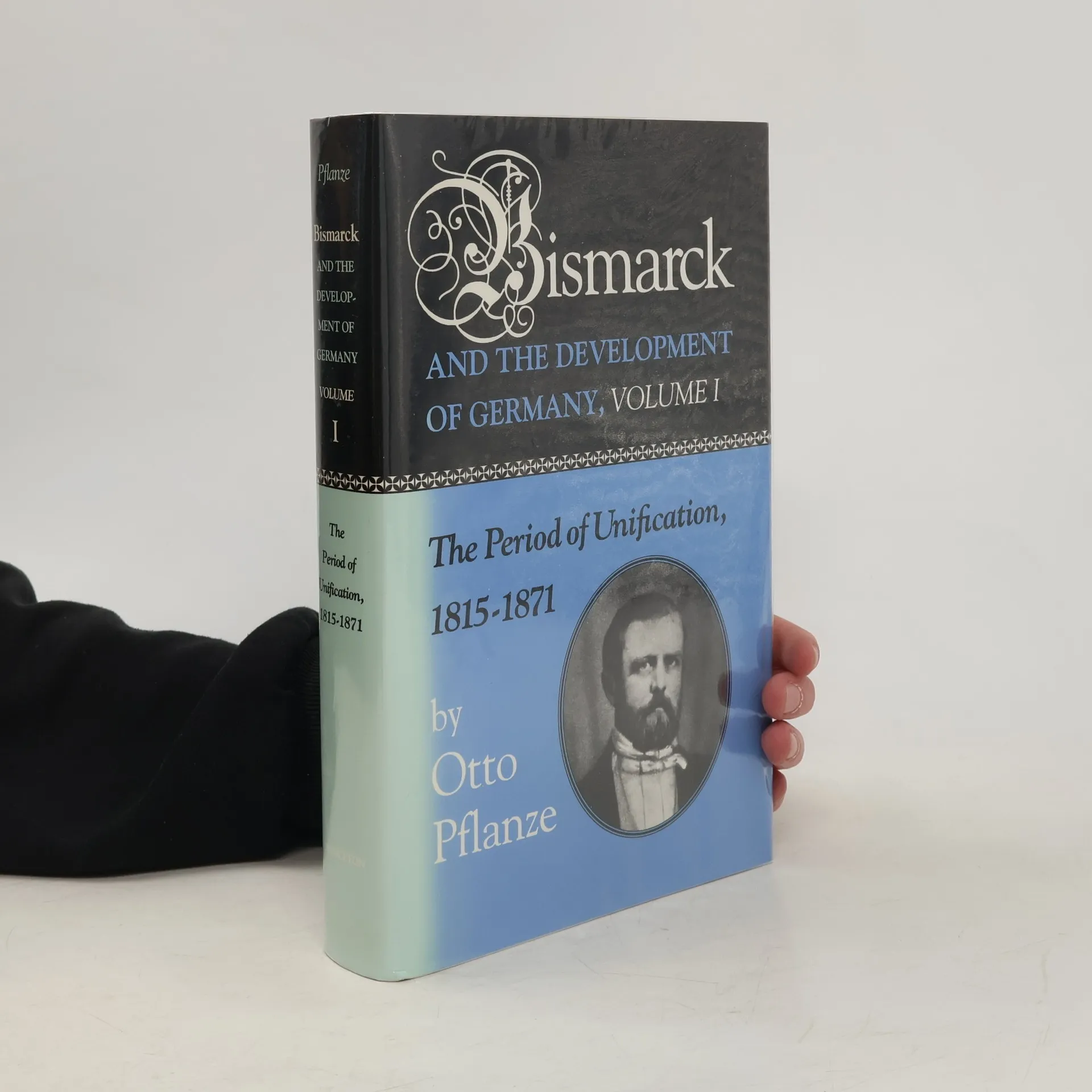
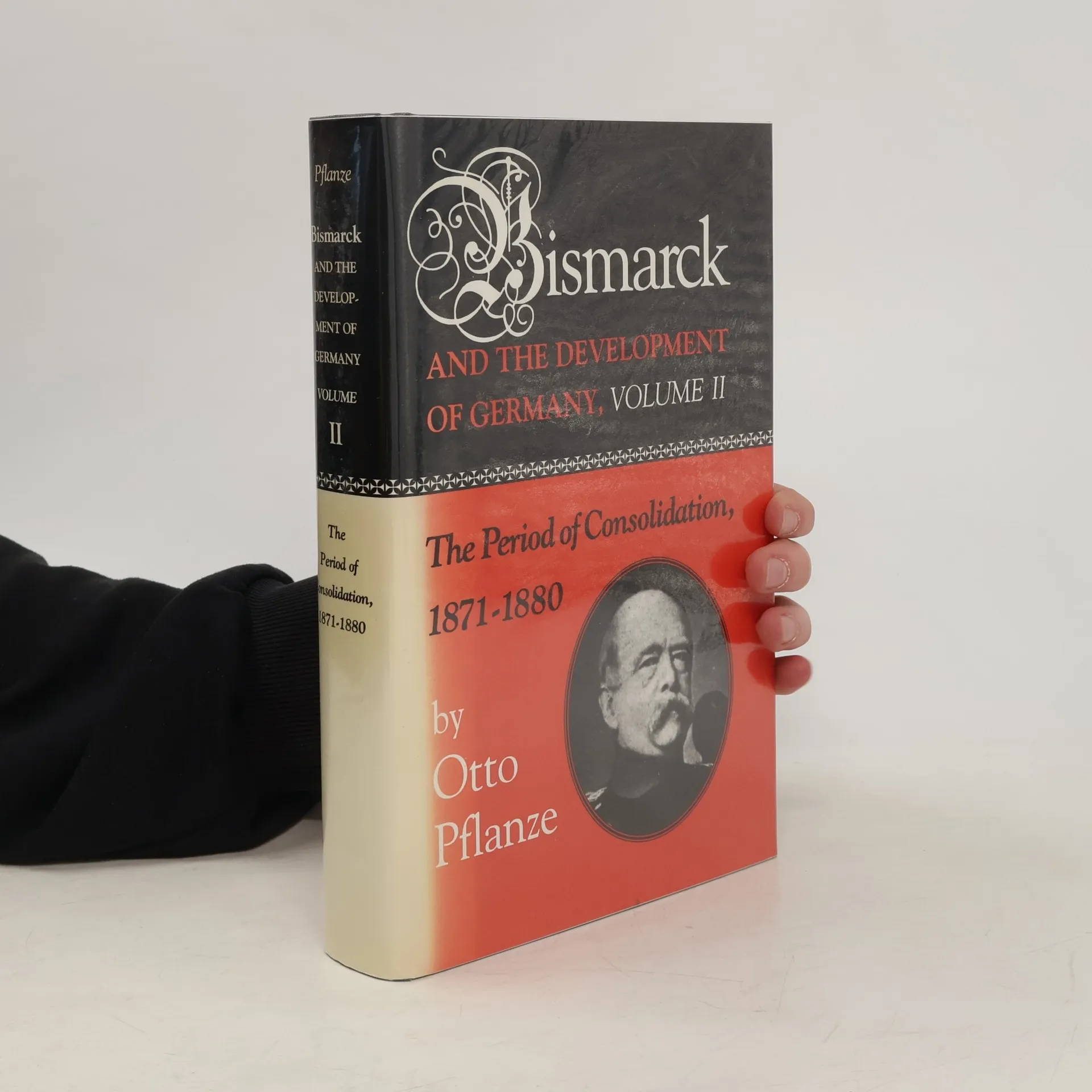
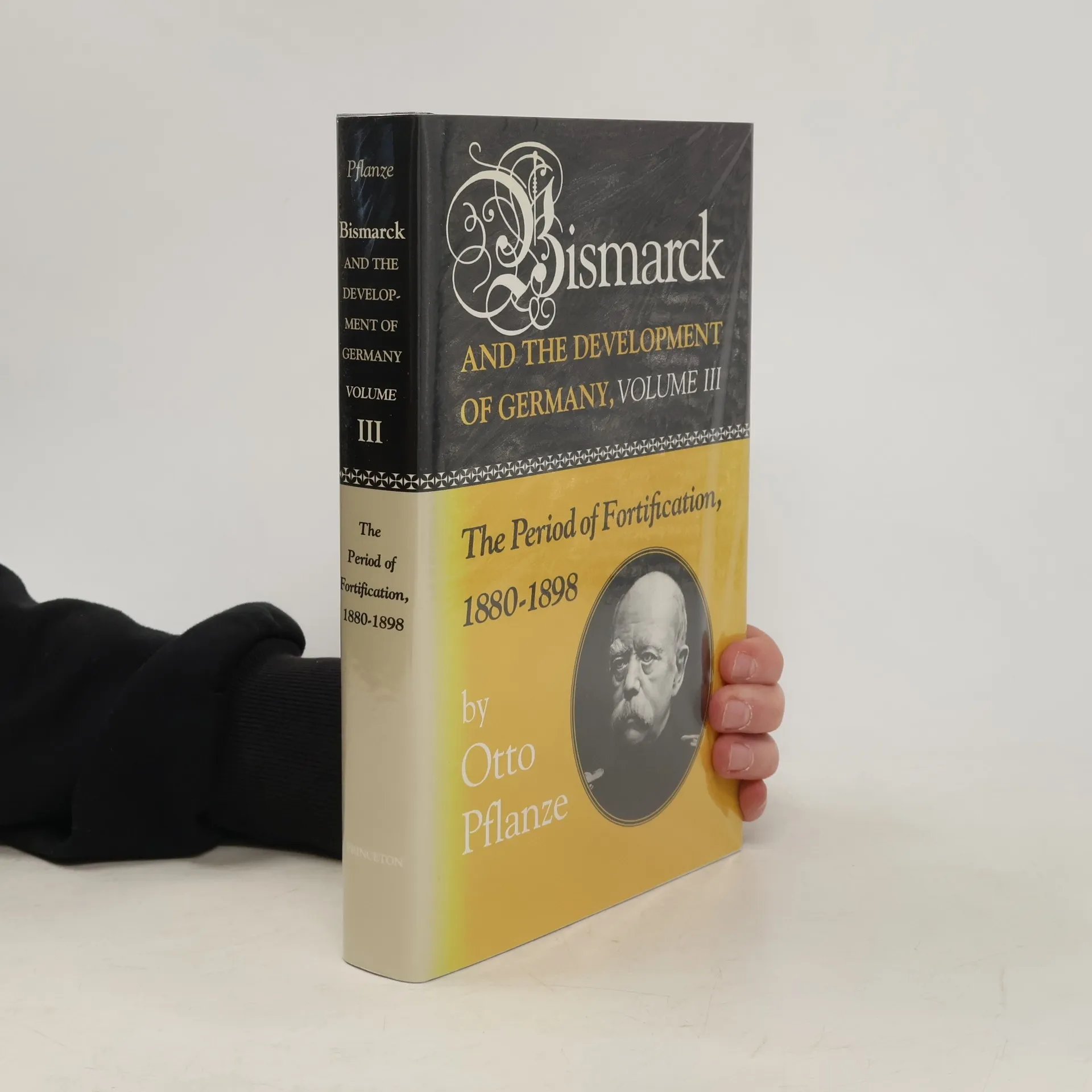
Volume I covers the period of unification (1815-1871), exploring Bismarck's role in Germany's unification and his influence on its history. It reflects on his duality—his acknowledgment of historical forces and his will to power. Volume II focuses on the consolidation period (1871-1880), when Bismarck emerged as a dominant political figure, addressing the challenges of maintaining order rather than pursuing conquest. Volume III examines the period of fortification (1880-1898), detailing Bismarck's responses to economic depression and his political frustrations, culminating in his conflict with Wilhelm II. The trilogy concludes with a discussion of the enduring Bismarck legend and its implications for Germany's quest for reunification.
The three volumes of this monumental work on Bismarck and his times provide a finely honed analysis of a complex figure and a masterful study of nineteenth-century Germany. Otto Pflanze's trilogy synthesizes the German historical experience—economic, social, political, and intellectual—through the lens of Bismarck’s career. It explores the interaction between Bismarck, a man of genius, and the forces that shaped and were reshaped by him, transcending traditional biographical constraints. The author calls for a reassessment of German history in light of the twentieth century's tragedies, offering fresh insights into the internal and international political systems of Bismarck's era. The trilogy vividly portrays Bismarck's narcissistic personality, linking health, neurosis, and political judgment to his strengths and weaknesses, allowing for a comprehensive view of his impact on modern German history.
Volume I covers the period of unification (1815-1871), detailing Bismarck's emergence in Prussian foreign service and his role in Germany's unification. Volume II focuses on the years of consolidation (1871-1880), examining Bismarck's dominance in German and European politics and the new Reich's international order. Volume III addresses the period of fortification (1880-1898), detailing Bismarck's response to economic challenges and his conflicts with Wilhelm II, culminating in the enduring Bismarck legend that continues to influe