Explore the latest books of this year!
Bookbot

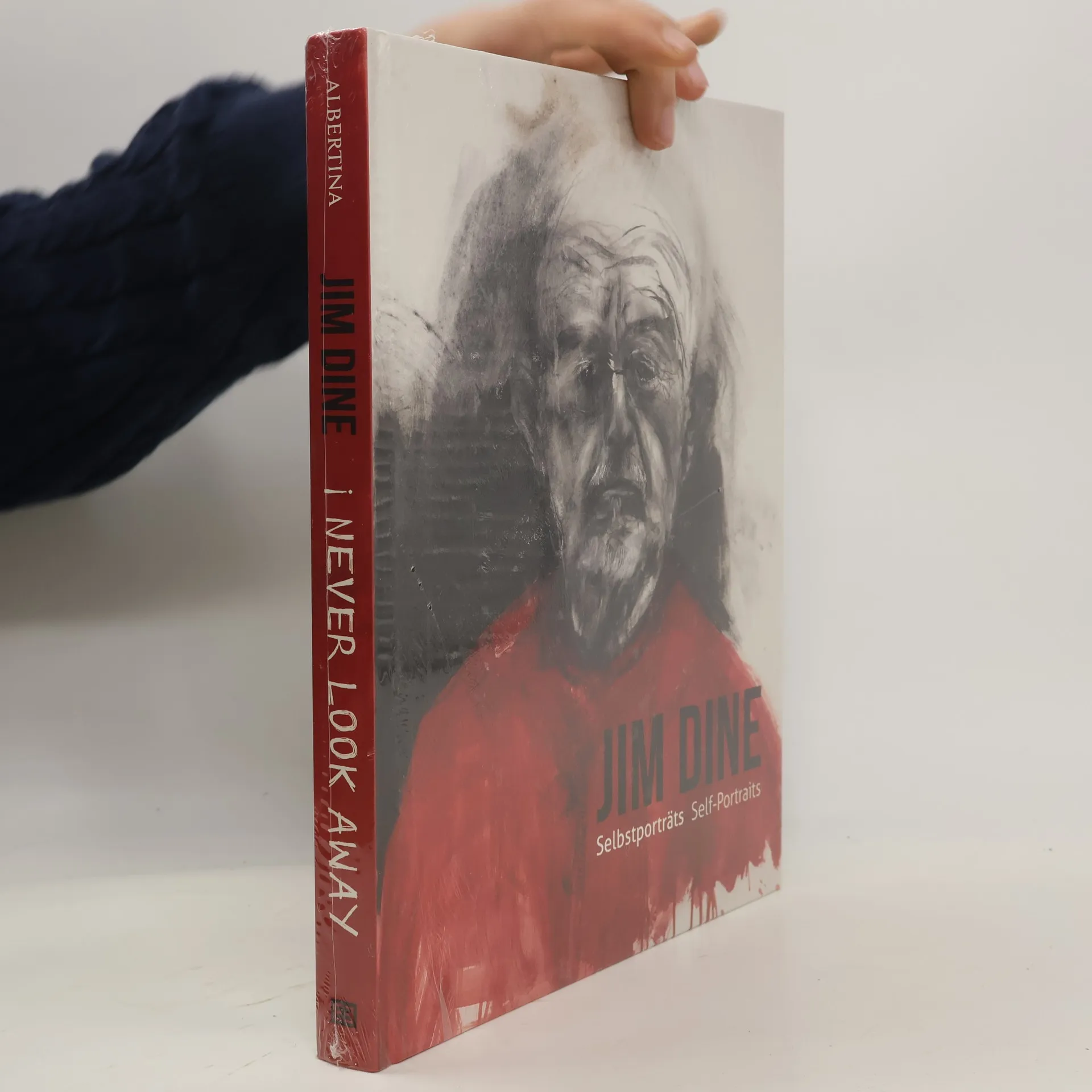
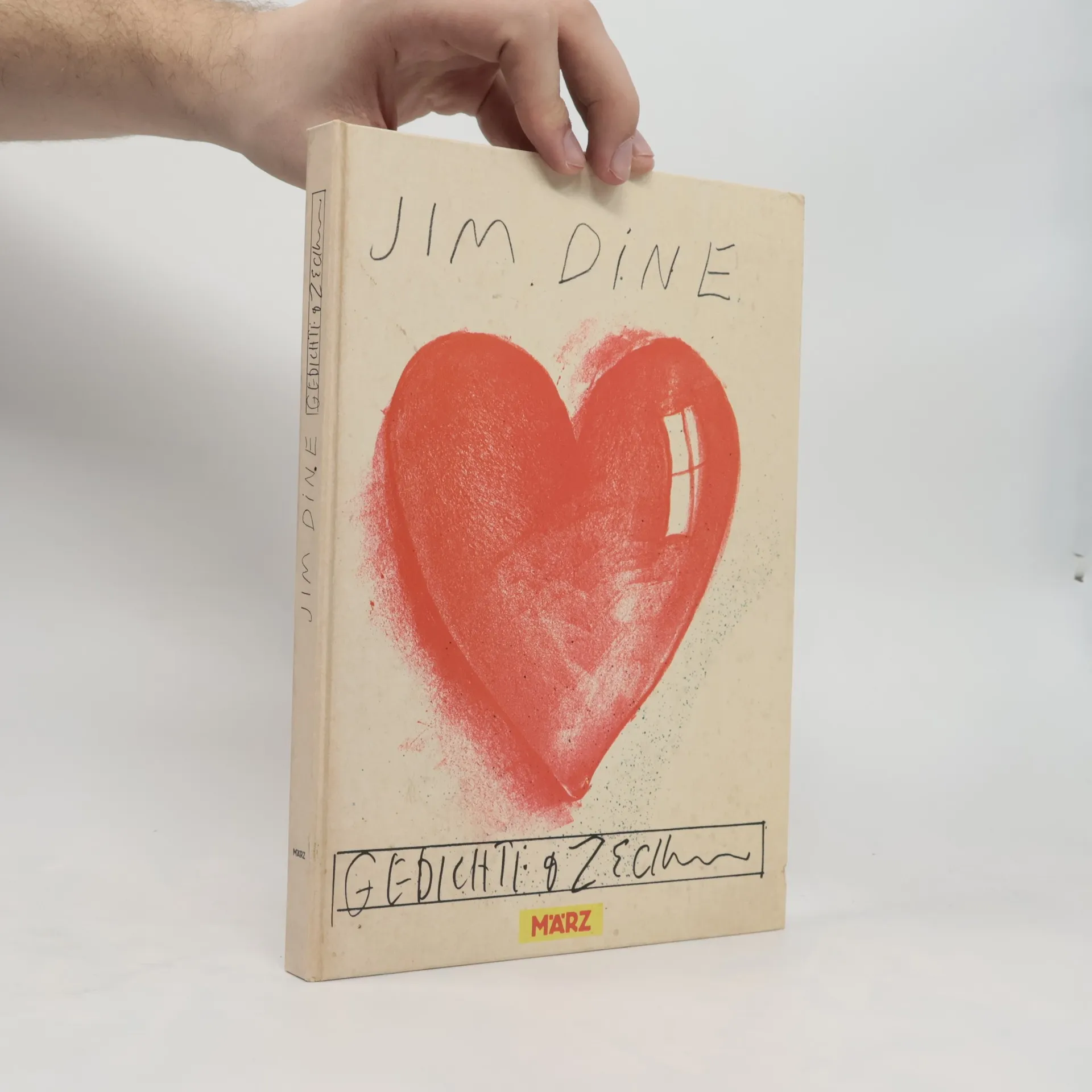
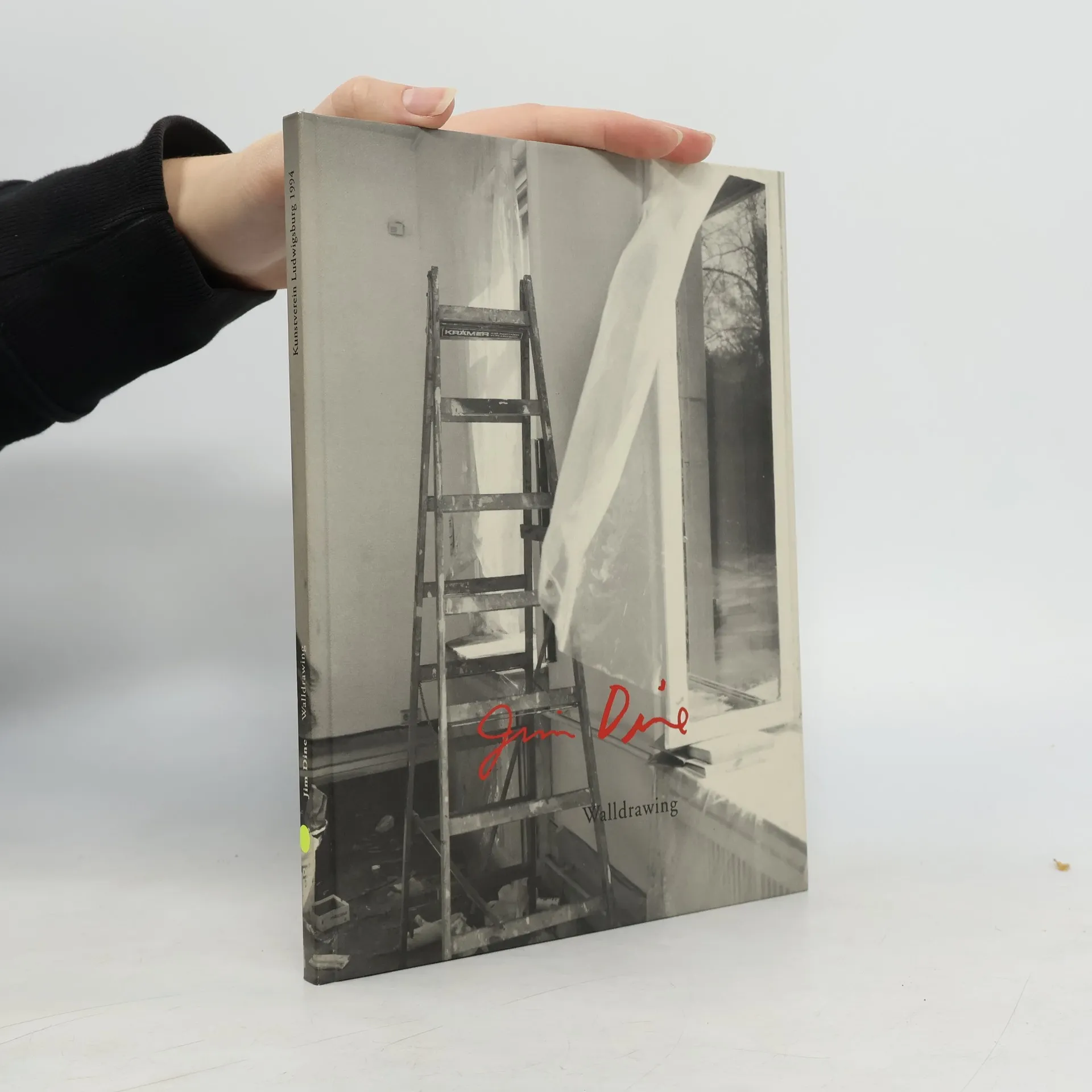
Jim Dine

  • Dine, James
June 16, 1935
Jim Dine, Paris reconnaissance
Birds
Jim Dine, some drawings
Boy in the world
Nightfield - nightfields, dayfields
A printmaker´s document
  • A printmaker´s document

    • 280 pages
    • 10 hours of reading

    “Inspired by a semi-autobiographical book by the mid-20th century German printmaker HAP Grieshaber, I have used his idea to create a story of fifty years as a printmaker. The book includes interviews with my printers and memories of my life around the prints I made at that time. I have made over a thousand prints so far and I am not done yet. There are “key” images illustrated, and the text attempts to marry the technical with my emotional feeling for the mediums, etching, lithography, woodcut and silkscreen. I have included recipes for variations on intaglio and some stories of my friendships with these gifted artisans who have produced this work.” Jim Dine

    A printmaker´s document
    4.8
  • Night Fields, Day Fields is a survey of Jim Dine’s sculpture from 1959 to 2009. Dine is commonly seen as a prolific painter, printmaker and photographer whose central practice is drawing, but this book shows that sculpture is just as important in his oeuvre. Here we discover Dine’s favourite and reoccurring motifs: hearts, tools, skulls, and Pinocchio, as well as Classical sculpture in the form of Venus de Milo and Winged Victory. Dine’s media are as diverse as his themes and include bronze, wood, glass and found objects. His styles are similarly manifold, testament to an artist who has shrugged off the trappings of Pop Art to develop an eclectic body of styles that is unique and authoritative in contemporary art. Born in 1935 in Cincinnati, Ohio, Jim Dine completed a Bachelor of Fine Arts at the University of Ohio in 1957, and has since become one of the most profound and prolific contemporary artists. Dine’s unparalleled career spans fifty years and his work is held in numerous private and public collections. His books at Steidl include Birds (2001), The Photographs, so far (2003), and Hot Dream (52 Books) (2008).

    Nightfield - nightfields, dayfields
    5.0
  • Boy in the world

    • 160 pages
    • 6 hours of reading

    Jim Dine began as one of the first-generation Pop artists in the 1960s, and went on to become widely admired in the 1970s for his prodigious drawing and printmaking activities. For the last several years he has developed and worked with a particular fascination for Carlo Collodi's popular tale of a wooden boy who becomes real, and who has served as a sort of muse for Dine, the inspiration for numerous drawings, photographs, paintings, artist's books and sculptures. "When I was six years old my mother took me to see the Disney Pinocchio film," Dine "it has haunted my heart forever! Geppetto and the author, Carlo Collodi, gave the boy the chance to come to consciousness and therefore join us in this Vale of Tears. His poor burned feet, his misguided judgment, his constant lying, his temporary donkey ears... It all adds up to make the sum of him." This volume, Steidl's third volume to stem from Dine's Pinocchio series, features works that exploit and improvise on the allegory, satire and wit of this classic tale.

    Boy in the world
    5.0
  • Jim Dine, some drawings

    • 212 pages
    • 8 hours of reading

    This book of 85 drawings by Jim Dine illustrates the range and mastery of the artist's draftsmanship over more than four decades. The variety and breadth of the selection shows the intense way Dine observes the world around him and the excitement with which he records it on paper. Dine has said that his ability to draw is both a privilege and the result of hard physical training, compelling him to move inexorably forward to capture the next idea or the next psychological insight in drawings that are extraordinarily human. The selection includes early tool pencil drawings and collages, as well as powerful portrait and figure studies in a variety of media. Also included are large painterly pastels executed with a bravura that places them somewhere between painting and drawing. Dine sees his paintings and drawings as essentially conceived and developed in the same way--requiring the same amount of time, emotion and physicality of medium. The only difference, in the end, is that the drawings are on paper.

    Jim Dine, some drawings
    4.4
  • „Hallo, ich heiße Jimmy“, sagte eine Krähe zum kleinen Jim Dine in seiner Einleitung, „aber dies erschreckte mich, und zugleich ... verstand ich.“ Die Begegnung mit dem Vogel nahm der Junge in einer Mischung aus Angst, Faszination und tiefer Einsicht in sein Unbewußtes wahr. nnDer Künstler übersetzte die Erinnerung daran in eine Serie faszinierender Schwarzweiß-Fotografien. Sind sie symbolisch, tiefgründig, mystisch oder einfach Fotos von geliebten Tieren? Ein gewöhnlicher Vogel erscheint dem Betrachter als mythologische Figur, als mittelalterlicher Hofnarr oder als seltsamer Bote einer verborgenen Welt. Jim Dine spricht zu den Vögeln, und sie antworten ihm, denn sie sind ihm freundschaftlich verbunden.

    Birds
    4.4
  • Jim Dine, Paris reconnaissance

    • 240 pages
    • 9 hours of reading

    This book is the catalogue to Jim Dine’s upcoming comprehensive exhibition at the Centre Pompidou in Paris, covering four decades of his varied and prodigious output. Over the past years Dine has donated large personal selections of his art to museums across Europe and the US, including the British Museum, the Albertina in Vienna, the Museum of Fine Arts in Boston and the San Francisco Museum of Modern Art. One such generous gift to the Centre Pompidou, consisting of 24 paintings and sculptures from 1966 to the present, is the subject of this book. Featuring double-page reproductions of each work—covering Dine’s major motifs including his hearts, bathrobes, birds, self-portraits and tools—as well his new 40-page interview with the Musée National d’Art Moderne—Centre Pompidou’s director Bernard Blistène supplemented with vintage photos, this book is most detailed survey to date of one of the most important contemporary artists.

    Jim Dine, Paris reconnaissance
    4.0
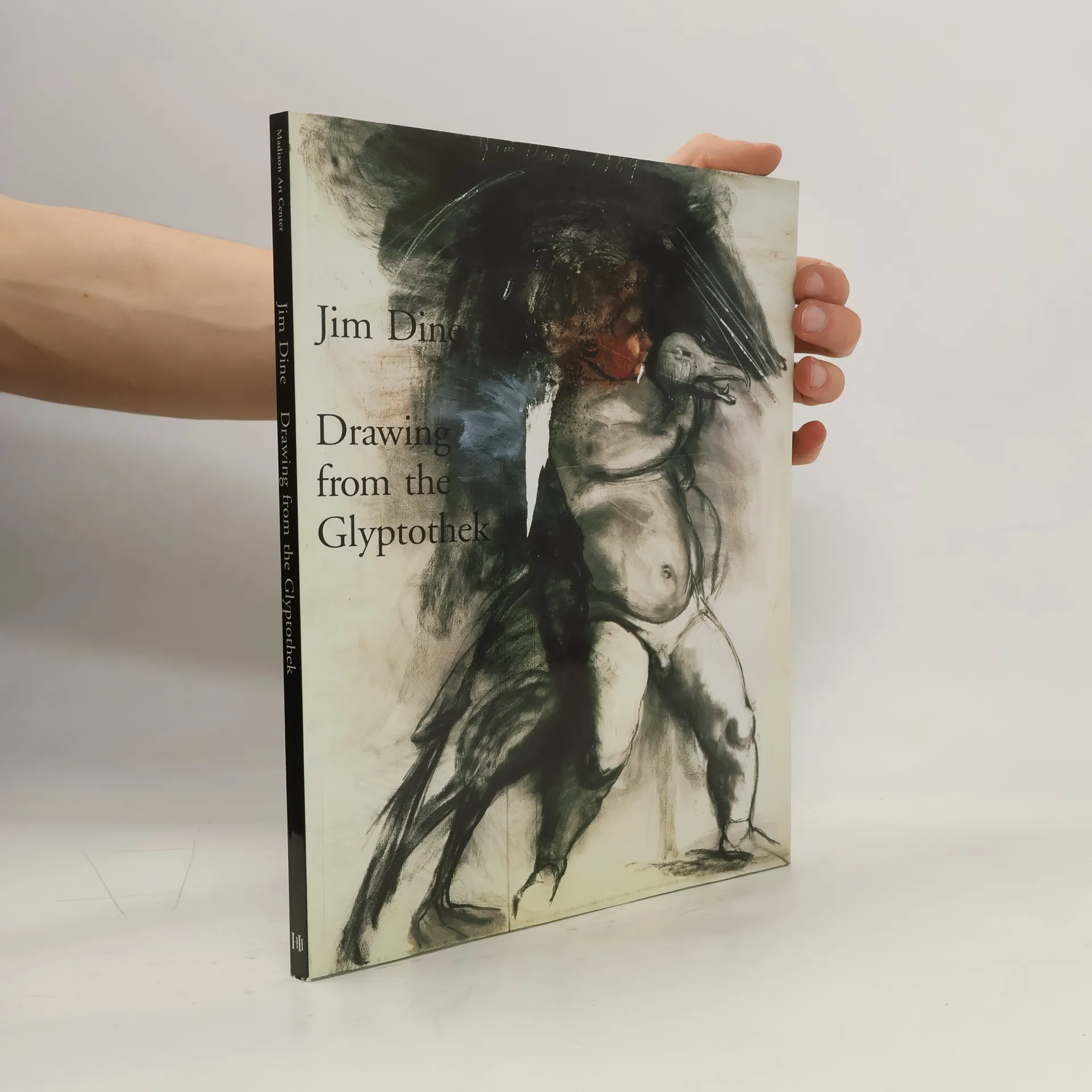
  • Drawing from the Glypothek

    • 126 pages
    • 5 hours of reading

    Jim Dine, originally linked with Pop art, has developed into one of the most remarkable draftsmen and preeminent artists of our time.

    Drawing from the Glypothek
    4.1
  • Donkey in the sea before us

    • 56 pages
    • 2 hours of reading

    “Donkey in the Sea before Us is a marriage of poetry and water-colour portraits of the boy/puppet, who is on his way to becoming a human” Jim Dine This book of new water-colours by Jim Dine continues his life-long obsession with the character of Pinocchio. Dine first encountered Pinocchio through Disney’s acclaimed animated film which he saw as a child in 1940, and later through Carlo Collodi’s original text. Says Dine: “I have for many years been able to live through the wooden boy. His ability to hold the metaphor in limitless ways has made my drawings, paintings and sculpture of him richer by far. His poor burned feet, his misguided judgment, his vanity about his large nose, his temporary donkey ears all add up to the real sum of his parts. In the end it is his great heart that holds me. I have carried him on my back like landscape since I was six years old.” Born in 1935 in Cincinnati, Ohio, Jim Dine is a prolific painter, draughtsman, print-maker and photographer. Initially associated with the Pop movement, Dine’s career spans over forty years and his work is held in numerous private and public collections. His books with Steidl include Birds (2001), The Photographs, so far (2003) and Hot Dream (52 Books) (2008).

    Donkey in the sea before us
    4.0
  • Jewish fate

    • 40 pages
    • 2 hours of reading

    Jewish Fate is an evocative autobiographical poem by Jim Dine accompanied by 18 lithographs of one of his favorite motifs, tools. The poem shows Dine reminiscing about his childhood days spent at his grandfather's hardware store in Cincinnati, where he worked every Saturday and summer for ten years from the age of nine. Dine's vivid co-workers shape his memories. There is the head shipping clerk Joe Kibbing: tall, thin, "very dramatic and high strung and didn't take orders easily." Joe's older brother Bud was the dignified head salesman: "a soft-spoken, intelligent man who had he had an education past high school might have been a lawyer or a surgeon." And finally there was Willie Tapp, "short and lithe ... he dressed elegantly like a lot of black guys did then for a guy loading trucks and handling greasy tools and heavy boxes... This handsome, lovely man showed up for work drunk most Saturdays, but managed to perform most times." Among these characters in the inspirational, overflowing store Dine developed his love for tools which accompanies his art today and is seen in the hammers, rollers, brushes and wrenches in this book--all realized in Dine's inimitable unfinished style, in his words: "Always correcting and reinventing the drawing."

    Jewish fate
    3.0
  • Poet singing

    • 114 pages
    • 4 hours of reading

    In 2007 the Getty Museum in Los Angeles, California asked Jim Dine to make a work in response to a part of their antiquities collection at the "Villa." Dine carved three large scale wood sculputes, painting them with very bright colors in the ancient Hellenistic way, and surrounded them with a long poem attached to the wall. The entire process was documented for this book with photographs by Diana Michener, Gerhard Steidl and Jim Dine.

    Poet singing
    3.0