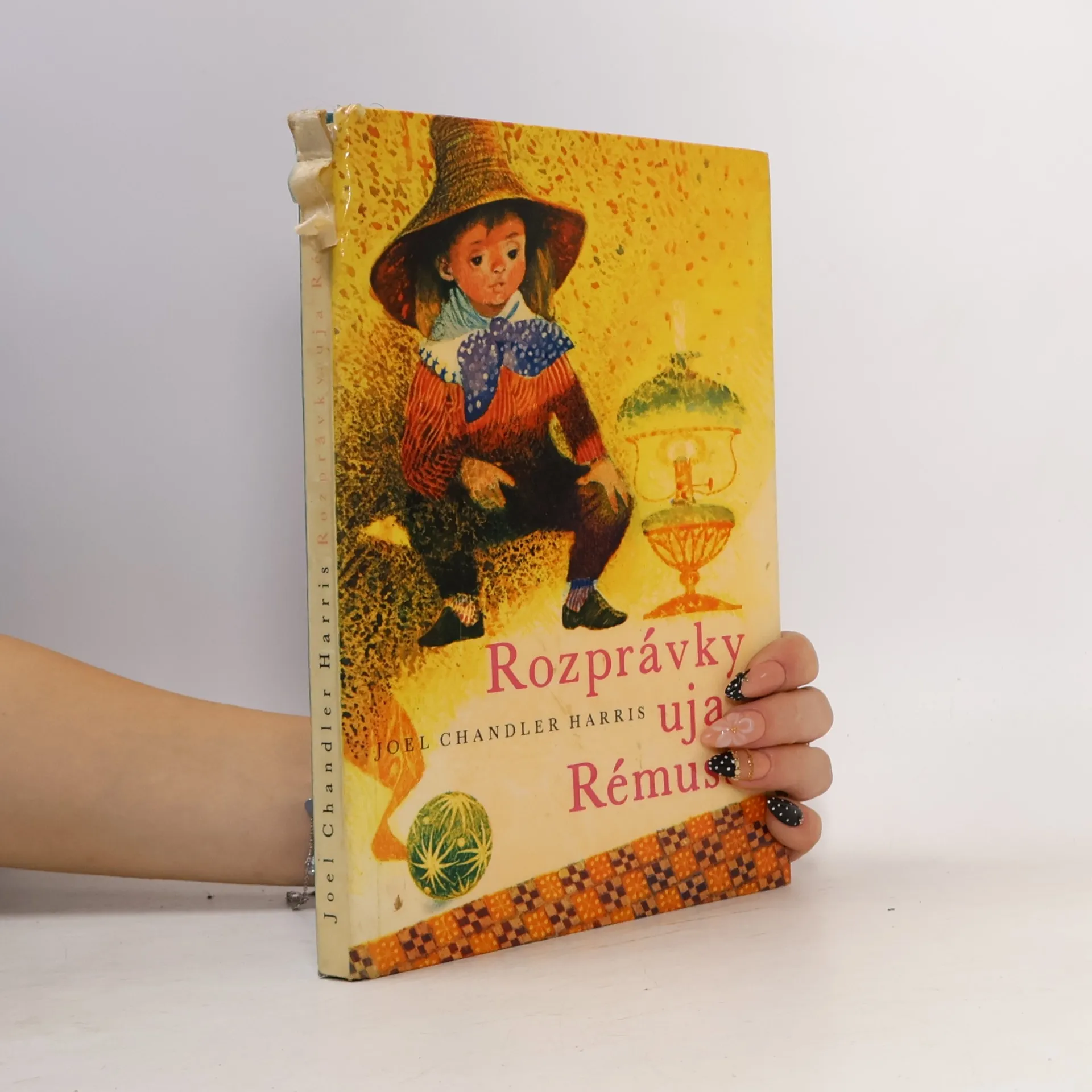
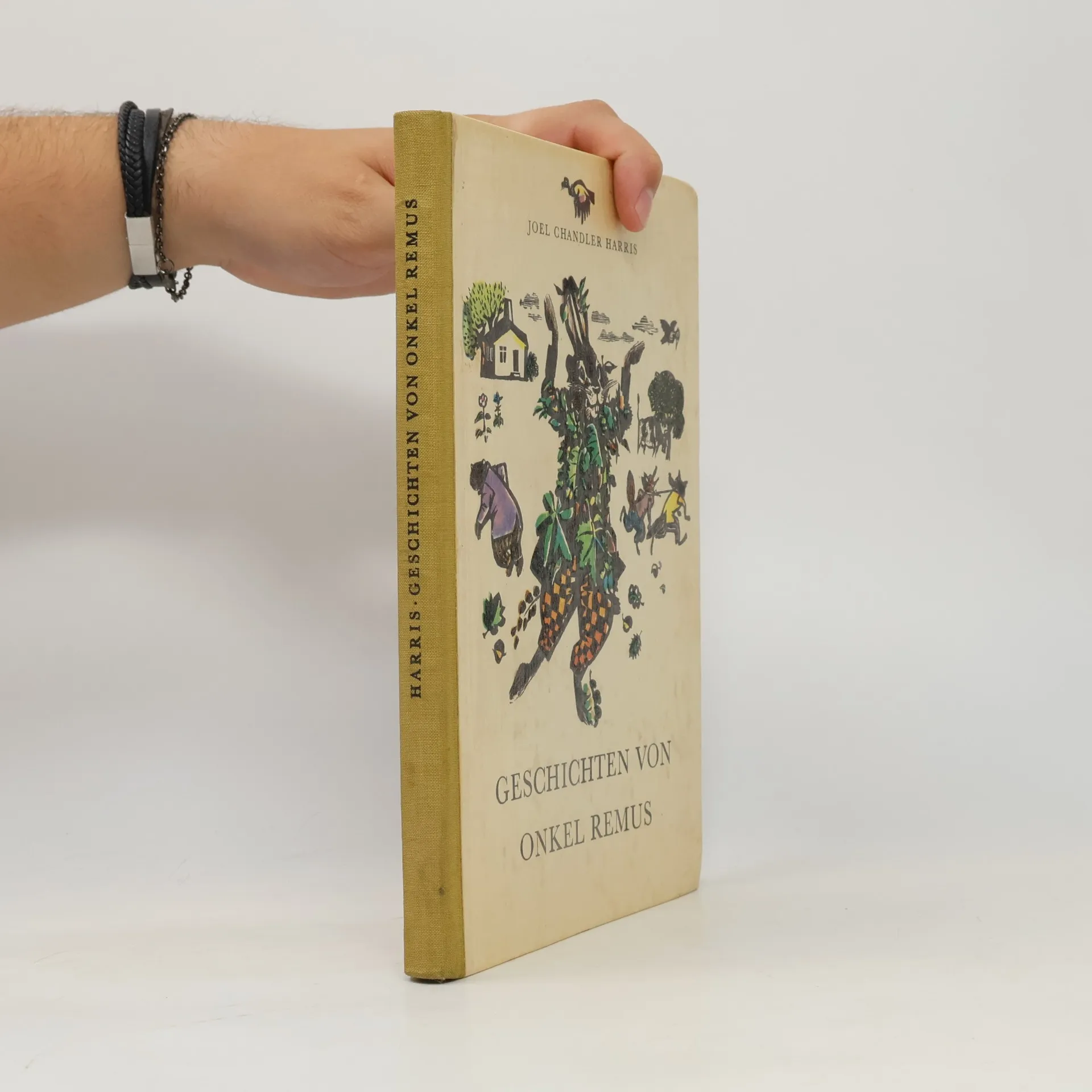
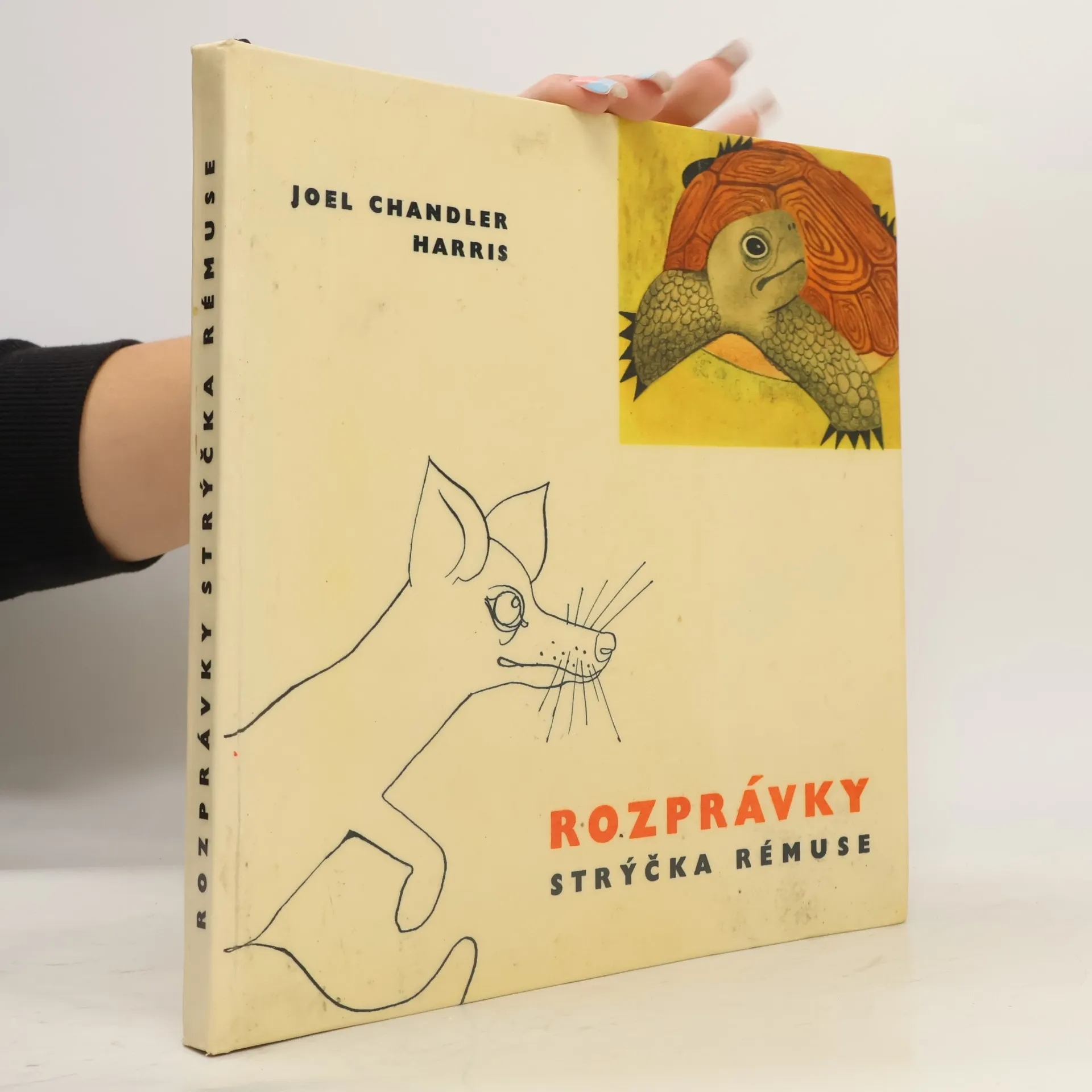
This book is a reproduction of a historical work, produced by Megali, a publishing house dedicated to making literature accessible for individuals with impaired vision through large print formats. The focus on enhancing readability ensures that a wider audience can enjoy and engage with important historical texts.
Joel Chandler Harris Book order (chronological)
December 9, 1848 – July 3, 1908
Joel Chandler Harris was an American journalist whose distinctive voice brought the African-American oral storytelling tradition to a wide audience. His revolutionary use of dialect and his memorable trickster hero, Br'er Rabbit, who uses his wit against adversity, captivated readers. These tales, originating in newspapers, offered an idealized, albeit popular, vision of race relations in the post-Civil War era. Harris's work celebrated the ingenuity of folklore and its enduring appeal across diverse communities.


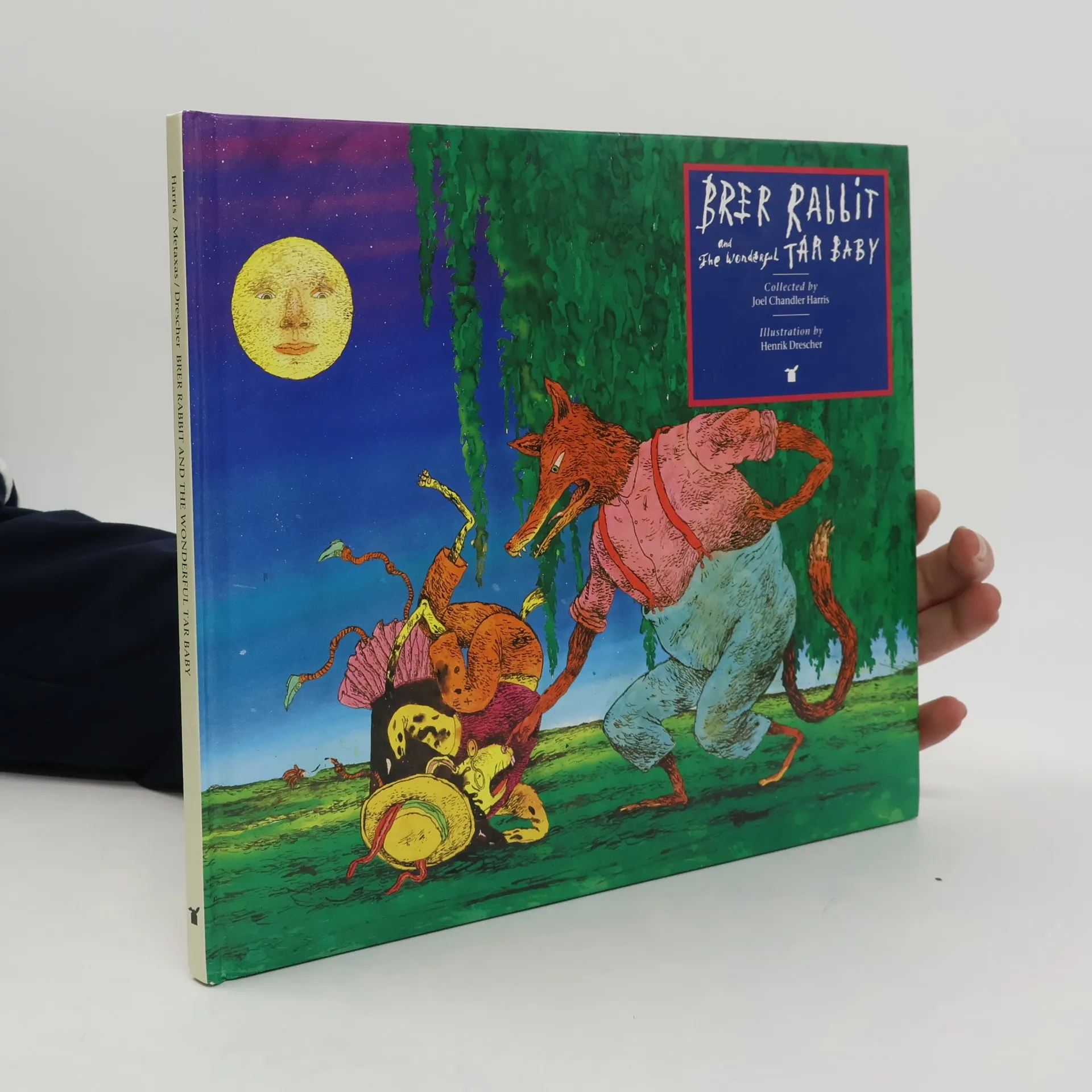
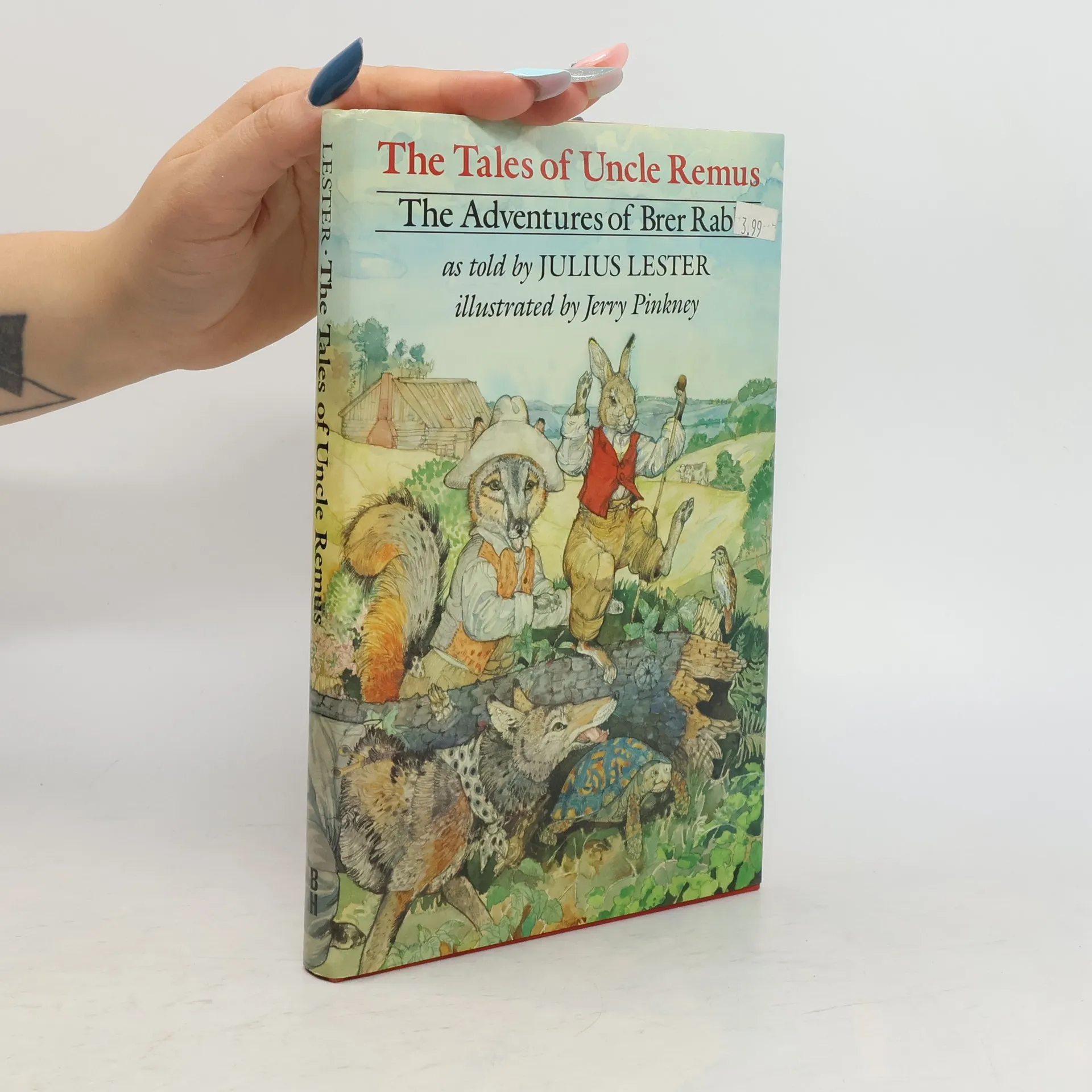
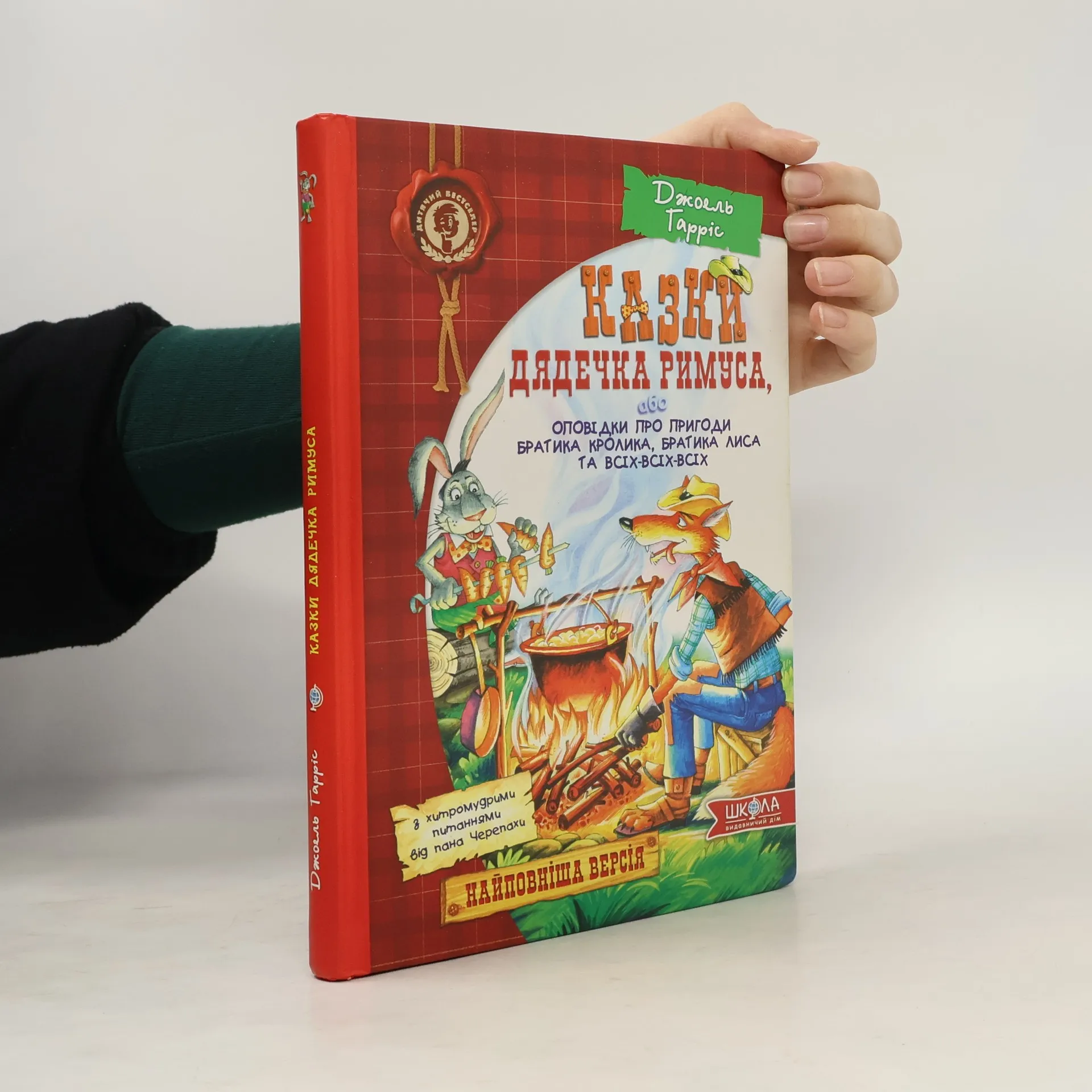
Казки дядечка Римуса - Найповніша версія
- 174 pages
- 7 hours of reading
Plantation Pageants
- 96 pages
- 4 hours of reading
Joel Chandler Harris (December 9, 1848 - July 3, 1908) was an American journalist, fiction writer, and folklorist best known for his collection of Uncle Remus stories. Harris was born in Eatonton, Georgia, where he served as an apprentice on a plantation during his teenage years. He spent the majority of his adult life in Atlanta working as an associate editor at the Atlanta Constitution. Harris led two professional lives: as the editor and journalist known as Joe Harris, he supported a vision of the New South with the editor Henry W. Grady (1880-1889), stressing regional and racial reconciliation after the Reconstruction era. As Joel Chandler Harris, fiction writer and folklorist, he wrote many 'Brer Rabbit' stories from the African-American oral tradition and helped to revolutionize literature in the process.
Джоэл Чандлер Харрис (1848—1908) — американский писатель и фольклорист, автор всемирно известных сказок об умном Братце Кролике, коварном Лисе, доброй Матрёне Мидус и других лесных жителях. "Сказки дядюшки Римуса" — короткие и мудрые истории, которые Джоэл Харрис когда-то услышал, записал и рассказал нам. И вот уже больше века их читают дети и взрослые во всём мире. Маленький Джоэл каждый вечер перед сном ждёт, когда же дядюшка Римус расскажет новую сказку о весёлых приключениях зверят-друзей. "Было когда-то время, — говорил дядюшка Римус, взбалтывая остатки кофе в кружке, чтобы собрать весь сахар, — было когда-то время — все звери жили дружно, как добрые соседи".
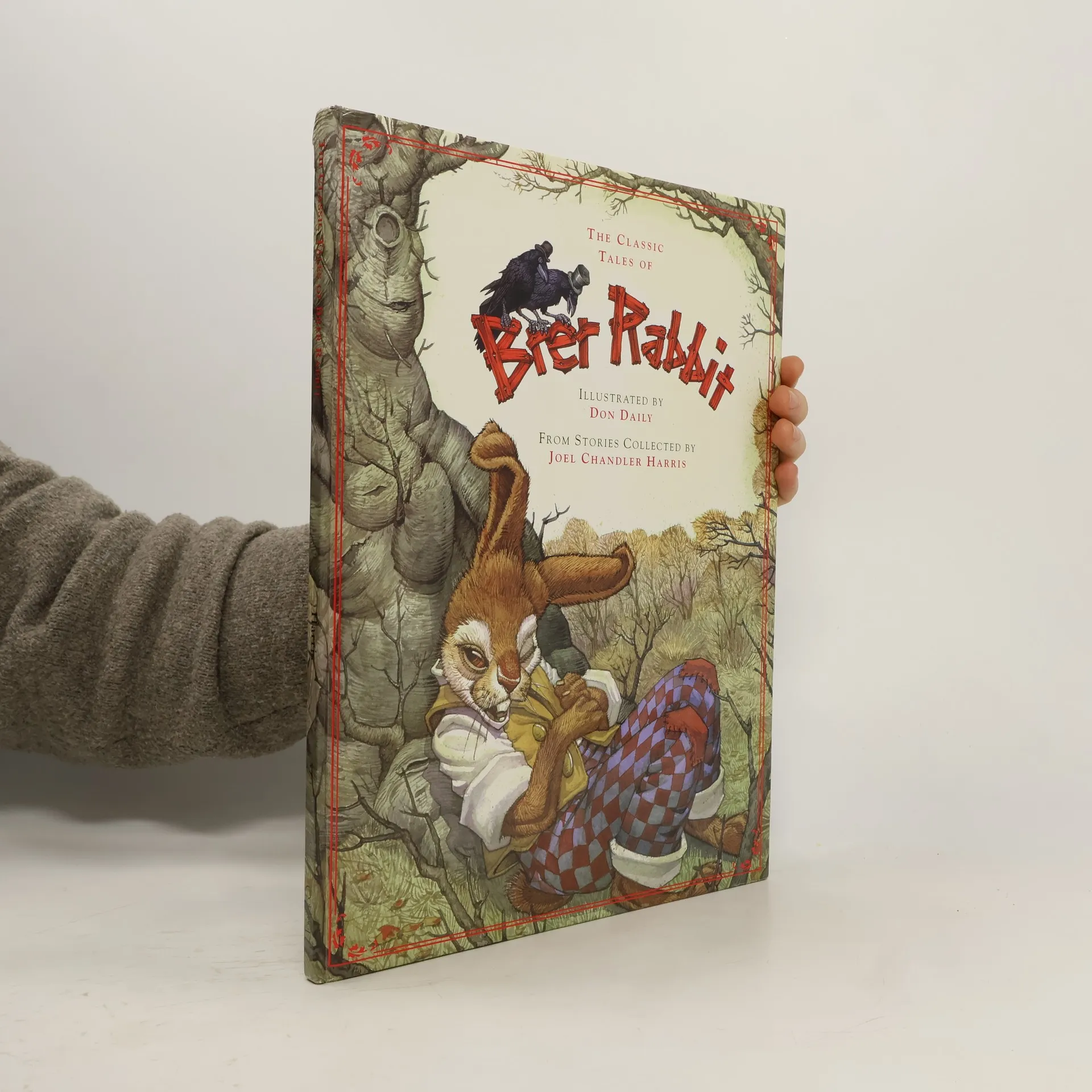
Classic Tales of Brer Rabbit
- 56 pages
- 2 hours of reading
Follow the adventures of crafty B'rer Rabbit and his friends in seven playful folktales with roots in traditional African stories. Told and retold for hundreds of years, this young-reader's version of these folktales retains the original humor and wisdom, com- plemented by spirited, full-color illustrations by Don Daily.
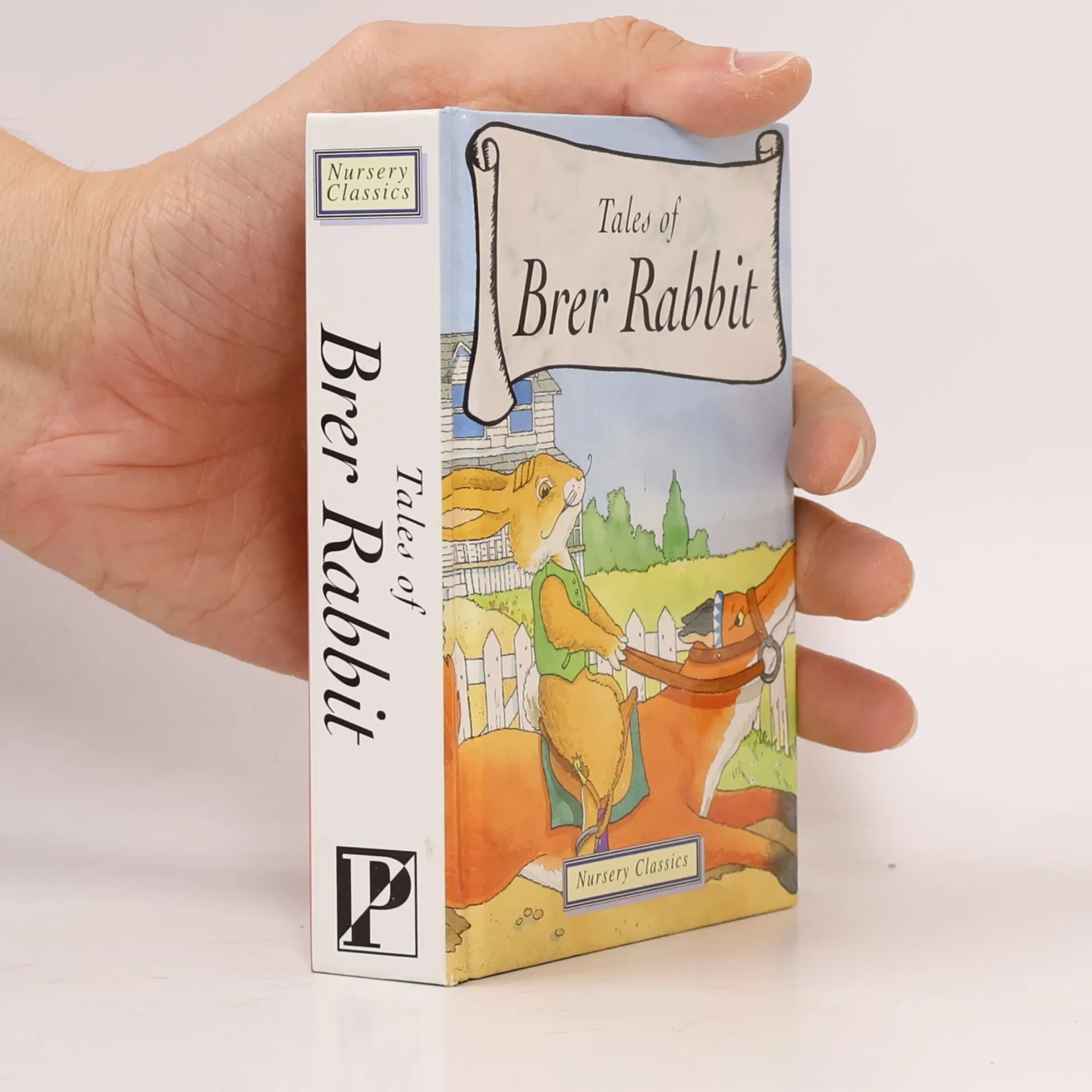
A perfect choice for fairytale lovers, each title in the NURSERY CLASSICS series contains a collection of favourite stories.
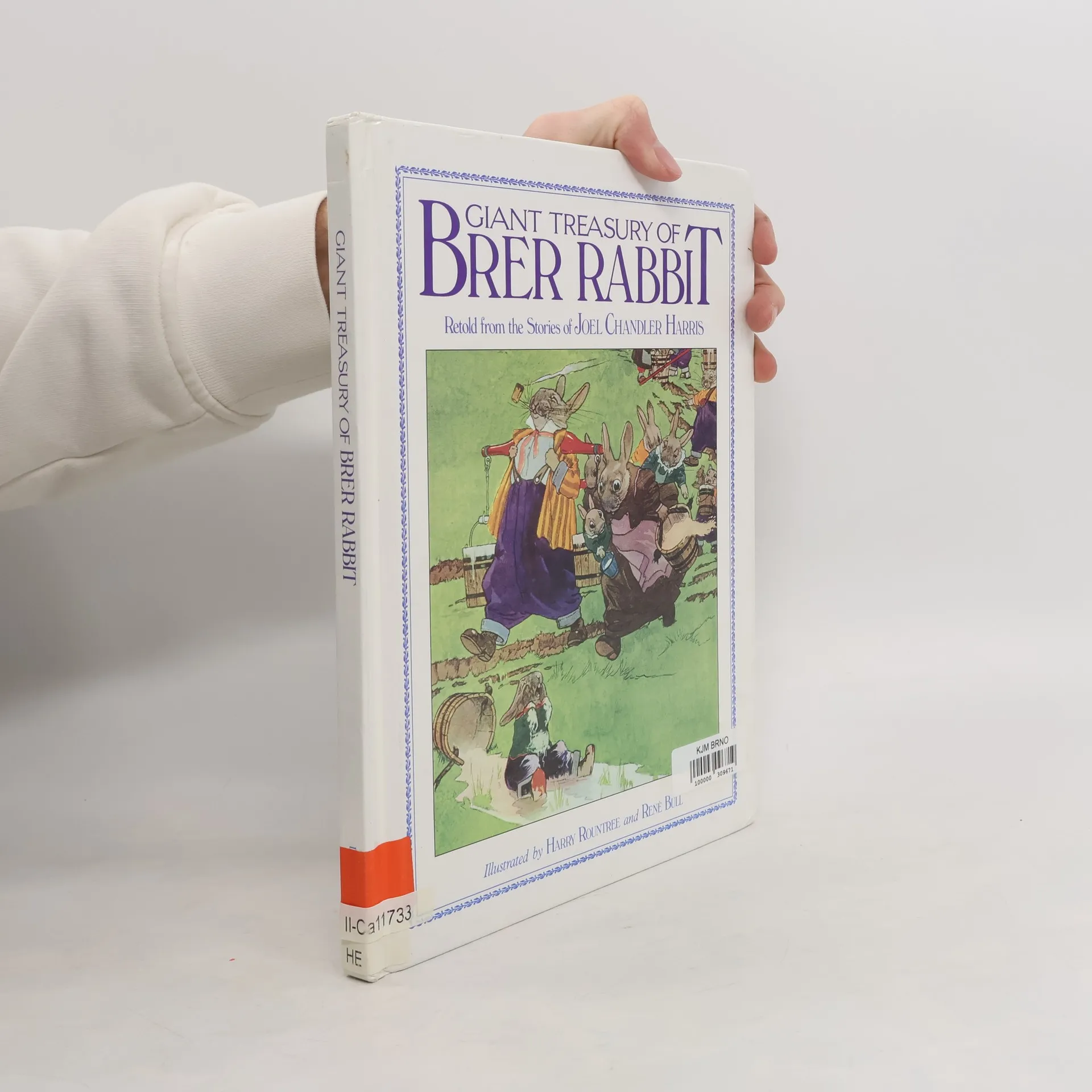
Giant Treasury of Brer Rabbit
- 88 pages
- 4 hours of reading
A retelling of the classic Afro-American tales about Br'er Rabbit and his friends and enemies, animals who are constantly on the prowl to fool each other.
Relates how the wily Brer Rabbit outwits Brer Fox who has set out to trap him.
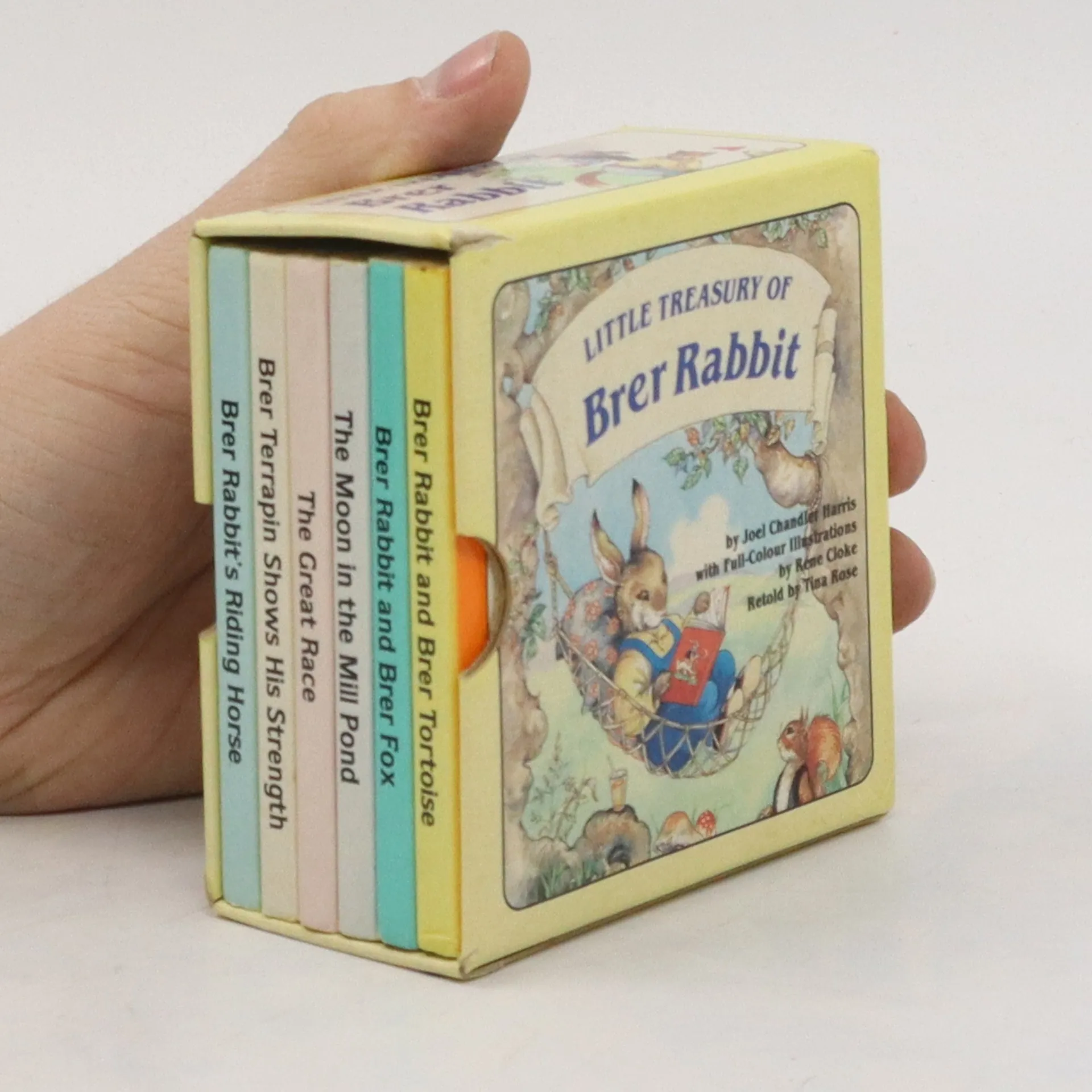
Little Treasury of Brer Rabbit
- 6 volumes
- 10 pages
- 1 hour of reading
A retelling of the Afro-American tales about the adventures and misadventures of Brer Rabbit and his friends and enemies.
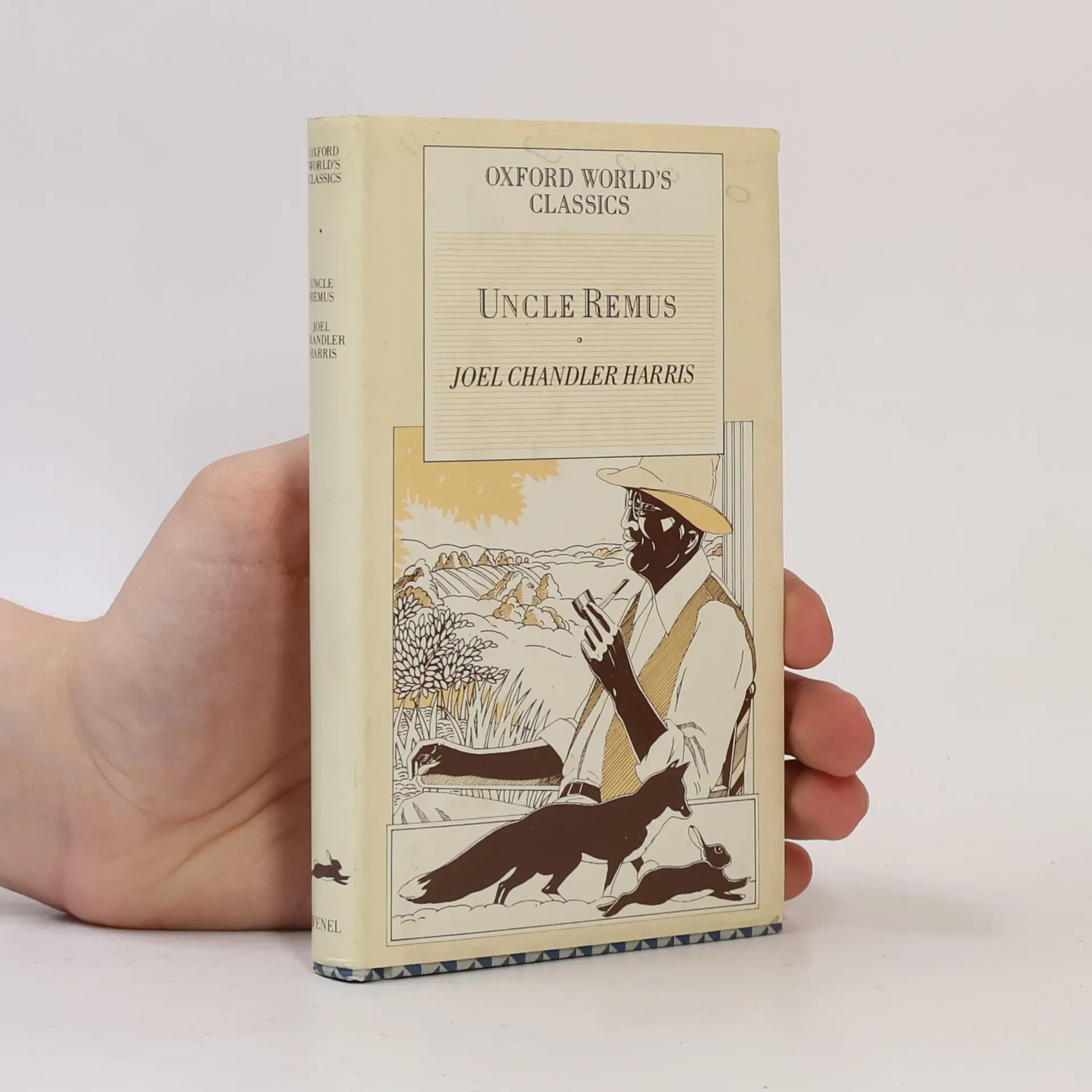
Oxford World's Classics: Uncle Remus
- 219 pages
- 8 hours of reading
Bearing a striking resemblance to Aesop, American author Joel Chandler Harris' Uncle Remus is a former slave who tells simple, pithy stories. Published in late 1880, the book received instant acclaim, reviewed in hundreds of journals and newspapers, leading to immense critical and financial success. “Remus” originated as a fictional character in a newspaper column by Harris, a journalist with the Atlanta Constitution. Initially, Remus discussed social issues but soon began recounting plantation folktales Harris had compiled from the slaves of Turnworld Plantation, where he spent time as a teenager. A poor, illegitimate Irish immigrant, Harris found more common ground with the slaves than with his social equals, immersing himself in their lifestyle and folklore. Uncle Remus is famous for its beloved character, Br'er Rabbit, a clever and mischievous figure who has entertained generations of children. The original stories were rendered in authentic Southern Georgia slave dialect, later adapted for better understanding. While early critics noted the stories' apparent racism and passive acceptance of slavery, modern versions have addressed these concerns, making Uncle Remus a source of education and entertainment for children and parents alike. The original 29 books have been compiled into nine series, with 185 stories in total, making it an essential part of children's literature, appealing to readers of all ages.
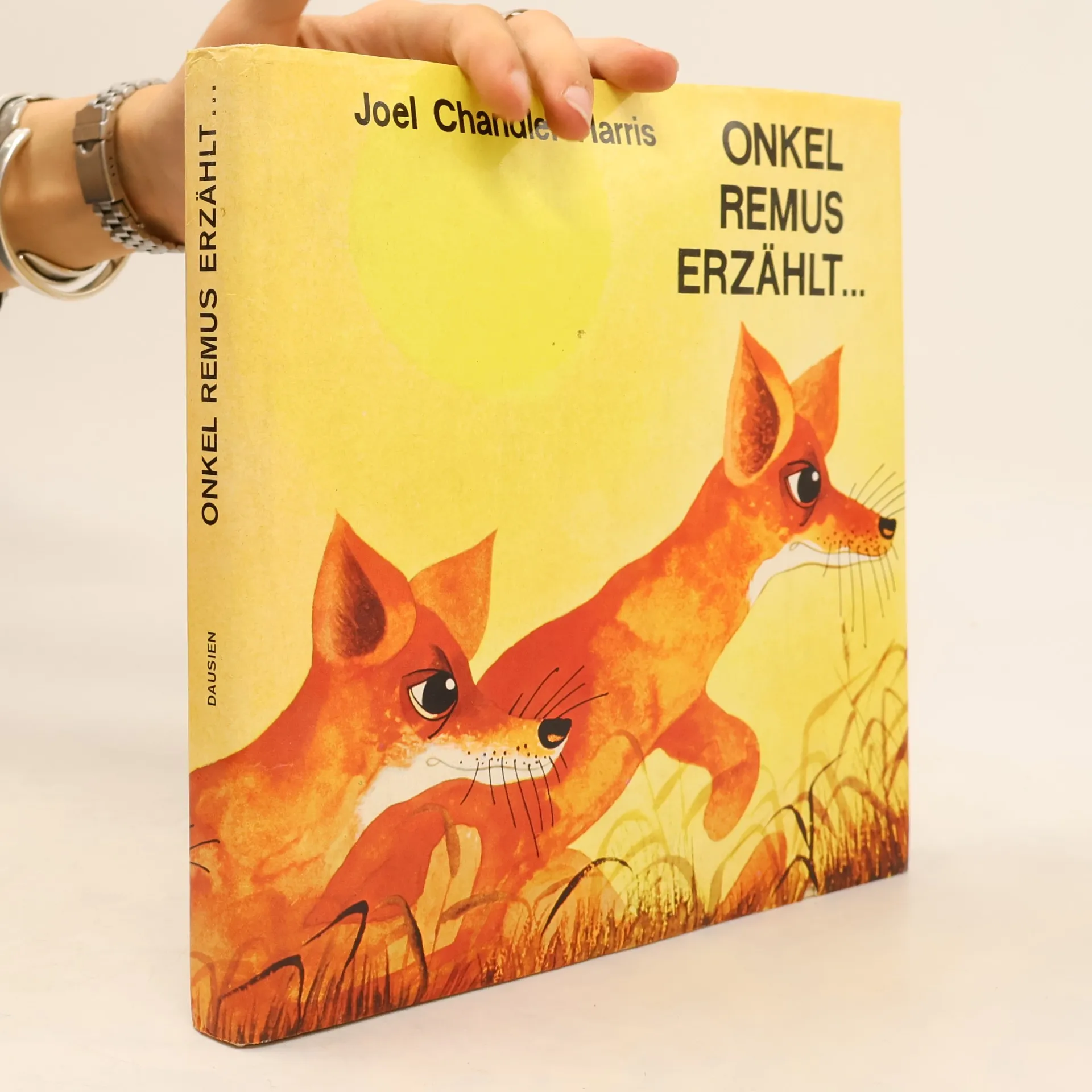
Onkel Remus erzählt ...
- 135 pages
- 5 hours of reading
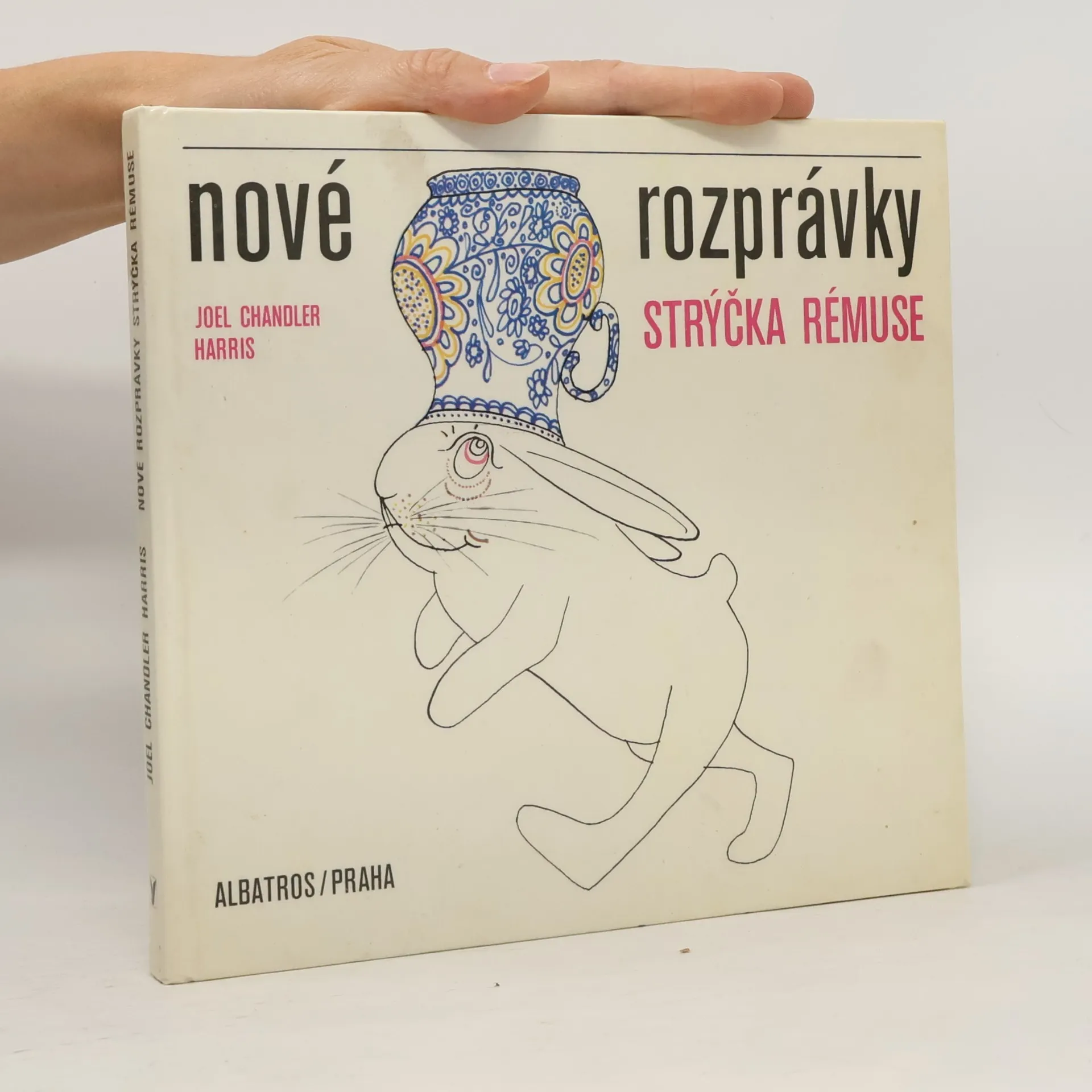
Druhá část zvířecích bajek, jejichž hlavní postavou je zchytralý kmotr Králík, vítězící důvtipem nad nejčastějším protihráčem kmotrem Lišákem. Příběhy obrážejí humor, názory a moudrost černošských obyvatel amerického Jihu.
Z literárního zpracování černošských bajek vyznívá smýšlení prostých černochů - smysl pro veselost, vtip, laskavost.