


Explore the latest books of this year!
Bookbot

Peter F. Barton

    January 1, 1935 – January 1, 2014

    Peter Barton is a historian, archaeologist, and filmmaker whose work centers on uncovering and interpreting forgotten visual materials from the First World War. After eight years of research in the Imperial War Museum's panorama archive, widely regarded as key to a full understanding of the conflict, Barton has become a recognized authority. His in-depth research and excavations on the Western Front contribute to preserving and making valuable historical insights accessible. Barton's activities encompass not only writing but also producing acclaimed documentary films and leading projects to recover and publish battlefield panoramas.

    Vom Hochmittelalter zur Reformation 1
    Vom Hochmittelalter zur Reformation 2
    Im Zeichen der Toleranz
    Florenz. Anglicky Florence : art & architecture : Art & architecture Florence
    The Somme
    The Battlefields of the First World War
    • The Battlefields of the First World War

      The Unseen Panoramas of the Western Front

      • 352 pages
      • 13 hours of reading

      Experience the First World War's battlegrounds like never before, from the First Battle of Ypres to the grim mud of Passchendaele. This work presents stunning panoramas alongside poignant personal photographs and soldiers' recollections from the featured battles. The panoramic images, created by the British Royal Engineers for intelligence, resemble early satellite mapping. Photographers risked their lives, exposing themselves for extended periods to capture views typically seen only through a trench periscope. Many images offer a 160-degree field of view, revealing details like a soldier picking lice or a sniper in hiding. Spanning the entire Western Front, these photographs have a profound impact on general audiences while providing specialists with insights into a lost world, contextualizing other archives temporally and geographically. They challenge common perceptions of the war, depicting not only the tortured landscapes of mud but also fields of flowers, beaches, and standing churches. While desperate scenes exist, the work emphasizes that much of the conflict unfolded in a recognizable, real landscape, offering a nuanced understanding of the war's environment.
      The Battlefields of the First World War
      4.6
    • The Somme

      • 192 pages
      • 7 hours of reading

      Unique panoramas reveal new truths about the Battle of the Somme, in association with The Imperial War Museum. Beginning on 1 July 1916, the battle marked the bloodiest day in British military history and became a symbol of suffering for many nations. The landscape of Picardy remains largely unchanged, making the Imperial War Museum's panorama collection the most complete 'then and now' impression of the battleground. This volume features over 50 extraordinary panoramas that provide starkly different perspectives than those typically imagined, including views from the trench parapet. New research sheds light on the controversial first day, exploring the perplexing choice of ordnance against German dugouts and the use of a network of 'Russian Saps' created before the battle. These tunnels brought British forces within 10 metres of German trenches, but over-secrecy and poor communication often left them unexploited. In areas where they were used, however, the results were dramatic. The book also includes unpublished personal testimonies and examines lesser-known aspects of the battle, such as the Royal Engineers' Push Pipes, Bored Mines, and Livens Flame Projectors. Accompanied by photographs, original maps, and specially commissioned drawings, this work offers a fresh perspective on the Somme.

      The Somme
      4.5
    • Vom Hochmittelalter zur Reformation 2

      • 372 pages
      • 14 hours of reading

      Studien und Texte zur Kirchengeschichte und Geschichte/Dritte Reihe/Bd. 4/4 - Vom Hochmittelalter zur Reformation

      Vom Hochmittelalter zur Reformation 2
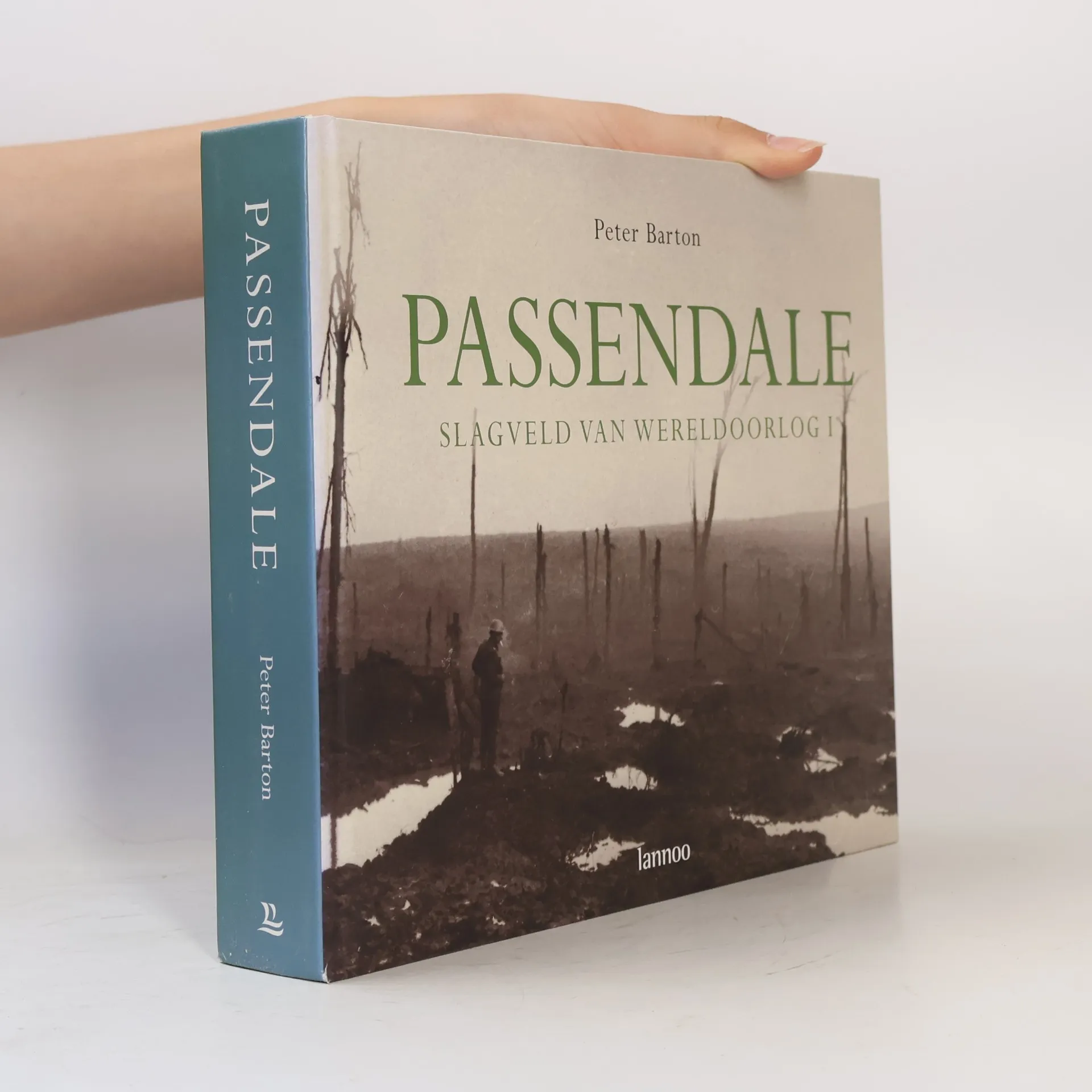
    • Passendale

      Slagveld van Wereldoorlog I - Druk 1

      • 468 pages
      • 17 hours of reading

      In de tweede helft van 1917, straks exact 90 jaar geleden, vochten geallieerde en Duitse troepen in Passendale de derde slag bij Ieper uit. Het was een van de meest verwoestende slagen uit de Eerste Wereldoorlog.;;;De geallieerden hoopten er een beslissende doorbraak te forceren. Op 6 november 1917, na een maandenlange strijd, namen de geallieerden eindelijk Passendale in. Ze betaalden wel een bijzonder hoge prijs: het offensief eiste aan beide zijden in totaal naar schatting meer dan 200.000 slachtoffers.;;;Uitvoerig geïllustreerd met foto's, kaarten en aangrijpende getuigenissen ;;;Aan de hand van meer dan veertig panoramische foto's, inclusief recent ontdekt en nooit eerder gepubliceerd Duits materiaal, brengt dit boek het slagveld van Passendale op onnavolgbare wijze opnieuw tot leven. Tussen 31 juli en 10 november 1917 woedde de Derde Slag bij Ieper, met als tragisch hoogtepunt de gevechten om het dorp Passendale. De Britse veldmaarschalk Haig hoopte op een snelle doorbraak. Maar na maanden van vechten in wat het beste omschreven kan worden als een kapotgeschoten moeras, was het front slechts enkele kilometers opgeschoven. Honderdduizenden lieten het leven in deze hel op aarde. Een groot deel van de soldaten verdronk en zou nooit meer worden teruggevonden. Mannen, paarden en zelfs kanonnen verdwenen voor eeuwig in de Vlaamse modder.

      Passendale