The Book of the Standard Motor Company
- 208 pages
- 8 hours of reading
Here is the definitive history of one of Britain's most important automotive marques, not only the cars but Ferguson tractors and military aero engines too.



Here is the definitive history of one of Britain's most important automotive marques, not only the cars but Ferguson tractors and military aero engines too.
Detailed model-by-model descriptions, technical and restoration details, and invaluable reference data. Detailed photos and descriptions tell you what to look out for when buying. Includes a wealth of information from specs and production figures to competition achievements.
When Fiat entered rallying in 1970, its ultimate aim was to become World Rally Champion - and the 131 Abarth of 1976-1980 provided the machinery to make that possible.
This book describes the birth, development, and rallying career of the original Ford Escort, one of Europe‘s Landmark Rally Cars in the early 1970s, providing a compact and authoritative history of where, how, and why it became so important to the sport. The Escort Mk1 delivered everything its predecessor, the Lotus-Cortina, had promised. Versatile, accessible, and competitive at all levels, it dominated international rallying throughout the 1970s, and became hugely popular with teams and spectators alike.
Peugeot designed, developed, campaigned and won with the first truly sophisticated four-wheel-drive Group B Car - the 205 Turbo 16. Detailing the cars, the influences, and the personalities behind a magnificent success story, this book is packed with illustrations, and technical data on this innovative car, and is a must for any rally fan.
This book describes the birth, development, and rallying car of the turbocharged, four-wheel-drive Subaru Impreza in the 1990s and early 2000s, providing a compact and authoritative history of where, when and how it became so important to the sport.
This book describes the birth, development, and rallying career of the Toyota Celica GT-Four, providing a compact and authoritative history of where, when and how it became so important to the sport.
Lancia Stratos describes the birth, development and rallying career of the Lancia Stratos, Europe’s very first purpose-built rally car, in the mid/late 1970s. It provides a compact and authoritative history of where, when and how it became so important to the sport, as well as telling the story of the team. The book is part of Graham Robson’s definitive “Rally Giants” series, published by Veloce.
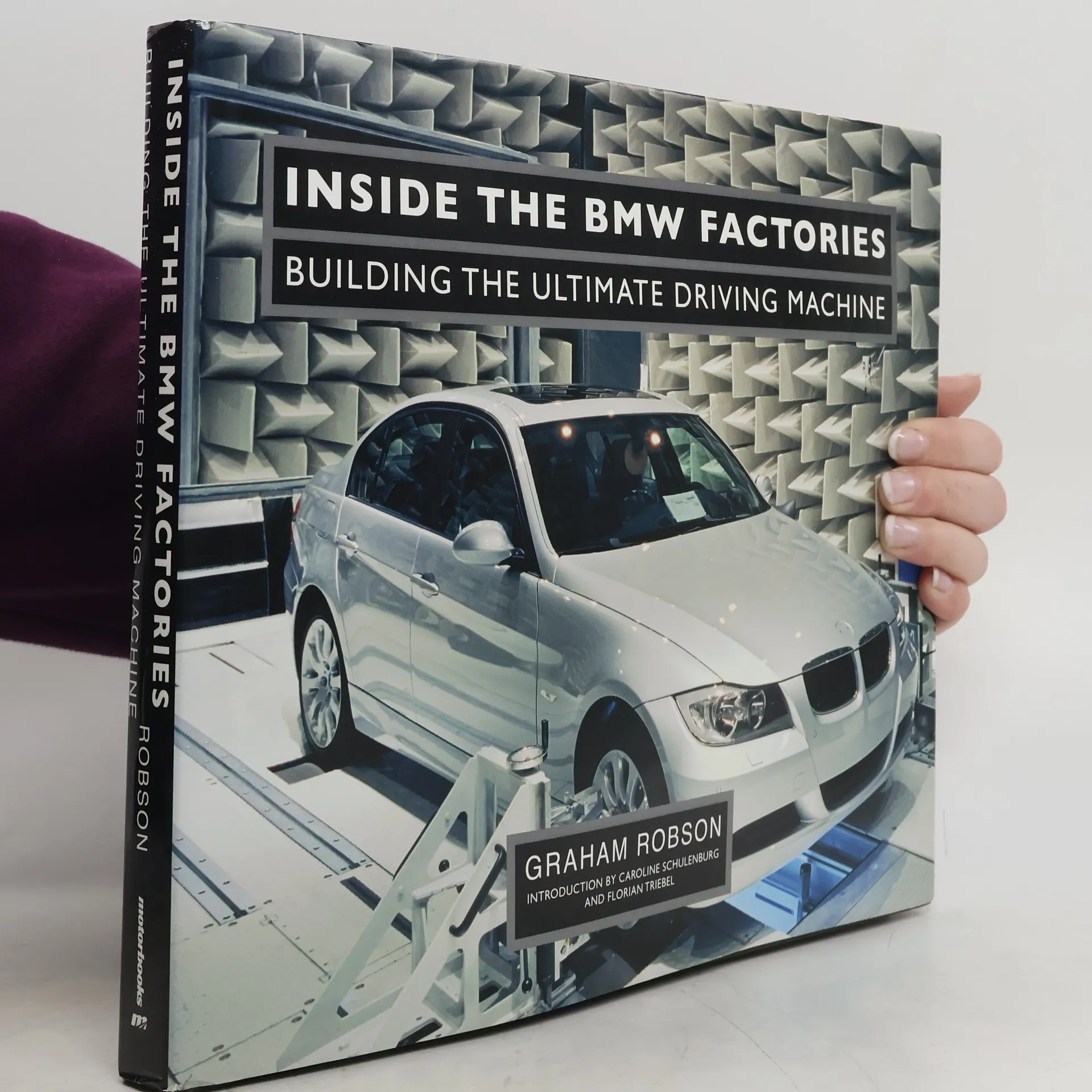
BMW’s Bavarian blue and white propeller logo harks back to its early twentieth-century roots as an aircraft engine manufacturer. How this venerable company weathered two world wars, moved from aircraft to motorcycles and, finally, to the cars that would provide its greatest glory is the remarkable story recounted in this book. With unique access to BMW’s factories and archives, author Graham Robson gives readers an inside look at how the great German automaker works and how its methods have evolved over the decades. Visiting factories throughout Germany and in the United States he offers readers a rare, behind the scenes, nuts-and-bolts account of how BMW produces its famed models. Illustrated with rare photographs from BMW’s own archives, this book constitutes an unprecedented tour of the history and culture of one of the world’s great automakers.
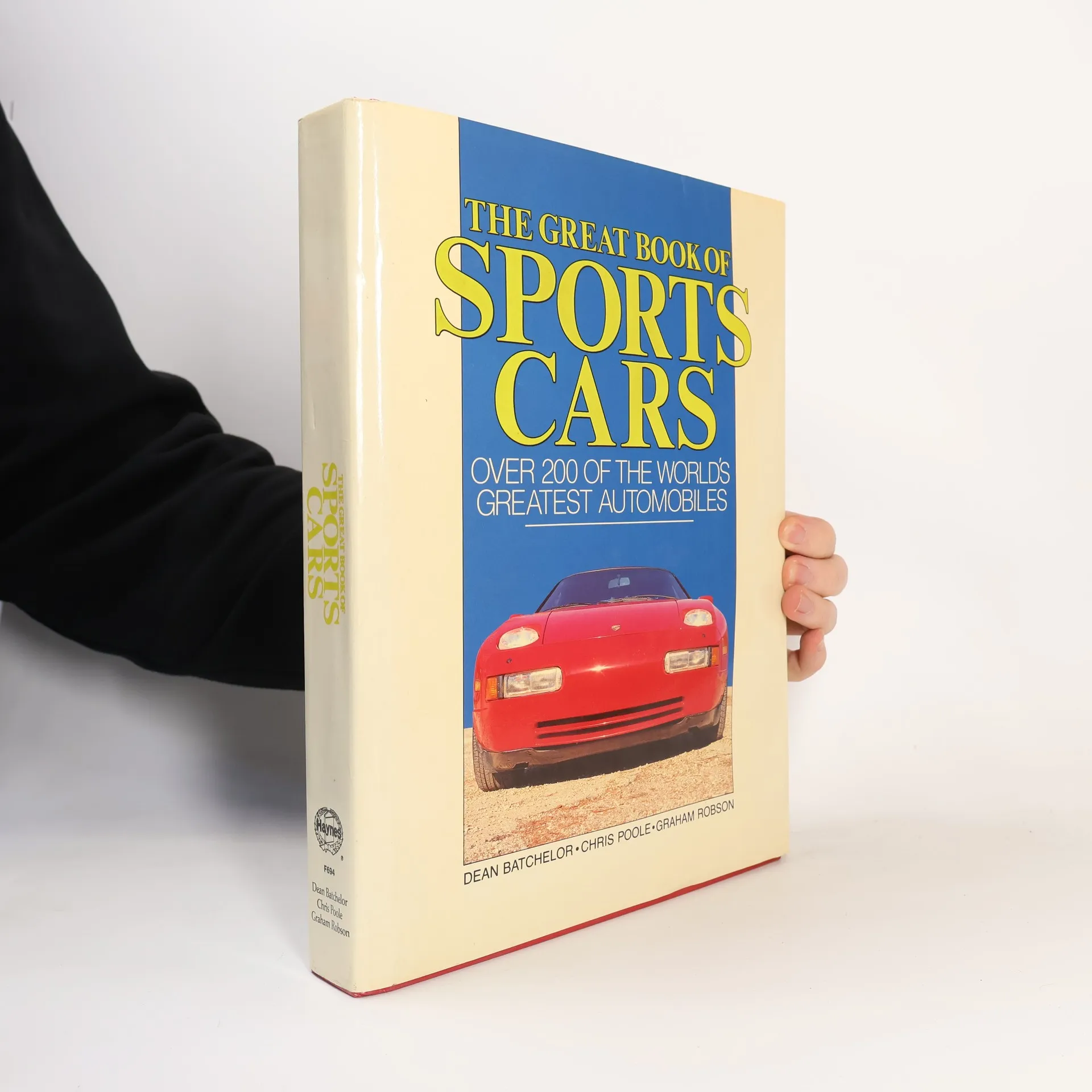
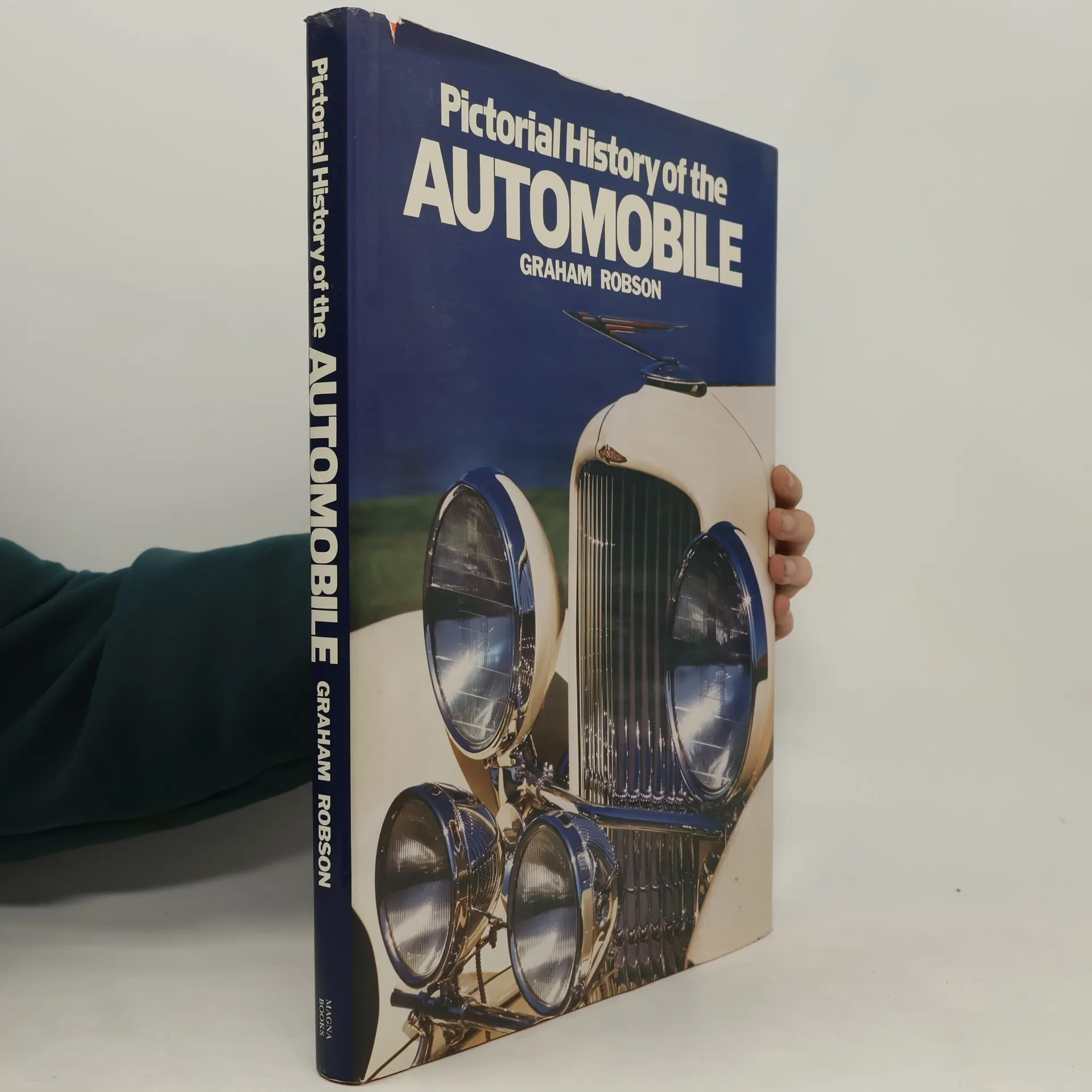
Over 200 of the World's Greatest Automobiles
The Audi Quattro was the world's first successful four-wheel-drive rally car. It brought new standards to the sport, and inspired many others to copy it. This is the complete story.
The Escort RS Cosworth became Ford's most successful model since the legendary Escorts of the 1970s. The combination of Cosworth power, 4WD transmission, and an effective aerodynamic package made it a Rally Giant in all conditions, making this generation of Escorts the most effective rally car that Ford had produced at that time.
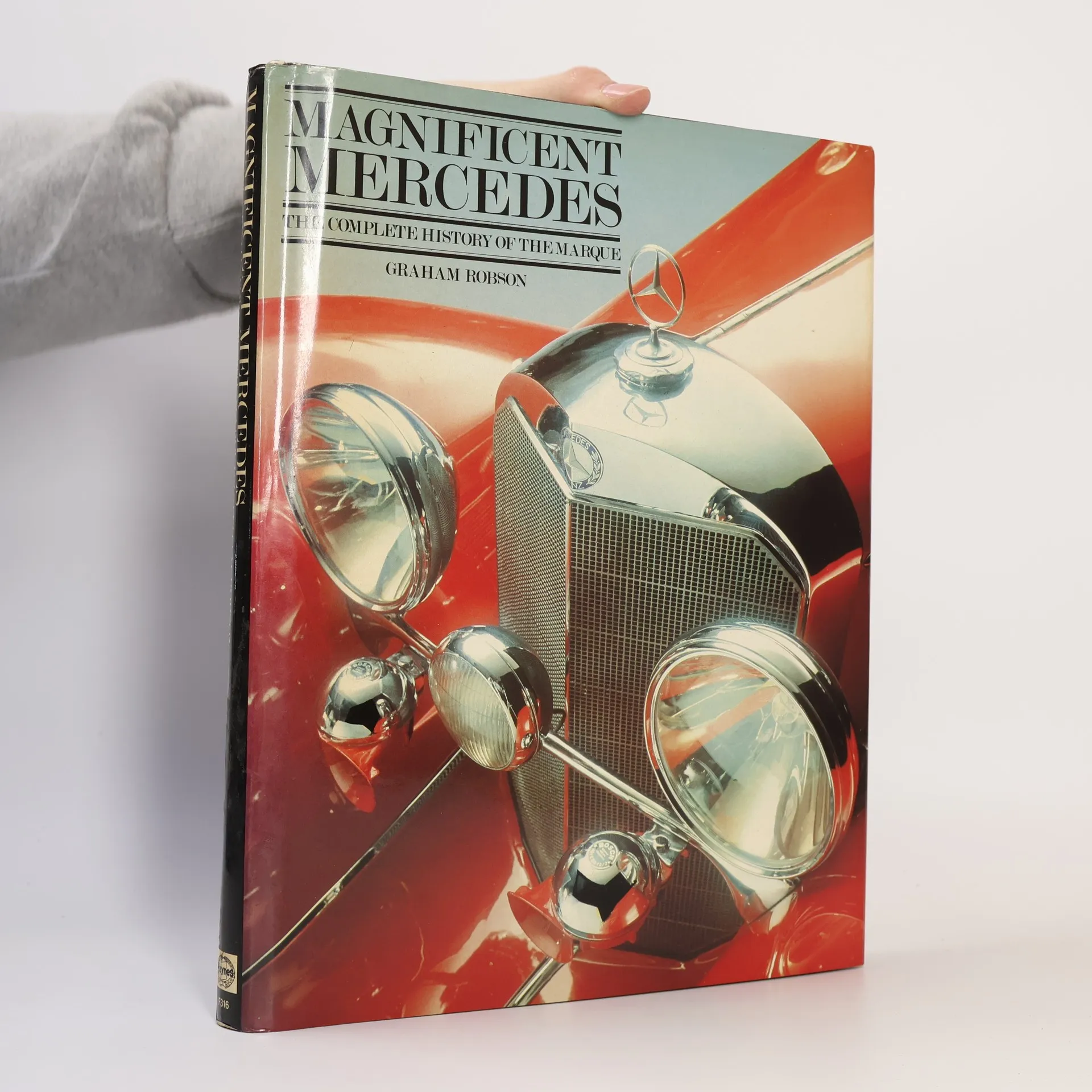
Great coffee table book featuring great photos of the iconic Mercedes brand.
Book by Robson
Charts characteristic styles of each era of car production and all phases of the automobile industry's development, from Karl Benz's first 1885 car through today's multinational billion-dollar auto business.
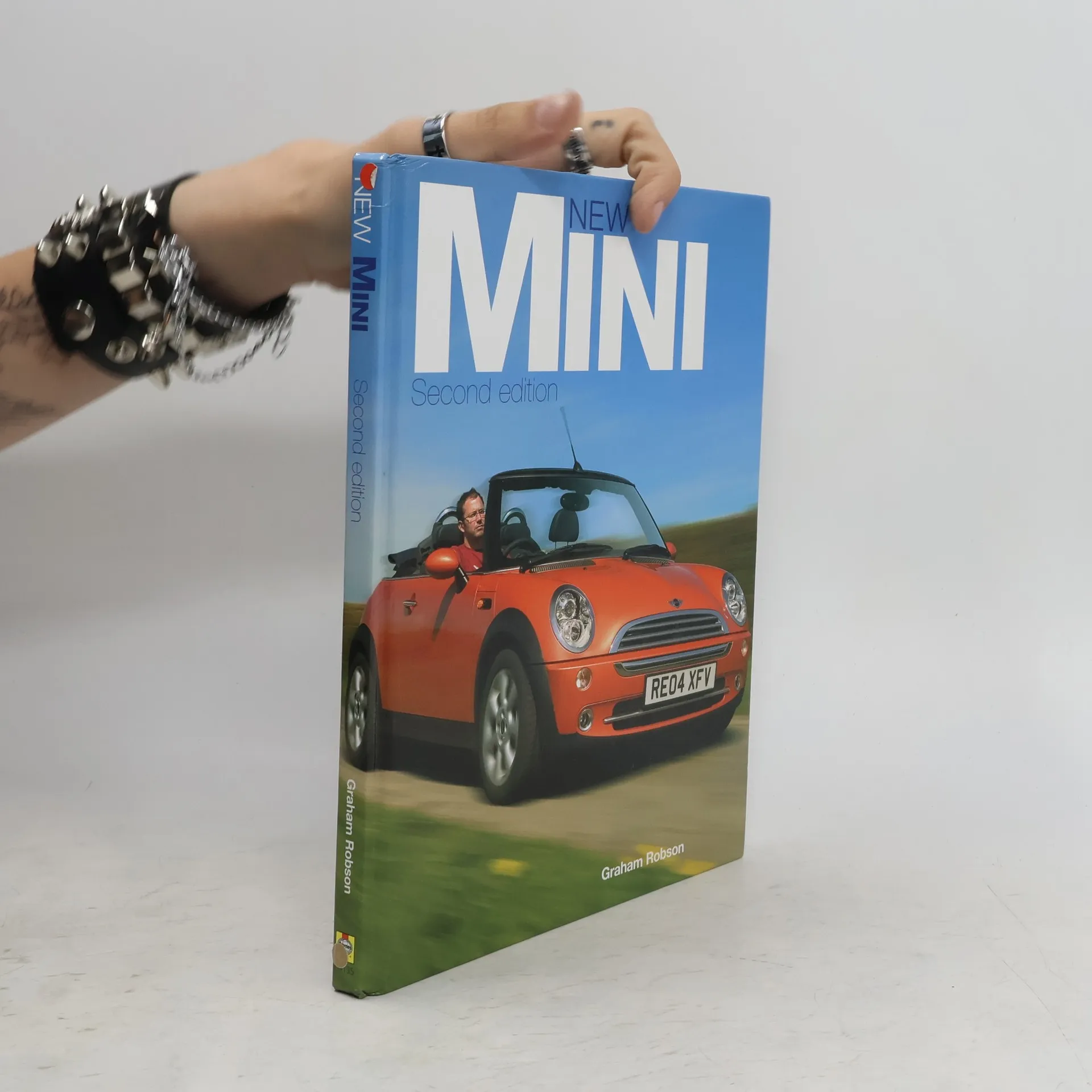
Like the car itself, New Mini has proved a hot property, selling more than 7,000 copies-and Practical Classicstermed the book excellent. So much has happened since three years ago that a new edition has become necessary, with coverage of the very latest diesel and cabriolet models. This expanded book, packed with even more information and photographs, is expected to become a hit among the 500,000 people who have now bought BMW's trendy baby.
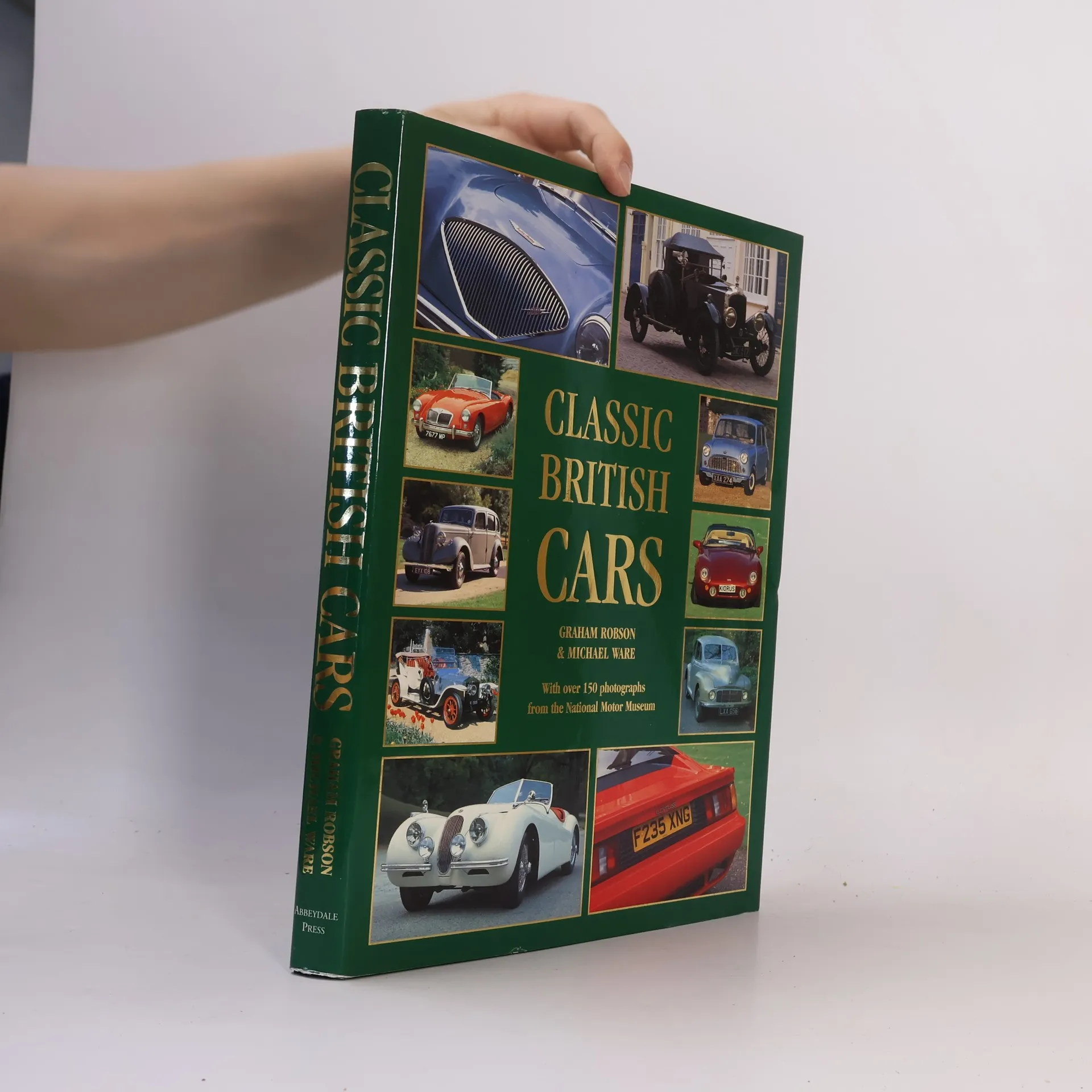
The first century of British automobiles from veteran and vintage through to modern-day classic marques.
The Ford Escort MkII, the RS1800, became Ford's most successful rally car, and is still winning historic events today. It brought new standards to the sport, inspiring many others to copy it. This books contains full details of every 'works' Escort MkII that went rallying, plus driver and personality profiles, and detailed car evolution.
The complete story of the front-wheel-drive Saab 96 made the brand into a rally icon in the 1960s. Superstar driving from Erik Carlsson, his wife Pat Moss-Carlsson and – later – from Stig Blomqvist, all brought real publicity and admiration for a car that always lacked the sheer straight-line performance of its rivals. Saabs like this, however, never wanted for strength, or for amazing handling and traction, and they succeeded in events as diverse as the Monte Carlo, Britain's RAC rally, special stage events in every Scandinavian country, and the rough-and-tough Spa-Sofia-Liege Marathon. The big change came in 1967, when the 96 became the V4, looking almost the same as before, but with a new and more powerful four-stroke Ford-Germany V4 engine. Works cars continued to be competitive in carefully chosen events for many years, and it was only the arrival of much more specialised rivals that made them outdated. Saab, though, was not finished with rallying, as the V4's successors, the much larger and more powerful 99 and 99 Turbo types, proved. More than any other car of its era, the 96 and V4 models proved that front-wheel-drive allied to true superstar driving could produce victory where no-one expected it.
In this definitive history of the Rover company, Graham Robson traces the history of the iconic British car brand right back to the Starley family’s Coventry-made bicycles of the 1870s.
This new edition of BMW M3 & M4 explores all aspects of the M3's history, including the race and rally successes worldwide, supported by full and detailed specifications for each generation of the model. It expands on the previous edition, to bring the story right up to the present day, with details of all models produced between 2013 and 2020, including the new M4. Developed in the 1980s, the BMW M3 was intended to be the world's most successful racing saloon car. Not only did it achieve that in its very first season of motorsport, but went on to achieve lasting commercial success as a high performance road car. Fully illustrated throughout, with a lavish array of colour photographs and magnificently detailed cutaway drawings of mechanical equipment, this comprehensive and authoritative book is a must for all BMW M3 and M4 enthusiasts.
BMW's 3-Series models came of age during the Nineties, setting new standards of luxury, performance and desirability. This volume tells their story, offering a concise yet comprehensive reference to their design and development and to the many specification changes which have been applied to their engines, transmission and other mechanical units as well as to the cars' bodywork and interior equipment. Includes production performance figures.
The Sunbeam Alpine and Tiger were in many ways revolutionary cars, coming as they did from a British manufacturer with no history or reputation for sports-car design. The Alpine remained in production for nine years: the remarkable V8-engined Tiger for scarcely one third as long, yet this is a fascinating story in British motoring history.Topics covered include: Complete history of all Alpine models; Full details of the Tiger, based on the Alpine with the Ford V8 engine; Detailed coverage of Alpine and Tiger racing and rallying fortunes; Full specification tables for all models; Super specially commissioned color photography; and Special feature panels.
The story of a highly successful range of cars that remained in production for almost thirty years. From the Twin Cam Escort of 1968 through the Escort Mexico, the RS1600 and RS2000, up to the Escort RS Cosworth and RS2000 4x4 of the late 1990s. A comprehensive history of these fine cars.
BMW has become one of the world's most famous and desirable makes of car. This book concentrates on the exciting models: there have been many outstanding saloons and also convertibles, but much of the company's glamour comes from its coupes and sporting cars. Models like the 328, 507, 3-litre CS coupes, 2002 Turbo, M-series cars, 6-series coupes and Z1 two-seater will feature strongly. Here, for the first time in many years, is a chance to group over 70 years of BMWs together and tell a coherent story of the way the brand has evolved.
This is a comprehensive study of the career of the Toyota Celica GT4. Starting in 1988, three generations of this effective turbocharged four-wheel-drive car – known by enthusiasts as ST165, ST185 and ST205 types – fought for World Championships, and were amazingly successful for almost a decade. All types combined high-performance, great reliability, and superb preparation by Toyota Team Europe (based in Cologne, Germany), their 300bhp/four-wheel-drive chassis package being among the best in the world. Over the years, the cars won some of the roughest events in the world (such as the Safari and the Acropolis), and were also supreme on tarmac, snow and ice, including Monte Carlo. After fighting a running battle with Lancia for years, the Celicas won the World Manufacturers’ Championship twice. Its famous drivers included Carlos Sainz (World Champion in 1990 and 1992), Juha Kankkunen (Champion in 1993) and Didier Auriol (Champion in 1994). Never far from controversy, and at times embroiled in technical and regulatory disputes, these cars brought real glamour to the colorful sport of rallying, and were only replaced by an even higher-tech Toyota – the Corolla World Rally Car – in 1997.
The Escort RS Cosworth, which started rallying in 1993, was one of the most ingenious designs of all time. What started as a shortened Sierra Cosworth 4x4 platform, topped off by a modified Escort cabin and outer skins, was soon developed into a versatile and sophisticated rally car, and eventually became Ford's most successful since the legendary Escorts of the 1970s. Because it was smaller, lighter, and more nimble than any of the Sierras, the combination of Cosworth power, four-wheel-drive transmission, and an effective aerodynamic package made it a Rally Giant in all conditions. With five World victories in its first season, and success all around the world in later years, it was seen in every continent, in all conditions. Drivers like Carlos Sainz, Tommi Makinen and Francois Delecour added their own stardust to a glittering reputation. To meet a change in regulations, the Escort World Rally Car took over in 1997, and also enjoyed years of success. Until the all-new Focus WRC was launched in 1999, this generation of Escorts was the most effective rally car that Ford had ever produced.
Four-wheel-drive was authorized in rallying from 1979, but for a time no serious car manufacturer even tried to harness it to their cars. Soon, though, it was Audi who produced the world's first rally-winning four-wheel-drive car -- the Quattro. However it was Peugeot who designed, developed, campaigned and won with the first truly sophisticated four-wheel-drive Group B Car -- the 205 Turbo 16. It was the first truly great, purpose-designed, Group B car. Determined to win at almost any cost, Peugeot hired Jean Todt (who would later transform the fortunes of the Ferrari F1 organization) in 1981, and set him an ambitious target. His dream car had to be running in 1983, homologated in 1984, and capable of winning World Championships by 1985. Packed with illustrations, technical details, facts, figures and successes of this innovative car this book is a must for any rally fan.
This book describes the birth, development, and rallying career of the turbocharged, four-wheel-drive Subaru Impreza in the 1990s and early 2000s. Forged in the fierce heat of WRC (World Rally Championship) competition and honed by years of continuous development, the Subaru Impreza is not only one of the greatest rally cars of all time, but has also become one of the most desirable high-performance road cars, too. This book provides a compact and authoritative history of where, when, and how it became so important to the sport.
All titles in this popular series of landscape-format books contain model-by-model technical descriptions, explain design and development features, discuss performance and equipment levels and, where appropriate, competition activities, as well as providing ownership guidance. The main text is supplemented by comprehensive reference material in the form of easy-to-study Appendices. Originally produced in hardback, recent additions and reprints of earlier volumes are now published in paperback format.
This popular Collector's Guide brings the history, development, and competition history of the Esprit, Etna and V8 engined Lotus up-to-date. Comprehensive appendices cover specs, production figures, and performance.
Elegance and sophistication radiate from the pages of this spectacularly illustrated book about the world's most revered automobiles. Although having the means to ride in high style isn't always a possibility, readers can use this book to live large for at least a little while. This stunning new - Explores the "other" great British invasion in extensive historical details useful for automobile historians and collectors- Features primary models such as the classic Silver Ghost and today's Phantom accompanied by 300+ rare and specially commissioned photos and technical drawings- Speaks to car enthusiasts' wishful thinking and serves as an ideal gift
Plus Silver Spur ; Bentley Eight & Mulsanne Turbo
Book by Robson, Graham
Graham Robson tells the story of half a century of endeavour by one of the most highly respected names in the British motor industry, whose sports cars have generated enthusiastic acclaim and a devoted following through-out the world. His painstaking research into Triumph history, his discovery of many hitherto unknown or long forgotten facts and his exposure of several popular myths have made his book a significant addition to motoring literature which will appeal to the many thousands of Triumph sports car owners or admirers throughout the world. More than 100 illustrations support the thirteen chapters and four appendices to provide a comprehensive pictorial record of Triumph design from 1923 to the present day.
Land Rover - Series One to Freelander covers over fifty years of Land Rover history. From the very first Land Rover of 1948 to the most modern version, together with its stable-mates, the Discovery and the Freelander, the author's expert history tells the full story of these versatile vehicles. Topics covered include: Full history of the Land Rover, Discovery and Freelander; Special feature panels on key personalities and developments; and Full specifications for each model. A wealth of excellent photographs and detailed specifications, make this a must for any enthusiast of the world's finest four-wheel-drive vehicle manufacturer.
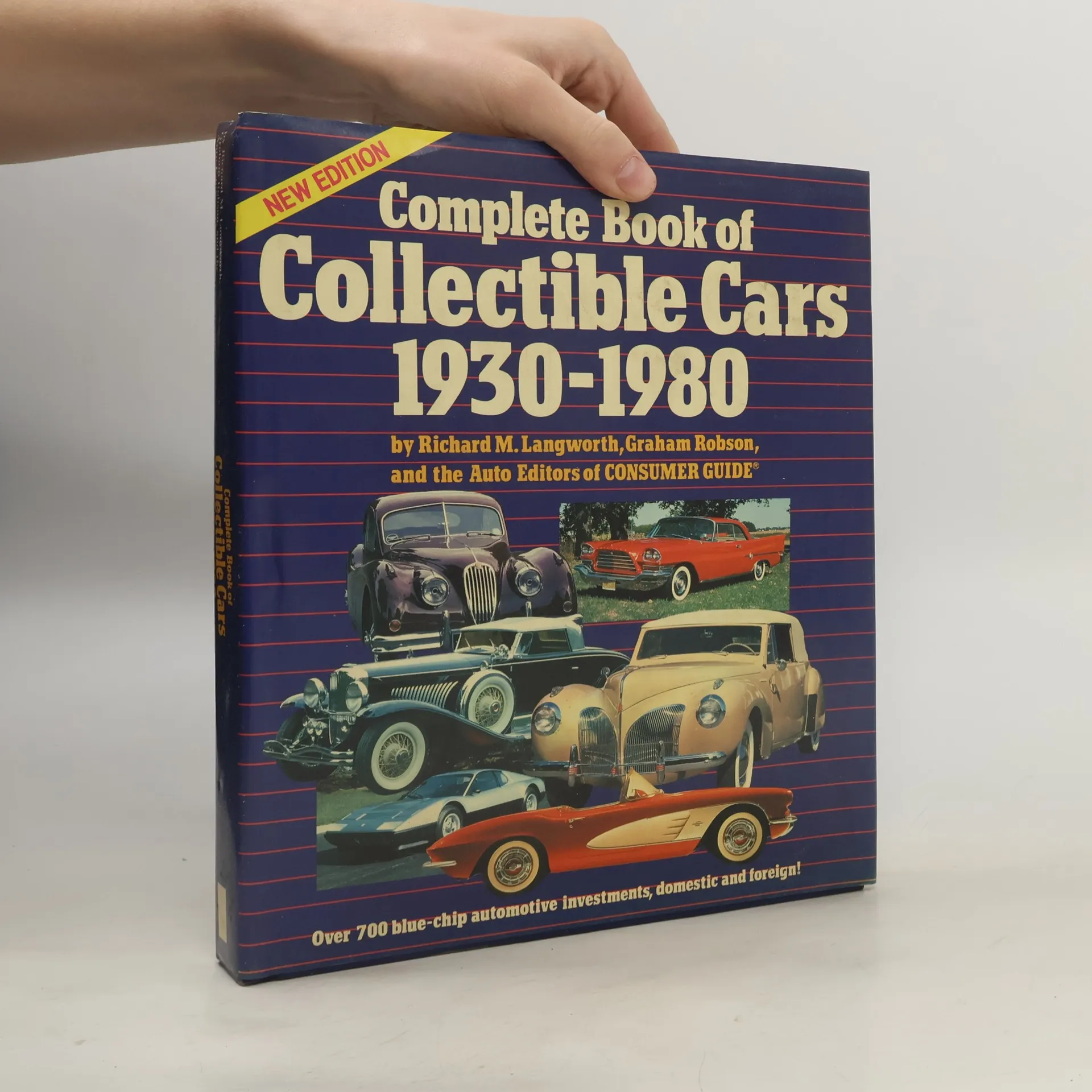
New Edition - Over 700 Blue-Chip Automotive Investments, Domestic and Foreign!
Over 700 blue-chip automotive investments, domestic and foreign. Black and White photos throughout.
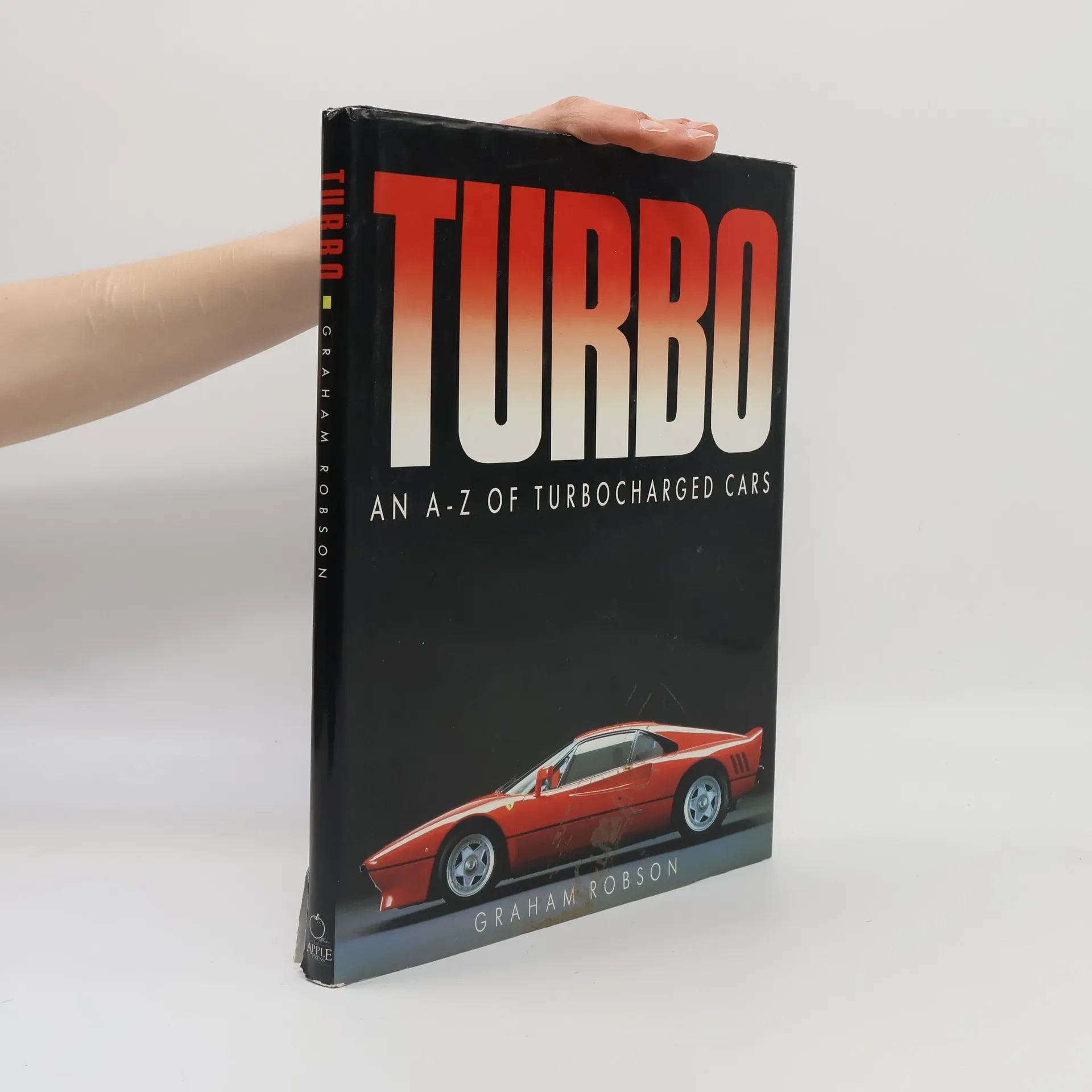
Chronicles the technical and stylistic evolution of turbocharged cars from around the world, including design and performance specifications.
Written by Richard M. Langworth, Graham Robson, and the editors of Consumer guide.
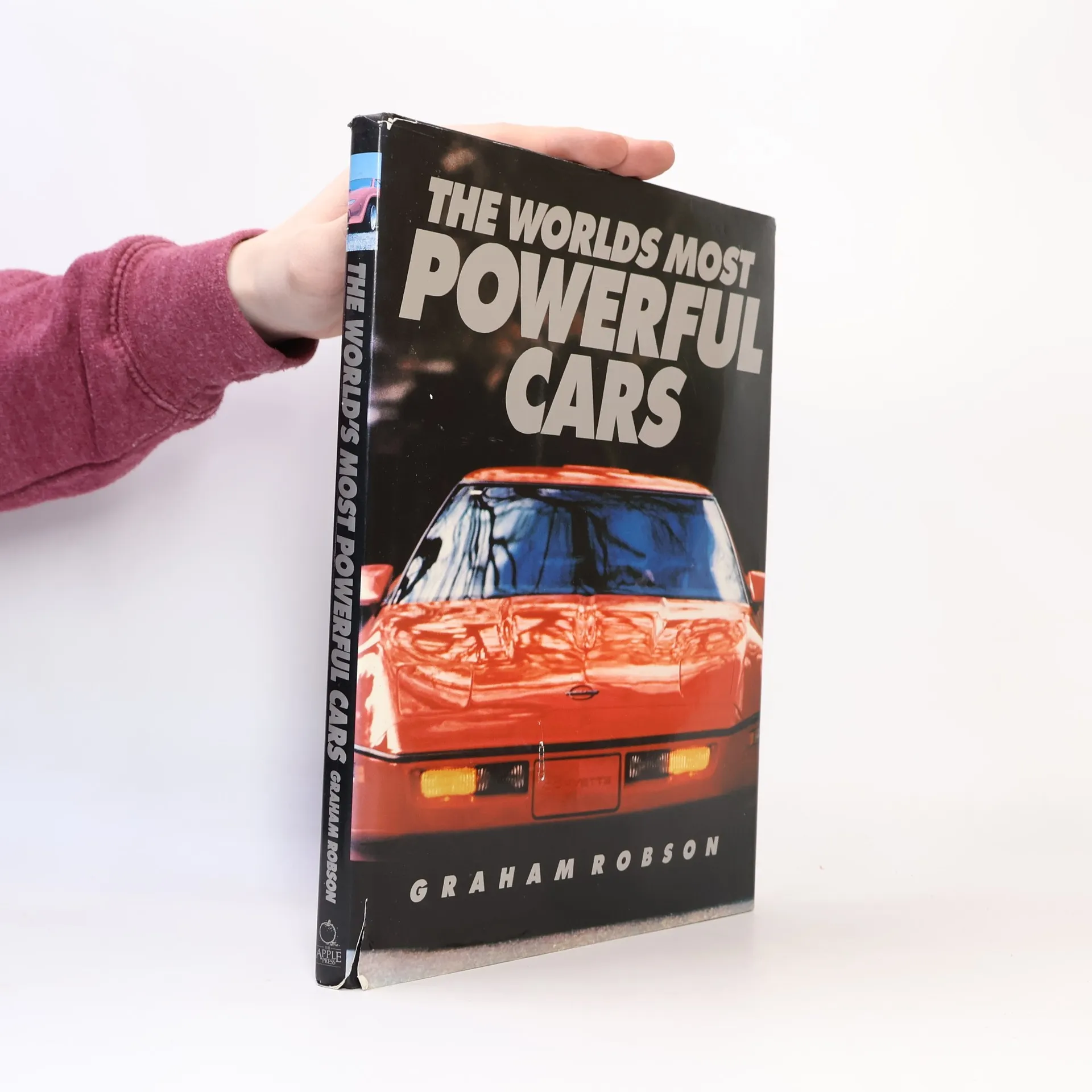
Introduces the biggest automotive powerhouses, the cars known for their unparalleled acceleration and throbbing power.
Die komplette Entwicklungsgeschichte des HF 4WD! Als die spektakulären, aber kaum noch beherrschbaren Gruppe-B-Rallyeboliden im Mai 1986 verboten wurden, waren die Hersteller und Teams gezwungen, neue Gruppe-A-Fahrzeuge zu entwickeln. Um konkurrenzfähig zu sein, mussten die Wagen Allradantrieb besitzen und mindestens 300 PS leisten, um an das von der obersten Motorsportbehörde definierte Limit zu kommen. Lancia hatte das Glück, das der neue Delta HF 4WD gerade vorgestellt worden war und eine perfekte Basis für das neue Reglement bot. Das prächtig illustrierte Buch über das erfolgreichste Rallye-Fahrzeug aller Zeiten erzählt, wie sich der HF 4WD im Laufe der Jahre entwickelte - zuerst zum Integrale mit dem ursprünglichen Achtventil-Motor, dann zum Integrale 16 V und schließlich zum Integrale 16V Evo 1. Die kompakte und erstklassig bebilderte Chronik bietet einen Überblick über die Karriere des schier unschlagbaren Allradlers zum Top-Preis-Leistungsverhältnis. Dieses Buch ist das ultimative Referenzwerk für Integrale-Fans!
Es war ein wirklich revolutionäres und originelles Fahrzeug, das Chefkonstrukteur Sir Alec Issigonis im Jahr 1959 für die British Motor Corporation entworfen hatte: der Mini. In dem 3 Meter langen und 37,5 PS starken Kleinwagen fanden 4 Personen Platz. Ein ebenso einfaches wie geniales Fahrwerk sorgte zudem für besonderen Fahrspaß mit dem 120 km/h schnellen Flitzer, dessen Vorzüge sehr bald auch von professionellen Sportfahrern entdeckt wurden. In seiner Rennkarriere gewann der Mini allein vier Mal in Folge die legendäre Rallye Monte-Carlo. Mini-Spezialist Graham Robson beschreibt in seinem neuen Werk die einzigartige, 41-jährige Erfolgsgeschichte des Kleinwagens in all ihren Facetten. Zahlreiche zeitgenössische Bilder und atemberaubende, speziell für dieses Buch anfertigte Aufnahmen vermitteln dem Leser die Besonderheit der Mini-Konstruktion. Ausführlich werden die Entwicklungs- und Sportgeschichte der Modelle Mk I, II, III, Clubman und Innocenti beschrieben.