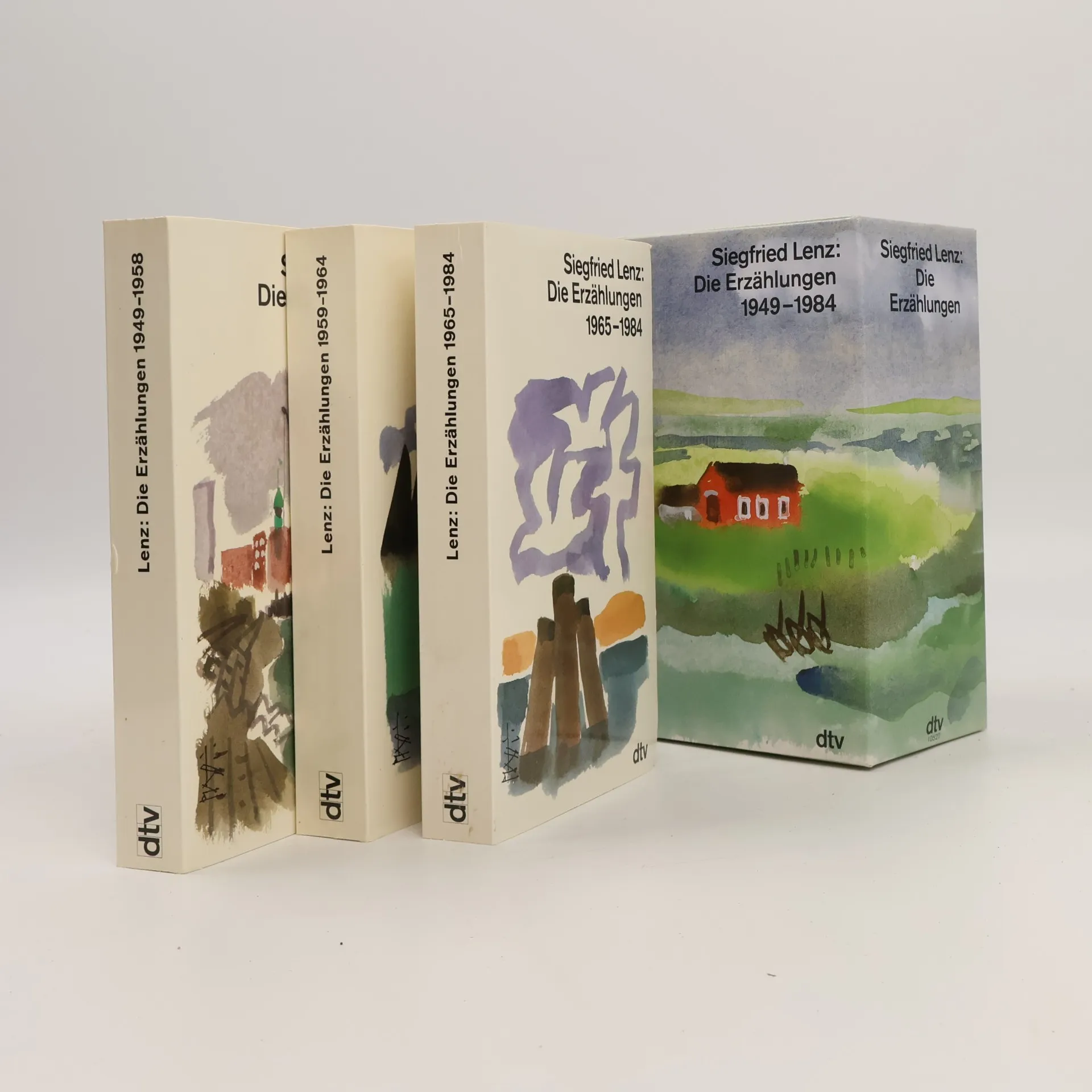
Late 20th-cnetury GERMAN-language collection of odd bits by Siegfried LENZ.
Siegfried Lenz Books
March 17, 1926 – October 7, 2014
Siegfried Lenz's literary explorations delve into profound themes of guilt, responsibility, and societal adaptation. His prose is characterized by a realistic style and deep psychological insight into characters navigating complex moral dilemmas. Lenz meticulously examines the intricate relationships between the individual and the collective, emphasizing the critical importance of human solidarity and compassion. His writing offers a penetrating perspective that compels readers to reflect on their own place within the world.




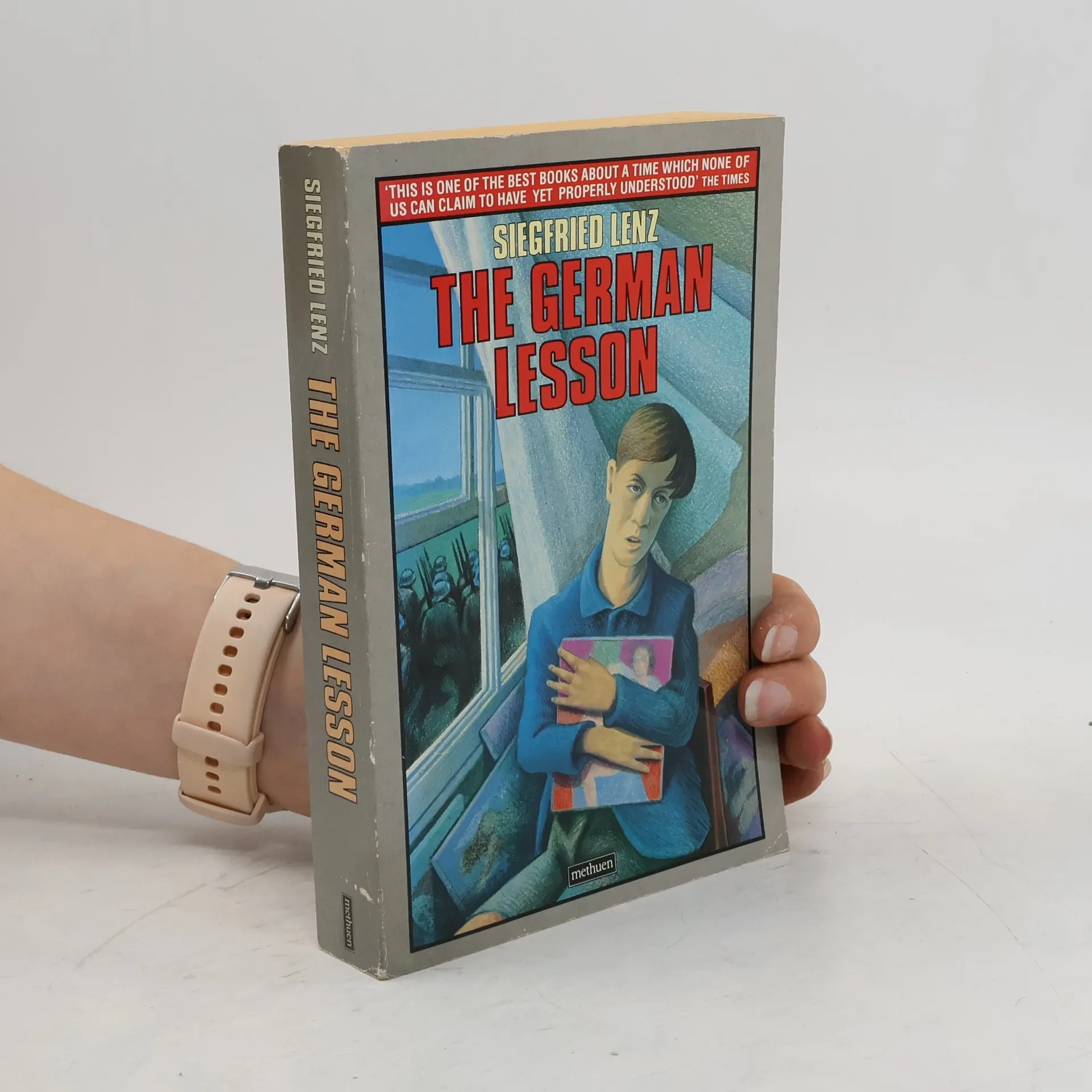
Dies is die Geschichte von Siggi Jepsen, Insasse einer Anstalt für schwererziehbare Jugendliche, dem in der Deutschstunde die Augfabe gestellt wird, über "Die Freuden der Pflicht" einen Aufsatz zu liefern. In diesem Thema ist er zu Hause. Sein Vater, in Rugbüll der "nördlichste Polizeiposten Deutschlands", war zu jeder Zeit den Pflichten seines Amts in so rückhaltloser Leidenschaft ergeben, daß er nicht zögerte, 1943 einem Maler hohen Ansehens, von Jugend auf sein Freund, den in Berlin gegen ihn gefällten Spruch zu überbringen. Er überwacht sogar unnachsichtig die Einhaltung des Verbots künstlerischer Betätigung. Dem Lebensgesetz der Pflicht ist für ihn jedermann unterworfen. Siggi Jepsen ist zur Zeit dieser Ereignisse noch ein Kind, das in seiner Wachheit Zeuge eines lautlosen Kampfes wird. Immer weiter entfernt er sich von seinem Vater, und alle Zuneigung gehört Max Ludwig Nansen und dessen farbglühenden Bildern. In der Rückerinnerung wird der Aufsatz zum Bericht seines Lebens, zum Versuch, sich selbst zu begreifen. Gleichsam in einer Nußschale läßt Siegfried Lenz die Strukturen eines ganzen Zeitalters sichtbar werden. So weitet sich vor seinem Auge Siggi Jepsens Deutschstunde zur Bestandsaufnahme deutscher Art und wird zu einem Zeugnis deutschen Selbstverständnisses.
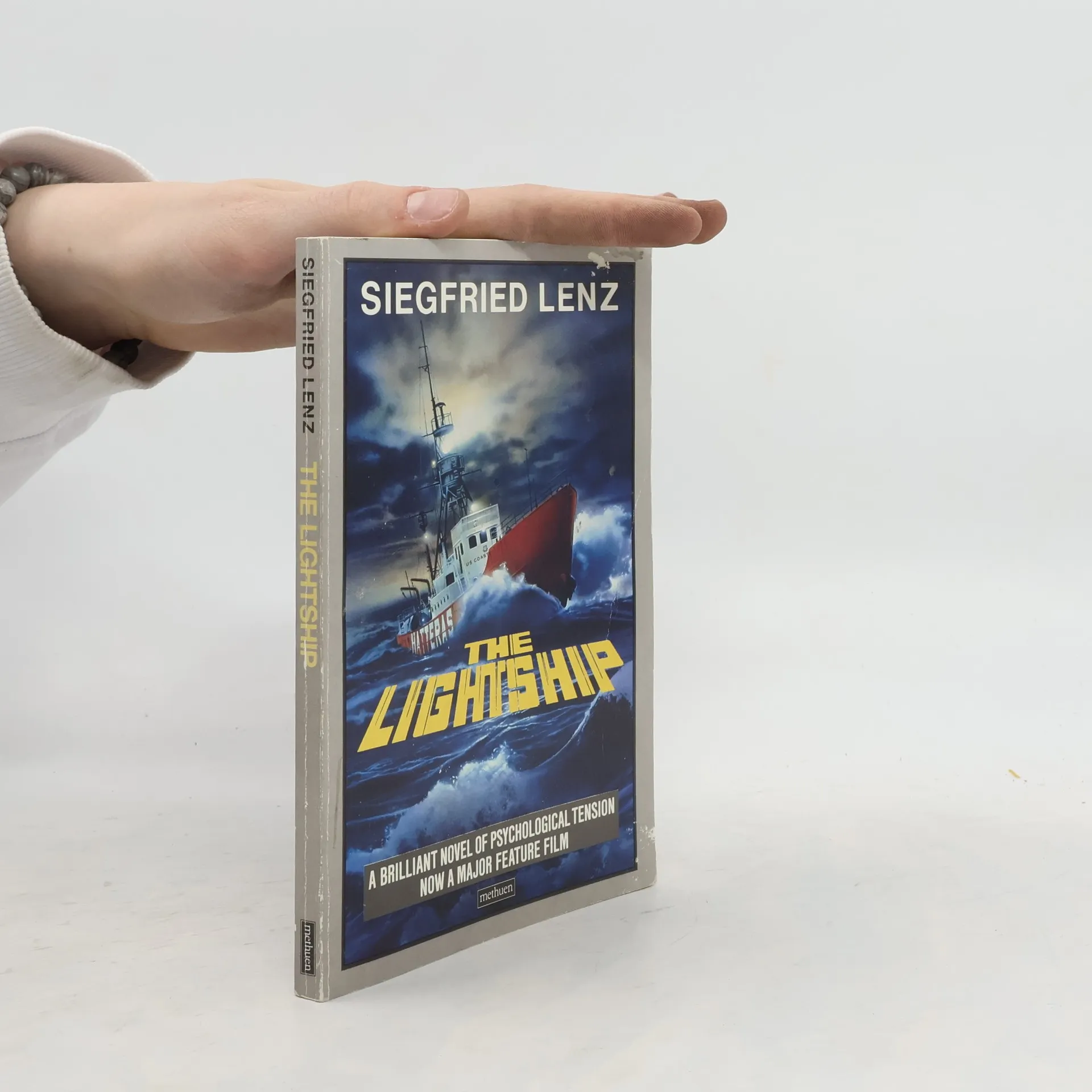
The Lightship
- 120 pages
- 5 hours of reading
It is the last watch of the lightship that stands at anchor in the Baltic Sea, near the port of Kiel; it is nine years since the end of World War II and the mines she warned the shipping of have been removed. But on her last watch, her peace is interrupted: her captain, Freytag, takes in three men whose boat has broken down, and with them, their illegal cargo of guns. Held hostage on the ship by the three criminals, headed by the sinister Dr Caspary, the tensions between captain and crew become apparent. Freytag still hopes for a peaceful end to the watch; but his son, Fred, and his resourceful but outgunned crew cannot forget Freytags dishonour in the war. As a stalemate develops, Freytag finds he must make a final choice - one that must redeem him in the eyes of his men.
The Selected Stories of Siegfried Lenz
- 225 pages
- 8 hours of reading
Siegfried Lenz is one of Germany's foremost writers, ranking in popularity as well as critical esteem with Günter Grass and Heinrich Böll. In the United States, his stature is based on his novel The German Lesson, but he is also considered one of the best short story writers of the postwar generation. These twenty-six stories make up the first comprehensive collection of his short works to appear in English.
Selbstversetzung ist für Siegfried Lenz die grundlegende Voraussetzung seines Schreibens. Sie bedeutet, sich von sich selbst abzuwenden und die Identität in der Vorstellung zu wechseln. Dies erfordert eine Unbedingtheit, die den Schriftsteller verpflichtet, sich völlig aus dem Spiel zu nehmen. Dabei nimmt er eine doppelte Rolle ein: Man muss über den anderen Bescheid wissen und gleichzeitig die eigenen Gefühle berücksichtigen, die den anderen betreffen. In diesem Band präsentiert Lenz autobiografische Geschichten, die uns seine Anfänge im Leben und Schreiben näherbringen. Er führt uns in das Masuren seiner Kindheit, die „Perle Ostpreußens“, und in die weite Welt seiner ersten Lektüre, bevor er uns durch seine Erlebnisse im Krieg und Nachkrieg zurückführt. Diese Erfahrungen inspirierten sowohl seinen ersten Roman als auch sein erstes Theaterstück, das ihn „über Nacht“ berühmt machte. Lenz schreibt mit einem persönlichen Blick über die Entstehung dieser Werke und über seine neue Heimat Hamburg. Der vielgerühmte Geschichtenerzähler fühlt sich jedoch immer in der Sprache zuhause, weshalb drei Essays über die Grundlinien seines Schreibens diesen Band anlässlich seines 80. Geburtstags beschließen.
In "Über die Versuchung der Macht" thematisiert Siegfried Lenz in vier Bühnenwerken die Probleme von Macht und Schuld. Neun Bürger müssen einem Attentäter Namen entlocken, um ihre Freiheit zu erlangen. Die Stücke zeigen die Mechanismen der Diktatur und die menschliche Anfälligkeit für Machtverlockungen auf.
Förhistorien
- 477 pages
- 17 hours of reading
En berättelse om en hembygd, Masuren, en del av det Östeuropa som fram till 1945 tillhörde det tyska riket. Mattvävaren, skaparen till hembygdsmuseet, dras in i de politiska förvecklingarna före, under och efter kriget
Über Phantasie
- 216 pages
- 8 hours of reading
Hans soll die Sachen seines Pflegebruders Arne verpacken und erinnert sich an deren gemeinsame Zeit. Arne, ein Pflegekind nach dem Tod seiner Familie, kämpft um Akzeptanz in seiner neuen Familie. Trotz seiner Bewunderung für Wiebke bleibt er isoliert und riskiert schließlich alles, was zu einem Unfall führt, nach dem er verschwindet.
Gelegenheit zum Staunen
Ausgewählte Essays
Die wichtigsten Essays von Siegfried Lenz zu Literatur, Gesellschaft und Politik. Ausgewählt und mit einem Vorwort von Heinrich Detering. Der Modus des Staunens ist eine Grundhaltung, die das essayistische Werk von Siegfried Lenz durchzieht. Von jeher begegnet er der Welt und der Weltliteratur mit großer Offenheit und Empathie. Deshalb sind seine Texte zu literarischen und politischen Themen wie auch seine autobiographischen Ausführungen stets Gelegenheitswerke im besten Wortsinn. »Und vielleicht ist dies das überzeugende Geschenk des Müßiggangs: die Gelegenheit zum Staunen, die uns gewährt wird. Wer aber staunt, wer sich selbst aus bescheidenem Anlaß wundert, der beginnt unweigerlich zu fragen, und wer Fragen stellt, wird zu Schlussfolgerungen gelangen: Der Müßiggang wird zu einem aufregenden Zustand.«
Siegfried Lenz beschreibt sein Hamburg und dessen Bewohner: Und nur er versteht es, die kleinen Schwächen und sympathischen Eigenarten der Leute von Hamburg so treffend, so feinfühlig zu skizzieren. Klaus Fußmanns Aquarelle stützen die philosophische Stimmung und machen das Buch zu einem sinnlichen Erlebnis. Eine nachdenkliche Musterung von Menschen, die das Bild Hamburgs prägen - mit einem Vorwort von Helmut Schmidt: „Siggi Lenz versucht die Eigenart der Menschen, die er in diesem Buch penibel beschreibt, und ihr manchmal durchaus sehr hamburgisch anmutendes Gehabe mit Hilfe eines Blicks durch den Schliff eines Rumglases zu entdecken. Dieses Rumglas erweist sich als wunderbares Instrument, um hinter der Fassade der Menschen ihre Persönlichkeit und Eigenheiten zu beobachten - und zu verstehen.“ (Aus dem Vorwort von Helmut Schmidt)
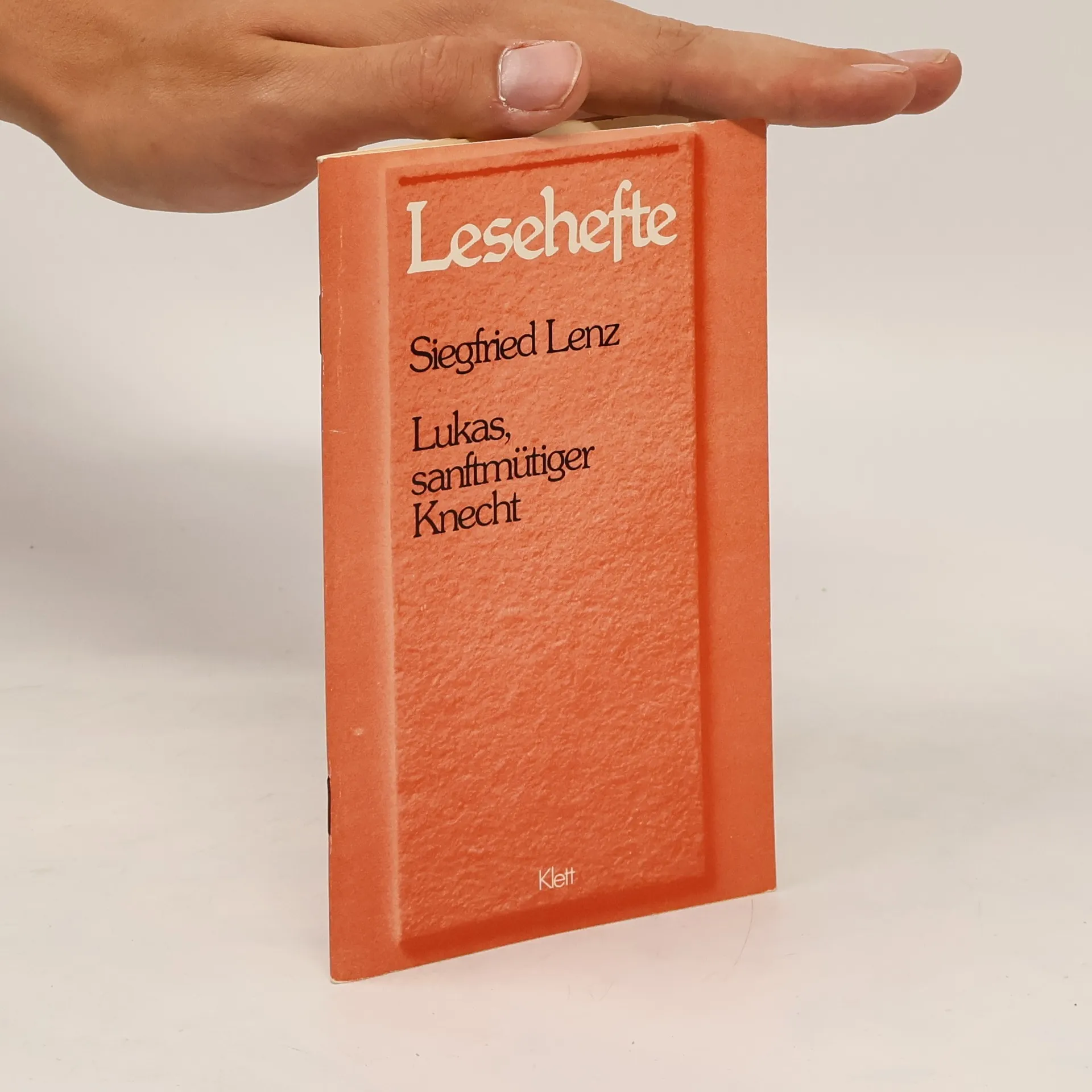
Lukas, sanftmütiger Knecht
- 49 pages
- 2 hours of reading
"Ich gestehe, ich brauche Geschichten, um die Welt zu verstehen."Die Vielfalt der Themen und die Entwicklung eines unvergleichlichen Stils treten in den Erzählungen von Siegfried Lenz deutlich hervor. Brillant verdichtet er auf engstem Raum und mit außerordentlicher Intensität Situationen und die Gefühlswelten seiner Figuren. In der Tradition der deutschen Novelle, der russischen Erzählung und der angelsächsischen Kurzgeschichte stehend, hat Siegfried Lenz die kurze Form zu einer in der Gegenwartsliteratur beispielhaften Meisterschaft geführt."Lenz schreibt unglaubliche und letztlich, da mit künstlerischen Mitteln beglaubigt, doch glaubhafte Erzählungen; sie mögen einem bisweilen unwahrscheinlich vorkommen, aber sie sind immer wahr."Marcel Reich-RanickiDiese eBook-Ausgabe wird durch zusätzliches Material zu Leben und Werk Siegfried Lenz ergänzt.
Florian, der Karpfen : ein Märchen und seine Geschichte
- 77 pages
- 3 hours of reading
Ein literarisches Juwel: ein bisher noch nie in Buchform erschienenes Märchen von Siegfried Lenz mit dem Titel Florian, der Karpfen steht im Zentrum dieses bibliophilen Bandes mit Texten über die besondere Beziehung des großen Erzählers zur Natur, zum Wasser, zum Angeln – und zum Fisch. »Als wir erfuhren, dass der Karpfen zum Fisch des Jahrhunderts gewählt würde, hielt es uns nicht mehr im Haus. Wir mussten schnell zu unserem Haus am Waldrand, um unseren beschuppten Freunden beizubringen, welche Ehre sie ereilt hatte. Das ist ja so gut wie der Nobelpreis, dachten wir.« Mit einem Nachwort von Maren Ermisch und zahlreichen Abbildungen
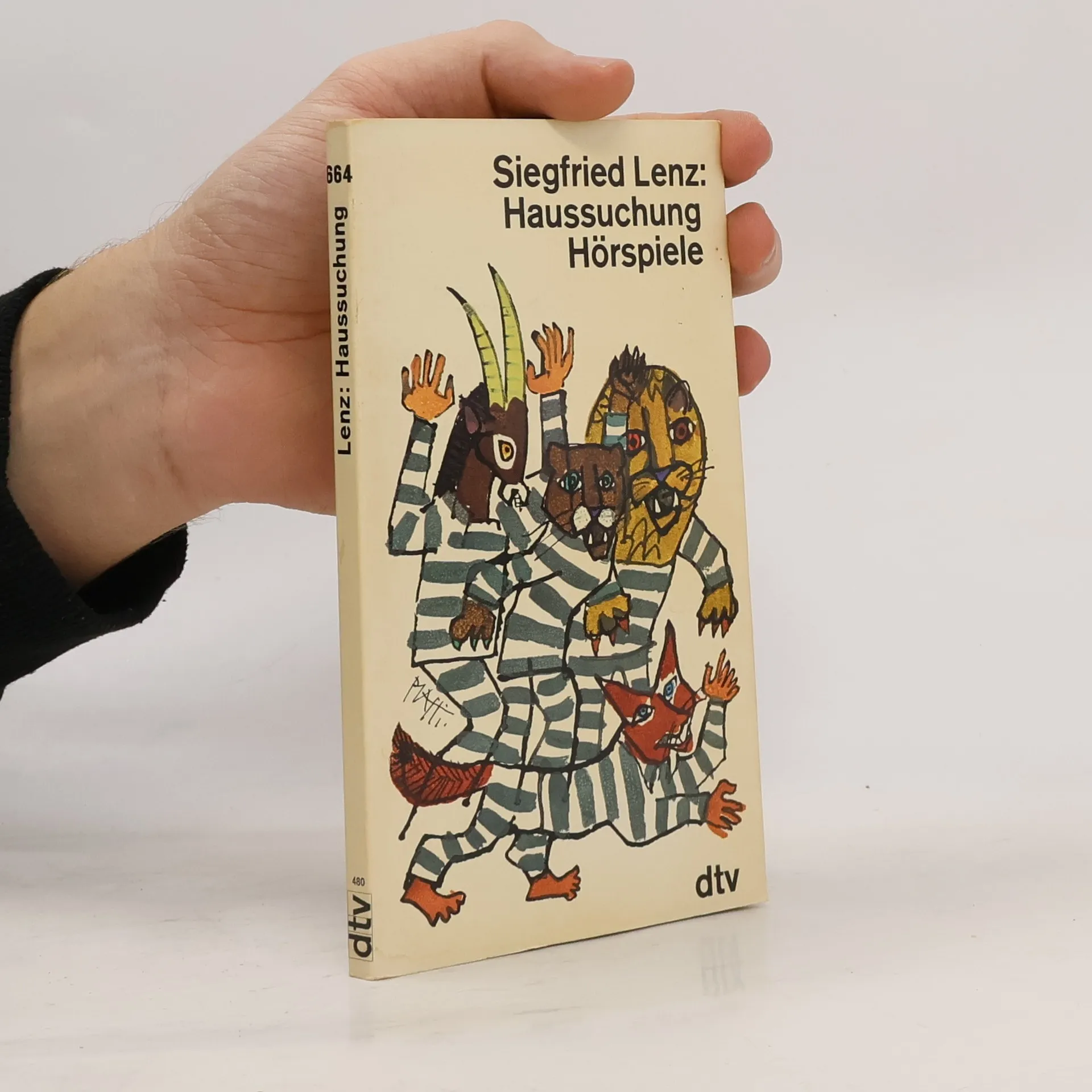
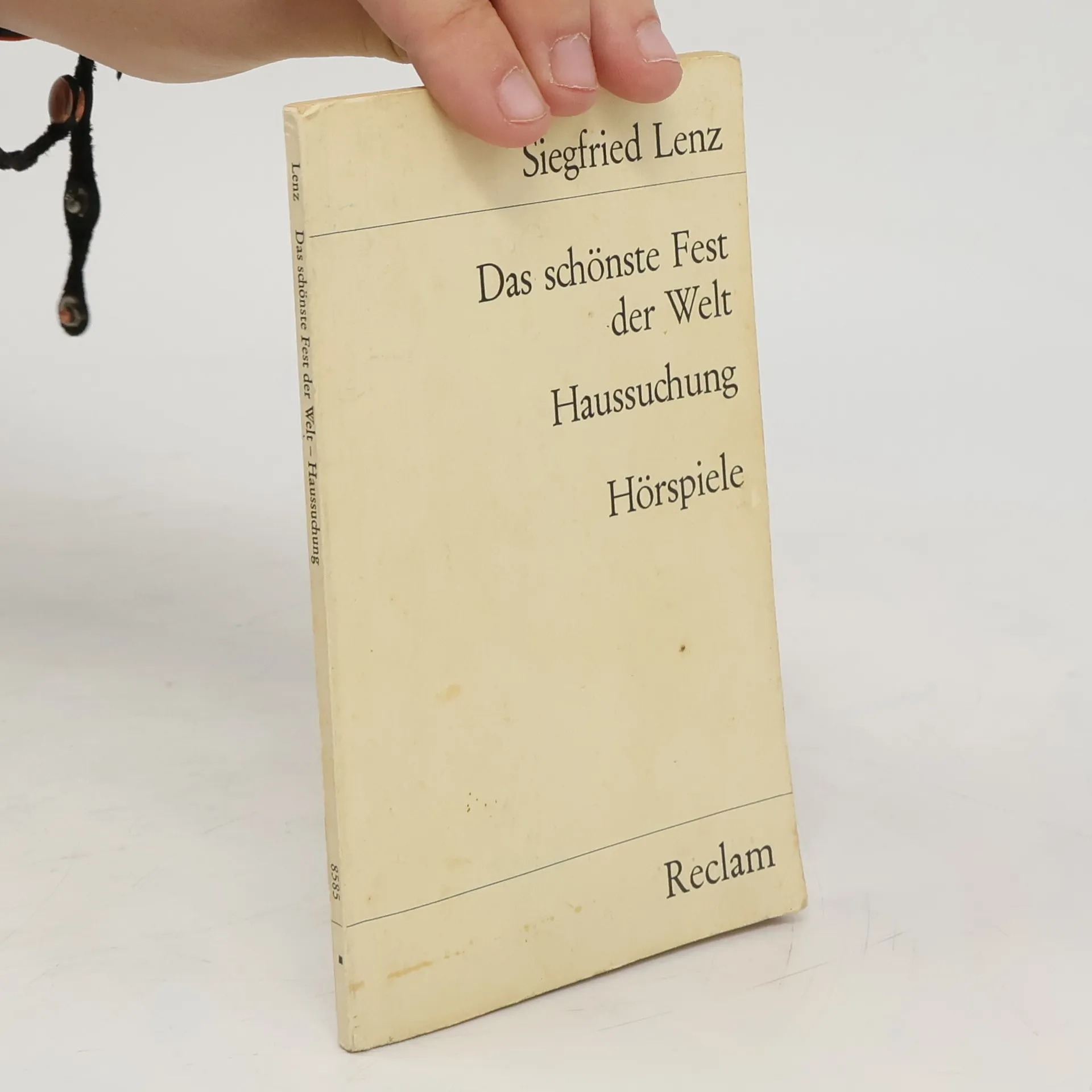
Das schönste Fest der Welt. Haussuchung
- 86 pages
- 4 hours of reading
Werkausgabe in Einzelbänden
- 297 pages
- 11 hours of reading
Am Schicksal des Fremdenführers Ulrich Martens, der in seinem Stadtrundfahrt-Bus die ganze Welt zu Gast hat, zeigt Siegfried Lenz die Folgen eines Verlustes, der jeden von uns treffen könnte: der Verlust der Sprache. Er verdeutlicht, wie eine plötzliche Stummheit das vertraute, auf Reden gegründete Verhältnis zur Welt zerbrechen lässt und selbst die Beziehungen zu Freunden auf die Probe stellt. Der Autor erforscht den Zustand der Sprachlosigkeit und zeigt, dass mit dem Verlust der Sprache auch die erfassbare Umwelt verloren geht. Die Herausforderungen, die bei der Wiedereroberung von Wörtern, Begriffen und Erinnerungen auftreten, verdeutlichen den Versuch einer neuen Selbstbegründung. Dieser Roman lässt sich nicht aus sicherer Distanz lesen; er fordert den Leser direkt heraus und ruft zur Stellungnahme auf. Die Betroffenheit, die er auslöst, fungiert als Spiegel: Im Identifikationsversuch mit den Figuren erkennt der Leser sich selbst. Die Westfälische Rundschau urteilt, dass es müßig sei, über die Herkunft von Lenz' Erzählungen zu spekulieren; wichtig sei das Ergebnis, das für sich spricht. Auch wenn dieses Buch vielleicht nicht den spektakulären Erfolg mancher Vorgänger erreicht, gehört es zweifellos zu den bedeutendsten Werken von Lenz und zu den herausragenden Veröffentlichungen der letzten Jahre.
Die Flut ist pünktlich
- 127 pages
- 5 hours of reading
Die titelgebende Erzählung „Die Flut ist pünktlich“, ein feinsinniges Drama über eine fatale Ménage à trois, wurde mit einem Spitzenensemble für das ZDF verfilmt. Dieser Band versammelt außerdem einige der schönsten Meistererzählungen von Siegfried Lenz.
So war das mit dem Zirkus
- 47 pages
- 2 hours of reading
Wasserwelten
- 351 pages
- 13 hours of reading
Von Meer und Küste, Fluss und Hafen, Wracks und Tauchern und dem Glück, einen Fisch zu fangen. Die schönsten Meerestexte von Siegfried Lenz in einem Band versammelt, von Hanjo Kesting zusammengestellt. Siegfried Lenz, der mit seinem Roman „Deutschstunde“ Weltruhm erlangte, ist nicht nur einer der letzten großen Geschichtenerzähler, er ist auch ein Schriftsteller des Meeres. Strände, Häfen, Inseln, Küsten, Fjorde, große und kleine Schiffe und Wracks sind die Schauplätze seines Werks. „Der Mann fühlte, wie eine eigentümliche Unruhe ihn ergriff, der Wunsch, an das Wrack zu gelangen, das kaum zwanzig Meter unter ihm lag und groß war, schwarz und unbekannt. Er war allein auf dem Strom, und er ließ sich mehrmals über die Stelle treiben, wo das Wrack lag, aber er konnte nichts erkennen. Er wußte nur, daß es da war, ein Wrack, das nur er allein kannte. Die anderen Wracks, die im Strom gelegen hatten, waren längst gehoben oder unter Wasser gesprengt worden: was er wußte, wußte er allein.“
Die Literatur als kollektives Gedächtnis der Menschen »Was Literatur ist, darüber gibt es verschiedene Ansichten, doch eines stellt sie gewiß dar: das kollektive Gedächtnis der Menschen.« Siegfried Lenz hat immer wieder Stellung bezogen zu Fragen des Erzählens und der Literatur, aber auch zu übergreifenden Themen wie der Beziehung zwischen Geschichte und Gegenwart oder dem Verhältnis zwischen Wirklichkeit und Phantasie. Davon zeugen auch die hier zusammengefaßten Reden und Aufsätze, in denen er u. a. Schriftstellerkollegen wie Manes Sperber, Dostojewski, Theodor Storm und Thomas und Heinrich Mann würdigt. »Ein sympatisches, kenntnisreiches Buch, das Siegfried Lenz als erfahrenen und gescheiten Verteidiger von Literatur ausweist.« (Richard Exner in der Welt) Inhalt: - Über das Gedächtnis - Geschichte erzählen – Geschichten erzählen - Von der Gegenwärtigkeit des Vergangenen Für Manès Sperber - Dostojewski – der gläubige Zweifler - Am Rande des Friedens - Weder Schall noch Rauch Etwas über Namen - Erfahrungen beim Wiederlesen - Sehnsucht nach Dauer Über Theodor Storm - Aufklärer in der Kleinstadt Über Wilhelm Raabe - Der Roman als demokratische Kunstform Heinrich Manns > Kleine Stadt< - Weltflucht mit Komfort Hinweis auf Paul Kornfeld - Illusion und Opfer Über Jerzy Andrzejewski - Der scharfsinnige Schwärmer Für Willy Haas - Etwas über Phantasie
Jütländische Kaffeetafeln
- 23 pages
- 1 hour of reading
DTV Deutscher TaschenbuchDate of 1969 soft 3423006005 Ex- Library
Das Wettangeln
Illustriert von Nikolaus Heidelbach
Es ist ein besonderer Tag im kleinen Ort Thorshafen an der Ostsee: Das jährliche Wettangeln findet am See gleich hinter den Deichen statt. Nur durch einen Zufall nimmt der Erzähler daran teil und lernt Anja kennen. Gemeinsam angeln verbindet, macht aber auch müde. Eine vom Schilf verdeckte Stelle lädt zum Ausruhen ein, bis sich plötzlich die Angel strafft. Welcher Fisch hat angebissen, vielleicht ein Hecht oder gar ein Wels, der Herrscher des Sees? Am Ende des Tages feiern alle Thorsheimer gemeinsam: die Natur, das Leben, die Fische, das Meer und natürlich die Liebe, wobei nicht verraten sein soll, wie die Lehrerin Frau Laura es fertigbringt, zur Fischkönigin ernannt zu werden. Mit dieser letzten Geschichte hat Siegfried Lenz seinen Lesern über seinen Tod hinaus ein wunderbares Geschenk gemacht.
Vor der Kulisse der norddeutschen Küstenlandschaft haben die beiden sehr unterschiedlichen Brüder Frank (Fischzüchter) und Willy (Teekoster) Wittmann mit ihren privaten und wirtschaftlichen Problemen zu kämpfen.
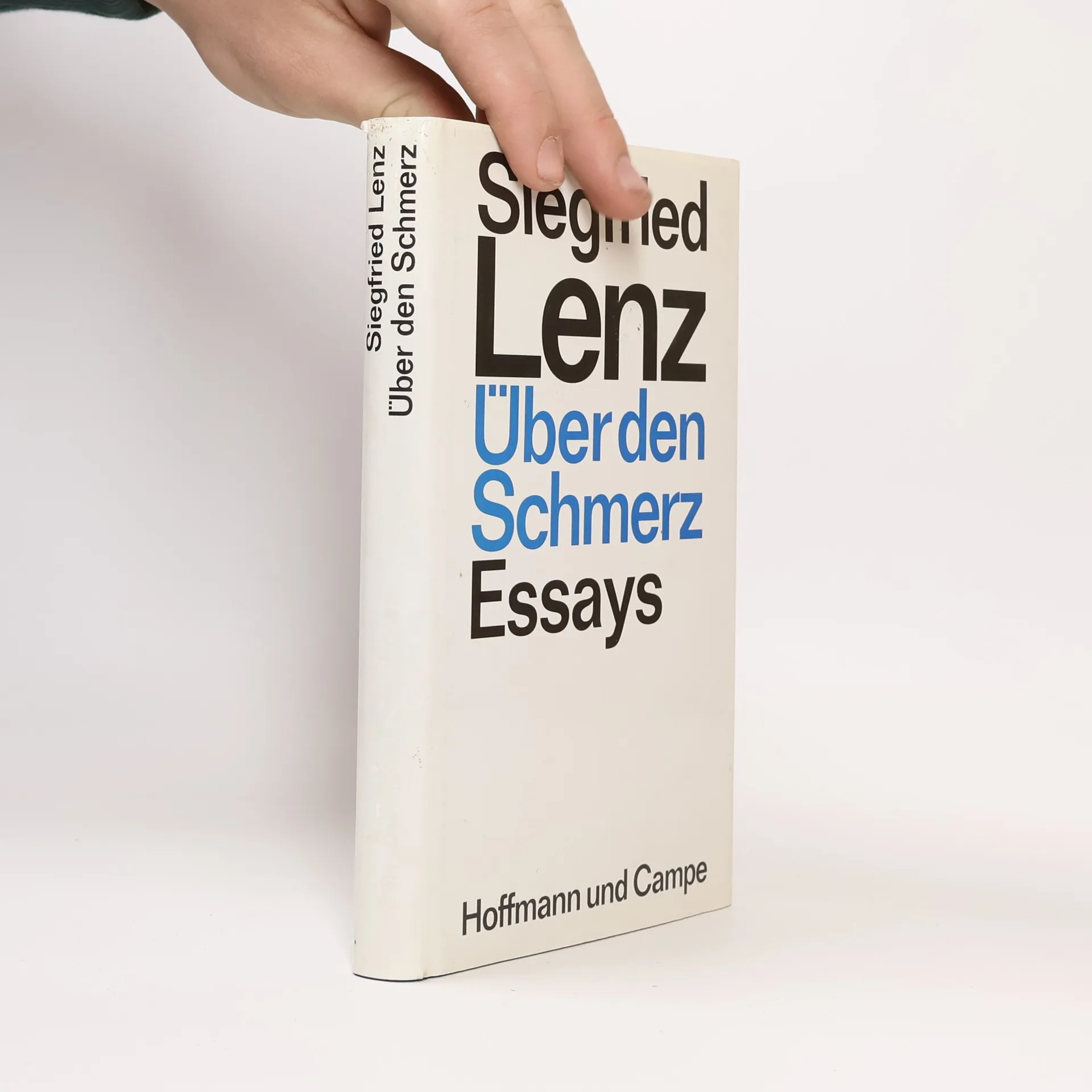
Über den Schmerz
Essays
In seinen Reden und Aufsätzen hat sich Siegfried Lenz immer wieder mit einer Vielfalt von Themen und Fragen auseinandergesetzt - mit Themen der Literatur, aber auch mit politischen Problemen und mit Fragen des gesellschaftlichen Lebens. Seine Betrachtungen zeugen nicht nur von fundierter Sachkenntnis, sondern auch von einem tiefen persönlichen Engagement. Die in diesem Band versammelten Essays und Reden sind zumeist aus gegebenem Anlass entstanden. Die Rede „Über den Schmerz“ hielt der Autor 1993 in Jerusalem anlässlich der Verleihung der philosophischen Ehrendoktorwürde durch die Ben-Gurion-Universität. „Von der Wirkung der Landschaft auf den Menschen“ ist eine Würdigung für das Engagement von Loki Schmidt. Für die Deutsche Geriatrische Gesellschaft schrieb er „Die Darstellung des Alters in der Literatur“. Weitere Beiträge sind u. a. „Das Erscheinungsbild des Politikers in der Nachkriegsliteratur“ und „Die Logik des Vergleichs“.
Het begin van iets
- 128 pages
- 5 hours of reading
‘Ons helpt geen enkele behandeling meer, zei Hoppe, wij kunnen onszelf alleen nog maar opnieuw laten maken, helemaal opnieuw. Wat wij missen is een nieuw begin.’ Als Harry Hoppe op oudejaarsavond zijn schip mist, gaat hij niet naar huis, maar de kroeg in. Thuis wacht hem alleen zijn in haar huwelijk teleurgestelde vrouw Anna, in de kroeg is Paula, die hem voorziet van een kom soep en een glas jenever. Daar bereikt hem later die nacht slecht nieuws, dat op deze nieuwjaarsmorgen vol nieuwe mogelijkheden een onverwacht goede kant blijkt te hebben.
Ludmilla
- 166 pages
- 6 hours of reading
Eine abgeschriebene Frau und andere Denkwürdigkeiten: Wie hier ein Schriftsteller aus Hamburg, eine junge Frau aus Tomsk, ein Steuerprüfer und ein Tonbandgerät in Szene gesetzt werden, ist einfach genial.
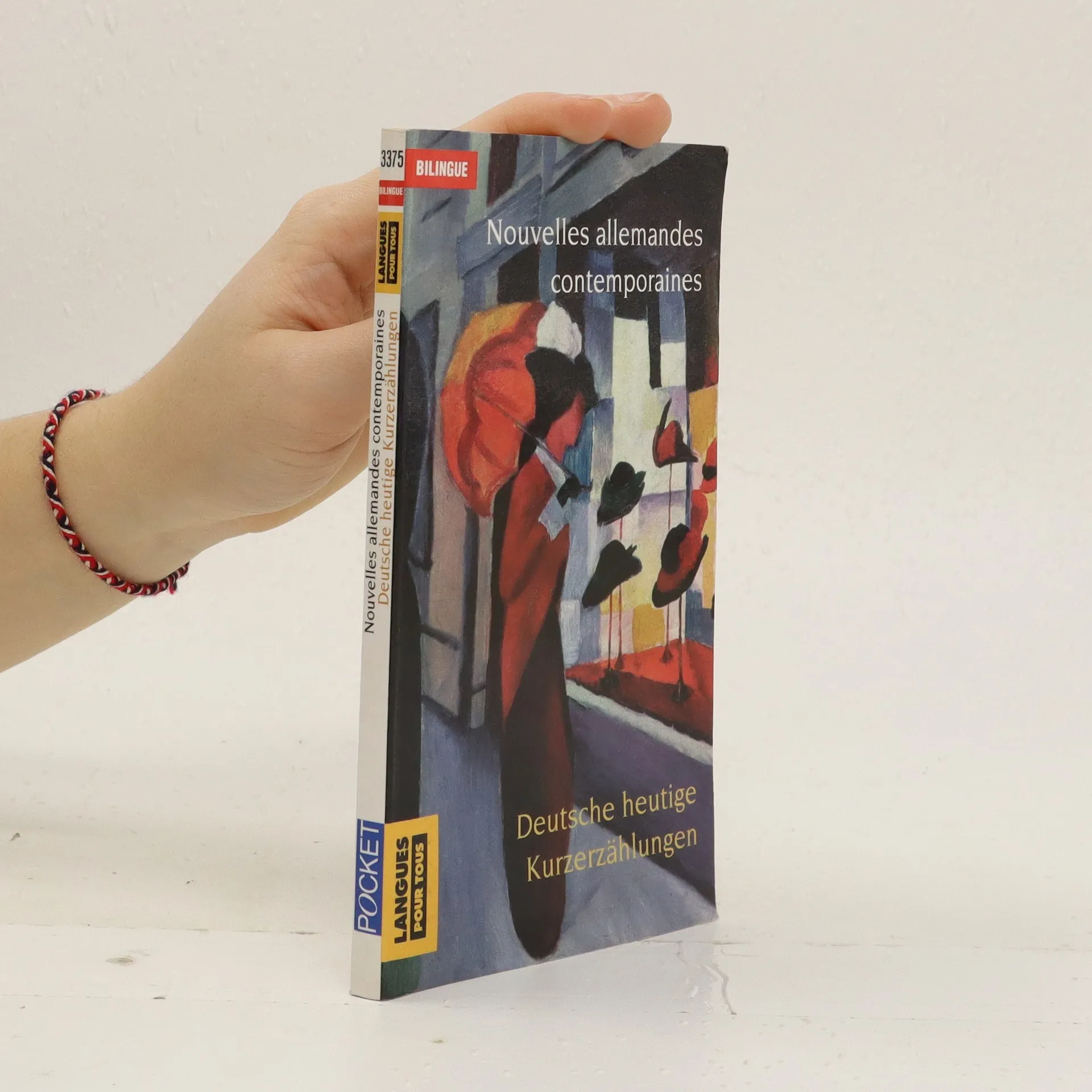
Nouvelles allemandes contemporaines
- 126 pages
- 5 hours of reading
Nouvelles présentées par Michel LemercierMarie-Luise Kaschnitz . Gespenster - RevenantsHerbert Malecha . Die Probe - L'ÉpreuveAurelia Bundschuh . Die Uhr - La MontreSiegfried Lenz . Die Flut est pünktlich - La mariée est à l'heureWolfgang Borchert . Nacht schlafen die ratten doch - Mais les rats dorment la nuitMax Frish . Der andorranishe Jude - Le Juif d'AndorreHeinrich Böll . Mein trauriges Gesicht - Mon visage tristeLa série BILINGUE propose :une traduction fidèle et intégrale, accompagnée de nombreuses notes ;une méthode originale de perfectionnement par un contact direct avec les oeuvres d'auteur s étrangers.
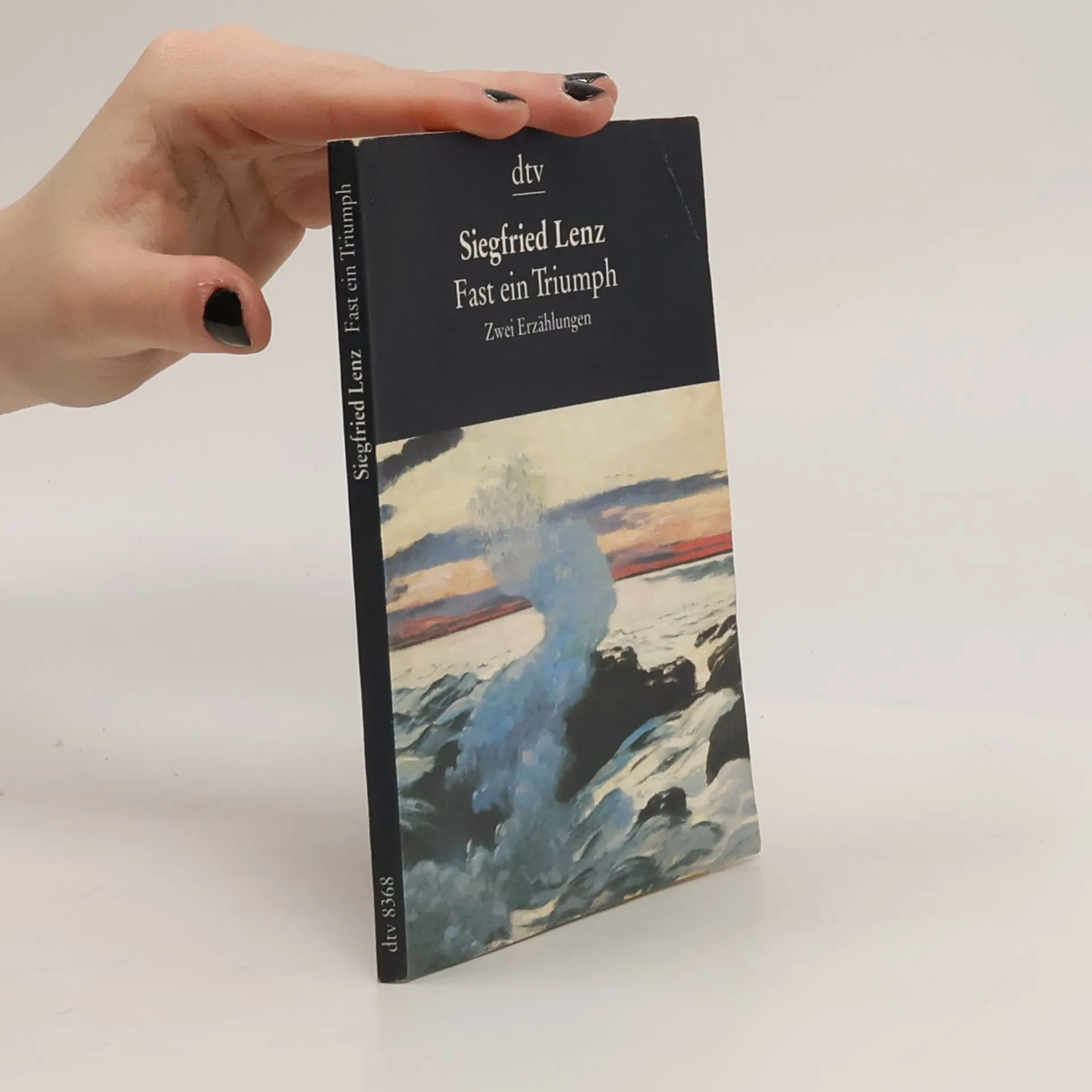
Fast ein Triumph. Zwei Erzählungen
- 61 pages
- 3 hours of reading
Der kleine Band von Siegfried Lenz enthält die zwei Erzählungen "Das serbische Mädchen" und "Fast ein Triumph".
In Lenz' Parabel beobachtet eine Expeditionsgruppe ein Dorf, in dem alle Einwohner durch eine mystische Augenkrankheit erblindet sind. Als die Dorfbewohner die Forscher entdecken, nehmen sie sie gefangen. Zunächst sind deren Skrupel zu groß, sich gegen die Blinden zur Wehr zu setzen. Und schließlich - zu spät - müssen die Forscher erkennen, dass sie in eine ausweglose Zwangslage geraten sind.
Rede anläßlich seiner Ehrenpromotion am 23. Juni 1976 im Auditorium Maximum der Universität Hamburg.
Amerikanisches Tagebuch 1962
- 149 pages
- 6 hours of reading
„Am 16. Oktober, 9.15 a. m. erstes Appointment mit Mr. Milos O. Ptak im Department of State, Telefonat mit Dr. Schött von der Deutschen Botschaft, der bereits Nachricht hinterlassen hatte.“ Im Jahr 1962 reist Siegfried Lenz vierundvierzig Tage lang durch die USA und hält seine Erlebnisse in einem Notizbuch fest. Fünfzig Jahre später wird dieses Dokument veröffentlicht. Während Lenz, noch vom Jetlag geplagt, seine ersten Termine in Washington wahrnimmt, bespricht Präsident John F. Kennedy mit seinen Beratern die Kubakrise. Amerika steht vor seiner größten Herausforderung seit dem Zweiten Weltkrieg, und diese angespannte Atmosphäre prägt Lenz’ Reise. Themen wie der Ost-West-Konflikt, die Diskussion um die Atombombe und das Engagement in Vietnam sind allgegenwärtig. Der junge Schriftsteller, der seine ersten Werke bei Hoffmann und Campe veröffentlichte, war eingeladen worden, die amerikanische Demokratie kennenzulernen. Als deutscher Seekadett, Journalist und Literat war er ein bedeutender Gast, der aus dem Land der Sieger berichten sollte. Lenz war von vielem begeistert, insbesondere von der amerikanischen Literatur, und hegte den Wunsch, Faulkner zu treffen, was jedoch nicht mehr möglich war.
Duell mit dem Schatten
- 246 pages
- 9 hours of reading
Ein deutscher Oberst fährt 1952 mit seiner Tochter nach Libyen, dem Ort, an dem er vor acht Jahren schon einmal war. Was damals geschah, lastet schwer auf ihm. Er erhofft sich Befreiung von diesem Druck und versucht, Mitleid und Verständnis von der Tochter zu erpressen. Doch die Schuld ist unter der Glut der libyschen Sonne stärker. Und die Begegnung mit zwei jungen Engländern, die auch die damaligen Kampforte aufsuchen, vermittelt dem Mädchen allmählich die Kraft, aus dem Schatten des Vaters herauszutreten, sich von ihm zu lösen. Die Wüste wird zu einem Raum, in dem sich das Schicksal von Menschen erfüllt – auch deutsches Schicksal. – Ein zeitgeschichtlicher Roman über die Schuld der Väter im Krieg und deren Bewältigung durch die Söhne und Töchter.
Exerzierplatz
- 459 pages
- 17 hours of reading
Dieser Roman zeigt, welche Erfahrungen auf den Einzelnen warten, der -- nach den Lektionen, die uns die Geschichte erteilte -- ein als Exerzierplatz mißbrauchtes Land in einen Garten zurückverwandelt. Eine überragende erzählerische Leistung und zugleich eine Parabel von der Mündigkeit des Menschen in unserer Zeit.
Es war einmal ein zärtliches Dörfchen, Suleyken genannt, gelegen irgendwo und nirgendwo in Masuren, zu erreichen - wie allerorten bekannt und in diesen Geschichten nachzulesen - mit einer Kleinbahn namens Popp, bequemer jedoch mit der Phantasie. Erstere überdies, einst befeuert von einem hochmütigen Menschen namens Dziobek, fährt mancher Widrigkeiten wegen längst nicht mehr die Strecke von Suleyken über Schissomir, Sybba, Borsch, Sunowken nach Strie-geldorf und zurück. Letztere aber floriert - wie jedermann weiß und hier neuerlich erfahren kann - fröhlich allen Zeitläuften zum Trotz. So erleben wir denn nicht nur große Ereignisse und den Titus Anatol Plock, Besitzer einer neuen Hose und achter Sohn der verwitweten Jadwiga Plock, sondern auch das Duell in kurzem Schafspelz und den Adolf Abromeit. Und wir begegnen nicht nur dem Hamilkar Schaß, weiland Held der Kulkaker Füsiliere, dem Tantchen Arafa, der fest-lichen Einweihung besagter Kleinbahn und dem Briefträger Hugo Zappka, sondern auch dem souveränen Humor eines geistvollen Erzählers, dessen Geschichten eine »aufgeräumte Huldigung« an seine Heimat Masuren sind.
Lehmanns Erzählungen oder so schön war mein Markt
- 125 pages
- 5 hours of reading
Die Zeit, die am Überfluß erkrankt und daran erlahmt ist, setzt Lenz als Gegenbild die Jahre entgegen, in denen der Mangel herrscht. Es ist für ihn personifiziert in dem Schwarzhändler Lehmann, der seine Memoiren überliefert. Lehman war einst König des Schwarzen Marktes, virtuos in der Strategie des Tauschens, ein Allesbeschaffer, der mit Sahnelöffeln begann und sich schließlich in der Besorgung eines unhandlichen Denkmals auf dem Höhepunkt seiner riskanten Karriere bestätigte. Seine Zeit ist die Zeit des Mangels. Er braucht ihn als Widerstand, er beflügelt seine Phantasie und beschert ihm das Abenteuer. Herrscht jedoch Überfluß, erlahmen seine Kräfte, er wird beziehungslos, steht untätig am Markte, und keiner bedarf seiner. Er lebt dann in der Vergangenheit, in seinen Memoiren -- oder in der Zukunft, von der sich von alters her jeder das Beste für sich erhofft: und er, Lehmann, setzt wieder auf den Mangel. Wer seine Memoiren kennt wird es ihm abnehmen.
EINSTEIN ÜBERQUERT DIE ELBE BEI HAMBURG
Erzählungen
Ein sommerliches Hafenporträt zeigt die alltägliche Wahrheit des Stroms – Möwen, Rauchfahnen, Wind und die Schiffe samt der Personen an Deck: Der Kapitän, der den Kurs eines nahenden Schleppzugs abschätzt, ein Fliehender, der von einem Uniformierten verfolgt wird, eine hochschwangere Frau im Schatten der Reling. Und abseits ein alter Mann mit Schlapphut, Pfeife rauchend – Albert Einstein? Eine Hafenszene, in deren Mittelpunkt ein grünweißes Fährschiff steht, heraufbeschworen von einem Beobachter, der »selbst bestimmt, was eine Tatsache ist«.
Dringende Durchsage. Erzählungen
- 192 pages
- 7 hours of reading
Anlässlich des zehnten Todestags von Siegfried Lenz erscheinen in "Dringende Durchsage" unbekannte Erzählungen, die Einblicke in seine literarische Entwicklung geben. Die Texte zeigen Lenz als experimentellen und humorvollen jungen Schriftsteller zu Beginn seiner Karriere.
Drei Pädagogen - ein pensionierter Rektor, eine intellektuelle Lektorin und ein fortschrittlicher Studienrat - treffen sich in Hamburg, um im Auftrag eines Arbeitskreises der Kultusministerkonferenz für die Bundesrepublik ein neues repräsentatives Lesebuch zusammenzustellen. Uber die beiden ersten Teile können sie sich mühelos einigen. Das dritte Kapitel, Lebensbilder-Vorbilder, bringt jedoch unerwartete und kaum zu bewältigende Schwierigkeiten mit sich. Auf unsicherem Boden treten die drei Kollegen vor und zurück, richtend, wertend und urteilend. Zu dem Dilemma ihrer anfechtbaren Vorbilder kommen ihre eigenen Probleme. Schon sieht es so aus, als könnte man bei der Suche nach dem Vorbild zu keiner Einigung gelangen, da wird ein Name in die Debatte geworfen: Lucy Beerbaum, eine berühmte Biologin - allerdings nicht unumstritten, denn sie setzte ihrem Leben ein vorzeitiges Ende. Die kaum lösbare Aufgabe scheint gelöst - da verweigert der Verleger die Annahme. Was sollen junge Leute mit einem Vorbild, das ausschließlich leidet, mitleidet? Ein Fiasko also am Ende: alle geben auf. Der Leser darf weiterdenken über ein Buch, das viel Exemplarisches unserer Zeit vereint.
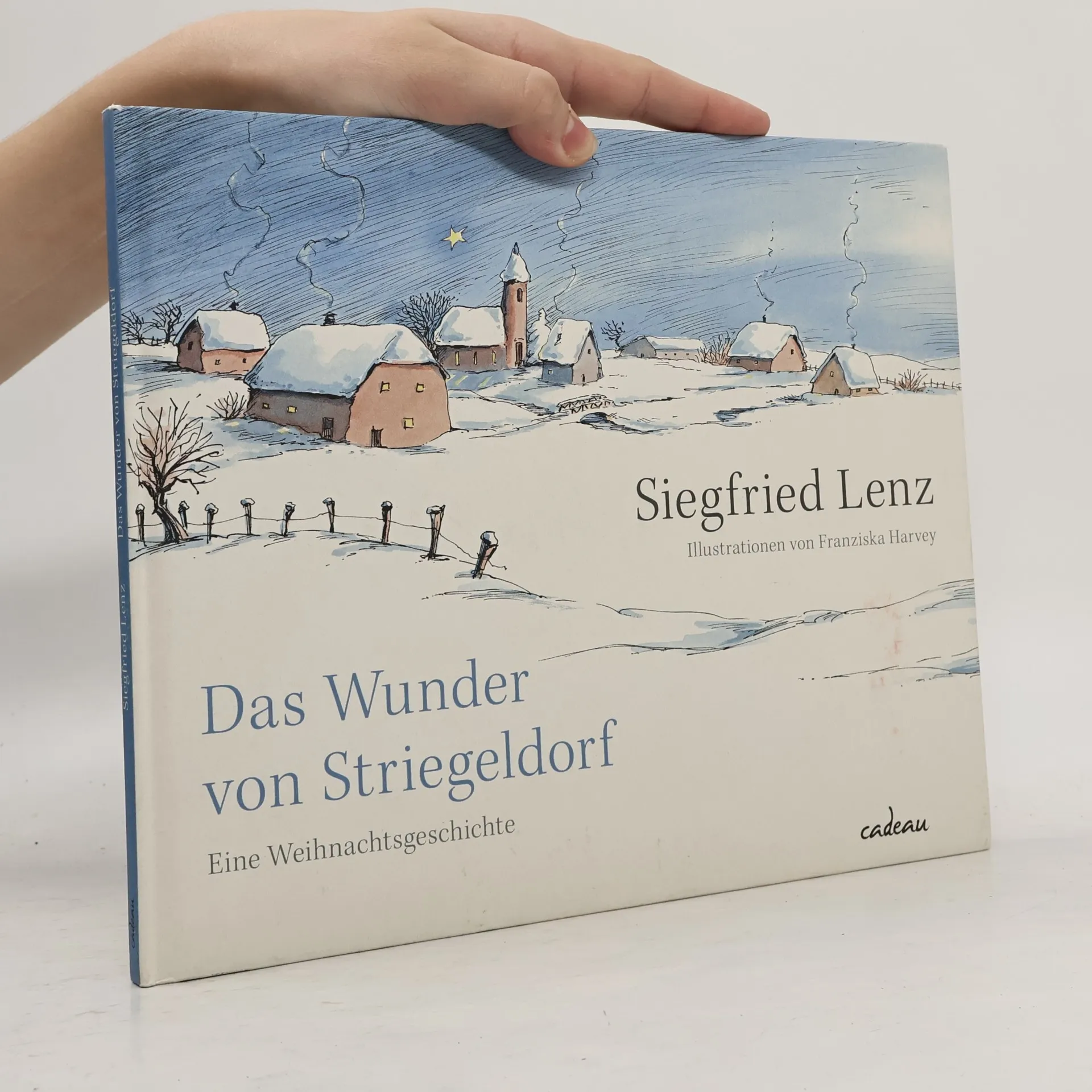
Das Wunder von Striegeldorf
Eine Weihnachtsgeschichte
Zwei Männer brechen aus dem Gefängnis aus, denn sie wollen Weihnachten in Freiheit erleben. Durch einen Trick können sie entkommen, doch als sie wieder zurückkehren wollen, um pflichtbewusst die letzten Tage ihrer Strafe abzusitzen, stoßen sie auf Widerstände. Mit dieser Geschichte zaubert Siegfried Lenz ein stimmungsvolles Bild der Weihnacht seiner Heimat. Liebevoll illustriert, bereichert dieses Buch den Winterabend vor dem Kamin.
Jäger des Spotts
- 135 pages
- 5 hours of reading
So vielfältig die Themen dieser dreizehn Erzählungen sind, so bilden sie doch eine selbstverständliche Einheit. Ob Siegfried Lenz den einsamen Kampf eines vom Glück verlassenen Jägers gegen ein Rudel wütender Moschusochsen schildert oder das zwiespältige Verhalten eines emporge- kommenen Geschäftsmanns beschreibt, der seine Kinder abgöttisch liebt, sich aber seines einfachen Vaters schämt, ob der Autor den Schauplatz seiner Geschichten in die afrikanische Steppe, ins Wattenmeer, in die Büroräume einer Fabrik, auf den Sportplatz oder in das Atelier eines Werbephotographen verlegt, stets gelingt es ihm, das Gleichnishafte der Situation deutlich zu machen. Inhalt: - Lukas, sanftmütiger Knecht - Das Wrack - Ein Haus aus lauter Liebe - Die Festung - Der Läufer - Der große Wildenberg - Drüben auf den Inseln - Der seelische Ratgeber - Jäger des Spotts - Die Flut ist pünktlich - Mein verdrossenes Gesicht - Nur auf Sardinien - Die Nacht im Hotel
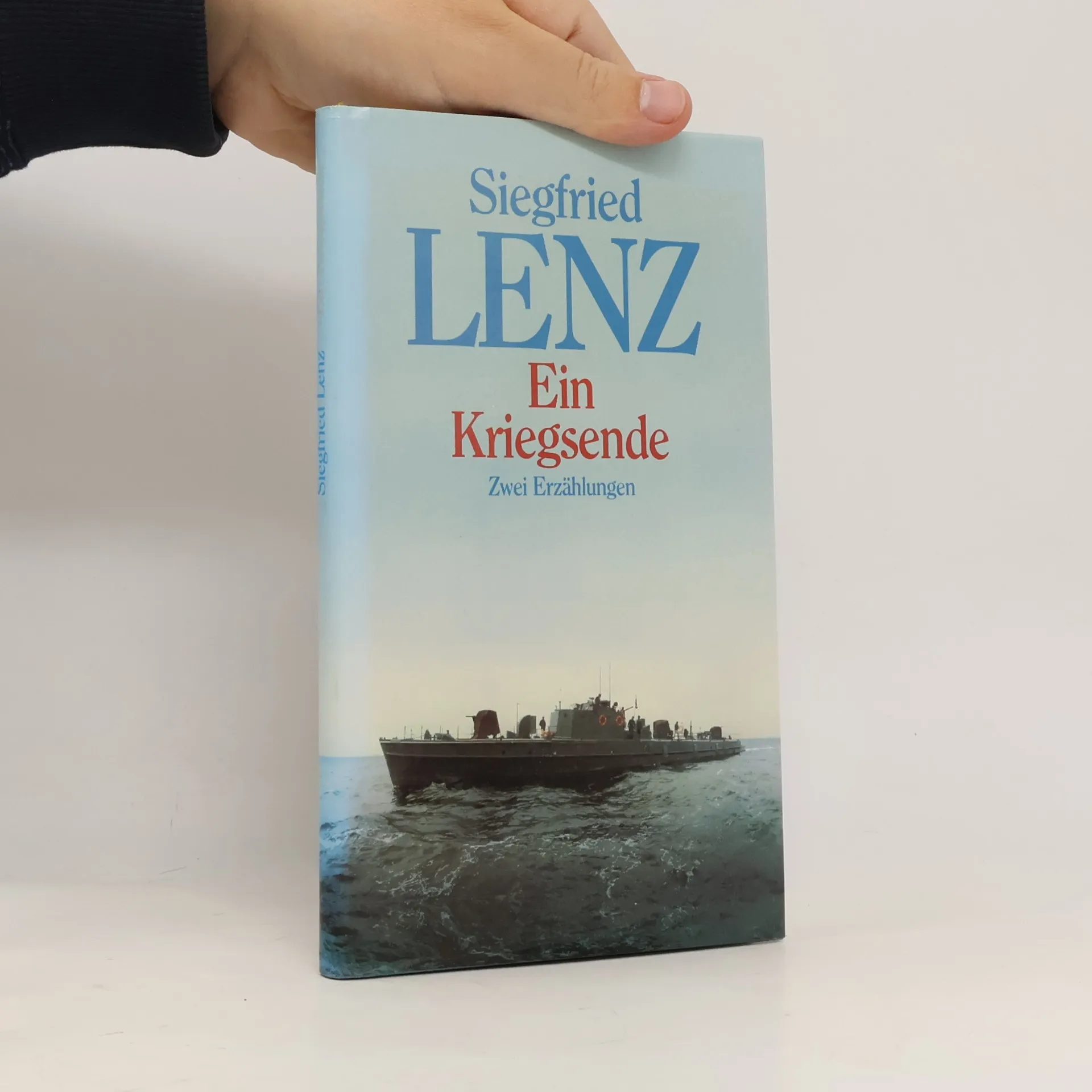
»Ich bekenne, ich brauche Geschichten, um die Welt zu verstehen.« Siegfried Lenz Siegfried Lenz vermag menschliche Schicksale und gesellschaftliche Fragestellungen auf eine berührende Weise zu verknüpfen. Die Aufrichtigkeit und Humanität, die sein Erzählen auszeichnen, sind von zeitloser Aktualität. Der Herausgeber Helmut Frielinghaus nähert sich Lenz’ erzählerischem Gesamtwerk unter thematischen Aspekten und lädt ein, einen frischen Blick auf die Texte zu werfen. Im Mittelpunkt des ersten Bandes stehen Erzählungen, die die deutsche Vergangenheit widerspiegeln, wie etwa ›Ein Kriegsende‹. Inhalt:- Die Ferne ist nah genug- Die tödliche Phantasie- Die Nacht im Hotel- Begegnung zwischen den Stationen - Der Läufer- Ein Haus aus lauter Liebe- Einmal schafft es jeder- Der zerbrochene Elefant- Lukas, sanftmütiger Knecht- Die Festung- Der seelische Ratgeber- Stimmungen der See- Risiko für Weihnachtsmänner- Barackenfeier- Der Sohn des Diktators- Der Verzicht- Ein Männerspaß- Der sechste Geburtstag- Die Augenbinde- Die Mannschaft- Herr und Frau S. in Erwartung ihrer Gäste- Der Mann unseres Vertrauens- Die Prüfung- Ein Kriegsende
In Siegfried Lenz’ erstem Roman geht es um die Existenz des Bösen, das die Formen menschlichen Zusammenlebens mit furchtbarer Konsequenz zerstört. Nach dem Ersten Weltkrieg wird der finnische Dorfschullehrer Stenka von der Revolutionsregierung verfolgt; er versucht, in die Anonymität des Untergrunds abzutauchen, aber schließlich wird er doch, wenige Schritte vor der rettenden Grenze zur Strecke gebracht. Bewahrheitet hat sich das Urteil der WELT: Siegfried Lenz, der Fünfundzwanzigjährige, ist mit einem Elan über die Anfangsrunde gegangen, dass man wegen seiner Reserven nicht bange zu sein braucht."
Ein Mann steht vor einer schwerwiegenden Entscheidung. Die Stadt liegt an einem Fjord, ihre Bewohner tragen nordische Namen. Im übrigen ist es eine Stadt wie viele andere. Das Leben in ihr geht seinen geordneten Gang. Nur einmal riß ein Ereignis die Stadt aus ihrem Dahinleben. Und dieses Ereignis wurde zum Inhalt des Stadtgesprächs, das nicht verstummen wollte und im Laufe der Jahre viele Veränderungen erfuhr. Zur Zeit der Besetzung waren nach einem Attentat vierundvierzig Geiseln festgenommen worden. Daniel, der junge Chef des Widerstandes, sollte auf diese Weise gezwungen werden, sich der Besatzungsmacht zu stellen. Er stand damals vor der Entscheidung, die Freunde zu opfern oder den Widerstand zu beenden. Der Erzähler Tobias erinnert sich an jene Tage und versucht, die Haltung der Betroffenen gerecht zu beurteilen. Unaufdringlich bringt der Autor den Leser in Beziehung zu den Geschehnissen. Er macht deutlich, daß es keine Moral gibt, die für sich beanspruchen kann, in dieser Ausnahmesituation eine schnelle Antwort bereit zu haben.
Noch einmal ist der erfolgreiche Langstreckenläufer Bert Buchner für die Europameisterschaft aufgestellt worden, noch einmal ist er vom Start weg an die Spitze gegangen, wie er es immer tat. Aber wird er noch einmal siegen? Auf der Tribüne verfolgt ein Reporter, einst Entdecker, Freund und Warner Buchners, den schweren Lauf über fünfundzwanzig quälende Runden. Und dabei werden Erinnerungen wach: an die erste Begegnung im Gefangenenlager, Buchners Flucht, ihr zufälliges Wiedersehen, die ersten Starts, verbissenes Training, Siege und Rekorde #150; verknüpft und erkauft mit Enttäuschungen im privaten Leben und mit dem Verlust der menschlichen Integrität. Das Dilemma des Leistungssportlers: Buchner begreift nicht, daß er nur auf der Aschenbahn König ist, daß man ihm nur zujubelt, solange er siegt, und keinen Augenblick länger. Sein Lauf um die Europameisterschaft: ein Sinnbild seiner Hoffnungen und zuletzt ein grandioser Lauf gegen sich selbst.
Zaungast
(editionWelttag)
Inhalt: Kummer mit jütländischen Kaffeetafeln - Eine Schulstunde auf japanisch - Das Gelächter des Kukkaburra - Die Stunde der Taucher - Sonntag eines Ranchers - Hinter der Fliegenschnur - Unter Dampf gesetzt
"Der Mann im Strom": in einer großen Stadt im Norden Deutschlands spielt dieser dritte Roman von Siegfried Lenz -- genauer: im Hafen dieser Stadt, in dem das Leben pulst und der Wiederaufbau nach dem Krieg in vollem Gang ist, während auf dem Grund des Stroms noch halbvergessene Wracks liegen, geborstene Zeugen vergangener Bombennächte. Taucher sind am Werk, sie zu bergen; und unter ihnen ist einer, der gute Zeiten gesehen hat, der oft hinuntergestiegen ist zu den gesunkenen Schiffen, und der auch jetzt wieder hinunterstiegt. Aber er ist älter geworden, fast zu alt für seinen schweren Beruf. Das Klingen in den Ohren, den Druck in der Herzgegend, die Beklemmung der Tiefe -- das alles hat er bisher nicht gekannt. Doch er will sich nicht ausbooten, nicht beiseiteschieben lassen, er will arbeiten, wie er es früher tat; und so greift er zum Gefährlichen und Unerlaubten, nicht mit der Verwegenheit des Hasardeurs, sondern mit der Gefaßtheit und Überlegung eines Mannes, der um seine letzte Chance weiß.
Walter Proska, een 28-jarige soldaat in het Duitse leger, heeft zojuist verlof gehad en is op weg naar zijn eenheid aan het front. Als de trein stopt in Prowursk vlak voor de uitgestrekte moerassen van Rokitno vraagt een jonge vrouw, Wanda, om hulp. Ze heeft een kruik bij zich met de as van haar broer die ze naar zijn weduwe in het volgende dorp zegt te willen brengen. Walter, die op slag door Wanda betoverd is, helpt haar zijn wagon binnen. Maar de trein bereikt het dorp niet. Wanda moet vluchten voor een patrouille en de trein loopt op een mijn die partizanen daar gelegd hebben. Walter overleeft de aanslag en gaat deel uit maken van een handjevol soldaten dat onder leiding van een onberekenbare korporaal de partizanen - die in de uitgestrekte moerassen kat en muis spelen met de Duitsers - moet zien te overleven. Als Walter tijdens een patrouille Wanda weer tegenkomt, is dat het begin van een (liefdes)geschiedenis waarbij Walter geconfronteerd wordt met zichzelf en zijn geweten.
Bollerup hat seine Eigenheiten. Zu ihnen gehört fraglos auch der selbstgebrannte Mirabellengeist. Er produziert seltsame, krummwüchsige Gedanken, aber er führt auch auf die lichten Mittagshöhen erstaunlicher Einfälle; er prägt sogar Charaktere. Und von ihnen erzählt Siegfried Lenz in diesen zwölf Geschichten -- mit jenem wortkargen und listigen Humor, den es eben nur in Bollerup gibt.
Wo liegt die Zukunft der Literatur? Welche Rolle hat der Schriftsteller inne? Essays von Siegfried Lenz zu seinem 75. Geburtstag. 50 Jahre nach dem Erscheinen von „Es waren Habichte in der Luft“, Lenz’ erstem Buch, legt er nun einen Band mit drei Essays vor, die die Rolle der Literatur und des Schriftstellers umkreisen. Sie mutmaßen über die „Zukunft der Literatur“, erörtern das „Kunstwerk als Regierungsprogramm“ und widmen sich der amerikanischen Literatur. Die Aufsätze zeigen Siegfried Lenz einmal mehr als nachdenklichen und klugen Essayisten, der Literatur ernst nimmt als eine Kunstform, die nicht ohne ihren gesellschaftlichen Zusammenhang zu sehen ist.
Siegfried Lenz, 1926 im ostpreußischen Lyck geboren, zählt zu den bedeutendsten und meistgelesenen Schriftstellern der Nachkriegs- und Gegenwartsliteratur. Für seine Bücher wurde er mit vielen wichtigen Preisen ausgezeichnet, unter anderem mit dem Goethepreis der Stadt Frankfurt am Main, dem Friedenspreis des Deutschen Buchhandels und mit dem Lew-Kopelew-Preis für Frieden und Menschenrechte 2009. Seit 1951 veröffentlichte er alle seine Romane, Erzählungen, Essays und Bühnenwerke im Hoffmann und Campe Verlag. Er starb am 7. Oktober 2014 im Alter von 88 Jahren.
Die Versuchsperson. Stück
- 36 pages
- 2 hours of reading
In "Die Versuchsperson" wird die Macht der Bücher und deren Einfluss auf Menschen thematisiert. Die Handlung spielt in einer Buchhandlung und bietet eine spannende und amüsante Auseinandersetzung mit bedeutenden Werken der Weltliteratur, während sie die Wirkung der Literatur beleuchtet.
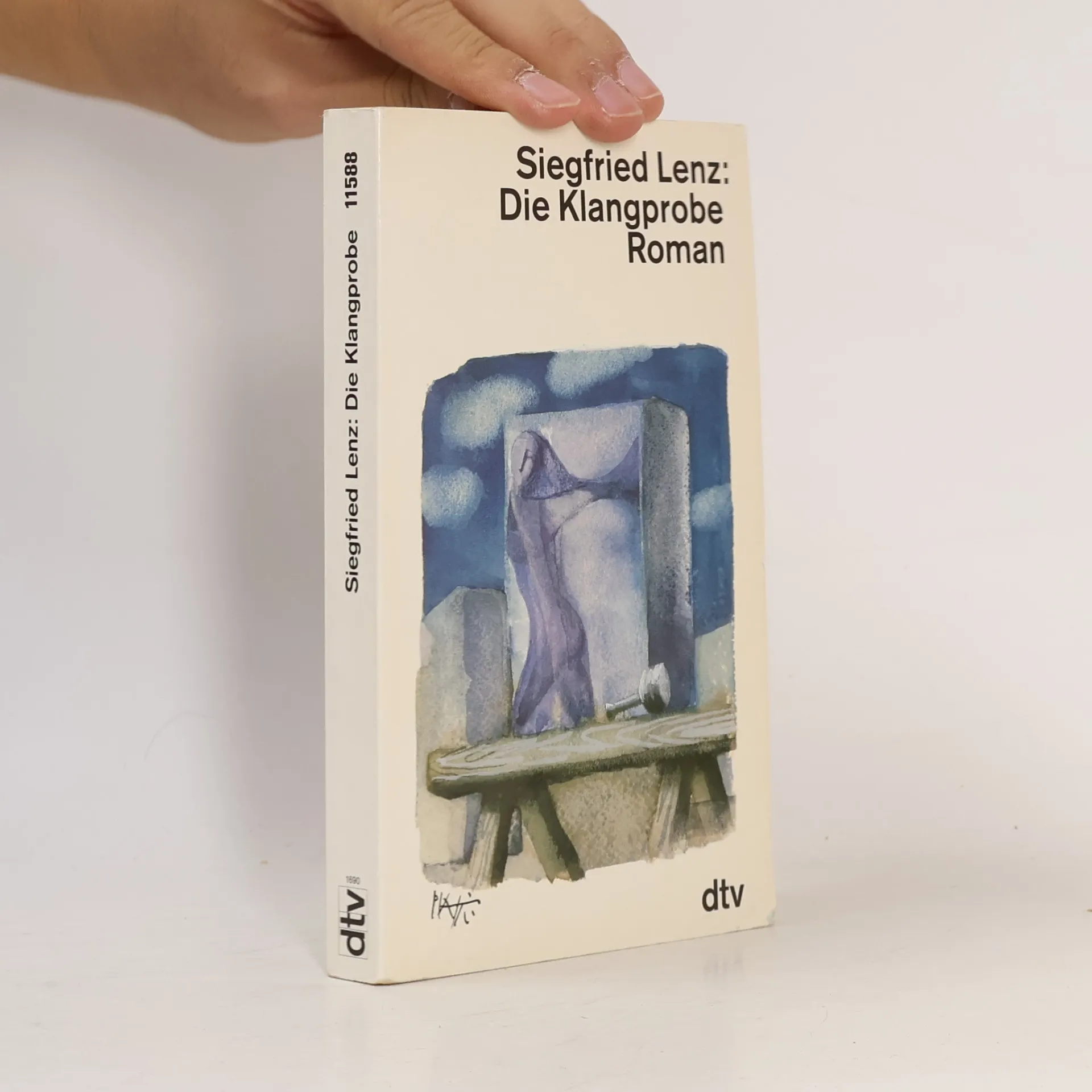
Eine heitere und nachdenkliche Familiengeschichte »Sie trug Bubikopf, war schlank und wohl eben über zwanzig.« Jan Bode, stellungsloser Pädagoge und derzeit Warenhausdetektiv, läßt keinen Blick vom Bildschirm. Fasziniert folgt er der jungen Frau von Regal zu Regal – und als sie ein Stangenweißbrot unter ihrem Parka verschwinden läßt, weiß er längst, daß er sie nicht als Diebin entlarven wird. Sie heißt Lone, wie sich herausstellt, ist Übersetzerin und kümmert sich rührend um ihren verwaisten Neffen. Der kleine Fritz wird im Leben der Steinmetz- und Bildhauerfamilie Bode bald eine zentrale Rolle spielen.
Das serbische Mädchen
- 230 pages
- 9 hours of reading
Vier typische Lenz-Erzählungen in leisen Tönen, mit feinem Humor und leichter Ironie. Die titelgebende Erzählung wurde 1990 mit Ben Becker in einer der Hauptrollen verfilmt.
Eine Art Bescherung
- 112 pages
- 4 hours of reading
»Vieles hat sich unter Weihnachten in Masuren ereignet«, so beginnt Das Wunder von Striegeldorf, die wohl beliebteste Weihnachtserzählung von Siegfried Lenz, in der zwei Knastbrüder sich selbst beurlauben, denn wer will schon Weihnachten hinter Gittern feiern? Als sie dann aber nach einer nicht allzu heiligen Nacht versuchen, wieder zurück in ihre Zelle zu kommen, ist das gar nicht so einfach. In weiteren winterlichen Geschichten erzählt Siegfried Lenz vom Risiko, den der Beruf des Weihnachtsmannes mit sich bringt, von erbeuteter Wärme und einer wundersamen Bescherung in bitterer Kälte, und von der Armut nach dem Krieg. Und auch von Freuden und Gefahren auf zugefrorenen masurischen Seen weiß Lenz zu berichten, von Schlittenfahrten, vom Eissegeln oder vom Eisfischen. Und nebenbei erfährt der Leser auch, was man in Bollerup macht, wenn man feststellt, dass die Holzvorräte »gewissermaßen die Schwindsucht« haben, nicht etwa, weil der Ofen zu stark geheizt wurde, sondern weil ein Holzdieb sein Unwesen treibt.
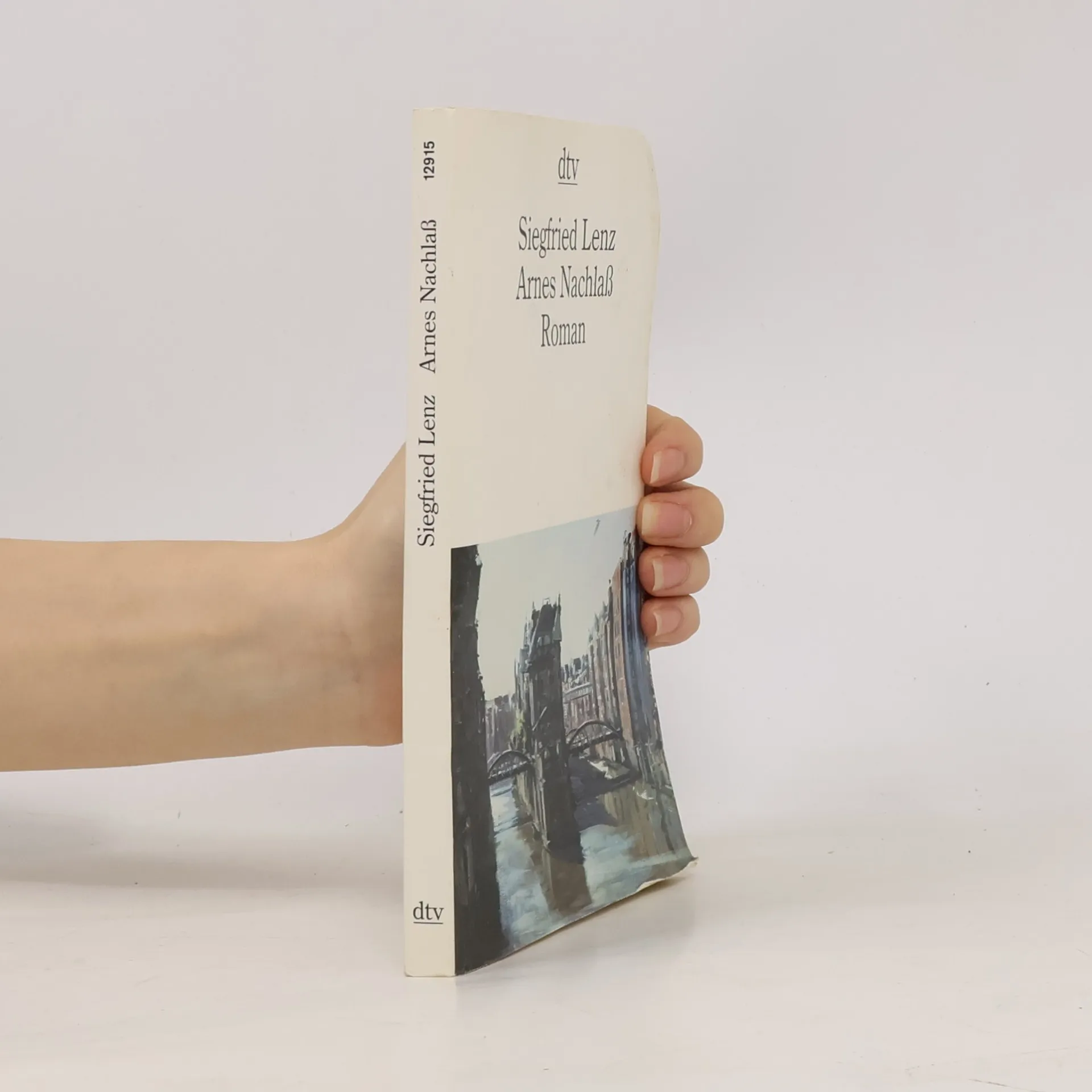
Arnes Nachlaß
- 206 pages
- 8 hours of reading
Geschichte eines Jungen, der dem Leben nicht standhält.»Sie beauftragten mich, Arnes Nachlaß einzupacken.« Hans, der Ich-Erzähler, kommt nicht umhin, die kleinen und großen Schätze zu sichten, die Arne Hellmer, dieser außergewöhnliche Junge, mit dem er zwei Jahre lang ein Zimmer teilte, zurückließ. »Wie ein Eindringling in seine Welt, seine Tränen, seine verborgenen Hoffnungen« kommt sich Hans vor und entfaltet, angeregt durch die Fundstücke des Nachlasses, Arnes Geschichte. Vor dem Hintergrund des Hamburger Hafens und seiner Werften gewinnt sein Leben nach und nach Kontur. In ruhigen, atmosphärisch dichten Bildern entwirft Siegfried Lenz das Psychogramm eines Jugendlichen, der das Unglück früh kennenlernt; eines Außenseiters, der verzweifelt nach Nähe und Geborgenheit sucht. »Was Lenz in diesem Bändchen erzählt, gehört zum Anrührendsten, das deutsche Autoren in diesem Jahrzehnt geschrieben haben.« (Focus)
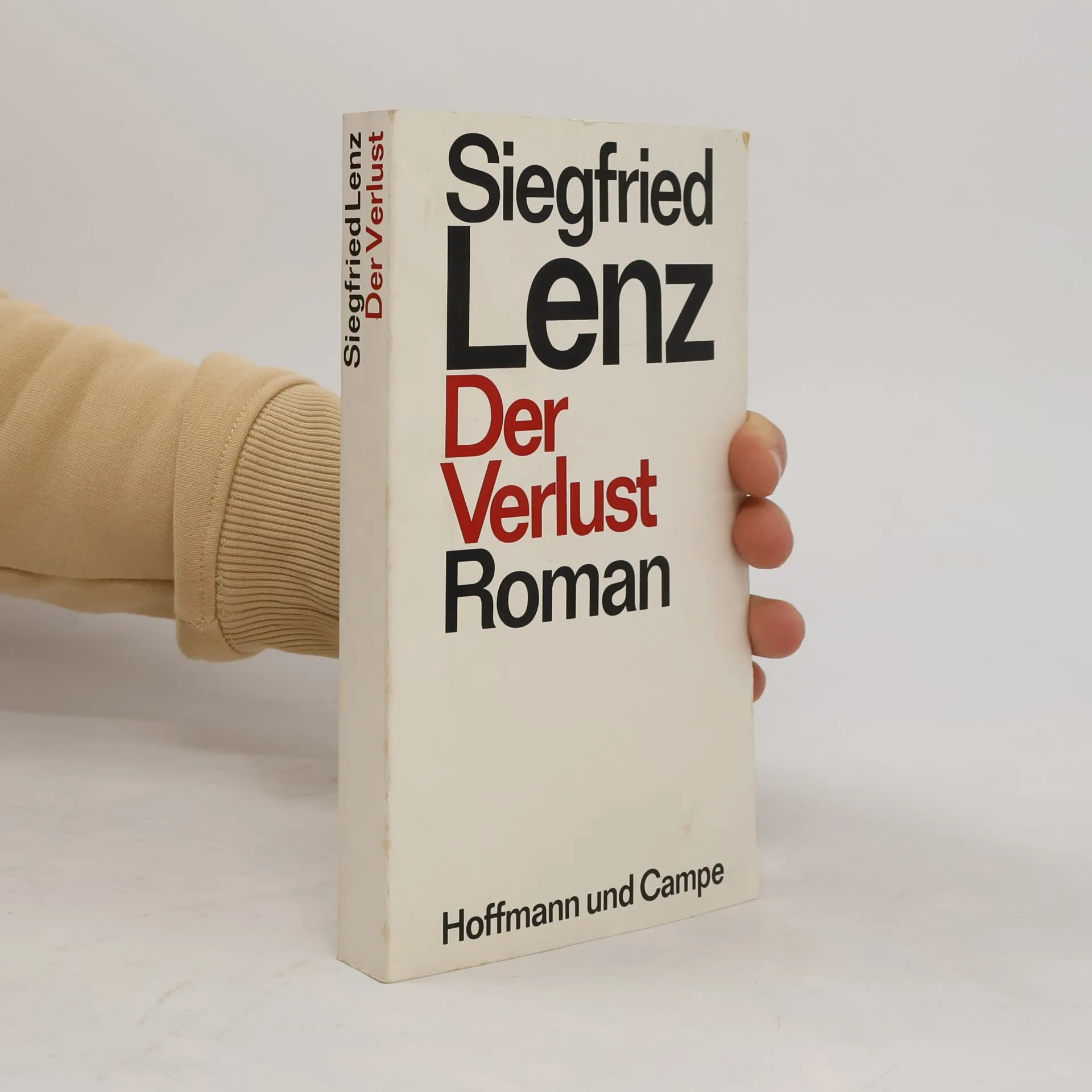
Ulrich Martens liebt seinen Beruf. Als Fremdenführer kommt er täglich mit Hunderten von Menschen zusammen, denen er mit listiger Ironie seine Heimatstadt Hamburg erklärt. Aber dann trifft ihn ein Hirnschlag, während einer Tour durch die Stadt. Erst kann er nicht mehr klar sehen, bald kommt ein Armkrampf hinzu. Mit Mühe flüchtet er sich in die Wohnung seiner Freundin, aber noch während er zu erklären versucht, was ihm geschieht, verliert er die Sprache ...
»Seit dem Märzmorgen, an dem ich durch das Eis des Lyck-See brach«, erinnert sich Siegfried Lenz, »hatte ich eine besondere Beziehung zum Wasser – eine Art dämmerndes Heimweh verbindet mich mit ihm.« So wie sich das Wasser thematisch durch sein Leben zieht, ist es auch in seinem literarischen Werk präsent. Lenz’ Romane und Erzählungen spielen auf dem Meer und an den Küsten, an Stränden, in Häfen und auf Schiffen, seine Figuren sind nicht selten Fischer, Angler, Hafenarbeiter oder Matrosen. Lenz’ schönste Texte über Flüsse, Meere und Seen versammelt dieser Band.
Schweigeminute
- 127 pages
- 5 hours of reading
Die erste Liebesgeschichte von Siegfried Lenz Ein Sommer in einer Kleinstadt an der Ostsee irgendwann in den sechziger Jahren: Die Englischlehrerin Stella Petersen und ihr Schüler Christian sind ein Liebespaar – bis Stella bei einem Bootsunfall tödlich verunglückt. Während einer Gedenkfeier in der Aula blickt Christian zurück auf diese heimliche Liebesbeziehung, die nur einen Sommer dauerte, ihn aber für sein ganzes Leben verändert. »Wir haben ... Siegfried Lenz für ein poetisches Buch zu danken. Vielleicht ist es sein schönstes.« Marcel Reich-Ranicki
Die Maske
- 130 pages
- 5 hours of reading
Der Bestseller jetzt im Taschenbuch! Eine Maske schmückt ihren Träger – oder erschreckt sein Gegenüber. Eine Maske kann das Gesicht verbergen – oder andere Facetten der Persönlichkeit zum Vorschein bringen. Was ist Fiktion, was Wirklichkeit? Die fünf Erzählungen von Siegfried Lenz kreisen um die Erkenntnis, dass die Erfindung, die Illusion, oft stärker ist als die Realität, bisweilen sogar wahrhaftiger. Fünf berührende menschliche Dramen entfalten sich vor atmosphärisch dicht gezeichneter norddeutscher Kulisse, in einer Landschaft, in der die überzeitliche Gewalt des Meeres allgegenwärtig ist. Der Band enthält die folgenden Erzählungen: RivalenDie MaskeDie SitzverteilungEin EntwurfDas Interview
Manchmal kann die Wahrheit nur erfunden werden ... Seltsame Dinge geschehen im Gefängnis Isenbüttel: Eine Gruppe Häftlinge nutzt einen Gastauftritt der Landesbühne, um im Theaterbus das Weite zu suchen. Selbst die Wächter halten die Fliehenden für die »Spaßmacher von der Landesbühne«. Kurz darauf feiert ein idyllisches Städtchen talentierte Schauspieler – die gar keine sind. Der ganze Ort wird zur Bühne, doch auch das schönste Stück geht einmal vorbei. Mit heiterer Leichtigkeit und würdevoller Eleganz erzählt Siegfried Lenz von der Freundschaft und davon, was die Phantasie vermag.
Fundbüro
- 234 pages
- 9 hours of reading
Die Geschichte eines jugendlichen Außenseiters: ein einnehmender, souverän erzählter Roman voll menschlicher Anteilnahme und liebenswertem Witz. Henry Neff verspürt trotz seiner jugendlichen 24 Jahre keine Lust, auf der Karriereleiter nach oben zu kommen. Attraktive Angebote schlägt er aus und sucht statt dessen Unterschlupf im Fundbüro eines Hauptbahnhofs. Er findet Gefallen an seinem neuen Arbeitsplatz, »man lernt nicht aus, und man hört nicht auf zu staunen«, stellt er zufrieden fest. Und fürwahr: Jeder Tag beschert ihm Begegnungen mit Menschen, die die unglaublichsten Dinge verlieren und liegenlassen. Mal vermißt ein Messerwerfer sein Handwerkszeug, mal tauchen im Zug zurückgelassene Liegestühle auf, und ein andermal wendet sich eine Schauspielerin hilfesuchend an Henry, weil sie ihr Textbuch nicht mehr findet. Um den »Besitznachweis« zu führen, fordert Henry sie mit dem ihm eigenen Charme auf, Passagen aus dem Theaterstück zu rezitieren ... Aber auch sein Fundbüro ist keine Oase der Seligen, wie Henry eines Tages feststellen muß.
Der Verlust
Roman
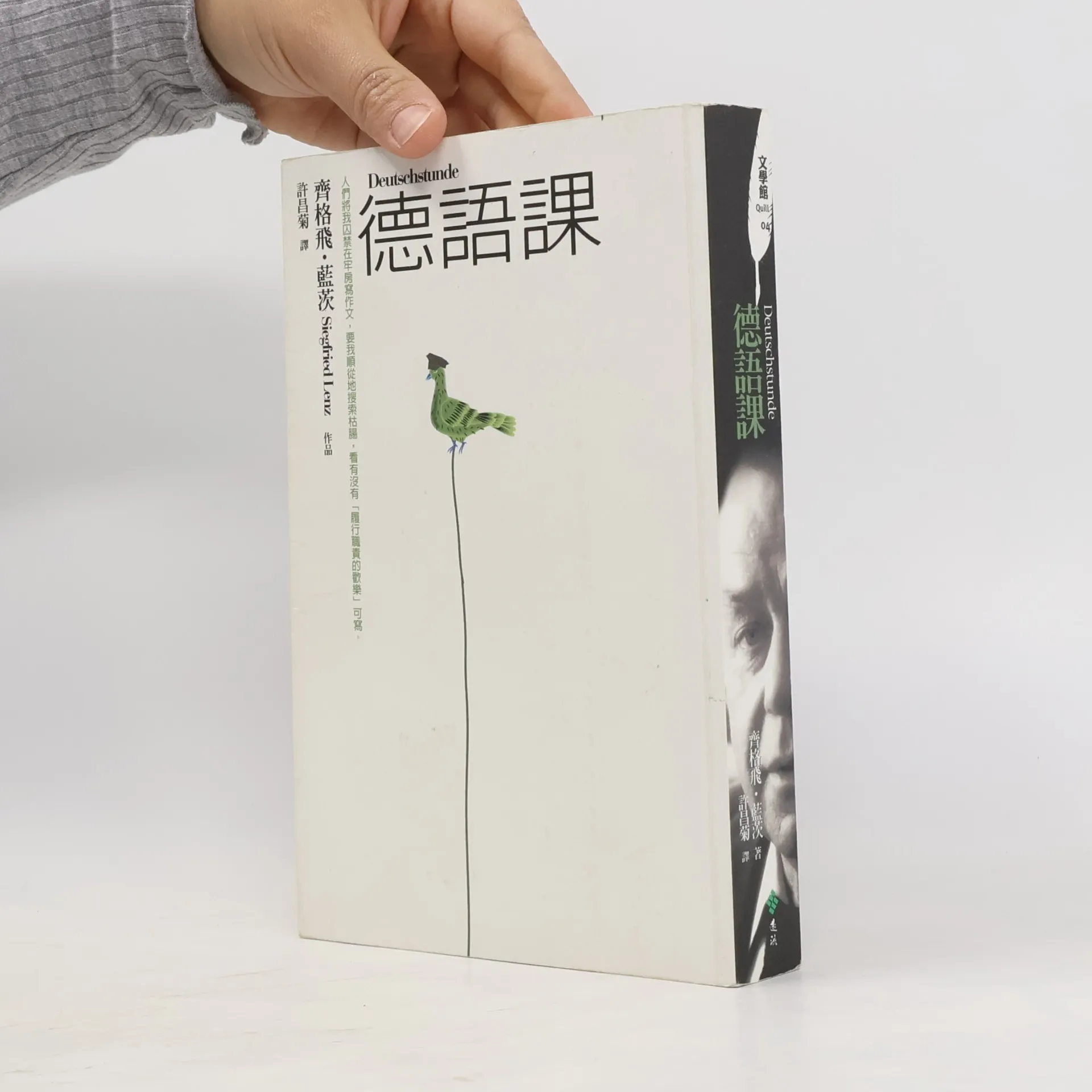
德語課
- 541 pages
- 19 hours of reading
在易北河的一座孤島上,少年西吉被關在感化院的單人囚室裡罰寫作文,題目是〈履行職責的快樂〉。這個題目讓西吉回憶起父親(德國最北邊一個偏僻小農村的警察)盡忠職守、履行職責的一段往事。 二次大戰期間,他的父親受命監控一位世界知名畫家的言行,並禁止他作畫。儘管這位畫家是他們親近的好朋友、曾經救過他父親的性命,但他父親仍然選擇盡忠職守,甚至還要當時才十歲的西吉也幫忙監視畫家,但西吉同情這位畫家,主動把這些畫藏起來。戰後,對於畫家的禁令都解除了,但他父親仍堅持繼續監視畫家。 警察父親的偏執,使西吉得了恐懼症,而他偷藏畫作的行為,也終於被父親發現,把他當作難以管教的少年犯送進感化院。西吉在感化院中,不斷回憶起往事,作文越寫越多,甚至不願跨出囚室。他希望能一直寫下去,繼續體會履行職責的快樂……
Eine der größten Verkaufserfolge der norwegischen Literatur, die Geschichte von Anna Widén, wie sie sie selbst dem Journalisten Dagfinn Grønoset erzählt. – Ich wurde nach Haugsetvolden verkauft. Mein Mann bekam 300 Kronen für mich. So beginnt Dagfinn Grønosets Buch über Anna ‒ eine außergewöhnliche Lebensgeschichte, ein mühsamer Bericht aus dem Randgebiet Norwegens.
Startschuss - Literarische Sporterzählungen - bk1237; Arena Verlag; Hrg. Uwe Natus; pocket_book; 1986
Lieblingsgedichte
- 266 pages
- 10 hours of reading