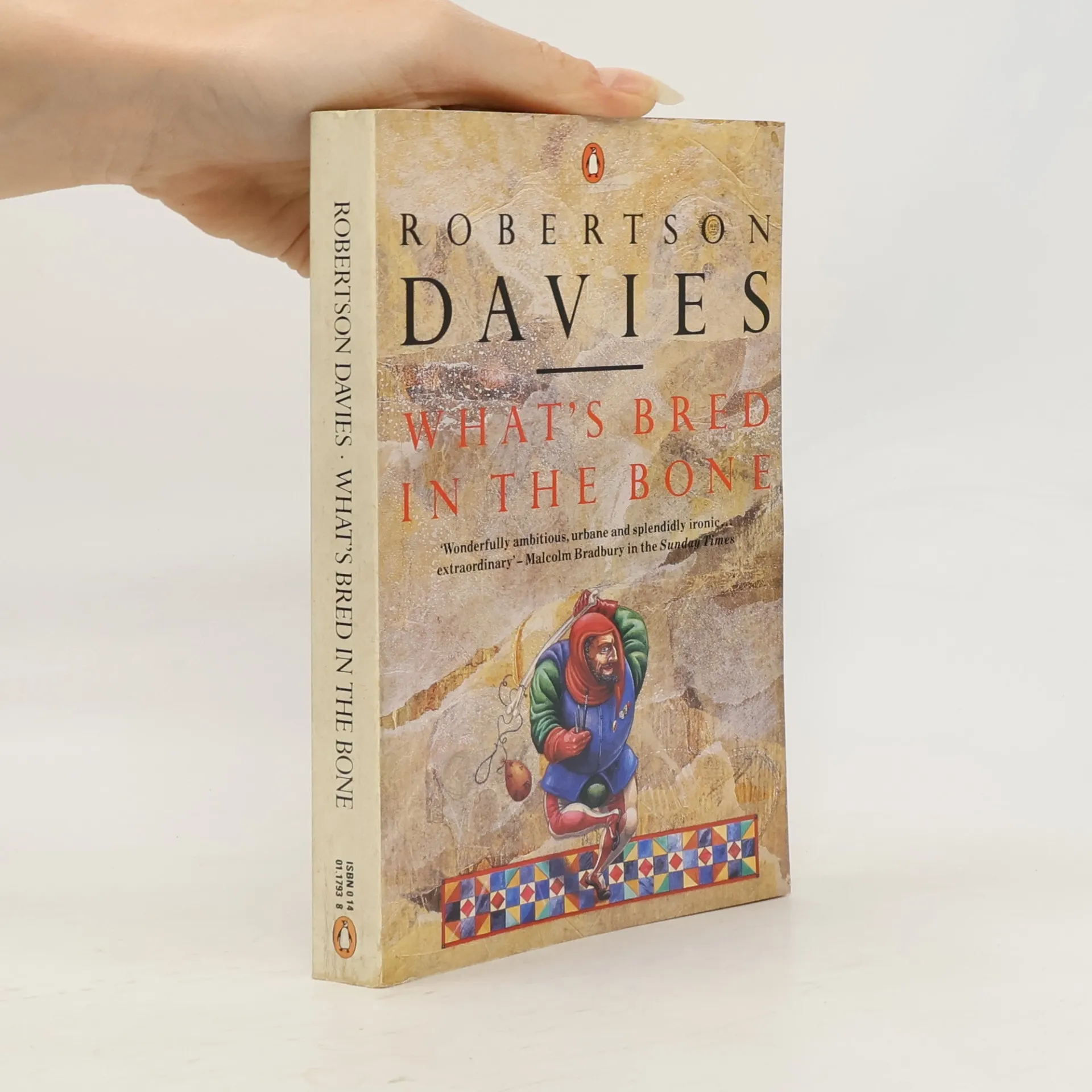
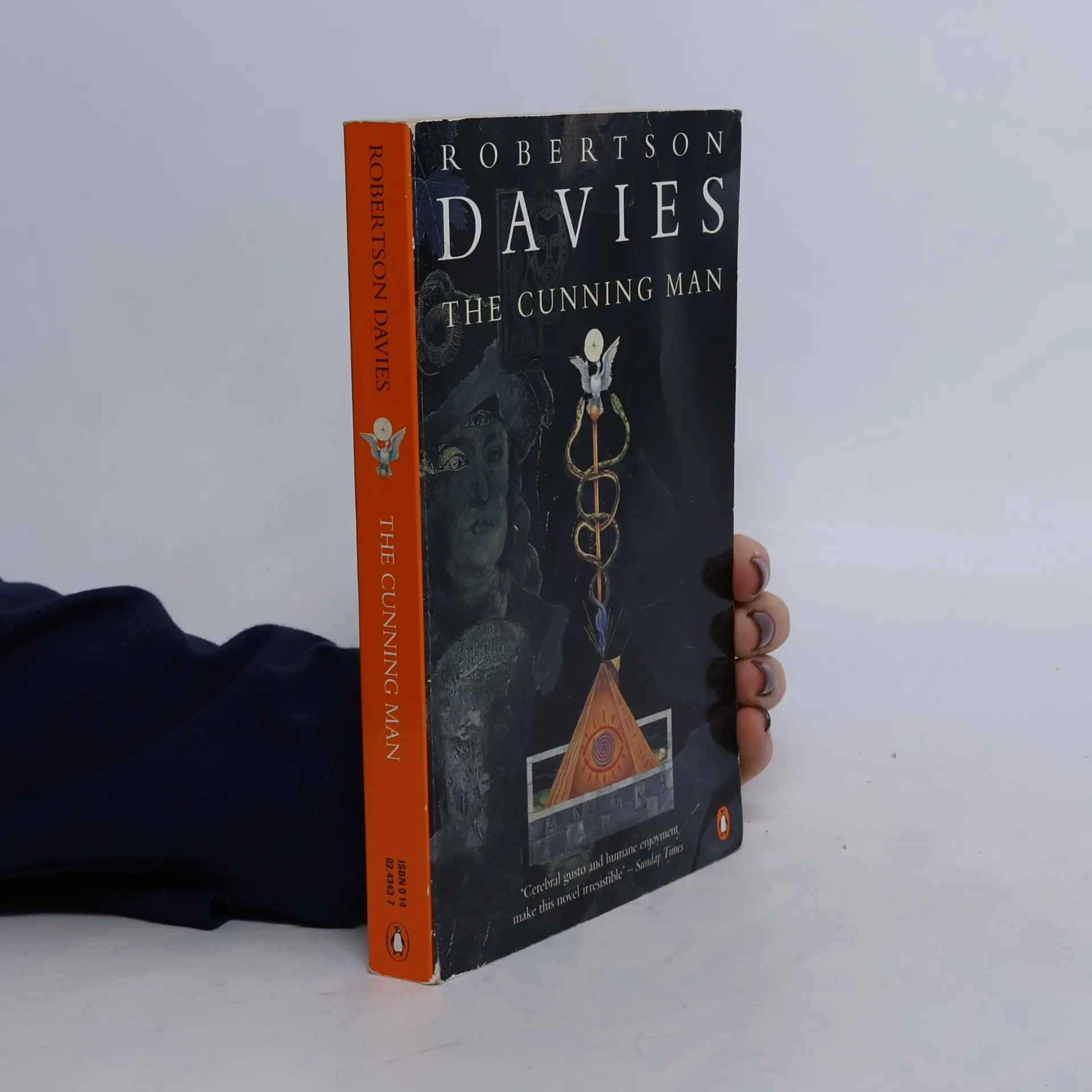
William Robertson Davies was a Canadian novelist, playwright, critic, journalist, and professor, celebrated for his distinctive literary style and profound explorations of the human psyche. His works often delve into themes of art, duality, and the search for identity, characterized by wit, intellectual humor, and masterful prose. Davies stood as one of Canada's most distinguished 'men of letters,' whose writing captivates readers with its richness and provocative depth.
A Mixture of Frailties, Leaven of Malice, and Tempest-Tost
784 pages
28 hours of reading
The Salterton Trilogy consists of the first three novels by Davies: Tempest-Tost (1951), Leaven of Malice (1954), and A Mixture of Frailties (1958). Davies was awarded the Stephen Leacock Award for Humour in 1955 for Leaven of Malice. The trilogy revolves around the residents of the imaginary town of Salterton, Ontario. Described by some reviewers as satirical, bawdily humourous, and witty.
The book shows Francis Cornish, an art expert born to a wealthy family in a small Ottawa Valley town, is a man of mystery to his nephew, Arthur, and to his disappointed biographer, Simon Darcourt.
The University of St John and the Holy Ghost (known affectionately as Spook) has a problem - and an opportunity. Strange, eccentric art patron and collector Francis Cornish has died and faculty members have been made executors of his complicated will. But in the realization of their duties, they find themselves drawn into Cornish's bizarre, secretive and mystical world. In this spellbinding trilogy a host of memorable characters - defrocked, mischief-making monks, half-mad professors, gypsies and musical geniuses - become entangled in a story that involves theft, perjury, scholarship, murder, love, and the squandering of plenty of cash.
Ramsay, a decorated World War I veteran, navigates the complex interplay of memory, history, and myth as he recounts his life. His seemingly innocent actions, like throwing a snowball and teaching card tricks, reveal a deeper, possibly mystical influence on others. The narrative explores how these seemingly trivial moments are intertwined with significant consequences, illustrating that the extraordinary can emerge from the mundane. The story challenges perceptions of reality, blending the rational with the marvelous in a unique and thought-provoking manner.
Exploring the complexities of familial relationships, the narrative centers on David Staunton, a successful man grappling with the shadow of his imposing father. As he navigates therapy, he meets a diverse array of characters who aid him in confronting his past and unraveling the mystery surrounding his father's death. The Manticore blends psychological depth with fantastical elements, contributing to the rich tapestry of the Deptford Trilogy.
This story of Magnus Eisengrim, master illusionist, the most illustrious magician of his age, has been called "a spectacular, soaring work, an astounding tour de force unequaled in recent literature." World of Wonders is the final volume in Robertson Davies's celebrated Deptford Trilogy, which began with Fifth Business and The Manticore. Book jacket.
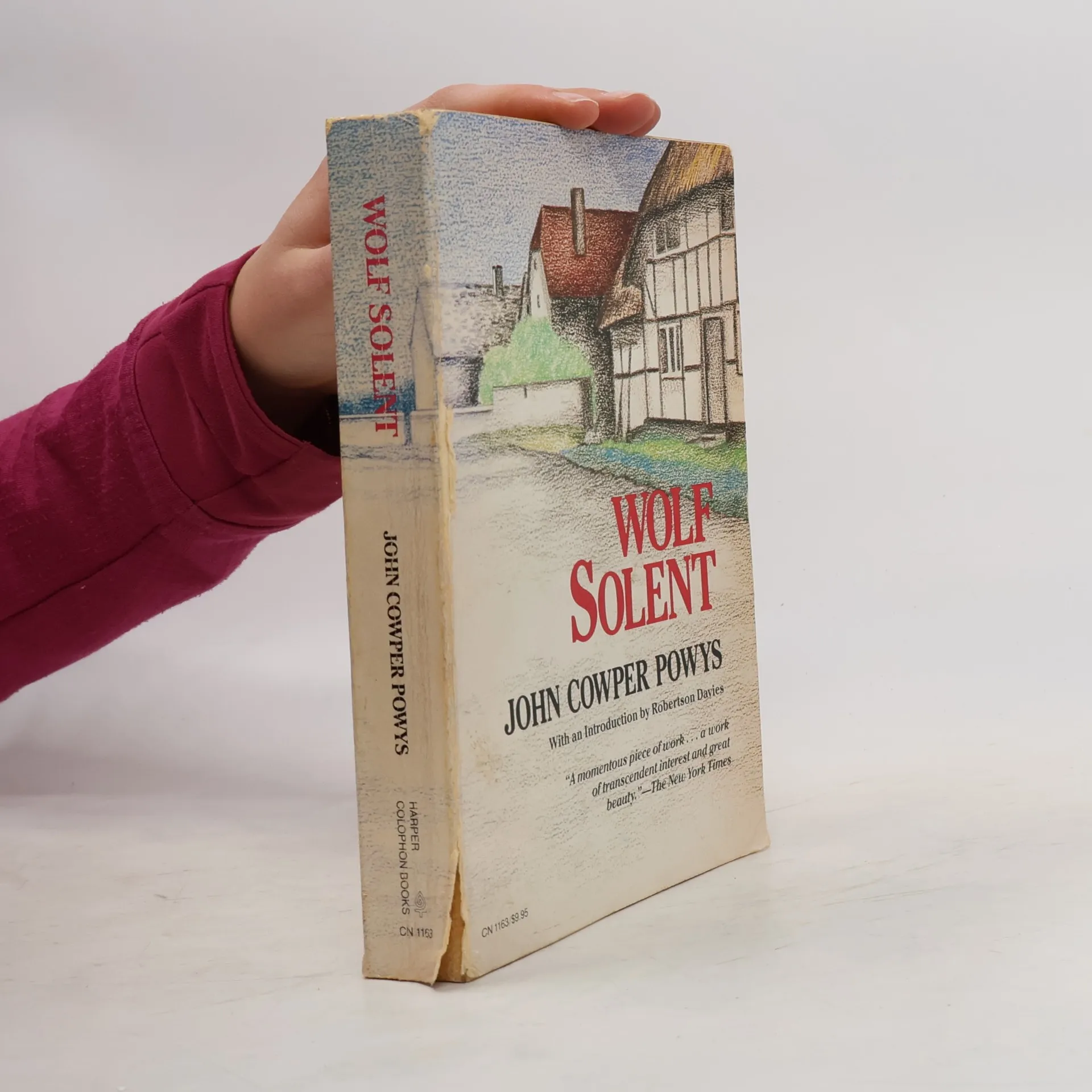
Wolf Solent returns in maturity to his native Dorset village and finds a typical ingrown community, rotten with vices. He shows himself ripe for such a community and falls in love with the incredibly beautiful Gerda, who enchants his heart, but develops a passion for the wraithlike Christie, who captures his soul. Complex, humorous, and vividly romantic, this novel orchestrate eternal themes - the ecstacies and degradations of lover and beloved, life and death, good and evil, matter and spirit, reality and appearance - and must be considered one of the few great apocalyptic works of our time.
Robertson Davies, a renowned Canadian novelist, is celebrated internationally. This work depicts his story about a Canadian university professor and features lively portrayals of the characters.
The story of Dr. Jonathan Hullah, a doctor practicing holistic healing. It chronicles his youth, including an incident in the Canadian bush where his life was saved by an Indian shaman, and describes his World War II years during the course of which he decided to practice holistic medicine. A look at the connection between spirit and body. By the author of The Rebel Angels
This collection of "spooky" stories was written for and read at the annual gaudy night each year at Massey College, where the author was master for many years. The ghost stories parody, in an affectionate manner, the usual high-flown gothic language in which most ghost stories are told.
There is an important decisionto be made. The Cornish Foundation, set up with money left by the late Francis Cornish, connoisseur, collector, and notable eccentric, must decide upon wat worthy undertaking next to dispense a portion of its considerable funds.
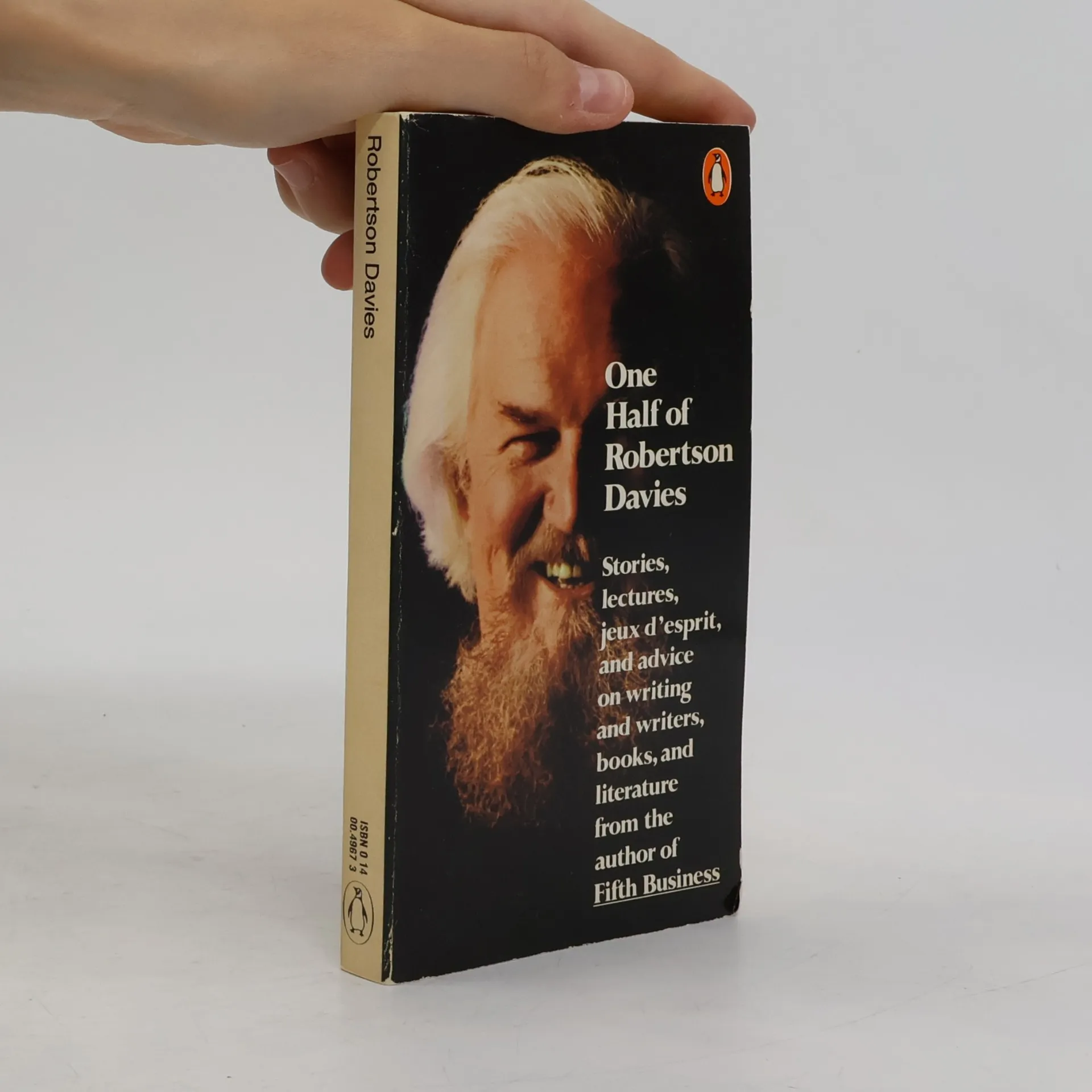
A collection of public addresses by the Canadian scholar and novelist provide portraits of literary personalities, advice on writers and writing, and comments on academia and the modern world
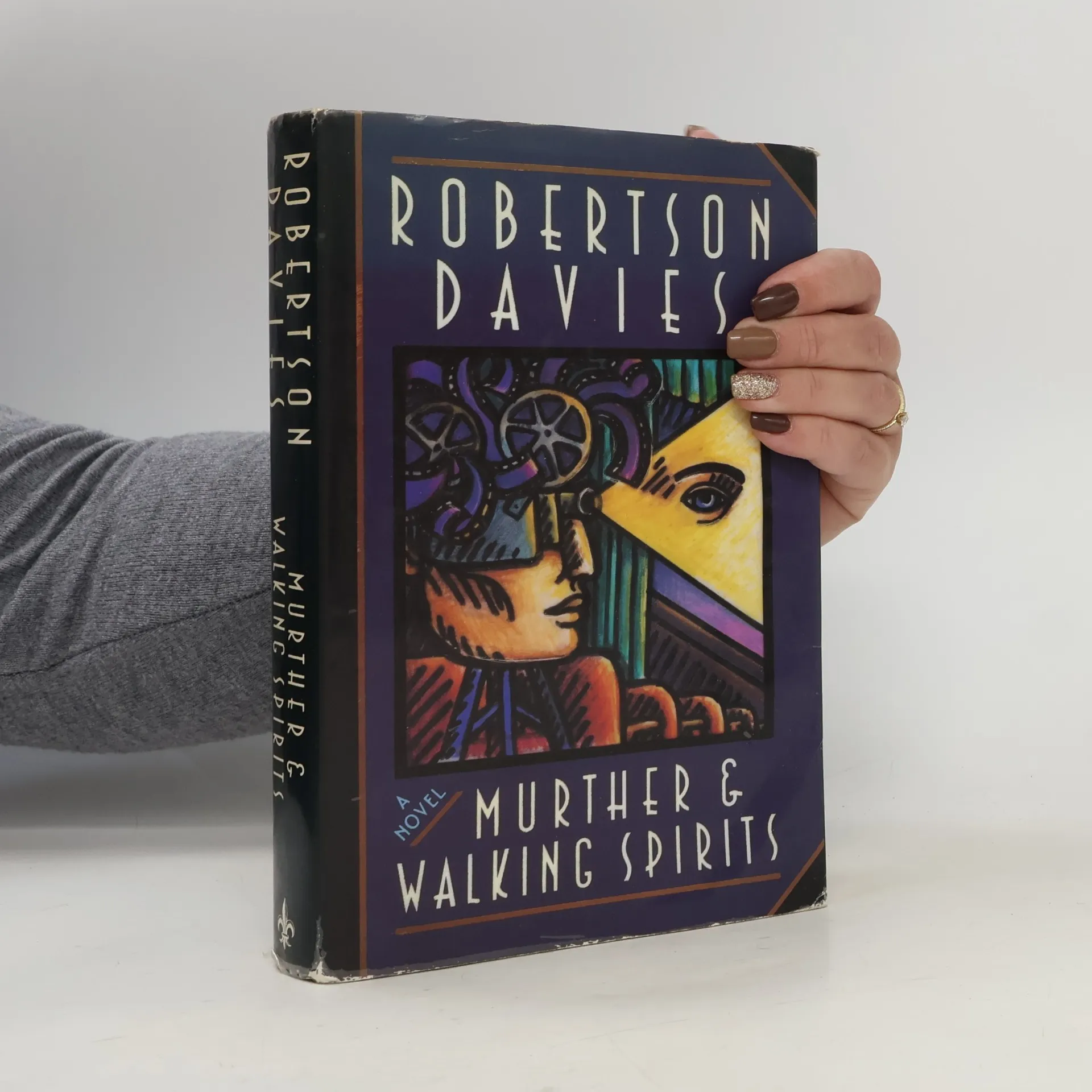
Catching his wife with his one-time colleague, Gil Gilmartin is murdered by the latter and lingers on as a ghost who must spend his afterlife sitting next to his killer at an otherworldly film festival. Reprint. NYT.
Around a mysterious death is woven a glittering, fantastical, cunningly contrived trilogy of novels. Luring the reader down labyrinthine tunnels of myth, history and magic, The Deptford Trilogy provides an exhilarating antidote to a world from where 'the fear and dread and splendour of wonder have been banished'.
Qui se cache derrière la fondation Cornish ? Une secte d'adorateurs du Graal ? Ou, tout simplement, un groupe de mécènes fidèles à l'esprit de leur bienfaiteur ? Mystères. Une chose est sûre : lorsqu'ils décident de monter un opéra d'Hoffmann, dont le livret inachevé vient d'être retrouvé, ils ignorent que cette initiative va provoquer une réaction en chaîne incontrôlable. Ainsi s'achève la " trilogie de Cornish ", fresque littéraire dont chaque volet est indépendant des autres, mais dont l'ensemble forme une saga unique en son genre.
La misteriosa muerte del magnate canadiense Boy Staunton -al que han encontrado ahogado dentro de su coche en el fondo del puerto de Toronto- ha trastornado a su hijo David, quien al contrario que la policía, está convencido de que su padre fue asesinado. Decidido a librarse de su obsesión, David viaja a Zúrich para psicoanalizarse en el Instituto Jung. Obligado por los psiquiatras a indagar en su memoria, David irá sacando a la luz una extraordinaria galería de personajes y recuerdos que le permitirán enfrentarse con sus propios demonios y, sobre todo, con la memoria de su padre. Aunque puede ser leída de manera independiente, esta novela constituye la segunda parte de la Trilogía de Deptford, tras El quinto en discordia. Esta vez Davies se adentra en las regiones más profundas de la mente humana, en aquellas donde se agazapan nuestros monstruos. A través de los laberínticos túneles de la historia, el mito y la magia, la Trilogía de Deptford proporciona un estimulante antídoto contra un mundo donde, por decirlo en palabras del autor, «el miedo, el terror y el esplendor de lo maravilloso han desaparecido».