Nathaniel Hawthorne Books
Nathaniel Hawthorne stands as a pivotal figure in American literature, renowned for his masterful exploration of New England's colonial past and its moral complexities. His narratives often delve into profound psychological landscapes, employing allegorical and symbolic techniques to examine themes of sin, guilt, and redemption. As a key voice of the Romantic movement, Hawthorne's distinctive style imbues his stories with a lingering sense of mystery and moral inquiry. His enduring work continues to resonate, offering timeless reflections on the human condition and the weight of history.



The Whole History of Grandfather's Chair
- 222 pages
- 8 hours of reading
The narrative centers on a grandfather's chair, symbolizing the deep connection to American history and family heritage as it is passed down through generations in a New England family. Through this charming and nostalgic journey, readers explore significant historical events and themes, making the past come alive in a personal and engaging way.
The Great Stone Face
- 48 pages
- 2 hours of reading
This Danish edition of the reader for the English classroom is intended for learners of English at intermediate level. It can easily be used for the ESL classroom and supports to expand the vocabulary of the English language learner.
Notes on The Scarlet Letter
- 80 pages
- 3 hours of reading
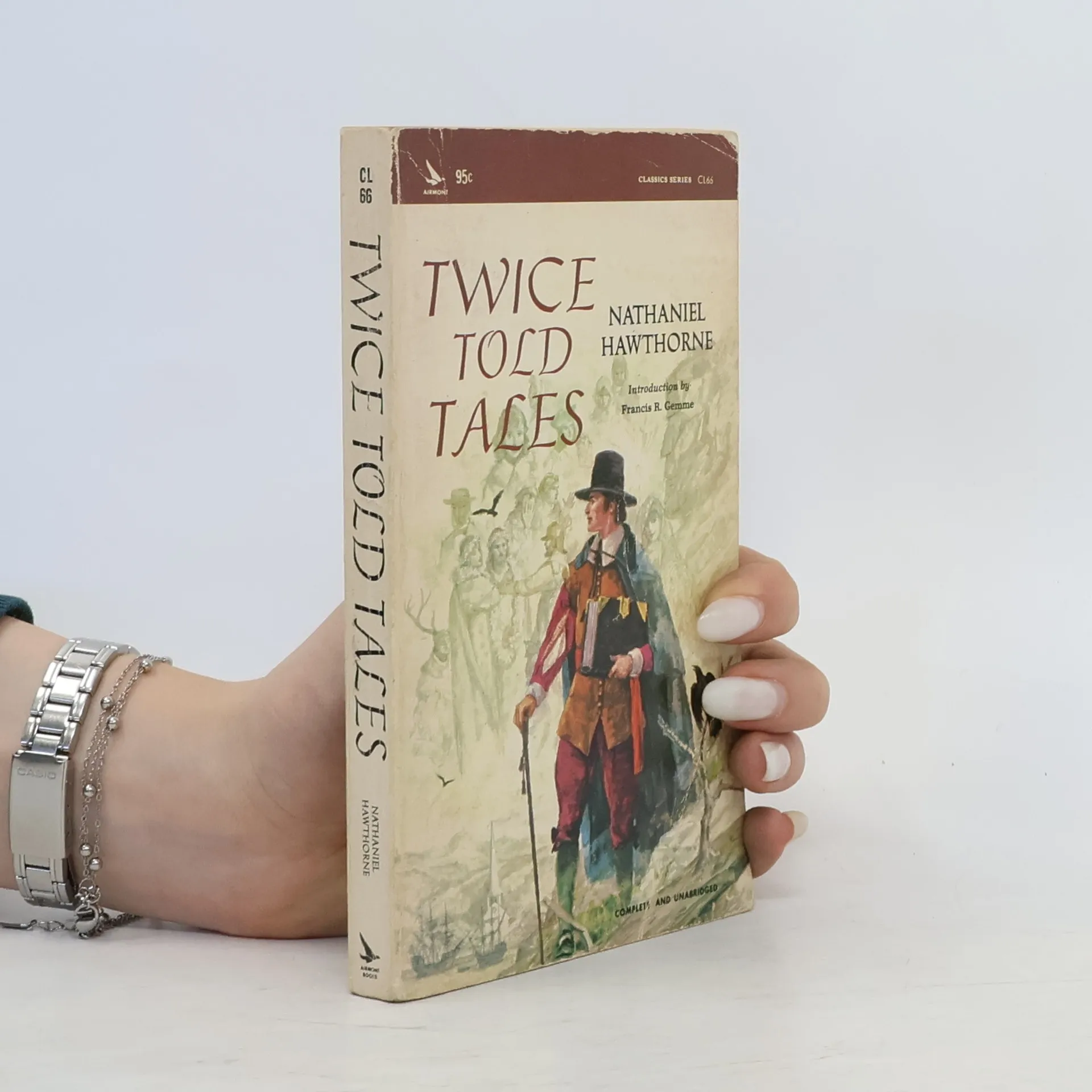
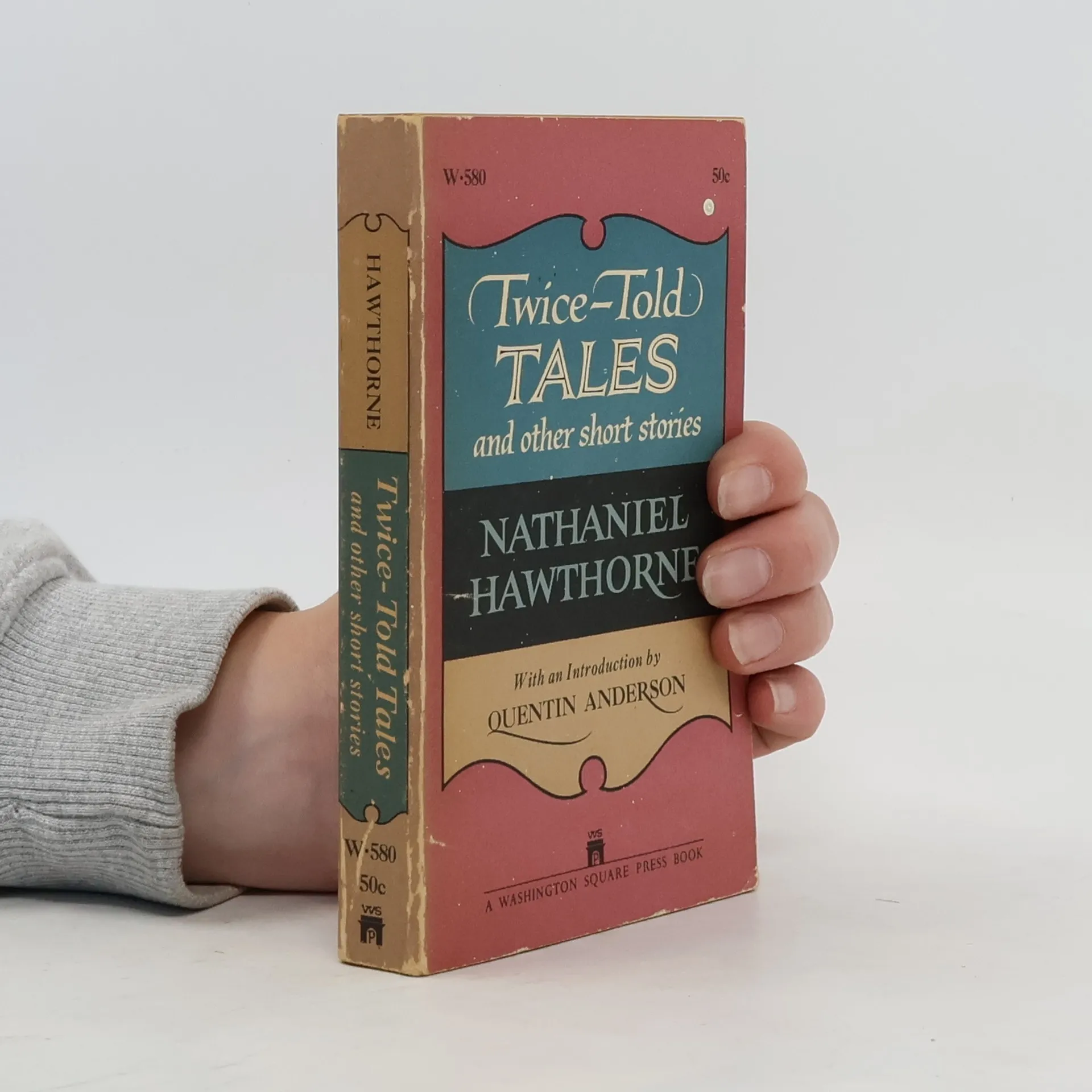
Twice-Told Tales: Legends of the Province House
- 288 pages
- 11 hours of reading
Hawthorne's 'Twice-Told Tales' is a haunting collection of stories that explore the mysteries of the human heart and the supernatural realm. With its evocative prose and vivid characters, this book is a timeless masterpiece of American literature.
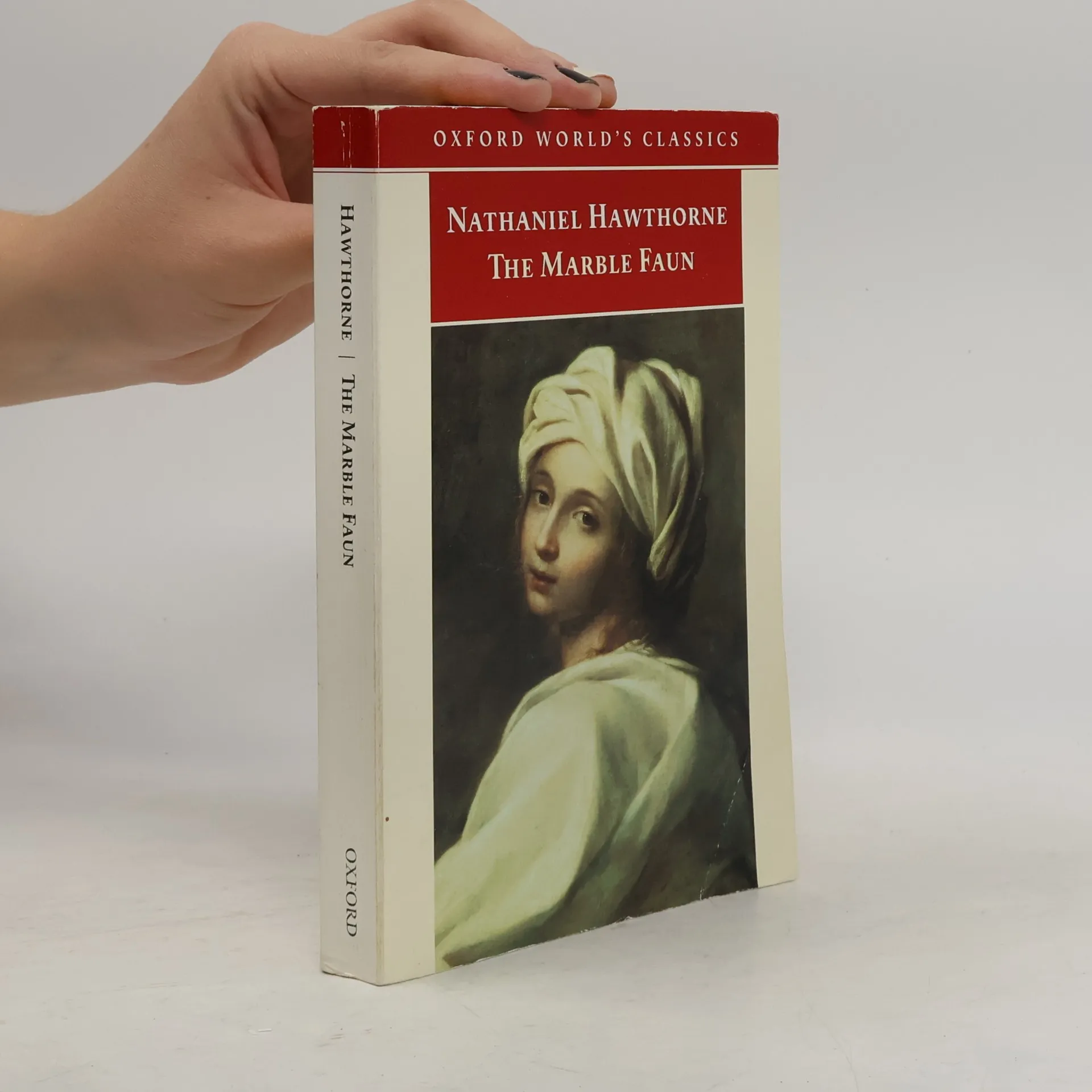
Set in Rome, the narrative delves into the lives of American and European expatriates, particularly focusing on three American artists—Hilda, Kenyon, and Miriam—and their Italian counterpart, Donatello, who hails from a noble lineage shrouded in mystery. The story intricately weaves themes of art, morality, and the repercussions of sin, with the titular "Marble Faun" statue embodying the artistic and ethical challenges the characters confront throughout their journey.
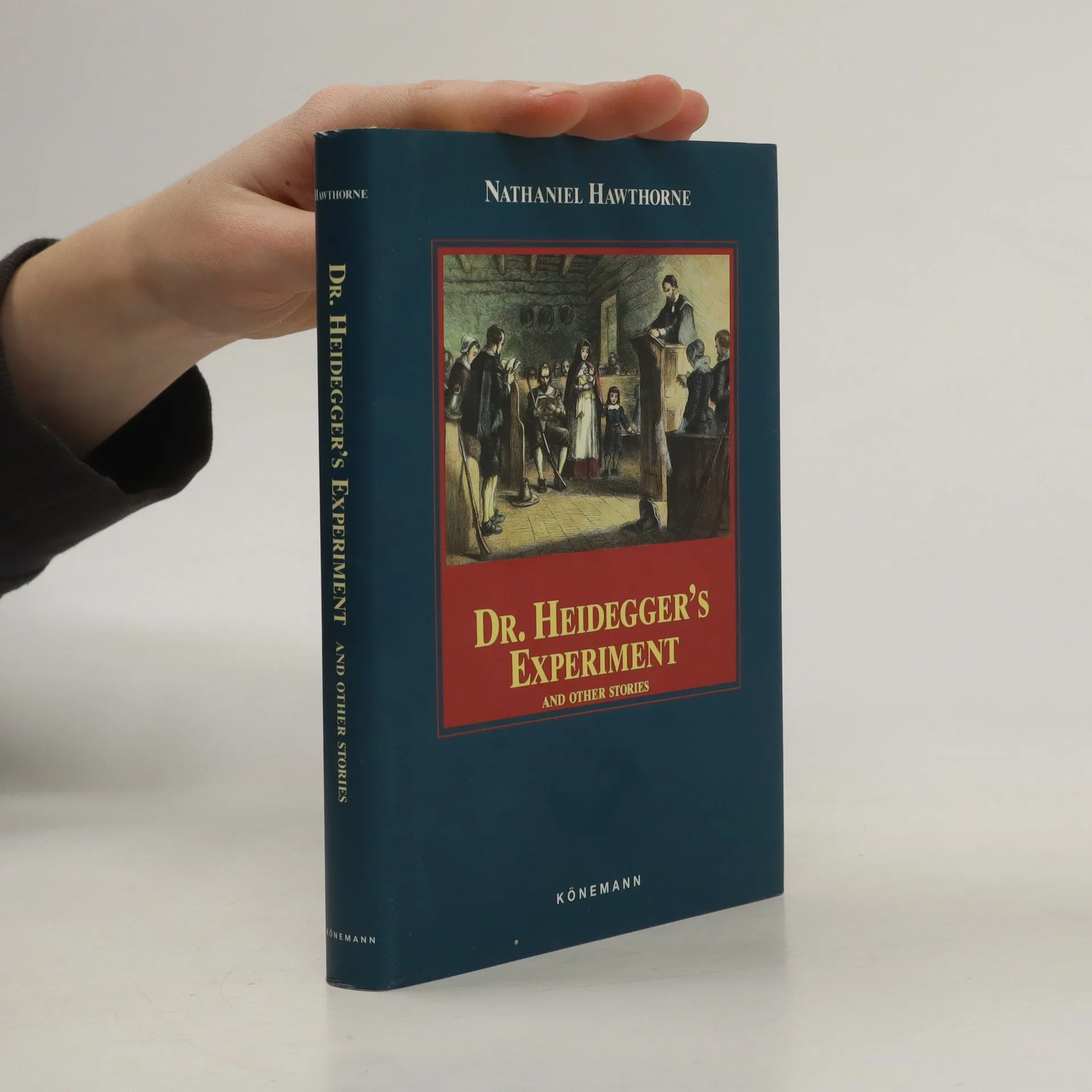
Dr. Heidegger's Experiment and Other Stories
- 347 pages
- 13 hours of reading
Nathaniel Hawthorne is a leading 19th century American novelist who stood at the origin of national American culture. Interpenetration of reality and fantasy, mysterious concurrencies, tricks of symbols, and moral allegories are characteristic of Hawthorne's dark romanticism. His psychological observations are extremely accurate, and his images are exceedingly vivid. Some of Hawthorne's best-known short stories are included in this collection.
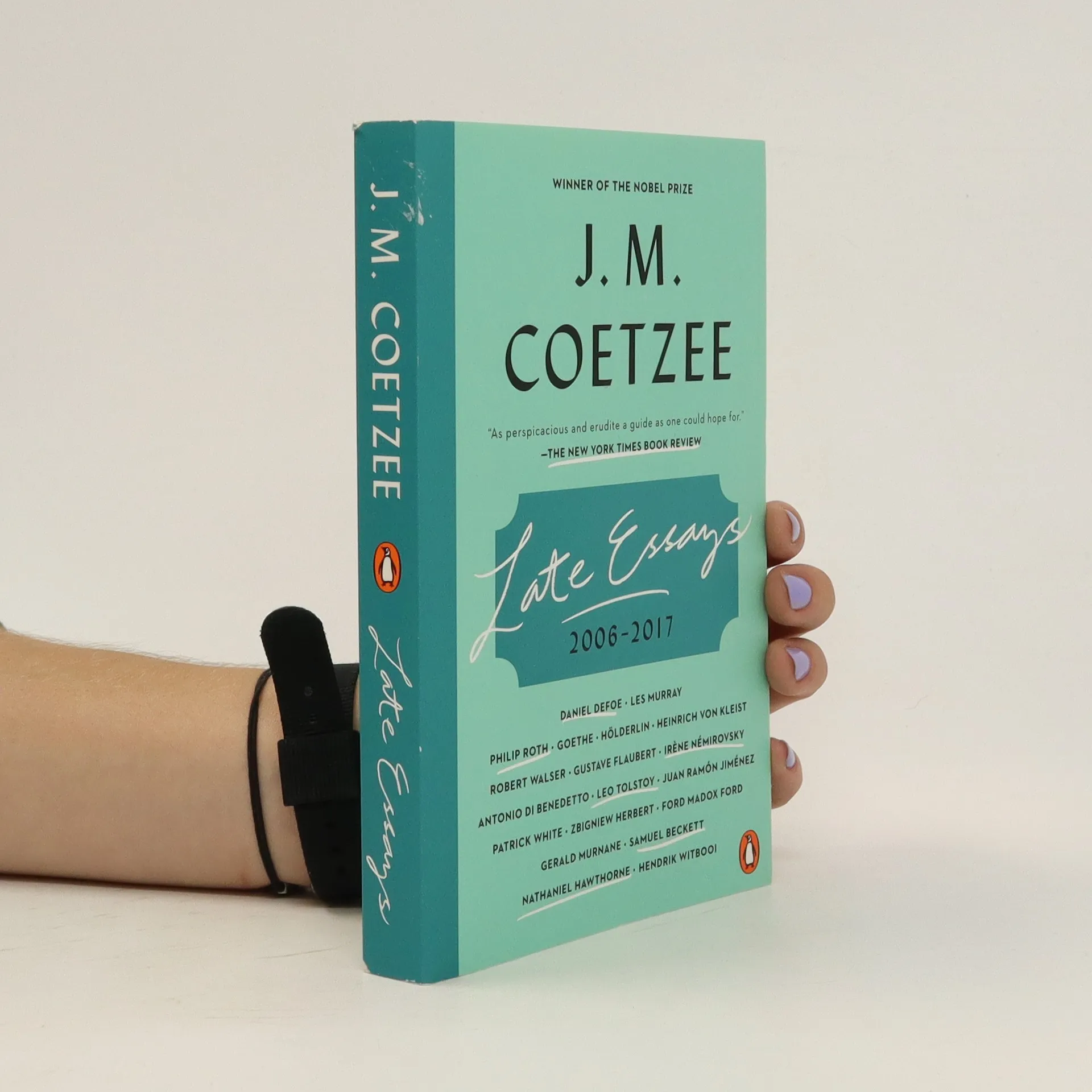
Late Essays, 2006-2017
- 304 pages
- 11 hours of reading
A new collection of twenty-three literary essays from the Nobel Prize–winning author. J. M. Coetzee’s latest novel, The Schooldays of Jesus, is now available from Viking. J. M. Coetzee is not only one of the most acclaimed fiction writers in the world, he is also an accomplished and insightful literary critic. In Late Essays: 2006–2016, a thought-provoking collection of twenty-three pieces, he examines the work of some of the world’s greatest writers, from Daniel Defoe in the early eighteenth century to Goethe and Irène Némirovsky to Coetzee’s contemporary Philip Roth. Challenging yet accessible, literary master Coetzee writes these essays with great clarity and precision, offering readers an illuminating and wise analysis of a remarkable list of works of international literature that span three centuries.
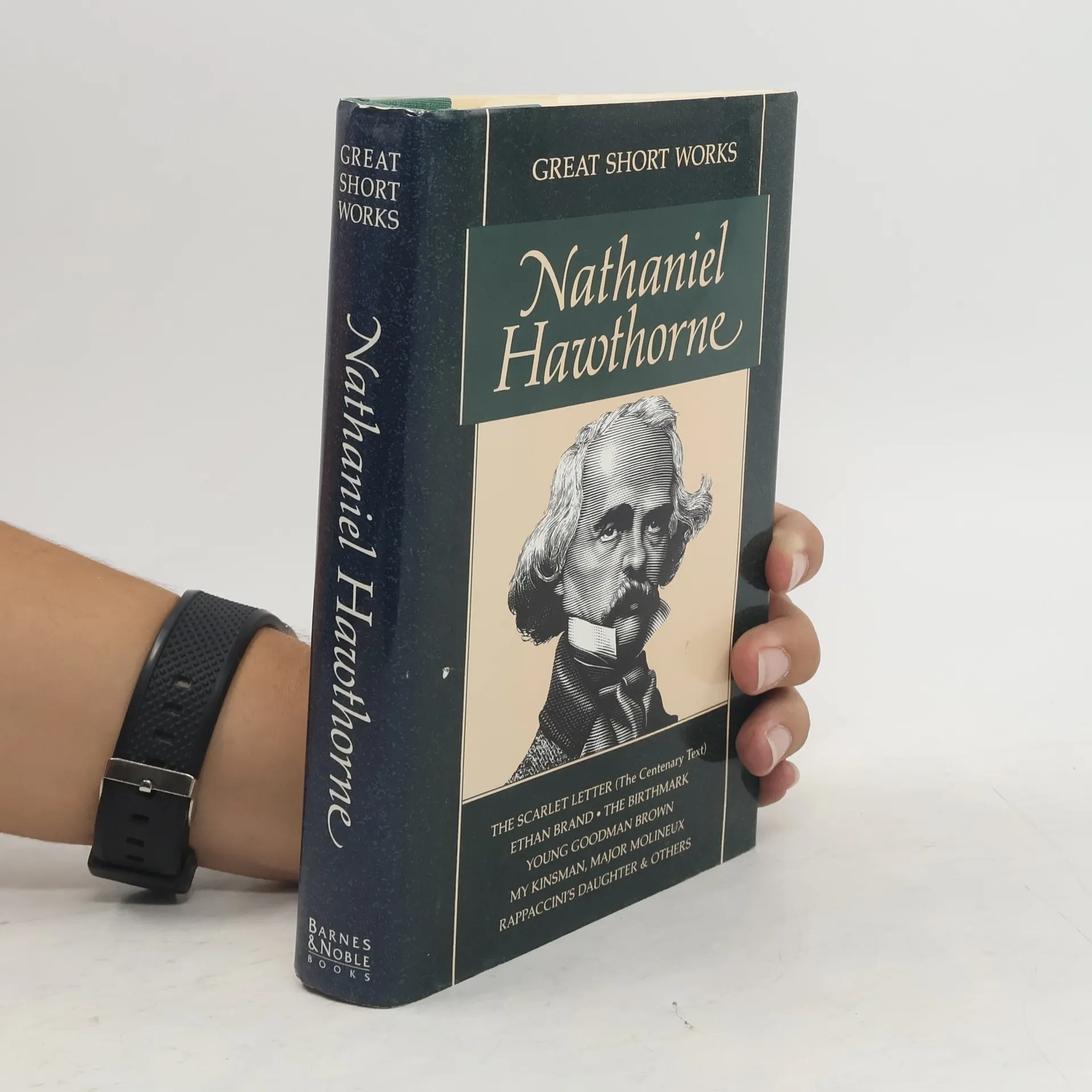
Great Short Works of Nathaniel Hawthorne
- 400 pages
- 14 hours of reading
This book presents a great American writer at the height of his powers. It includes his most famous and highly praised novel The Scarlet Letter and seven of his finest stories. Hawthorne's stature seems to grow with the passing decades. Contemporary critics have been tireless in discovering the layers of meaning in his fiction. Henry James predicted this when he wrote "his work will remain; it is too original and exquisite to pass away."--Jacket flap
Rappaccini's Daughter
- 80 pages
- 3 hours of reading
Nathaniel Hawthorne's 'Rappaccini's Daughter' is a Gothic tale set in 18th-century Italy, exploring themes of science, morality, and ambition. It follows Giovanni, who falls for Beatrice, the daughter of a sinister scientist. As he uncovers dark secrets, the narrative delves into the complexities of human nature and the struggle between good and evil.
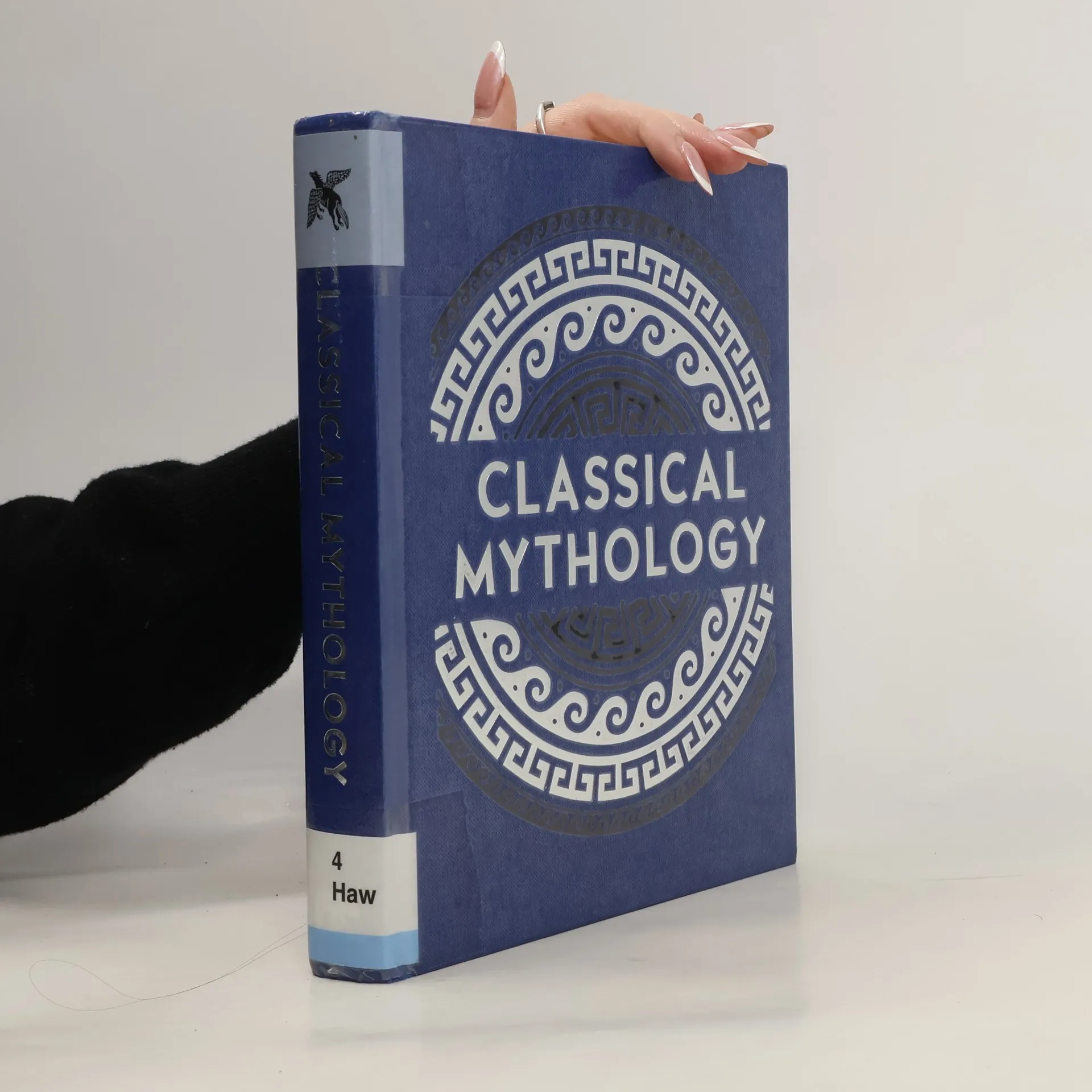
Classical Mythology
- 384 pages
- 14 hours of reading
The myths and legends of Ancient Greece and Rome have influenced art and literature for millennia and continue to capture our imaginations today. These enduring stories from classical antiquity form a major part of the heritage of Western culture. In this beautiful collection, James Shepherd has compiled more than 40 fascinating tales that have been retold by a variety of expert storytellers. Ranging from stories of the Titans, Hercules and the creation of the world to the Trojan War and the founding of Rome, the tales are accompanied by delightful black and white illustrations
The author of such short-fiction masterpieces as Young Goodman Brown and The Minister's Black Veil, Nathaniel Hawthorne is regarded as one of the most significant American writers of the nineteenth century. This volume collects many of his most famous short works and is a fitting compendium of his literary achievements for newcomers or longtime Hawthorne fans alike.
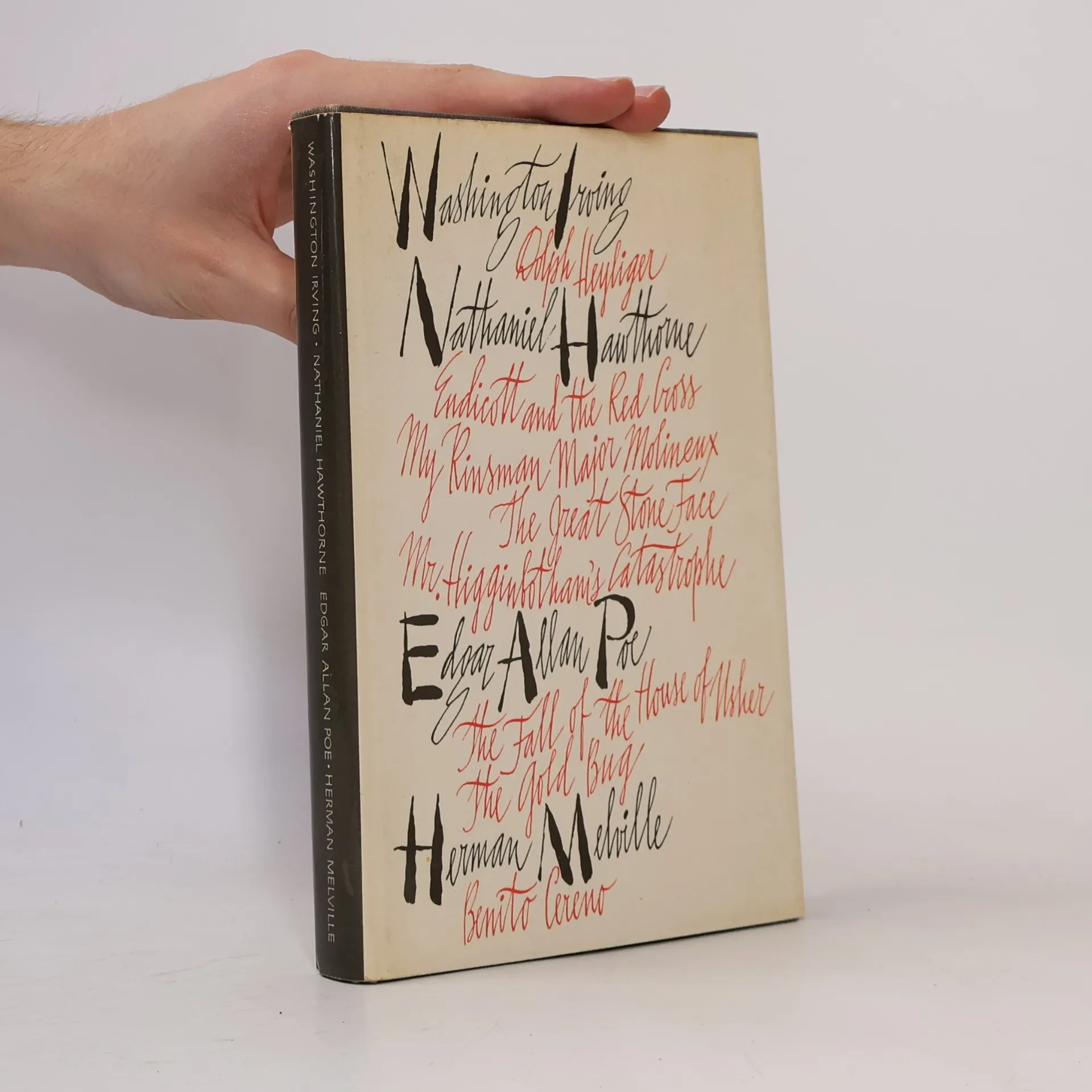
Sir Walter Scott / The Two Drovers, Nathaniel Hawthorne/ The Birthmark, Edgar Allan Poe / The Fall Of The House Of Usher, ETC.
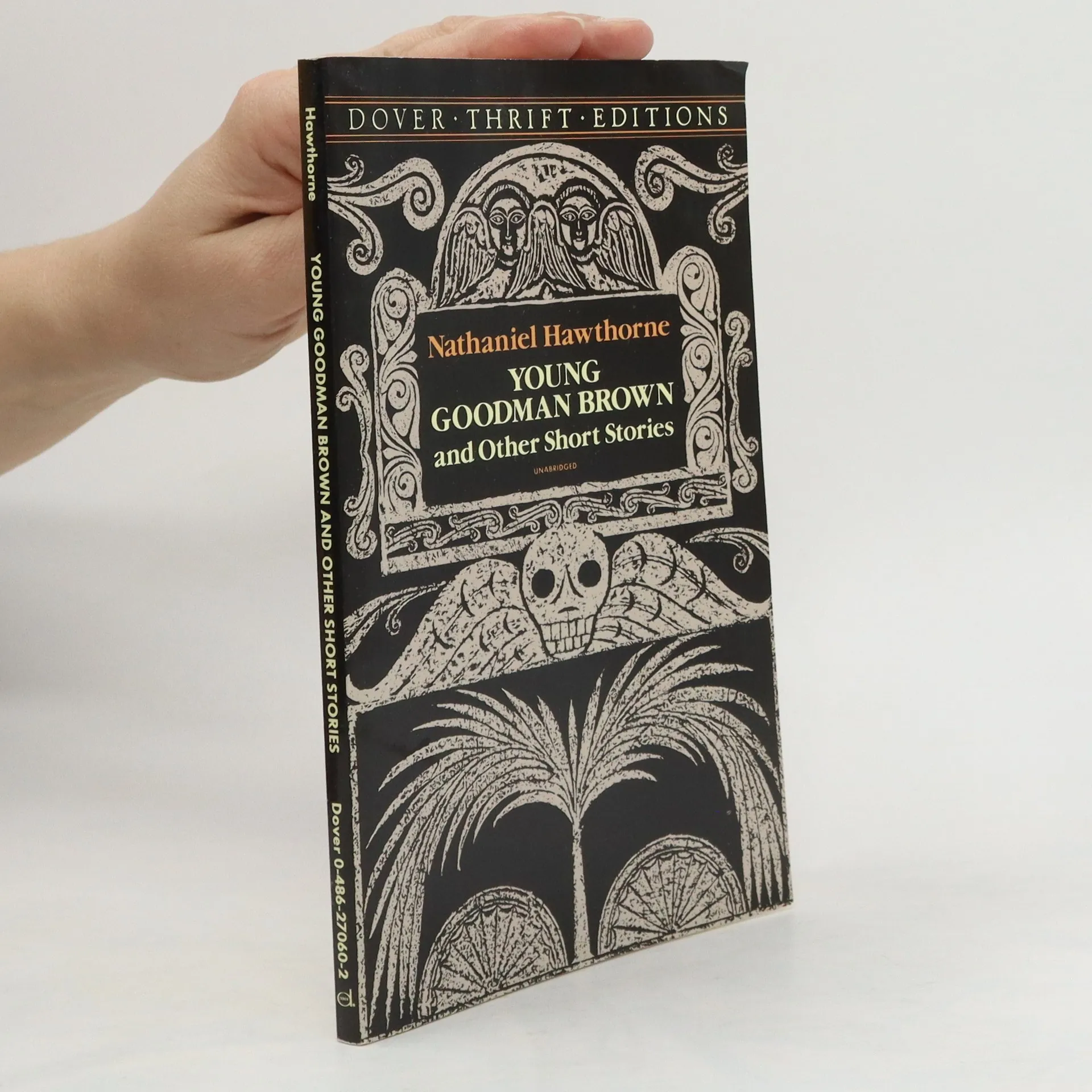
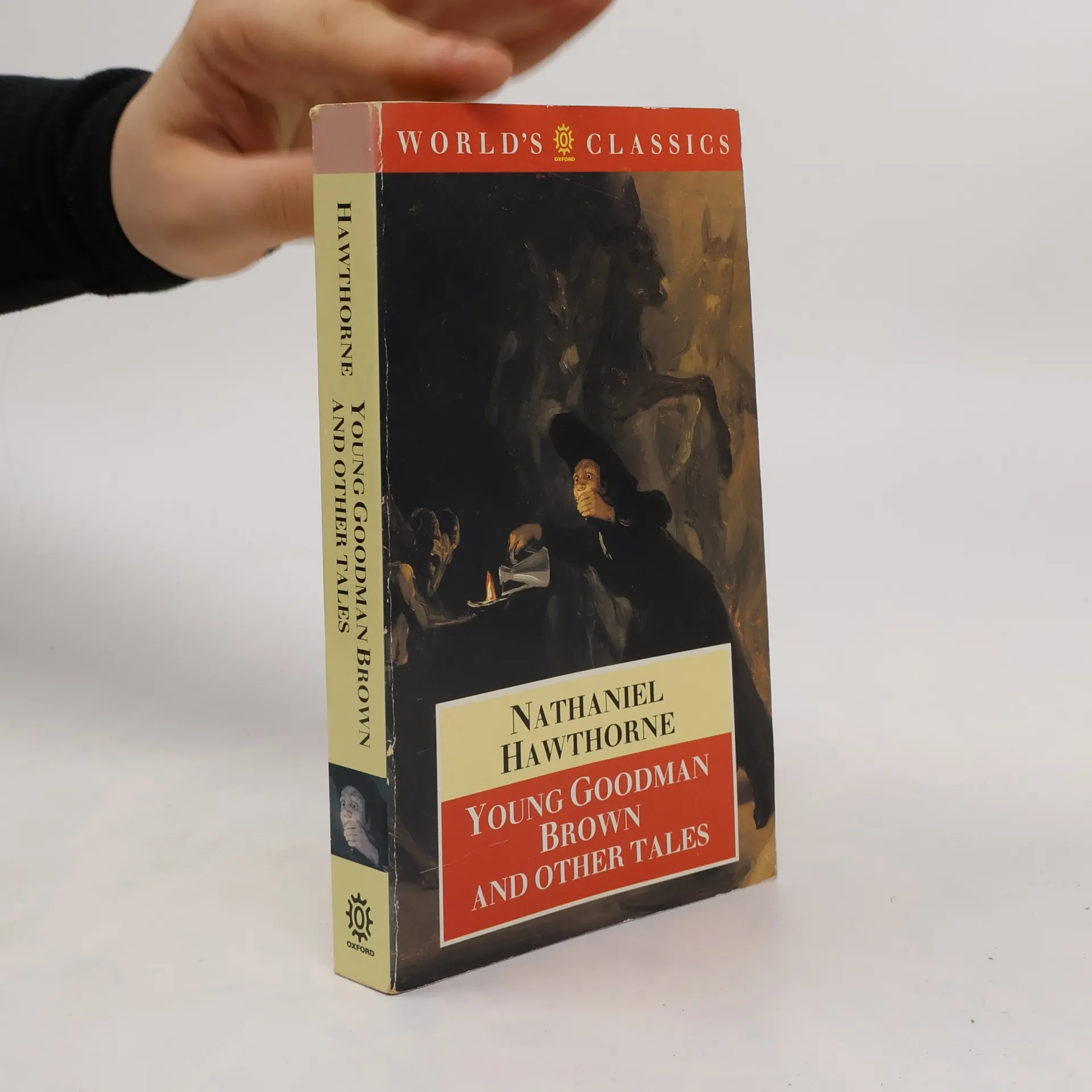
Young Goodman Brown and Other Short Stories
- 111 pages
- 4 hours of reading
Throughout his richly varied literary career, Nathaniel Hawthorne (1804-1864) wrote compelling short stories of enduring appeal. His first important publication, long before The Scarlet Letter, was the 1837 collection Twice-Told Tales, which brought the New England writer immediate fame and high praise from no less an authority than Edgar Allan Poe. Another compilation, Mosses from an Old Manse, followed in 1846 and achieved further success. This volume contains six stories from those collections as well as another superb selection, "My Kinsman, Major Molineux." In addition to the latter tale and the title story, this edition includes "Dr. Heidegger's Experiment," "The Birthmark," "Rappaccini's Daughter," "Roger Malvin's Burial" and "The Artist of the Beautiful." Here are tales rich in atmosphere and suspense, with plots centering on subjects as diverse as witchcraft, revenge, the power of guilt, and a passion for the beautiful, all recounted in the distinctive voice of one of America's great writers.--back coverDr. Heidegger's experiment --The birthmark --Young Goodman Brown --Rappaccini's daughter --Roger Malvin's burial --The artist of the beautiful --My kinsman, Major Molineux.
Tanglewood Tales
- 220 pages
- 8 hours of reading
Featuring six timeless tales that have significantly influenced modern culture, this collection invites readers to explore stories that are frequently referenced in various aspects of life today. Each narrative offers a glimpse into universal themes and moral lessons that continue to resonate, making them essential reading for anyone looking to understand the cultural landscape.
Shining examples of American literature at its best, these four novels explore timeless themes—adventure, war, sex, and morality—through compelling narratives. An adulteress, a runaway boy, a terrified soldier, and a maltreated sailor—the heroes of these novels have become a part of popular culture. This indispensable volume includes… The Scarlet Letter by Nathaniel Hawthorne Adventures of Huckleberry Finn by Mark Twain The Red Badge of Courage by Stephen Crane Billy Budd by Herman Melville With an Introduction by Sandra Newman
Selected Short Stories of Nathaniel Hawthorne
- 254 pages
- 9 hours of reading
Presents a selection of fifteen short fiction stories by nineteenth-century American author Nathaniel Hawthorne.
The Portable Hawthorne includes writings from each major stage in the career of Nathaniel Hawthorne: a number of his most intriguing early tales, all of The Scarlet Letter, excerpts from his three subsequently published romances—The House of Seven Gables, The Blithedale Romance, and The Marble Faun—as well as passages from his European journals and a sampling of his last, unfinished works. The editor’s introduction and head notes trace the evolution of Hawthorne’s writing over the course of his long career: from the tales, to their apotheosis in The Scarlet Letter, through his popular romances, to his private journals and frustrated attempts at another romance. Readers looking for a critical vantage point from which to see Hawthorne whole—his artistic rise, triumph, and sad decline—can find it in this collection.
This dark psychological fantasy is more than a moral tale. It is also a product of its time, drawing on contemporary theories of class, evolution and criminality and the secret lives behind Victorian propriety, to create a unique form of urban Gothic.
Gathers twenty of Hawthorne's tales of Puritan New England, dealing with superstition, guilt, moral pride, and the supernatural.
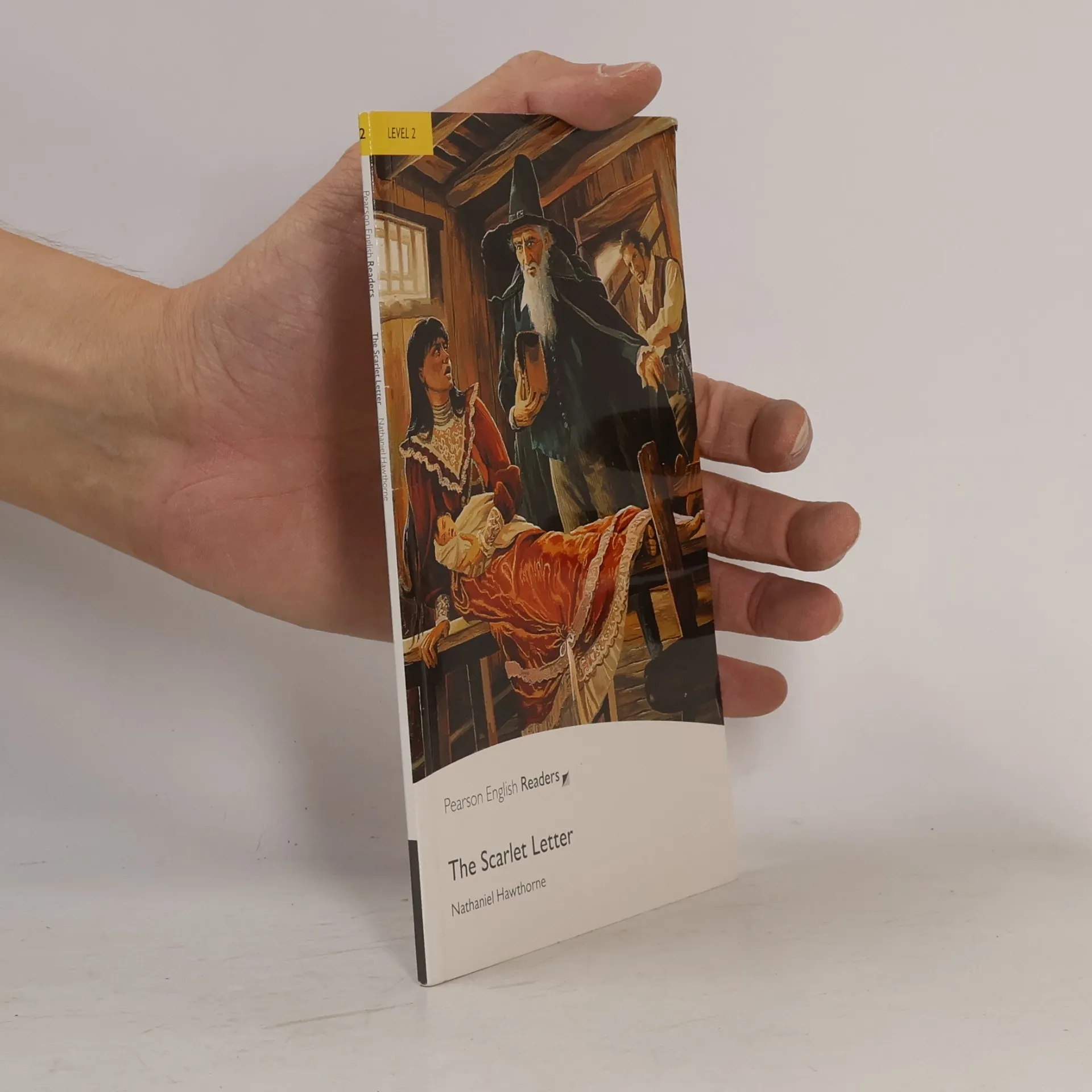
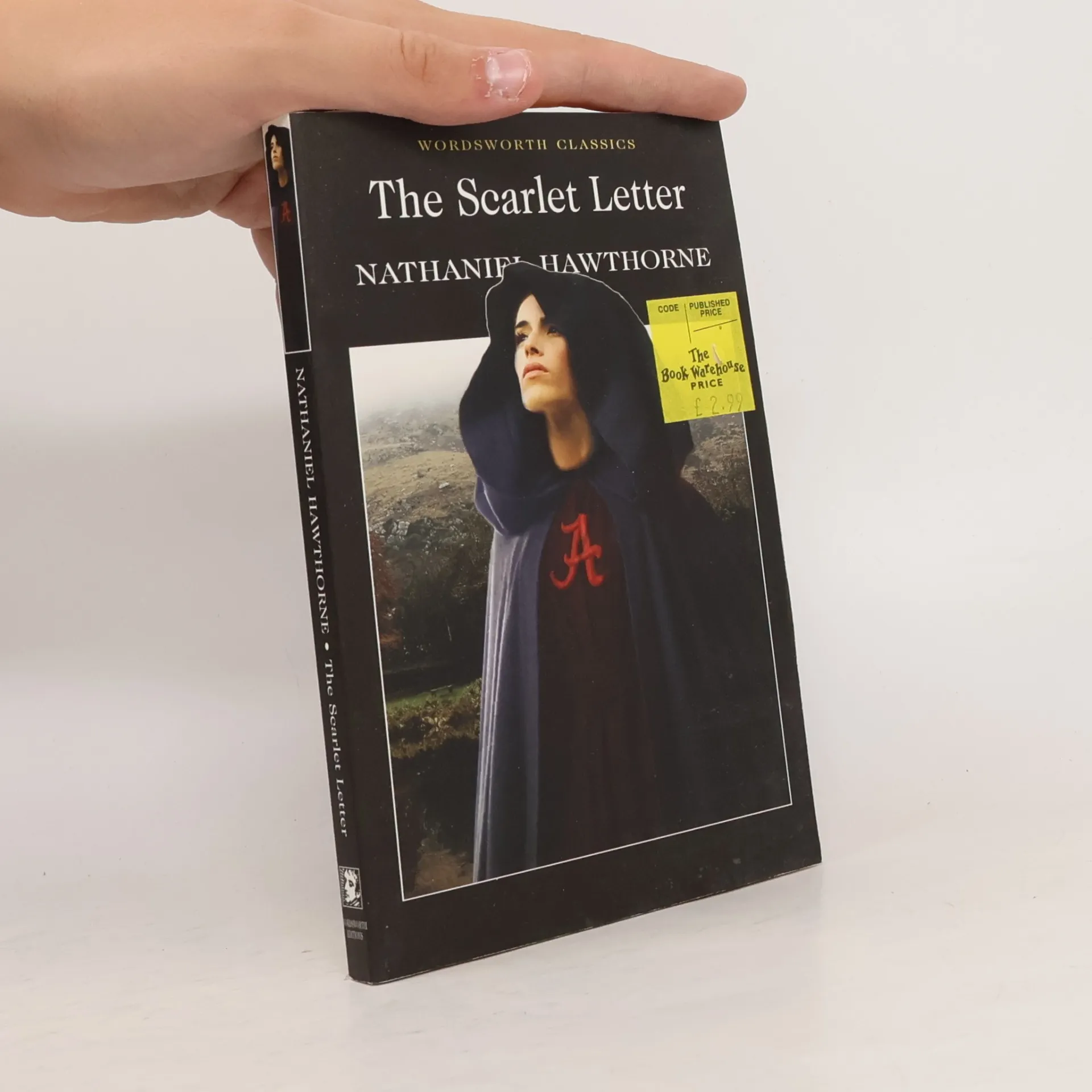
Classic / American EnglishBoston in the 1600s is a small town, but a large crowd waits for Hester Prynne outside the prison. She carries a baby in her arms and the scarlet letter is on her dress. is for adulteress. Who is the father of her baby? Nobody knows and Hester will not say.
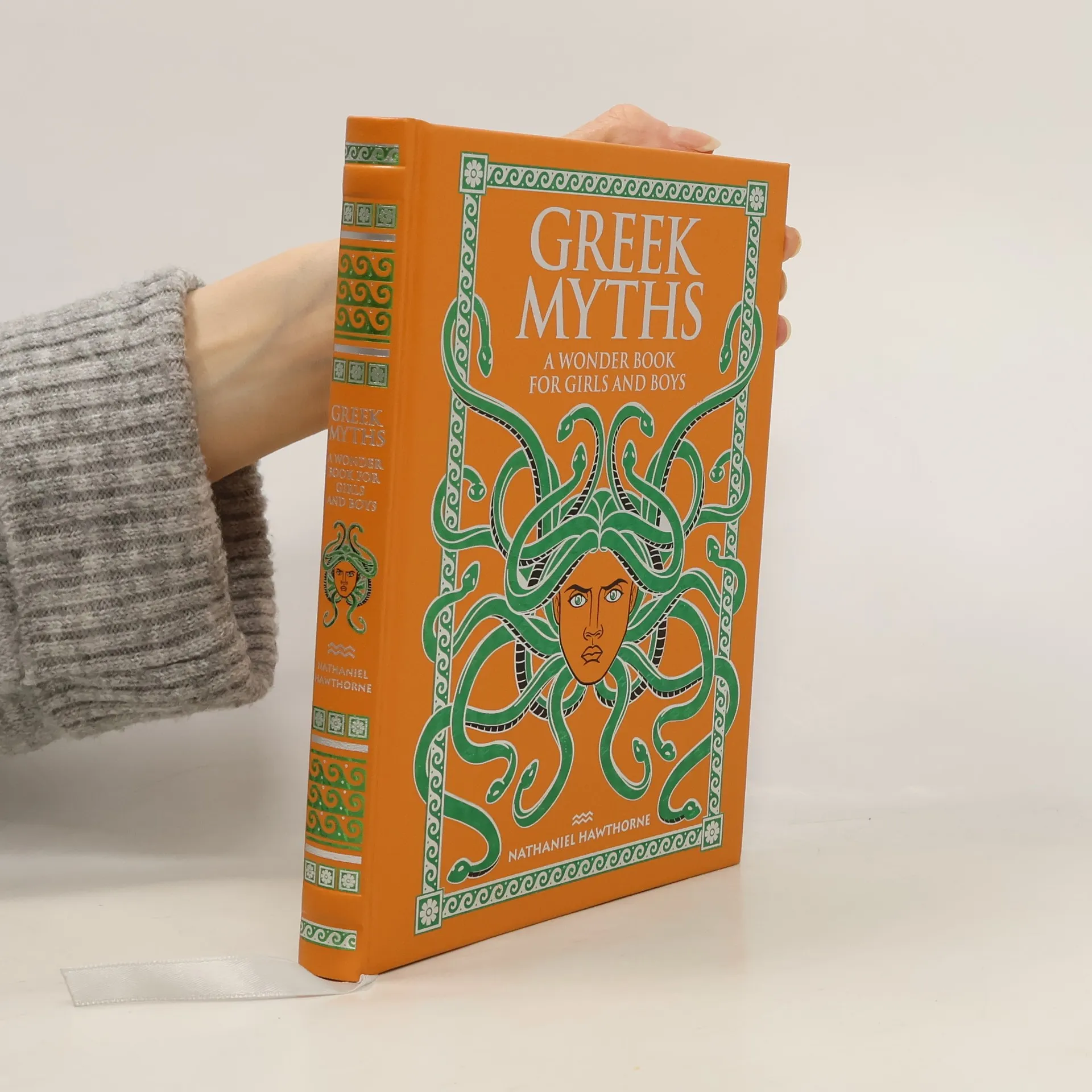
Greek Myths. A Wonder Book for Girls and Boys
- 202 pages
- 8 hours of reading
Retells the following Greek myths: "The Gorgon's Head," "The Golden Touch," "The Paradise of Children," "The Three Golden Apples," "The Miraculous Pitcher," and "The Chimaera." Includes essays on Nathaniel Hawthorne and Walter Crane.
The Scarlet Letter And Other Writings
- 752 pages
- 27 hours of reading
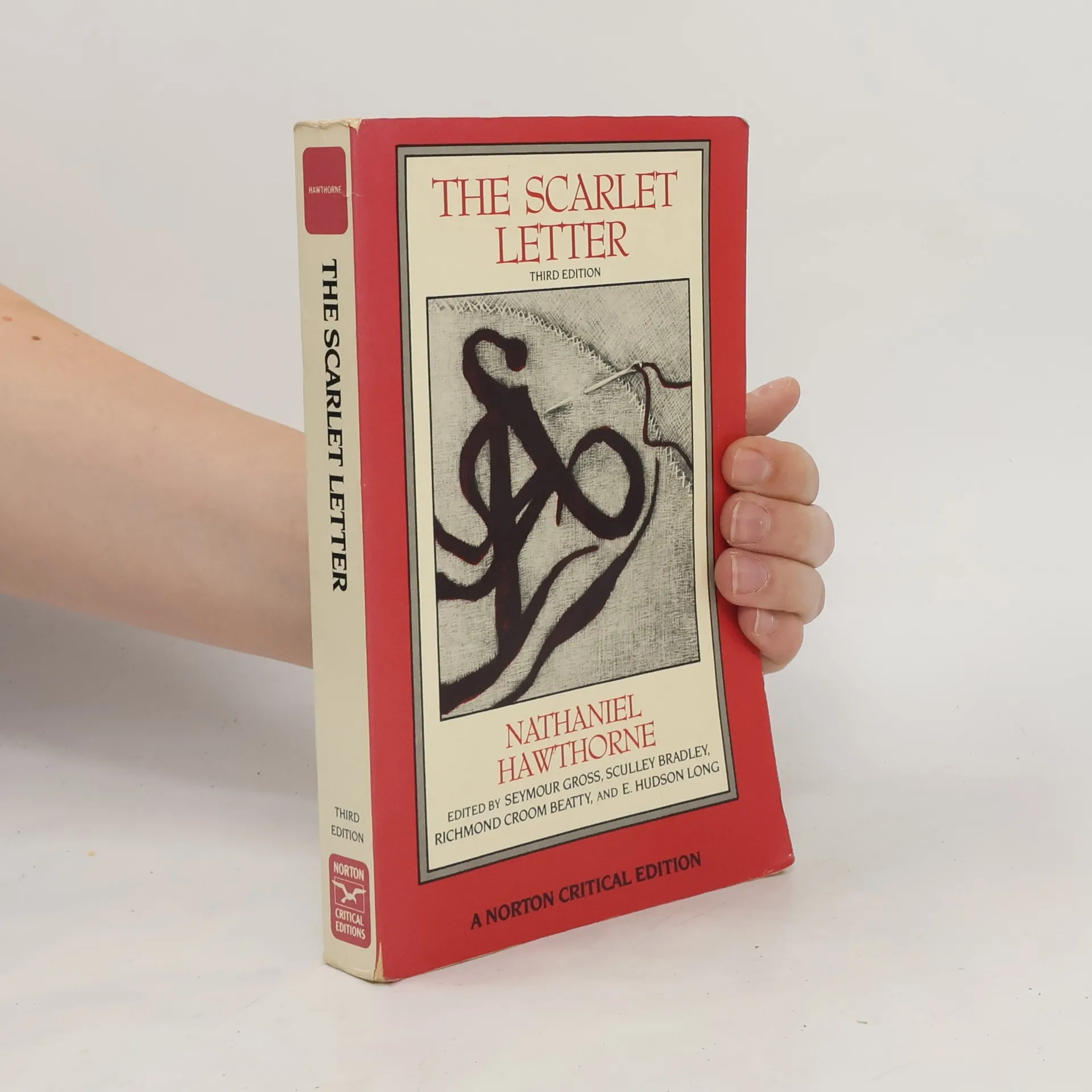
This Second Norton Critical Edition also includes:· Revised and expanded explanatory footnotes, a new preface, and a note on the text by Leland S. Person.· Key passages from Hawthorne's notebooks and letters that suggest the close relationship between his private and public writings· Seven new critical essays by Brook Thomas, Michael Ryan, Thomas R. Mitchell, Jay Grossman, Jamie Barlowe, John Ronan, and John F. Birk.· A Chronology and revised and expanded Selected Bibliography.
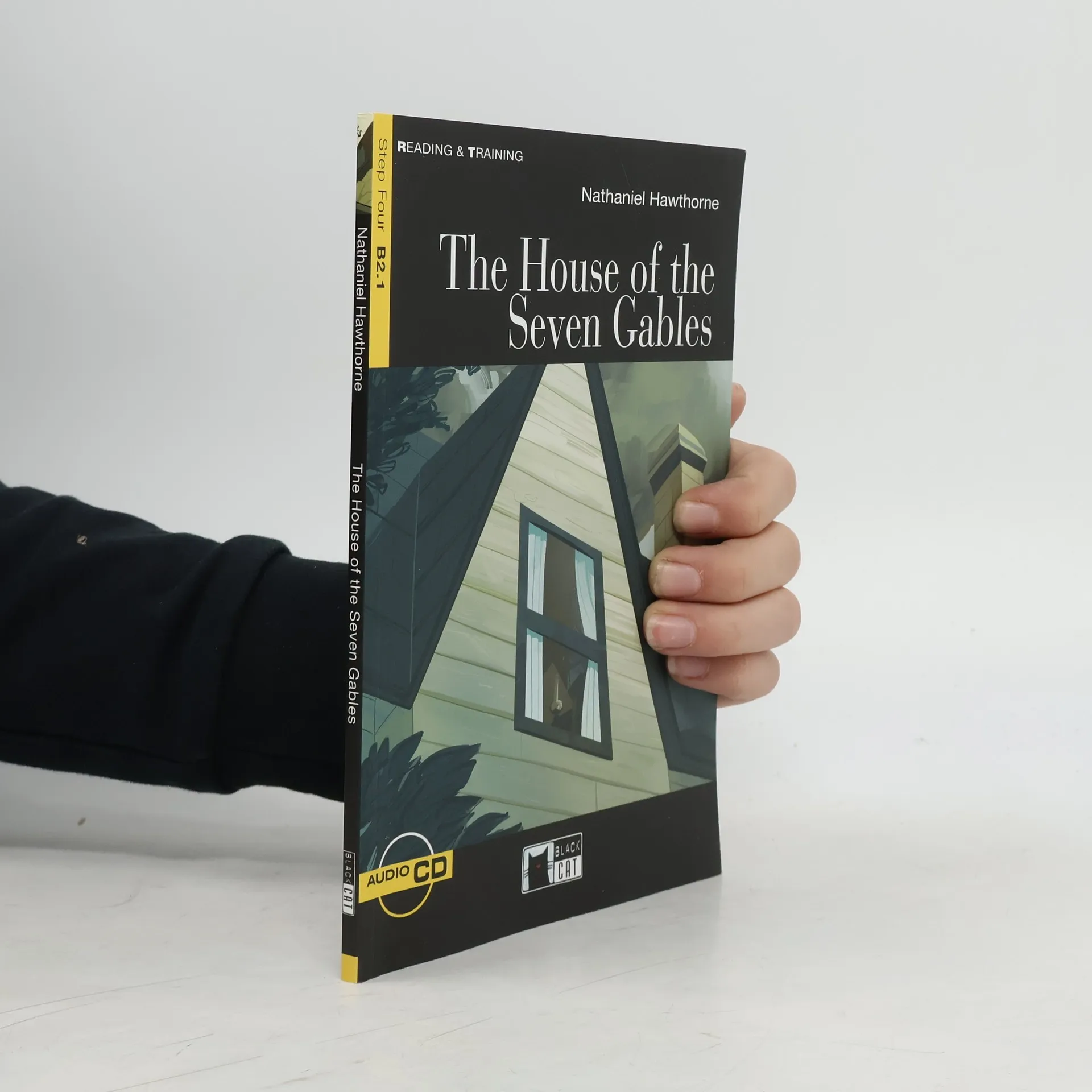
Reading & Training - Step 4 B2.1: House of the Seven Gables With Audio CD
- 128 pages
- 5 hours of reading
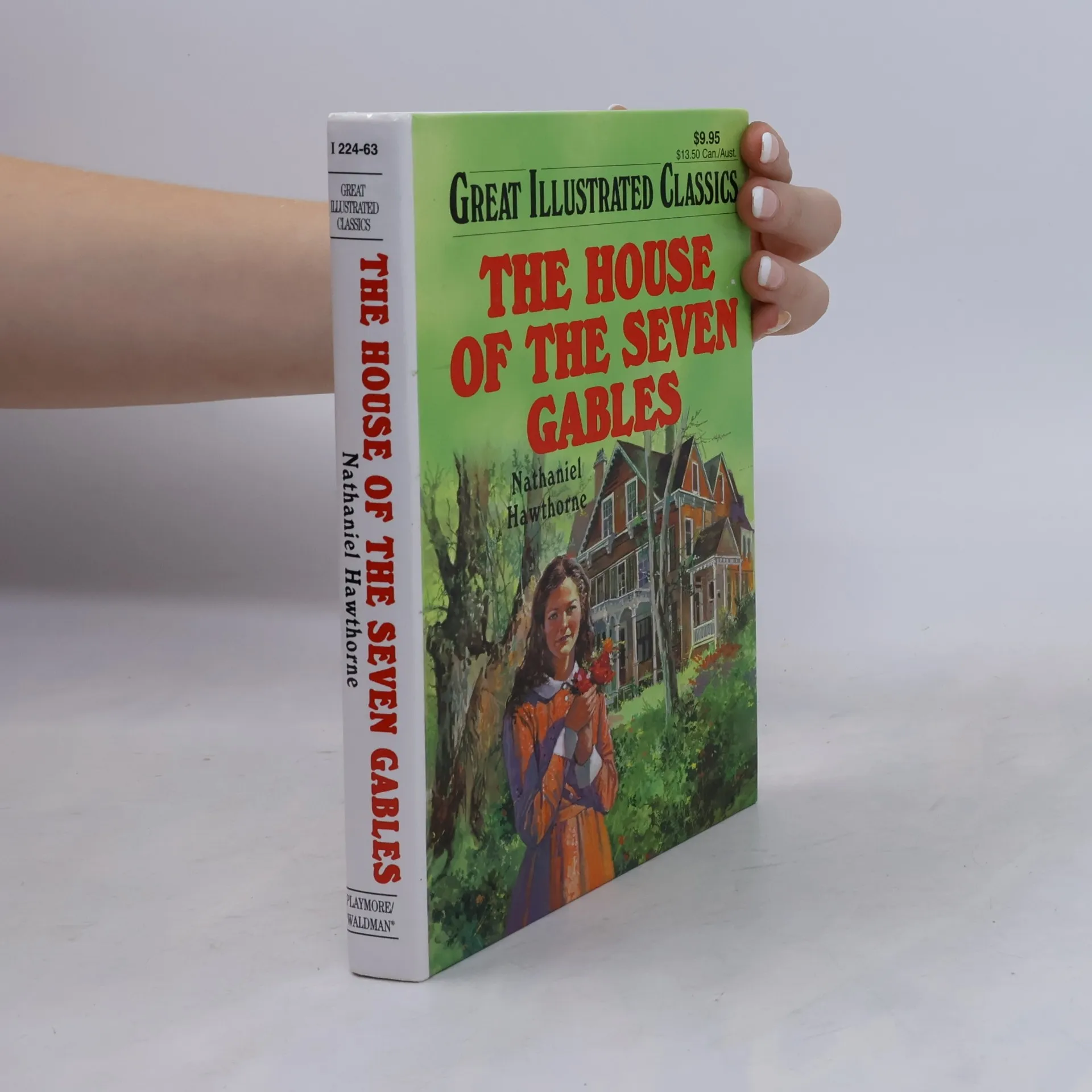
Graded Reader for Reading & Training (Level B2. 1)The seventeenth-century house of the seven gables shelters an old curse and a terrible secret. The lives of the Pyncheon family are ruined by greed, hatred and cowardice. Hepzibah and Clifford Pyncheon are tormented by the memories and ghosts of the past, until the love of two young people changes the course of destiny…
The Adventures of Tom Sawyer
- 272 pages
- 10 hours of reading
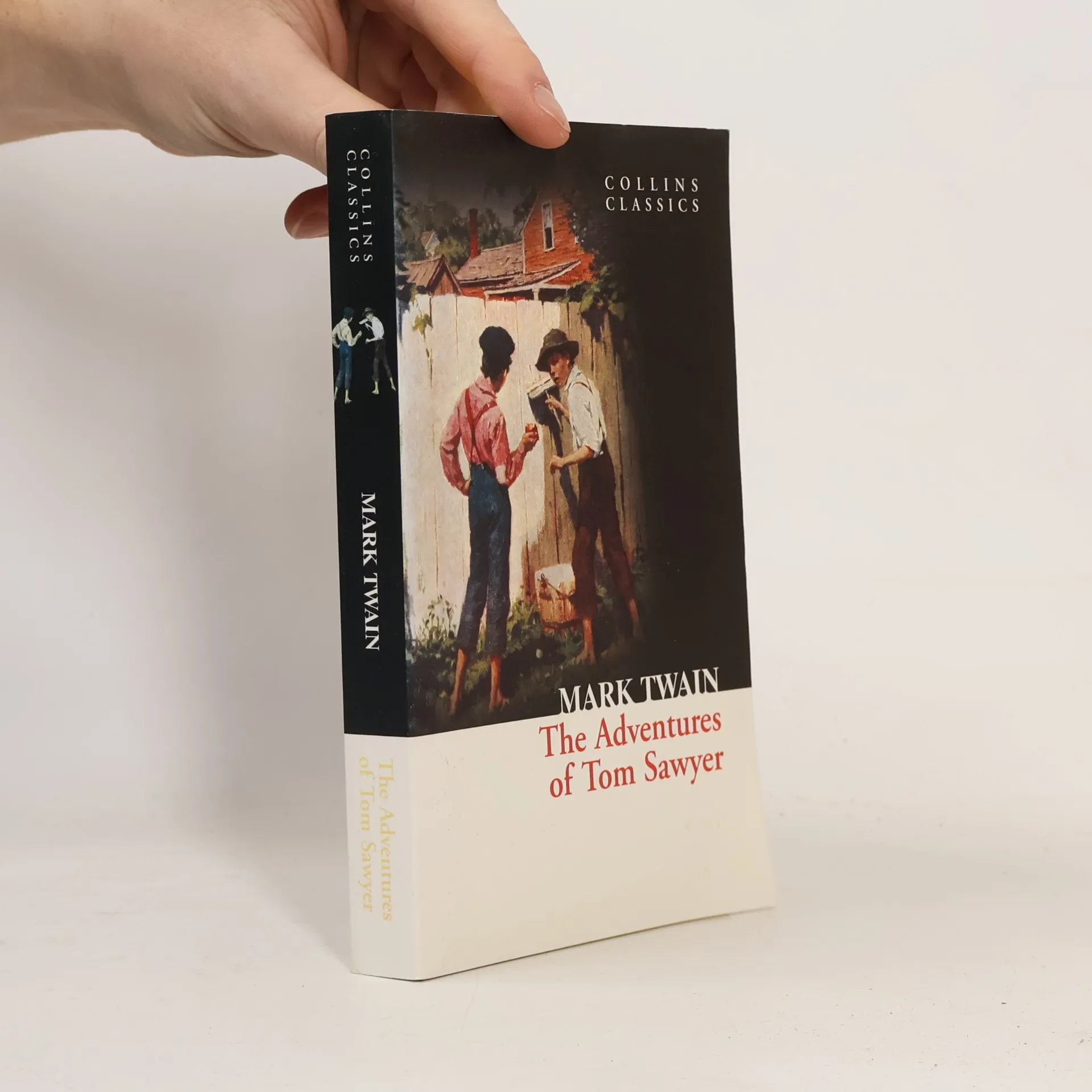
“The Adventures of Tom Sawyer” is a novel by American author Mark Twain, published by the publisher Collins. The character in this novel is a teenage boy named Tom Sawyer who and what the author wants to convey to the reader. This novel tells a lot about a cheerful childhood. That said, the stories in it are based on Mark Twain's own experience, along with the characters in it. Fresh and full of imagination, “The Adventures of Tom Sawyer” recalls the childish soul within the reader. This kid is really naughty. It's just what he did, one time his fun brought a strange problem. He has to deal with cunning criminals. In fact, the criminal managed to trap Tom in a cave. Tom didn't want to lose his shrewdness. If he manages to get out, not only himself will survive, but also his friends, and more importantly the girl he loves. It tells how well Tom Sawyer influences his friends, who willingly and without pressure do what he wants. The problem discussed is that the characters in this novel are analyzed from the point of view of their moral and psychological development. Mark Twain, through the main character, Tom Sawyer, actually wanted to criticize the hypocrisy of society at that time with the story in the novel.
Critical essays explore Puritan life and the influence of conscience on the human heart.
The House of the Seven Gables
- 240 pages
- 9 hours of reading
First published in 1851, The House of the Seven Gables is one of Hawthorne's defining works, a vivid depiction of American life and values replete with brilliantly etched characters. The tale of a cursed house with a "mysterious and terrible past" and the generations linked to it, Hawthorne's chronicle of the Maule and Pyncheon families over two centuries reveals, in Mary Oliver's words, "lives caught in the common fire of history."@@This Modern Library Paperback Classics edition uses the definitive text as prepared for The Centenary Edition of the Works of Nathaniel Hawthor this is the Approved Edition of the Center for Scholarly Editions (Modern Language Association). It includes newly commissioned notes on the text.
The Marble Faun
- 375 pages
- 14 hours of reading
The fragility-and the durability-of human life and art dominate this story of American expatriates in Italy in the mid-nineteenth century. Befriended by Donatello, a young Italian with the classical grace of the "Marble Faun," Miriam, Hilda, and Kenyon find their pursuit of art taking a sinister turn as Miriam's unhappy past precipitates the present into tragedy. Hawthorne's 'International Novel' dramatizes the confrontation of the Old World and the New and the uncertain relationship between the 'authentic' and the 'fake' in life as in art. The author's evocative descriptions of classic sites made The Marble Faun a favorite guidebook to Rome for Victorian tourists, but this richly ambiguous symbolic romance is also the story of a murder, and a parable of the Fall of Man. As the characters find their civilized existence disrupted by the awful consequences of impulse, Hawthorne leads his readers to question the value of Art and Culture and addresses the great evolutionary debate which was beginning to shake Victorian society.
Introduction and Notes by Henry Claridge, Senior Lecturer, School of English, University of Kent at Canterbury. This is a troubling story of crime, sin, guilt, punishment and expiation, set in the rigid moral climate of 17th- century New England. The young mother of an illegitimate child confronts her Puritan judges. However, it is not so much her harsh sentence, but the cruelties of slowly exposed guilt as her lover is revealed, that hold the reader enthralled all the way to the book's poignant climax.
World's Classics: The Scarlet Letter
- 302 pages
- 11 hours of reading
The gray champion The wedding-knell The minister's black veil The maypole of Merry Mount The gentle boy Mr. Higginbotham's catastrophe Wakefield A rill from the town pump The great carbuncle The prophetic pictures David Swan Sights from a steeple The hollow of the three hills The tollgatherer's day Fancy's show box Dr. Heidegger's experiment Legends of the Province house The haunted mind The village uncle The ambitious guest The sister years Snowflakes The seven vagabonds The white old maid Peter Goldthwaite's treasure Chippings with a chisel The Shaker bridal Night-sketches Endicott and the red cross The lily's quest Foot-prints on the seashore Edward Fane's rosebud The threefold destiny Young Goodman Brown My kinsman, Major Molineux Ethan Brand.
This collection of short stories by esteemed author Nathaniel Hawthorne is a timeless classic of American literature. Featuring well-known tales like "The Minister's Black Veil" and "The Maypole of Merry Mount," this book explores themes of sin, guilt, and the human condition. Each story is carefully crafted and beautifully written, making Twice-Told Tales a must-read for any lover of literature.
Twice-Told Tales. Vol. I
- 262 pages
- 10 hours of reading
Trieste Publishing specializes in high-quality reproductions of classic literature, offering a vast collection sourced from libraries and private collections worldwide. Each title is meticulously scanned to preserve the original's integrity, minimizing imperfections like blurred text or missing pages. Their rigorous quality control ensures that readers receive a faithful reproduction that mirrors the experience of original readers. Trieste also accommodates bulk purchases, providing tailored rates for those interested in acquiring multiple titles.
Twice-Told Tales; Volume II
- 290 pages
- 11 hours of reading
A collection of short stories by Hawthorne, featuring haunting tales of the supernatural, moral allegories, and glimpses into Puritan life. Hawthorne's mastery of the short story form is on full display in this collection, which includes classics such as 'The Minister's Black Veil' and 'Rappaccini's Daughter'.
Set against the backdrop of the American West, this novel intertwines romance and adventure. The story explores the journey of its characters as they navigate love and personal growth amidst the stunning landscapes of the canyon. Zane Grey's vivid descriptions and rich storytelling bring to life the struggles and triumphs of those seeking connection and purpose in a rugged environment. The book captures the essence of the Western genre while delving into deeper emotional themes.
The book is a faithful reproduction of the original work, preserving its content and essence. It offers readers an opportunity to engage with the text as it was initially presented, maintaining the authenticity and style of the original edition. This reproduction is ideal for those interested in historical texts or seeking to experience the work in its original form.
Mosses from an Old Manse
and Other Stories
From 1842 to 1845, Nathaniel Hawthorne and his wife, Sophia Peabody, enjoy a blissful life in Concord, Massachusetts, before financial troubles force them to leave. This period becomes a cherished memory for Hawthorne, later reflected in his autobiographical essay, "Mosses from an Old Manse."
The book is a reproduction of a historical work published by Megali, a company dedicated to producing large print editions for improved accessibility. This initiative aims to assist readers with impaired vision, ensuring that classic literature remains available to a wider audience.
Twice-Told Tales (Hardcover)
- 152 pages
- 6 hours of reading
Featuring a collection of short stories, this compilation showcases Nathaniel Hawthorne's literary prowess, with each tale previously published in various magazines and periodicals. The stories delve into themes of morality, human nature, and the complexities of the human experience, reflecting Hawthorne's unique style and deep psychological insight. Readers can expect a rich exploration of character and emotion, making this collection a significant addition to the canon of American literature.
Focusing on accessibility, this book is a reproduction of a historical work presented in large print format. The publishing house Megali aims to enhance the reading experience for individuals with impaired vision, ensuring that classic texts remain accessible to a wider audience.
Love Letters
- 104 pages
- 4 hours of reading
The collection features intimate correspondence between Nathaniel Hawthorne and his wife, Sophia Amelia Peabody, spanning over two decades from their courtship to marriage. These letters reveal their deep love, shared struggles, and unwavering devotion, offering a candid look into their private lives. Through heartfelt expressions, they illuminate the joys and challenges of married life, showcasing the enduring power of love to inspire and sustain. This work serves as a poignant tribute to the profound bond they shared.
Focusing on accessibility, this publication by Megali aims to enhance the reading experience for individuals with impaired vision by reproducing historical works in large print. The initiative highlights the importance of making literature more inclusive and easier to read for everyone.
Focusing on accessibility, this publication is a reproduction of a historical work presented in large print, catering specifically to individuals with impaired vision. Megali, the publishing house behind this initiative, is dedicated to enhancing the reading experience for those who may struggle with standard print sizes, ensuring that important historical texts remain available to a broader audience.
The book is a reproduction of a historical work, published by Megali, a house dedicated to producing large print editions. This initiative aims to enhance accessibility for readers with impaired vision, ensuring that important historical texts remain available and easily readable.
The book is a reproduction of a historical work, published by Megali, a house dedicated to producing large print editions. This initiative aims to enhance accessibility for readers with impaired vision, ensuring that classic literature remains available to a wider audience.
Focusing on accessibility, this reproduction emphasizes ease of reading through large print, catering specifically to individuals with impaired vision. Published by Megali, a house dedicated to making historical works more accessible, it highlights the importance of preserving and sharing literature while considering the needs of all readers.
This book is a reproduction of a historical work, published by Megali, a company dedicated to making literature accessible for individuals with impaired vision through large print formats. The focus on accessibility highlights the importance of preserving and sharing historical texts while ensuring they can be enjoyed by a wider audience.
The Old Manse; From "Mosses from an Old Manse"
in large print
This book is a reproduction of a historical work, published by Megali, a house dedicated to producing large print editions. It aims to enhance accessibility for readers with impaired vision, ensuring that classic texts are more easily readable. The focus on large print makes it a valuable resource for those seeking to engage with historical literature without the strain of smaller fonts.
This book is a reproduction of a historical work, published by Megali, a company dedicated to producing large print editions. The focus on accessibility aims to enhance the reading experience for individuals with impaired vision, ensuring that classic texts remain available and enjoyable to a broader audience.
This book is a reproduction of a historical work, published in large print to enhance accessibility for individuals with impaired vision. Megali, the publishing house behind this edition, focuses on making important texts more readable for all, ensuring that valuable historical content remains available to a wider audience.
This book is a reproduction of a historical work, produced by the publishing house Megali, which focuses on making literature accessible through large print editions. Aimed at readers with impaired vision, it emphasizes inclusivity in reading by preserving important texts in a format that enhances readability.
Exploring themes of sin, guilt, and redemption, this classic novel delves into the life of Hester Prynne, a woman shunned by her Puritan community after bearing an illegitimate child. Through rich symbolism and profound character development, the story examines societal judgment and personal resilience. Hawthorne's masterful narrative invites readers to reflect on moral complexities and the human experience, making it a timeless tale that resonates with emotions and thought.
Focusing on accessibility, this book is a reproduction of a historical work published by Megali, a house dedicated to creating large print editions for individuals with impaired vision. The aim is to enhance readability and ensure that important historical texts are available to a wider audience.
The History of the United States from 1492 to 1910
Volume 1 - in large print
- 564 pages
- 20 hours of reading
This work is a reproduction of a historical text, produced by Megali, a publishing house dedicated to making literature accessible to individuals with impaired vision through large print editions. The focus on enhancing readability highlights the commitment to inclusivity in literature.
The Great Stone Face, and Other Tales of the White Mountains
in large print
- 76 pages
- 3 hours of reading
The book is a reproduction of a historical work, produced by Megali, a publishing house dedicated to creating large print editions for individuals with impaired vision. This initiative enhances accessibility, allowing a wider audience to engage with significant texts from the past.
This book is a reproduction of a historical work, presented in large print to enhance accessibility for readers with impaired vision. Published by Megali, a house dedicated to producing such accessible editions, it aims to preserve important texts while ensuring they can be enjoyed by a wider audience.
The Lock and Key Library; Classic Mystery and Detective Stories: Old Time English
in large print
- 512 pages
- 18 hours of reading
The book is a reproduction of a historical work, produced in large print to enhance accessibility for readers with impaired vision. This initiative by the publishing house Megali aims to preserve important texts while ensuring they are easier to read for those who may struggle with standard print sizes.
The book is a reproduction of a historical work, published by Megali, a house dedicated to creating large print editions. This initiative aims to enhance accessibility for readers with impaired vision, making classic literature more inclusive and easier to read.
Twice Told Tales (LARGE PRINT EDITION)
- 602 pages
- 22 hours of reading
Exploring the darker aspects of human nature, this collection showcases Nathaniel Hawthorne's moral insight and fascination with Puritan New England's history. It includes notable tales such as "The Gray Champion," "The Minister's Black Veil," and "Dr. Heidegger's Experiment," which delve into themes of sin, guilt, and the quest for redemption. Hawthorne's unique storytelling blends allegory and psychological depth, reflecting his significant role in the American Renaissance alongside contemporaries like Edgar Allan Poe.
The book is a reproduction of a historical work, presented in large print to enhance readability for individuals with impaired vision. It is published by Megali, a publishing house dedicated to making classic texts more accessible.
Focusing on accessibility, this book is a reproduction of a historical work published by Megali, a house dedicated to producing large print editions. This initiative aims to facilitate reading for individuals with impaired vision, ensuring that important historical texts remain accessible to a wider audience.
Incredible Mysteries Unsolved Disappearances Vol. 4
True Crime Stories of Missing Persons Who Vanished Without a Trace
- 162 pages
- 6 hours of reading
Delve into a captivating exploration of some of history's most perplexing and chilling disappearances. This collection weaves a narrative rich in intrigue and fear, guiding readers through both physical and psychological dimensions of mystery. Each story invites an insatiable curiosity for the inexplicable, creating a labyrinth of unresolved enigmas that challenge the mind and stir the imagination.
This book is a reproduction of a historical work, published by Megali, a company dedicated to making literature accessible for those with impaired vision through large print formats. The focus on readability highlights the importance of inclusivity in literature, ensuring that a wider audience can engage with historical texts.
The Lock and Key Library; The most interesting stories of all nations: French Novels
in large print
- 504 pages
- 18 hours of reading
Focusing on accessibility, this book is a reproduction of a historical work, presented in large print to aid those with impaired vision. Published by Megali, a house dedicated to making historical texts more readable, it highlights the importance of inclusivity in literature.
This publication focuses on enhancing accessibility for readers with impaired vision by offering historical works in large print. Megali, the publishing house behind this initiative, is dedicated to reproducing important texts, ensuring that they are easier to read and enjoy for a wider audience.
The Golden Fleece A Romance
- 78 pages
- 3 hours of reading
Set during the California Gold Rush, this historical fiction weaves a tale of adventure, romance, and mystery as characters pursue wealth and status in the challenging American West. It delves into the moral dilemmas and personal struggles faced by gold prospectors, highlighting themes of love, deception, and redemption. Hawthorne’s vivid descriptions and compelling storytelling bring to life the hardships of the wilderness, captivating readers with the intense journey toward an elusive fortune and the complexities of human ambition.
Incredible Mysteries Unsolved Disappearances Vol. 1
- 166 pages
- 6 hours of reading
Exploring the enigmatic phenomenon of unexplained disappearances, this book presents a series of intriguing cases where individuals vanish without a trace. Each story serves as a puzzle that challenges conventional understanding, revealing the mysteries surrounding human existence and the complexities of life. The narrative invites readers to ponder the deeper questions of loss and the unknown, making it a thought-provoking journey into the heart of human enigma.
This book is a reproduction of a historical work presented in large print, specifically designed to enhance readability for individuals with impaired vision. The publishing house Megali focuses on making such texts accessible, ensuring that important historical literature can be enjoyed by a wider audience.
Focusing on accessibility, this work is a reproduction of a historical text, specifically designed in large print to aid those with impaired vision. Published by Megali, a house dedicated to making literature more accessible, it emphasizes the importance of preserving historical works while ensuring they can be enjoyed by a broader audience.
Focusing on accessibility, this book is a reproduction of a historical work presented in large print, catering specifically to individuals with impaired vision. Published by Megali, a house dedicated to enhancing readability, it aims to preserve the original content while ensuring that it remains accessible to a wider audience.
This reprint preserves the essence of a classic work first published in 1876, offering readers a chance to explore its historical significance and literary style. The book reflects the themes and cultural context of its time, providing insights into the era's societal norms and values. Readers can expect a rich narrative that captures the imagination and showcases the author's unique voice, making it a valuable addition to both literary collections and historical studies.
The Lock and Key Library; Classic Mystery and Detective Stories: Modern English
in large print
- 512 pages
- 18 hours of reading
The book is a reproduction of a historical work, published by Megali, a house dedicated to producing large print editions that enhance accessibility for individuals with impaired vision. This initiative aims to make classic literature more readable and inclusive, ensuring that important texts remain available to a wider audience.
Main Street
in large print
This publication focuses on reproducing historical works in large print, catering specifically to individuals with impaired vision. By enhancing accessibility, the publishing house Megali aims to preserve and share important texts, ensuring that a broader audience can enjoy and engage with historical literature.
This publication focuses on reproducing historical works in large print, catering specifically to individuals with impaired vision. The Megali publishing house aims to enhance accessibility and ease of reading, ensuring that important historical texts are available to a wider audience.
Exploring the enduring enigma of unidentified flying objects, this book delves into a captivating array of historical UFO sightings, ranging from ancient anomalies to modern-day encounters. It presents a comprehensive examination of incidents that have sparked intrigue and wonder, inviting readers to ponder the question of whether we are alone in the universe. Each chapter unveils bewildering mysteries that challenge our understanding of the cosmos.