

Get a training and performance advantage! The Ergogenics Edge will help you maximize your athletic potential by going beyond traditional sports conditioning while still staying within the rules. Dr. Mel Williams presents nearly every current nutritional, pharmacological, physiological, biomechanical, and psychological means used to aid sports performance. He expertly rates more than 60 sports ergogenics based on the following • Sport-specific effectiveness • Safety • Legal aspects • Ethical concerns • Recommendations Also included is a complete listing of prohibited substances and treatments. From supplements to streamlined equipment, the book examines and grades every way to maximize sports performance. Get The Ergogenics Edge before your opponents beat you to it.
Melvin H. Williams Books



Learn how creatine supplementation affects performance with this authoritative source drawn from the latest research findings. The Power Supplement is the first book to provide scientific analysis of creatine supplementation on exercise performance and athlete health and safety. The subject of numerous studies during the 1990s, creatine is a naturally occurring substance necessary for synthesizing phosphocreatine that is used by the muscles during high-intensity exercise. Supplementation programs significantly increase the body's supply of creatine and phosphocreatine, resulting in the muscles' capacity to quickly re-energize after exertion. The Power Supplement presents a detailed analysis - Scientific literature discussing the effects of creatine supplementation on various forms of exercise, sport performance, and on body mass- Creatine requirements and metabolic functions- Supplementation protocols and the effects on muscle creatine stores- Possible adverse effects of creatine supplementation- Legal and ethical considerations regarding creatine use by competitive athletes- The historical evolution of creatine use The Power Supplement is the most comprehensive book available on one of the most popular supplements in sports.
Capitalism and Slavery
- 288 pages
- 11 hours of reading
"Slavery helped finance the Industrial Revolution in England. Plantation owners, shipbuilders, and merchants connected with the slave trade accumulated vast fortunes that established banks and heavy industry in Europe and expanded the reach of capitalism worldwide. Eric Williams advanced these powerful ideas in Capitalism and Slavery, published in 1944. Years ahead of its time, his profound critique became the foundation for studies of imperialism and economic development. Binding an economic view of history with strong moral argument, Williams's study of the role of slavery in financing the Industrial Revolution refuted traditional ideas of economic and moral progress and firmly established the centrality of the African slave trade in European economic development. He also showed that mature industrial capitalism in turn helped destroy the slave system. Establishing the exploitation of commercial capitalism and its link to racial attitudes, Williams employed a historicist vision that set the tone for future studies.William A. Darity Jr.'s new foreword highlights Williams's insights for a new generation of readers, and Colin Palmer's introduction assesses the lasting impact of Williams's groundbreaking work and analyzes the heated scholarly debates it generated when it first appeared."--Back cover.
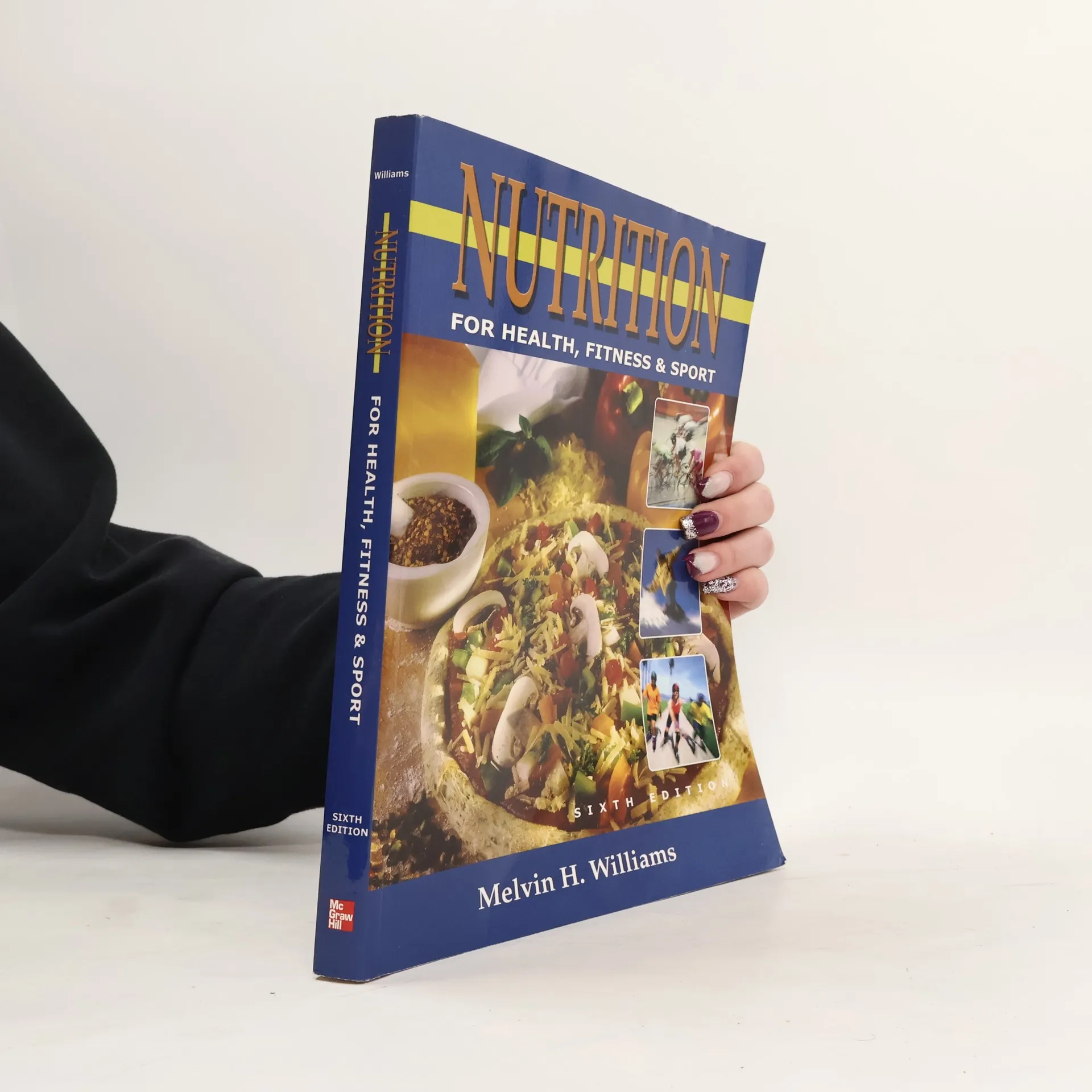
This textbook provides the reader with thorough coverage of the role nutrition plays in enhancing one's health, fitness and sport performance. Current research and practical activities are incorporated throughout.
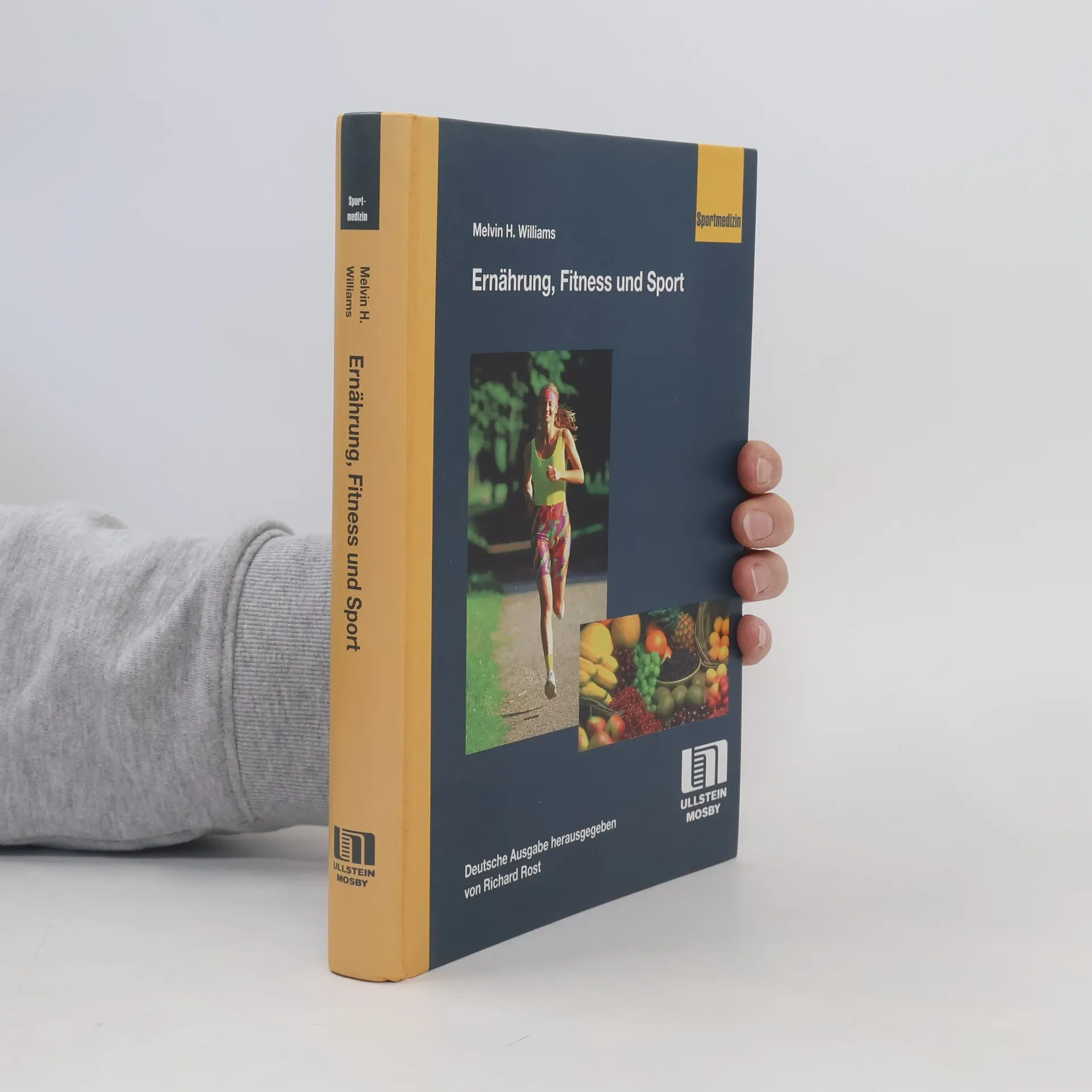
Ernährung, Fitness und Sport - Deutsche Ausgabe herausgegeben von Richard Rost
- 499 pages
- 18 hours of reading
Im vorliegenden Buch vermittelt der Autor alle wichtigen Grundlagen der Ernährungslehre im Hinblick auf sportliches Training. Dabei geht er nicht nur auf ernährungswissenschaftliche Aspekte im Leistungssport, sondern auch im Breiten- und Freizeitsport ein. Zunächst gibt der Autor einen Überblick über Richtlinien zu sportlicher Aktivität und Ernährung für Gesundheitsförderung und Optimierung der körperlichen Leistung. Danach erläutert er detailliert die einzelnen Nährstoffe wie Kohlenhydrate, Fett, Eiweiss, Vitamine, Mineralstoffe und Wasser sowie ihre Bedeutung für die körperliche Aktivität. Dabei berücksichtigt er stets die neuesten Forschungsergebnisse. Anschliessend werden Körpergewicht und -zusammensetzung sowie Gewichtsab- bzw. -zunahme durch richtige Ernährung und körperliche Aktivität besprochen.