A unique and comprehensive account of attitudes to slavery in ancient Greece and Rome.

4.0


Peter Garnsey is an Emeritus Professor of Classical Antiquity history. His research interests focus on political theory, intellectual history, social and economic history, food, famine, and nutrition, and physical anthropology. He delves into a deeper understanding of these historical aspects.
A unique and comprehensive account of attitudes to slavery in ancient Greece and Rome.
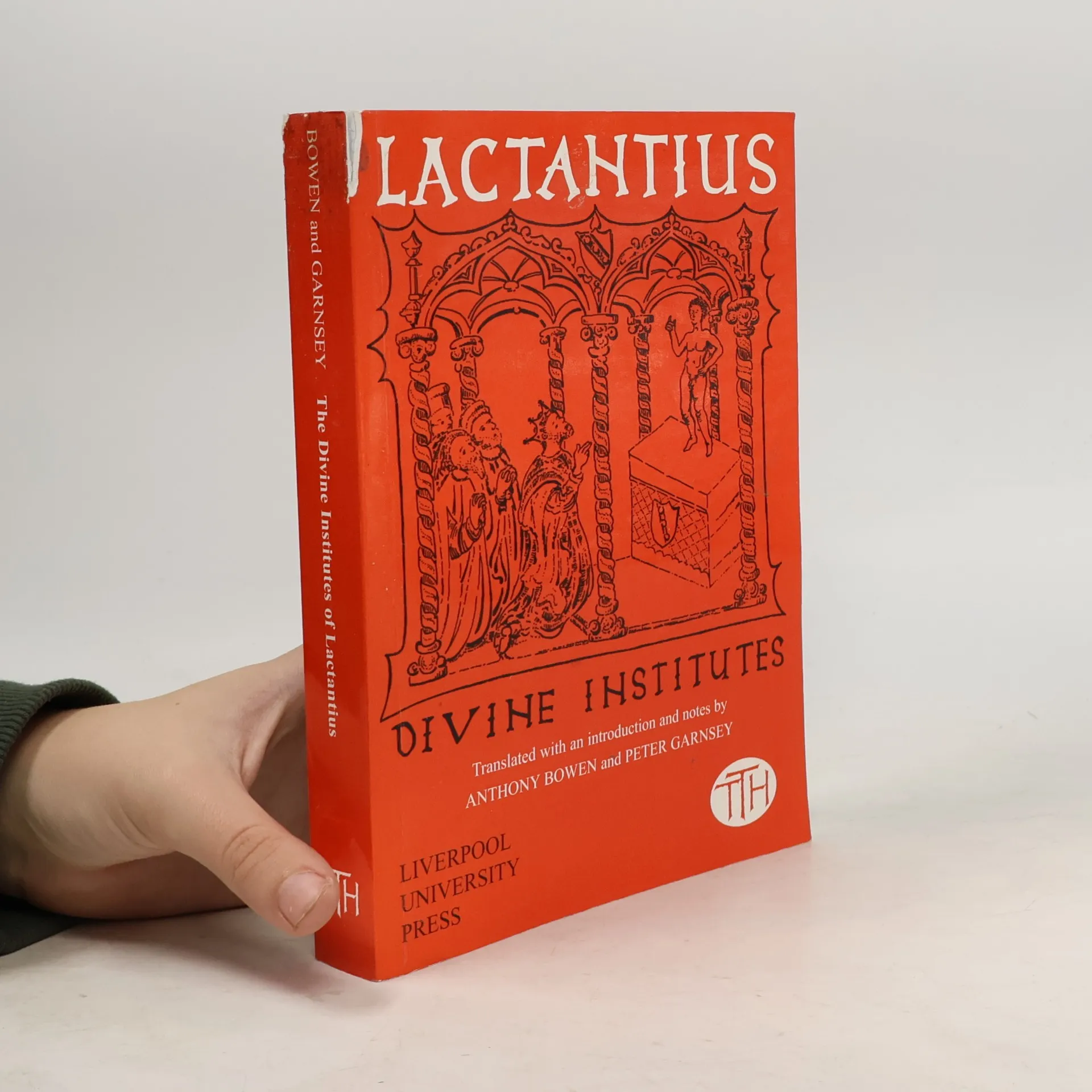
The Divine Institutes of Lactantius was a vigorous riposte to pagan criticism and persecution of Christianity, which came to a head in the "Great" Persecution of Diocletian in the early fourth century AD. This edition has been prepared with students and scholars of intellectual history in mind, but it will also appeal to those concerned with ecclesiastical history and patristics, and to anyone interested in tracing the impact of classical philosophy and literature on an early Christian thinker.
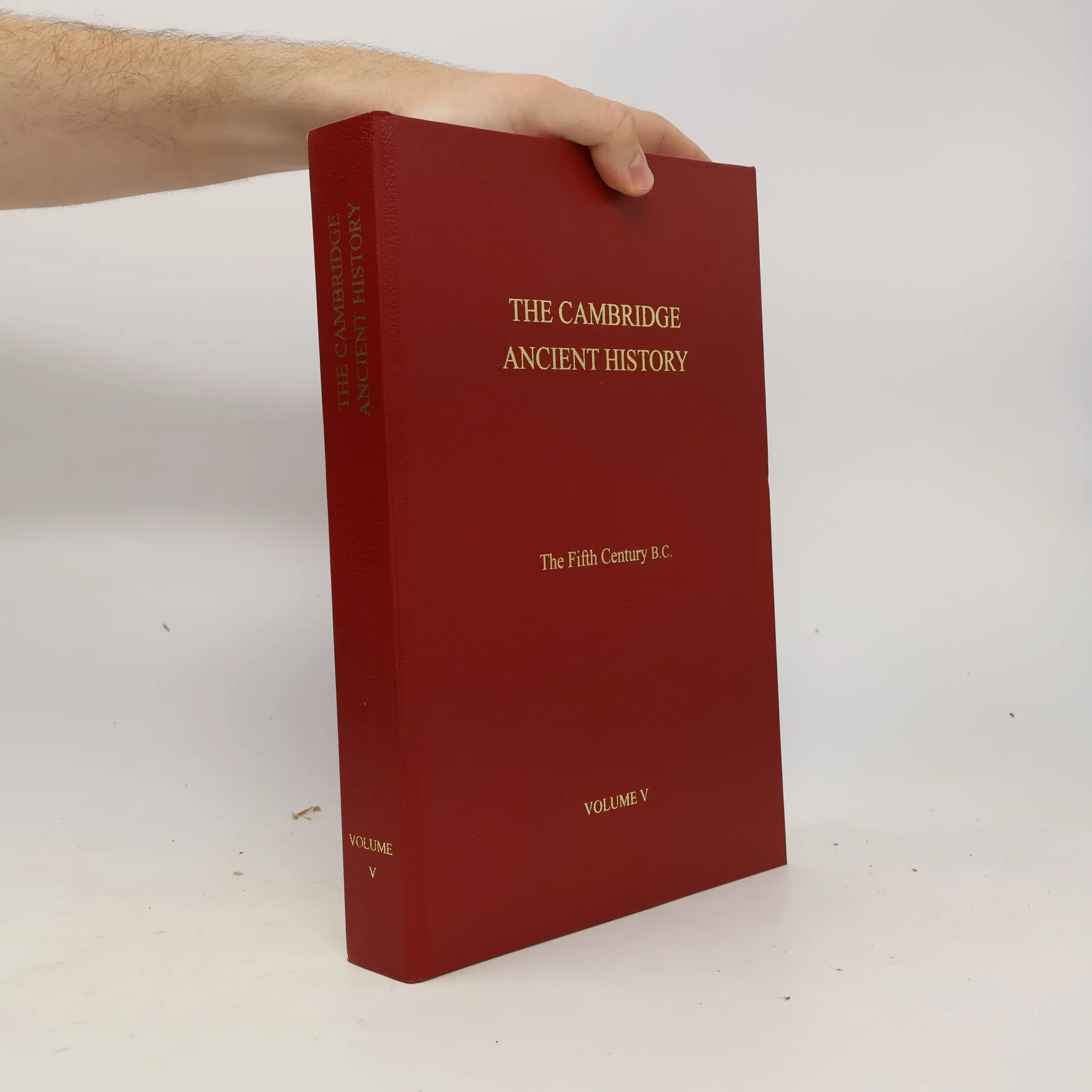
Volume V of the new edition of The Cambridge Ancient History encompasses the first classic age of European civilization—the fifth century B.C. This was the first and last period before the Romans in which great political and military power was located in the same place as cultural importance. This volume, therefore, is more narrowly focused geographically than its predecessors and successors, and hardly strays beyond Greece. Athens is at the center of the picture, both politically and culturally, but events and achievements elsewhere are assessed as carefully as the nature of our sources allows. Two series of narrative chapters, one on the growth of the Athenian empire and the development of Athenian democracy, the other on the Peloponnesian War that brought them down, are divided by a series of studies in which the artistic and literary achievements of the fifth century are described.
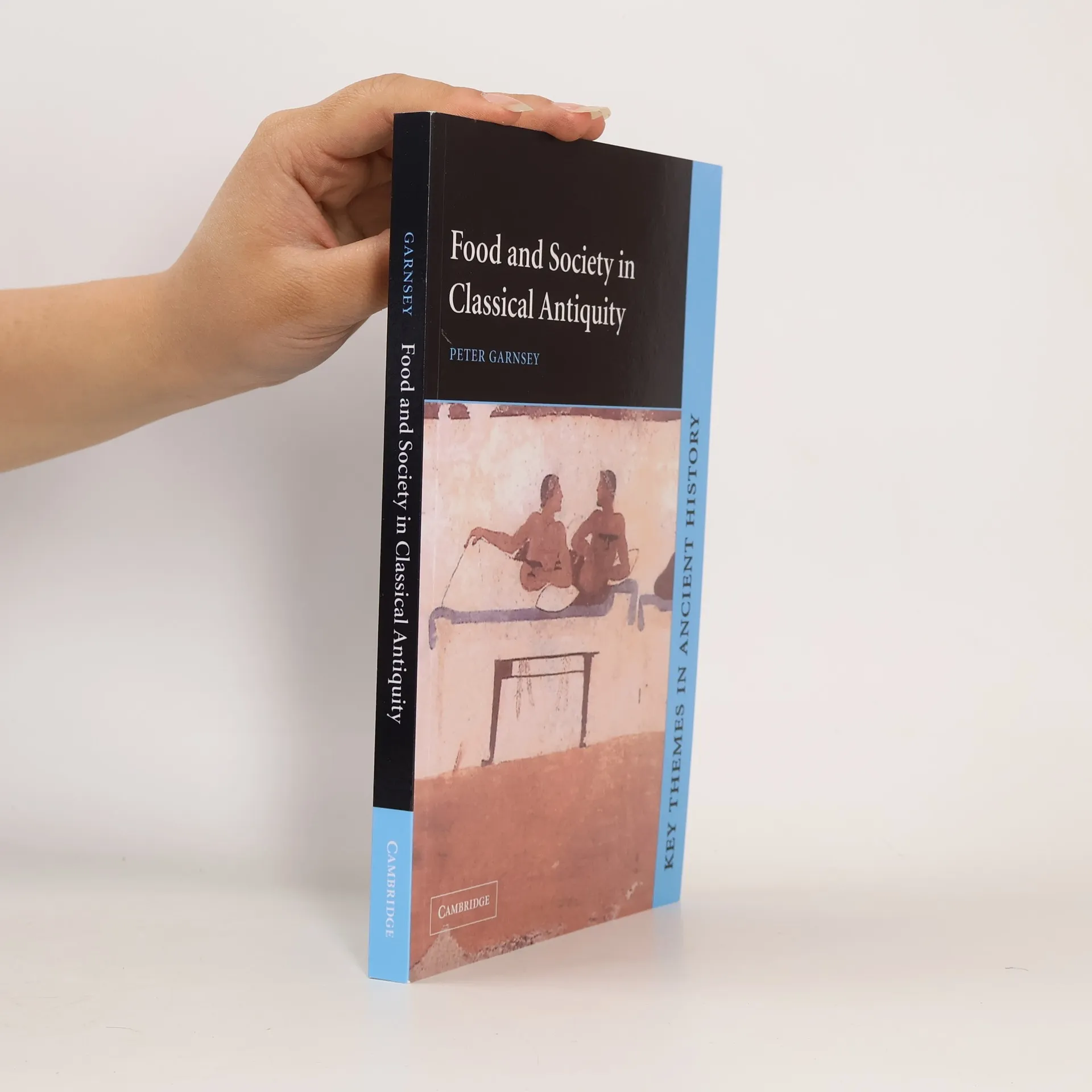
This is a broad-based, comprehensive general study of food in antiquity. The book deals with food as food or nutrition, the discussion revolving around the concrete issues of food availability and the nutritional status of the population. It also treats the nonfood uses of food, focusing on the role of food in forming and marking the social hierarchy. Food defines the group, whether social, religious, philosophical or political.