War in Val d'Orcia
- 320 pages
- 12 hours of reading
The bestselling diaries of WWII in Tuscany, and the struggle to save the children and the rural way of life.


Iris Origo, a British-born writer and biographer, dedicated much of her life to the Tuscan estate at La Foce, transforming it alongside her husband. Her wartime experiences involved sheltering refugee children and aiding escaped prisoners and partisans against fascist and Nazi forces, showcasing a profound commitment to humanity. Origo's writing delves into the intricacies of individual lives set against sweeping historical backdrops, offering readers a deeply humanistic perspective. Her work is characterized by meticulous research and a compelling narrative style that brings the past vividly to life.


The bestselling diaries of WWII in Tuscany, and the struggle to save the children and the rural way of life.
A detailed and engrossing account of the last - and arguably most intense - love affair of one of the greatest British poets
Originally published in 1957, this reprint captures the essence of its time, offering readers a glimpse into the historical and cultural context of the era. The narrative weaves together compelling themes and rich character development, inviting exploration of complex relationships and societal norms. With its enduring relevance, the book continues to resonate with contemporary audiences, making it a significant addition to any literary collection.
Bring her up somewhere where she does not belong... I'd like her to be a little 'foreign'. Iris Origo was born in 1902 and spent her youth in the ancestral estate on Long Island and in her grandfather's castle in Ireland. Her father died tragically when she was eight, and she continued her peripatetic life with her indefatigable mother and beloved governess. A woman who always knew her mind, in 1923 Origo bought La Foce, an entire valley, almost feudal in organisation, in the Val d'Orcia of Tuscany. There for fifty years she worked tirelessly with her husband, improving the land and the lot of the peasants, saving endangered children from the brutal incursions of the Nazis, and writing history and memoirs that are still considered classics of the genre. She was at once a woman of action and introspection, of boundless curiosity and endearing innocence. She wrote beautifully, thoughtfully, and lucidly, especially when she turned the lens on herself and her own life.
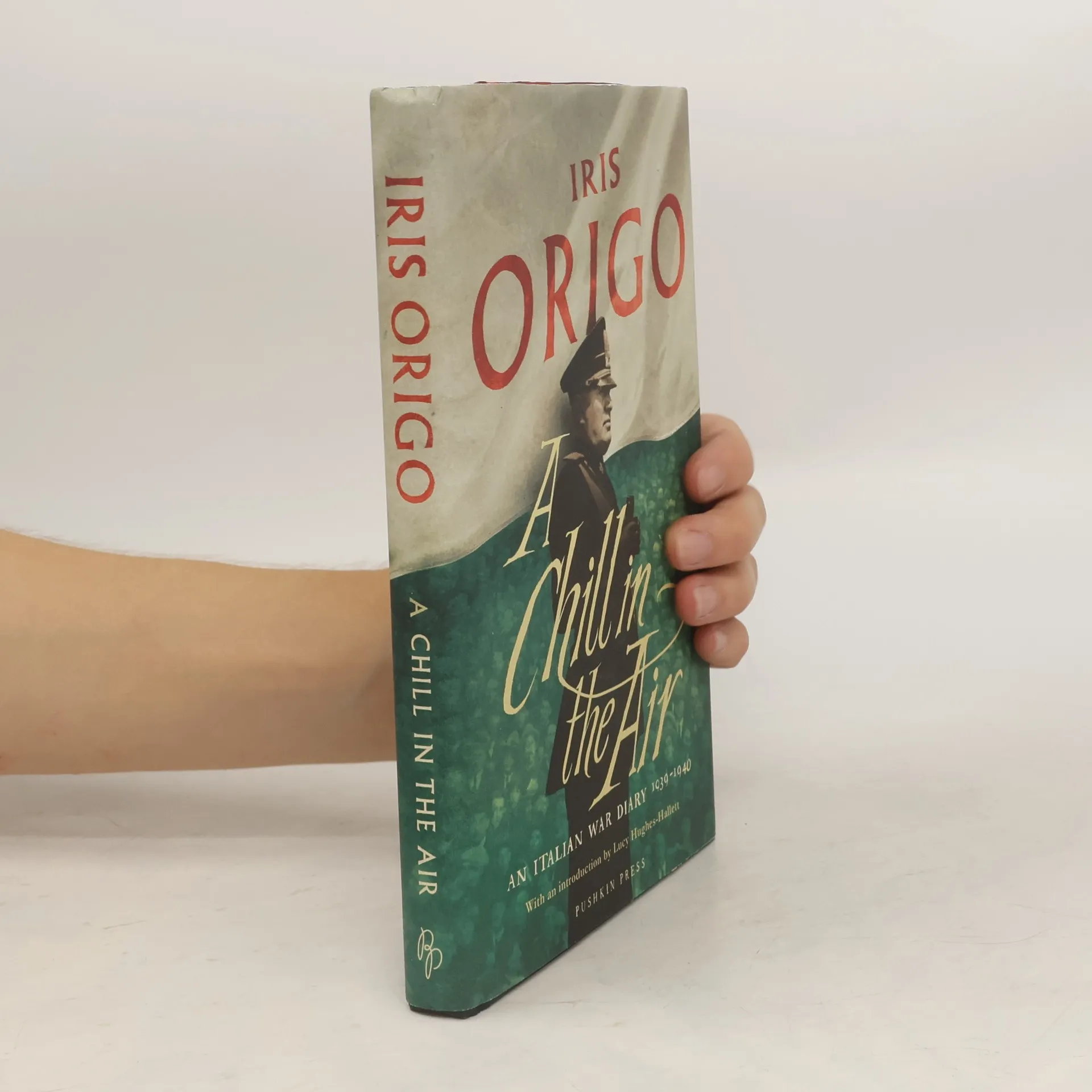
War in Italy in 1939 was by no means necessary, or even beneficial to the country. But in June 1940, Mussolini finally declared war on Britain and France. The awful inevitability with which Italy stumbled its way into a war for which they were ill prepared and largely unenthusiastic is documented here with grace and clarity by one of the twentieth century's great diarists. This diary, which had never been published and was recently found in Origo's archives, is the sad and gripping account of the grim absurdities that Italy and the world underwent as war became more and more unavoidable. Iris Origo, British-born and living in Italy, was ideally placed to record the events: extremely engaged with the world around her, connected to people from all areas of society (from the peasants on her estate to the US ambassador to Italy), she writes of the turmoil, the danger, and the dreadful bleakness of Italy in the years 1939-1940, as war went from a possibility to a dreadful reality. A Chill in the Air covers the beginning of a war whose catastrophic effects are documented in the bestselling War in Val D'Orcia .
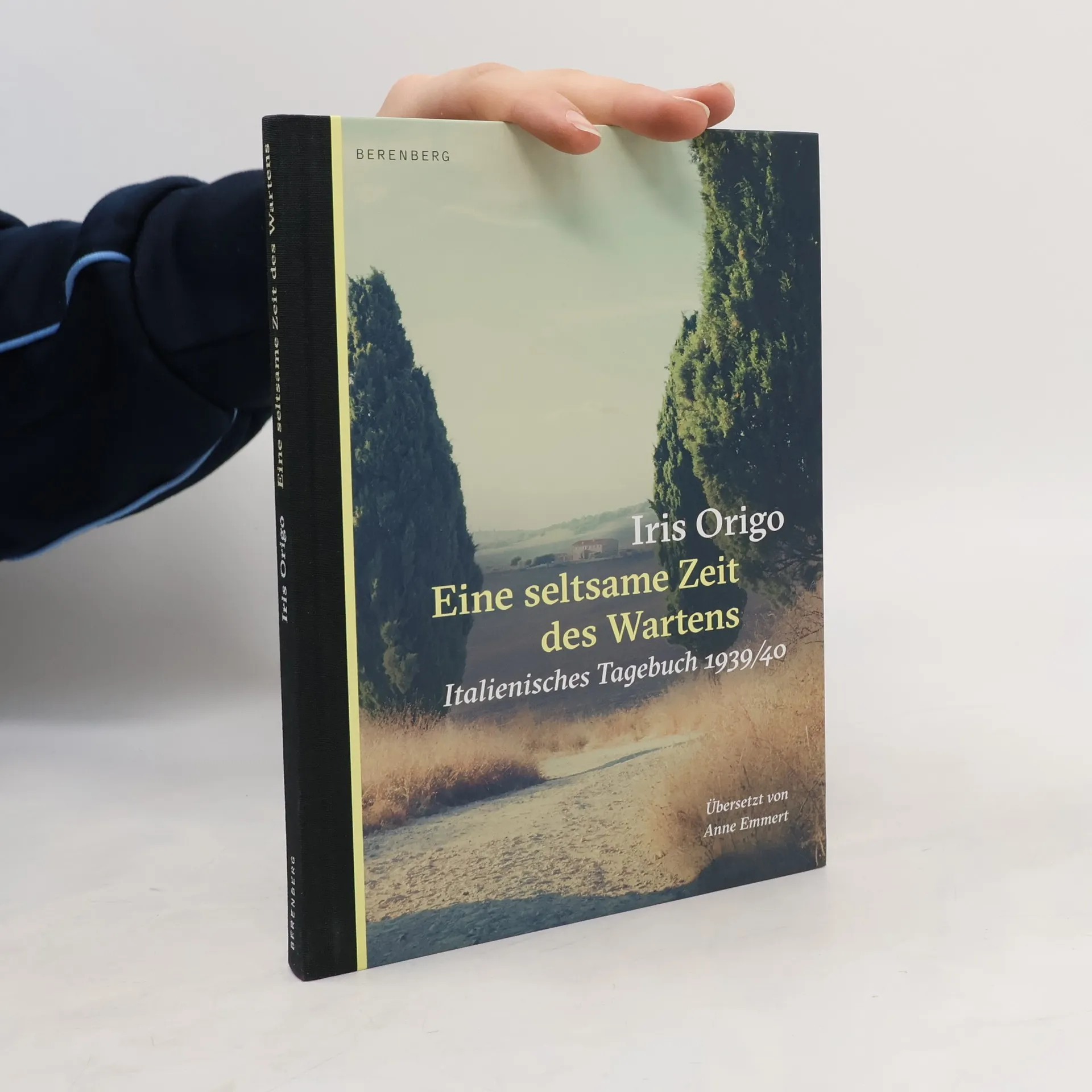
In der Rückschau ist es leicht, Anzeichen für drohendes Unheil auszumachen. Aber wer mittendrin in der Geschichte steckt, kann nur versuchen, sich aus Gehörtem, Gesehenem und Gelesenem ein Bild zusammenzusetzen. Im Sommer 1940 tritt Italien an der Seite Hitlers in den Zweiten Weltkrieg ein, ein gutes Jahr zuvor beginnt Iris Origo ihr – erst kürzlich entdecktes – Tagebuch. Die Britin lebt auf dem Land in der Toskana, ist aber auch bestens mit intellektuellen und diplomatischen Kreisen in Rom vernetzt. Und während die Nazis triumphierend über halb Europa hinwegziehen, spricht sie mit Bauern und Politikern, hört Radio und liest Zeitungen – und hält alles fest. So bekommen wir dank Iris Origo nicht nur Einblick ins faschistische Italien, sondern auch ein Gefühl dafür, wie es ist, wenn die Welt am Wendepunkt steht.
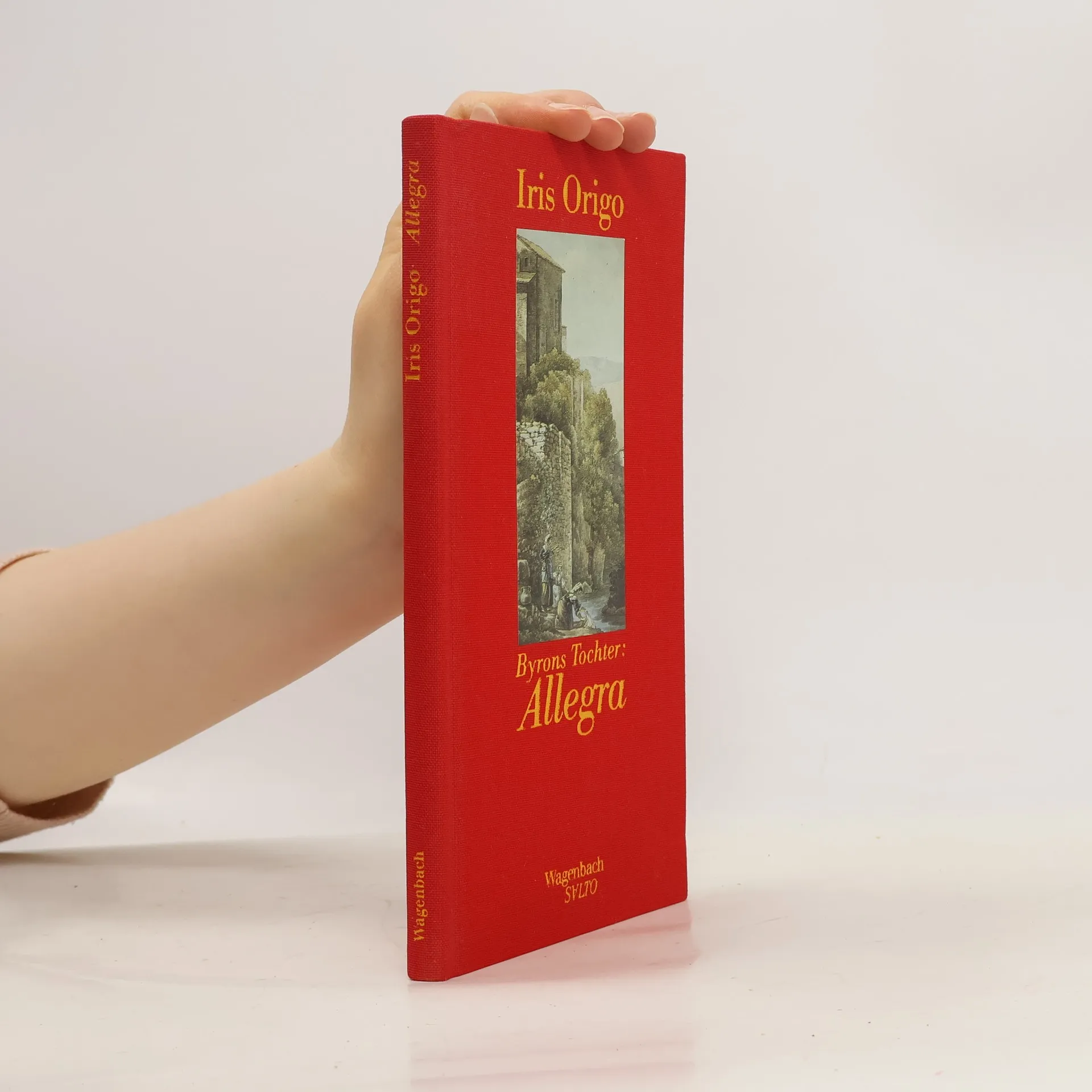
Allegra, die uneheliche Tochter Lord Byrons und Claire Clairmonts, Schwägerin des Dichters Shelley, wurde nur 5 Jahre alt (1817-1822). Ihre kurze Lebensgeschichte ist nicht nur eine ergreifende menschliche Tragödie, sie gewährt auch einen Blick äin ein bizarres kulturgeschichtliches Séparée des 19. Jh., ist auch eine Reise durch die psychologischen Kalamitäten des empfindsamen Zeitaltersä.