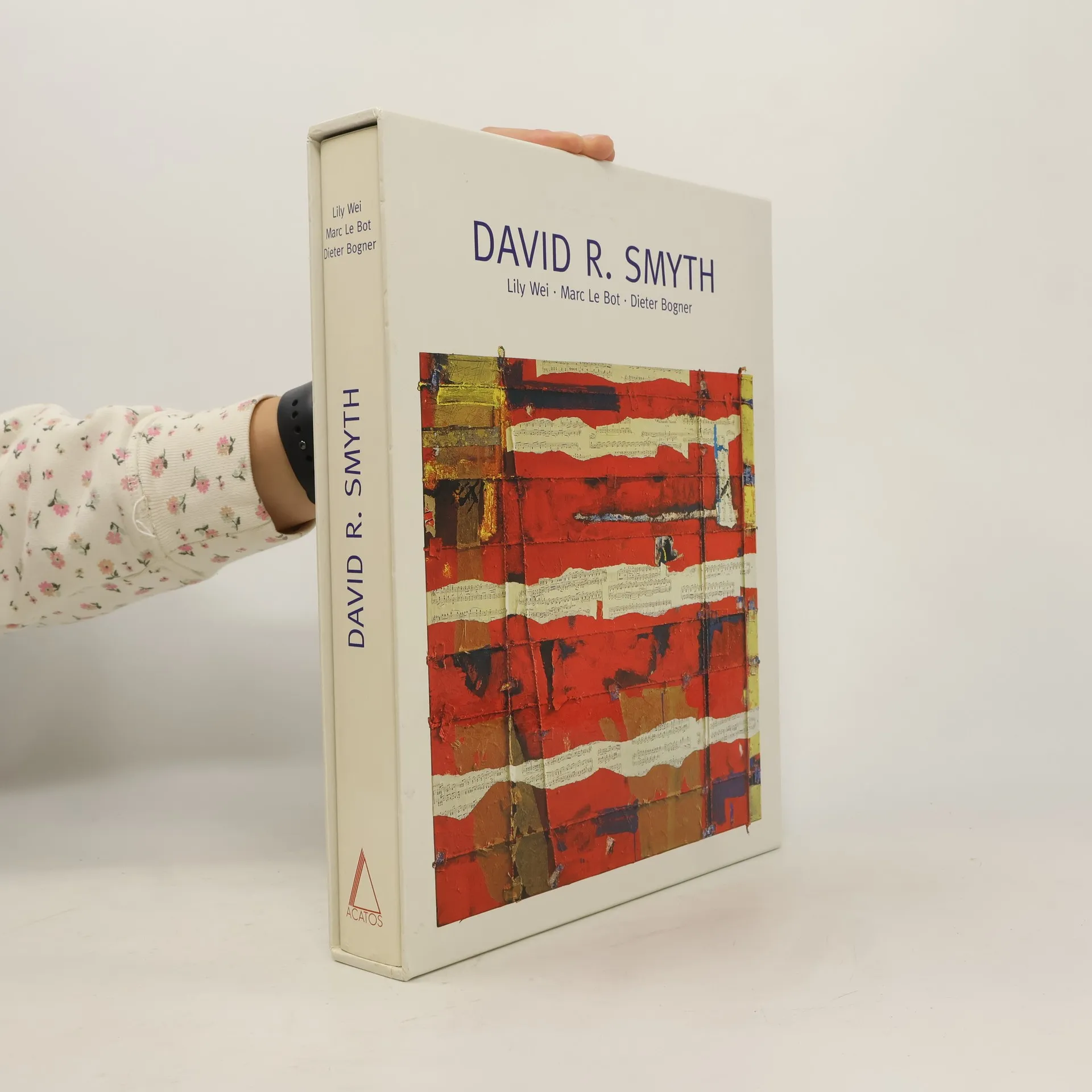
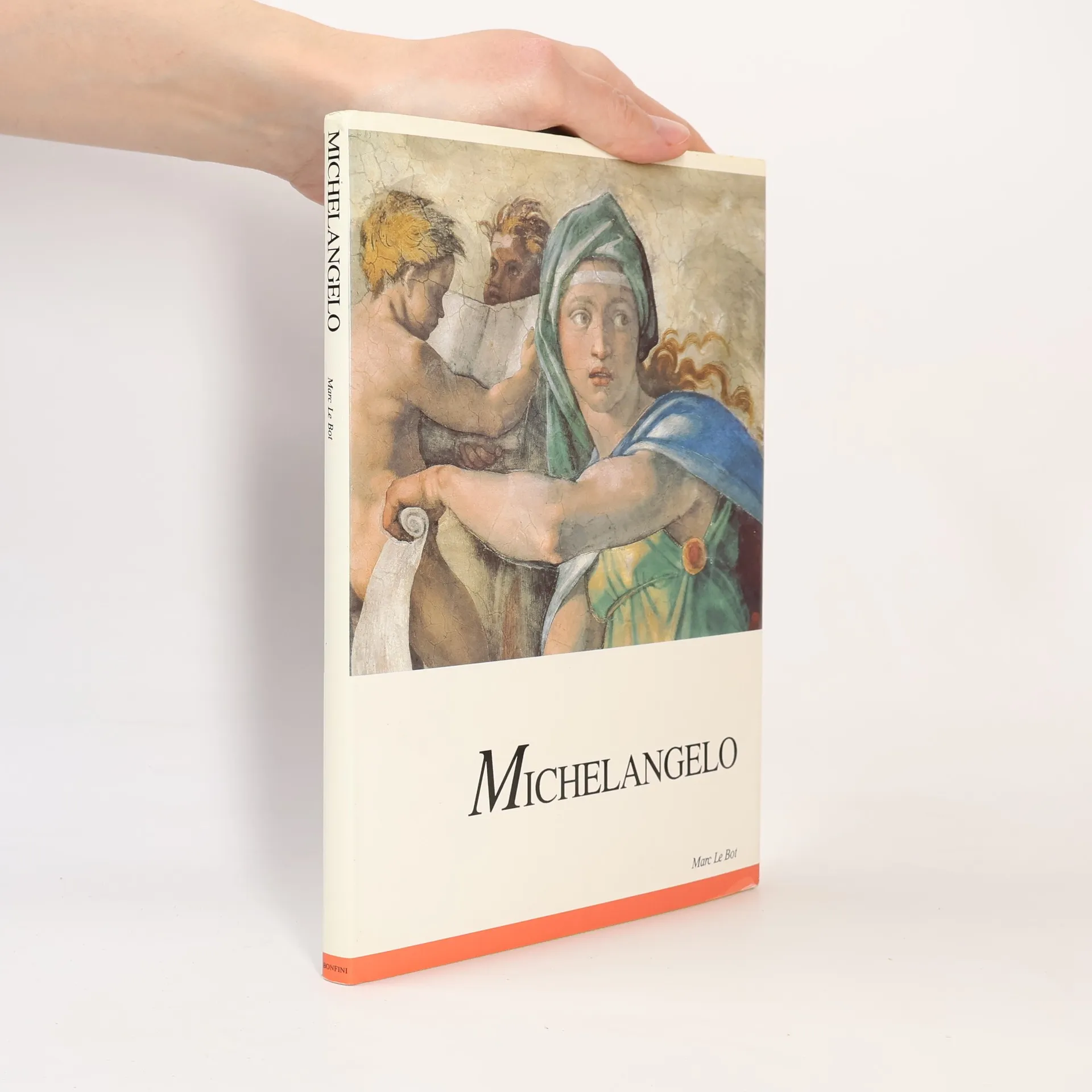
Wenige Künstler repräsentieren die zeitgenössische amerikanische Malerei so wie David R. Smyth. Sein optimistischer Blick auf die Welt ermöglicht es ihm, ein großes Werk zu schaffen, ein einzigartiges Universum aus aufwendigen Gemälden, Skulpturen und Zeichnungen, das für einen neuen und freudvollen Ansatz zur Wahrnehmung und Erfahrung von Kunst steht. Dieses Buch zeigt mehr als 700 Beispiele seines Schaffens von seinen Anfängen in den sechziger Jahren bis 2000, begleitet von Texten von Lily Wei, Marc Le Bot und Dieter Bogner. David R. Smyth, ein US-Bürger, lebt und arbeitet gleichermaßen in New York und Europa.
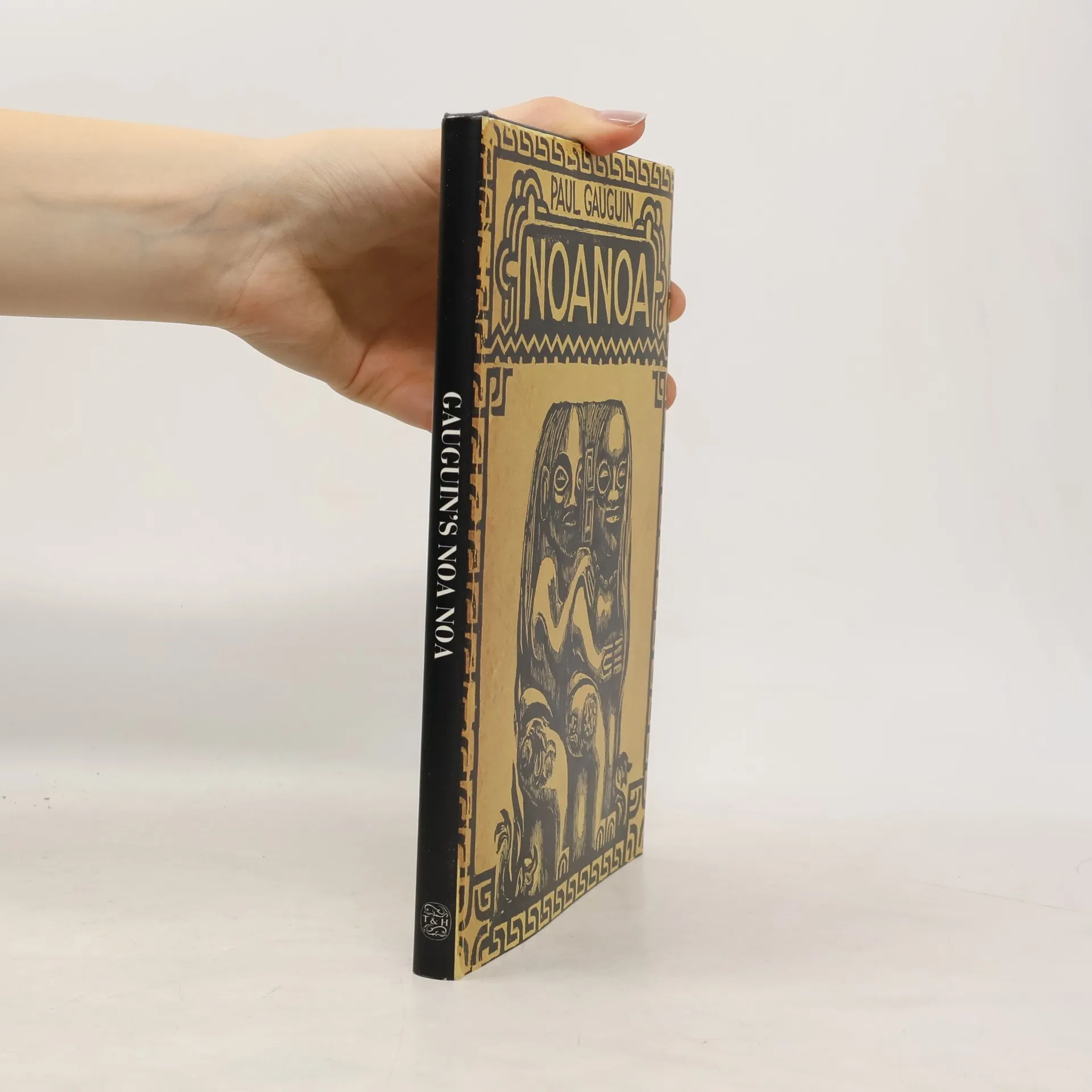
Impressions from two years in Tahiti form a compelling autobiographical fragment, enhanced by 24 black-and-white illustrations. In 1891, Paul Gauguin fled "filthy Europe" seeking an unspoiled paradise in Tahiti, where he painted 66 magnificent canvases and kept notes that became Noa Noa. This journal captures his thoughts and impressions during that time, reproduced here from a rare 1919 edition in a lucid translation that reflects his unpretentious style. Each page reveals Gauguin's keen observations of Tahiti and its people, alongside his passionate quest for inner harmony, which he expressed so profoundly on canvas. His prose is as seductive as his paintings, filled with evocative descriptions of warm seas, hidden lagoons, lush forests, and beautiful Maori women. The journal offers a captivating glimpse into the soul of a genius and Oceanian culture, eloquently expressing the brief moments of happiness he found among the Tahitians. It provides insight into his motives and a deeper appreciation of his art. This manuscript gives unparalleled access to Gauguin's thoughts as he sought spiritual peace and shaped a unique artistic style that transformed modern art. This affordable edition, enhanced by Gauguin's South Seas drawings, makes a passionate testament accessible to all art lovers.